因城施策

Search documents
再放松!3改2、2改1、公积金首付下调,北京楼市新政今起施行
2 1 Shi Ji Jing Ji Bao Dao· 2025-12-24 10:20
资料图 21世纪经济报道记者李莎 北京报道 12月24日下午,北京市住建委等4部门联合印发《关于进一步优化调整本市房地产相关政策的通知》(以下 简称《通知》)。 新政涉及优化限购、调整房贷利率、降低二套房公积金贷款首付比例等多个方面,新政自2025年12月24日起施行。 具体来看,在限购方面,一是缩短非京籍家庭购房的社保或个税缴纳年限,其中购买五环内商品房的社保或个税年限,从原有的"3年"调减 为"2年";购买五环外商品房的,由原有的"2年"调减为"1年"。 二是支持多子女家庭购房需求。对二孩及以上的多子女居民家庭,可在五环内再多购买一套商品住房。这意味着京籍多子女家庭可在五环内购 买3套商品住房;非京籍多子女家庭连续缴纳满2年以上社保或个税的,可在五环内购买2套商品住房。 在房贷政策调整方面,各银行业金融机构根据北京地区市场利率定价自律机制要求和本机构经营状况、客户风险状况等因素,在利率定价机制 安排方面不再区分首套房和二套房,合理确定每笔商业性个人住房贷款的具体利率水平。 在公积金政策方面,降低二套住房公积金贷款最低首付比例,从不低于30%调整为不低于25%。 此外,《通知》还提出,为进一步优化营商环境, ...

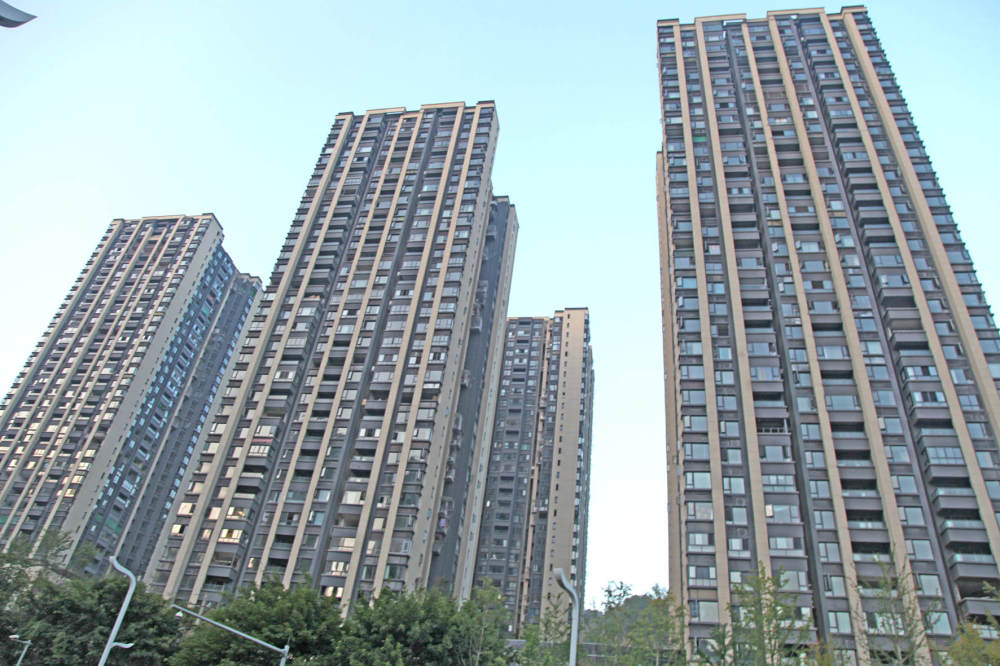
因城施策“控增量、去库存、优供给” 2026年将着力稳定房地产市场
Yang Shi Wang· 2025-12-23 07:46
央视网消息:记者23日从全国住房城乡建设工作会议上获悉,2026年,各地住房城乡建设部门要围绕推进现代化人民城市建设,开展好城 市更新和城市治理相关工作。此外,将着力稳定房地产市场,并围绕房地产市场部署了多项重点工作。 城市政府要用足用好房地产调控自主权,适时调整优化房地产政策,支持居民刚性和改善性住房需求,推动房地产市场平稳运行;加快构 建房地产发展新模式,有序搭建基础性制度,在房地产开发上做实房地产开发项目公司制。在房地产融资上,推行主办银行制。在商品房销售 上,推进现房销售制,实现"所见即所得",从根本上防范交付风险。 2026年,各地要重点围绕因城施策控增量、去库存、优供给,结合城市更新、城中村改造盘活利用存量用地,推动收购存量商品房用作保 障性住房、安置房、宿舍、人才房等。优化和精准实施保障性住房供应,实施房屋品质提升工程,有序推进"好房子"建设;进一步发挥房地产 项目"白名单"制度作用,支持房地产企业合理融资需求。 继续实行预售的,规范预售资金监管,切实维护购房人合法权益。同时,深化住房公积金制度改革。实施物业服务质量提升行动,探索社 区党组织领导下的居委会、业委会、物业服务企业协调运行新模式,探 ...
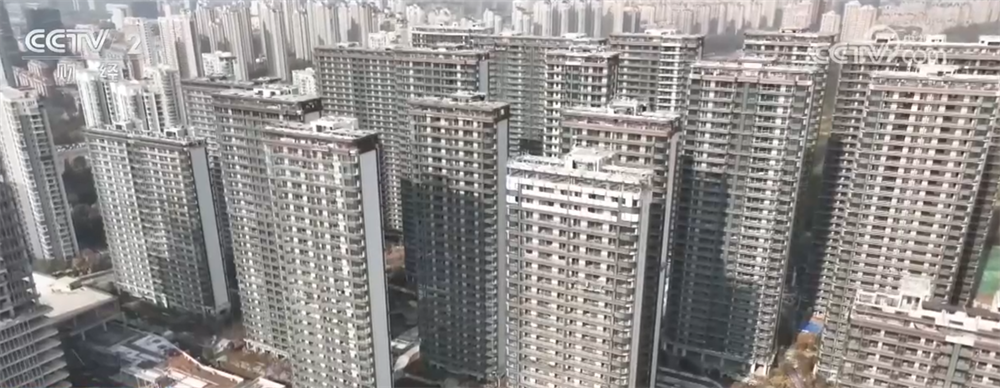
住建部定调2026楼市调控:因城施策控增量、去库存、优供给
Bei Jing Shang Bao· 2025-12-23 04:24
北京商报讯(记者 王寅浩 李晗)12月22日至23日,全国住房城乡建设工作会议在北京召开。 会议明确,因城施策控增量、去库存、优供给,结合城市更新、城中村改造盘活利用存量用地,推动收 购存量商品房用作保障性住房、安置房、宿舍、人才房等。优化和精准实施保障性住房供应,实施房屋 品质提升工程,有序推进"好房子"建设。 ...
五年首提“公积金制度改革”,对稳楼市有何影响?专家:减轻购房压力
Sou Hu Cai Jing· 2025-12-17 13:47
据新华社报道,12月16日,中央财办有关负责人接受媒体采访时提到,要以构建新模式为牵引推动房地产高质量发展,包括改革完善房地产开发、融资、销 售等基础制度,合理把握房地产发展新模式各项基础制度出台时机,深化住房公积金制度改革。 此前,中央经济工作会议强调"着力稳定房地产市场",提出因城施策控增量、去库存、优供给。这释放出"防风险、稳预期、促转型"的清晰信号,为处于深 度调整期的房地产市场指明了政策路径。 时代周报记者梳理发现,过去五年来中央经济工作会议涉房地产内容来看,"稳楼市"是不变的核心内容。 全国房地产经理人联盟理事邓浩志对时代周报记者指出,今年中央经济工作会议关于房地产的内容,提出"因城施策控增量、去库存、优供给",具体操作上 提出"收购存量商品房重点用于保障性用房""公积金制度改革"等,而且这两项表述在最近五年中央经济工作会议中首度出现。 图源:图虫创意 接下来,如何"稳楼市"? 住房和城乡建设部部长倪虹在12月16日发表的署名文章提到,建立"人、房、地、钱"要素联动机制,根据人口变化合理确定住房需求,科学安排土地供应、 引导配置金融资源,实现以人定房、以房定地、以房定钱,促进房地产市场供需平衡、结 ...

稳楼市需在政策和改革上做出突破
2 1 Shi Ji Jing Ji Bao Dao· 2025-12-16 22:59
Core Viewpoint - The central economic work conference emphasizes stabilizing the real estate market through city-specific policies, controlling new supply, reducing inventory, and optimizing supply, while encouraging the acquisition of existing properties for affordable housing [1][2]. Group 1: Market Stabilization - The focus for 2026 will remain on stabilizing the real estate market, with significant efforts made previously to alleviate market pressures, yet there is a need for better balance in supply and demand across various cities [1]. - The inventory cycle for new and second-hand homes varies by city, with some areas experiencing prolonged inventory clearance periods [1]. - The development of high-quality projects is ongoing, but issues of scale and homogeneity persist, leading to pressure on new home sales [1]. Group 2: Housing Demand Dynamics - Housing demand is diversifying, with varying potential and supply gaps across different urban areas, influenced by population and employment shifts [1][2]. - The rental market and second-hand housing are absorbing some of the new housing demand, indicating a shift towards a dual rental and purchase model [2]. - In 30 key cities, nearly 70% of housing transactions are for second-hand homes, highlighting a significant shift in consumer behavior [2]. Group 3: Affordable Housing Initiatives - The acquisition of existing properties for affordable housing is a response to the growing demand from new urban residents, with a focus on low-cost housing solutions [3][4]. - The financial burden on local governments necessitates innovative approaches to mobilize existing housing stock for public benefit [3]. - The integration of policies supporting both existing and new housing initiatives is crucial for effective market management [3]. Group 4: New Housing Models - Encouragement of diverse participation from developers, long-term rental companies, and other stakeholders is essential for revitalizing the housing market [4]. - The exploration of new usage models for acquired properties, such as transforming them into long-term rentals or community spaces, is being prioritized [4][5]. - The aim is to elevate the overall quality of housing supply, creating a dynamic balance between high-quality supply and demand [5].
中央经济工作会议后,2026年地产怎么看?
2025-12-15 01:55
Summary of Conference Call on Real Estate Market Industry Overview - The conference call primarily discusses the real estate market in China and Hong Kong, focusing on policy changes and market trends for 2025 and beyond [1][2]. Key Points and Arguments 1. Policy Direction and Stability - The Central Economic Work Conference emphasizes the need to stabilize the real estate market, indicating that the goal of stopping the decline in 2024 was not fully achieved. The focus has shifted to long-term stability strategies [2][3]. - Future policies will likely include city-specific measures, inventory reduction, and supply optimization to stabilize the market. This includes encouraging the purchase of existing properties for affordable housing [3][4]. 2. Potential Policy Measures - Possible measures may involve relaxing restrictions on home purchases and loans, as well as using monetary tools like interest rate cuts to lower mortgage costs [4][6]. - The implementation of a mortgage interest subsidy policy is anticipated, although not explicitly mentioned during the conference. This could help reduce home buying costs [6][7]. 3. Urban Renewal and Housing Fund Reforms - Urban renewal efforts will focus on high-quality improvements, enhancing living conditions, and transforming old neighborhoods into attractive communities [5]. - Reforms to the housing provident fund will expand coverage to flexible employment workers and allow funds to be used for renovations, improving accessibility and efficiency [5]. 4. Hong Kong Real Estate Market Trends - The Hong Kong real estate market is in a recovery phase, with private residential prices increasing by 0.4% month-on-month and 1.1% year-on-year in October. The market has seen a continuous rise for five months [8]. - Despite a 27% year-on-year decline in new residential transactions, the cumulative transaction volume for new and second-hand homes has increased by approximately 17% [8]. - Rental prices for private residences in Hong Kong have shown a year-on-year increase of 4%, with most residential properties generating positive cash flow due to rental yields exceeding mortgage rates [8]. 5. Economic Indicators and Future Outlook - Retail sales in Hong Kong grew by 7% year-on-year in October, indicating a gradual recovery in the retail sector [3][8]. - The future trajectory of the Hong Kong market is heavily dependent on the U.S. Federal Reserve's interest rate decisions, which could further influence mortgage rates and market recovery [8]. Additional Important Insights - The effectiveness of mortgage interest subsidies, such as those implemented in Changchun, shows that while they can boost transaction volumes, they may not significantly prevent price declines [7]. - The focus on urban renewal and housing fund reforms indicates a shift towards improving living standards and accessibility in the housing market, which could have long-term positive effects [5][6]. This summary encapsulates the key discussions and insights from the conference call regarding the real estate market, highlighting the anticipated policy changes and market trends for 2025.
着力稳定房地产市场
Ren Min Ri Bao· 2025-12-14 22:30
Group 1 - The central economic work conference emphasized stabilizing the real estate market through city-specific policies to control new supply, reduce inventory, and improve supply [1] - In the first eleven months, the proportion of second-hand housing transactions in total transactions reached 45%, indicating a shift towards a market dominated by second-hand housing [1] - Experts noted that the current supply-demand relationship in the real estate market has changed significantly, with a reduction in new supply reflecting both policy implementation and market self-adjustment [1] Group 2 - Some hot cities, such as Xiamen, Guiyang, and Wuhan, showed positive signs of recovery, with both new and second-hand housing transaction volumes increasing year-on-year [2] - The successful hot cities share characteristics such as solid fundamentals and coordinated policy efforts, which include optimizing purchase restrictions and lowering down payment ratios [2] - The rapid development of the rental market and the implementation of "rent and purchase rights" policies are reshaping housing consumption patterns, with increased demand for public rental housing [2]
部分热点城市呈现回暖向好积极态势 着力稳定房地产市场
Ren Min Ri Bao· 2025-12-14 22:10
Core Viewpoint - The recent Central Economic Work Conference emphasizes stabilizing the real estate market through city-specific policies to control new supply, reduce inventory, and improve supply quality [1] Group 1: Market Dynamics - The real estate market is experiencing a significant transformation, with a notable increase in the role of second-hand housing as new housing sales decline. From January to November, second-hand housing transactions accounted for 45% of total transaction volume [1] - Experts indicate that the traditional model of new housing sales is shifting towards a balanced market where both new and second-hand housing coexist, with a potential dominance of second-hand transactions in the future [1] Group 2: Policy and Demand - Various regions have accelerated the implementation of supportive policies to stimulate both rigid and improved housing demand, contributing to a stabilization of the real estate market [1] - In key cities, new and second-hand housing transaction volumes have shown year-on-year growth from January to November, indicating a positive trend in the market [2] Group 3: Housing Supply and Rental Market - The rental market is increasingly substituting part of the home-buying demand, driven by the rapid development of housing rental markets and the implementation of "rent and purchase rights" policies [2] - There is a growing demand for public rental housing among those facing housing difficulties, highlighting the need for effective supply solutions to address this issue [2] Group 4: Risk Management and Market Confidence - Recent progress in debt resolution for real estate companies is contributing to the gradual clearing of industry risks, with large developers increasing land acquisitions in key cities [2] - The "white list" funding support for qualifying projects is part of the ongoing efforts to ensure housing delivery, which is helping to restore market confidence [2]
地产专题分析报告:重提“去库存”
SINOLINK SECURITIES· 2025-12-14 06:22
新房景气度下行趋缓,二手房景气度底部企稳,成交量均出现小幅回落。政策方面,经济工作会议再提"去库存",重 点是"因城施策",一线城市重心是"优供给",三四线城市侧重于"控增量"、"去库存"。 风险提示 房价下行幅度和速度超预期,房企债务风险超预期,宏观经济超预期下行。 敬请参阅最后一页特别声明 1 扫码获取更多服务 宏观经济点评 新房方面,本周(12.6-12.12)景气度下行趋缓,新房销售面积小幅回落,47 城新房成交量环比-9.8%,同比-44.9%, 主要受季节性因素影响,降幅较上周走阔。 图表1:新房成交面积保持稳定 0 100 200 300 400 500 600 700 800 900 1000 1W 2W 3W 4W 5W 6W 7W 8W 9W 10W 11W 12W 13W 14W 15W 16W 17W 18W 19W 20W 21W 22W 23W 24W 25W 26W 27W 28W 29W 30W 31W 32W 33W 34W 35W 36W 37W 38W 39W 40W 41W 42W 43W 44W 45W 46W 47W 48W 49W 50W 51W 52W 47城新 ...
重磅!中央传递房地产维稳信号,寻常百姓买房卖房要抓住哪些机遇?
Sou Hu Cai Jing· 2025-12-13 06:57
Core Viewpoint - The recent emphasis on "stabilizing the real estate market" by the central government signals a significant shift in policy direction, moving from emergency measures to a long-term recovery plan for the real estate sector [1][3]. Policy Shift - The focus has shifted from "rescue" and "risk prevention" to "controlling increments, reducing inventory, and optimizing supply," indicating a more strategic approach to managing the real estate market [3]. - "Controlling increments" means stricter regulations on new construction, especially in areas with excess housing supply [3]. - The new approach encourages the acquisition of existing properties for affordable housing, effectively addressing unsold inventory while increasing the supply of social housing [3]. - The emphasis on "optimizing supply" suggests a future focus on building quality housing that meets actual demand [3]. Market Conditions - The most dangerous phase for the real estate market has passed, with over 5.6 trillion yuan in funding provided to reliable developers, helping to stabilize the market [5]. - Market differentiation is emerging, with some cities showing signs of recovery while others remain stagnant [5]. Implications for Buyers - Current conditions present a "policy dividend window," where the cost of purchasing a home is at historical lows, with mortgage rates for first-time buyers dropping to the 3% range [7]. - Various incentives, such as subsidies for multi-child families and tax reductions for home purchases, are available to ease financial burdens [8]. - Buyers are advised to prioritize safety and liquidity when purchasing homes, focusing on properties from developers on the "white list" and those with strong resale potential [8]. Recommendations for Sellers - Sellers should consider offloading properties in third- and fourth-tier cities with weak local economies, as these areas face declining prices and high inventory [11]. - Properties that are old, small, or located in less desirable areas should also be considered for sale, as they may struggle to attract buyers [13]. - It is recommended to retain primary residences and high-quality properties in core urban areas, as these assets are likely to maintain their value over time [13][15]. Market Dynamics - The future market will likely see 90% of ordinary properties stagnating or declining in value, while only 10% of high-quality properties will retain their worth [15]. - Decision-making should be tailored to specific cities, neighborhoods, and individual properties, moving away from a one-size-fits-all mentality [16].