夏普比率

Search documents
【盛·学堂】双十一“剁手”前,先看看你的“投资购物车”装对了吗?
Sou Hu Cai Jing· 2025-11-05 19:51
Core Insights - The article draws a parallel between shopping for products during the Double Eleven sales and selecting investment funds, emphasizing the importance of a strategic approach in both scenarios Part 01: Fund Selection Guide - Step 1: Define the investment goal, similar to having a shopping objective, which helps in selecting suitable funds based on investment planning, risk tolerance, and time horizon [3] - Step 2: Evaluate historical performance and fund manager credibility, as past performance can indicate the manager's capability, even though it does not guarantee future results [3] - Step 3: Assess the cost-benefit ratio using the Sharpe ratio, which measures excess return per unit of risk, with a ratio above 1 indicating good performance and above 2 indicating excellent performance [3] - Step 4: Review the fund's holdings, focusing on industry distribution and top holdings to ensure alignment with investment intentions and avoid redundancy in the portfolio [4] Part 02: Rational Fund Management - Avoid impulsive purchases driven by market trends, akin to emotional shopping, to prevent poor investment decisions [6] - Refrain from frequent redemptions, as high transaction costs can disrupt long-term strategies and lead to a cycle of chasing market trends [7] Part 03: Optimizing the Investment Portfolio - Regular maintenance of the investment portfolio is essential, similar to periodically cleaning a shopping cart [9] - Implement a "core-satellite" strategy, allocating 60%-80% to core assets for stability and 20%-40% to satellite assets for higher returns [10][11] - Conduct periodic reviews of the fund portfolio to rebalance and maintain the intended asset allocation, ensuring alignment with market conditions [13]


WEI指数有所回升——每周经济观察第43期
一瑜中的· 2025-10-27 14:42
Group 1: Economic Trends - The Huachuang Macro WEI Index increased to 5.3% as of October 19, up 1.19 points from the previous week [2] - Port container throughput showed a slight rebound, with a 3.6% increase compared to the previous week, while the year-on-year growth rate decreased to 4.3% [2][27] - Oil prices rebounded significantly, with WTI crude oil closing at $61.5 per barrel, up 6.9%, and Brent crude at $65.9 per barrel, up 7.6% [2][44] Group 2: Consumer Behavior - Retail sales of passenger cars turned negative, with a cumulative year-on-year decrease of 5.7% as of October 18, compared to a 6% increase in September [3][16] - The growth rate of non-durable goods consumption declined, with express delivery volume showing a year-on-year decrease of 0.8% [3][16] - Real estate sales saw a significant drop, with residential sales in 67 cities down 23% year-on-year as of October 24, compared to a 1.2% decline in September [3][16] Group 3: Production and Industry - Cement dispatch rates fluctuated, with a rate of 38.4% as of October 17, slightly up from the previous week [19] - Industrial production showed a decline in coal throughput at Qinhuangdao Port, with a year-on-year increase of only 4.6% as of October 24, down from 19% in September [19][23] - The construction sector's apparent consumption of rebar was down 14% year-on-year as of October 24 [19] Group 4: Policy and Investment - New policy financial tools have been issued, totaling over 330 billion yuan, expected to drive total project investment of 4.8 trillion yuan [4][49] - The focus of the recent Central Committee meeting shifted from "supply-side reform" to "building a unified market," indicating a change in policy direction [4][23] - The Ministry of Industry and Information Technology emphasized the need for modernization in industry governance during the recent meeting [4][23] Group 5: Trade Dynamics - The number of ships from China to the U.S. saw a significant year-on-year decline of 28.6% as of October 25 [27][29] - The overall import value from the U.S. showed a slight rebound, while imports from China remained at a low level, with a year-on-year decrease of 24.8% [28][29] - Container shipping rates for exports from Shanghai increased by 7.1% in the week ending October 24 [27] Group 6: Price Movements - Prices for pork and eggs continued to decline, with pork prices down 1.7% and egg prices down 2% [45] - The overall commodity price index increased by 0.9%, while global commodity prices rose significantly, with the RJ/CRB index up 3.3% [43][44] - The price of industrial silicon futures decreased by 0.5%, while polysilicon futures dropped by 4.1% [44][45]

我们常说的夏普比率到底有什么用?
Sou Hu Cai Jing· 2025-10-25 10:40
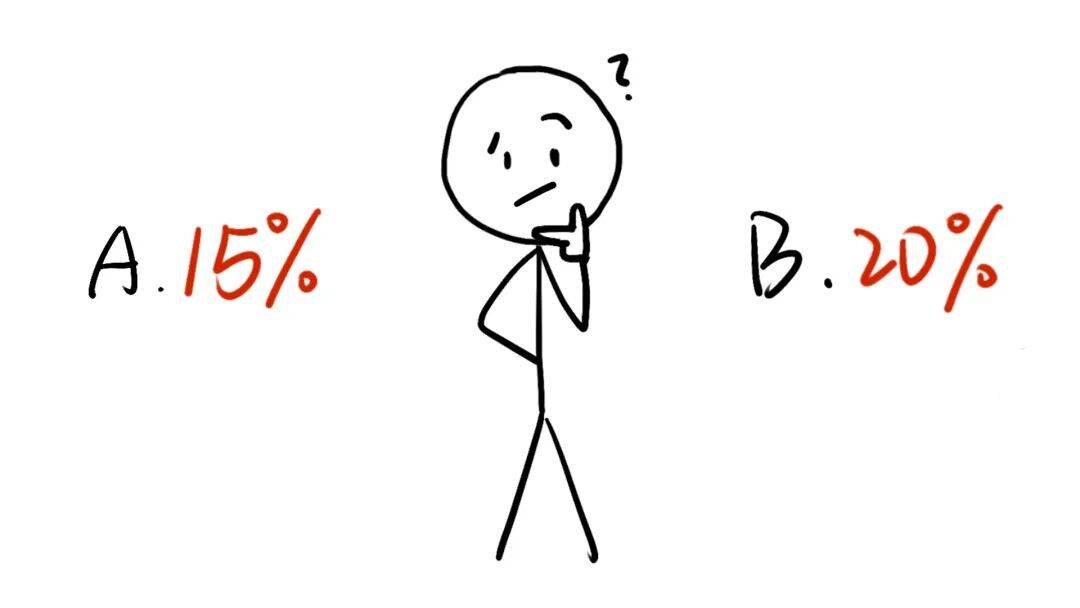
Group 1 - The article discusses the importance of considering both returns and risks when making investment decisions, highlighting that focusing solely on returns can be dangerous [4][6] - It introduces the Sharpe Ratio as a key metric that helps investors evaluate the "cost-effectiveness" of their investments by considering both returns and risks [8][9] - The Sharpe Ratio is defined as the ratio of excess return (returns above the risk-free rate) to the volatility of the investment, where the risk-free rate is typically represented by short-term government bond yields [13][15][19] Group 2 - An example is provided comparing two funds: Fund A with a 15% return and Fund B with a 20% return, emphasizing that Fund A may be a better choice due to its lower volatility risk [21][23] - The article notes that investors do not need to calculate the Sharpe Ratio themselves, as it is usually provided in the product descriptions of both public and private funds [24] - It outlines that a Sharpe Ratio below 0 indicates that the investment is underperforming compared to risk-free assets, suggesting that such investments should be avoided [25] Group 3 - The article warns against comparing Sharpe Ratios across different strategies, as they have inherently different risk-return characteristics [27] - It emphasizes the importance of using a longer time frame (3-5 years) for evaluating the reliability of the Sharpe Ratio, as shorter periods may not capture complete market cycles [29] - The article concludes that while the Sharpe Ratio is a valuable tool, it should not be the sole metric for investment decisions; other dimensions should also be considered [31][32]

投资都会经历风险,但这个方式可以让你的风险更值钱!
雪球· 2025-10-25 04:07
Core Viewpoint - The article emphasizes the importance of balancing risk and return in investment strategies, advocating for the use of the Sharpe Ratio as a key metric for evaluating investment performance and making informed asset allocation decisions [6][7]. Group 1: Investment Performance - Various asset classes have performed well this year, with A-shares reaching a nearly 10-year high, and the Nasdaq and gold also hitting historical peaks [4]. - The author achieved a return exceeding 15% this year with a maximum drawdown of less than 8% by employing a diversified asset allocation strategy [4]. Group 2: Sharpe Ratio - The Sharpe Ratio, proposed by Nobel laureate William Sharpe, measures the risk-adjusted return of an investment, calculated as (expected return - risk-free rate) / volatility [7]. - A higher Sharpe Ratio indicates a better risk-return trade-off, allowing investors to assess the efficiency of their investments [7]. Group 3: Advantages of High Sharpe Ratio - Pursuing a high Sharpe Ratio eliminates the need for market timing, as investments with lower volatility tend to provide steadier returns [9][11]. - A high Sharpe Ratio enhances the trading experience by reducing psychological stress associated with market fluctuations [12][13]. - Time is a crucial factor in investment growth, and a stable return is necessary to benefit from compounding over time [14][15]. Group 4: Asset Allocation Strategy - The article suggests that effective asset allocation can significantly improve the Sharpe Ratio, with a reported Sharpe Ratio of 1.73 for a diversified portfolio compared to the CSI 300 index [16]. - Diversification across low-correlated assets can lower volatility, as demonstrated by the contrasting performance of A-shares, Nasdaq, and gold during market fluctuations [18][19][20]. - Optimizing asset weights within a portfolio can enhance the expected return while managing risk, as illustrated by a specific asset allocation strategy yielding over 15% returns with lower drawdowns [21].

长城基金杨光:挑战传统资产配置方法的新思路
点拾投资· 2025-10-14 00:46
Core Viewpoint - The article emphasizes the need for a paradigm shift in asset pricing and investment management, moving from traditional models to a more dynamic and adaptive approach that considers the non-linear relationships between assets and their roles within a portfolio [4][11][18]. Group 1: Asset Pricing Theory - Traditional asset pricing theories, such as the Capital Asset Pricing Model (CAPM), are based on strict assumptions of market efficiency and rational investors, which fail to explain market anomalies like momentum and value effects [4][12]. - The article argues that asset prices are influenced not only by their expected returns and risks but also by their roles in the overall investment portfolio and the dynamic relationships with other assets [4][11]. Group 2: Investment Strategy - The new investment philosophy focuses on systematically and proactively enhancing the risk-adjusted returns of investment portfolios rather than merely seeking absolute returns [4][11]. - The investment framework proposed is not about finding the "true value" of assets but about creating an adaptive system that can achieve stable growth across different market environments [7][16]. Group 3: Multi-Asset Allocation - The article discusses the importance of low correlation among assets in a multi-asset allocation strategy, which can significantly reduce the probability of negative monthly returns [22][23]. - A two-stage strategy combining CPPI (Constant Proportion Portfolio Insurance) and risk budgeting is suggested to enhance traditional methodologies and improve risk-adjusted returns [17][23]. Group 4: Market Dynamics - The article highlights that the correlation between assets is dynamic and can change with market conditions, which poses risks to traditional asset allocation frameworks that rely on historical data [12][15]. - The concept of "free lunch" in asset allocation, derived from low correlation, may diminish as market environments evolve, necessitating a deeper understanding of the underlying factors driving asset correlations [15][18]. Group 5: Future of Asset Pricing - The future of asset pricing is seen as a transition from a focus on historical data to an understanding of technological trends, industry changes, and collective human behavior [34]. - The new asset pricing framework is described as a three-dimensional investment model centered around technological advancement, new productive forces, and consensus-driven narratives [18][28].

国庆消费:出行仍有韧性,商品增长趋缓
一瑜中的· 2025-10-08 23:48
Group 1: National Day Consumption - Travel remains resilient, but growth rate slows compared to the May Day holiday, with a 5.3% year-on-year increase in cross-regional personnel flow during the first five days of the holiday, down from 7.9% during the May Day holiday [2][4] - The growth rate for long-distance travel by rail and civil aviation is low, both below 4%, while waterway and outbound travel show higher growth rates, with waterway passenger transport up 8.7% and international flights up 11.7% [4][17] - Retail sales growth is low at 3.3% year-on-year, indicating potential pressure on October's retail sales, with significant growth in home appliances and green food consumption [5][20][22] - Food prices remain stable, while service prices show mixed trends, with airfares rising by 9.2% and hotel prices varying significantly between first-tier and third/fourth-tier cities [6][24][25] - The film box office is down 19.2% year-on-year, potentially due to scheduling issues, despite some popular films performing well in previous months [7][27] Group 2: Weekly Economic Observation - The Huachuang macroeconomic WEI index has declined to 6.65%, down 2.12 percentage points from the previous week, but remains at a high level [29] - Durable goods consumption shows a decline in passenger car retail, with a year-on-year decrease of 2% reported [10][34] - Subway passenger transport growth has turned negative, with a 9.5% year-on-year decline reported in early October [11][34] - Oil prices have dropped significantly, with WTI crude oil at $61.69 per barrel, down 6.1% [12][52] - The new policy financial tool of 500 billion yuan is being actively promoted to support project capital [54][55]

一看就懂!用“卡玛比率”选基金的十种用法
Sou Hu Cai Jing· 2025-10-04 16:34
Core Insights - The article emphasizes the importance of the Calmar Ratio as a key reference indicator for selecting funds, highlighting its role in assessing risk-adjusted returns [2][4]. Summary by Sections Basic Screening - The Calmar Ratio is defined as the annualized return divided by the maximum drawdown, with a higher ratio indicating better risk-adjusted returns [4]. - Initial screening can involve setting the Calmar Ratio as the first criterion, focusing on funds with a ratio greater than 1 to avoid those with unfavorable risk-return profiles [6]. - Comparing funds within the same category using the Calmar Ratio helps identify those with superior risk management and return generation capabilities [8]. - Evaluating the Calmar Ratio during bear markets can reveal funds that maintain high ratios, indicating strong risk control [10]. Advanced Analysis - Combining the Calmar Ratio with the Sharpe Ratio allows for a comprehensive assessment of a fund's risk-return characteristics, focusing on extreme risks versus daily volatility [12]. - The Calmar Ratio serves as a litmus test for assessing a fund manager's risk management skills, with a consistently high ratio reflecting a disciplined investment approach [14]. - The maximum drawdown is crucial for understanding an investor's psychological comfort level, with a higher Calmar Ratio suggesting a better holding experience [16]. Strategy Application - For systematic investment plans, prioritizing funds with high Calmar Ratios can reduce psychological stress during market downturns while ensuring decent returns during upswings [19]. - In constructing a fund portfolio, including high Calmar Ratio funds can stabilize overall portfolio performance and reduce volatility [22]. - The Calmar Ratio can help identify "pseudo" high-yield funds that may carry hidden risks, allowing investors to avoid those with unsustainable returns [24]. - Regular monitoring of the Calmar Ratio for held funds can provide early warnings of deteriorating risk-return profiles, prompting timely adjustments [27].

从几千只基金里,如何挑出“长跑冠军”?核心就这三步!
Sou Hu Cai Jing· 2025-09-30 01:31
Core Insights - The article emphasizes the importance of a scientific selection logic for mutual funds, focusing on historical performance, fund managers, and Sharpe ratio to avoid pitfalls and identify potential funds [1][12]. Selection Criteria - Prioritize funds that have been established for over three years to ensure they have undergone a complete market cycle [3]. - Equity funds should demonstrate resilience through market fluctuations, as new funds lack historical data for evaluation [3]. - Funds ranked in the top 25% of their category serve as a benchmark for selection [3]. Performance Analysis - A case study illustrates a consumer-themed fund that outperformed the market during downturns and rebounded strongly, showcasing its defensive and offensive capabilities [4]. - Data from Wind indicates that funds consistently ranked in the top 25% over five years have a 78% probability of outperforming the market in the subsequent three years [4]. Fund Manager Evaluation - Fund managers with experience spanning two market cycles are preferred, as their track record reflects their ability to navigate different market conditions [5]. - For stock fund managers, an annualized return of over 15% is considered excellent, while bond fund managers should aim for 5%-8% with minimal drawdowns [7]. Investment Style and Market Compatibility - Investment style should align with the investor's risk tolerance, with value-oriented managers favoring low-turnover blue-chip stocks and growth-oriented managers focusing on high-volatility sectors [8]. - The Morningstar rating system can be used to identify funds consistently performing in the top 25% over three to five years [9]. Market Resilience - The ability of a fund to withstand bear markets is more critical than its performance in bull markets, with a focus on funds that exhibit lower drawdowns during market declines [9]. - Historical data suggests that funds managed by experienced managers outperform those managed by newer managers by an average of 3.2 percentage points over five years [10]. Risk-Return Assessment - The Sharpe ratio is a key metric for evaluating risk-adjusted returns, with a ratio above 1 indicating excellent performance [12]. - A comprehensive assessment should include maximum drawdown alongside the Sharpe ratio, aiming for a combination of a high Sharpe ratio and low drawdown [14]. Characteristics of Quality Funds - Quality funds typically maintain a Sharpe ratio above 1.5 and a maximum drawdown below 15% [15]. - Historical performance is a testament to past strength, while fund managers are crucial for long-term returns, and the Sharpe ratio serves as a risk-reward benchmark [15].

波动到底是风险还是收益?一文说清各种应对波动的策略
美股研究社· 2025-09-28 11:28
Core Viewpoint - The article discusses the relationship between volatility and risk, emphasizing that understanding volatility is crucial for becoming an excellent investor, as it is a tangible risk rather than a mere psychological issue [8][40]. Academic Perspective: Volatility = Risk - The Sharpe Ratio is highlighted as a key metric for evaluating fund performance, indicating that returns should be assessed in relation to the risks taken [10]. - Traditional financial theories define risk as the uncertainty of future returns, represented by price volatility [11]. - Historical examples illustrate that even if an investor believes in a company's future recovery, immediate financial needs can force them to sell at a loss due to volatility [12]. - The article argues that higher volatility necessitates higher expected returns as compensation, exemplified by the comparison of different funds and their respective drawdowns during market adjustments [14][15]. Practical Perspective: Volatility ≠ Risk - Warren Buffett's perspective is presented, asserting that volatility does not equate to risk; instead, the true risk is the permanent loss of capital [18][21]. - Buffett emphasizes that good companies can have high volatility without being poor investments, while low volatility can accompany poor business performance [19]. - The article notes that Buffett's views on volatility have evolved, initially seeing it as a source of profit but later recognizing it as a neutral concept [23][26]. Trading Perspective: Volatility = Return - The article discusses how risk-averse investors dislike volatility, while risk-seeking investors view it as an opportunity for returns [28][30]. - It explains that volatility can be treated as a tradable commodity, with strategies like options trading reflecting this dynamic [31][32]. - The article highlights that different trading strategies exist based on attitudes towards volatility, such as trend trading and grid trading, each with its own risk and return profiles [36][38]. Conclusion - The article concludes that volatility is an inherent aspect of the financial world, prompting investors to distinguish between what can be controlled and what cannot, as well as what can be judged and what cannot [44].

震荡市赚钱的秘密:波动率管理,如何在中国股市里逆风翻盘?
3 6 Ke· 2025-09-26 04:10
Core Insights - The article discusses the effectiveness of Volatility-Managed Portfolios (VMP) in the Chinese stock market, highlighting their ability to mitigate risks while capturing investment opportunities [1][3][5]. Group 1: Performance of Volatility-Managed Portfolios - A total of 71 factor strategies were tested, with 55 showing positive excess returns after volatility management, and 33 of these being statistically significant [2]. - In terms of risk-adjusted performance, 47 factor combinations improved their Sharpe ratios post-volatility management, with 15 showing significant enhancement [2]. - The excess returns were primarily concentrated in three categories: value, profitability, and trading friction, indicating that volatility management enhances traditional stock selection logic [2]. Group 2: Market Characteristics and Volatility Management - The unique characteristics of the Chinese stock market, such as limited arbitrage opportunities and the daily price limit system, create an environment where volatility management can thrive [3][4]. - The high proportion of retail investors in the Chinese market leads to emotional trading behaviors, which volatility management counters by adjusting positions based on market sentiment [4][6]. - The dynamic adjustment of risk exposure in response to market conditions allows volatility management to perform better during periods of market turmoil, as evidenced during the initial COVID-19 market shocks [7][10]. Group 3: Broader Implications for Management - The principles of volatility management can be applied beyond investing, offering valuable insights for corporate management in navigating uncertainties [9][10]. - Companies that adapt their strategies based on market volatility, rather than rigidly adhering to predictions, tend to perform better during crises [10][11]. - The article emphasizes that managing risk effectively can lead to better survival rates in both investment and corporate contexts, highlighting the importance of flexibility in decision-making [11][12].