
右侧交易

Search documents
年轻投资者“坐过山车”实录:要把控制风险放在第一位
Zhong Guo Zheng Quan Bao· 2026-02-05 22:28
Market Overview - The market has experienced a significant downturn, with international gold and silver prices dropping sharply, leading to a deep correction in precious metals and technology sectors, causing many funds to retract significantly [1][2] - Investors who previously enjoyed profits in January are now facing losses, with many expressing that losing money feels faster than making it [1] Investor Sentiment - Many young investors initially found joy in trading, with the market's upward trend providing a sense of achievement and recognition [2] - The sudden market decline has led to emotional distress among investors, with significant losses occurring in a single day, contrasting sharply with their previous gains [3] Investment Strategies - Young investors are learning and refining their investment strategies amidst market volatility, with some adopting diversified approaches and maintaining discipline [4][5] - A focus on absolute returns rather than comparisons to indices is noted, with some investors satisfied with modest annual returns in the current low-interest-rate environment [4] Risk Management - The importance of risk control is emphasized, with investors recognizing the need to understand their risk tolerance and avoid over-leveraging during market highs [6] - Experienced investors highlight the distinction between investing and speculating, stressing the necessity of understanding the companies behind investments [6]
要把控制风险放在第一位
Zhong Guo Zheng Quan Bao· 2026-02-05 20:27
Market Sentiment - The market has experienced a significant downturn, with international gold and silver prices dropping, leading to a deep correction in precious metals and technology sectors, causing many funds to retract sharply [1][2] - Investors who previously enjoyed profits in January are now facing losses, with some expressing that losing money feels faster than making it [1][2] Investor Behavior - Young investors are experiencing a shift in their investment mindset, with some feeling a strong emotional attachment to market movements, leading to a sense of loss when the market declines [2][3] - Different strategies are being adopted by young investors, with some focusing on diversified investments and others engaging in frequent trading based on market fluctuations [3][4] Investment Strategies - Some investors are employing disciplined strategies, such as observing market trends and setting clear buy and sell signals, aiming for absolute returns rather than comparing with indices [3] - A focus on balanced and diversified investments, particularly in index funds, is seen as a more suitable approach for ordinary investors, as opposed to chasing individual stocks [4] Risk Management - The recent market volatility has highlighted the importance of understanding personal risk tolerance and maintaining a clear investment strategy [5] - Investors are advised to prioritize risk control and avoid using funds beyond their risk capacity, especially during market highs [5]
从“周末盼开盘”到“收益过山车”!投资新人众生相
Zhong Guo Zheng Quan Bao· 2026-02-05 15:17
Core Insights - The article highlights the emotional rollercoaster experienced by young investors in the A-share market, transitioning from excitement during a market rally to disappointment amid recent downturns [1][2]. Market Performance - Since January 30, the A-share market has shown volatility, with significant declines in international gold and silver prices leading to a deep correction in precious metals and technology sectors [1]. - Investors have reported rapid losses, with some stating that they lost money faster than they earned it during the previous market uptrend [1]. Investor Sentiment - Young investors initially felt a sense of achievement and validation from their investments, with some reporting substantial gains and a false sense of security regarding their ability to profit from stock trading [1]. - The sudden market downturn has caused many to reflect on their investment strategies and emotional responses, with some expressing regret over impulsive decisions made during the market highs [2][3]. Investment Strategies - Young investors are developing their own investment strategies, with some opting for diversified approaches by investing in multiple funds and adhering to disciplined trading practices [3]. - A focus on absolute returns rather than comparisons to market indices is noted, with some investors satisfied with modest annual returns in the current low-interest-rate environment [3]. Risk Awareness - The article emphasizes the importance of understanding risk tolerance and maintaining a clear investment strategy, especially during volatile market conditions [6]. - Investors are encouraged to remember the emotional impact of losses to avoid overextending their risk exposure and to prioritize risk management over chasing unnecessary profits [6].
币圈老吕:以太3250顶压空见成效,比特关注84600一线支撑
Sou Hu Cai Jing· 2025-12-07 09:44
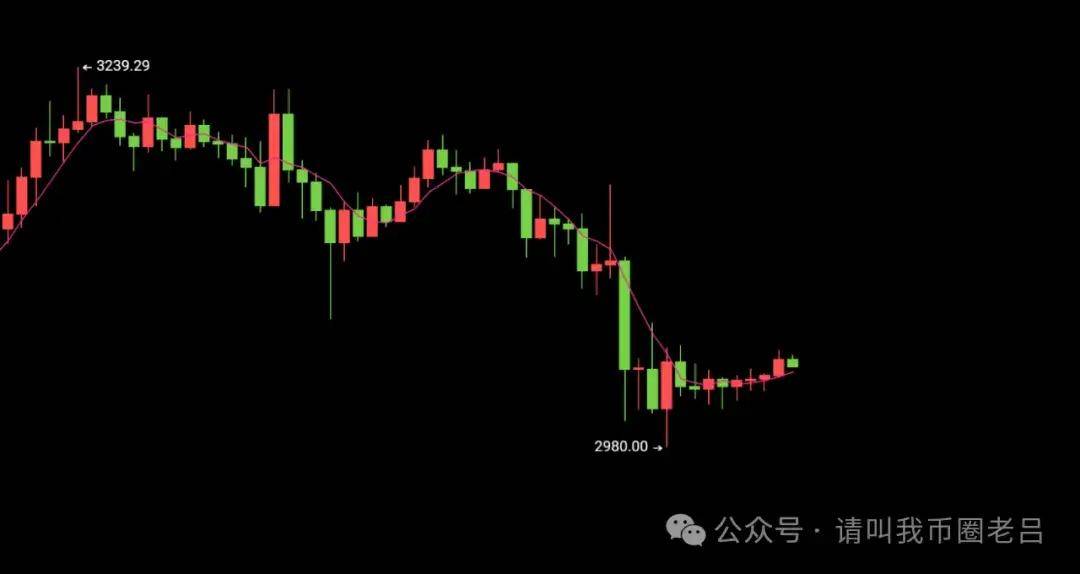
Group 1 - The core viewpoint of the articles revolves around the bearish trend in Ethereum and Bitcoin, with specific price levels identified as critical support and resistance points [1][2][6]. - Ethereum's price has dropped from $3065 to $3191, indicating a significant bearish sentiment, with key support levels at $3040, $2900, and $2800 [1][2]. - The analysis emphasizes the importance of managing positions and setting stop-loss orders, particularly in the context of a bearish market [1][5]. Group 2 - The articles discuss the concept of left-side and right-side trading, highlighting that left-side trading carries higher risk but offers greater profit potential, while right-side trading is safer but yields smaller gains [4]. - A specific trading strategy is suggested for Ethereum, focusing on short positions within the $3100-$3120 range, with a critical stop-loss set at $3105 [2][4]. - For Bitcoin, the critical support level is identified at $91700, with a recommendation to monitor price movements closely for potential trading opportunities [6].

投资需要回归常识!这本书教你何时买,买什么,怎么配
雪球· 2025-10-13 13:00
Overall Introduction - The book introduces market rules, asset allocation logic, and strategies for different asset classes, including stocks, bonds, and commodities, while addressing practical issues faced by investors [4]. Core Views - The book proposes three dimensions to assess the market: policy, economy, and inflation, which are used to determine market conditions [7]. - Economic cycles are divided into six stages, each with corresponding asset preferences, ranging from bonds in the early slowdown to cash and commodities in the stagflation phase [11][12][13][39]. - Effective asset allocation strategies include the Permanent Portfolio, All Weather Portfolio, and Global Market Portfolio, emphasizing diversification and risk management [14][15][16]. Current Situation - Current policies are characterized as accommodative, with indicators such as M1 growth increasing from 0.39% in January to 5.96% in August [33]. - Economic recovery is weak, with industrial value-added growth declining from 7.7% to 5.2% [37]. - The market is likely in a transition between the late slowdown phase and the early recovery phase, suggesting a preference for small-cap growth stocks [39][40]. Investment Insights - Long-term asset allocation is crucial for sustained success, with diversified strategies proven to provide stable returns [44]. - A balanced stock-bond allocation is suitable for most investors, allowing for flexibility in extreme market conditions [45]. - Simplifying investment approaches and focusing on fundamental market principles can lead to better outcomes [47][48].

闫瑞祥:黄金强势突破3900,欧美短线区间还没破位
Sou Hu Cai Jing· 2025-10-06 03:02
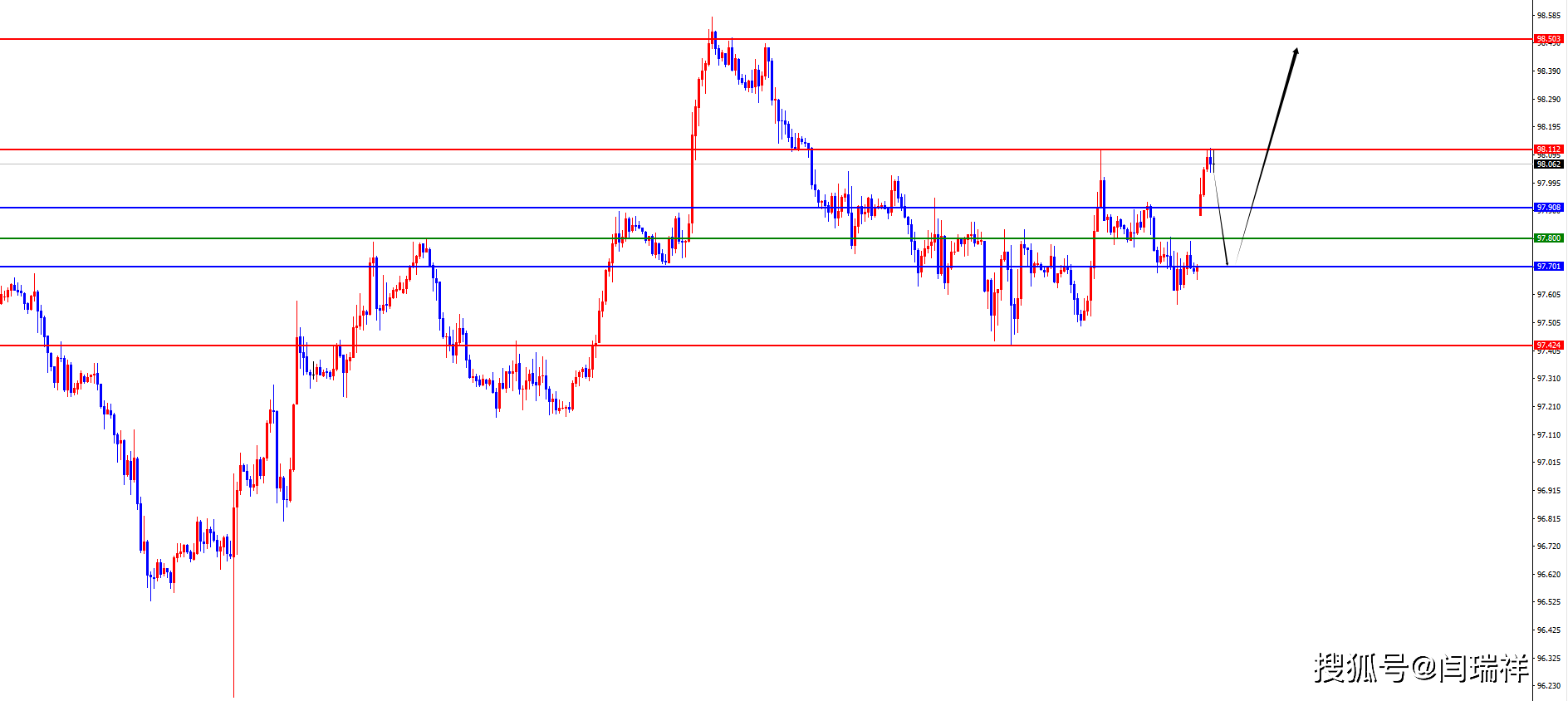
Dollar Index - The dollar index showed a downward trend last Friday, with a high of 97.928 and a low of 97.569, closing at 97.698 [1] - The overall market performance last week was characterized by fluctuations, with the dollar index appearing to form a bottom, indicating potential upward movement in the coming week [1] - Weekly support is at the 97.90 level, and a close above this level could lead to further upward momentum [1] Gold - Gold prices experienced an overall increase last Friday, reaching a high of 3891.54 and a low of 3837.94, closing at 3885.34 [2] - The price faced short-term resistance but broke through during the U.S. trading session, resulting in a strong bullish close for both daily and weekly charts [2] Euro/USD - The Euro/USD pair showed an upward trend last Friday, with a low of 1.1712 and a high of 1.1758, closing at 1.1739 [5] - The market is currently fluctuating within the 1.1780-1.1680 range, with a focus on potential breakout points for future movements [5] - Weekly support is at the 1.1690 level, which is crucial for determining the medium-term trend [5] Trading Ranges - The dollar index is expected to maintain a bullish outlook within the 97.70-80 range, with a target of 98.20-98.50 [4] - Gold is anticipated to continue its bullish trend within the 3870-3884 range [6] - The Euro/USD pair is being monitored within the 1.1740-50 range, with a target of 1.1690-1.1650 [8]
买还是不买,这是个问题” 要激情更要安全 基金经理直面“微妙张力
Zhong Guo Zheng Quan Bao· 2025-09-14 22:25
Core Insights - The equity market has shown significant improvement in the second half of the year, leading to a dilemma for fund managers regarding timing for investments [1] - There is a contrast between investors eager for strong fund performance and fund managers who are cautious due to risk management and valuation considerations [1][4] - New funds are beginning to establish positions, with some fund managers actively investing while others maintain a low exposure strategy [2][3] Fund Manager Strategies - Some newly established funds, like Guotai's quality core mixed fund, have already begun to build positions shortly after their inception, indicating a proactive approach [2] - Fund managers are divided in their strategies, with some opting for "right-side trading" to capitalize on market sentiment, while others prefer "left-side trading" to ensure a higher safety margin [6][8] - The cautious approach of some fund managers is influenced by the need to balance client expectations for quick profits against the risks of market valuation and potential corrections [4][5] Market Dynamics - The market has experienced a notable increase in investor enthusiasm, driven by factors such as anticipated interest rate cuts and ongoing domestic policy support [7] - Despite the overall upward trend, there are concerns about potential market adjustments due to accumulated profit-taking and macroeconomic uncertainties [7][8] - Analysts suggest that the current market environment presents opportunities for both aggressive and defensive investment strategies, depending on individual risk tolerance [8][9] Future Outlook - The market is currently positioned within historical average ranges, with stocks still showing high attractiveness for allocation [8] - Positive changes in corporate governance and asset quality are expected to gradually reflect in valuation systems, supporting a favorable long-term outlook [8] - Investment strategies should consider a balanced approach, focusing on core holdings while exploring growth sectors, particularly in technology and new energy [9]
要激情更要安全 基金经理直面“微妙张力”
Zhong Guo Zheng Quan Bao· 2025-09-14 20:14
Group 1 - The core viewpoint of the articles highlights the contrasting strategies of fund managers in the current market environment, where some are actively building positions while others remain cautious due to valuation concerns and market volatility [1][3][4] - The recent recovery in the A-share market has led to increased investor anxiety and expectations, with fund managers caught between the desire for returns and the need for risk control [1][3] - New funds have begun to establish positions, with examples such as the Guotai Quality Core Mixed Fund and the Jianxin Medical Innovation Stock Fund showing early gains shortly after their establishment [1][2] Group 2 - Fund managers are facing pressure from clients who expect quick profits, while they themselves are wary of market valuations and potential corrections, creating a tension between speed and safety in investment decisions [3][4] - Different fund managers exhibit varied attitudes towards building positions based on their investment strategies and market outlook, with some opting to slow down their pace to avoid buying at high levels [4][5] - The market's upward trend, influenced by factors such as interest rate expectations and policy support, has led to a surge in investor enthusiasm, but also raises concerns about potential adjustments and volatility [6][7] Group 3 - Fund managers who choose to enter the market are often guided by a "right-side trading" mindset, believing that the market sentiment has reversed and that the trend is clear, while those who remain cautious prefer a "left-side trading" approach, seeking higher safety margins [5][6] - The overall market is perceived to be in a historical average range, with equities still showing high allocation attractiveness, supported by improving corporate governance and asset quality [6][7] - Investment strategies suggested include a balanced approach of "core + satellite" allocations, focusing on diversified funds that can capture growth in emerging industries while managing risks [7]
将常见基金黑话 翻译成人话
雪球· 2025-09-03 13:01
Group 1 - The article introduces key investment terms to help beginners understand fund investment better [4][5][7][10][11][15][16][18]. - "Left-side trading" refers to buying undervalued assets before a price increase occurs [4][5]. - "Right-side trading" involves waiting for a clear upward trend before making a purchase, acknowledging potential hidden risks [7]. - "Maximum drawdown" measures the largest decline from a peak to a trough during a specific period, indicating the worst-case scenario for investors [8]. - "Sharpe ratio" assesses the risk-adjusted return of a fund, with a higher ratio indicating better performance relative to risk [10][11][12]. - "Bullish/Bearish" sentiment is influenced by new policies or technological breakthroughs, leading to increased buying or selling pressure [15][16]. - "Valuation percentile" helps determine whether a fund's current price is high or low compared to its historical valuation [18].

香饽饽“半导体芯片”未来还能涨多高?
Ge Long Hui· 2025-08-22 11:37
Core Viewpoint - The AI chip sector is experiencing significant growth, driven by strong institutional investment and favorable market conditions, despite broader market fluctuations [1][4]. Group 1: Market Performance - The AI chip and semiconductor sector indices have shown remarkable resilience, with stocks like Kede Education and Cambricon Technologies seeing substantial gains, including a doubling in value since July [1][3]. - A technical breakout occurred on August 13, indicating a strong upward trend after a period of adjustment, which is appealing to large institutional investors [3]. Group 2: Demand and Supply Dynamics - Global semiconductor demand is improving, with growth in mobile devices, TWS headphones, and AI servers, despite the impact of tariffs on the industry [4][5]. - The U.S. semiconductor industry is facing challenges due to proposed tariffs, but the long-term trend towards domestic production and self-sufficiency is expected to accelerate [4]. Group 3: Investment Opportunities - The establishment of a new state-backed investment fund with a capital of 344 billion yuan aims to support advanced semiconductor manufacturing, indicating ongoing financial support for the sector [5]. - The rise of domestic alternatives in the semiconductor space is anticipated, particularly as U.S. tech giants like Nvidia pause production on certain chips, creating opportunities for local companies [5].


