第四次工业革命

Search documents
权力、资本与远景:揭秘阿布扎比国际控股公司(IHC)的崛起
Sou Hu Cai Jing· 2025-12-27 09:10
Core Insights - International Holding Company (IHC) is rapidly transforming the capital landscape in the Middle East, with its market capitalization soaring from a few hundred million dollars at the end of 2019 to approximately $239 billion by December 2025, making it the most significant listed company on the Abu Dhabi Securities Exchange (ADX) [1][5]. Group 1: Company Growth and Strategy - IHC was established in 1998, initially named Asmak, focusing on fisheries and seafood export [3]. - The company went public on ADX in 2005, but significant growth began around 2020 through asset injections and subsidiary listings [4]. - The market capitalization of IHC has increased dramatically, with a stock price rise of several thousand times, primarily due to the transfer of quality assets from its major shareholder, Royal Group, which holds about 61% [5]. - IHC's business portfolio now spans multiple sectors, including real estate, healthcare, food and beverage, energy, information technology, financial services, and utilities [5][6]. Group 2: Financial Performance - For the first nine months of 2025, IHC reported revenues of 84.6 billion dirhams (approximately $23 billion) and a net profit of 19.5 billion dirhams, showing significant year-on-year growth [7]. - IHC's market capitalization accounts for over 40% of the FTSE ADX General Index, highlighting its importance in the market [7]. Group 3: Leadership and Governance - Sheikh Tahnoon bin Zayed Al Nahyan has been leading IHC since April 2020, holding multiple key positions that provide unique advantages in policy coordination and resource acquisition [8][9]. - The "government-business collaboration" model has enabled IHC to efficiently integrate scattered assets into a globally competitive platform [11]. Group 4: Strategic Investments and Future Plans - IHC is actively responding to national strategies for food security and energy diversification, with subsidiaries like Ghitha Holding ensuring stable food supply in desert climates [15][16]. - The company is investing in renewable energy, green hydrogen, and critical minerals to support global decarbonization efforts [18][19]. - IHC's investments in artificial intelligence and partnerships with entities like SpaceX position Abu Dhabi as a global AI hub [20][21]. - The company aims to double its asset size to approximately $218 billion by 2030, further solidifying its leadership in non-oil sectors [23]. Group 5: International Expansion and Market Impact - IHC has invested $60 billion in the U.S. and is strategically acquiring stakes in emerging markets like India, Egypt, and Pakistan [24]. - The company is focusing on high-growth sectors such as housing finance, minerals, and infrastructure [25]. - IHC's activities significantly enhance market liquidity on ADX, attracting international institutional investors, with net foreign inflows reaching 17.3 billion dirhams in the first nine months of 2025 [26][27]. Group 6: Challenges and Future Outlook - As IHC expands internationally, it faces increasing regulatory scrutiny regarding governance, financial transparency, and related-party transactions [31]. - The complexity of managing a large-scale empire poses challenges for talent and organizational structure [32]. - Future initiatives, such as partnerships with BlackRock and the launch of AI platforms, reflect IHC's forward-looking approach [33].


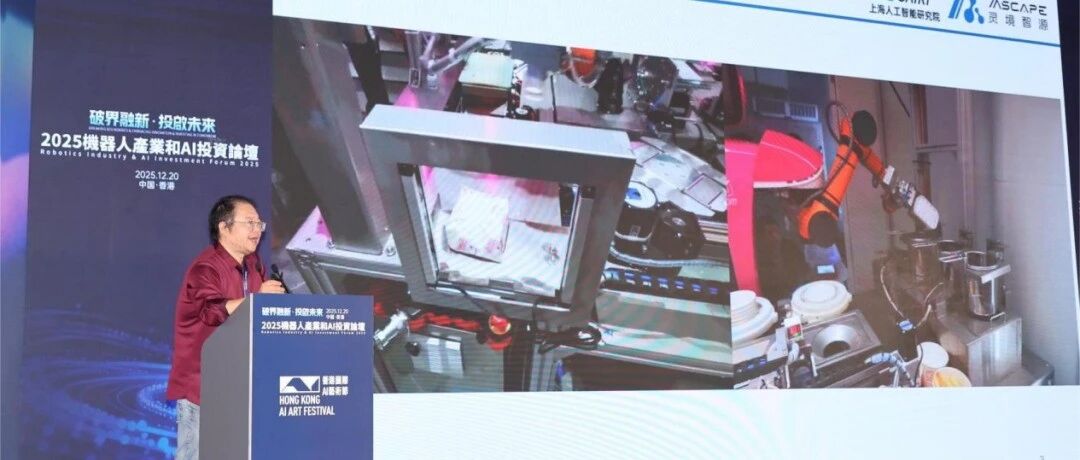
闫维新最新发声,人形机器人未来六大发展方向!
中国基金报· 2025-12-22 16:02
Core Viewpoint - Humanoid robots are considered a significant direction in the Fourth Industrial Revolution, with potential development in six major areas: special operations, industrial collaboration, teaching and research, interactive services, household management, and elderly care [1][5][6]. Group 1: Development Characteristics - Humanoid robots are not limited by biological evolution and can perform complex tasks through parallel processing, which is a core advantage [2][4]. - They possess three key characteristics: stronger evolutionary capabilities, clear division of development labor, and a combination of high energy density and high power density for extended operation [4]. - The evolution of humanoid robots has gone through four generations: pure remote control, fixed trajectory movement, mobile + force control, and autonomous perception and decision-making [4]. Group 2: Future Development Directions - The six major development areas for humanoid robots include: 1. Special operations, replacing humans in hazardous tasks such as biochemistry and dangerous environments [6]. 2. Industrial collaboration, performing precise actions that traditional robots cannot achieve [6]. 3. Teaching and research, enhancing movement and decision-making capabilities [6]. 4. Interactive services, providing personalized services [6]. 5. Household management, although requiring safety and ethical constraints [6]. 6. Elderly care, focusing on rehabilitation and care for the elderly [6]. Group 3: Technical Integration and Future Prospects - Humanoid robots are seen as a convergence of multi-industry technologies, with their application scenarios still evolving as capabilities improve [6]. - The integration of tactile, visual, and force control is essential for tasks like assembly and cable handling, which require sophisticated coordination [7]. - Future advancements will focus on developing "smart hands" that can perform intricate tasks, such as cooking and elder care, with high tactile sensitivity and joint force perception [8].
总规模达1.1万亿元 我国生物制造产业稳步壮大
Jing Ji Ri Bao· 2025-12-22 00:02
Core Insights - The biomanufacturing industry in China has grown significantly, with a total scale reaching 1.1 trillion yuan, and bioproducts accounting for over 70% of global production [1] - The industry is expected to be a core driver of the Fourth Industrial Revolution, emphasizing the importance of biomanufacturing in fostering new productive forces and advancing new industrialization [1] - The "14th Five-Year Plan" period is projected to see continued growth in biobased materials and chemicals, with bioproduct output increasing by approximately 20% compared to the end of the "13th Five-Year Plan" [1] Industry Growth and Innovation - Significant breakthroughs in technology and product innovation have been achieved, including high-throughput gene sequencers and AI protein design platforms, leading to the commercialization of various biomanufactured products [2] - The emergence of biomanufacturing clusters, such as in Shenzhen and Hainan, showcases localized development and the establishment of significant production capabilities in amino acids and marine biomanufacturing [2] - The Ministry of Industry and Information Technology has announced key lists related to high-performance bioreactor innovation and pilot capabilities, indicating a structured approach to industry advancement [3] Future Development Plans - The "15th Five-Year Plan" will focus on enhancing the biomanufacturing ecosystem, including the establishment of pilot platforms and the cultivation of composite talents in the sector [3] - Emphasis will be placed on addressing fundamental scientific issues and engineering bottlenecks in biomanufacturing, promoting deep integration of technological and industrial innovation [3] - The industry aims to expand applications in future food and healthcare sectors, leveraging advancements in biomanufacturing technologies [3] Recommendations for High-Quality Development - The establishment of a comprehensive innovation system, modern industrial system, and management service system is recommended to accelerate high-quality development in biomanufacturing [4] - Support for diverse development routes and the creation of significant biomanufactured products is essential, alongside the establishment of regional innovation platforms [4] - Financial services tailored to biomanufacturing enterprises should be developed to support market-oriented operations and the growth of specialized small and medium enterprises [5]
总规模达1.1万亿元—— 我国生物制造产业稳步壮大
Jing Ji Ri Bao· 2025-12-21 22:54
Core Insights - The biomanufacturing industry in China has grown significantly, with a total scale reaching 1.1 trillion yuan, and bioproducts accounting for over 70% of global production [1] - The industry is expected to be a core driver of the Fourth Industrial Revolution, emphasizing the importance of biomanufacturing in fostering new productive forces and advancing new industrialization [1] - The "14th Five-Year Plan" period is projected to see continued growth in biobased materials and chemicals, with bioproduct output increasing by approximately 20% compared to the end of the "13th Five-Year Plan" [1] Industry Growth and Innovation - Significant breakthroughs in technology and product innovation have been achieved, including high-throughput gene sequencers and AI protein design platforms, leading to the commercialization of various biomanufactured products [2] - The emergence of biomanufacturing clusters, such as in Shenzhen and Hainan, showcases localized development and the establishment of significant production capabilities in amino acids and marine biomanufacturing [2] - The Ministry of Industry and Information Technology has announced key lists related to high-performance bioreactor innovation and pilot capabilities, indicating a structured approach to industry advancement [3] Policy and Strategic Development - The Ministry of Industry and Information Technology aims to create a comprehensive ecosystem for biomanufacturing, focusing on innovation, transformation support, and product quality [3] - The upcoming "15th Five-Year Plan" will outline strategies for biomanufacturing, including the establishment of pilot platforms and the cultivation of composite talents in the sector [3] - Emphasis will be placed on addressing fundamental scientific issues and engineering bottlenecks, promoting deep integration of technological and industrial innovation [4] Recommendations for High-Quality Development - The establishment of an innovation system, modern industrial system, and management service system is recommended to accelerate high-quality development in biomanufacturing [4] - Support for diverse development routes and the creation of high-energy innovation platforms tailored to regional strategies is encouraged [5] - The focus will be on enhancing the evaluation mechanisms for original products and fostering specialized small and medium enterprises in the biomanufacturing sector [5]
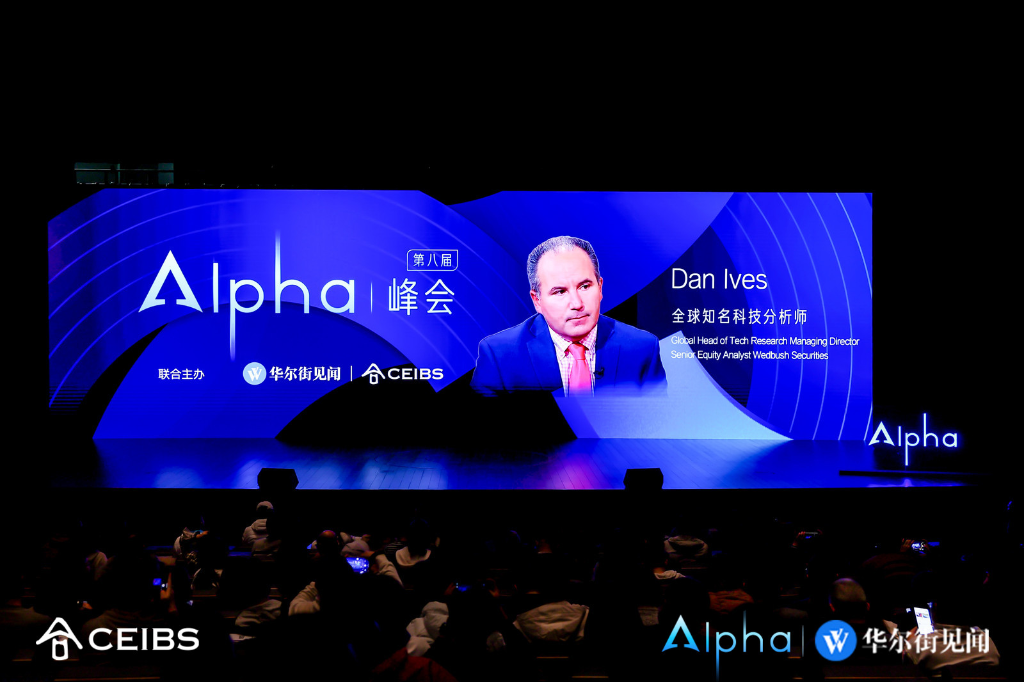
全球知名科技分析师Dan Ives:AI派对才刚开始,2026是“变现之年”,真正的消费者AI革命将由苹果开启|Alpha峰会
华尔街见闻· 2025-12-20 15:09
Core Viewpoints - The current phase of the AI revolution is likened to a party that started at 9 PM and is only at 10:30 PM, indicating that there is still much room for growth and investment opportunities in the sector [3][16] - The situation is compared to 1996, where the current AI landscape is driven by large tech companies with substantial cash flows, rather than the speculative environment of 1999 [4][16] - The multiplier effect of spending on Nvidia chips is significant, with every dollar spent generating 8 to 10 dollars in the broader tech ecosystem [5][19] AI Revolution Insights - The AI revolution is still in its early stages, with the first layer being chips and subsequent layers in software, cybersecurity, and infrastructure just beginning to emerge [6][19] - There is a current supply-demand imbalance for Nvidia chips at a ratio of 12:1, indicating strong demand and a capital expenditure supercycle [7][21] - The year 2026 is projected to be a critical moment for monetization in AI, distinguishing successful companies from those that fail to execute monetization strategies [8][22] Consumer AI and Market Dynamics - Apple is expected to lead the consumer AI revolution, leveraging its 2.4 billion iOS devices to become a key entry point for AI applications [9][24] - China holds significant advantages in power supply and robotics, particularly in humanoid robots, positioning it as a leader in the AI race [10][21] - The relationship between the US and China is characterized as one of interdependence rather than decoupling, with both countries needing to collaborate for the AI revolution to reach its peak [11][21] Future Projections - By 2030, it is anticipated that 20% of vehicles will be autonomous, and every 10 to 15 households will have a humanoid robot [12] - The technology sector is expected to see a continued bullish trend, with a projected 25% increase in tech stocks over the next year, lasting at least until 2027 [15][25]





全球知名科技分析师Dan Ives:AI派对才刚开始,2026是“变现之年”,真正的消费者AI革命将由苹果开启|Alpha峰会
Hua Er Jie Jian Wen· 2025-12-20 01:27
Core Insights - The AI revolution is likened to a party that started at 9 PM and is currently at 10:30 PM, indicating that it is still in its early stages with significant growth potential ahead [4][5][13] - The current phase is compared to 1996, suggesting that it is not a bubble like 1999, as the leading companies are financially robust with substantial cash flows [4][5][21][22] - Nvidia's chips have a multiplier effect of 8 to 10 times across various sectors, indicating strong demand and a significant capital expenditure cycle [4][7][28] - The year 2026 is projected to be a critical moment for monetization in AI, distinguishing successful companies from those that fail to execute [10][36] AI Market Dynamics - The AI market is characterized by a supply-demand imbalance for Nvidia chips, with a ratio of 12:1, highlighting the robust demand for AI technologies [4][28] - The AI revolution is expected to create substantial opportunities in the second, third, and fourth layers of derivatives, particularly in software, cybersecurity, and infrastructure [4][7][35] - The consumer AI revolution is anticipated to be led by Apple, leveraging its 2.4 billion iOS devices to reach a broad audience [10][26] China and Global Competition - China has a significant advantage in power supply, particularly in nuclear energy, which is crucial for AI data centers [8][29] - The robotics sector in China is highlighted as a leading area of innovation, with human-like robots being a key focus [8][19] - The relationship between the US and China is viewed as one of interdependence rather than decoupling, with both countries needing to collaborate for the AI revolution to reach its full potential [8][24] Future Projections - By 2030, it is expected that 20% of cars will be autonomous, and one in every 10 to 15 households will have a humanoid robot [10][19] - The technology sector is projected to see a 25% increase in stock prices by next year, with growth expected to continue through 2027 [10][22] - The focus on AI applications is expected to expand significantly by 2026, with a shift from hype to tangible revenue generation [10][36]

Wedbush 2026年科技股十大预测:AI再带来20%涨幅、Nebius有望被收购、甲骨文大反弹
Zhi Tong Cai Jing· 2025-12-19 13:55
Core Insights - Wedbush predicts a significant rise in technology stocks, with an expected increase of over 20% by 2026, driven by advancements in artificial intelligence [1][2] Group 1: AI and Technology Predictions - The second, third, and fourth derivative applications of artificial intelligence will take shape in software, chips, and infrastructure, contributing to the anticipated rise in tech stocks [2] - Apple and Google are set to formalize their AI partnership around the Gemini project, which is expected to bolster Apple's AI strategy and help achieve a market valuation of $5 trillion by 2026 [2][3] - Microsoft is projected to experience its best growth period by 2026, becoming the top-performing cloud software company as more enterprises accelerate their AI strategies using Azure [3][4] Group 2: Company-Specific Forecasts - Tesla is expected to successfully launch autonomous taxis in over 30 cities by 2026, with a base stock price target of $600 and an optimistic target of $800 [2] - Crowdstrike and Palo Alto Networks are highlighted as top picks in the cybersecurity sector, which is anticipated to see mergers and acquisitions [3] - Oracle is expected to reach a stock price target of $250 by 2026, despite current market pessimism [3] - Nvidia remains a leader in the AI chip sector, with an optimistic stock price target of $275 by 2026, as it expands its market in China [4] - Palantir Technologies is expected to become a key player in the AI revolution with its AI platform, aiming for a valuation of $1 trillion within the next 2 to 3 years [4] Group 3: Acquisition and Investment Opportunities - Nebius is identified as a potential acquisition target for a major data center by 2026, with Microsoft, Alphabet, and Amazon as possible buyers [2] - Quantum technology companies like IonQ and Rigetti Computing are seen as candidates for investment due to their national security implications [3]




林毅夫:世界秩序变了,不再由八国联军和八大工业国组织主导
Guan Cha Zhe Wang· 2025-12-16 02:32
Group 1 - The core argument of the article is that the global economic power dynamics have shifted from the G8 countries to a more multipolar world, with emerging economies like China and India playing significant roles [1][6][10] - The G8's share of the global economy decreased from 47% in 2000 to 34.7% in 2018, indicating a decline in their influence over global governance [1][6] - China's economic growth has been a major driver of this shift, with its share of the global economy rising from 6.9% in 2000 to 16.8% in 2018, contributing significantly to the G8's decline [8][10] Group 2 - The article discusses the historical context of the G8 and its predecessor, the Eight-Nation Alliance, highlighting their dominance in global affairs over the past century [3][4][5] - It emphasizes that the transition from G8 to G20 reflects a fundamental change in global governance, where emerging economies are now included in decision-making processes [6][10] - The article notes that the U.S. has historically been the dominant economic power, but China's rise has altered this landscape, leading to a need for new forms of international cooperation [8][11] Group 3 - The article outlines the implications of China's economic growth for global trade, stating that China is now the world's largest trading nation and a key partner for over 140 countries [13] - It highlights the potential for China to achieve a per capita GDP equal to half of the U.S. by 2049, which could stabilize global relations and enhance China's position as a major economic power [14][21] - The discussion includes the challenges and opportunities presented by the Fourth Industrial Revolution, where China is positioned to leverage its large market and talent pool [19][20]
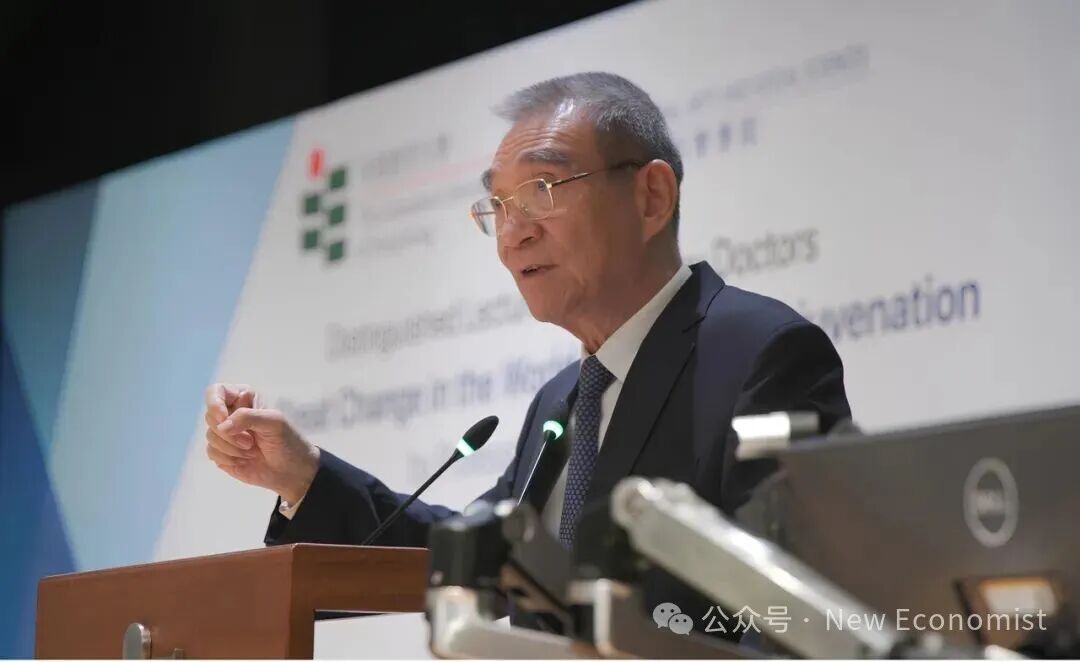
吴晓求:消费扩张需要深度重构三个核心函数
Xin Jing Bao· 2025-12-15 08:26
Core Insights - The "15th Five-Year Plan" aims for China's per capita GDP to reach the level of moderately developed countries by 2035, emphasizing the need for new economic growth drivers and ongoing financial reforms [1][14] - The transition from a "shortage economy" to a "surplus economy" necessitates a fundamental shift in governance logic, focusing on structural upgrades and technological advancements rather than mere scale expansion [4][18] Economic Characteristics - The "15th Five-Year" period will be characterized by significant historical changes, including a global technological revolution and a historic leap in China's economic structure [3][17] - The manufacturing sector's contribution to global value added is nearing 30%, maintaining the world's largest scale for 15 consecutive years, indicating strong supply-side capabilities [4][18] Consumption Dynamics - In a "surplus economy," consumption is viewed as a key force for maintaining economic balance, influenced by income, wealth, and social security [4][16] - Approximately 60% to 70% of household wealth is concentrated in real estate, leading to potential consumption contraction if property prices decline [5][19] Financial System Reform - The core task of financial reform during the "15th Five-Year" period is to adapt to the transition from a shortage to a surplus economy through innovation and openness [7][22] - There is a need for a robust, liquid, and high-credit-rated government bond market, which is essential for the internationalization of the RMB and the establishment of an international financial center [9][24] Capital Market Evolution - The capital market is expected to play a pivotal role in the economic ecosystem, transitioning from a financing market to an investment market that provides wealth management functions [10][25] - Enhancing the quality of listed companies is crucial, as they are the foundation of the capital market, and a strict delisting system is necessary to ensure market health [11][26] Regulatory Environment - A transparent regulatory framework is vital for rebuilding the capital market ecosystem, with a focus on increasing penalties for fraudulent activities to restore investor confidence [12][27] - The government should prioritize social security and public services over industrial investment funds to effectively release consumer purchasing power [6][21]

我看“十五五”|吴晓求:消费扩张需要深度重构三个核心函数
Bei Ke Cai Jing· 2025-12-15 07:05
Core Viewpoint - The "15th Five-Year Plan" aims for China to achieve a per capita GDP level of a moderately developed country by 2035, emphasizing the need for new economic growth drivers and financial reforms to realize the "financial power" strategy [2] Economic Development Characteristics - The "15th Five-Year" period will be characterized by a shift from a "shortage economy" to an "over-supply economy," necessitating a fundamental change in governance logic and economic policy [5][6] - The global technological revolution presents a historical opportunity for China, with a strong foundation in artificial intelligence, big data, and new energy [4] Consumption Dynamics - In an "over-supply economy," consumption is crucial for maintaining economic balance, shifting from being viewed as waste to a key driver of growth [6][7] - The expansion of consumption is constrained by income, wealth, and social security, requiring institutional restructuring in these areas [7][8] Wealth Creation and Employment - Optimizing the business environment and protecting the rights of various market entities, including state-owned and private enterprises, is essential for job creation and income growth [7] - Approximately 60% to 70% of household wealth is concentrated in real estate, which poses risks to consumption when property prices decline [8] Social Security and Savings - High savings rates among Chinese residents reflect cultural tendencies and a precautionary approach, which can suppress effective demand in an "over-supply economy" [9] - A robust social security system is necessary to alleviate residents' concerns and release locked purchasing power [9] Financial System Reform - The core task of financial reform during the "15th Five-Year" period is to adapt the financial system to the transition from a shortage to an over-supply economy [10] - There is a need for innovation in financial products to meet the diverse financing needs of enterprises at different life stages [11] Capital Market Development - The capital market's role is evolving from merely a financing tool to a platform for wealth management and risk-sharing [17][18] - Enhancing the quality of listed companies and encouraging high-growth firms to go public is vital for the capital market's long-term value [18] Liquidity and Market Activity - Maintaining adequate liquidity is essential for the capital market's price discovery function and investor satisfaction [19] - A daily trading volume of around 2 trillion yuan should be considered a normal state of market maturity [19] Legal and Regulatory Framework - Strengthening legal frameworks to ensure market transparency and protect investors is critical for rebuilding trust in the capital market [20] - Severe penalties for fraudulent activities are necessary to establish a market environment based on investor protection and contractual integrity [20]