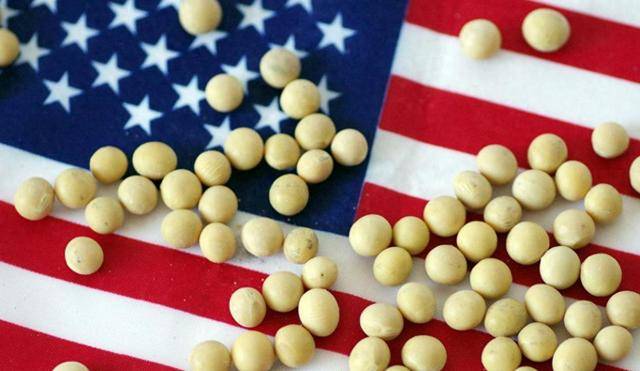
贸易博弈

Search documents
中方稀土新规出台不到7天,美国帮手全到齐,世贸组织也选择跟进?对外释放信号强烈
Sou Hu Cai Jing· 2025-10-18 00:22
Group 1 - China's new regulation on rare earth exports requires approval for products containing "Chinese elements" or utilizing Chinese technology, even if only 0.1% [1] - The regulation aims to protect national security and economic interests, a common practice internationally [1] - The announcement has caused significant reactions in the Western world, particularly from the U.S. and European allies [3] Group 2 - U.S. President Trump initially threatened to impose a 100% tariff on Chinese goods but later softened his stance as the market reacted negatively [3] - European allies, particularly the EU, expressed strong concerns and are seeking a robust response to China's new regulation, indicating a desire to align with the U.S. [3] - The urgency from Europe stems from their loss of competitive edge in key industries, such as electric vehicles, and a desire to regain market share [3] Group 3 - The World Trade Organization (WTO) suggested that China should reduce exports and rely more on domestic demand, which has been perceived as biased towards the U.S. [5] - China's position is bolstered by its significant role in the global rare earth supply chain, providing 70% of the EU's rare earth needs [5] - China's foreign trade data remains strong, with an increasing share of high-tech product exports, indicating resilience in its economy [5] Group 4 - The situation signals that China has the capability and determination to counter Western pressures in critical sectors [7] - The resolution of these tensions may require a return to negotiations based on equality, respect, and mutual benefit [7] - Upcoming high-level talks between China and the U.S. will be closely watched to see if the U.S. and its allies understand China's clear signals [7]


欧洲要中国交技术,中国反手关门,谁在自断后路?
Sou Hu Cai Jing· 2025-10-17 17:23
Core Viewpoint - The article discusses the escalating tensions between Europe and China in the renewable energy sector, highlighting Europe's aggressive stance on technology transfer and China's strategic countermeasures through rare earth export controls [1][11]. Group 1: European Actions and Concerns - Europe has adopted a double standard, criticizing China's market openness while imposing administrative measures against Chinese companies [3][9]. - The European electric vehicle industry is struggling, with over 70% of global battery production capacity held by Chinese firms, leading to the bankruptcy of local players like Northvolt [5][9]. - European companies are concerned that forced technology transfers will not yield the expected results, as core R&D capabilities cannot be easily replicated [7][9]. Group 2: China's Response - China has implemented precise controls on rare earth exports, which are crucial for high-end manufacturing, directly impacting European industries reliant on these materials [11][13]. - The Chinese government maintains that it adheres to WTO rules and opposes Europe's unreasonable demands for technology transfer [15][29]. - Chinese companies are shifting focus to other markets, such as the Middle East and Southeast Asia, to mitigate the impact of European policies [24][25]. Group 3: Internal European Dynamics - There is internal discord within Europe, with several countries reliant on Chinese investments and markets expressing reluctance to escalate tensions [18][20]. - Major European companies are voicing concerns over the EU's policies, fearing significant losses in the Chinese market [20][22]. Group 4: Future Implications - If Europe continues its current approach, it risks losing access to critical rare earth supplies, jeopardizing its high-end manufacturing and green transition goals [29][30]. - The article suggests that a cooperative approach, rather than a confrontational one, would benefit both Europe and China, leading to mutual advantages in the renewable energy sector [30][32].
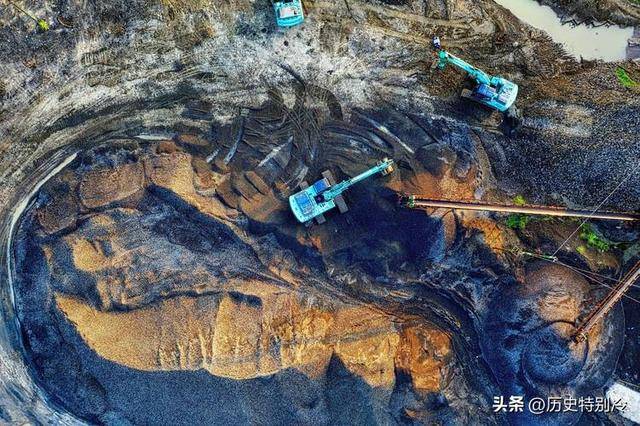
“港口费”博弈昨天正式开始,但没想到,比赛第一天,美国自己就先“瘫痪”了!
Sou Hu Cai Jing· 2025-10-15 14:17
Core Insights - The trade battle between the two parties has revealed a significant disparity in execution capabilities, with one side implementing precise countermeasures while the other is hindered by administrative paralysis due to a government shutdown [1][5]. Group 1: Countermeasures and Strategies - The Eastern side's countermeasures are described as "surgical" in nature, exempting local shipbuilding and empty ship repairs from port fees, thereby creating order benefits for domestic shipyards [3]. - A four-year fee increase mechanism from 2025 to 2028 has been established, allowing for a gradual release of pressure over future cycles [3]. - The countermeasures include a dynamic adjustment clause, maintaining pressure while allowing for negotiation space [3]. Group 2: U.S. Response and Challenges - The U.S. initially planned a reciprocal response but faced a government shutdown that led to a "strike" in the customs system, forcing the Customs and Border Protection Agency to shift millions of dollars in fee responsibilities to shipowners [5]. - The absurd directive requiring shipowners to "self-declare" fees has drawn global ridicule, contrasting sharply with the U.S.'s proclaimed tough stance [5]. Group 3: Strategic Goals and Long-term Outlook - The strategic goals differ fundamentally: the Eastern side's measures are interconnected and target pain points while maintaining policy flexibility, whereas the Western side is caught in a political showmanship trap with hasty decisions leading to execution failures [7]. - The initial confrontation indicates that relying solely on administrative pressure without systematic preparation will likely result in international mockery [7]. - The ongoing geopolitical struggle is expected to be a prolonged process of tug-of-war, with negotiations seeking new balance points, potentially leading to a new norm in international rules after multiple adjustments [7].

读研报 | 关税摩擦再升级,这次为啥市场更淡定?
中泰证券资管· 2025-10-14 11:30
Core Viewpoint - The article discusses the recent escalation of trade tensions between the U.S. and China, particularly the announcement of a 100% tariff on Chinese goods starting November 1, and contrasts the market's reaction to this news with previous instances of trade disputes, highlighting a more measured response this time around [2][3]. Group 1: Market Reaction - The market's reaction to the recent tariff announcement was less severe compared to earlier instances, with the Nasdaq index dropping 3.56% on October 10, which is smaller than the declines observed in April [2]. - The Nasdaq China Golden Dragon Index and the Wind China Concept Technology Leaders Index fell by 6.10% and 6.59%, respectively, both of which were also less than the declines seen in April [2]. - The VIX fear index rose to 21.66 but remained significantly lower than the peak of 60.13 observed in April [2]. Group 2: Investor Sentiment - Investors now have more experience and memory regarding trade tensions, leading to a calmer market response; the probability of the 100% tariff being implemented is perceived to be only 23%, compared to less than 15% in April for a potential reduction in tariffs [3]. - The market's perception of the likelihood of President Trump backing down from the tariff threat has increased, as indicated by betting markets [3]. Group 3: Market Stability Expectations - There is a stronger expectation for market stability now compared to April, with ongoing emphasis from policymakers on maintaining a stable capital market [5]. - The China Securities Regulatory Commission noted a decrease in annualized volatility of the Shanghai Composite Index during the 14th Five-Year Plan period, indicating improved market health [5]. - Institutional investors have increased their holdings in stock ETFs, with their share rising from 33.0% at the end of 2024 to 37.2% in the first half of 2025, contributing to market stability [5]. Group 4: Valuation and Sensitivity - The current market valuation differs from April, with 18% of stocks exceeding the 95% historical percentile, indicating a higher concentration of high-value stocks [6]. - Margin balances have been rising since June, reaching annual highs, which may increase sensitivity to negative shocks in the market [6][7]. - The S&P 500 index's forecasted price-to-earnings ratio is above the 96th percentile since the end of 1999, suggesting elevated valuation levels [6].

美方苦等两天电话未通,中方冷处理,特朗普紧急改口:美国不想伤害中国
Sou Hu Cai Jing· 2025-10-13 21:14
Core Points - China has announced tightened export controls on rare earths, requiring all overseas trade to obtain permits, which has escalated tensions with the U.S. [1][3] - The new regulations cover critical metals such as holmium, erbium, and thulium, and even products with over 0.1% Chinese rare earth content will require approval [1] - The U.S. stock market reacted negatively, with a significant drop in market capitalization, prompting a quick reversal in Trump's stance on tariffs [3][5] Group 1: Trade Relations - Trump's administration threatened to impose a 100% tariff on all Chinese goods if the export controls were not lifted, indicating a potential escalation in trade tensions [3] - The U.S. has seen a decline in its exports to China, dropping from 21% to 16%, while trade with ASEAN has surged, indicating a shift in trade dynamics [6] - American retailers are facing inventory shortages ahead of the holiday season, with companies like Walmart opposing the proposed tariffs [6][8] Group 2: Industry Impact - Rare earths are critical for various industries, including defense, with the F-35 fighter jet requiring 900 pounds of rare earths, and nuclear submarines needing nearly 10,000 pounds [3] - The global supply chain is undergoing restructuring, with Japan and the EU accelerating recycling technology development, while Australia is pushing for local mining [6] - Despite efforts to diversify supply sources, the U.S. remains heavily reliant on China for rare earth refining, which is expected to continue for at least five years [6] Group 3: Economic Consequences - Ordinary American families are feeling financial pressure, with 30% unable to cover an emergency expense of $500, and potential tariff implementation could increase annual household expenses by $1,400 [8] - The agricultural sector is also affected, with U.S. soybean imports shifting to Brazil, leading to significant inventory buildup for American farmers [8] - The current situation is described as a "deterrence balance," where both countries are interdependent, complicating the potential for decisive actions [8]
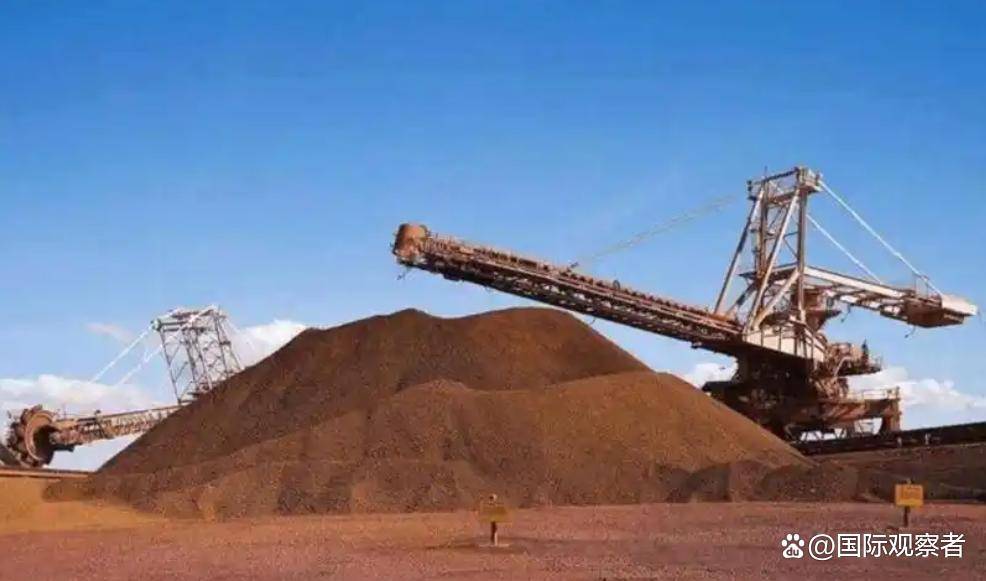
特朗普遭到背刺,墨西哥火速撤回对华关税,中国一张牌让美国完败
Sou Hu Cai Jing· 2025-10-13 04:05
Core Viewpoint - The unexpected suspension of tariffs by Mexico on Chinese goods has shifted the dynamics of the U.S.-China trade conflict, highlighting Mexico's reliance on Chinese supply chains and the implications of China's control over critical resources like rare earths [1][5][9] Group 1: Tariff Dynamics - Initially, Mexico planned to impose tariffs of up to 50% on 1,371 products from China and Asia, particularly in the automotive and textile sectors [1] - The U.S. had previously raised concerns about the assembly of Chinese parts in Mexico, leading to a 25% tariff on goods not produced in Mexico [3] - Following U.S. pressure, Mexico's economy minister announced the proposed tariffs on September 10, indicating a strategy to protect domestic industries [3] Group 2: Mexico's Strategic Shift - Mexico's sudden decision to suspend the tariff proposal on October 10 was influenced by China's announcement of export controls on rare earths, which are vital for high-tech industries [5][9] - The realization of the potential consequences of escalating trade tensions led Mexico to reconsider its position, opting for negotiations with China instead of pursuing aggressive tariffs [9] Group 3: Implications of Rare Earth Control - China controls approximately 90% of the global rare earth processing market, making its export policies a significant factor in international trade dynamics [5] - The importance of rare earths extends beyond traditional industries, impacting sectors such as electric vehicles, semiconductors, and military technology [5]

特朗普始料未及,不止输了美国大豆,还有一件事,也让他面子挂不住
Sou Hu Cai Jing· 2025-10-11 02:09
Core Viewpoint - The trade dynamics in the agricultural sector are shifting dramatically, with the U.S. facing challenges in maintaining its dominance in the soybean and beef markets due to competitive pricing and strategic moves from Brazil [1][12]. Group 1: Soybean Market Dynamics - U.S. soybeans initially regained some orders through price reductions, but Chinese buyers quickly shifted to Brazilian suppliers, indicating a significant change in purchasing behavior [3]. - Brazil's port expansions and increased crushing capacity have positioned it as a formidable supplier in the global soybean market [3]. Group 2: Beef Market Competition - Brazilian grass-fed beef is gaining market share in China, leveraging price advantages that challenge the previously premium status of U.S. beef [4]. - Latin American countries are ramping up beef production, potentially driving prices down significantly [4]. Group 3: Policy Risks - The volatility of U.S. tariff policies creates uncertainty for Chinese buyers, who now factor in "policy risk" into their pricing strategies, making U.S. agricultural products less competitive [6]. - The unpredictability of U.S. government actions is likened to a relationship where one partner is frequently absent, leading to buyer frustration [6]. Group 4: Brazilian Agricultural Strategy - Brazilian farmers have developed a competitive edge by ensuring predictability in their supply chain, contrasting with U.S. farmers who are often reactive to market signals [7]. - The focus on controllable factors from planting to shipping has made Brazil a more reliable supplier [7]. Group 5: Changing Procurement Logic - Chinese buyers have updated their procurement strategies to prioritize stability over the lowest price, effectively relegating U.S. agricultural products to a secondary option [9]. - This shift in purchasing logic reflects a broader trend towards risk management in supply chain decisions [9]. Group 6: U.S. Government Subsidy Challenges - U.S. government attempts to use subsidies to regain market share are seen as ineffective, as modern agricultural competition relies more on reliability than on financial incentives [10]. - The ability to secure long-term contracts is becoming a more critical factor than the amount of subsidies received [10].
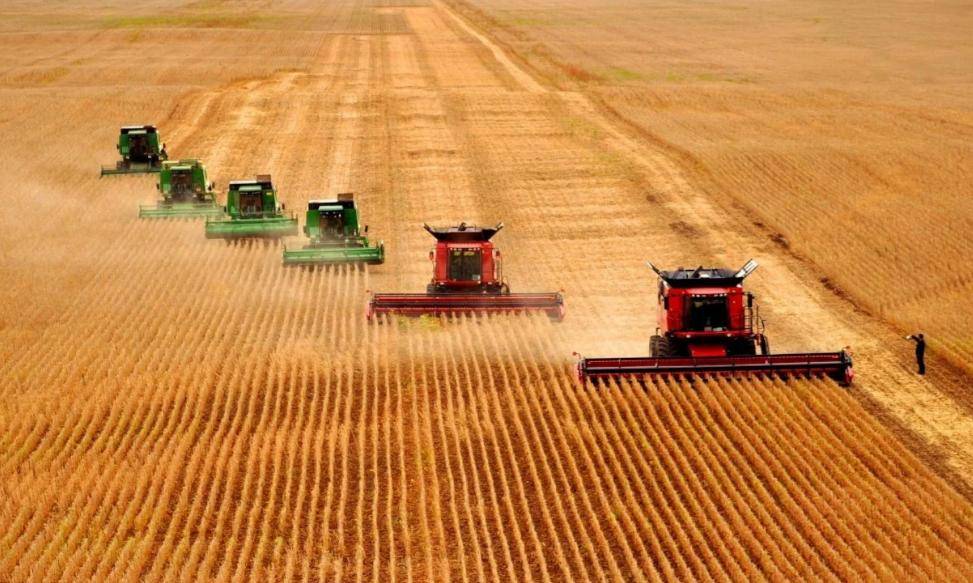
等不到中国大豆订单,特朗普制裁16家中企,中方反制直击美国要害
Sou Hu Cai Jing· 2025-10-09 09:32
Core Viewpoint - The Trump administration's sanctions against Chinese companies have not achieved the desired effects and have led to swift and effective countermeasures from China, particularly impacting the U.S. agricultural sector and high-tech industries [1][3][19] Group 1: U.S. Agricultural Sector Impact - The U.S. agricultural sector, once reliant on Chinese orders, is now facing significant challenges due to the loss of these orders, which is attributed to Trump's trade policies [5][10] - U.S. farmers are projected to incur losses of $45 billion this year, with exports of soybeans and sorghum nearly halved [7][10] - The U.S. government's subsidies to farmers are seen as a temporary fix that ultimately shifts the financial burden back onto American taxpayers, failing to address the root causes of the agricultural crisis [9][10] Group 2: U.S.-China Trade Relations - The Trump administration's strategy of imposing tariffs was based on the belief that it would compel China to make concessions, but it has instead resulted in increased costs for U.S. importers and consumers [7][10] - China's response to U.S. sanctions was rapid and targeted, particularly affecting the U.S. high-tech industry by implementing export controls on rare earth materials [12][14][17] - The U.S. high-tech sector is now facing potential supply chain disruptions due to its reliance on Chinese rare earth materials, which are critical for various technologies [14][16] Group 3: China's Countermeasures - China's countermeasures were pre-planned and executed within 24 hours of the U.S. sanctions, demonstrating a strategic approach to trade disputes [12][17] - The export controls on rare earth materials not only include physical goods but also encompass critical technical documentation, complicating U.S. efforts to find alternative sources [14][16] - The situation highlights the interdependence of U.S. and Chinese economies, emphasizing that trade should be mutually beneficial rather than a zero-sum game [19]
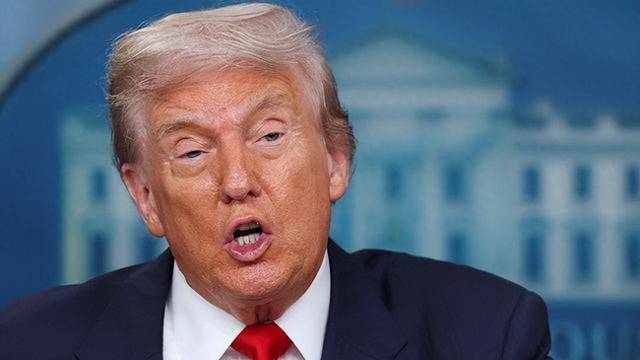
美财长提前官宣赢麻了,美国豆商给出条件?美高层认为今时不同往日
Sou Hu Cai Jing· 2025-10-04 03:45
Group 1 - The U.S. soybean industry is facing significant challenges as exports to a key market have drastically declined, with imports from the U.S. dropping to 22.8% in the first eight months of 2025 and reaching zero in September [3] - U.S. soybean inventory has reached a historical high of 22 million tons, with 7 million tons clearly unsold, leading to a drop in futures prices from $12 to $10 per bushel, resulting in losses exceeding $200 per acre for farmers [5] - The trade tensions have not only affected soybeans but have also led to price declines in related products such as corn and wheat, tightening credit and logistics services, and causing layoffs in some regions [5] Group 2 - U.S. Treasury Secretary is planning to engage in a fifth round of trade negotiations during APEC, aiming for significant breakthroughs in trade discussions with the affected country [1] - The U.S. government is under pressure to address trade issues, especially after the country has shifted its focus on soybean imports to South America due to high tariffs imposed on U.S. soybeans [3] - The current tariff structure includes a 34% combined tariff on U.S. soybeans, which may increase further as trade tensions escalate [3]
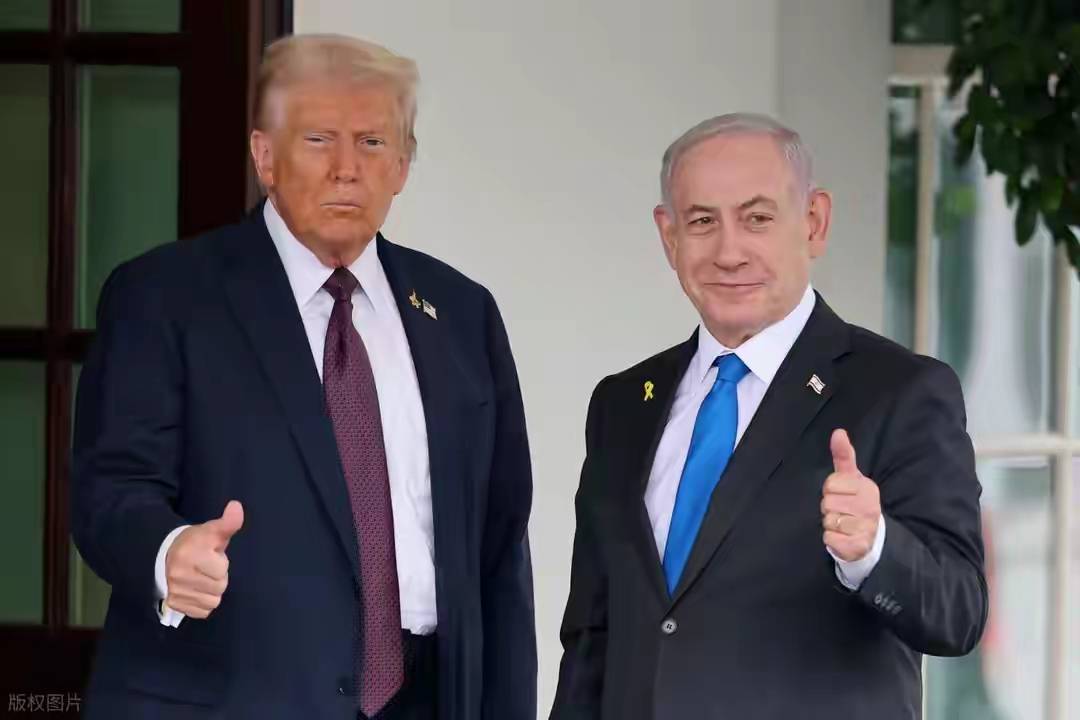
中国拒购美国大豆,美国土安全部:哪怕政府停摆,关税也要继续收
Sou Hu Cai Jing· 2025-09-29 01:15
Group 1 - The core issue is the significant decline in U.S. soybean exports to China, which has left American farmers in a difficult position as they face unsold inventory and financial losses [1][3][9] - The shift in China's purchasing strategy towards South America indicates a structural change in the agricultural export chain, moving away from reliance on U.S. agricultural products [6][8][21] - The U.S. government's insistence on maintaining tariffs, even amidst a potential government shutdown, reflects a rigid trade policy that fails to address the immediate needs of farmers and the agricultural sector [11][15][22] Group 2 - The ongoing trade tensions have led to a fundamental change in the U.S.-China trade relationship, with American farmers no longer able to rely on China as a primary market for their soybeans [9][24][26] - The economic pressures resulting from high tariffs have not only affected farmers but have also led to increased costs for small and medium-sized enterprises, contributing to a broader economic strain [17][19][24] - The lack of effective government response to the agricultural crisis has resulted in growing discontent among farmers, who feel abandoned by the policies that once supported them [13][24][30]