
AI生态

Search documents
国产打印机用近二十年突破垄断
Di Yi Cai Jing· 2025-12-15 10:09
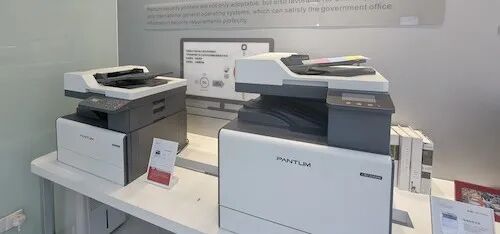
Core Insights - Canon's decision to close its printer factory in Zhongshan, China by the end of 2025 marks a significant shift in the global laser printer market, dominated for decades by Japanese and American brands like Canon and HP [2] - The market landscape is changing, with domestic brands increasing their market share from approximately 10% in 2010 to over 40% today, while foreign brands have seen their share drop below 60% [2][10] - Canon's market share has decreased from 7.7% in 2018 to 3.9% in the first three quarters of 2025, while domestic brand BenQ has captured significant market shares of 23.5%, 25.8%, and 21.3% in the same period [2] Domestic Brand Growth - BenQ's entry into the printer market was driven by long-term commercial prospects and national strategic needs, particularly concerning supply chain and information security risks [3] - The company initially focused on consumables but soon recognized the limitations and shifted towards printer manufacturing, launching its first A4 monochrome laser printer in 2010 [4] - Despite facing aggressive pricing strategies from competitors, BenQ managed to grow its output from 53,000 units in May 2011 to over one million units by 2019, achieving an average annual growth rate of about 50% [4] Technological Advancements - BenQ has made significant strides in developing core components such as the laser scanning unit (LSU) and main control SoC chips, achieving independent research and development of these critical modules by 2018 [6][7] - The company has accumulated over 6,000 patents, establishing a technological moat that supports its competitive position in the market [7] - Lenovo has also transitioned from imitation to independent innovation, increasing its self-developed printer revenue share from less than 10% to 50% [7] Market Dynamics - The printer industry's business model relies on a "razor-and-blades" strategy, where original consumables generate ongoing revenue, with hardware sales often only breaking even [8] - Despite a decline in overall printer sales from 10 million units in 2000 to about 7 million units recently, domestic brands have continued to expand their market presence [9] - The shift in the global industrial landscape is evident as foreign brands relocate some production capacity, allowing domestic brands to take the lead in the supply chain [10] Competitive Landscape - Domestic brands are gaining market share due to lower prices (20%-30% cheaper than foreign brands) and features tailored to local needs, such as remote printing and Bluetooth/NFC connectivity [12] - The penetration rate of home printers in China is only about 10%, indicating significant growth potential as demand for home and small business printing continues to rise [14] - The competitive environment is intensifying, with profit margins shrinking and companies investing heavily in research and development to innovate and meet market demands [14] Future Outlook - Domestic brands are expected to focus on high-end products, AI ecosystems, and international expansion, particularly in Southeast Asia [13] - The industry is entering a phase of stock or even declining competition, with foreign giants like HP and Canon facing challenges [15] - The rise of Chinese printer brands is attributed to continuous innovation in core technologies, establishing independent intellectual property, and enhancing supply chain security [15]


优蓝国际宣布并购:内生+外延双轮驱动,加速整合万亿蓝领市场
Sou Hu Cai Jing· 2025-12-12 16:05
Core Viewpoint - Youlan International has announced a significant strategic acquisition, acquiring four regional human resource service companies controlled by YouheHR Group Inc. This move is aimed at expanding its national blue-collar service platform and enhancing operational efficiency while creating synergies in service areas [1][2]. Group 1: Acquisition Analysis - The acquisition is not merely about scaling up but is a strategic commitment to integrate regional advantages into a national platform, enhancing revenue scale and operational efficiency [2]. - The four acquired companies control 63 subsidiaries, expanding Youlan International's service touchpoints and enhancing its national network penetration [2]. - The acquired companies have deep experience in talent outsourcing and flexible employment, particularly in labor-intensive sectors like logistics, which are seen as high-growth areas for human resource services [3]. - The acquisition will strengthen Youlan International's full lifecycle service for blue-collar workers, integrating career education, talent recruitment, and employee management [3]. - The acquisition structure is designed to protect cash flow while binding the acquisition price to the future performance of the target companies through performance-based agreements [4]. Group 2: Financial Projections - The acquisition is expected to lead to a significant increase in revenue, with projections indicating that Youlan International's revenue for the fiscal year 2026 will exceed 5 billion RMB, representing a twofold increase compared to 1.586 billion RMB in 2024 [4]. - Without the acquisition, Youlan International's revenue for the first half of 2025 was projected to grow by 16.2%, with operating profit increasing by 93.3% and net profit showing a growth of over 3700% [4]. Group 3: Industry Trends - The blue-collar human resource service sector is experiencing a rare growth opportunity, with the market expected to exceed 1.2 trillion RMB by 2025, reflecting a compound annual growth rate of 13.3% [7]. - The resilience in blue-collar employment is driven by industrial upgrades and the efficiency improvements brought by flexible employment models empowered by AI [7]. - The fragmented nature of regional small intermediaries is unable to meet the demands of major clients for compliance, scale, and technology, indicating a ripe opportunity for consolidation [7]. - Youlan International's acquisition strategy positions it to capitalize on this consolidation opportunity, further solidifying its status as the largest lifelong service platform for blue-collar workers in China [7]. Group 4: Competitive Positioning - Youlan International's business model encompasses a full lifecycle service for blue-collar workers, similar to the ecosystem of Japan's Recruit, but tailored to the characteristics of the Chinese market [8]. - The company utilizes AI technology for intelligent matching in recruitment, significantly enhancing efficiency [8]. - The acquisition marks a transition from an organic growth model to a dual-driven strategy of both organic and external growth, allowing for rapid scaling and resource integration [8]. Conclusion - Overall, Youlan International is strategically positioned at a favorable intersection of industry growth, supportive policies, and technological maturity, enhancing its revenue scale, profit margins, and valuation levels [9]. - The successful execution of the acquisition and subsequent synergies may signify the beginning of a new growth narrative for Youlan International [10].
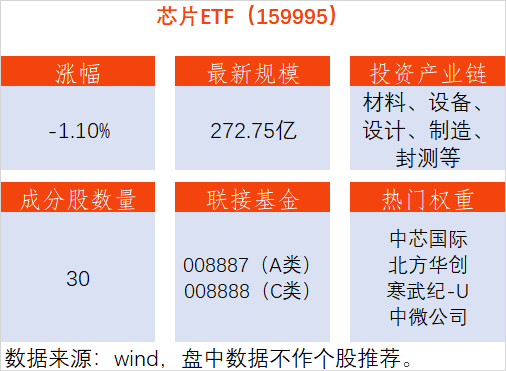
H200芯片或放开,芯片ETF(159995.SZ)下跌1.10%,华润微上涨10.06%
Mei Ri Jing Ji Xin Wen· 2025-12-10 02:55
Group 1 - A-shares experienced a collective decline on December 10, with the Shanghai Composite Index dropping by 0.60% during the session, while sectors such as forestry, retail, and engineering machinery showed positive performance [1] - The chip sector remained sluggish, with the chip ETF (159995) down by 1.10% as of 10:31 AM, and key component stocks like Lanke Technology, Haiguang Information, and Zhongwei Company falling by 3.27%, 2.69%, and 2.23% respectively [1] - Some individual stocks were active, with Huazhong Microelectronics rising by 10.61% and Haowei Group increasing by 2.97% [1] Group 2 - On December 9, U.S. President Trump announced that NVIDIA would be allowed to deliver its H200 chip products to qualified customers in China and other countries, under the condition of ensuring U.S. national security [3] - The sales revenue from these chip products will see 25% allocated to the U.S. government, and it was noted that China has been informed and responded positively [3] - Open Source Securities indicated that the restoration of supply for chips like the H200 could promote the comprehensive upgrade of domestic AI models, accelerating the development of the domestic AI ecosystem and potentially expanding demand for domestic computing power chips, which would be a long-term benefit for the domestic chip sector [3]




破解“三怕三缺”困局,梨花教育以AI生态产品提升大众文化素养
Huan Qiu Wang Zi Xun· 2025-12-08 13:12
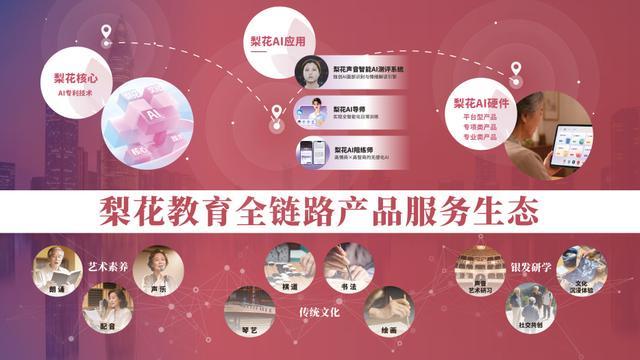
Core Viewpoint - The article discusses the innovative approach of Lihua Education in addressing the psychological barriers and shortcomings of traditional teaching methods for the elderly in art learning, through the introduction of an AI-driven acoustic learning ecosystem tailored for older adults [1][2][15]. Group 1: Psychological Barriers and Teaching Shortcomings - Elderly learners face three main psychological barriers: fear of embarrassment, fear of inconvenience, and fear of failure, which hinder their willingness to participate in art learning [2][15]. - Traditional teaching methods exhibit three significant shortcomings: lack of standardized practice partners, lack of immediate feedback, and lack of psychological support systems, which further complicate the learning experience for older adults [2][15]. Group 2: AI Acoustic Learning Ecosystem - Lihua Education has developed an AI-driven learning ecosystem that includes an AI voice practice partner, AI mentor, AI assessment system, and a dedicated hardware device called the AI acoustic learning machine, creating a closed-loop system for teaching, learning, practicing, assessing, and evaluating [1][5][15]. - The AI voice practice partner utilizes 75 acoustic algorithms and 480 million voice samples to provide personalized feedback, enabling users to improve continuously [5][15]. Group 3: Features of the AI Acoustic Learning Machine - The AI acoustic learning machine can complete a "voice CT scan" in just 15 minutes, analyzing 50 dimensions of a learner's voice and generating a comprehensive report with 19 evaluation items [6][15]. - The device is designed with user-friendly features, including clear sound capture, an eye-friendly display, and simplified operation logic, making it accessible for older adults [7][8][10][11]. Group 4: Cultural and Social Engagement - The learning machine allows users to create audio books, transforming the learning process into a creative and fulfilling experience, thus addressing the deeper needs for cultural expression and social interaction among the elderly [11][13][15]. - Lihua Education aims to enhance the cultural literacy of older adults by providing a platform that not only teaches but also empowers them to express themselves and connect with others through their learning journey [15].
练秋湖畔的AI箴言:任正非与青年才俊的跨界对话
Sou Hu Cai Jing· 2025-12-07 09:05
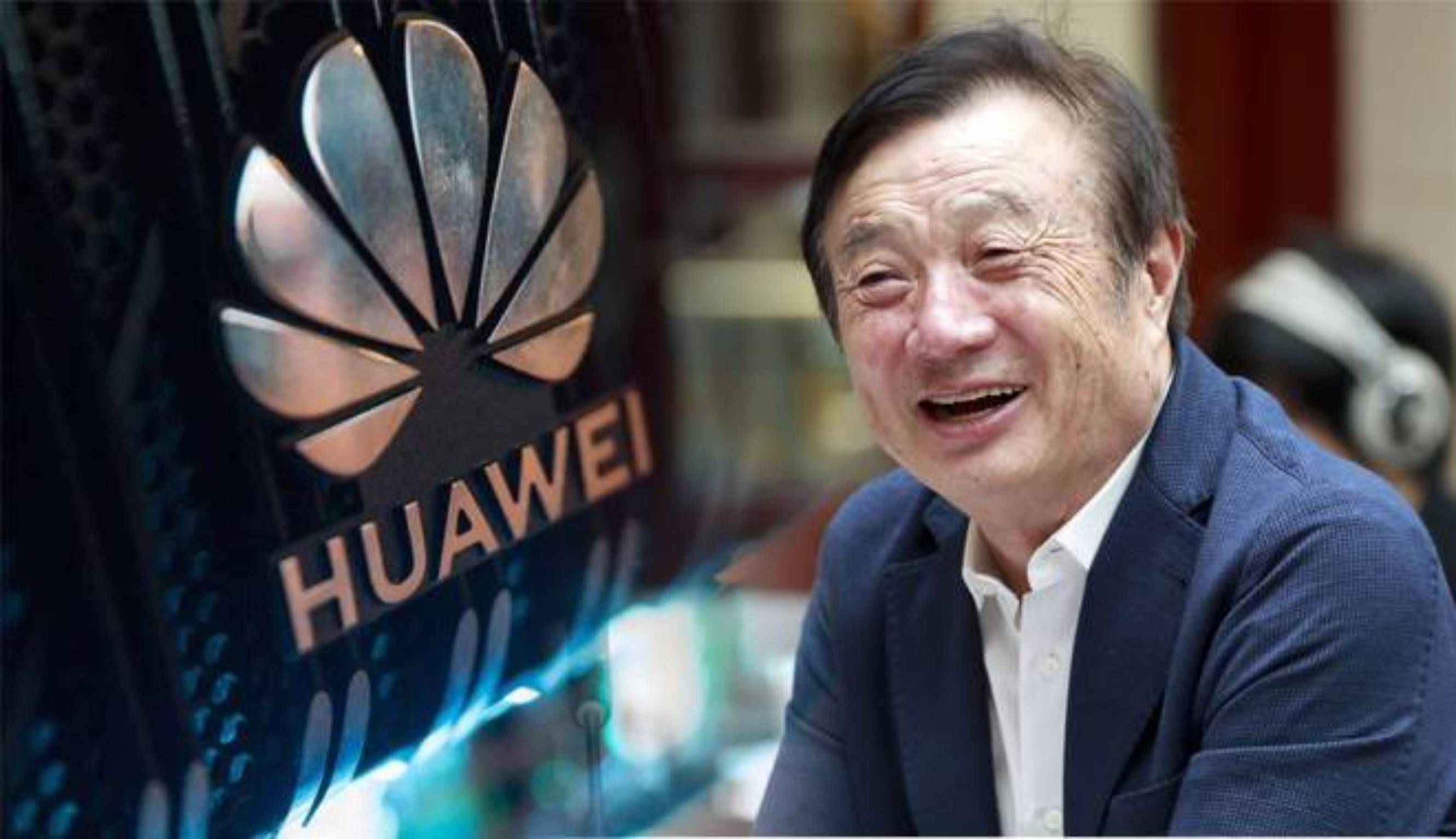
Core Insights - The dialogue led by Huawei's founder Ren Zhengfei emphasizes a pragmatic approach to AI development, focusing on real-world applications rather than theoretical advancements [4][6][7] - Ren advocates for a collaborative ecosystem that combines computing power, talent, and practical scenarios to drive AI innovation [6][7] Group 1: AI Development Philosophy - Ren Zhengfei dismisses the notion of a "cloud myth" and instead promotes the idea of being "ground heroes" who focus on practical applications of AI [3][4] - He highlights the importance of immediate, tangible benefits of AI, such as a 90% reduction in gas explosion risks in mining through real-time data integration [4][6] - The emphasis is on the 98% practical value of AI applications compared to the 2% technical prestige associated with AI innovations [4][6] Group 2: Education and Talent Development - Ren stresses the need to clarify the boundaries between education and business, advocating for educational institutions to foster critical thinking and innovation [6][7] - He supports initiatives like the "AI Education for All" plan, which aims to provide access to quality education for underprivileged children through online resources [6][7] - The importance of interdisciplinary learning is highlighted, encouraging students to explore beyond their primary fields to solve real-world problems [7] Group 3: Real-World Applications - Examples of successful AI implementations include optimizing steel production efficiency, improving diagnostic accuracy in healthcare, and significantly reducing container handling times at ports [4][6] - Ren emphasizes that the future of AI lies in its ability to address practical challenges in various industries, rather than merely competing in theoretical models [4][7] - The dialogue concludes with a focus on using technology to solve real problems, reinforcing the idea that true innovation comes from practical applications [7]
做豆包AI手机前,张一鸣也行应该跟马化腾聊一聊
Tai Mei Ti A P P· 2025-12-07 06:00
Core Insights - The launch of Doubao AI phone has generated significant market interest, with resale prices on platforms like Xianyu reaching up to 8000 yuan, indicating a high demand similar to the iPhone 4 launch [1] - The Doubao AI phone features a high-permission agent that enables system-level AI capabilities, allowing users to perform complex tasks with simple commands [1] - The emergence of AI phones raises concerns about the future of traditional internet giants and apps, as predicted by Elon Musk, suggesting a potential shift in the mobile ecosystem [2] Group 1 - The Doubao AI phone's popularity validates the trend of integrating AI interactions in mobile devices, confirming the investments made by major manufacturers like Honor, Vivo, and OPPO in AI technology [4] - The rapid rise of the Doubao AI assistant serves as a significant turning point in the AI phone market, comparable to Mark Zuckerberg's appearance at the Oculus launch in 2016 [4] - Tencent's proactive measures against AI automation in apps like WeChat highlight the challenges AI phones face in gaining widespread acceptance [3][10] Group 2 - The current landscape of AI phones is divided into two factions: the radical revolutionaries, represented by Doubao, and the conservative preservationists, who advocate for a more gradual approach [8][12] - The fundamental logic of the mobile internet ecosystem is being challenged by system-level AI, which could disrupt traditional advertising and user engagement models [9][11] - The swift prohibition of AI operations by WeChat reflects the potential impact on daily active users (DAU) and monthly active users (MAU), which are crucial for advertising revenue [10] Group 3 - The Doubao AI phone's hardware capabilities are questioned, as ByteDance excels in software but lacks the hardware prowess of established players like Xiaomi and Honor [6][7] - The development of system-level AI requires a collaborative approach between software and hardware, which may be more effectively executed by traditional phone manufacturers [12][18] - The success of AI phones hinges not only on technology but also on the ability to create a supportive ecosystem that includes cooperation with major app developers [22][24] Group 4 - The AI phone market's growth could benefit existing manufacturers, as seen with the rise in stock prices for companies like ZTE following the Doubao AI phone's announcement [23] - Honor's strategic focus on AI integration and ecosystem development illustrates the competitive landscape among phone manufacturers in the AI space [22] - The challenges faced by Doubao AI phone in establishing a viable ecosystem echo historical precedents in the tech industry, where similar initiatives have struggled to gain traction [28]

AI眼镜厂商,正在集体拒交“智商税”
Tai Mei Ti A P P· 2025-12-05 03:14
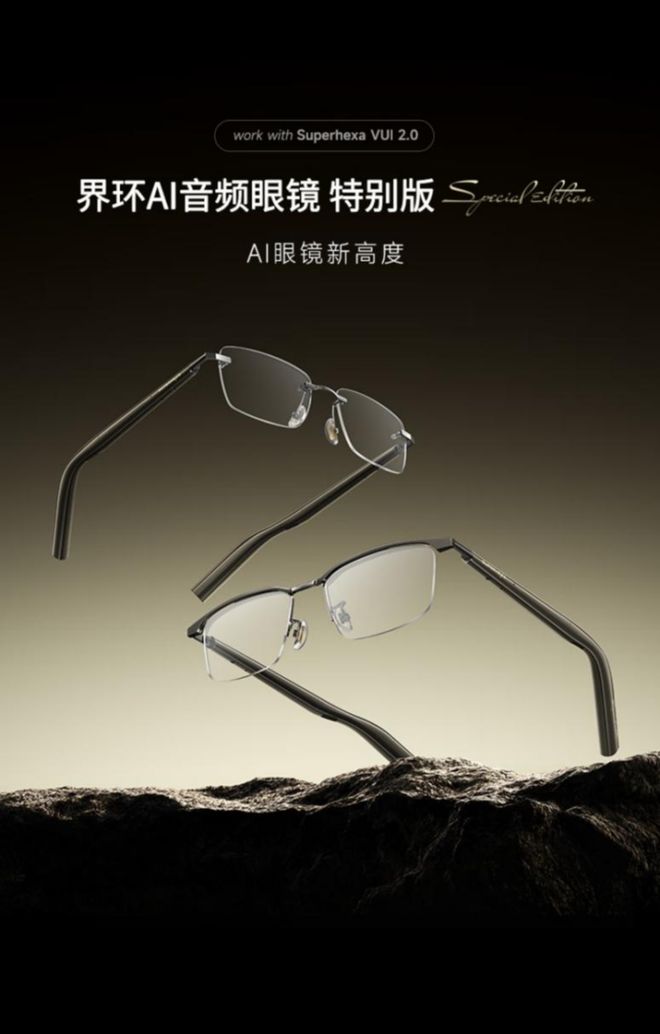
Core Insights - The AI glasses market is at a critical juncture, similar to the smartphone boom a decade ago, with significant potential for growth and innovation [1][3] - Major players like Alibaba, Xiaomi, and Baidu are entering the AI glasses space, each with different motivations and technological backgrounds [2][3] Market Trends - By 2025, AI glasses are expected to see substantial market penetration, with global shipments projected to reach 4.042 million units in the first half of the year, and China showing particularly strong demand with 1.158 million units shipped [3] - The consumer AI/AR market experienced a year-on-year sales increase of 186% in Q3, indicating a growing acceptance and demand for these technologies [3] - Government policies are supporting the AI glasses market, with subsidies of 15% for consumers and plans to boost the AI terminal industry in Shenzhen to over 800 billion yuan by 2026 [3] Technological Developments - Companies are focusing on lightweight designs and improved functionality, with Quark's AI glasses utilizing a dual-chip architecture to enhance performance while addressing battery life concerns [4][5] - The weight of AI glasses remains a challenge, with Quark's model exceeding 50 grams, while other manufacturers like Hive Technology have developed lighter models around 30 grams by offloading processing to mobile devices [9] Competitive Landscape - The competition is not just about hardware specifications but also about the AI ecosystem, with companies like Quark leveraging Alibaba's extensive ecosystem for enhanced functionality [11][12] - The future of AI glasses is seen as a shift from app-based ecosystems to agent-based interactions, where users can access services through voice commands [12][16] Consumer Experience - Current AI glasses face challenges in user experience, with high return rates reported, indicating that many products do not meet consumer expectations [17][18][22] - The average battery life of mainstream AI glasses is under 4 hours, which limits their usability compared to traditional eyewear [18][22] Future Outlook - The industry is awaiting a "killer app" or product that can define a standard for user interaction and functionality, similar to the role of the iPhone in the smartphone market [22][23] - The first company to successfully balance lightweight design with comprehensive functionality and a profitable developer ecosystem is likely to emerge as the leader in the AI glasses market [23]


AI端侧补充
小熊跑的快· 2025-12-03 05:15
Core Viewpoint - The article discusses the implications of the new AI phone developed by Doubao and Nubia, focusing on its ability to access applications quickly through a screen-reading mechanism, raising concerns about permissions and the potential for ecosystem conflicts [1][2][4]. Group 1: Technology and Functionality - The AI phone utilizes a screen-reading feature that simulates human interaction with applications, allowing it to access services like 12306 and Meituan, despite these not being listed in Doubao's partner MCPs [1][2]. - The phone's performance is noted to be impressive, especially considering it uses an earlier model of ByteDance's AI, with potential for significant improvements in future iterations [4]. Group 2: Ecosystem Conflicts - Major smartphone manufacturers, particularly Apple, are resistant to allowing AI assistants access to their operating systems, as this could undermine their revenue models [4][6]. - App developers, especially those reliant on user engagement for revenue, such as Meituan and Taobao, are likely to oppose the integration of AI assistants that could reduce user interaction with their platforms [4][5]. Group 3: Competitive Landscape - The article outlines a competitive landscape where companies like Google, Tencent, Alibaba, and ByteDance are positioning themselves in the AI assistant market, each with unique strengths and ecosystems [6][7]. - Google is highlighted as a leader due to its comprehensive ecosystem, while Tencent is expected to leverage its extensive WeChat mini-programs to develop its own AI assistant [6][7]. Group 4: Investment Opportunities - The article suggests that while the application landscape is fragmented, companies like Tencent, Alibaba, and Xiaomi are potential candidates for investment, particularly through ETFs that track technology and internet sectors [9][11]. - The recent market downturn, with declines around 15%, presents a potential opportunity for long-term investment in AI-related companies, with ByteDance being a notable player [11].

迎在华四十周年节点 英特尔详阐Intel 18A最新进程
Zhong Guo Jing Ying Bao· 2025-11-28 00:04
Core Insights - The global semiconductor industry is entering a critical phase with the countdown to the mass production of 2nm technology, intensifying competition among major players like Intel, TSMC, and Samsung [1][7] - Intel has unveiled its Intel 18A advanced process technology, which is positioned to compete with TSMC and Samsung's 2nm offerings, aiming to regain its leadership in process technology [1][4] Group 1: Intel 18A Technology - Intel 18A, equivalent to 1.8nm, will be utilized in the next-generation AI PC platform, Panther Lake, leveraging two key technologies: RibbonFET and PowerVia [1][2] - RibbonFET technology enhances control over current flow, significantly reducing leakage, while PowerVia addresses internal chip congestion by relocating power delivery to the back of the chip [2][3] - Intel 18A demonstrates impressive efficiency metrics, with over 15% performance improvement at the same power consumption, and over 25% power reduction for the same performance, alongside a 30% increase in transistor density [3] Group 2: Panther Lake and Future Developments - Panther Lake, based on Intel 18A, is set to enhance multi-core performance by 50% and graphics performance by over 40%, with an AI computing power of 180 TOPS [4][5] - The first Panther Lake processors are currently in production, with an official launch planned for January at CES [5] Group 3: Competitive Landscape - The competition in advanced semiconductor processes is primarily among TSMC, Samsung, and Intel, with TSMC currently leading in 2nm technology with a yield rate of 60%-65% [7][8] - Samsung faces challenges with its 3nm process yield, which is between 20%-40%, impacting its ability to secure major clients [7][8] - Intel's 18A process, while not yet matching TSMC's capacity, has a potential advantage in power efficiency due to its unique PowerVia technology, which could attract high-performance computing and mobile device markets [8] Group 4: AI Ecosystem Development - Intel aims to build a comprehensive AI ecosystem leveraging the Intel 18A process, transitioning PCs from AI-enhanced to AI-native platforms [9] - The Panther Lake platform integrates CPU, GPU, and NPU architectures, supporting advanced AI models and enhancing performance metrics significantly [9] - Intel emphasizes collaboration with local Chinese software ecosystems to optimize AI applications and improve performance across various use cases [10]

目标价直指352美元!Evercore力挺英伟达(NVDA.US):营收增速将跃升至79%
智通财经网· 2025-11-26 07:05
Group 1 - Evercore ISI raised Nvidia's target price from $261 to $352 while maintaining an "outperform" rating, citing a resurgence in revenue growth and improved product supply [1] - Nvidia is still considered a top pick in the AI ecosystem, with significant improvements in the supply situation of its GB200 and GB300 products [1] - The estimated revenue growth for the Blackwell computing platform is expected to reach 48% quarter-over-quarter, adding over $13 billion in new revenue compared to the previous quarter [1] Group 2 - Nvidia's inventory increased by 32% quarter-over-quarter, and the supply commitment amount surged by 63%, supporting a robust demand for data center computing orders projected to reach $500 billion by 2025-2026 [1] - Revenue growth is projected to rise from 56% in July 2025 to 79% in July 2026, justifying a premium price-to-earnings ratio of 35 times [2] - Current market conditions show Nvidia's price-to-earnings ratio at 25 times, which is nearly 30% below its 9-year historical median of 35 times, indicating an attractive risk-reward ratio [2]
