
中美贸易摩擦

Search documents
美股异动|中美贸易风云再起超微半导体股价下挫3.53%引发市场热议
Xin Lang Cai Jing· 2025-08-29 22:59
Group 1 - AMD's stock price fell by 3.53% on August 29, attributed to heightened sensitivity among investors towards technology stocks amid the tense US-China trade environment [1] - The US government has adjusted its tariff policies, increasing pressure on companies like AMD, which has international operations, making it difficult for them to avoid the impacts of these changes [1] - The US government is not only imposing tariffs on imports but also applying additional pressure on exports, requiring companies like AMD to pay a portion of their revenue to export products to China, which could affect overall profitability [1] Group 2 - Agreements between the US government and tech companies, such as Intel, indicate increasing government intervention in the semiconductor industry, which may compel AMD to develop new strategies to maintain market competitiveness [2] - Investors are advised to remain cautious regarding AMD, focusing on global macroeconomic conditions and the future trajectory of US-China relations, as these factors are crucial for the company's performance [2] - It is recommended for investors to diversify their investments in technology stocks to mitigate risks associated with policy changes and global economic dynamics [2]

中国银河证券:内销继续受益国补和高温 家电海外业务明年大概率会恢复正常
智通财经网· 2025-08-27 06:08
Core Viewpoint - The report from China Galaxy Securities indicates that while the retail sales of household appliances and audio-visual equipment in July maintained a high growth rate of 28.7% year-on-year, the growth rate has slowed down compared to previous months. The market remains active, but traditional appliance leaders are experiencing stagnation, while technology-related consumer companies are performing better [1]. Group 1: Retail Sales and Market Trends - In July, the retail sales of household appliances and audio-visual equipment grew by 28.7% year-on-year, but the growth rate has slowed compared to May and June [1]. - The national subsidy program's impact has weakened, with some regions pausing subsidies in July. The third batch of subsidy funds amounting to 69 billion yuan has been allocated, with a fourth batch expected in October [1]. - Retail sales growth for household appliances is expected to cool down, particularly due to high base effects from last year when national subsidies significantly stimulated demand [1]. Group 2: Air Conditioning Market - In July, the domestic air conditioning shipment volume increased by 14.3% year-on-year, exceeding market expectations, primarily driven by hot weather [2]. - The price war during the 618 shopping festival has ended, leading to a recovery in prices, with the average retail price reaching 2,632 yuan per unit in July, an increase of 8.3% from June [2]. - Production data indicates a cautious market outlook for air conditioning, with expected year-on-year declines in production for August, September, and October due to high base effects from last year [2]. Group 3: Black Electronics Market - Global TV shipment volumes showed a mixed performance, with a year-on-year increase of 0.7% in Q1 and a decrease of 3.5% in Q2 of 2025. The overall market is expected to decline by 1.7% in 2025 [3]. - Chinese brands are gaining market share globally, particularly in the Mini LED TV segment, with TCL and Hisense achieving a global shipment share of 14.7% in Q2 2025 [3]. - Emerging product categories such as gaming monitors and AI glasses are experiencing rapid growth, indicating a structural upgrade in the black electronics market [3]. Group 4: Cleaning Appliances Market - The cleaning appliance market continues to show high growth, with online retail sales of robotic vacuum cleaners and floor washers increasing by 53.8% and 36.3% year-on-year in July, respectively [4]. - Companies like Dreame and Roborock are shifting their competitive strategies to focus on profitability, leading to an improved market competition landscape [4]. - Chinese brands are rapidly increasing their market share overseas, with significant growth in app downloads for brands like Dreame and Roborock [4]. Group 5: Export Performance - The export value of household appliances has shown a declining trend, with year-on-year decreases of 8.8%, 9.0%, and 3.8% in May, June, and July, respectively, reflecting the impact of US-China trade tensions [5]. - Companies with production capacity in Southeast Asia are at a competitive advantage, while others face pressure on profit margins due to late-stage capacity expansion [5]. - The long-term outlook for the Chinese household appliance industry remains positive, with major players establishing global supply chains and a likely recovery in overseas business by 2026 [5].

特朗普喊话中国,必须向美国提供稀土:我还有强大筹码,但不想打
Sou Hu Cai Jing· 2025-08-27 05:29
Group 1 - Trump's demand for China to provide rare earth magnets or face a 200% tariff on Chinese products reflects a political stance rather than a response to an actual supply shortage in the U.S. [1][3] - The U.S. currently does not face a rare earth shortage, as the supply chain has stabilized following negotiations between the U.S. and China, allowing American companies to resume normal production [3][5] - Trump's assertion of having a "strong bargaining chip" regarding Boeing's supply chain is misleading, as Boeing heavily relies on the Chinese market for sales, making any supply disruption detrimental to Boeing itself [5][7] Group 2 - The relationship between the U.S. and China in the rare earth and aviation sectors is characterized by deep interdependence, with both countries benefiting from cooperation rather than confrontation [7][9] - Trump's rhetoric serves to bolster his political image domestically, but it risks undermining U.S. corporate interests and credibility in international trade [7][9] - The historical context of U.S.-China trade tensions shows that threats often lack follow-through due to the economic implications for American businesses, which continue to seek engagement with China [5][9]

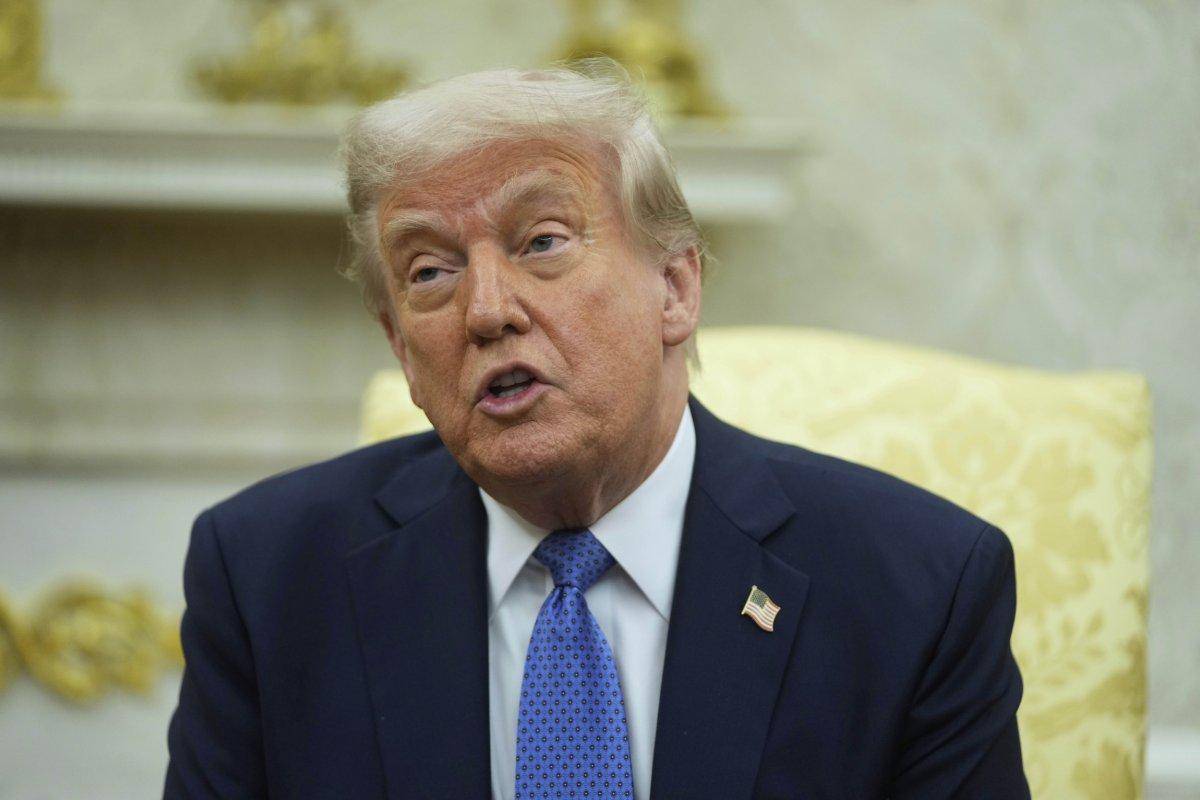
特朗普办事不力,美国农民不忍了,递出公开信,要求与华达成协议
Sou Hu Cai Jing· 2025-08-26 00:07
Core Viewpoint - The article highlights the urgent concerns of American soybean farmers regarding the need for a trade agreement with China to regain access to the Chinese market, which is crucial for their survival and economic stability [1][6][13]. Group 1: Trade Relations and Market Dynamics - The fate of the American soybean industry is closely tied to China, the world's largest soybean buyer, with Chinese demand significantly influencing global soybean markets [3]. - Due to strained trade relations, Chinese importers have shifted their focus to Brazil, which has become the largest supplier of soybeans to China, with orders reaching 2.4 million tons in just one week in April 2025 [3][5]. - American farmers have attempted to explore new markets in the EU and Southeast Asia, but these efforts have not compensated for the loss of the Chinese market, leading to a long-term trend of Chinese importers favoring stable suppliers like Brazil [5]. Group 2: Farmers' Concerns and Appeals - American soybean farmers have expressed their desperation in open letters to the Trump administration, emphasizing the critical need for a trade agreement with China to restore significant purchasing orders [6]. - The current market conditions for soybeans are at an unprecedented low, and without a timely agreement, farmers face severe financial difficulties, including heavy loan burdens [6]. - The American Soybean Association has been vocal about the importance of maintaining stable trade relations with China and has urged the government to take concrete actions to resolve trade disputes [6]. Group 3: Government Response and Negotiation Progress - U.S. Treasury Secretary Mnuchin's recent statements have provided a glimmer of hope, indicating satisfaction with the current tariff arrangements and progress in trade negotiations, with expectations for further meetings before November [10]. - Ongoing trade talks between the U.S. and China have shown signs of progress, including a 90-day tariff "truce" and extensions of tariff suspension periods, but farmers remain concerned about whether these negotiations will translate into actual orders from Chinese importers [11]. - The plight of American soybean farmers serves as a microcosm of the broader U.S.-China trade tensions, highlighting the need for pragmatic trade policies that consider the livelihoods of farmers [13].
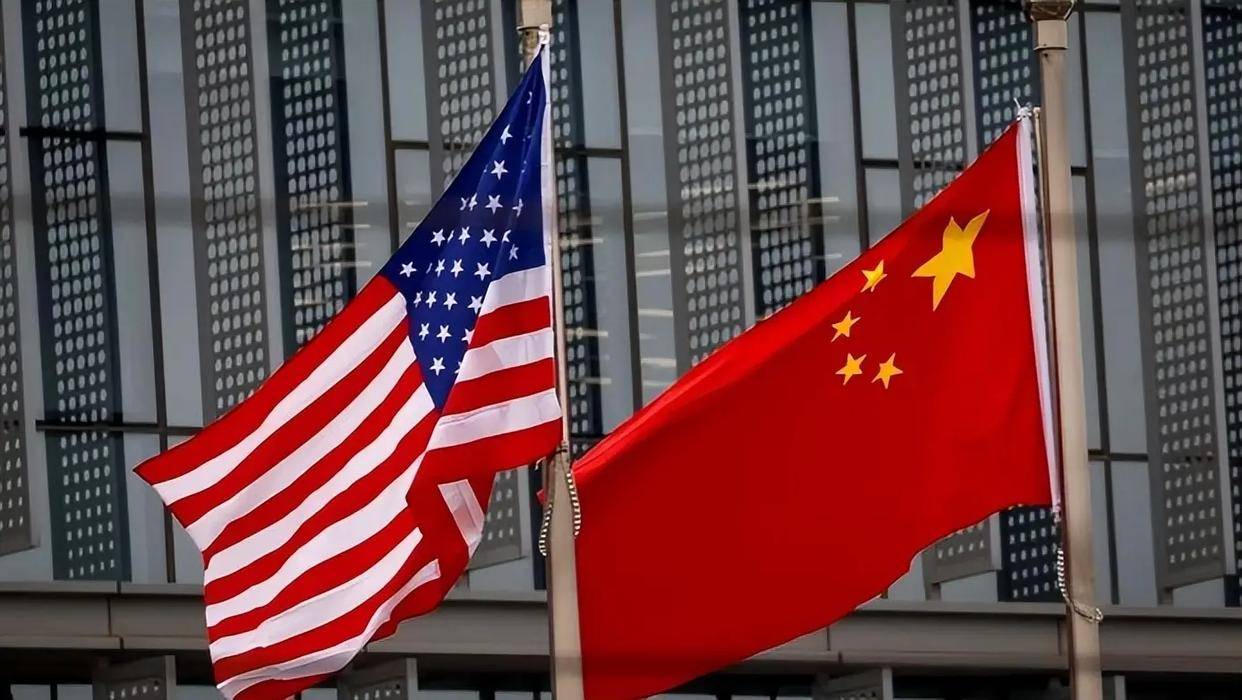
“十五五”时期中国面临的机遇、挑战与改革方向
Hua Xia Shi Bao· 2025-08-25 13:50
Group 1 - The core viewpoint highlights the challenges and opportunities for China's economy during the "14th Five-Year Plan" period, emphasizing the shift from high-speed growth to high-quality development and the need to address demand insufficiency [5][6][9] - The external environment is characterized by intensified trade friction with the U.S., which has escalated into a comprehensive confrontation affecting China's external demand and supply chains [4][6] - Internally, China faces structural issues such as aging population and insufficient demand, necessitating reforms in consumption and investment structures to stimulate economic growth [6][8] Group 2 - The economic growth rate during the "14th Five-Year Plan" is projected to be in the range of 4.5% to 5%, with a focus on balancing nominal and actual growth rates [6][10] - Key challenges include ongoing trade tensions, demographic shifts leading to labor shortages, and local government debt issues that require systemic reforms [6][11] - Opportunities arise from strengthening non-U.S. trade alliances, leveraging the potential of a unified domestic market, and fostering human capital and technological innovation [7][9] Group 3 - The planning and reform strategies for the "14th Five-Year Plan" should focus on balancing supply and demand, optimizing investment and consumption, and enhancing the relationship between manufacturing and service sectors [8][9] - Macro-control systems need to transition to prioritize nominal growth and adjust fiscal and monetary policies accordingly [10][13] - Structural reforms should aim to improve income distribution, accelerate urbanization, and enhance the fiscal system to support consumption and economic balance [11][12][13] Group 4 - The development of high-quality services in sectors such as healthcare, tourism, and elder care is essential to meet the growing demand for quality services [16] - Encouraging private sector participation and reducing market entry barriers will be crucial for service industry growth [16] - Strengthening regulatory frameworks to protect consumer rights and promote new service consumption models will enhance market stability and growth [16]

特朗普嘴硬手软,普京边打边谈,中国亮出底牌——国际棋局
Sou Hu Cai Jing· 2025-08-22 03:22
Group 1 - The article highlights the contradictory stance of Trump regarding China, portraying a tough image while fearing the impact on trade agreements [1][4] - It emphasizes China's significant leverage in global trade, particularly in rare earth minerals, which are crucial for the US chip industry and military equipment [3] - The article notes the substantial trade volume between the US and China, amounting to $300 billion in the first half of the year, with American farmers heavily reliant on the Chinese market for crops like soybeans and corn [3] Group 2 - The article discusses the potential consequences of China selling off its over $1 trillion in US debt, which could lead to a significant stock market crash in the US [4] - It contrasts Trump's aggressive trade policies towards India, where he imposed a 25% tariff, later increasing it to 50%, highlighting a perceived double standard in US foreign policy [5][6] - The article mentions the ongoing military pressure from Russia in Ukraine, with Putin's strategy of maintaining military offensives while engaging in negotiations [10]
同样是买俄油,中印遭遇天差地别,万斯的话让印度心里咯噔了
Sou Hu Cai Jing· 2025-08-21 09:11
Group 1 - The recent tensions between the US and India over Russian oil procurement have led to the US imposing a 25% additional tariff on India, contrasting with its approach towards China, which has not faced similar tariffs despite higher oil purchases [1] - The US and China have agreed to pause tariffs for three months, indicating a temporary easing in trade tensions and a complex relationship that requires careful handling, especially regarding China's unique position in the US economic system [3][5] - US officials, including Vice President Vance and Treasury Secretary Bessent, emphasize the need for a nuanced approach to China, recognizing its significant economic and military capabilities, which differ from the US's approach to Russia [3][5] Group 2 - Recent trade talks between the US and China have shown a structured approach, with different meetings focusing on various topics, reflecting the urgency of trade issues [5] - China's shift in import strategy, particularly its reliance on Brazil for soybean imports, poses challenges for the US to regain market share, even with potential agreements [6] - The US strategy towards China appears to be one of cautious engagement, contrasting with its more aggressive stance towards India, indicating a recognition of the complexities in US-China relations [8]
大结局要来?特朗普“以1对8”,欧洲七大首脑陪同泽连斯基访美,中方当初的选择太明智了
Sou Hu Cai Jing· 2025-08-21 08:32
Group 1 - The upcoming meeting between US President Trump and Ukrainian President Zelensky is significant due to the presence of seven high-profile European leaders, indicating a strong collective stance from Europe [1] - European leaders aim to influence Trump's position on the Russia-Ukraine conflict, particularly to discourage any acceptance of Russia's territorial concessions for peace [1][3] - The European delegation emphasizes cooperation and proposes increased military training and equipment for Ukraine, seeking to align Trump's decisions with their objectives [3] Group 2 - Trump's domestic actions, including plans to appoint a new Federal Reserve Chair and potential legal actions against the current Chair Powell, are raising concerns about his influence on economic policy [3][5] - The expansion of the candidate list for the Federal Reserve Chair from four to eleven indicates a strategic move by Trump to align the Fed's leadership with his economic philosophy [5] - The complex international political landscape, including China's measured response to the Russia-Ukraine conflict and trade tensions with the US, highlights the importance of strategic decision-making in global affairs [7]
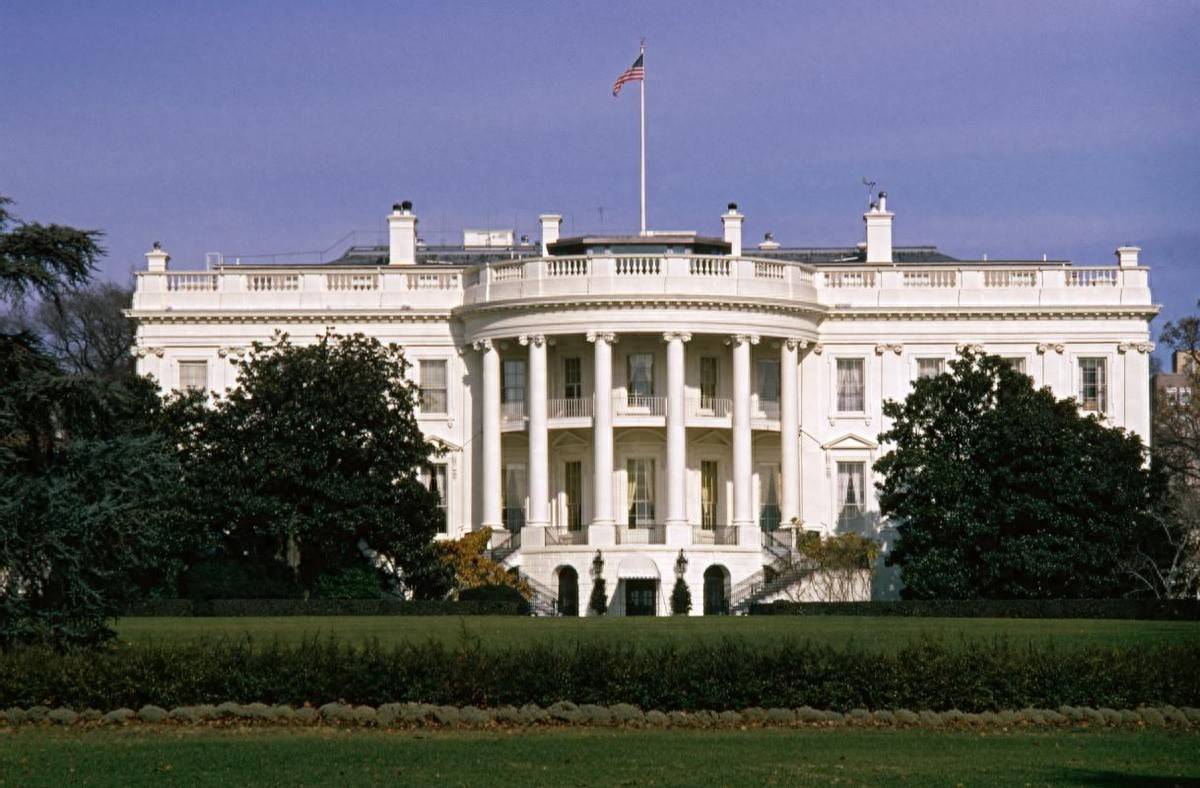
事关中国,特朗普紧急签署总统令!不到24小时,巴西打来电话,迫切想要的中方痛快给了
Sou Hu Cai Jing· 2025-08-19 03:40
Economic Impact - The extension of the tariff suspension for an additional 90 days is crucial for American businesses, particularly in sectors like agriculture and high-tech products, which rely heavily on the Chinese market for sales [1][3] - The trade friction has led to significant income reductions for American farmers due to blocked exports to China, highlighting the importance of maintaining competitive access to the Chinese market [1] Political Considerations - Trump's decision reflects a balance between demonstrating a tough stance on China and avoiding excessive confrontation that could harm U.S. interests, especially in light of rising consumer prices due to tariff costs [3] - The U.S. government recognizes the necessity of cooperation with China on global issues such as climate change and public health, influencing the decision to extend the tariff suspension [3] China's Response - China maintains a firm and rational stance, emphasizing mutual respect and equal benefits in trade discussions, and is committed to defending its legitimate rights against U.S. tariffs [4][9] - China aims to promote healthy and stable bilateral trade relations through continued negotiations based on equality and mutual respect [4] Brazil's Position - Brazil has consistently opposed U.S. tariff policies and has refused to compromise under pressure, emphasizing the need for sincere negotiations from the U.S. [6] - Brazilian President Lula's communication with China following the tariff extension indicates Brazil's desire for support in countering U.S. trade policies and to strengthen ties within the BRICS framework [7][9] Cooperation Opportunities - China has expressed strong support for Brazil in defending its sovereignty and rights, indicating a willingness to enhance bilateral trade and cooperation to mitigate the impacts of U.S. tariffs [9] - The collaboration between China and Brazil aims to expand trade volumes and optimize trade structures, leveraging China's market demand to benefit Brazilian exports [9]
美国惊天大骗局被拆穿!前总统之子怒揭真相:中国从未对美抱有敌意
Sou Hu Cai Jing· 2025-08-18 23:58
Group 1: U.S.-China Soybean Trade Dynamics - Neil Bush's statement highlights that China does not harbor hostility towards the U.S., suggesting that the U.S. narrative is misleading [1] - In July, China's soybean imports reached a record high of 11.67 million tons, primarily sourced from Brazil rather than the U.S. [1] - The U.S. soybean industry faces significant challenges due to tariffs and competition from Brazil, with U.S. soybean prices dropping below production costs [4] Group 2: China's Agricultural Adaptations - China has reduced soybean consumption by nearly 8 million tons annually through the promotion of low-protein feed technology [5] - Domestic soybean production in Northeast China has increased to over 23 million tons, raising the self-sufficiency rate from 15% in 2017 to 30% [5] - In 2024, China's soybean imports are projected at 105 million tons, with only 22.13 million tons from the U.S., a 5.7% decrease year-on-year [5] Group 3: U.S. Policy Contradictions - The U.S. government's hardline stance contrasts with China's measured responses, as seen in the recent trade talks where 24% of tariffs were suspended for 90 days [9] - Neil Bush's remarks reflect the absurdity of U.S. policies that simultaneously impose tariffs on China while expecting increased soybean purchases [9] - The U.S. political landscape is characterized by a tendency to blame China for domestic issues, which may hinder effective policy-making [12]
