电动化转型

Search documents
财报“透视”:日系车企三强的喜与忧
Zhong Guo Jing Ying Bao· 2025-08-22 21:13
Core Viewpoint - The Japanese automotive industry, particularly the "Big Three" (Toyota, Honda, Nissan), is facing significant profit contraction due to U.S. tariff pressures and the transition to electric vehicles, despite some revenue growth [1][2][3]. Financial Performance - Toyota's net profit for Q1 of FY2025 decreased by 36.9% to 841.4 billion yen (approximately 40.7 billion RMB), while operating profit fell by 11% to 1.17 trillion yen (approximately 56.6 billion RMB) [1][3]. - Honda's net profit dropped by 50.2% to 170.4 billion yen (approximately 8.24 billion RMB), with operating profit down by 49.6% to 244.2 billion yen (approximately 11.89 billion RMB) [1][4]. - Nissan reported a loss of 79.1 billion yen (approximately 3.83 billion RMB) in operating profit, a significant decline from a profit of 1 billion yen (approximately 48.1 million RMB) in the previous year [5]. Impact of U.S. Tariffs - The U.S. government's imposition of a 25% tariff on imported vehicles and additional tariffs on core components has severely impacted the profitability of Japanese automakers [4][7]. - Toyota estimated a loss of 450 billion yen (approximately 21.8 billion RMB) in operating profit due to tariffs for Q1, with an annual forecast of 1.4 trillion yen (approximately 67.7 billion RMB) [3][4]. - Honda also projected a loss of 450 billion yen (approximately 21.8 billion RMB) in operating profit for FY2025 due to U.S. tariffs [4]. Market Performance in China - Despite challenges in the U.S. market, Toyota's sales in China increased by 6.8% to 837,700 units in the first half of the year, marking its first year-on-year growth in nearly four years [8][11]. - Nissan's sales in China rose by 21.8% in July, driven by the success of its new electric model, the N7 [9][10]. - Honda's performance in China lagged behind, with a 14.75% decline in July sales, reflecting struggles in both traditional fuel and new energy vehicle segments [10][11]. Strategic Responses - Toyota is focusing on local partnerships and expanding its hybrid and electric vehicle offerings in China to adapt to market demands [8][11]. - Nissan plans to invest 10 billion RMB in electric vehicle development in China and aims to launch 10 new electric models over the next two years [6][9]. - Honda is attempting to strengthen its position in the electric vehicle market with new product launches, although initial sales have been underwhelming [10][11].


长安汽车财报上半年营收同比下降5.25%,净利润降19.09%,新能源汽车销量增长49.1%
Hua Er Jie Jian Wen· 2025-08-22 13:59
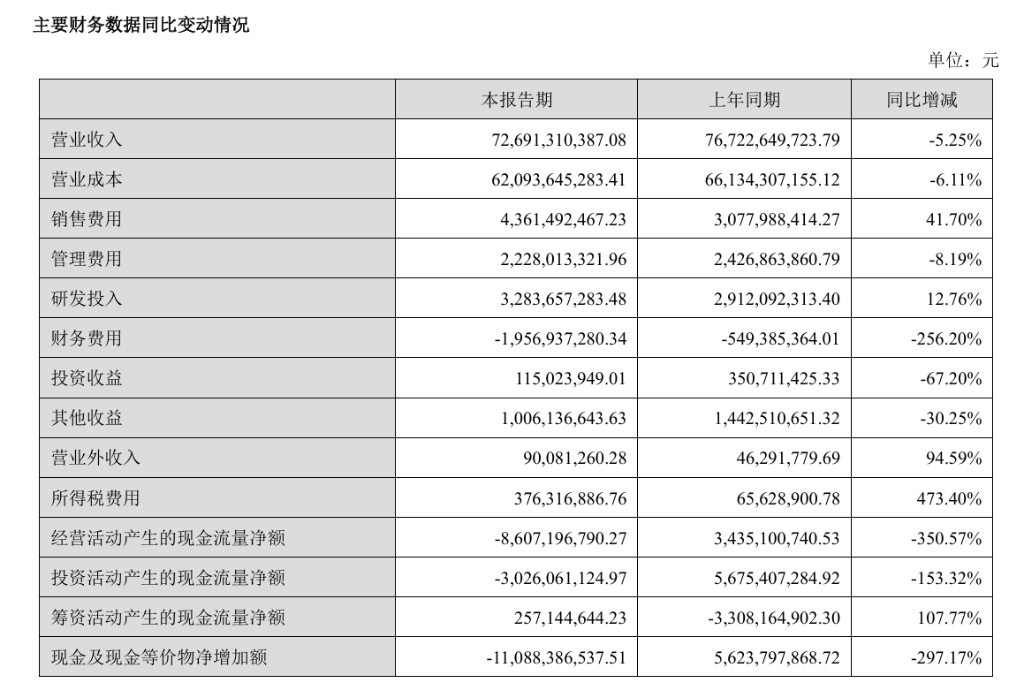
Core Insights - Changan Automobile reported a revenue of 72.69 billion RMB for the first half of 2025, a decrease of 5.25% year-on-year, and a net profit of 2.29 billion RMB, down 19.09% year-on-year [1][2] - The company achieved a record high in automobile sales for the same period, with a 1.6% increase year-on-year, totaling 1.355 million units sold [2][3] - New energy vehicle (NEV) sales reached 452,000 units, marking a significant growth of 49.1% year-on-year, with June alone surpassing 100,000 units sold [1][2] Financial Performance - Operating income for the first half of 2025 was 72.69 billion RMB, down 5.25% from the previous year, primarily due to weak overall demand in the automotive industry and intense price competition [2][3] - The gross profit margin improved from 13.80% to 14.58%, indicating a positive trend in product structure optimization [3] - The net cash flow from operating activities showed a significant outflow of 8.61 billion RMB, compared to a net inflow of 3.44 billion RMB in the same period last year [2][3] Strategic Developments - The company is actively executing its globalization strategy, with the opening of a factory in Thailand and successful product launches in Europe and the UAE, contributing to an overseas sales increase of 5.1% to 299,000 units [3] - Changan has established three smart electric vehicle brands: Avita, Deep Blue, and Changan Qiyuan, covering a range from high-end to mainstream markets [4] - The company has made significant investments in R&D, totaling 3.28 billion RMB, a 12.76% increase year-on-year, reflecting its commitment to technological innovation [3][4]


长安汽车财报上半年营收同比下降5.25%,净利润降19.09%,新能源汽车销量增长49.1% | 财报见闻
Hua Er Jie Jian Wen· 2025-08-22 12:04
Core Viewpoint - Changan Automobile reported a revenue of 72.69 billion RMB in the first half of 2025, a year-on-year decline of 5.25%, while net profit decreased by 19.09% to 2.29 billion RMB. However, the company achieved a 1.6% increase in total vehicle sales, marking the highest sales in nearly eight years, with a significant 49.1% growth in new energy vehicle sales [1][2][4]. Financial Performance - Revenue for the first half of 2025 was 72.69 billion RMB, down 5.25% from the previous year [1][4]. - Net profit was 2.29 billion RMB, a decrease of 19.09% year-on-year [1][4]. - The company reported a non-GAAP net profit of 1.48 billion RMB, reflecting a 26.36% increase, indicating improved core business profitability [2][4]. - Gross margin improved from 13.80% to 14.58% [4]. - Operating cash flow showed a net outflow of 8.61 billion RMB, compared to a net inflow of 3.44 billion RMB in the same period last year [2][4]. Sales Performance - Total vehicle sales reached 1.355 million units, a 1.6% increase year-on-year, achieving the highest sales in nearly eight years [5]. - New energy vehicle sales amounted to 452,000 units, representing a 49.1% year-on-year growth, with June sales exceeding 100,000 units [1][5]. - Overseas sales reached 299,000 units, up 5.1% year-on-year [3][5]. Strategic Developments - The company is actively executing its globalization strategy, with the launch of the Rayong factory in Thailand and the introduction of Deep Blue vehicles in the UAE, creating new growth opportunities [3]. - R&D investment totaled 3.28 billion RMB, a 12.76% increase, accounting for 4.5% of revenue, demonstrating a commitment to technological innovation [3]. - The establishment of three smart electric vehicle brands—Avita, Deep Blue, and Changan Qiyuan—provides comprehensive market coverage from high-end to mainstream segments [3].
20亿美元翻修工厂!福特2027年将推首款平价电动车,欲与中国电动车企竞争
Mei Ri Jing Ji Xin Wen· 2025-08-22 09:51
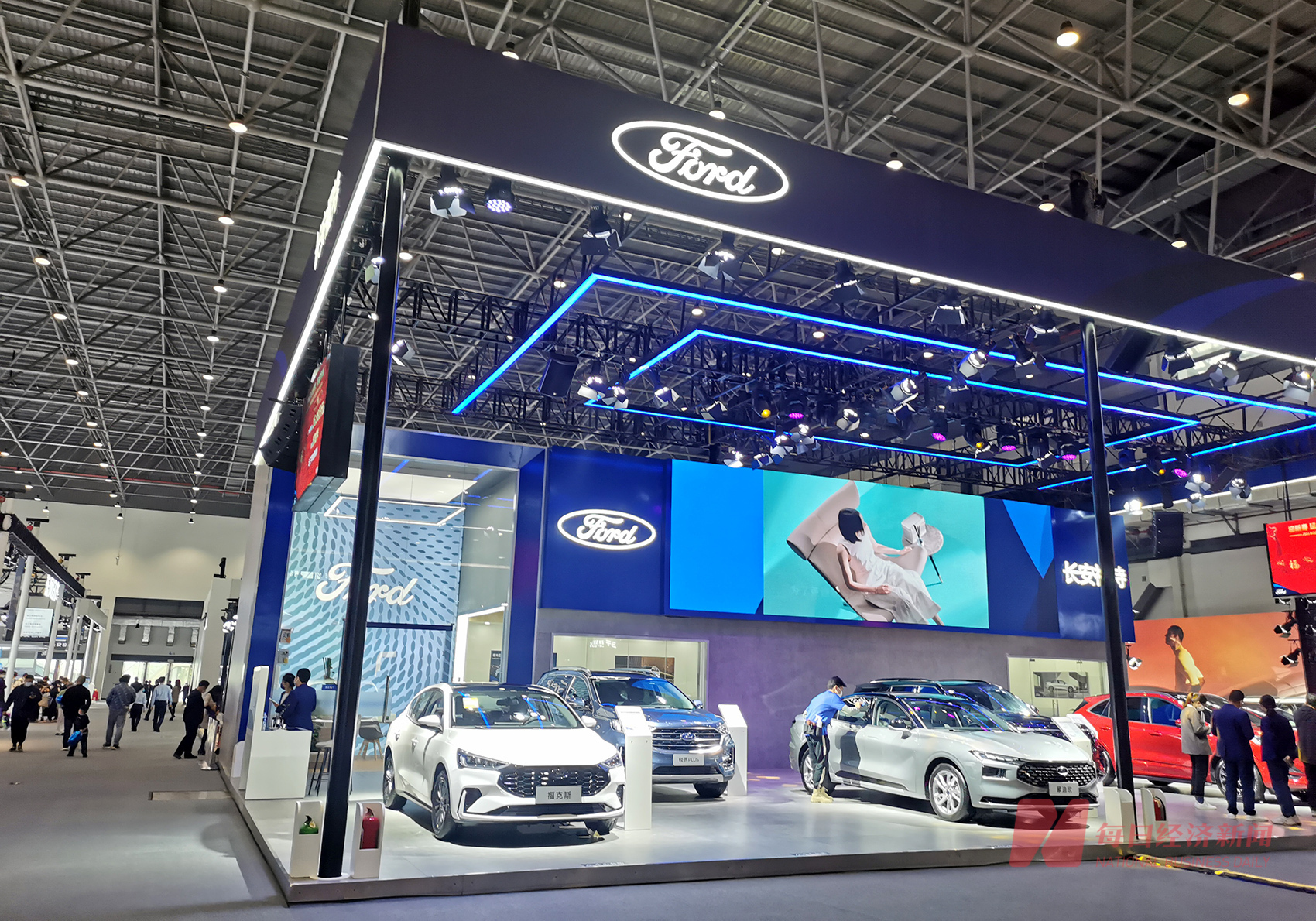
Core Viewpoint - Ford Motor Company announced a $5 billion investment in the U.S., with $2 billion allocated for a comprehensive renovation of its Louisville, Kentucky plant to produce affordable electric vehicles, starting with a mid-size four-door electric pickup priced around $30,000, set to launch in 2027 [1] Group 1: Investment and Production Plans - Ford is investing $2 billion to upgrade its Louisville plant for electric vehicle production, transitioning from gasoline vehicles to electric [1] - The first product based on the new Universal EV platform will be a mid-size electric pickup, with a starting price of $30,000, compared to the current F-150 Lightning starting at $54,800 [1] - A new Universal EV platform and production system have been introduced to enable cost-effective mass production of various vehicle types, reducing parts by 20% and fasteners by 25%, while assembly time is cut by 15% [1] Group 2: Battery Production and Technology - Ford announced a $3 billion investment to build a new battery factory in Michigan, set to produce low-cost lithium iron phosphate batteries starting in 2026, supported by CATL technology [2] Group 3: Competitive Landscape and Strategic Adjustments - CEO Jim Farley emphasized the need for these initiatives to compete with Chinese electric vehicle manufacturers like BYD and emerging startups, as well as large tech companies entering the automotive space [4] - Ford plans to reduce the scale of large electric vehicle development and production, having already canceled a three-row electric SUV and postponed the next-generation F-150 Lightning and E-Transit production to 2028 [4] Group 4: Financial Performance and Challenges - Ford's electric vehicle business has faced significant losses since its independence in 2022, with a projected loss of $5.5 billion in 2025, following a $4.9 billion loss in 2024 [4] - In Q2 2025, the electric vehicle segment continued to incur a $1.3 billion loss, with declining sales for key models like the F-150 Lightning and Mustang Mach-E [5] - Ford's performance in the Chinese electric vehicle market has been underwhelming, with limited offerings beyond the Ford electric Mustang and the E-Transit [5][7]

德国汽车密度创新高
Xin Lang Cai Jing· 2025-08-22 03:16
Group 1 - The core viewpoint is that Germany's private passenger car density is projected to reach a historical high of 590 cars per 1,000 residents by early 2025, continuing an upward trend since 2008 [1] - The number of registered cars in Germany has also reached a new high, with 49.3 million registered vehicles as of January 1, 2025, an increase of 200,000 from 2024 [1] - There is a significant regional disparity in car density, with the highest density in Saarland (646 cars/1,000 people) and the lowest in city-states like Berlin (334 cars/1,000 people) [1] Group 2 - Despite the increase in car density, carbon dioxide emissions from road traffic have not risen correspondingly, with total emissions in 2023 at 154.7 million tons, a 13.8% decrease compared to pre-pandemic levels in 2019 [2] - The share of fully electric vehicles in the total registered cars remains low at 3.3% (1.65 million vehicles) as of early 2025, indicating a slow transition towards electrification [1]
上汽集团与奥迪携手布局豪华电动车市场
Zhong Guo Zheng Quan Bao· 2025-08-21 20:11
Core Viewpoint - The automotive industry is undergoing significant transformation, with SAIC Group leveraging smart upgrades, platform updates, and ecosystem restructuring to achieve new reform results, as evidenced by the launch of new electric vehicle models [1]. Group 1: Market Restructuring - SAIC Group and Audi have jointly developed the luxury electric vehicle brand AUDI, with the E5 Sportback pre-sale starting at a competitive price of 235,900 yuan, breaking the previous price barrier in the luxury electric vehicle market [1]. - The E5 Sportback aims to capture market share in the luxury electric vehicle segment, which has been limited by higher starting prices of previous models [1]. Group 2: Acceleration of Electrification - The E5 Sportback features advanced technology, including a front and rear permanent magnet synchronous motor that accelerates from 0 to 100 km/h in just 3.4 seconds, and a maximum range of 773 km thanks to the integration of CATL's CTP battery technology [2]. - The vehicle supports rapid charging, achieving 370 km of range in just 10 minutes, facilitated by an 800-volt high-voltage platform [2]. Group 3: Intelligent Features - The E5 Sportback is equipped with the new AUDI OS operating system and Qualcomm Snapdragon 8295 digital cockpit chip, providing an interactive smart cockpit experience with advanced voice control capabilities [3]. - The vehicle incorporates a comprehensive driver assistance system developed in collaboration with Momenta, featuring 27 perception hardware components, including laser radar and multiple cameras, supported by NVIDIA Orin-X chip computing power [3]. Group 4: Manufacturing and Market Expansion - The E5 Sportback is produced at the SAIC Audi manufacturing base, which combines German precision with Chinese manufacturing, featuring high automation and a fully digital production management system, with an annual production capacity of 360,000 vehicles [3]. - To ensure market success, SAIC Audi plans to expand its dealer network to 240 stores across over 100 core cities by the end of the year [3].

福特/SK On合资电池厂投产!
起点锂电· 2025-08-21 10:15
Core Viewpoint - The article discusses the challenges and strategies of SK On and Ford in their electric vehicle (EV) transformation, highlighting the need for collaboration, technological advancements, and market adaptation to overcome current difficulties [4][10]. Group 1: SK On's Strategies - SK On has initiated three major actions to self-rescue amid financial pressures, including advancements in solid-state battery technology, securing new orders, and restructuring within the capital market [7][8]. - The company is focusing on solid-state battery research, with plans to establish a dry electrode pilot line and develop a prototype using polymer-oxide composite gel electrolyte by the end of next year [7][8]. - SK On has secured a six-year contract with Nissan to supply 99.4 GWh of high-nickel soft-pack batteries, sufficient for approximately 2 million electric vehicles [8][9]. - A merger with SK Enmove is planned to enhance operational efficiency, with a capital infusion of 432 billion RMB to support business operations [9][10]. Group 2: Ford's Electric Vehicle Transition - Ford is committed to its electric transformation but faces significant challenges, including declining sales of electric vehicles in the U.S. and financial losses [10][12]. - The company has introduced the Universal EV platform aimed at producing a new electric pickup truck, with a starting price of approximately 215,000 RMB, primarily targeting the U.S. market [11][12]. - Financially, Ford reported a net profit decline in Q1 2025, with electric vehicles losing 850 million USD in Q1 and 1.1 billion USD in Q2, indicating a loss of 42,000 USD per electric vehicle sold [12][13]. - Ford's CEO emphasized the need for efficiency and innovation to compete with Chinese electric vehicle manufacturers, acknowledging the challenges posed by geopolitical risks and supply chain vulnerabilities [13][14].

欧洲难舍燃油车
3 6 Ke· 2025-08-21 01:39
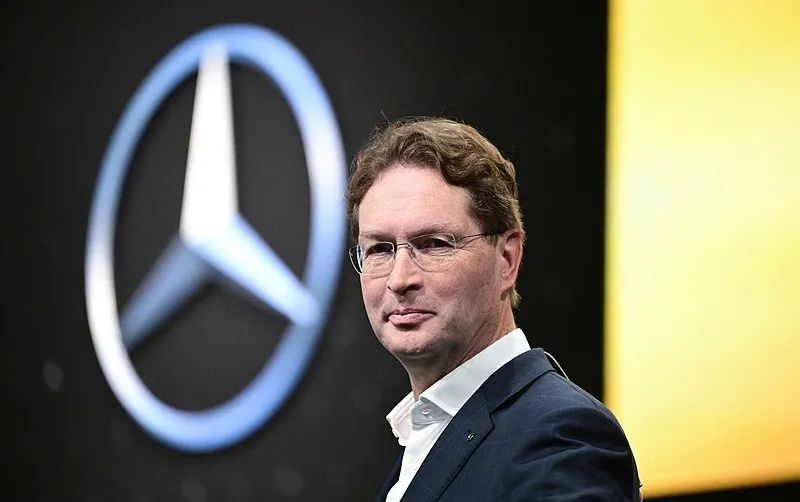
Core Viewpoint - The automotive industry in Europe is facing significant challenges regarding the EU's 2035 ban on the sale of internal combustion engine (ICE) vehicles, with major manufacturers like Mercedes-Benz, BMW, and Audi expressing strong opposition to the policy, citing potential collapse of the industry without ICE vehicles [1][3][20]. Group 1: Industry Opposition - Major automotive manufacturers, including Mercedes-Benz, BMW, and Audi, have united in their opposition to the EU's 2035 ban on ICE vehicles, with Mercedes-Benz CEO expressing that the absence of ICE vehicles could lead to the "collapse" of the European automotive industry [1][3]. - The EU's stance has been inconsistent, as it has made concessions to the opposition, such as allowing exemptions for synthetic fuels and delaying penalties for emissions non-compliance [3][20]. Group 2: Electric Vehicle Adoption Challenges - The adoption rate of electric vehicles (EVs) in Europe remains low compared to other regions, with only 15.6% of total vehicle sales being pure electric in the first half of the year, while hybrid vehicles accounted for 34.8% [5][10]. - Consumer skepticism towards EVs is prevalent, with over half of German and French consumers doubting the environmental benefits of EVs compared to ICE vehicles, and concerns about increased driving costs and job losses in the automotive sector [10][14]. Group 3: Economic Implications - The automotive sector is a crucial industry in Europe, providing nearly one million jobs in Germany alone, and the transition away from ICE vehicles poses risks to employment and the economic stability of related businesses [14]. - The reduction in government subsidies for EV purchases has led to a decline in consumer interest, with Germany canceling personal EV subsidies and reducing corporate subsidies, resulting in a 15.9% drop in pure electric vehicle registrations in early 2023 [14][15]. Group 4: Infrastructure and Policy Challenges - The EU's goal of installing 3.5 million charging stations by 2030 is far from being met, with only 882,000 currently available, indicating significant infrastructure challenges for the transition to EVs [15][17]. - The automotive industry is heavily reliant on ICE vehicles for revenue, with many companies reporting that a significant portion of their profits still comes from ICE sales, complicating the transition to electric models [17][20].
一汽奥迪:再一次,勇立潮头
Zhong Guo Qi Che Bao Wang· 2025-08-19 10:08
Core Insights - The article highlights the launch of the Audi Q6L e-tron family and the A5L, marking a significant technological showcase for Audi in collaboration with Chinese partners like Huawei and CATL [2][6] - Audi emphasizes a philosophy of "guarded innovation," focusing on safety, reliability, and user satisfaction in its electric vehicle (EV) transition [4][5] Group 1: Technological Advancements - The Q6L e-tron features several industry-first technologies, including the use of "wound" coils on the rotor and stator, the E³ 1.2 electronic architecture, and silicon carbide semiconductors, leading to improved energy density and efficiency [4][5] - Audi's commitment to safety is evident in its battery development standards, which exceed national regulations, opting for a more secure CTM battery packaging method despite higher costs [5][6] Group 2: Strategic Collaborations - The partnership with Huawei, initiated in 2019, aims to redefine automotive technology, focusing on a customized driving assistance system that meets Audi's high standards [5][6] - Audi's collaboration with local companies like CATL and SIBIRCH is intended to enhance core areas such as chassis control, vehicle safety, and luxury interiors, creating a new paradigm for luxury brands in China [7][8] Group 3: Market Positioning and Sales Strategy - Audi's dual-platform strategy, with the PPE electric platform and PPC fuel-efficient platform, allows it to cover a wide market range from B to D class vehicles, showcasing a bold strategic choice in the Chinese market [7] - The pricing strategy for the A5L (239,800 to 289,800 yuan) and Q6L e-tron (348,800 to 398,800 yuan) reflects a shift towards a "fusion direct sales" model, enhancing user experience and focusing on service rather than traditional price competition [7][8]

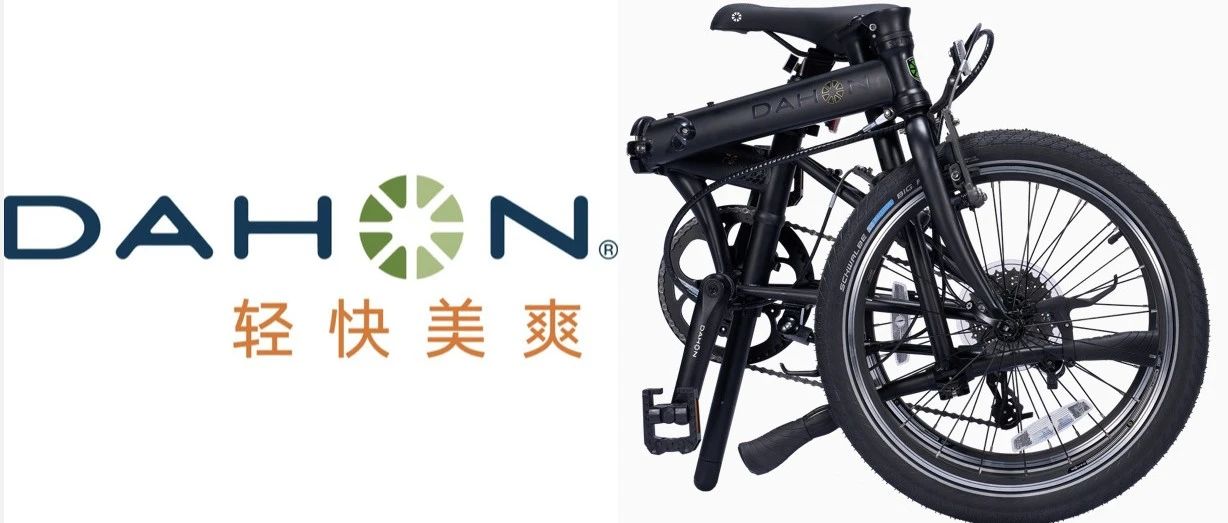
大行科工:折叠车之王赴港上市的高增长与暗礁
贝塔投资智库· 2025-08-19 04:06
Company Overview - Company is a technology-driven leader in the global folding bicycle industry, focusing on R&D, design, and global marketing of folding bicycles and related products [1] - The product line includes over 70 models, covering various categories such as folding bikes, road bikes, mountain bikes, children's bikes, and electric assist bikes [1] Industry Position - Company is the largest folding bicycle manufacturer globally, achieving a retail volume of 226,400 units in 2024, capturing 6.2% of the market share [2] - The company holds 26.3% of the retail volume share and 36.5% of the retail value share in the folding bicycle industry, leading the second competitor by over 10 percentage points [2] - Company possesses 130 global patents, including 113 valid patents in mainland China and 22 in Europe, the US, and Japan, enhancing its competitive edge [2] Financial Performance - Revenue growth from 2022 to 2024 was significant, with figures of 250 million, 300 million, and 450 million RMB, respectively, reflecting a compound annual growth rate (CAGR) of 33.1% [3] - Gross profit for the same period was 77.93 million, 101.49 million, and 148.75 million RMB, with a CAGR of 38.1% [3] - In the first four months of 2025, revenue reached 180 million RMB, a year-on-year increase of 46.9% [3] Sales and Revenue Dynamics - The core growth driver for revenue is the optimization of product structure, with mid-range products (priced between 2,500-5,000 RMB) becoming the main revenue engine [8] - The revenue share of mid-to-high-end models increased from 44.9% in 2022 to 69.5% in 2024, with the average product price rising from 1,593 RMB to 1,966 RMB over three years [8] Challenges - The global folding bicycle market growth rate is slowing, with a projected CAGR of 7.3% from 2024 to 2029, compared to 13.4% from 2019 to 2024 [11] - The company's reliance on the domestic market is increasing, with domestic sales accounting for 93.4% of total revenue in the first three quarters of 2024 [13] - High dependency on OEM manufacturers for production, with over 65% of production outsourced, leading to potential quality control issues and lower profit margins [14] IPO and Future Strategy - The company plans to raise 1.5 billion HKD through an IPO, with funds allocated for production system upgrades, channel optimization, and R&D enhancements [18] - The strategic focus includes increasing the revenue share of electric products from 8% to 30% and expanding the Southeast Asian distribution network [18] - The company aims to enhance its product matrix by developing new categories such as electric assist bikes and children's bikes to meet diverse consumer demands [19]