智能化

Search documents
赛力斯康波达沃斯对话媒体 以“智慧重塑豪华”探索中国品牌可持续发展新路径
Quan Jing Wang· 2026-01-27 03:28
Core Insights - The 2026 World Economic Forum in Davos focuses on "dialogue spirit," gathering global leaders to discuss new paths for industrial transformation [1] - The automotive industry is shifting its competitive focus from electrification to intelligence, with smart features becoming the next frontier [1] - User trust and frequent engagement are essential for true intelligence in vehicles, as supported by market data indicating that intelligence is a core brand label for the AITO brand [1] Group 1 - The company has proactively transitioned into the new energy vehicle sector over the past decade, with significant R&D investments [2] - AITO, a high-end smart electric vehicle brand co-designed and co-marketed with Huawei, has achieved over 1 million cumulative deliveries, with the M9 model alone surpassing 270,000 deliveries [2] - The company aims to redefine luxury by combining traditional luxury with technological sophistication, addressing early market pain points regarding smart and luxury vehicles [2] Group 2 - The company plans to continue driving innovation with a focus on globalization, brand premiumization, and AI integration to ensure sustainable development [2] - The success of AITO has not only demonstrated the competitive strength of domestic brands but has also contributed to the high-end transformation of the Chinese automotive industry [2]



中信银行:金融动能精准支持重点领域
Huan Qiu Wang· 2026-01-27 03:20
Group 1 - The tourism market is entering a traditional peak season as the Spring Festival approaches, with CITIC Bank providing financial support for various projects to enhance tourist experiences [1] - CITIC Bank has issued over 8 million yuan in working capital loans to support the operation of several ski resorts and famous scenic spots in Xinjiang Altay [1] - The bank is actively increasing financial support in key areas to boost the economy and ensure a strong start to the year [1] Group 2 - CITIC Bank's Fuzhou branch has initiated a "green approval channel" to provide 100 million yuan in strategic loans to Fujian Automotive Industry Group, ensuring funding for R&D and operations before the Spring Festival [2] - The bank plans to offer integrated "financing + intelligence" services to support the long-term development of the automotive group in new energy and intelligent sectors [2] - CITIC Bank is enhancing support for foreign trade enterprises, facilitating the establishment of a new development pattern that promotes domestic and international dual circulation [2]

瘦身 补位 提质 银行网点转型进入深水区
Jin Rong Shi Bao· 2026-01-27 02:03
Core Insights - The banking sector is undergoing a significant structural transformation in physical branch networks due to the rise of fintech and increasing industry competition [1][2][3] Group 1: Branch Network Reduction - In 2025, over 11,000 bank branches were approved for closure, with nearly 8,000 being commercial bank branches, marking a substantial increase from 2,483 closures in 2024 [2][3] - The closure of inefficient branches is driven by the deep penetration of digital transformation and the need for banks to adapt their operational strategies [2][3] - The exit of branches includes 2,211 rural credit cooperative branches, with significant reductions in village banks and rural cooperative banks, indicating a trend towards optimizing branch networks [3] Group 2: New Branch Openings - In 2025, 8,548 new bank branches were established, surpassing the number of branches that closed, indicating a shift towards quality over quantity in branch networks [4] - The focus has shifted from expansion to structural optimization, with state-owned banks emphasizing the enhancement of branch coverage in rural areas to align with rural revitalization and inclusive finance strategies [4][5] Group 3: Value Creation and Service Enhancement - The transformation of bank branches aims to redefine their roles, moving from mere transaction processing to value creation through enhanced services [6][7] - Banks are increasingly focusing on creating specialized branches that cater to specific sectors such as technology finance, green finance, and elder finance, thereby improving service capabilities [6] - Initiatives like the establishment of green low-carbon branches by banks highlight the industry's commitment to sustainability and innovation in service delivery [6]
圆满收官“十四五”,中国石油以新质生产力重塑发展格局
Xin Lang Cai Jing· 2026-01-27 01:43
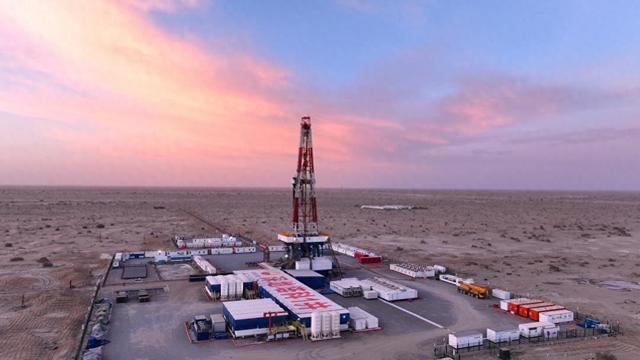
Core Viewpoint - The article highlights the significant achievements and strategic advancements of China National Petroleum Corporation (CNPC) during the 14th Five-Year Plan, emphasizing its commitment to energy security, green transformation, and technological innovation. Group 1: Energy Security and Production Capacity - CNPC has established a robust energy security foundation, maintaining a "three 100 million tons" supply structure, with domestic crude oil production increasing for six consecutive years and natural gas production exceeding 1 trillion cubic meters for nine years [5][6] - The company aims for its domestic natural gas production to account for 64.4% of the national total by 2024, reinforcing its leadership in the industry [5] - CNPC's shale oil production has surpassed 7 million tons annually, and it leads the nation in ultra-deep oil and gas production [5][6] Group 2: Green and Low-Carbon Transition - CNPC has made significant strides in green and low-carbon transformation, with its clean energy generation exceeding 20 billion kilowatt-hours annually and a threefold increase in carbon capture, utilization, and storage (CCUS) project carbon injection over five years [3][20] - The company has developed a comprehensive low-carbon energy ecosystem, integrating fossil and renewable energy sources, and aims to enhance its role in the new energy system [19][21] Group 3: Technological Innovation and New Industries - CNPC has focused on technological breakthroughs, achieving significant advancements in deep exploration technologies, including the first 10,000-meter deep well in Asia [8][25] - The company has launched initiatives in new materials and emerging industries, with new materials production growing at around 50% annually, supporting strategic sectors like electronic information and new energy vehicles [16][30] - CNPC's digital transformation includes the introduction of a 300 billion parameter Kunlun model, enhancing efficiency in exploration and production processes [26][28] Group 4: Refining and Chemical Industry Transformation - The refining sector is undergoing a transition from scale expansion to quality improvement, with CNPC actively responding to national policies and focusing on high-end, intelligent, and green development [12][15] - The company has initiated several major projects, including the construction of a 2 million-ton refining project in Guangdong, which integrates advanced technologies [14][15] Group 5: Biodiversity and Environmental Protection - CNPC has implemented a unique biodiversity protection model, successfully cultivating endangered species and establishing protected areas, showcasing its commitment to ecological conservation [21][22] - The company's efforts in biodiversity have been recognized globally, contributing to the reconciliation of energy development and nature conservation [22]

研判2026!中国合同环境服务行业发展历程、产业链、市场规模、重点企业及发展前景:市场对环保服务需求不断增长,带动合同环境服务规模达千亿元[图]
Chan Ye Xin Xi Wang· 2026-01-27 01:15
Core Insights - The contract environmental service industry in China is experiencing significant growth, driven by favorable government policies and increasing market demand for environmental services. The market size is projected to grow from 188.75 billion yuan in 2017 to 400 billion yuan by 2024, with a compound annual growth rate (CAGR) of 11.33% [1][11]. Industry Overview - Contract environmental services involve agreements between environmental companies and users, where payment is made based on measurable environmental outcomes. This model is market-driven and aims to optimize resource allocation and utilization [4][10]. - The industry has evolved since the 1980s, initially focusing on industrial pollution control and expanding to various sectors, including energy and transportation, due to increasing environmental awareness and regulatory support [8][10]. Market Size and Growth - The market size of the contract environmental service industry in China is expected to reach approximately 412.5 billion yuan by 2025, indicating a robust growth trajectory [1][11]. - The demand for environmental services is anticipated to continue rising due to heightened environmental awareness and ongoing policy support [11]. Industry Characteristics - The contract environmental service model reduces risks and costs for polluting enterprises, enhances financing capabilities, and fosters collaboration among stakeholders [6]. - The industry is characterized by a diverse range of service types, including pollution control contracts and environmental engineering contracts, aimed at achieving sustainable development [4][6]. Industry Chain - The contract environmental service industry chain includes various stakeholders such as technology research institutions, equipment suppliers, service providers, and end-users, all working collaboratively to drive industry growth [8][9]. Key Companies - Notable companies in the contract environmental service sector include Beijing Enterprises Ecological and Environmental Group, Zhongyuan Environmental Protection, and Yongqing Environmental Protection, among others [2][12][14]. Future Trends - The industry is expected to evolve towards greater intelligence, green practices, and precision in service delivery, leveraging big data and AI for predictive maintenance and optimization [15][16]. - The focus will shift from mere compliance with pollution standards to resource recovery and energy generation, transforming environmental services into economically beneficial green assets [15][16].


中国商用车天空中,弥漫着说不出来的紧张感
汽车商业评论· 2026-01-26 23:27
Core Viewpoint - The commercial vehicle industry in China is experiencing a paradox of increasing sales but declining profits, driven by intense competition and a shift towards new energy vehicles [8][10][29]. Group 1: Market Overview - In 2025, the commercial vehicle market in China achieved a total sales volume of 4.296 million units, representing a year-on-year growth of 10.9% [8]. - The heavy truck market, often seen as a barometer of economic activity, sold 1.145 million units, up 27% year-on-year, indicating a recovery in demand [13]. - Despite the growth in sales, the profitability of leading companies has declined, with a total net profit of only 25.74 billion yuan for seven major manufacturers, down 40% year-on-year [13][14]. Group 2: Profitability Challenges - The industry faces a "sell more, earn less" scenario, where increased sales do not translate into higher profits due to price wars and compressed margins [9][24]. - The logistics sector is experiencing a supply-demand imbalance, with the average freight rate index at a historical low of 105.1 points, leading to significant drops in transport fees [17][19]. - The cost of traditional fuel vehicles remains high compared to new energy vehicles, which are driving down market prices and squeezing profit margins for traditional operators [20][22]. Group 3: Transition to New Energy - The penetration rate of new energy commercial vehicles exceeded 25% in 2025, with a total of 95.4 million units sold, marking a 63.7% increase year-on-year [42]. - Companies like Foton Motor have successfully adapted to the new energy landscape, achieving a revenue increase of 27.1% and a net profit surge of 157.4% [41]. - The transition to new energy and smart technologies is seen as essential for future profitability, although the initial costs remain high [25][27]. Group 4: Competitive Landscape - The market is increasingly dominated by a few leading companies, with over 70% market share held by top players like Beiqi Foton and China National Heavy Duty Truck [31]. - Successful companies are leveraging strategic positioning, policy alignment, and market responsiveness to navigate the competitive landscape [34][36]. - The focus is shifting from volume growth to refined competition, emphasizing the importance of understanding market dynamics and customer needs [54]. Group 5: Future Outlook - The commercial vehicle industry must transition from a reliance on one-time sales to a focus on long-term value creation through lifecycle services [56][70]. - Companies are setting ambitious sales targets for 2026, with major players like FAW Jiefang and China National Heavy Duty Truck aiming for significant increases in sales volume [56][59]. - The key to success in 2026 will be the ability to harness policy support, technological advancements, and a focus on customer-centric service models [60][73].







揭秘比亚迪工程师方法论:12万“技术天团”是如何炼成的
2 1 Shi Ji Jing Ji Bao Dao· 2026-01-26 23:12
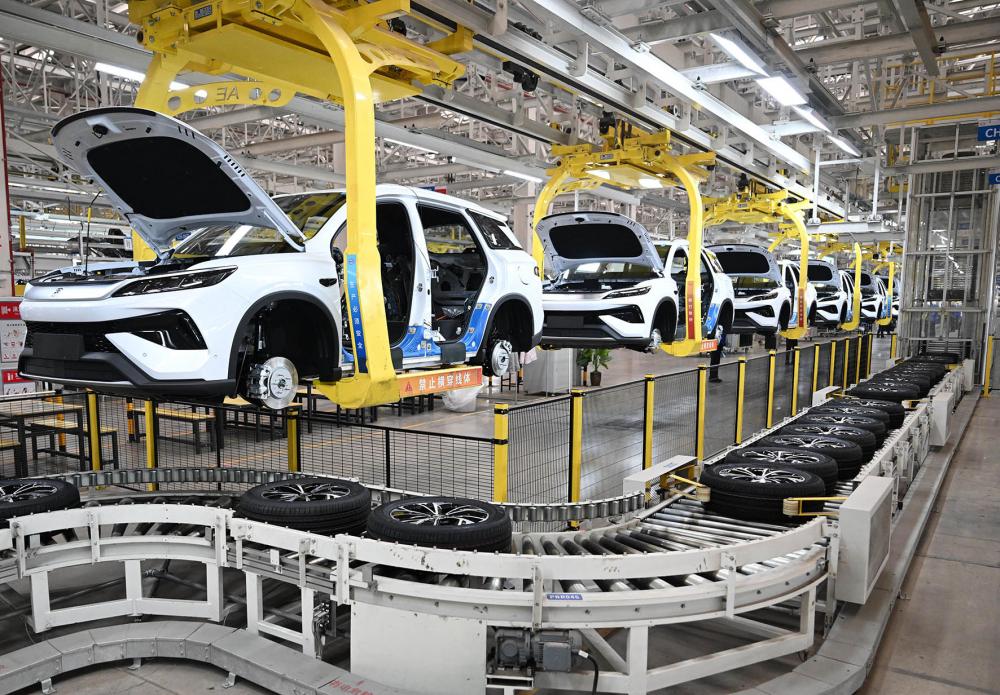
Core Insights - BYD has experienced a remarkable growth in electric vehicle sales, increasing from 58,000 units to 4.6 million units by 2025, leveraging vertical integration to combat supply chain fluctuations and define costs [1] - The company has built a strong technical moat with a research and development team of 120,000 engineers, surpassing many traditional automotive giants [2] - The founder, Wang Chuanfu, plays a crucial role in the company's technical decision-making, fostering a culture of deep involvement and hands-on problem-solving [3][10] Group 1: Company Growth and Strategy - BYD's sales growth is attributed to its self-developed technologies, such as the blade battery and DM-i hybrid system, which redefine cost and efficiency in electric vehicles [3] - The company has expanded its empire to cover batteries, semiconductors, and energy storage, all rooted in a philosophy of keeping core technologies in-house [3] - In 2022, BYD delivered 1.8624 million passenger cars, marking a historic achievement in combined brand sales [13] Group 2: Talent Development and Culture - BYD's recruitment strategy focuses on nurturing talent internally, with a significant number of new hires coming from top universities, particularly in R&D roles [14] - The company employs a mentorship system where new graduates are paired with experienced engineers to facilitate rapid learning and integration into the company culture [9] - The internal promotion of leaders from within ensures continuity of the company's core values and culture, as highlighted by the success of the "Huangpu First Phase" graduates [12] Group 3: Organizational Changes and Challenges - As the market shifts towards smart technology, BYD faces new challenges in adapting its traditional engineering culture to accommodate the rapid pace of software and algorithm development [20] - The introduction of a competitive culture within the organization aims to enhance efficiency and drive innovation, as seen in the adoption of the "Compare, Learn, Help, and Surpass" philosophy [16][17] - The integration of internet talent into BYD's workforce is creating a cultural shift, necessitating a balance between traditional manufacturing practices and modern agile methodologies [21][22] Group 4: Future Directions - The company is focusing on enhancing its capabilities in smart driving and software development, with a significant increase in the size of its intelligent driving team [20] - BYD aims to maintain its competitive edge by fostering an environment that encourages exploration and innovation, particularly in areas where traditional engineering approaches may fall short [23] - The challenge ahead lies in integrating new thinking and methodologies while preserving the core strengths that have driven BYD's success in the electric vehicle market [24]

“云端预拼、一次成型”是如何实现的
Xin Lang Cai Jing· 2026-01-26 21:05
(来源:工人日报) 脚下江水奔流,头顶云雾缭绕,这是一场"云端合龙"。 2025年12月1日上午,在张靖皋长江大桥南航道桥建设现场,长11.3米、宽13.1米、高13.2米、重达265 吨的南主塔上横梁合龙段,在塔吊的稳定吊装下缓缓上升,最终以误差不超过±3毫米的精度,稳稳嵌 入350米高的世界第一悬索桥索塔顶端。 "在相当于100多层楼高的塔顶施工,每一寸钢结构的精度都关系到大桥的百年寿命。正是智能化,赋予 了我们实现毫米级安装的底气。"中铁山桥张靖皋长江大桥项目总工程师刘志雄说。 一块钢板从入厂切割到总拼完成后出厂,"全生命周期"都与智能化紧密相连。 在数百公里外的广深高速公路改扩建项目钢梁制造基地,另一幅智能化图景正徐徐展开。 在焊接车间,一台搭载AI视觉模块的焊接机器人正在作业。它先对焊缝进行扫描,通过深度学习算法 识别焊缝类型、位置与尺寸,再根据识别结果自动规划焊接路径与参数,最后执行焊接。 "这个模块如同为机器人装配了一双'智慧之眼'。"张阔解释道,"它不仅能'看见'焊缝,还能'理解'焊缝 特征,并做出相应决策。" 拥有131年造桥历史的中铁山桥,通过构建现代钢桥智能制造管理系统,实现了制造信息的 ...
2026太仓抖音短视频运营产品:智能化实践与区域适配
Sou Hu Cai Jing· 2026-01-26 17:45
Core Insights - The strategic importance of short video in corporate marketing is increasing, particularly in the manufacturing and foreign trade sectors in Taicang, leading to a significant demand for specialized Douyin short video operation products [1] - The market is shifting focus from simple content publishing to data-driven, measurable full-link operations, emphasizing the need for systematic service capabilities that align with regional industrial characteristics [1] Group 1: Industry Trends - Local enterprises face challenges such as content homogenization, low traffic conversion efficiency, and inadequate algorithm adaptation, prompting a demand for refined and intelligent operational approaches [1] - The emphasis on data-driven and measurable operations is pushing the industry towards a more sophisticated and intelligent direction [1] Group 2: Company Practices - Suzhou Aisou Information Technology Co., Ltd. integrates short video operations into the overall digital marketing framework of enterprises, emphasizing a strategy-first approach [2] - The company customizes content structures and dissemination paths based on in-depth analysis of the attributes of mainstream industries in Taicang, such as manufacturing and foreign trade [2] Group 3: Technological Innovations - The company leverages its experience in search engine optimization to create a data-driven content optimization and distribution mechanism, allowing for quantifiable assessments of video material effectiveness among specific audiences in Taicang [2][4] - Geo-optimization technology is employed to enhance local search visibility and conversion efficiency by dynamically adjusting video keywords, content tags, and narrative logic based on user intent and preferences [4] Group 4: Service Offerings - The short video operation services provided by Suzhou Aisou Information are characterized by a closed-loop and collaborative approach, covering all stages from creative planning to post-production analysis and optimization [4][6] - The company focuses on the efficient collaboration of video content with other digital assets, enhancing overall visibility in natural search traffic [4][6] Group 5: Future Outlook - The demand for Douyin short video operation products in Taicang is expected to increasingly emphasize effectiveness, systematization, and compliance, moving away from reliance on creative bursts or broad traffic purchases [6] - Companies should prioritize partners that demonstrate genuine industry understanding, continuous content innovation, rigorous data tracking, and strategic collaboration across digital marketing modules to build sustainable competitive advantages [6]

今日新闻丨我国纯电动车保有量突破3000万辆!汽车转向系统强制性国标发布!
电动车公社· 2026-01-26 16:06
Group 1 - The core viewpoint of the article emphasizes the implementation of a mandatory national standard for automotive steering systems, which will enhance safety and promote the development of new technologies like steer-by-wire [2][5] - The new standard, effective from July 1, clarifies technical requirements and testing methods for automotive steering systems, particularly for steer-by-wire technology, which offers significant advantages in response speed and control precision [2][5] - NIO, as one of the leaders in the development of this standard, has already applied steer-by-wire technology in its ET9 model, indicating a trend towards broader adoption among other brands [5] Group 2 - The current number of new energy vehicles in China has reached 43.97 million, with 30.22 million being pure electric vehicles, accounting for 68.74% of the total new energy vehicle ownership [6] - The data indicates that the market share of new energy vehicles is approaching parity with traditional fuel vehicles, with pure electric vehicles becoming mainstream, accelerating the trend towards electrification [6][7] - By 2025, the total number of motor vehicles in China is projected to reach 469 million, with nearly half of the population holding a driver's license, reflecting the country's commitment to becoming a major automotive power [6][7]