
新发展格局

Search documents
悟规律 明方向 学方法 增智慧丨推动全国统一大市场建设走深走实
Zhong Yang Ji Wei Guo Jia Jian Wei Wang Zhan· 2025-08-05 00:40
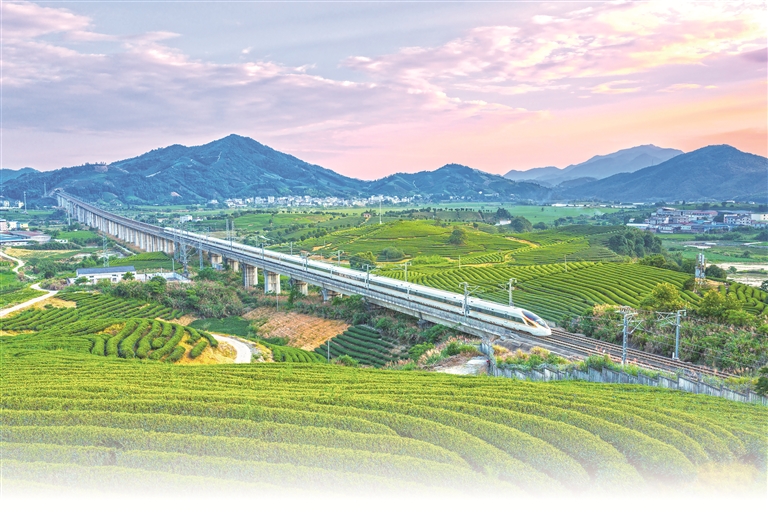
中央纪委国家监委网站 郝思斯 合福高铁开通十年来,闽赣皖以及三省往返长三角和京津冀的时空距离大大缩短。图为复兴号动车组经过福 建武夷山境内的合福高铁南岸特大桥。 新华社发 江苏省南通市积极推行"高效办成一件事",推动企业和群众办事向"一地、一窗、一次"转变。图为该市通州 区平潮镇便民服务中心内,工作人员向群众介绍企业之家"码上见"功能。图片来源:视觉中国 安徽省合肥市深入推进新型工业化战略,大力培育发展新能源汽车产业。图为在合肥派河港铁路物流基地等 待装车出口的新能源汽车。新华社发 构建高效规范、公平竞争、充分开放的全国统一大市场,是以习近平同志为核心的党中央从全局和战略高度 作出的重大决策。围绕各地区各部门如何更好融入和主动服务全国统一大市场建设,记者采访了中共中央党 校(国家行政学院)习近平新时代中国特色社会主义思想研究中心研究员徐晓明。 建设全国统一大市场是构建新发展格局的基础支撑和内在要求,是立足当前、着眼长远的战略谋划 记者:如何理解全国统一大市场"高效规范、公平竞争、充分开放"的目标指向?为何强调在建设全国统一大 市场的进程中要"加强协调配合,形成推进合力"? 徐晓明:建设全国统一大市场是构建新发 ...

把发展主动权牢牢掌握在自己手中 ——纵深推进全国统一大市场建设观察
Ren Min Ri Bao· 2025-08-04 22:29
Group 1 - The construction of a unified national market is a significant decision made by the central government to promote high-quality development and gain strategic advantages in international competition [3][4][10] - The establishment of a unified market system and rules is essential for facilitating the smooth flow of goods and resources across a larger area [3][5] - The government is actively working to eliminate barriers to market entry and promote fair competition, which is crucial for enhancing market vitality and optimizing resource allocation [8][10][12] Group 2 - The integration of resource markets is accelerating, with initiatives such as the establishment of a national electricity trading mechanism and the removal of restrictions on employment-related insurance [7][12] - The construction of infrastructure, such as the Beijing-Hebei intercity rail line, is enhancing connectivity and reducing logistics costs, contributing to improved market circulation efficiency [6][12] - The promotion of fair competition is vital for stimulating innovation and ensuring that the unified market serves as a platform for equitable competition among various business entities [9][10] Group 3 - The government is implementing measures to standardize market access and competition regulations, which will create a more transparent procurement environment and facilitate the efficient allocation of resources [13][14] - The reduction of the negative list for market access to 106 items and the removal of restrictions on foreign investment in the manufacturing sector are steps towards a more open market [14][15] - The emphasis on a unified market is expected to enhance China's economic stability and security while contributing positively to global economic growth [15][16]
【理响中国】习近平经济思想原创性贡献如何理解和把握?
Ren Min Wang· 2025-08-04 06:25
Core Viewpoint - The seminar on Xi Jinping's Thought on Socialism with Chinese Characteristics for a New Era highlighted the originality and systematic nature of Xi Jinping's economic thought, emphasizing its role in addressing complex international challenges and advancing Chinese modernization [1] Group 1: Original Concepts and Theoretical Contributions - Xi Jinping's economic thought introduces a series of original concepts such as "new normal" in economic development, "supply-side structural reform," "high-quality development," and "modern economic system," which are rooted in China's realities and aimed at solving practical issues [2] - The theory of improving the socialist market economy system is a significant theoretical contribution, emphasizing the market's decisive role in resource allocation while enhancing government functions [2] - The theory of promoting high-quality development is defined as development that meets the growing needs of the people, serving as a fundamental guideline for economic policy and macroeconomic regulation [3] Group 2: Structural Reforms and New Development Patterns - The supply-side structural reform theory identifies supply-side constraints as the main challenge to economic development, marking a critical focus for enhancing high-quality growth [3] - The concept of constructing a new development pattern emphasizes the interplay between domestic and international cycles, aiming to enhance China's economic resilience and competitive advantages in a complex global environment [4] Group 3: Systematic Economic Theory - Xi Jinping's economic thought aims to establish a systematic economic theory based on China's unique conditions and development practices, with concepts like new development philosophy and Chinese-style modernization as key components [4][6] - The new development philosophy addresses various theoretical and practical questions regarding development, providing a framework for exploring innovative development patterns and principles [5][6] - Chinese-style modernization represents a theoretical innovation that integrates the common characteristics of modernization with China's specific context, addressing critical issues related to the goals and pathways of socialist modernization [6]
申万宏观·周度研究成果(7.26-8.1)
赵伟宏观探索· 2025-08-02 16:03
Core Viewpoint - The article discusses various economic trends and policies in China, focusing on fiscal spending, child-rearing subsidies, and the implications of the "involution" phenomenon in different sectors [6][12][21]. Group 1: Currency and Economic Policies - The article highlights the weak yen amidst political turmoil, analyzing the reasons behind its depreciation and potential future developments [9]. - It emphasizes the need for a balanced supply-demand relationship in industries to address the "involution" issue, suggesting that local governments play a crucial role in this process [12][21]. Group 2: Fiscal Spending and Child-Rearing Subsidies - Fiscal spending has accelerated significantly in the first half of the year, raising questions about whether this high growth rate can be sustained in the latter half [17]. - The introduction of child-rearing subsidies is expected to have systemic impacts on employment, education, and healthcare, with various regions implementing different subsidy policies [19][20]. Group 3: Industrial Performance and Economic Outlook - The industrial profit data for June indicates improvements in costs and revenues, supporting a recovery in profits, although the "involution" trend may limit further declines in profits [21]. - The July Central Political Bureau meeting emphasized the importance of service consumption and enhancing industrial competitiveness, marking a shift towards "high-quality" investments [23]. Group 4: Market Trends and International Relations - The article notes that the PMI data for July reflects a paradox where anti-involution policies have led to price increases, yet supply-demand dynamics and industry changes appear counterintuitive [25]. - Recent agreements on tariffs between the US and Japan have resulted in positive market reactions in developed markets, indicating a potential for increased trade cooperation [28]. Group 5: Domestic Economic Activity - Despite a relatively weak industrial production environment, port cargo volumes remain strong, suggesting resilience in certain sectors [29]. - The article also tracks domestic policy developments, including the public consultation on the price law amendment, which reflects ongoing regulatory adjustments [31].
张少康出席瑞士国庆招待会
Nan Fang Ri Bao Wang Luo Ban· 2025-08-02 01:40
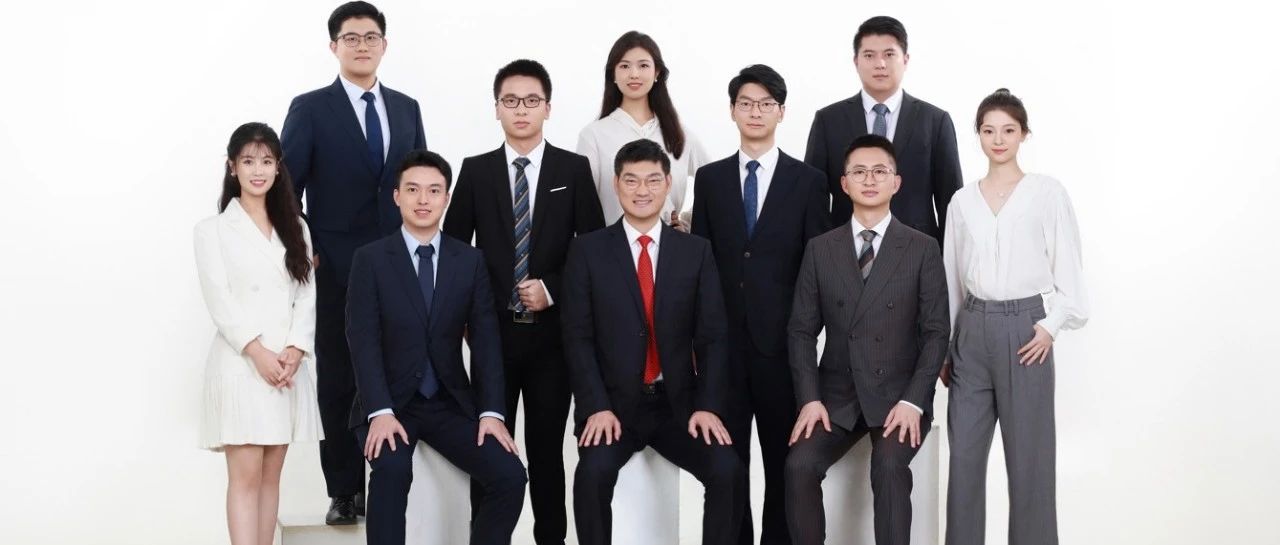
Core Viewpoint - The Vice Governor of Guangdong, Zhang Shaokang, emphasized the strong ties between Guangdong and Switzerland, highlighting the fruitful cooperation in trade, investment, and technology innovation as well as cultural exchanges [1] Group 1: Economic and Trade Relations - Guangdong is committed to high-quality development and is actively promoting the construction of the Guangdong-Hong Kong-Macao Greater Bay Area [1] - The province aims to deepen reforms and expand high-level opening up to enhance economic collaboration with Switzerland [1] Group 2: Strategic Partnerships - The 75th anniversary of diplomatic relations between China and Switzerland is seen as an opportunity to strengthen partnerships and foster innovation [1] - Guangdong expresses a willingness to collaborate with Swiss partners to build bridges of friendship and share opportunities for open development [1]
信长星许昆林会见中国进出口银行董事长陈怀宇
Xin Hua Ri Bao· 2025-08-01 23:18
Core Viewpoint - The meeting between Jiangsu provincial leaders and the chairman of China Export-Import Bank emphasizes the importance of financial support for Jiangsu's development and its integration into national strategies, particularly in the context of the Belt and Road Initiative [1]. Group 1: Financial Support and Cooperation - Jiangsu provincial leaders expressed gratitude for the long-term support from China Export-Import Bank in facilitating the province's development [1]. - The provincial leaders highlighted the need for enhanced financial backing in areas such as foreign trade, international cooperation, and major project construction to support Jiangsu's new development pattern [1]. Group 2: Strategic Focus - The chairman of China Export-Import Bank acknowledged Jiangsu's status as a major economic and open province, indicating significant potential for cooperation [1]. - The bank aims to align its services with national strategies and Jiangsu's development needs, focusing on improving the quality and efficiency of financial services to contribute to high-quality development and open-up initiatives in Jiangsu [1].
华夏时评:以“超预期”政策,全方位扩大内需
Hua Xia Shi Bao· 2025-08-01 12:13
Core Viewpoint - The upcoming economic policies and planning for the 15th Five-Year Plan are crucial as the Central Committee prepares for the fourth plenary session in October, focusing on economic and social development strategies [2][3]. Economic Policy Direction - The macroeconomic policies will continue to exert influence, with an emphasis on releasing domestic demand potential, deepening reforms, expanding high-level opening-up, and ensuring risk prevention in key areas [3][4]. - Key points from Xi Jinping's speech include maintaining stability while seeking progress, enhancing consumer confidence, and promoting domestic circulation to achieve economic goals for the year [3][4]. Consumer Stimulus and Policy Innovations - A significant focus is on boosting consumption and breaking the cycle of "involution," which aims to enhance the quality of supply and shift economic growth towards domestic consumption [4][5]. - The introduction of a new child-rearing subsidy policy, effective from January 1, 2025, will provide annual subsidies of 3,600 yuan per child for families with children under three years old, marking a significant shift in public policy towards direct cash support for families [5][6]. Anticipated Economic Impact - Economists estimate that the child-rearing subsidy could increase retail sales by approximately 0.2 percentage points nationwide, indicating a potential boost in consumer spending [6]. - The political bureau's meeting highlighted plans for implementing consumption-boosting actions and expanding service consumption, suggesting that improving livelihoods will be a key driver for consumption policies in the 15th Five-Year Plan [6].
7月政治局会议点评:政策明朗,债市回归理性
Great Wall Securities· 2025-07-31 06:22
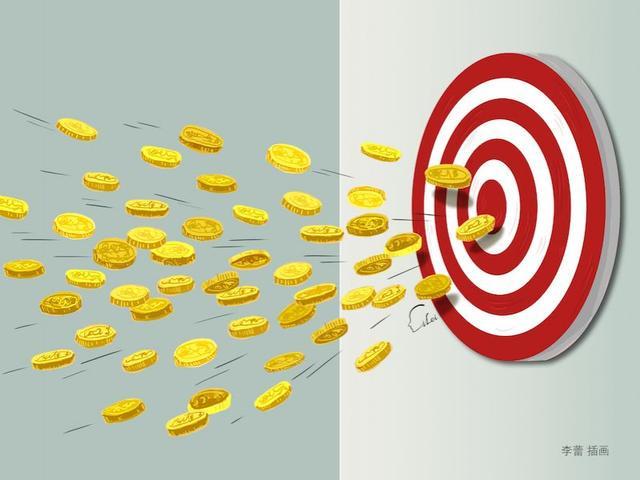
1. Report Industry Investment Rating No relevant content provided. 2. Core Viewpoints of the Report - The Politburo meeting on July 30, 2025, emphasized the key node of the "15th Five - Year Plan" and continued the "Four Stabilities" policy line. The macro - policy was updated to "continue to exert force and add force in a timely manner", and for the first time proposed to "strengthen the consistency of macro - policy orientation" [1]. - Fiscal policy continued with a more proactive stance, with a more precise requirement on the pace of force exertion. The fiscal acceleration had shown multi - dimensional boosting effects on the economic fundamentals, and the GDP growth rate in the second quarter reached 5.2%. Monetary policy maintained a "moderately loose" stance and focused on precise investment through structural policy tools [2]. - In terms of domestic demand, it emphasized the linkage between people's livelihood and consumption and the cultivation of new growth points in service consumption. In the aspect of deepening reform, it continued to focus on "anti - involution" and related work. The meeting's tone on the bond market was focused on policy continuity and structural optimization, and the 10 - year Treasury bond yield was expected to return to rationality, possibly back to the 1.7% central level [1][3]. 3. Summary by Related Catalogs 3.1 Policy Background and General Tone - The meeting on July 30, 2025, not only deployed the economic work for the second half of the year but also emphasized the key node of the "15th Five - Year Plan". It continued the "Four Stabilities" policy line of the April meeting and emphasized maintaining policy continuity and stability. The macro - policy was updated from "continue to exert force and be more powerful" to "continue to exert force and add force in a timely manner" and proposed to strengthen the consistency of macro - policy orientation [1]. 3.2 Fiscal Policy - Continued the "more proactive fiscal policy" tone, and required to speed up the issuance and use of government bonds and improve capital use efficiency. From January to June 2025, the national issuance of new local government bonds was 2.6 trillion yuan, of which 2.16 trillion yuan was special bonds; the total issuance of local government bonds was 5.49 trillion yuan, of which 4.31 trillion yuan was special bonds. The progress of the 4.4 - trillion - yuan special bond quota arranged in the "Government Work Report" had exceeded 90%. The fiscal acceleration had boosted the economic fundamentals, and the second - quarter GDP growth rate reached 5.2% [2]. 3.3 Monetary Policy - Maintained a "moderately loose" stance, aiming to keep liquidity abundant and drive down the comprehensive social financing cost, especially supporting industries such as "technological innovation, boosting consumption, small and micro - enterprises, and stabilizing foreign trade". This year, it relied more on structural policy tools for more precise investment [2]. 3.4 Domestic Demand and Reform - In terms of domestic demand, it emphasized the linkage between people's livelihood and consumption, and the need to "cultivate new growth points in service consumption". In the aspect of deepening reform, it continued to focus on "anti - involution", requiring in - depth promotion of the construction of a unified national market, improvement of market competition order, and governance of disorderly competition among enterprises and over - capacity in key industries [3]. 3.5 Impact on the Bond Market - The meeting's tone was focused on policy continuity and structural optimization, and the incremental stimulus layout met market expectations. The short - term expectation disturbance to the bond market might come to an end, and the 10 - year Treasury bond yield was expected to return to rationality. Without new interest - rate cut expectations, it might return to the 1.7% central level, or even be in the range of 1.65% - 1.7% when funds were loose [3].
财政货币政策基调未变 高质量开展城市更新
3 6 Ke· 2025-07-31 01:57
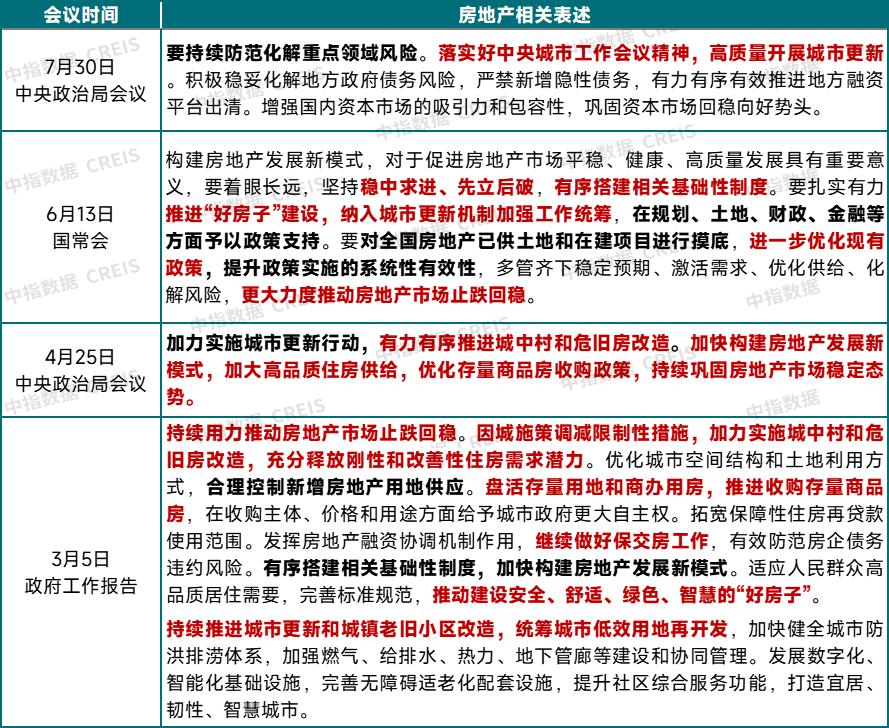
7月30日,中共中央政治局召开会议,决定今年10月在北京召开中国共产党第二十届中央委员会第四次全体会议,主要议程 是,中共中央政治局向中央委员会报告工作,研究关于制定国民经济和社会发展第十五个五年规划的建议。会议分析研究当前 经济形势,部署下半年经济工作。会议通稿中与宏观政策和房地产相关的主要内容如下: 今年以来,在以习近平同志为核心的党中央坚强领导下,各地区各部门积极作为、攻坚克难,加紧实施更加积极有为的宏观政 策,我国经济运行稳中有进,高质量发展取得新成效。主要经济指标表现良好,新质生产力积极发展,改革开放不断深化,重 点领域风险有力有效防范化解,民生兜底保障进一步加强,我国经济展现强大活力和韧性。 当前我国经济运行依然面临不少风险挑战,要正确把握形势,增强忧患意识,坚持底线思维,用好发展机遇、潜力和优势,巩 固拓展经济回升向好势头。 加快构建新发展格局,保持政策连续性稳定性,增强灵活性预见性,着力稳就业、稳企业、稳市场、稳预期,有力促进国内国 际双循环,努力完成全年经济社会发展目标任务,实现"十四五"圆满收官。 宏观政策要持续发力、适时加力。要落实落细更加积极的财政政策和适度宽松的货币政策,充分释放政策 ...
上半年深圳GDP增5.1% 进出口降幅收窄
Nan Fang Du Shi Bao· 2025-07-30 23:15
Economic Performance - Shenzhen's GDP for the first half of 2025 reached 18322.26 billion yuan, with a year-on-year growth of 5.1% [1] - The primary industry added value was 10.33 billion yuan, growing by 2.8%; the secondary industry added value was 6505.56 billion yuan, increasing by 3.3%; and the tertiary industry added value was 11806.37 billion yuan, rising by 6.1% [1] Industrial and Service Sector Growth - The city's industrial added value for large-scale enterprises grew by 4.3%, with manufacturing increasing by 4.2% and electricity, heat, gas, and water production and supply growing by 11.8% [2] - High-tech product output saw significant growth, with civil drones, industrial robots, and 3D printing equipment increasing by 59.0%, 38.0%, and 35.8% respectively [2] - The service sector's added value was 11806.37 billion yuan, with a year-on-year growth of 6.1%, driven by finance (10.9%), transportation and warehousing (9.0%), and information technology services (8.1%) [2] Investment Trends - Fixed asset investment in Shenzhen decreased by 10.9%, with real estate development down by 15.1% but infrastructure investment up by 7.7% and industrial technology renovation investment soaring by 47.1% [3] - Investment in information transmission, software, and IT services grew by 47.7%, while transportation and warehousing investment rose by 32.5% [3] Consumer Market Insights - The total retail sales of social consumer goods reached 4948.68 billion yuan, with a year-on-year growth of 3.5% [3] - Online retail sales through the internet increased by 19.4%, indicating a strong trend towards e-commerce [3] Trade and Financial Sector - The total import and export volume for the first half of the year was 21675.45 billion yuan, a decrease of 1.1%, with exports down by 7.0% and imports up by 9.5% [4] - By the end of June, the balance of deposits in financial institutions reached 141600.14 billion yuan, growing by 5.7% [4] Cross-Border E-commerce Development - The Google Cross-Border E-commerce Acceleration Center in Shenzhen officially commenced operations, enhancing the cross-border e-commerce ecosystem in the region [6] - The center aims to provide comprehensive services for cross-border e-commerce companies, supporting their global business expansion [6]