双轮驱动

Search documents
双轮驱动筑牢业绩根基 新城控股成功发行17.5亿元中期票据
Zheng Quan Ri Bao Wang· 2025-12-10 02:13
Core Viewpoint - New City Holdings successfully issued its third phase of medium-term notes for 2025, raising 1.75 billion yuan with a 4% interest rate, reflecting the improving financing environment for private real estate companies in China [1] Group 1: Financing and Ratings - The issuance of 1.75 billion yuan in medium-term notes is a significant financing breakthrough for New City Holdings, following previous issuances in August and September [1] - The company received a dual AAA rating from China Chengxin International for both the issuer and the bond, along with full guarantee from China Bond [1] - The positive financing environment is attributed to both policy support and the company's efforts, indicating a gradual return of private real estate firms to the capital market [1] Group 2: Financial Performance - For the first three quarters of 2025, New City Holdings reported a revenue of 34.371 billion yuan and a net profit of approximately 974 million yuan, maintaining a positive profit trend [1] - The company's operating cash flow was 1.026 billion yuan, showing consistent positive inflow [1] - The commercial operations generated approximately 10.511 billion yuan in revenue, a year-on-year increase of 10.82%, with a high rental occupancy rate of 97.7% across 176 leased properties [2] Group 3: Market Recognition and Future Outlook - Morgan Stanley upgraded New City Holdings to "overweight" and raised the target price by 25% to 19.7 yuan, citing expected rental growth and positive market share expansion [2] - Guotai Junan Securities forecasted the company's EPS for 2025, 2026, and 2027 to be 0.37, 0.51, and 0.61 yuan respectively, with a target price of 18.34 yuan based on a 0.65 PB valuation [3]

海底捞(06862.HK)深度报告:以服务立身 凭供应链致远
Ge Long Hui· 2025-12-09 21:11
Company Overview - Haidilao has evolved from a service benchmark to a multi-brand matrix, with its core being Sichuan hotpot, establishing itself as a global leader in Chinese dining over thirty years [1] - The company has undergone three phases: expansion, deep adjustment, and new brand exploration, reinforcing its market position while driving performance growth [1] - The governance structure is stable with concentrated ownership by the founding team, and an effective strategic execution [1] Industry Insights - The hotpot industry is the largest segment of Chinese cuisine, projected to exceed 600 billion yuan in market size by 2024, capturing 14.5% of the Chinese dining market [1] - The industry is currently in a phase of stock integration, characterized by a rich variety of hotpot styles and a broad consumer base, making it resilient and adaptable to various dining scenarios [1] - High standardization and operational efficiency in the hotpot sector allow for unified supply chain management and rapid store replication, leading to higher revenue per meal and profit margins [1] Competitive Landscape - The number of hotpot restaurants in China exceeds 550,000, with Haidilao holding a market share of only 6.9%, indicating intense competition even among leading brands [2] - Competitors like Banou and Song Hotpot are carving out niche markets with unique offerings, further intensifying industry competition [2] Competitive Advantages - Haidilao's core competitive advantage lies in its exceptional service, management capabilities, and strong supply chain, creating a robust brand moat [3] - The company is recognized as a service benchmark, with unique service features such as nail care and shoe shining during wait times, enhancing customer experience [3] - A strong operational model allows for standardized management across store locations, improving both customer experience and profitability [3] Growth Strategy - Haidilao's growth strategy is driven by a dual approach of leveraging its main brand while rapidly developing new brands, creating a "main brand foundation + new brand breakthrough" growth model [3] - The main brand continues to have potential for expansion in lower-tier markets, while the new brand matrix accelerates market penetration [3] - The company is expected to achieve net profits of 4.335 billion, 4.782 billion, and 5.278 billion yuan from 2025 to 2027, indicating strong future performance [3]

华为中国政企业务油气矿山军团作答: AI技术如何扎根能源化工行业?
Zhong Guo Hua Gong Bao· 2025-12-03 02:38
"当下先进的科技技术究竟该如何扎根于油气矿山行业,给行业带来改变?经过不断的摸索,我们的答 案是以用促建,让技术从业务的痛点中生长出来。"11月26日,在北京举行的华为中国政企业务油气矿 山2025媒体沟通会上,华为油气矿山集团副总裁吴海宇如是说。在这场媒体沟通会上,三位来自华为油 气矿山军团的发言人讲述了华为如何通过一场"自下而上"的技术渗透,让人工智能(AI)牢牢扎根于能源 化工行业,从辅助系统进入核心生产流程。 让技术沾上"机油味" 当前,传统能源化工行业面临多重挑战,安全管控、效率提升、绿色转型等不同要求为行业发展带来了 较为沉重的压力。在谈及如何应用AI助力能化行业转型时,吴海宇表示,AI的应用需要围绕真实的业 务难题,从场景出发,实现数字化技术的落地应用。 应用这一策略,华为瞄准石油化工行业能耗与安全性两大关键,联合云天化(600096)打造了全球首个 煤气化实时在线优化技术(RTO)大模型项目,使煤气化装置能够精确模拟并预测气化炉炉温、渣层厚度 及渣黏度等关键运行参数,从而保障生产过程的深度优化与极致稳定。该项目投用后,预计每年实现节 煤9000多吨、减少二氧化碳排放量2万多吨,带来每年超千万元 ...
万亿商业REITs来了,你能投什么
21世纪经济报道· 2025-12-01 14:44
Core Viewpoint - The launch of commercial real estate REITs marks a significant expansion of China's public REITs market from infrastructure to commercial real estate, entering a new phase of "dual-driven" development [1][4]. Group 1: Market Context and Background - The pilot program is a key measure to implement the new "National Nine Articles" for capital market development and aims to provide standardized financial solutions for revitalizing existing assets and constructing new real estate development models [1][4]. - Over the past five years, 77 infrastructure REITs have been listed, with a cumulative financing scale of 207 billion yuan and a total market value of approximately 220.1 billion yuan, establishing a solid foundation for the expansion into commercial real estate [4][5]. Group 2: Strategic Significance - The introduction of commercial real estate REITs is seen as a response to the urgent need for revitalizing existing assets, as the commercial real estate sector faces significant liquidity challenges [5][6]. - The pilot program is expected to facilitate a transformation in real estate companies from a "development and sales" model to a "long-term holding and professional operation" asset management model, optimizing balance sheets and providing new asset allocation options for investors [2][5]. Group 3: Regulatory Framework - The regulatory design for commercial real estate REITs emphasizes market-oriented and legal principles, ensuring a stable and predictable policy environment while addressing the unique attributes of commercial real estate [9][10]. - Clear asset admission standards have been established to ensure that underlying assets are mature and of high quality, which is crucial for market health and investor protection [10][11]. Group 4: Dual-Track Development - The launch of commercial real estate REITs signifies a new stage of "parallel development" between infrastructure and commercial real estate REITs, allowing both sectors to leverage their respective advantages and expand the capital market's service to the real economy [13][14]. - This dual-track strategy provides more precise and diversified tools for both financing parties and investors, enabling the construction of optimized and resilient investment portfolios [14][15]. Group 5: Future Outlook - Industry insiders anticipate that the dual-track model is just the beginning of China's REITs market, with potential expansions into new asset types such as data centers, logistics, and affordable rental housing [15][16]. - A healthy and prosperous REITs market is expected to strengthen the connection between finance and the real economy, contributing to high-quality economic development in China [16].


商业不动产REITs来了!万亿级商业地产向投资者敞开大门
2 1 Shi Ji Jing Ji Bao Dao· 2025-12-01 13:05
Core Insights - The launch of commercial real estate REITs marks a significant expansion of China's REITs market, transitioning from infrastructure to commercial real estate, indicating a new phase of "dual-wheel drive" development [1][2][3] - This initiative is a key measure to implement the new "National Nine Articles" policy aimed at promoting high-quality development of the REITs market, facilitating equity financing for commercial real estate [1][3] Market Development - The commercial real estate REITs pilot is seen as a natural progression, building on nearly five years of experience with infrastructure REITs, which have established a mature regulatory and operational framework [2][3] - As of November 27, 2025, 77 REITs products have been listed, with a cumulative financing scale of 207 billion yuan and a total market value of approximately 220.1 billion yuan, demonstrating the feasibility of the REITs model in China [2] Policy Framework - The pilot's introduction reflects a high degree of policy coherence, aligning with the new "National Nine Articles" and the "Urban Commercial Quality Improvement Action Plan," which supports the issuance of REITs for commercial real estate projects [3][4] - The strategic significance of the pilot is highlighted by its potential to reshape the real estate development model, moving from high-leverage, high-turnover sales to long-term operations and professional asset management [3][4] Asset Management and Market Functionality - REITs are expected to enhance liquidity in the commercial real estate sector, converting large amounts of stagnant assets into standardized financial products that can be traded in the capital market [4][5] - The introduction of commercial real estate REITs will provide investors with new asset allocation options characterized by stable cash flows, catering to diverse investment needs [5][6] Regulatory Framework - The pilot's design emphasizes a market-oriented and legal framework, ensuring continuity and stability in regulations, which will facilitate a smooth integration into the existing market system [5][6] - Clear asset admission standards have been established to ensure that underlying assets are mature and of high quality, thereby protecting investor interests and setting a benchmark for high-quality issuance [6][7] Risk Management and Oversight - A comprehensive regulatory and risk prevention network has been established, delineating responsibilities among regulatory bodies, self-regulatory organizations, and fund managers to ensure effective oversight [7][8] - The dual-track development model aims to provide comprehensive financial services across key economic sectors, with infrastructure REITs focusing on public assets and commercial real estate REITs enhancing urban commercial spaces [8][9] Future Outlook - The dual-track strategy is expected to foster a more diverse and resilient REITs market, with potential expansions into new asset types such as data centers, logistics, and affordable rental housing [9][10] - This evolution will enrich China's capital market product offerings and cultivate local asset management institutions, driving the real estate industry towards a more refined, financialized, and sustainable development path [10]
金鹰基金杨刚:风偏驱动渐行远 双轮驱动徐开来
Xin Lang Ji Jin· 2025-12-01 03:57
今年以来,A股整体延续牛市走势。主要在流动性、政策面及重要行业催化的共同引领下,A股走出了 以科技创新为最重要主线的"科技牛"行情,AI更成为其中最强的投资主题。同时,在全球地缘变局及外 部宽松条件支持下,上游强周期、海外与国产算力、电力设备及新能源等多个方向均表现出色。 从行业层面上看,大A"新旧"阵营表现严重分化,"小登"们表现优异,"老登"们相对落寞。而从宽基指 数看,代表市场风偏活跃程度的万德微盘股指数与作为此轮全球股市风向标的科创类指数表现最为醒 目,迄今涨幅分别仍有70%+与50%左右。整体而言,A股市场今年以来的"结构牛"特征十分显著。一半 是海水,一半是火焰。 进入11月,A股市场在创出本轮行情阶段新高后,波动有所加大。究其原因,恐怕既有外部地缘政治突 发扰动的"黑天鹅"因素,更有临近岁末绝对收益型机构倾向于兑现收益和暂时的"马放南山",以及相对 收益型机构短期的高低切以争取年度更佳排名等的诸多内部因素的综合考量。 从主流机构观点看,对A股中长期走势相对乐观仍为目前的市场共识,短期震荡不改上行趋势。对此, 我们也基本认同。如果时间线延到明年,个人当下的一个基本判断是,预期A股市场或将有望从风偏 ...
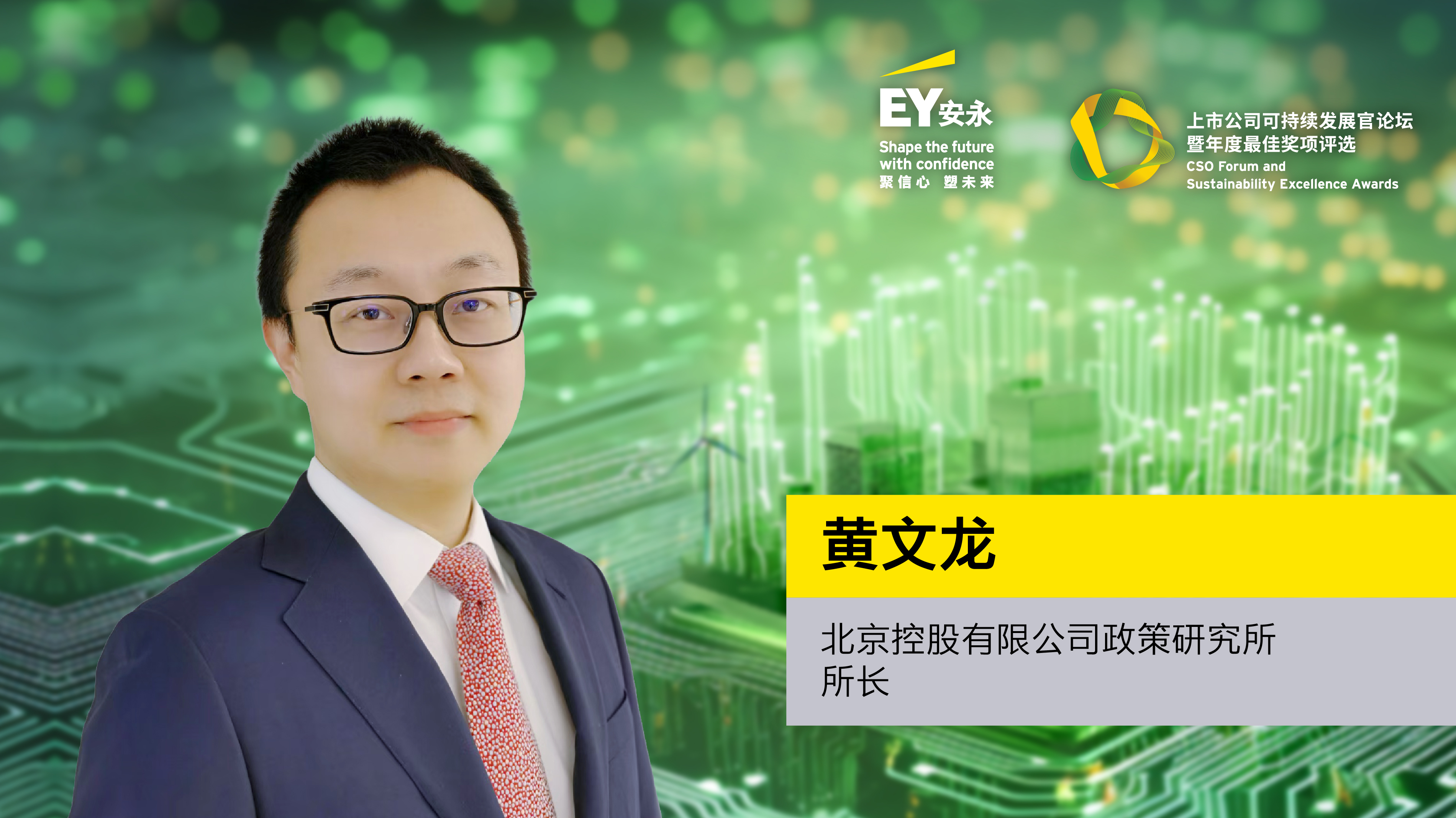
北京控股有限公司政策研究所所长黄文龙:传统业务绿色升级与新兴绿色产业开拓深度融合,共筑高质量发展增长曲线
Zhong Guo Jin Rong Xin Xi Wang· 2025-11-27 06:20
Core Viewpoint - Beijing Enterprises Holdings Limited has been awarded the Outstanding Enterprise Award at the Fourth Forum on Sustainable Development Officers of Listed Companies, highlighting its commitment to sustainable urban development and the integration of traditional and emerging green industries [1][4]. Group 1: Redefining Comprehensive Public Utilities - The company has strategically redefined the concept of "comprehensive public utilities" to transition from a traditional infrastructure operator to a modern urban service provider characterized by green, technology, and collaboration [4]. - This strategic transformation aims to position the company as a core enabler of urban sustainable development [4]. Group 2: Dimensions of Value Reconstruction - The redefinition is reflected in three dimensions: 1. Value orientation reconstruction, elevating "environmental value" creation to a strategic level, shifting focus from passive compliance to proactive ecological capacity creation [5]. 2. Business model synergy, breaking down barriers between traditional sectors like gas, water, and solid waste, and integrating service chains to reduce overall carbon emissions and operational costs [5]. 3. Technological development as a driving force, promoting the integration of cutting-edge technologies like big data and AI with traditional infrastructure to innovate in product design, production processes, and operational management [5]. Group 3: Growth Engines - Future growth is seen as a dual-driven model, relying on both the green upgrade of traditional businesses and the exploration of emerging green industries [6]. - Traditional business upgrades serve as a "ballast" and "stabilizer," with significant investments in technology and innovation, such as nearly a thousand patents in gas safety technology and low-carbon processes in water management [6]. - The exploration of emerging green industries is viewed as a "new engine" for growth, with initiatives like the hydrogen supply system and the establishment of technology companies to drive innovation and service upgrades [7]. Group 4: Barriers to Systematic Green Innovation - The primary barrier to systematic green innovation is structural and systemic, involving the integration of existing infrastructure and traditional business models with new green technologies and concepts [8]. - Challenges also include the productization of technology and the realization of value from green innovations, as the market mechanisms currently do not adequately reward the ecological value created [8]. Group 5: Role in Low-Carbon Transition - As a key urban service provider, the company plays a critical role in the low-carbon transition, transforming urban systems from linear resource consumption to circular resource regeneration [10]. - In the energy sector, the company has supplied 517.9 billion cubic meters of natural gas, saving over 680 million tons of standard coal, while also investing in hydrogen, geothermal, and solar energy [10]. - In water management, wastewater treatment facilities are being transformed into "second water sources" and "energy factories," contributing directly to carbon reduction [10]. - In solid waste management, the company is shifting from incineration and landfilling to resource utilization, converting waste into energy and other resources [10].

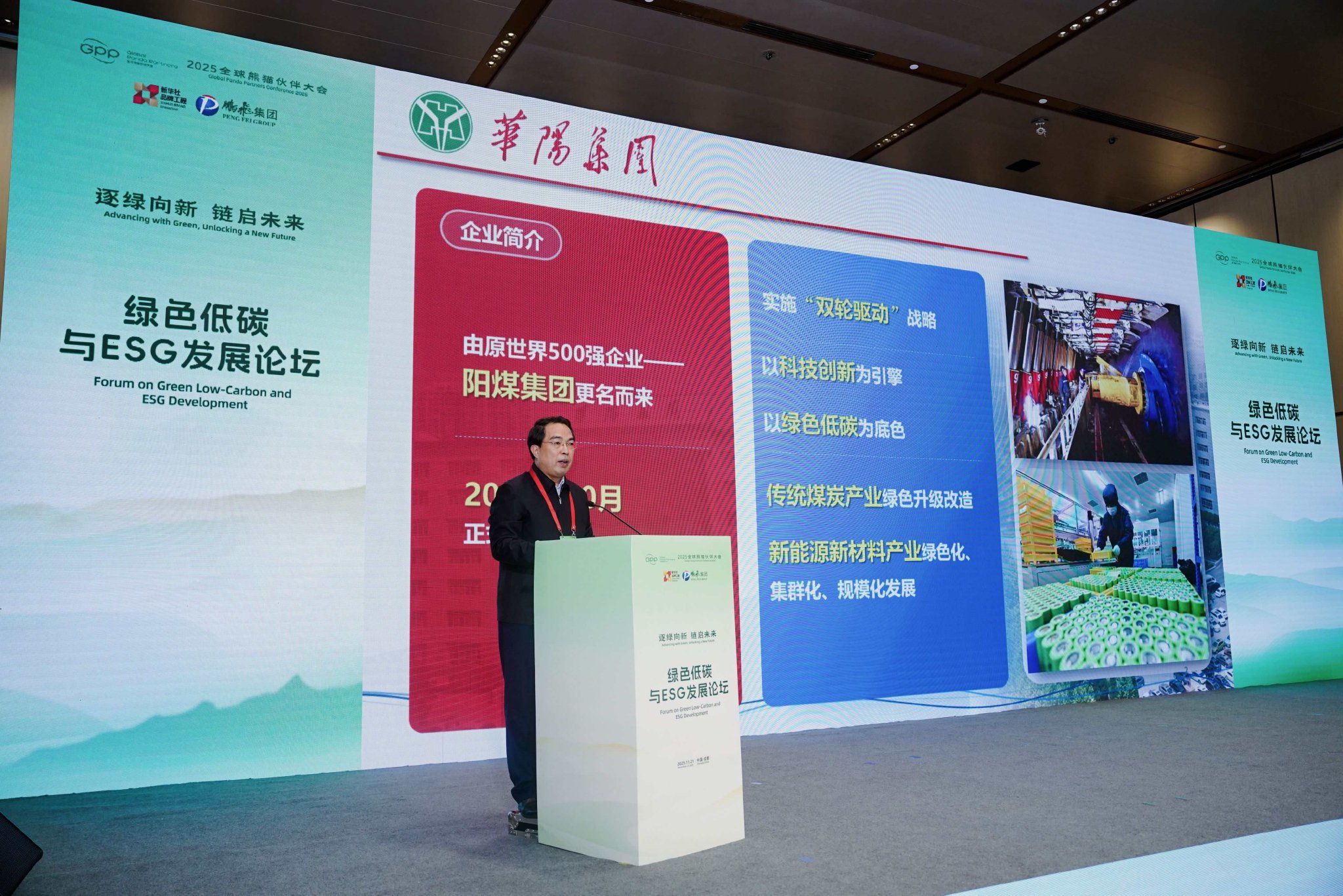
“双轮驱动”、融合发展 华阳集团在绿色低碳与ESG发展论坛分享绿色转型实践
Zhong Guo Jin Rong Xin Xi Wang· 2025-11-22 10:49
Core Viewpoint - The forum highlighted the achievements of Huayang New Materials Technology Group in green transformation, showcasing its dual-driven development model combining traditional energy and new materials [1][4]. Group 1: Green Transformation Achievements - Huayang Group has achieved the goal of "producing coal without seeing coal, and producing coal without burning coal" through comprehensive upgrades in the coal industry [4]. - During the 14th Five-Year Plan period, all production mines have implemented full closure of coal storage areas, and small coal-fired boilers have been replaced with clean energy [4]. - The company has established two national-level green mines and four provincial-level green mines, with all 35 gangue hills undergoing standardized treatment [4]. Group 2: New Industry Developments - Huayang Group is advancing from low-end to high-end coal products, focusing on high-value products and strategic emerging industries [6]. - In the sodium-ion battery sector, the company has built a complete industrial chain for sodium-ion batteries, collaborating with the Chinese Academy of Sciences [6]. - The company is also developing a diamond production process from coalbed methane, significantly increasing the value of this resource [7]. Group 3: Commitment to ESG and Social Responsibility - Huayang Group emphasizes its political, economic, and social responsibilities, actively practicing ESG principles and contributing to national energy supply tasks [8]. - The company has been recognized for its social responsibility efforts, receiving accolades for its high-quality completion of energy supply tasks over the past five years [8]. - The group aims to enhance its ESG management and promote green low-carbon transformation while expanding the application of new material products [8].
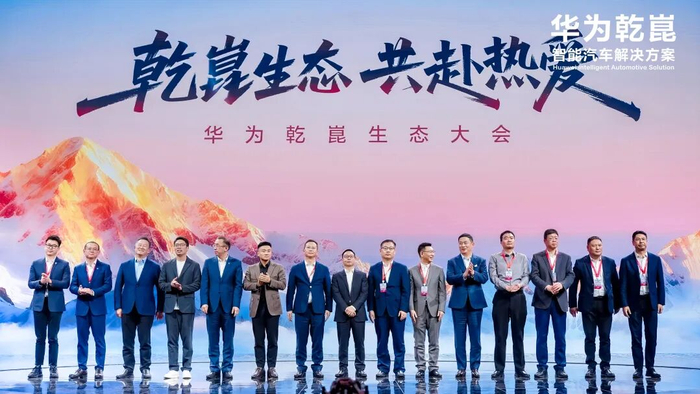
华为乾崑有境界,统一技术底座上的生态扩张棋局
Di Yi Cai Jing· 2025-11-20 15:09
Core Insights - Huawei QianKun officially launched the "Qijing" brand in collaboration with GAC Group, marking a shift in its automotive intelligence strategy from isolated breakthroughs to a comprehensive ecosystem approach [1] - The introduction of the "Yijing" brand by Dongfeng Motor simultaneously highlights the growing trend of smart vehicle integration in the automotive industry [1] Market Dynamics - The global smart vehicle market is undergoing significant transformation, with the penetration rate of new energy vehicles exceeding 48% and expected to surpass 50% by 2025 [3] - The installation rate of L2 and above advanced driver-assistance systems (ADAS) in new energy passenger vehicles reached 77.8% in the first four months of this year, indicating a strong consumer demand for smart features [3] - 71.9% of consumers prioritize smart cockpit features when purchasing vehicles, while 69.3% focus on in-car interaction experiences [3] Competitive Landscape - The Chinese automotive industry faces urgent challenges in maintaining its competitive edge in smart technology, as other countries are also advancing in core intelligent technologies [4] - The development paths for smart technology in China include focusing on higher-level autonomous driving and shifting core competencies towards AI and smart solutions [4] Strategic Partnerships - The "Jing" series brands represent a critical link in Huawei QianKun's transition from technology to commercial application, allowing automotive partners to define branding and product design while Huawei provides core technology [7] - This partnership model reduces the barriers for traditional automakers to embrace smart technology, facilitating a collaborative approach to innovation [9] Technological Integration - Huawei's approach emphasizes a unified technology base, allowing automakers to focus on their strengths while leveraging Huawei's advanced solutions [10][11] - The collaboration aims to enhance the competitive capabilities of automakers by providing them with essential technological support and methodologies [10][11] Consumer Impact - The introduction of the "Jing" series is expected to enhance market recognition and consumer trust, enabling brands to achieve sales breakthroughs [13] - The anticipated launch of GAC's "Qijing" and Dongfeng's "Yijing" models will incorporate Huawei's intelligent solutions, potentially increasing product value and consumer satisfaction [15] Ecosystem Development - The "Jing" and "Jie" brands represent a strategic expansion of Huawei QianKun's market coverage, allowing for a more granular approach to consumer needs [17] - The dual-brand strategy aims to create a comprehensive ecosystem that supports various market segments and enhances the overall user experience [25] Future Outlook - Huawei QianKun's strategy is designed to maximize the value of its technological investments, with a projected R&D expenditure of over 100 billion in 2024 alone [15] - The cumulative mileage of 58.11 billion kilometers from various models demonstrates the effectiveness of Huawei's technology and its potential to accelerate the industry's shift towards smart connectivity [22]


在全球车载显示牌局上 天马握有哪些“关键筹码”?
Zhong Guo Qi Che Bao Wang· 2025-11-20 03:12
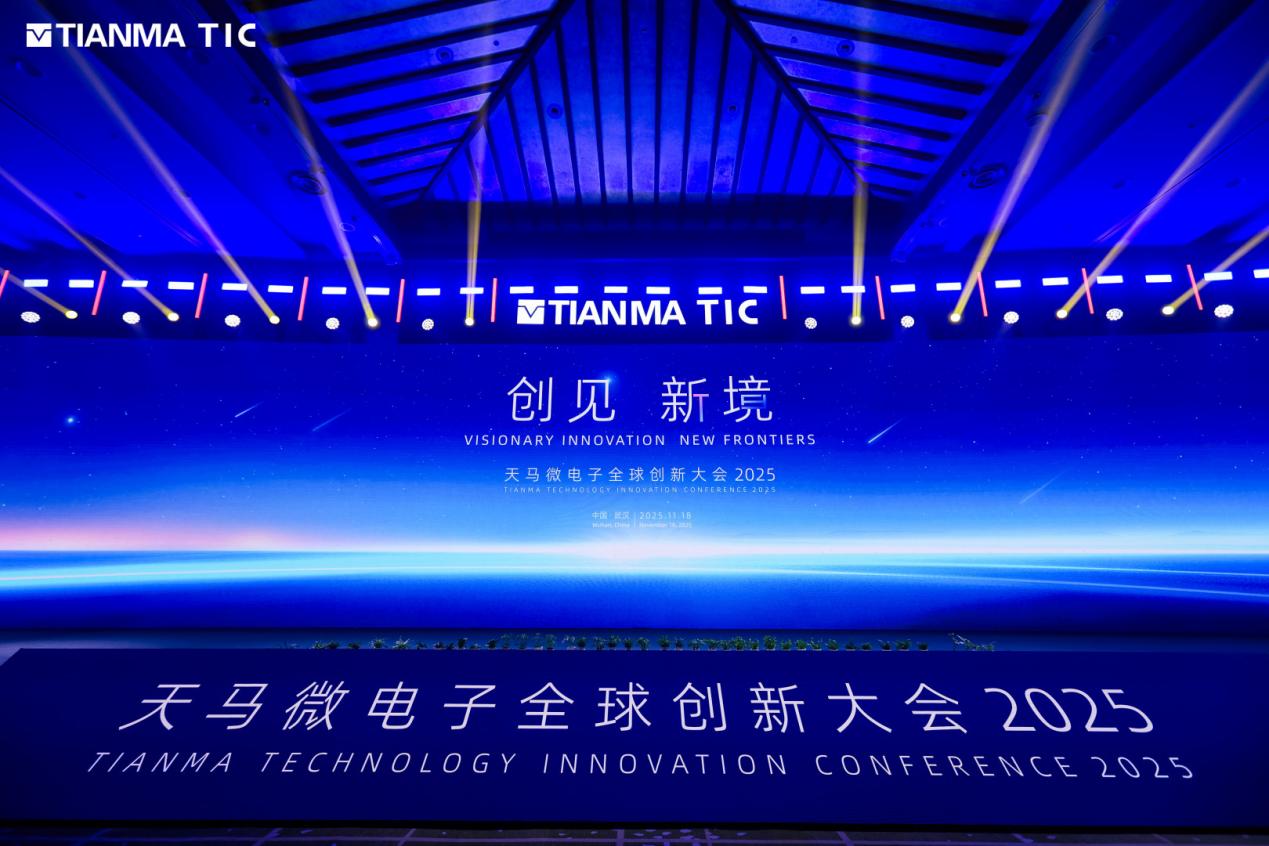
Core Insights - The Tianma Microelectronics Global Innovation Conference (TIC 2025) showcased the "Tianxuan" series, emphasizing a comprehensive innovation in the automotive display sector, signaling a shift in the visual experience of next-generation smart vehicles [1][3][20] Group 1: Product Innovations - The "Tianxuan" series includes advanced products like the 49.6-inch ultra-wide curved screen and the 14.5mm ultra-thin high-brightness HUD, highlighting Tianma's technological depth in automotive displays [1][5] - The "Panoramic Immersive Tianxuan Screen" integrates multiple display functions and features advanced ACRUS pixel-level dimming technology, achieving a contrast ratio of 100,000:1 and a reflection rate below 0.55% [5][11] - The "IRIS HUD" addresses the industry's brightness-power-consumption challenge, achieving 12,000 nits brightness while reducing power consumption by 40% [5][7] Group 2: System-Level Solutions - Tianma's approach to automotive displays transcends mere hardware, positioning screens as the "visual hub" of smart cockpits, integrating reliability, safety, and system integration [7][11] - The company emphasizes a "screen-system-scene" full-stack display solution, moving from simple information presentation to intelligent scene interaction [11][12] Group 3: Technological Advancements - Tianma has made significant strides in various display technologies, including OLED, Mini-LED, and Micro-LED, with breakthroughs in manufacturing and quality control [22] - The company has established industry standards for automotive display modules, reinforcing its role as a leader in the automotive display sector [22] Group 4: Market Position and Strategy - Tianma has maintained a leading market share in global automotive displays since 2020, with a 95% coverage rate across automotive brands [27] - The company is leveraging China's position as the largest market for new energy vehicles to drive innovation and respond to local customization needs [22][27] Group 5: Sustainability Initiatives - Tianma is committed to carbon neutrality and has outlined a comprehensive plan focusing on green energy, resource recycling, and low-carbon products [17][19] - The company has initiated a "Green Ecosystem Initiative" in collaboration with industry partners to promote sustainable development in the display industry [19]