Workflow
货币政策分化
icon
Search documents
瑞士法郎汇率承压上行
Jin Tou Wang· 2025-11-20 03:06
美元兑瑞士法郎技术分析 技术面看,美元兑瑞士法郎自0.7990低位反弹后,近期形成震荡上行格局,当前站稳0.8060关键位。今 日以0.8054开盘后震荡走高,冲高0.8068遇阻后回落至0.8066,短期上行动能持续释放。支撑位调整为 0.8060、0.8050及50小时均线(当前位于0.8045附近),若有效跌破0.8045或引发短期回调;阻力集中于 0.8070、0.8080及前期震荡上沿0.8090,突破需基本面利好加持。指标上,MACD红柱小幅放大、RSI升 至58-63区间、ADX接近28,显示趋势性逐步增强,短期大概率维持0.8050-0.8080区间震荡上行。后市 若站稳0.8080,上行空间可看至0.8090-0.8110;若跌破0.8050,则可能下探0.8045-0.8030区域。建议投 资者依托支撑位布局多单,同时密切关注美联储纪要及市场避险情绪变化,及时调整持仓策略。 美元兑瑞士法郎汇率波动的核心驱动,在于美瑞货币政策分化、瑞士经济复苏节奏及市场避险情绪。瑞 士方面,三季度CPI同比1.7%维持在央行0-2%目标区间内,核心通胀低位运行令瑞士央行释放"政策维 持中性"信号,对瑞郎支撑 ...
机构:印尼盾年底前料将持续承压
Sou Hu Cai Jing· 2025-11-12 00:48
Core Viewpoint - The Indonesian Rupiah is expected to remain under pressure until the end of the year due to a narrowing trade surplus and increased domestic demand leading to higher imports [1] Group 1: Trade and Economic Factors - Indonesia's trade surplus is projected to narrow as a result of declining commodity prices, which are causing a slowdown in exports [1] - Increased domestic demand is contributing to a rise in imports, further impacting the trade balance [1] Group 2: Financial Market Dynamics - There is an ongoing outflow of funds from the financial sector as policy uncertainty drives investors to sell Indonesian bonds [1] - The divergence in monetary policy between the Indonesian central bank and the Federal Reserve is widening, adding pressure to the Rupiah [1] Group 3: Central Bank Policies - The Federal Reserve's stance has shifted away from being accommodative due to the U.S. government shutdown, while the Indonesian central bank maintains a relatively accommodative position [1]
四大央行24小时密集议息:全球流动性变局下的创投新逻辑
Sou Hu Cai Jing· 2025-10-29 04:39
Core Insights - The coordinated actions of major central banks represent a significant shift in global monetary policy, impacting venture capital funding flows and industry opportunities since early 2021 [1][2] - The divergence in monetary policies among the Federal Reserve, European Central Bank, Bank of Japan, and Bank of Canada highlights the varying economic recovery rates across regions, influencing investment strategies [2][3] Monetary Policy Divergence - The Federal Reserve is expected to lower interest rates by 25 basis points due to a weak U.S. job market, while the European Central Bank maintains high service sector inflation at 3%, pausing rate cuts for the third consecutive time [2] - The Bank of Canada may follow the Fed with a second rate cut, but strong employment data suggests a potential pause, while the Bank of Japan delays rate hikes until January 2026 due to the new Prime Minister's stance [2][3] Impact on Venture Capital Markets - A potential Fed rate cut could lower the federal funds rate to a range of 4.25%-4.5%, reducing dollar financing costs and increasing the willingness of limited partners to invest in long-cycle sectors like hard technology and biomedicine [3][4] - Historical data shows that during the Fed's rate cut cycles from 2020 to 2023, global dollar venture capital fundraising grew by an average of 18% annually, with hard technology's share rising from 32% to 47% [3] Sector-Specific Opportunities - Two sectors likely to benefit from the Fed's anticipated rate cuts are capital-intensive industries such as low-altitude economy and energy storage, which see reduced financial costs and improved internal rates of return [4] - The depreciation of the dollar may enhance the purchasing power of U.S. markets for Chinese export products, with cross-border e-commerce financing increasing by 41% during the Fed's rate cut cycle in 2023 [4] Caution in Investment Strategies - The high service sector inflation in Europe suggests that inflation-sensitive sectors like retail and tourism may face profitability pressures, as evidenced by a decline in average gross margins for European dining projects [6] - Japan's delayed rate hikes favor domestic consumption upgrades, with investment in sectors like the silver economy and smart home appliances increasing by 29% during the low-rate period [6] Strategic Adjustments for Investors - The uncertainty surrounding the Bank of Canada's decisions reflects broader uncertainties in the global venture capital market, necessitating a focus on cash flow management for startups [6] - The conclusion of the central banks' rate decisions will not lead to a broad market rally but rather a restructuring of opportunities, emphasizing the need for entrepreneurs to adjust financing strategies based on regional monetary policies [8]
“超级央行周”来袭 全球汇市严阵以待
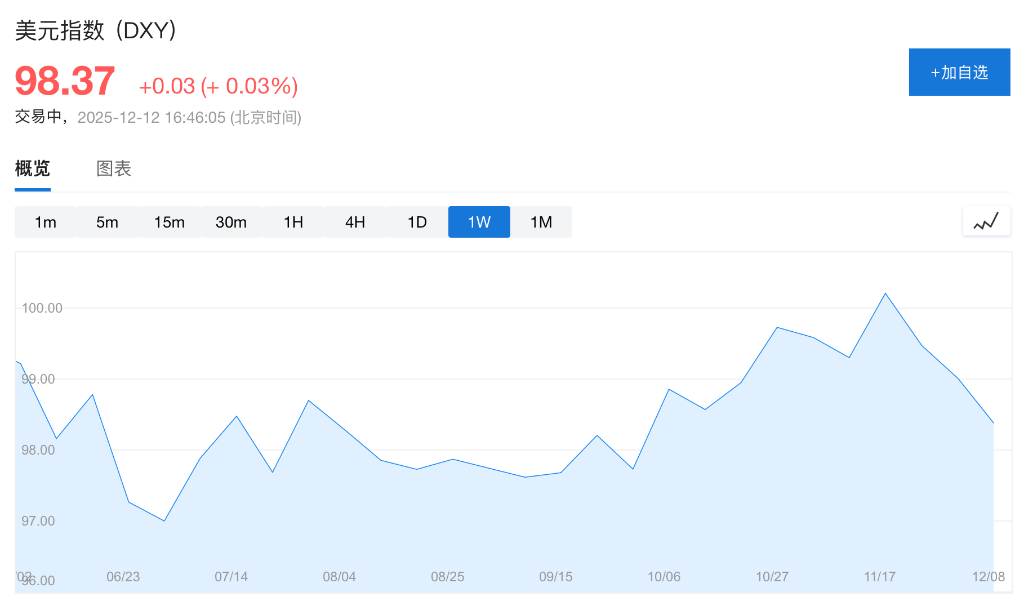
Group 1: Central Bank Policies - The upcoming "Super Central Bank Week" will see the Federal Reserve, European Central Bank, and Bank of Japan announcing their interest rate decisions, with expectations of diverging monetary policies [1] - The Federal Reserve is highly likely to cut rates by 25 basis points, with a 97.8% probability according to the CME FedWatch Tool, driven by weaker-than-expected U.S. inflation data [2] - The European Central Bank and Bank of Japan are expected to maintain their current rates, with the ECB possibly having ended its rate-cutting cycle and the BoJ facing political pressures that may delay normalization [4][5] Group 2: Economic Indicators - U.S. inflation data showed a 3% year-over-year increase in September CPI, which is below market expectations, indicating lower inflationary pressures [2] - The U.S. labor market is showing signs of weakness, with a reported decrease of 32,000 jobs in the private sector in September, the largest drop since March 2023 [2] - The Japanese economy is experiencing a gradual recovery in inflation, but internal demand and productivity improvements remain insufficient [4] Group 3: Currency Market Reactions - The divergence in monetary policies among major central banks is impacting the global currency market, with the U.S. dollar index rising by 0.39% last week [7] - The Japanese yen has depreciated by 1.5% against the U.S. dollar, influenced by expectations of a slower normalization of monetary policy under the new Japanese Prime Minister [7] - The Chinese yuan is expected to remain stable, with the central parity rate against the U.S. dollar reported at 7.0856, indicating a slight appreciation [8]
美加货币政策分化加剧 加元承压延续整理格局
Jin Tou Wang· 2025-09-24 03:55
Group 1 - The core viewpoint of the articles highlights the strengthening of the USD/CAD exchange rate, driven by the divergence in monetary policies between the Federal Reserve and the Bank of Canada [1][2] - The USD/CAD exchange rate is currently in a triangular consolidation pattern, with the latest price reported at 1.3844, reflecting a 0.09% increase from the opening price of 1.3834 [1] - The market anticipates new policy signals from the Federal Reserve, supported by upcoming key inflation data from the U.S., while the Canadian economy shows signs of weakness, with a 1.6% decline in Q2 GDP and a nearly 27% drop in exports [1] Group 2 - The Canadian labor market is deteriorating, with the unemployment rate rising to 7.1% in August, indicating a faster-than-expected economic slowdown [1] - In response to economic pressures, the Bank of Canada has recently lowered its policy interest rate by 25 basis points to 2.5%, with expectations for further monetary easing [1] - Technical indicators suggest that the USD/CAD pair has support above 1.3750, with a short-term upward trend, and a potential target of 1.3900 or even 1.3950 if it breaks the resistance at 1.3830 [2]
全球央行议息周落幕,货币政策保持分化|国际
清华金融评论· 2025-09-23 10:25
Core Viewpoint - The article discusses the recent monetary policy decisions made by major central banks, highlighting the divergence in their approaches, which may lead to increased volatility in global financial markets and a new phase in economic dynamics [2]. Group 1: Federal Reserve - The Federal Reserve announced a 25 basis point rate cut, lowering the federal funds rate target range to 4.00% to 4.25%, marking its first rate cut in nine months [4]. - The Fed's decision reflects a cautious balance between employment and inflation goals, with indications of a cooling labor market and rising inflation levels [4]. - The updated dot plot suggests an additional 50 basis points cut by the end of the year, followed by 25 basis points cuts in each of the next two years [4]. Group 2: Bank of Canada - The Bank of Canada also cut its overnight rate by 25 basis points to 2.5%, its first reduction in six months, following a cumulative decrease of 225 basis points since June 2024 [6]. - The decision was driven by a weakening economy, with a 1.5% decline in GDP and ongoing job market challenges, while inflation risks have diminished [6]. - The Bank will closely monitor export conditions and the overall economic impact of these trends [6]. Group 3: Bank of England - The Bank of England decided to maintain its benchmark interest rate at 4%, pausing its previous rate cuts [8]. - The UK labor market is showing signs of slowdown, with inflation remaining high at 3.8% in August, expected to rise to around 4% in September [8]. - The Bank plans to reduce its holdings of UK government bonds by £70 billion over the next 12 months as part of its monetary policy adjustments [8]. Group 4: Bank of Japan - The Bank of Japan kept its benchmark rate unchanged at 0.5%, while indicating potential future rate increases depending on economic and inflation forecasts [10]. - Japan's economy is gradually recovering, but short-term growth may be pressured by global economic slowdowns [10]. - Current inflation rates are between 2.5% and 2.9%, with expectations for gradual increases supported by improving economic conditions [10]. Group 5: Market Reactions - The decisions from the Federal Reserve, Bank of Canada, Bank of England, and Bank of Japan align with market expectations, indicating that the market has already priced in the anticipated rate cuts and policy stances [10].
降息来了!物价却先涨,就业难救,全球央行陷入两难困境!
Sou Hu Cai Jing· 2025-09-22 23:35
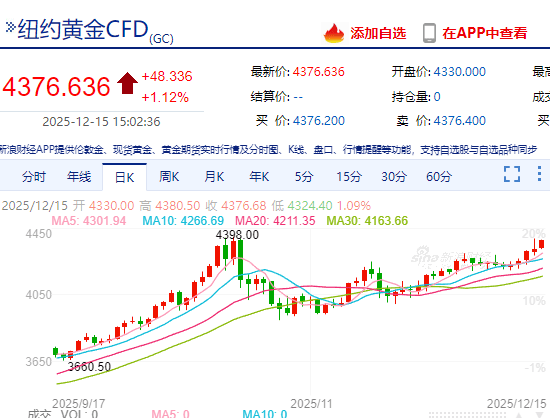
Group 1 - The Federal Reserve's cautious decision to lower interest rates by 25 basis points reflects the complex challenges facing the U.S. economy, marking the first rate adjustment since late 2024 [2][22] - The U.S. labor market remains weak, with only 22,000 non-farm jobs added in August, significantly below the expected 75,000, indicating a troubling employment landscape [4] - Inflation persists despite weak employment, with the Consumer Price Index (CPI) rising 2.9% year-on-year in August, the highest since January, and core CPI increasing by 3.1%, well above the Fed's 2% target [4] Group 2 - Tariff policies imposed by the U.S. government are contributing to rising domestic prices, with coffee prices increasing nearly 21% year-on-year in August due to tariffs on major coffee-exporting countries [6] - The independence of the Federal Reserve is under scrutiny due to political pressure from the Trump administration, which has raised concerns about the influence of politics on monetary policy decisions [6][7] Group 3 - Internal divisions within the Federal Reserve are evident, with most members predicting a potential rate drop to the 3.50-3.75% range by the end of 2025, while one member advocated for a more aggressive 50 basis point cut [7] - Following the rate cut announcement, financial markets experienced a "V-shaped" reaction, initially rising before reversing course, reflecting uncertainty about the U.S. economic outlook [8] Group 4 - International gold prices surged, with New York futures rising nearly $200 per ounce in September, surpassing the $3,700 mark, highlighting gold's appeal as a safe-haven asset amid economic uncertainty [11] - Global central banks are responding differently to the Fed's rate cut, with the Bank of Canada already lowering rates, while the European Central Bank remains cautious and the Bank of Japan continues its tightening policy [13] Group 5 - The depreciation of the U.S. dollar due to the Fed's rate cut is expected to provide upward pressure on the Chinese yuan, potentially benefiting the A-share market and bond market in China [15] - In the U.S., consumer confidence has significantly declined, with the University of Michigan's consumer sentiment index dropping 21% year-on-year, indicating growing concerns among American households [17] Group 6 - Experts warn that the challenges facing the U.S. economy are structural and cannot be resolved by a single rate cut, with predictions that CPI growth may continue to exceed the Fed's target in the coming months [19][20] - The impact of tariff policies is expected to become more pronounced, potentially exacerbating inflationary pressures and threatening long-term inflation expectations [20]
我们如何看待美国降息后,金银价格走势
2025-09-17 14:59
Summary of Key Points from Conference Call Industry Overview - The discussion revolves around the precious metals market, particularly gold and silver, in the context of U.S. monetary policy and global economic conditions [1][2][3]. Core Insights and Arguments - **U.S. Monetary Policy Outlook**: The Federal Reserve is expected to lower interest rates three times in 2025, potentially bringing the rate down to a range of 3.5% to 3.75% by year-end, contrasting with the previous year’s stronger dollar environment [1][5]. - **Global Economic Divergence**: The divergence in monetary policies among the U.S., European Central Bank (ECB), and Bank of Japan (BoJ) is highlighted, with the ECB pausing rate cuts and the BoJ maintaining rates after a hike in January 2025 [1][5]. - **Labor Market Trends**: The U.S. labor market is showing signs of cooling, with non-farm payroll data underperforming and an increasing unemployment rate, while the Eurozone is experiencing a decline in unemployment [1][6]. - **Manufacturing PMI**: The Eurozone's manufacturing PMI reached a three-year high of 50.7 in August 2025, driven by improvements in France and Germany, indicating a potential economic recovery [6][7]. - **Impact of Fed's Independence**: The independence of the Federal Reserve is under threat, which could weaken the dollar's credibility and the safe-haven status of U.S. Treasuries, leading to higher long-term bond yields [1][8]. Additional Important Points - **Investment Recommendations**: Investors are advised to continue holding or investing in undervalued gold and silver companies, as they are expected to benefit significantly from the current economic environment [2][9]. - **Historical Context**: The call references the market's reaction to the Fed's previous rate cuts in September 2024, where the dollar initially weakened but later strengthened due to market expectations surrounding political developments [4]. This summary encapsulates the key points discussed in the conference call, focusing on the implications for the precious metals market and investment strategies in light of evolving economic conditions.
【UNFX课堂】下周前瞻:通胀迷雾、央行分歧与地缘政治阴影
Sou Hu Cai Jing· 2025-08-17 09:20
Group 1 - The global financial markets are entering a phase of uncertainty and critical decision-making, influenced by unexpected U.S. inflation data, diverging monetary policies among major central banks, and potential geopolitical impacts [1] - The U.S. Consumer Price Index (CPI) showed a year-on-year increase of 2.5%, while core inflation rose by 2.7%, initially suggesting a clear path for a rate cut in September [2] - However, the Producer Price Index (PPI) unexpectedly surged by 0.9% month-on-month, with a core PPI year-on-year increase of 3.7%, indicating rising production costs and the reality of "tariff-induced inflation" [2][3] Group 2 - The unexpected rise in PPI, along with downward revisions in non-farm employment data, has diminished the likelihood of a September rate cut, leading to a shift in market sentiment from certainty to skepticism regarding rate cuts [3] - Risk assets, particularly cryptocurrencies, have been significantly impacted, reflecting their sensitivity to macroeconomic headwinds, while major U.S. stock indices show signs of hesitation and differentiation [3] - Geopolitical events, such as the meeting between Trump and Putin, could have immediate effects on oil prices, highlighting the direct impact of geopolitical stability on commodity markets [3] Group 3 - The Jackson Hole Economic Policy Symposium is expected to be a focal point for market participants seeking policy direction, with Fed Chair Jerome Powell's speech being particularly significant [4] - Powell's tone could either suppress rate cut expectations if he emphasizes inflation risks or provide relief to the market if he alleviates inflation concerns [4] - The Reserve Bank of New Zealand (RBNZ) is anticipated to cut rates by 25 basis points to 3%, marking it as another developed economy central bank adopting a loosening policy [5] Group 4 - The People's Bank of China (PBoC) is under scrutiny for potential additional stimulus measures to boost domestic demand and economic growth, which could significantly impact regional currencies and global commodity markets [5] - Producer Price Index (PPI) data from the UK and Germany will provide insights into European price trends, which could influence the European Central Bank's policy decisions [5] - Global PMI data will serve as a leading indicator for assessing the health of manufacturing and service sectors, providing further context for market conditions [5] Group 5 - The complexity of inflation, particularly "tariff-induced inflation," is challenging traditional monetary policy frameworks, as central banks strive to balance inflation control, growth support, and financial stability [6] - Geopolitical events add unpredictability to the market, necessitating investor vigilance regarding policy signals from the Jackson Hole Symposium and actions from various central banks [6] - The importance of flexibility in asset allocation and risk management is emphasized in the current high-volatility environment, where understanding macroeconomic trends and geopolitical dynamics is crucial for achieving stable returns [6]
多国利率调整步调不一 全球资产格局酝酿重塑
Group 1 - The core viewpoint of the articles highlights the divergence in monetary policy paths among major global economies, with a growing expectation for the Federal Reserve to initiate interest rate cuts in September, influenced by recent economic data and political statements [1][3][6] - The Australian central bank has lowered its benchmark interest rate by 25 basis points to 3.6%, marking its third cut this year, with expectations of further reductions in the coming year [2][3] - The Bank of Japan is maintaining its policy rate at around 0.5%, with a complex situation as it prepares to normalize its monetary policy, contrasting with the easing measures taken by other developed nations [2][3] Group 2 - The Federal Reserve's potential rate cut is anticipated to reshape global asset pricing, with discussions shifting from whether to cut rates to the extent and nature of the cuts [3][5][6] - The divergence in monetary policies, particularly the suggestion of a "U.S. rate cut and Japan rate hike" scenario, is expected to alter the global interest rate structure and influence capital flows and market sentiments [6][7] - If the Federal Reserve proceeds with rate cuts, it is projected to lead to increased liquidity in global financial markets, benefiting sectors such as high-growth technology stocks and potentially lowering U.S. Treasury yields [7]