跨界融合

Search documents
问界百万下线:高端新能源从“拼产品”走向“拼体系”
汽车商业评论· 2026-01-15 23:08
Core Viewpoint - The article emphasizes that in the high-end electric vehicle market, the focus should be on delivery and service quality rather than just sales volume, highlighting the importance of a stable operational system, supply chain resilience, and consistent manufacturing quality [4][6]. Group 1: Sales Milestones - The delivery of the 270,000th Wanjie M9 marks a significant milestone as it is also the 1,000,000th vehicle for the Wanjie brand, indicating a transition from growth to maturity for the company [6]. - Wanjie M9 has achieved remarkable sales, leading the market in the 500,000 yuan segment and capturing 70% of the sales in the over 500,000 yuan electric vehicle market [6][9]. - The growth trajectory of Wanjie is notable, with deliveries increasing from 76,200 units in 2022 to 944,000 units in 2023, and projected to exceed 420,000 units in 2025 [9]. Group 2: Product and Service Strategy - Wanjie has successfully launched multiple models, including the Wanjie M9, M8, and M7, creating a comprehensive product matrix that caters to various market segments [10]. - The company has established a smart service system with 375 user centers across 214 cities, enhancing customer experience through proactive service measures [10][11]. - Wanjie's approach combines product precision with comprehensive service coverage, resulting in a complete value loop that supports its rapid growth [11]. Group 3: Brand Positioning and Market Strategy - The Wanjie M9 has redefined the value logic in the high-end market by focusing on technological advancements rather than merely luxury branding [14]. - The vehicle features advanced technology, including Huawei's ADS 4 driving assistance system and a customizable interior layout, catering to diverse user needs [14][15]. - Wanjie has achieved high brand recognition and trust through strategic marketing initiatives, including collaborations with national platforms and cultural events [19][22]. Group 4: Manufacturing and Innovation - The production capabilities of Wanjie are supported by the Sairis Super Factory, which adheres to Industry 4.0 standards, ensuring high-quality and efficient manufacturing processes [17]. - The factory's automation and AI technologies enable consistent quality control and rapid response to market demands, addressing common challenges faced by new entrants in the automotive industry [17]. - Wanjie's integrated approach to technology, manufacturing, and branding has established a robust competitive advantage, positioning the company for sustained growth in the evolving automotive landscape [22].


跨界融合新模式展现中国汽车产业高质量发展
Zhong Guo Zhi Liang Xin Wen Wang· 2026-01-15 09:12
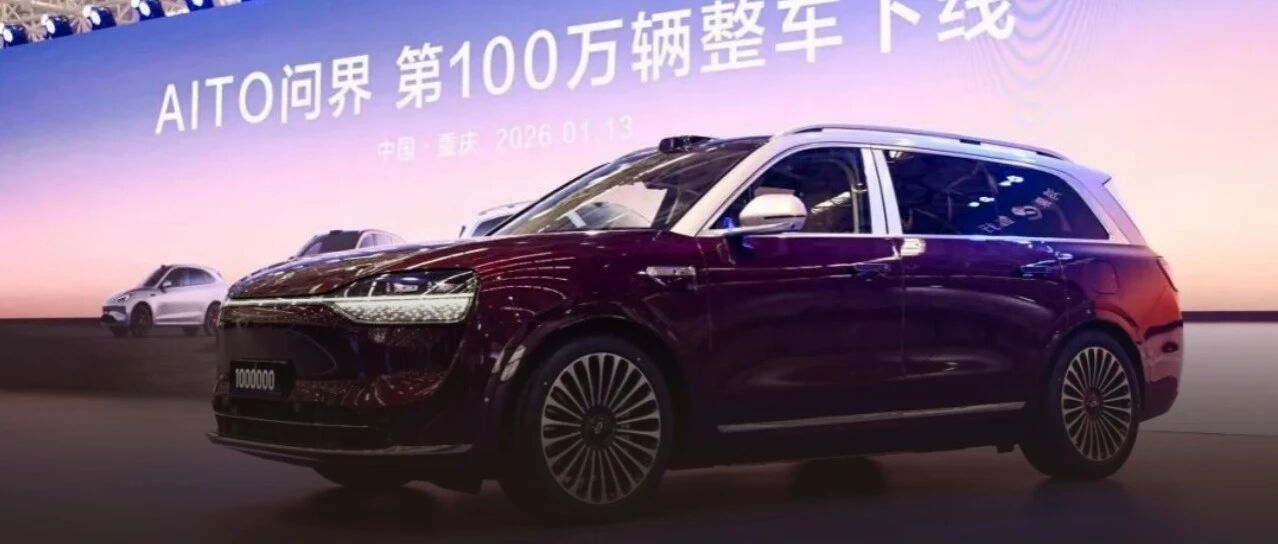
Group 1 - AITO Wanjie has achieved a significant milestone by rolling off its 1 millionth vehicle, specifically the Wanjie M9, from its factory in Chongqing, indicating a successful cross-industry integration model in China's automotive sector [1] - The company aims to reach its second million vehicle target within two years, building on the five-year timeline it took to achieve the first million [1][3] - Wanjie has established a diverse product lineup, including the Wanjie M5, M7, M8, and M9, covering price ranges from 200,000 to 600,000 yuan, and has gained the trust of over one million users [1][2] Group 2 - Wanjie emphasizes high safety and quality standards, claiming to have avoided over 2.6 million potential collisions through its advanced driver assistance systems, which have accumulated over 5 billion kilometers [2] - The company has developed a smart service system with nearly 400 service outlets nationwide and plans to provide proactive service reminders 250,000 times by 2025, saving users 360,000 hours in maintenance time [2] - Wanjie is positioned as a key player in the Chongqing "33618" modern manufacturing cluster, driving supply chain upgrades and regional economic development through strategic partnerships with companies like Huawei, Ningde Times, and Bosch [2][3]

一杯咖啡里的消费新图景
Sou Hu Cai Jing· 2026-01-15 01:16
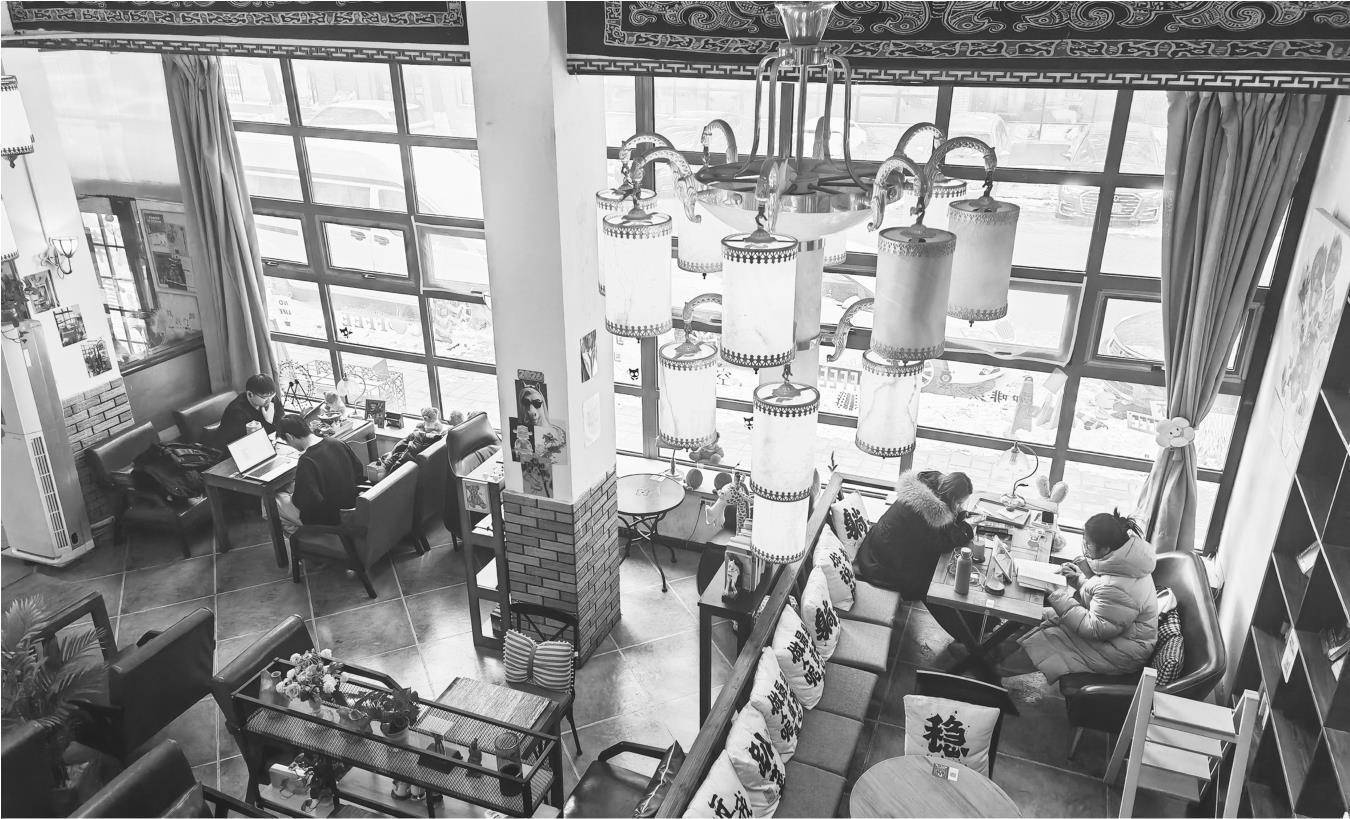
Core Insights - The coffee market in Liaoning, particularly in Shenyang and Dalian, is experiencing significant growth, with over 2800 and 2600 coffee shops respectively, and a projected 76.28% increase in coffee delivery orders by 2025 [3][4][11] Market Dynamics - The rise in coffee consumption is attributed to a younger demographic, with consumers aged 18 to 30 in Dalian consuming over 20,000 cups daily [5] - The affordability of coffee has improved, with prices dropping from 30-40 yuan to as low as 9.9 yuan, driven by increased competition and the expansion of delivery services [4][11] Innovative Business Models - Coffee shops are diversifying their offerings by integrating with other sectors, such as bookstores, art galleries, and pet cafes, to enhance customer experience [6][7][8] - Unique concepts like the "cat café" in Anshan and the "coffee + art" model in Shenyang are attracting diverse customer bases [7][8] Cultural Integration - Local coffee shops are embedding cultural and historical elements into their designs, enhancing their appeal and creating a distinctive identity for the regions [8][9] - The "Eight Classics Coffee Alley" in Shenyang, featuring historical architecture, attracts over 2 million visitors annually, with a sales revenue exceeding 200 million yuan [8] Industry Growth Projections - The national coffee industry is expected to reach a scale of 369.3 billion yuan by 2025, with an average per capita coffee consumption nearing 30 cups [11] - Educational initiatives and events, such as coffee tasting sessions, are on the rise, with a 20% annual increase in student enrollment at coffee academies [11][12] Supply Chain Development - Liaoning has developed various segments of the coffee supply chain, including roasting facilities and self-service coffee machines, contributing to a more robust industry ecosystem [12]
百万辆里程碑背后的产业范式创新
Xin Lang Cai Jing· 2026-01-14 20:45
站在百万辆整车下线的新起点,我们关注的远不止下一个百万辆的速度,我们更期待看到,这种以开放 融合应对时代变革的模式,能否实现持续进化,为全球汽车产业的百年变局贡献更具普适性的智慧与答 案。 (王淼) 这一突破的背后,是对产业核心竞争力的系统性重构。问界所展现的,不仅是产品矩阵的快速落地与市 场占位,更是在智能安全、用户生态、产业链协同等方面构建的体系化能力。它通过"链主"效应带动区 域产业集群升级,为观察中国汽车产业如何从"市场规模领先"迈向"技术范式与产业生态引领",提供了 一个鲜活的样本。 然而,里程碑亦是新考卷的开始。当跨界融合的模式优越性被初步证实,其未来的挑战将更为深刻:如 何持续深化技术护城河、优化盈利模型,并在全球市场的复杂竞争中保持战略定力与创新活力?问界的 下一步,既关乎自身可持续发展的韧性,亦在相当程度上影响着中国汽车产业高端化、智能化路径的宽 度与深度。 (来源:经济参考报) 1月13日,AITO问界品牌第100万辆整车下线,这不仅是一个企业迈入规模化新阶段的数字刻度,更是 以"跨界融合"新模式驱动结构性变革的一次标志性突破。 从更深层次看,问界百万辆整车下线的跨越,标志着"车企+科技企 ...
问界品牌第100万辆整车下线,跨界融合模式引关注
Zhong Guo Qing Nian Bao· 2026-01-14 14:02
Core Insights - The AITO brand, co-created by Seres and Huawei, celebrated the production of its one millionth vehicle, the AITO M9, in Chongqing, achieving a significant milestone in just 46 months since its first model launch [2] - The brand aims to reach a second million vehicles within two years, indicating strong growth ambitions and a commitment to the high-end smart vehicle market [2] - AITO's sales performance has positioned it among the top three new force brands in China, with a monthly sales target of over 50,000 units by December 2025 [2] Industry Analysis - The success of AITO reflects the evolving competitive landscape of the automotive industry, driven by the integration of traditional manufacturing capabilities with cutting-edge technology and software ecosystems [3] - The collaboration between traditional automakers and tech companies is fostering new product forms and cooperative paradigms, particularly in the context of electrification and intelligent transformation [3]
赛力斯董事长张兴海:跨界融合推动问界迈向百万辆里程碑
Zhong Guo Jing Ying Bao· 2026-01-14 06:38
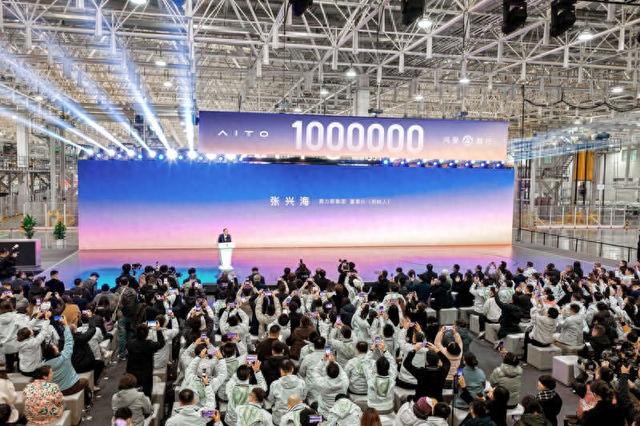
Core Insights - The milestone of reaching one million vehicles is a vivid practice of cross-industry integration, demonstrating rapid growth in both speed and scale, as well as achieving new heights in the high-end market and quality [1] - The rapid development of the AITO brand is attributed to the close collaboration between Seres and Huawei, which has created a new paradigm for cooperation in the Chinese automotive industry since 2021 [1][2] - The AITO series, including models M5, M7, M8, and M9, has gained the trust of one million users within just 46 months, covering a price range from 200,000 to 600,000 yuan [1] Company Performance - The AITO M9 has been the sales champion in the 500,000 yuan segment for 21 consecutive months, with a total of 270,000 units delivered since its launch [2][3] - The AITO M8 has maintained its position as the sales champion in the 400,000 yuan segment for six months, while the M7 has surpassed 400,000 cumulative deliveries [2] Future Outlook - AITO plans to continue focusing on three core values: serving users wholeheartedly, prioritizing user pride and safety, and adhering to the philosophy that "safety is the greatest luxury" [4] - The brand aims to deepen its strategic cooperation with Huawei and expand its global market presence, with plans to develop and launch new models tailored to different regions [4] - AITO is committed to transforming into an "AI-driven vehicle" and leveraging advanced production capabilities at the Seres Super Factory to continuously produce high-end smart electric vehicles [4]
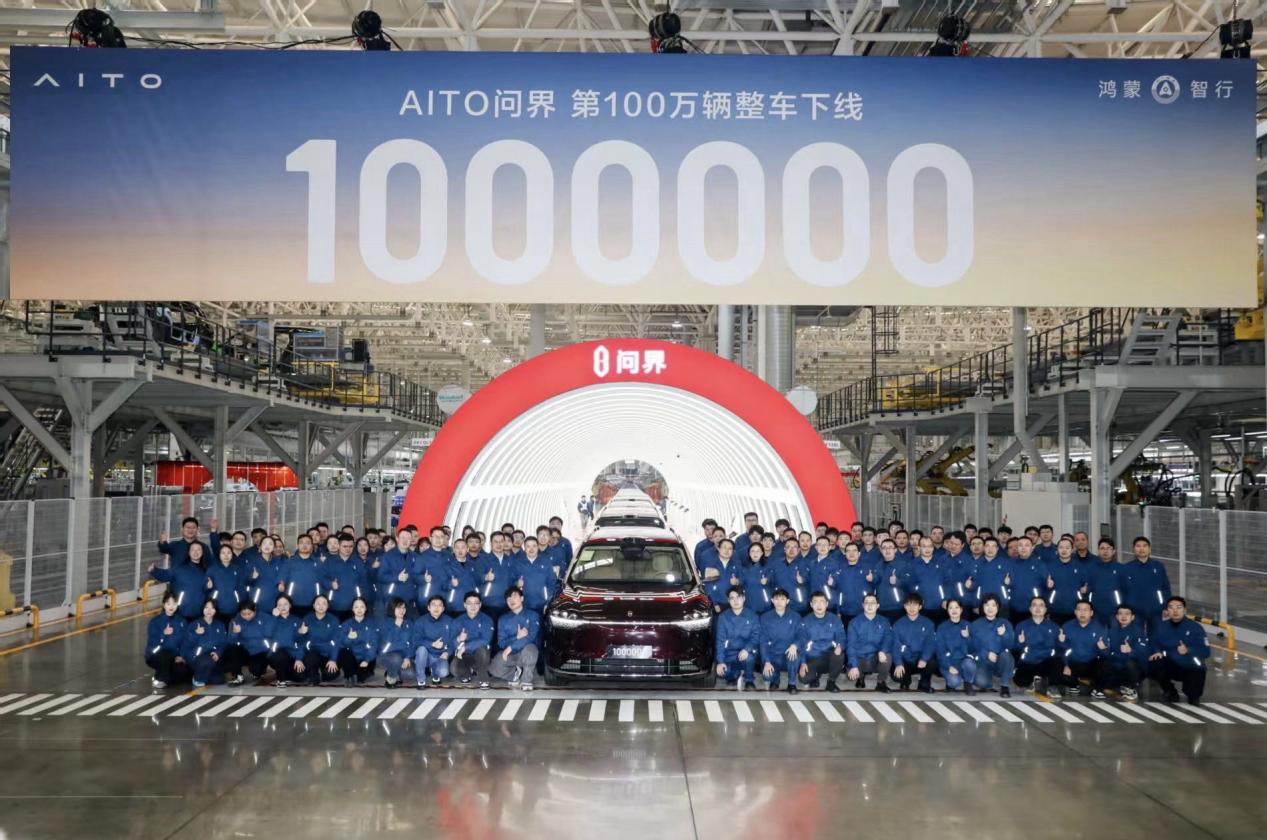
跨界融合新模式达成百万里程碑,AITO问界第100万辆整车下线
Zhong Guo Qi Che Bao Wang· 2026-01-14 02:07
Core Insights - AITO achieved a significant milestone with the production of its one-millionth vehicle, the AITO M9, marking a successful implementation of a cross-industry integration model in the Chinese automotive sector [1][3][5] Group 1: Milestone Achievement - The one-millionth vehicle milestone was celebrated at the Seres Super Factory, highlighting the rapid growth of AITO as a pioneering cross-industry brand [1][3] - AITO's growth is attributed to its innovative cross-industry integration model, developed through deep collaboration with Huawei since 2021 [5][7] Group 2: Product Performance - AITO's product lineup, including the M5, M7, M8, and M9, covers a price range of 200,000 to 600,000 yuan, gaining the trust of one million users in just 46 months [7] - The AITO M9 has been the sales champion in the 500,000 yuan category for 21 consecutive months, while the M8 and M7 have also achieved significant sales milestones [7] Group 3: Value Redefinition - AITO is redefining the value system of high-end smart vehicles, emphasizing safety as the ultimate luxury and enhancing user experience through advanced technology [9][11] - The company has implemented a comprehensive intelligent safety system, preventing over 2.6 million potential collisions and covering more than 5 billion kilometers with its assisted driving features [9] Group 4: User Engagement and Service - AITO has innovated user engagement by establishing direct communication channels and a smart service system, with nearly 400 service stores nationwide [11][13] - The brand has consistently ranked first in brand development confidence and net promoter score (NPS), reflecting strong user recognition of its "smart redefined luxury" concept [13] Group 5: Future Strategy - Moving forward, AITO aims to achieve its second million vehicles in two years, continuing its strategic partnership with Huawei and focusing on high-end smart electric vehicles [14][16] - The company plans to develop new models tailored to various markets and enhance its capabilities in AI-driven automotive technology [14][16]
问界第100万辆整车下线 开启跨界融合高质量发展新篇章
Zheng Quan Shi Bao Wang· 2026-01-13 08:40
Core Insights - AITO achieved a significant milestone with the production of its one-millionth vehicle, the AITO M9, marking a successful implementation of a cross-industry integration model in the Chinese automotive sector [1][3] - The collaboration between Seres and Huawei has led to a unique deep cooperation mechanism, enabling rapid growth and high-quality development in the automotive market [3][4] Group 1: Milestones and Achievements - The AITO M9 has reached a delivery milestone of 270,000 units, while the M5, M7, and M8 models have collectively gained significant market traction [1][4] - AITO has maintained a strong market presence, with the M9 being the sales champion in the 500,000-level category for 21 consecutive months [4] Group 2: Strategic Collaborations - The partnership between Seres and Huawei has fostered a new paradigm of "cross-industry integration," enhancing both automotive manufacturing and smart technology [3][5] - AITO is positioned as a key player in the Chongqing "33618" modern manufacturing cluster, driving technological upgrades among core suppliers and enhancing regional economic development [5] Group 3: Future Plans and Commitments - AITO aims to achieve its second million-vehicle target within two years, focusing on user service, safety, and high-end vehicle production [5] - The company plans to expand its model development and overseas market presence while maintaining a commitment to high-quality service for its users [5]
市场规模达3126亿 宠物经济跨界融合掀热潮
Xin Lang Cai Jing· 2026-01-09 20:47
Core Insights - The pet industry in China is experiencing rapid growth and structural upgrades, with key themes including "human-pet friendliness," "full integration," and "value deepening" [1][3] - The pet exhibition market is booming, with events like the Asia Pet Expo and the Great Wall Pet Expo becoming significant industry indicators [2][3] - The pet consumption market is projected to reach 312.6 billion yuan in 2025, with a growth rate of 4.1% compared to 2024, and is expected to reach 405 billion yuan by 2028 [1] Industry Trends - The pet industry is undergoing a profound transformation characterized by boundary-breaking and elevation, with technology as a core driver and policy support providing unprecedented strategic opportunities [3] - The 2025 Asia Pet Expo highlights trends such as the integration of smart technology, refined feeding practices, and a new phase of brand building driven by emotional and value-based connections [2][3] - The industry is witnessing a new wave of expansion, with companies like Biedan Pet and Zhongchong Co. ramping up production, and external capital entering the market [4][5] Market Dynamics - The competition in the pet industry is intensifying, leading to a decline in the number of pet stores and their revenue, indicating a correction phase within the pet economy [6] - The pet consumption landscape is evolving, with a shift from basic feeding to fulfilling emotional and high-quality living needs for pets, leading to new service offerings and retail experiences [7][8] - The concept of "human-pet friendliness" is becoming a commercial infrastructure, influencing travel, hospitality, and social spaces, thereby enhancing consumer experiences [8] Future Outlook - The pet industry is expected to see breakthroughs in 2026, focusing on specialized consumer needs, professional nutrition, and continuous innovation in consumption scenarios [9]
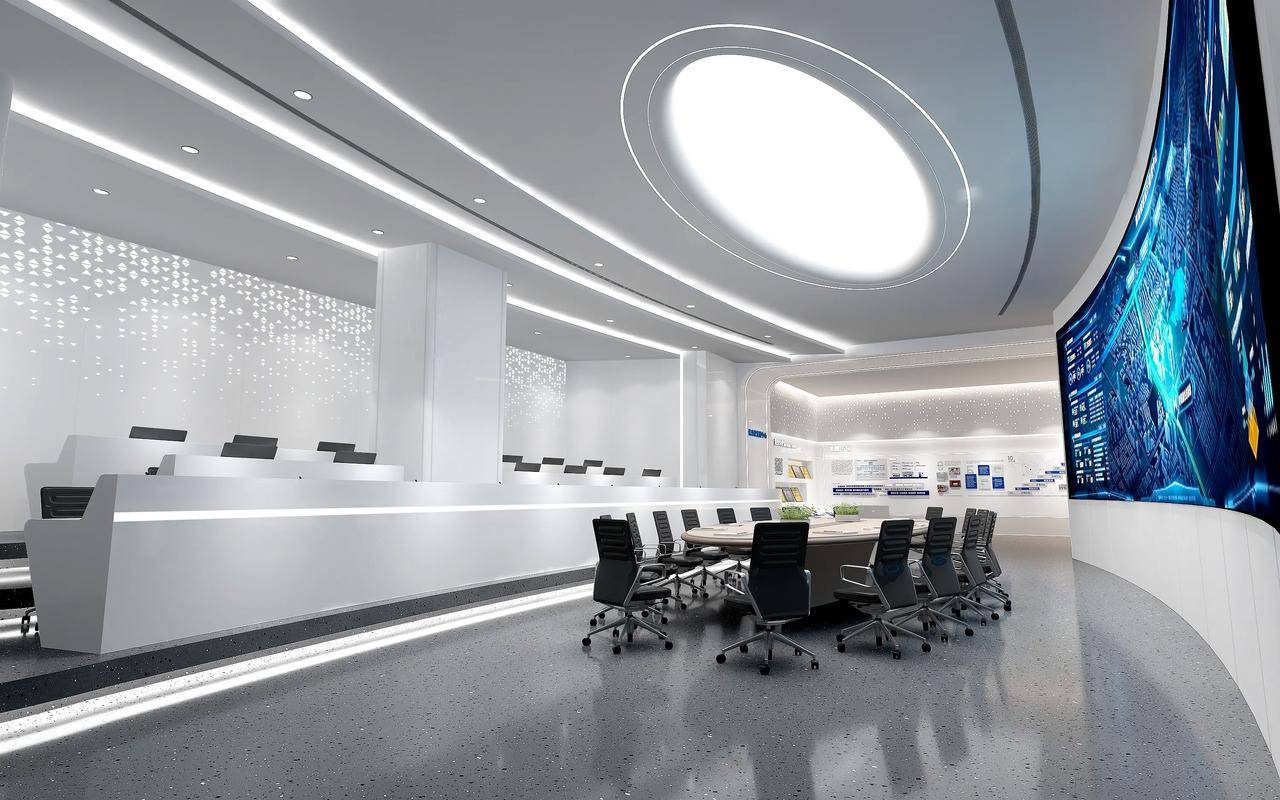
广州多媒体2026年展厅设计趋势分析,壹码视界引领创新潮流
Sou Hu Cai Jing· 2026-01-09 14:46
Group 1 - The core viewpoint of the article highlights the emerging opportunities in the Guangzhou multimedia exhibition design industry driven by technological advancements and the growing demand for innovative display methods [1] Group 2 - The trend of digitalization and intelligence in exhibition design will focus on personalized visitor experiences through technologies like big data and artificial intelligence, including features like facial recognition for customized content [2] - Immersive experiences will become a key trend, utilizing virtual reality (VR) and augmented reality (AR) to enhance audience engagement and satisfaction [3] - Environmental sustainability will permeate all aspects of exhibition design, using renewable materials and energy-efficient systems to reduce operational costs and enhance corporate social responsibility [4] - Cross-industry integration will redefine exhibition design, combining elements from art, technology, and education to create multifunctional spaces that cater to diverse audience needs [5] Group 3 - 壹码视界 (Beijing) Cultural Media Co., Ltd. has successfully designed exhibition projects for several Fortune 500 companies, exemplified by an innovation center exhibition that employs the latest VR and AR technologies for an immersive visitor experience [6] - The company has also designed exhibition spaces for prominent state-owned enterprises, showcasing green design principles through the use of renewable materials and advanced energy-saving equipment [7] - 壹码视界 created the Tsinghua University History Museum, utilizing multimedia technology to vividly present the university's development history, enhancing visitor interaction and engagement [8] Group 4 - Other notable exhibition design companies include博展国际展览工程有限公司, known for high-end exhibition design and comprehensive service [10] - 华艺展览设计有限公司, recognized for innovative design concepts that blend modern technology with traditional culture [11] - 思创展览设计有限公司, which focuses on creativity and unique design solutions [12] - 瑞翔展览设计有限公司, praised for professional service and efficient execution [13] - 天马展览设计有限公司, dedicated to providing comprehensive exhibition solutions tailored to client needs [14] Group 5 - The Guangzhou multimedia exhibition design industry is set to embrace new trends in 2026, with digitalization, intelligence, immersive experiences, environmental sustainability, and cross-industry integration as the main directions [16]