
AI转型

Search documents
华尔街点评甲骨文财报:看似超预期,实则利润“虚胖”,投资逻辑已从“看订单”转向“看兑现”
Hua Er Jie Jian Wen· 2025-12-11 08:58
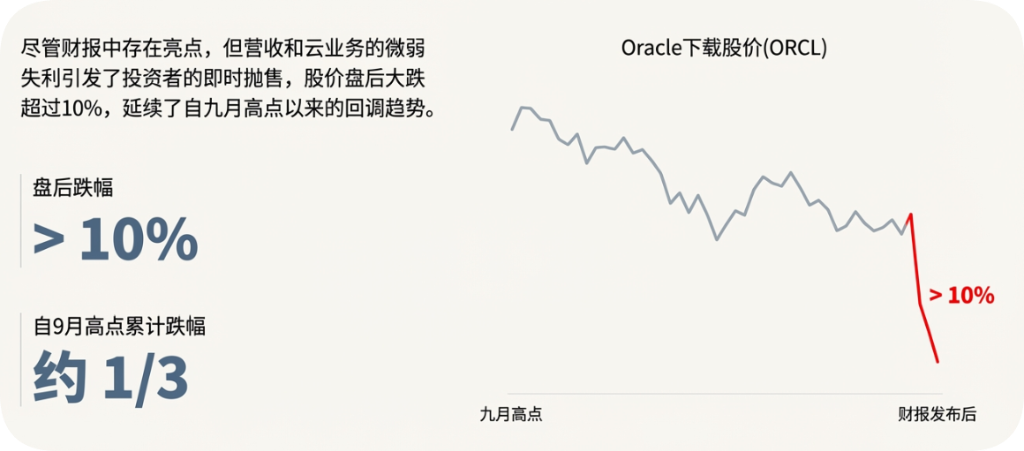
Core Insights - Oracle's stock plummeted over 10% after the earnings report, prompting several investment banks to lower target prices or reassess their ratings [1] - Concerns have shifted from order growth to conversion efficiency, with a significant increase in RPO but doubts about sustainable profit generation [2][6] - The discrepancy between strong EPS and weak core profitability raises questions about the underlying business health [3][4] Financial Performance - Oracle reported a record RPO of $523 billion, with new orders increasing by $67.7 billion, driven by AI-related purchases from major companies like Meta and Nvidia [2] - Total revenue grew by 13% year-over-year, but cloud infrastructure revenue of $4.079 billion fell short of market expectations [2][3] - Non-GAAP EPS reached $2.26, significantly exceeding the expected $1.65, primarily due to $2.7 billion in non-recurring gains from the sale of Ampere shares [3] Capital Expenditure and Cash Flow - Capital expenditures surged to $12 billion, a 200% increase year-over-year, leading to negative free cash flow of -$10 billion [3][4] - Management raised the capital expenditure target for FY2026 to $50 billion, which is 75% of the expected annual revenue, indicating a mismatch between high investment and slow revenue conversion [3][4] Market Reactions and Valuation Adjustments - Investment banks have collectively downgraded target prices, reflecting a shift in valuation logic from premium based on order potential to discount due to realization risks [6][7] - UBS maintained a "Buy" rating but lowered the target price from $380 to $325, while Bank of America also retained its "Buy" rating with a target price cut from $368 to $300 [6][7] - Morgan Stanley has placed its rating and target price under review, expressing concerns over order conversion and margin trends [6][7] Future Outlook - UBS and Bank of America remain optimistic about the long-term potential of Oracle's $523 billion RPO, anticipating recovery as OCI growth accelerates [6][7] - Morgan Stanley emphasizes the need for clearer signals of revenue growth, stable margins, and positive cash flow to rebuild confidence in Oracle's AI business profitability [7]


埃森哲朱虹:企业AI转型最大挑战在于“不确定性”,可能导致无法想象的结果
Xin Lang Cai Jing· 2025-12-09 12:40
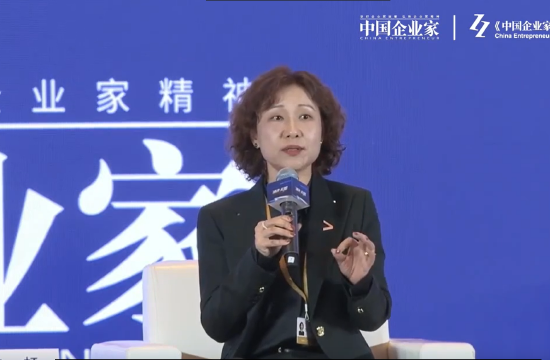
专题:2025《中国企业家》影响力企业家年会 责任编辑:李昂 专题:2025《中国企业家》影响力企业家年会 12月5日-7日,由《中国企业家》杂志社主办的"2025(第二十三届)《中国企业家》影响力企业家年 会"(原中国企业领袖年会)在北京举行,主题为"涌现·无限——共创智能商业新形态"。埃森哲全球副 总裁、大中华区主席朱虹出席并演讲。 她认为对今天企业应该专注三点,一是核心高管层对于AI的战略认知和战略领导力;二是数据和人才 队伍的构建能力和构建速度;三是企业和组织有没有拥抱不确定性的勇气和能力。 12月5日-7日,由《中国企业家》杂志社主办的"2025(第二十三届)《中国企业家》影响力企业家年 会"(原中国企业领袖年会)在北京举行,主题为"涌现·无限——共创智能商业新形态"。埃森哲全球副 总裁、大中华区主席朱虹出席并演讲。 朱虹指出,企业AI转型最大的挑战就是不确定性,可能带来无法想象的结果。 她认为对今天企业应该专注三点,一是核心高管层对于AI的战略认知和战略领导力;二是数据和人才 队伍的构建能力和构建速度;三是企业和组织有没有拥抱不确定性的勇气和能力。 新浪声明:所有会议实录均为现场速记整理,未经演讲 ...

江淮汽车项兴初:以品质品牌塑造高质量发展新范式
Jing Ji Wang· 2025-12-08 09:44
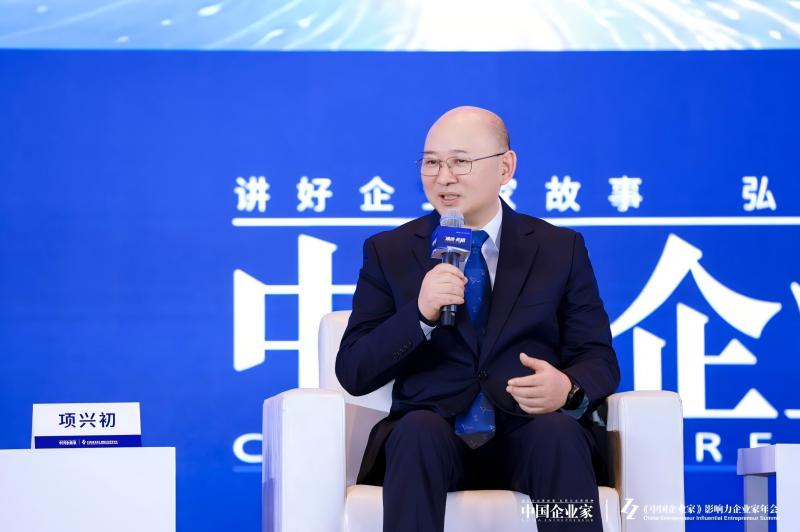
12月6日至7日,2025(第二十三届)影响力企业家年会(原中国企业领袖年会)在北京举行。 活动期间,江汽集团控股公司党委书记、董事长、总经理项兴初应邀出席,并围绕"寻找高质量发展新范 式"话题,与多位专家以及行业优秀企业家就汽车产业发展、AI转型、汽车出海等话题进行了深入探讨,并重点分 享了江淮汽车的战略思考与实践。 项兴初认为,高质量发展的本质在于高水平的可持续发展。对汽车产业而言,其核心是告别低水平扩张,走 向以创新引领、品质驱动、绿色低碳为特征的新阶段。 项兴初介绍,为了打造尊界S800这款标杆产品,江汽与华为联合全球一流供应链伙伴,组建了超过5000人的 专项研发团队,将智能科技深度融入用户体验的每一处细节,致力于实现可感知、可共鸣的"科技豪华"。 市场的反馈是最有力的证明。尊界S800自上市以来,表现持续超出预期,上市175天累计大定订单突破1.8万 台。这一成绩,在百万级豪华车市场这一长期由国外传统品牌主导的领域,堪称里程碑式的突破。 关于企业如何实现可持续成功,项兴初也从三个方面进行了总结与分享。一是产品线拓展。江淮汽车将通过 持续打造精品爆款,强化品牌在消费者心中的认知基础。二是要加大创新投 ...

考公爆火,考公机构却出问题了
商业洞察· 2025-12-07 09:23
Core Viewpoint - The article discusses the challenges faced by Zhonggong Education, a leading training institution for civil service examinations in China, highlighting issues related to refund difficulties, declining revenues, and the impact of a flawed business model on its financial health [5][18][25]. Group 1: Company Overview - Zhonggong Education was established in 1999 and initially thrived by offering training for civil service exams, expanding into various educational sectors and becoming a benchmark in vocational education [20][21]. - The company introduced a "no pass, no fee" agreement model, which was seen as innovative and attracted many students, leading to rapid growth and a peak market valuation exceeding 260 billion yuan [21][24]. Group 2: Financial Performance - From 2021 to 2024, Zhonggong's revenue declined for four consecutive years, with year-on-year decreases of 38.3%, 30.19%, 36.03%, and 14.89% respectively [24]. - The company reported a significant drop in sales revenue from 270 billion yuan to 50 billion yuan, indicating severe financial distress [23]. - As of 2025, the company had a pending refund liability of 482 million yuan, exacerbating its financial burden [25]. Group 3: Refund Issues - Zhonggong Education has faced over 100,000 complaints related to refund difficulties, with many students reporting delays and partial refunds [18][25]. - The refund rate exceeded 65% starting in 2021, meaning that for every three agreements, two required refunds, leading to a backlog of refund requests [25]. - Legal disputes related to refunds have surged, with 575 cases reported, involving a total of 11.5 million yuan [19]. Group 4: Market Dynamics - Despite the increasing number of candidates for civil service exams, Zhonggong's business has contracted, with employee numbers dropping from 45,000 to 7,888 and branch offices reduced from 1,669 to 681 [30]. - The competitive landscape has shifted, with new entrants and personal brands leveraging low-cost strategies, further straining Zhonggong's market position [39][40]. Group 5: Future Prospects and AI Initiatives - In response to declining revenues, Zhonggong is exploring AI-driven educational tools, although initial market feedback has been lukewarm [41][44]. - The company is undergoing organizational restructuring to adapt to the changing market, focusing on AI integration and improving operational efficiency [44][45].

机构:钢铁行业未来存在估值修复的机会
Zheng Quan Shi Bao Wang· 2025-12-04 00:55
Core Viewpoint - The steel industry in China is currently facing supply-demand contradictions, but with the implementation of "stabilizing growth" policies, steel demand is expected to remain stable or slightly increase, supported by real estate stabilization, steady infrastructure investment, continuous manufacturing development, and high steel exports [1] Group 1: Production and Demand - In October, China's stainless steel crude steel production reached 3.6244 million tons, an increase of 78,700 tons month-on-month, representing a growth of 2.22% [1] - The overall profit of the steel industry is declining, but the total steel demand is anticipated to remain stable due to various supportive factors [1] Group 2: Supply and Industry Structure - The supply side is expected to tighten under the influence of policy expectations, leading to increased industry concentration [1] - The macro trend of high-quality economic development and new productive forces is expected to benefit high-end steel products, particularly those with high barriers and added value [1] Group 3: Investment Opportunities - The steel industry is expected to see a stable and improving industrial pattern, with some companies currently undervalued, presenting structural investment opportunities [1] - Companies with high gross margins and strong cost control, as well as leading steel enterprises benefiting from economies of scale, are likely to have valuation recovery opportunities in the future [1] Group 4: Long-term Outlook - Under the ongoing supply-side "anti-involution," steel production capacity is concentrating on quality leading companies [1] - On the demand side, special steel is expected to benefit from manufacturing upgrades and AI transformation, while leading companies in the ordinary steel sector may benefit from improvements in the industry supply-demand structure in the medium to long term [1]
埃森哲成了OpenAI的“布道者”,中国的“华与华”们却在卖营销方案 | 马上评
Tai Mei Ti A P P· 2025-12-03 01:11
Core Insights - OpenAI and Accenture have formed a strategic partnership aimed at accelerating AI transformation in Western enterprises, marking a potential new era for AI adoption in the region [1][3]. Group 1: Partnership Details - Accenture will equip its thousands of IT professionals with ChatGPT Enterprise and act as OpenAI's primary partner to help global businesses adopt and deploy generative AI technology [3]. - The collaboration aims to address key challenges faced by enterprises in effectively integrating AI into their workflows, moving beyond mere technical licensing [3][4]. Group 2: Challenges in AI Transformation - Many enterprises struggle to realize significant business value from AI, often limiting their efforts to pilot projects without achieving scalable applications [3][4]. - A lack of understanding among executives regarding the complexities of AI transformation leads to underestimating the challenges of data governance, talent acquisition, and cross-department collaboration [4][5]. - AI transformation requires deep involvement from top management to align strategy, allocate resources, and foster a culture that supports continuous iteration and scaling [4][5]. Group 3: Talent and Organizational Barriers - There is a scarcity of cross-disciplinary talent who understand both AI technology and business needs, making it difficult for companies to fill this gap through short-term hiring [5][6]. - Organizational inertia and departmental silos hinder the effective application of AI, as different departments often operate independently, preventing end-to-end optimization of business processes [5][6]. Group 4: Comparison of Global Approaches - Western enterprises are generally more willing to invest in consulting services to address internal management and operational challenges, while Chinese companies tend to rely on internal teams and lack systematic planning for AI transformation [6][7]. - Accenture's recent financial report indicates a threefold increase in revenue related to generative AI and a significant investment plan to optimize its business for AI-related initiatives [7][8]. Group 5: Market Dynamics in China - Chinese enterprises possess unique advantages in AI, such as vast data resources and market potential, but face challenges in professional consulting services for deep process transformation [7][8]. - The lack of specialized consulting firms in China limits the ability to effectively implement AI transformations, as many local firms focus on short-term projects rather than long-term strategic investments [8].

考公爆火,考公机构却爆雷了
盐财经· 2025-12-02 10:07
Core Viewpoint - The article discusses the challenges faced by the public examination training industry, particularly focusing on the experiences of a student named Li Yi with a leading training institution, Zhong Gong Education, highlighting issues related to refund difficulties and the decline of the company's financial health [3][6][17]. Group 1: Company Overview - Zhong Gong Education is a leading provider of training services for national and provincial civil service examinations, having established itself as a benchmark in the vocational education sector since its inception in 1999 [5][20]. - The company experienced rapid revenue growth, peaking at nearly 27 billion yuan, and was once valued at over 260 billion yuan after going public in 2019 [22][23]. - The business model of "money-back guarantee" for training programs was initially seen as innovative, significantly reducing the risk for students and attracting a large number of enrollments [20][21]. Group 2: Financial Challenges - Since 2021, Zhong Gong Education has faced a continuous decline in revenue, with year-on-year decreases of 38.3%, 30.19%, 36.03%, and 14.89% from 2021 to 2024 [26]. - The company reported a total of 700 new litigation and arbitration cases from January 25 to July 15, 2025, with a total amount involved reaching 53.8 million yuan, which is 7.43% of its audited net assets for 2024 [18][19]. - The refund rate has surged, exceeding 65% since 2021, indicating that for every three payments received for guarantee programs, two had to be refunded [27]. Group 3: Operational Issues - Complaints regarding refund difficulties have become a prominent issue for Zhong Gong Education, with over 100,000 complaints related to refunds on consumer complaint platforms [17][18]. - The company has implemented a new refund policy, where students who enrolled in guarantee programs from 2022 to 2023 can only receive partial refunds, significantly extending the waiting period for refunds [33]. - The operational chaos during training sessions, including disorganized logistics and inadequate facilities, has led to dissatisfaction among students [8][10]. Group 4: Market Dynamics - The public examination training market is becoming increasingly competitive, with new entrants and alternative training methods emerging, leading to a decline in Zhong Gong Education's market share [40][41]. - The company is attempting to pivot towards AI-driven educational tools, but initial market responses have been lukewarm, and the financial impact of these new initiatives remains uncertain [42][43]. - The overall trend in the public examination sector indicates a growing number of candidates, with 2.83 million participants expected for the 2026 civil service examination, yet this has not translated into improved financial performance for Zhong Gong Education [30][33].


品牌资产指数首发布,深圳成立“首发经济服务中心”
Nan Fang Du Shi Bao· 2025-12-02 06:24
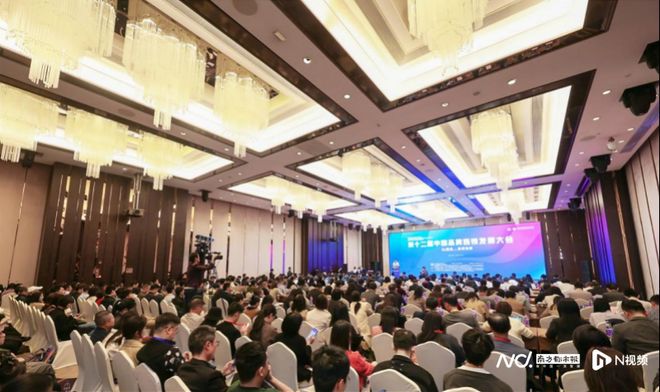
Core Insights - The 12th China Brand Chain Development Conference was held in Shenzhen, focusing on high-quality development of consumer brands through the launch of the "China Brand Asset Price Index" and the "China Consumer Brand Empowerment Plan" [1][3][10] Group 1: Brand Asset Pricing - The "China Brand Asset Price Index" was introduced as a systematic solution to quantify brand value and establish pricing in the capital market, developed by the China Human Rights Development Foundation [3] - The index is based on the theory that "the essence of a brand is information," utilizing three dimensions: brand information volume, unit information price, and industry price average, covering 32 representative industries [3] - This index is the first purely price-oriented brand index, addressing the gap in pricing for intangible brand assets [3] Group 2: Empowerment Plan - The "China Consumer Brand Empowerment Plan" was launched to address brand development challenges, focusing on ten empowerment directions to create a full-service system [5] - The plan emphasizes new trends such as the silver economy and instant retail, providing comprehensive support from strategy to financing and global expansion [5] - The establishment of the "First Economic Service Center" aims to integrate government and enterprise resources to support innovative models like brand launches and IP collaborations [5] Group 3: AI and Transformation - The conference highlighted the role of AI in driving business transformation, with examples of companies leveraging AI for operational efficiency and product innovation [9] - AI is recognized as a consensus for industry transformation, with companies like Baima Tea and Zhixingli showcasing their digitalization journeys [9] - The event featured a brand and service area for resource matching, demonstrating a complete ecosystem of "brand-technology-service" [9] Group 4: Industry Trends and Future Directions - The conference outlined three major paths for industry transformation: embracing cross-industry integration with policies, reshaping business models with AI, and creating emotional new scenes through culture [10] - The promotion of the "China Brand Asset Price Index" and the implementation of the empowerment plan are expected to accelerate the transition of consumer brands from "product output" to "value output" in the global market [10]
理想汽车-W(02015.HK)2025年三季报点评:业绩短期承压 构建具身智能完整AI系统
Ge Long Hui· 2025-11-28 19:58
Core Insights - Li Auto reported Q3 2025 revenue of 27.36 billion yuan, with a year-on-year decline of 36.2% and a quarter-on-quarter decline of 9.5% [1] - Vehicle sales revenue was 25.87 billion yuan, down 37.4% year-on-year and 10.4% quarter-on-quarter [1] - The company recorded a net loss of 620 million yuan, with Non-GAAP net profit at -360 million yuan, marking a shift to loss compared to previous periods [1] Financial Performance - Gross margin for Q3 2025 was 16.3%, down 5.2 percentage points year-on-year and 3.7 percentage points quarter-on-quarter [1] - Automotive sales gross margin was 15.5%, reflecting a decrease of 5.4 percentage points year-on-year and 3.9 percentage points quarter-on-quarter [1] - The decline in gross margin was primarily due to increased unit manufacturing costs from the MEGA recall and reduced production [1] Cost Management - R&D expenses for Q3 2025 were 2.97 billion yuan, up 15.0% year-on-year and 5.8% quarter-on-quarter, driven by new model project timelines and increased product and technology costs [1] - Selling, general, and administrative expenses were 2.77 billion yuan, down 17.6% year-on-year but up 1.9% quarter-on-quarter [1] Sales and Production - The company achieved wholesale sales of 93,000 vehicles in Q3 2025, with an average revenue per vehicle of 278,000 yuan [1] - The average gross profit per vehicle was 43,000 yuan [1] Organizational Strategy - The company plans to revert to a startup management model starting Q4 2025, focusing on deep dialogue, user value, efficiency, and identifying key issues [1] - Li Auto is developing the M100 chip, designed for embodied intelligence, currently undergoing large-scale system testing, with commercial use expected in 2026 [1] Earnings Forecast and Investment Rating - Revenue forecasts for 2025-2027 have been revised down to 113.4 billion, 138.1 billion, and 191.2 billion yuan, reflecting year-on-year changes of -22%, +22%, and +39% respectively [2] - Net profit forecasts for the same period have been reduced to 900 million, 1.6 billion, and 6.4 billion yuan, with year-on-year changes of -90%, +86%, and +302% respectively [2] - The company maintains a "buy" rating, considering the potential of its AI transformation [2]

特斯拉20251127
2025-11-28 01:42
Tesla Conference Call Summary Company Overview - **Company**: Tesla - **Date**: November 27, 2025 - **Current Market Capitalization**: Approximately $1 trillion Key Points Industry and Business Valuation - Tesla plans to increase global production capacity to 3 million vehicles within the next 24 months, with the automotive business valued at approximately $300-400 billion and the energy storage business valued at around $100 billion, leading to a total business valuation of about $400-500 billion [2][4] - The current market capitalization exceeds the core business valuation by approximately $500-600 billion, primarily driven by market expectations regarding AI transformation, autonomous driving (FSD), and Robotaxi technologies [2][4] Autonomous Driving and Robotaxi Expectations - Market expectations for Tesla's FSD and Robotaxi projects are high, with significant divergence between stock price and vehicle delivery volumes indicating increased confidence in these technologies [2][7] - The FSD system's safety performance is significantly better than the North American average, with accident data showing a 5 to 7 times higher interval between major accidents compared to the average [10] - The potential market for Robotaxi, if it captures 60-70% profit margins and is valued at 20-30 times earnings, could reach $2-3 trillion in the long term [7] Key Development Factors - The maturity of FSD technology, progress in the Robotaxi business model, and market confidence in the Robotaxi market space are critical factors influencing Tesla's market valuation [3][15] - Key milestones for the Robotaxi business model include the removal of safety drivers, which could reduce operational costs by 60%, and scaling the fleet size, where Tesla's manufacturing capabilities allow for rapid fleet expansion [11][12] Emerging High-Margin Business - Tesla is transitioning from traditional low-margin automotive manufacturing to high-margin Robotaxi services, similar to Amazon's transition to AWS, which required significant capital expenditure [14] - The market currently values the robotics project at $100-200 billion based on long-term projections [6] Conclusion - The growth of Tesla's market valuation is influenced by several factors: the maturity of the FSD system, key developments in the Robotaxi business model, market confidence in the potential of the Robotaxi market, and the progress of emerging high-margin businesses [15]
