
地缘政治

Search documents
什么情况?黄金、白银、美股期货,刚刚全线下跌!
Xin Lang Cai Jing· 2026-02-17 13:41
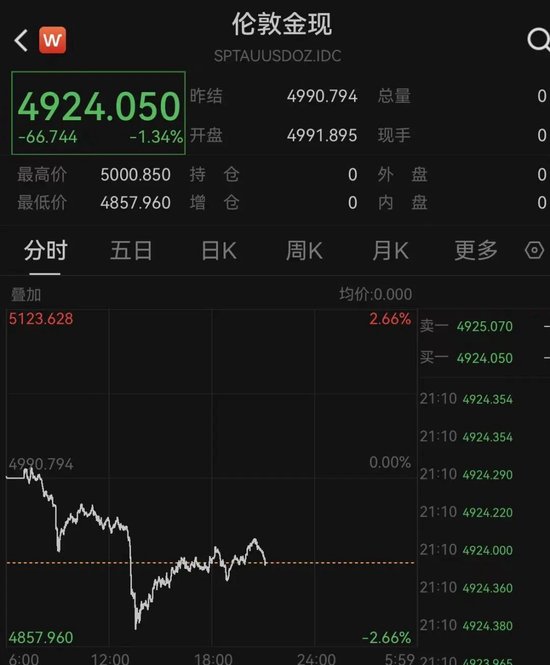
Market Overview - Multiple asset prices have declined due to various uncertainties, with spot gold dropping over 1% and silver falling more than 3% [1][9] - As of the latest update, gold traded below $4900 per ounce and silver fell to a low of $73 per ounce [1][9] U.S. Stock Market - U.S. stock index futures are collectively down, with the Nasdaq 100 futures falling nearly 1% [4][12] - Gold and tech stocks in the U.S. are weakening, with Harmony Gold down over 4%, and major tech companies like AMD, Intel, and Broadcom down over 1% [6][14] Economic Indicators - The expectation for a Federal Reserve rate cut has weakened, with the probability of a 25 basis point cut in March now at 7.8%, while the probability of maintaining the current rate is at 92.2% [6][14] - The UK labor market is showing signs of weakness, with the unemployment rate rising to 5.2% in Q4 2025, the highest level in nearly five years, and total unemployment increasing to approximately 1.883 million, a year-on-year rise of 281,000 [6][14] Geopolitical Developments - Ongoing negotiations between Russia, Ukraine, and the U.S. are taking place in Geneva, with uncertain outcomes [7][15] - Iran and the U.S. have concluded their second round of negotiations, discussing nuclear issues and sanctions, with Iran expressing a willingness to continue talks [7][15]

特朗普的“新世界秩序”正推动瑞典转向欧元
Xin Lang Cai Jing· 2026-02-17 10:08
Core Viewpoint - Sweden is considering adopting the euro, marking a significant shift in its monetary policy, influenced by geopolitical concerns and its recent NATO membership [1][6][7] Group 1: Political Developments - The Swedish government has initiated discussions on the pros and cons of joining the eurozone, led by Finance Minister Elisabeth Svantesson [2][5] - Lars Calmfors, a prominent economist, has shifted his stance to support eurozone membership, citing changed geopolitical dynamics and the need for stronger European cooperation [8][10] - Political support for euro adoption is fragmented, with only the Liberal Party firmly in favor, while other parties remain undecided or opposed [11][10] Group 2: Economic Implications - Joining the eurozone could enhance Sweden's political ties within Europe and provide a stronger voice in monetary policy, potentially benefiting trade and investment [7][9] - Sweden's economy is increasingly synchronized with the eurozone, reducing the necessity for an independent monetary policy [3][8] - The volatility of the Swedish krona has been a concern for business leaders, who argue that adopting the euro would stabilize the currency and benefit the industrial sector [3][8] Group 3: Public Sentiment and Challenges - Public opinion remains divided, with nearly half of Swedes opposing euro adoption, although support has increased compared to a decade ago [10][11] - A significant barrier to euro adoption is the need for broad political and public support, as previous decisions have relied on public referendums [10][11] - If obstacles are overcome, transitioning from the krona to the euro could take at least four years, including a two-year period to establish exchange rate stability [11][10]

泽连斯基弃美投中求生存,美断百亿援乌,中国能源援助成救命稻草
Sou Hu Cai Jing· 2026-02-17 08:36
Core Viewpoint - The shift in Ukraine's foreign policy towards China is driven by a desperate need for survival amid dwindling Western support, marking a significant geopolitical realignment [1][5][35] Group 1: Geopolitical Context - The U.S. military aid to Ukraine has drastically decreased from hundreds of billions to mere millions annually since the Trump administration, leaving Ukraine vulnerable [3][5] - Ukraine's reliance on Western allies has proven insufficient, as European nations are hesitant to provide substantial financial support [3][5][25] - Ukraine's outreach to China signifies a collapse of the unipolar world order, with China emerging as a stabilizing force amid the chaos [5][9][35] Group 2: Energy Crisis - Ukraine's energy infrastructure has been severely damaged, with over 50% of its energy network affected, leading to widespread power outages [12][11] - The lack of electricity translates to a lack of heating and basic medical services, creating a dire humanitarian situation [11][12] - China is positioned as the only industrial power capable of providing the necessary energy assistance, which is critical for Ukraine's survival during winter [12][14][35] Group 3: Diplomatic Maneuvering - Zelensky's pivot towards China is a pragmatic response to the harsh realities of dwindling Western support, reflecting a shift from ideological alignment to survival instincts [16][29] - The historical context of smaller nations realigning during major power struggles is evident in Ukraine's current diplomatic strategy [7][25] - The relationship dynamics are fluid, with Zelensky's actions being interpreted as opportunistic rather than ideologically driven [20][23][29] Group 4: Future Implications - The evolving international relations landscape suggests a return to prioritizing industrial capacity and survival needs over ideological commitments [37] - The potential for China to mediate in the conflict could provide a more stable resolution compared to U.S. involvement, which is often seen as exacerbating tensions [33][35] - The ongoing conflict highlights the importance of tangible support, such as energy supplies, over abstract political ideologies [29][35]
被特朗普关税逼入绝境,德国总理:欧洲若再沉默,将彻底失去未来
Sou Hu Cai Jing· 2026-02-17 05:57
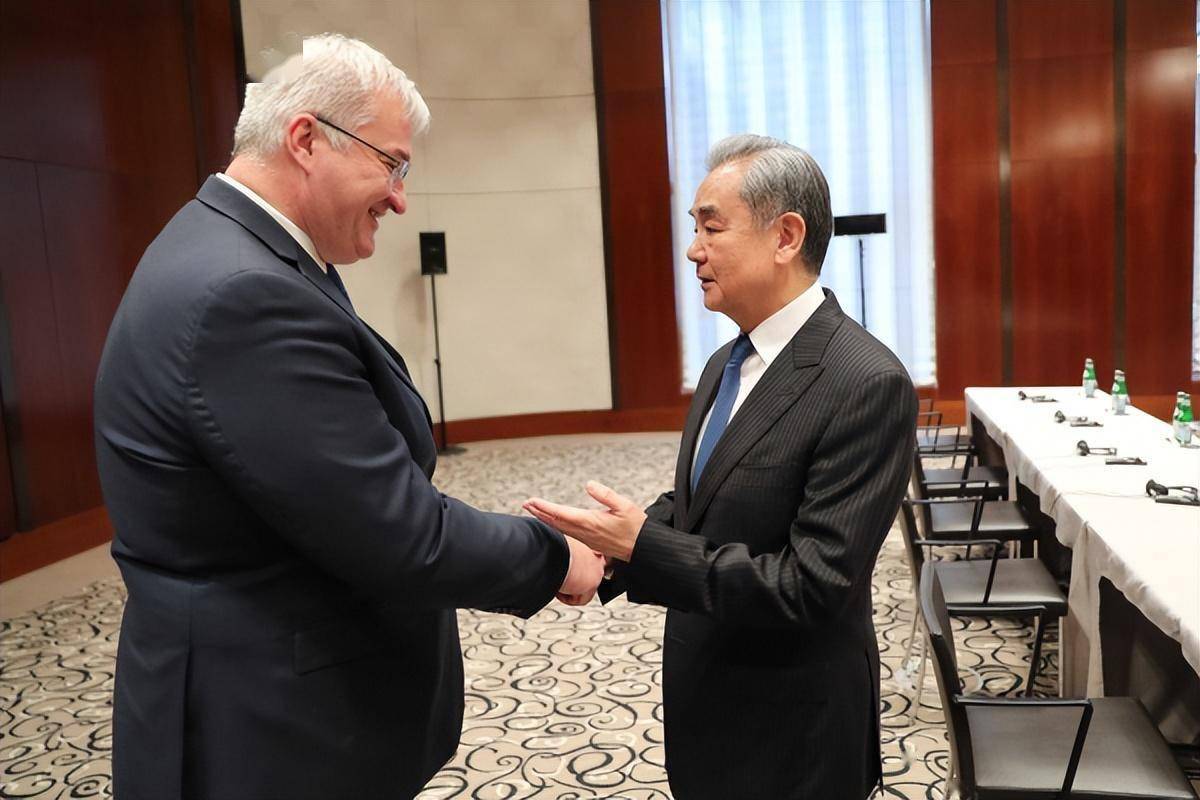
Core Viewpoint - The article discusses the urgent need for Europe, particularly Germany, to adopt a more assertive geopolitical stance in response to the aggressive actions of the United States under Trump, particularly regarding trade and military spending [1][3][5]. Group 1: Geopolitical Context - Trump's return to power in 2025 marked a shift in U.S. foreign policy, exemplified by his aggressive stance on Greenland, where he imposed a 25% punitive tariff on eight European countries, including Germany, unless they pressured Denmark to sell the territory [3][5]. - This tariff has shattered Europe's illusion of security, revealing their dependency on the U.S. for protection and highlighting the vulnerability of European industries, particularly Germany's automotive and fine chemical sectors [5][7]. Group 2: Military and Economic Implications - In response to these geopolitical pressures, German Chancellor Friedrich Merz announced a significant increase in Germany's defense spending to 5% of GDP, a stark contrast to previous NATO commitments of 2% [8][9]. - This shift indicates a move away from a reliance on U.S. protection towards a more self-sufficient military capability, aiming to stimulate domestic industries and reduce dependency on American military support [8][9]. Group 3: Structural Challenges - The article highlights the fragmented political structure of Europe, where decision-making requires unanimous consent from 27 member states, often leading to inefficiencies and delays in response to global challenges [9][13]. - Merz's proposal to adopt a qualified majority voting system aims to enhance decision-making efficiency, but faces resistance from smaller nations, reflecting the ongoing internal conflicts within Europe [9][13]. Group 4: Technological and Economic Competitiveness - Europe is portrayed as lagging behind in critical technological sectors such as AI and semiconductors, with a heavy reliance on the U.S. and China, which undermines its competitive position on the global stage [11][13]. - The article argues that without a cohesive strategy and the ability to act independently, Europe risks becoming irrelevant in the face of rising powers like China and the U.S. [11][15].
委内瑞拉全面倒向美 美能源部长接管重点产业
Sou Hu Cai Jing· 2026-02-16 06:10
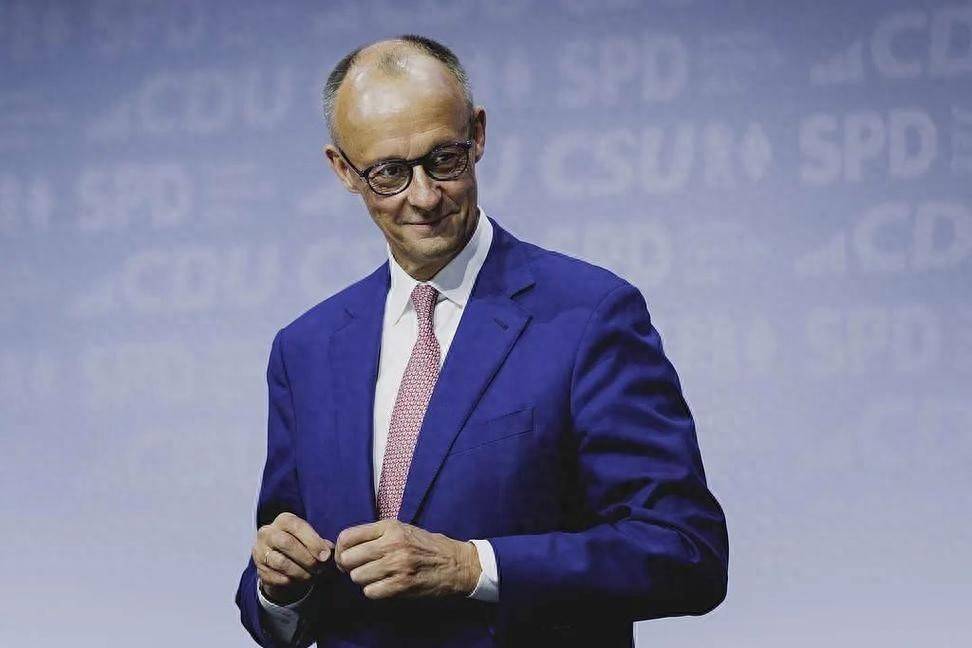
Core Insights - The primary objective of the Trump administration is to gain complete control over Venezuela following the arrest of Maduro, indicating a well-planned strategy for intervention across political, economic, and intelligence dimensions [1][3]. Political Maneuvering - The CIA Director was dispatched to Venezuela with two main tasks: to intimidate interim President Rodriguez and key government officials, and to foster cooperation with Venezuela's domestic intelligence agencies for real-time insights into the political landscape and potential resistance movements [3]. - The U.S. Energy Secretary's meeting with Rodriguez was characterized by a deliberate lowering of dialogue status, signaling a strategic test of Rodriguez's willingness to comply with U.S. demands [5]. Economic Interests - Venezuela possesses the world's largest oil reserves (303,221 million barrels), along with significant deposits of gold (2.343 tons) and natural gas (5,511 billion cubic meters), making it a target for U.S. economic interests [7][9]. - The U.S. aims to leverage economic and energy cooperation to draw Venezuela closer, with a focus on key sectors such as oil, gas, mining, and electricity, which have previously seen deep involvement from China [7][9]. Legal and Structural Changes - In response to U.S. demands, Rodriguez is initiating changes to foreign investment laws and energy sector regulations, allowing foreign entities to not only operate but also potentially lead management and profit distribution [9]. - This shift marks a significant departure from the policies of the Chavez and Maduro eras, which emphasized resource sovereignty and economic independence, indicating a move towards economic dependency on the U.S. [9]. Geopolitical Implications - The transformation of Venezuela into a U.S. strategic satellite will not only reshape its future but also have profound implications for the geopolitical landscape of Latin America, as it shifts from a pro-leftist stance to alignment with U.S. interests [9].
刚刚,港股V型反转!科技股走强,MINIMAX涨超24%
Xin Lang Cai Jing· 2026-02-16 04:55
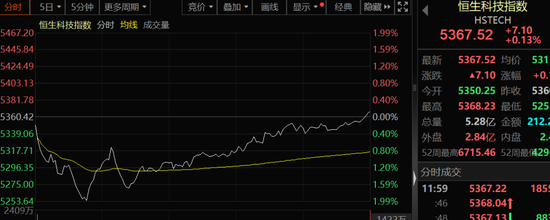
Market Overview - On February 16, the last trading day before the Spring Festival, Hong Kong stocks experienced a V-shaped rebound, with the Hang Seng Index rising by 0.52% after a drop of over 0.6% during the session [1][11] - The Hang Seng Technology Index increased by 0.13%, recovering from a decline of more than 1.9%, while the National Enterprises Index rose by 0.42% after a drop of over 0.8% [1][11] - Resource stocks led the gains, with Luoyang Molybdenum rising over 6%, and Zijin Mining and Ganfeng Lithium both increasing by over 4% [1][11] AI Application Sector - The AI application sector saw significant gains, with Haizhi Technology Group rising nearly 30%, MINIMAX-WP increasing by over 24%, and Maiyue Technology up by over 10% [3][13] - Other notable performers included Fubo Group, which rose by over 8%, and Zhipu, which increased by 4.74% [3][13] Precious Metals Sector - The precious metals sector, particularly gold stocks, showed strong performance, with Luoyang Molybdenum and Laopu Gold both rising over 6%, and Lingbao Gold increasing nearly 5% [6][16] - The international gold price rebounded above $5,000 per ounce after a significant drop the previous week [17][18] Oil and Gas Sector - The oil and gas sector also performed well, with CNOOC rising nearly 4%, and Sinopec Oilfield Services and CNOOC Services both increasing by over 2% [19][20] - The recent fluctuations in international oil prices are influenced by geopolitical tensions, particularly between the US and Iran, which have led to a premium on oil prices [20][21] Summary of Key Stocks - Notable stocks in the AI sector include: - Haizhi Technology Group: 29.59% increase [4][14] - MINIMAX-WP: 24.56% increase [4][14] - Maiyue Technology: 10.11% increase [4][14] - In the precious metals sector: - Luoyang Molybdenum: 6.35% increase [7][17] - Laopu Gold: 6.64% increase [7][17] - In the oil sector: - CNOOC: 4.21% increase [20]


特朗普支持以色列空袭伊朗,中东局势升温,港股石油板块集体走强
Jin Rong Jie· 2026-02-16 04:42
Group 1 - The oil sector in Hong Kong showed overall strength on February 16, with major stocks like CNOOC (00883.HK), CNOOC Services (02883.HK), and PetroChina (00857.HK) recording varying degrees of increase [1] - Geopolitical tensions in the Middle East, particularly the U.S. President Trump's support for Israel against Iran, have become significant catalysts for the oil and gas sector [1] - According to a report from Everbright Securities, the long-term supply-demand dynamics for crude oil remain favorable, maintaining a positive outlook on the "Big Three" oil companies and the oil service sector [1] Group 2 - CNOOC Services has recently submitted multiple patent applications to the National Intellectual Property Administration, focusing on core technologies in oil and gas development, which strengthens its technical reserves in the oilfield service sector [2]


港股异动 | 石油股普遍上扬 中海油(00883)涨超4% 中海油服(02883)涨超3%
智通财经网· 2026-02-16 03:21
Group 1 - Oil stocks generally rose, with CNOOC (00883) up 4.29% at HKD 25.28, CNOOC Services (02883) up 3.08% at HKD 9.72, and PetroChina (00857) up 1.66% at HKD 9.20 [1] - Geopolitical uncertainties remain, with reports indicating that U.S. President Trump has expressed support for Israeli airstrikes on Iranian missile facilities if a deal with Iran is not reached [1] - Everbright Securities maintains a positive outlook on the "Big Three" oil companies and the oil service sector, citing a favorable long-term supply-demand landscape for crude oil [1]
出海2035:接下来是最有希望的十年,可能也是最难的十年 || 大视野
Sou Hu Cai Jing· 2026-02-16 00:45
Core Insights - The article emphasizes the importance of understanding the impact of national security and geopolitical factors on Chinese companies' overseas expansion, which may exceed the companies' capabilities to address [3][4][10]. Group 1: Future Predictions for Chinese Companies Going Abroad - Chinese companies are expected to succeed in localizing products and services, creating consumer welfare in host countries, and some have already reached the stage of creating globally competitive products [5]. - Compliance with local laws and regulations, as well as building good relationships with stakeholders, will also lead to positive outcomes for Chinese companies [5][6]. - The article highlights the need for deep localization and community engagement, as demonstrated by Zijin Mining's proactive approach in Serbia and China Minmetals' efforts in Peru [6][9]. Group 2: Challenges from Geopolitical Factors - Geopolitical issues and national security concerns pose significant challenges for Chinese companies, especially in sensitive markets, which could threaten their operational existence [10][11]. - Companies may seek assistance from government institutions and industry associations when facing geopolitical pressures, but it is difficult for a single company to withstand national and international pressures alone [11][12]. Group 3: Structural Changes in International Business Environment - The article discusses the structural changes in the international business environment, where national security and geopolitical factors have become a standard consideration for many countries, leading to increased intervention in markets [28][29]. - The U.S. and EU have adopted policies that prioritize economic security, viewing China as a significant threat, which has resulted in a shift towards protectionism and increased regulatory scrutiny [29][30][31]. Group 4: Recommendations for Chinese Companies - Companies are advised to enhance their awareness of controllability, especially in mergers and acquisitions, and to consider alternative strategies such as technology or service collaborations to mitigate risks [40][41]. - There is a strong emphasis on compliance with local laws and understanding local cultures to avoid conflicts and ensure sustainable operations [42][43]. - A dynamic balance between exports and overseas expansion is crucial, leveraging China's advantages while responding to global changes [43][44]. Group 5: National-Level Strategies - The article suggests that the government should integrate overseas expansion into national development strategies, fostering communication with companies to create a comprehensive roadmap for internationalization [45]. - It is essential to recognize the disruptive impact of national security and geopolitical factors and to deploy systematic support measures for companies venturing abroad [46].

丹麦首相喊话特朗普:不可接受!不会妥协!
Xin Lang Cai Jing· 2026-02-15 09:33
Group 1 - The core viewpoint of the article emphasizes that Danish Prime Minister Mette Frederiksen believes that former President Trump's ambition to acquire Greenland has not changed, despite recent U.S. rhetoric suggesting a relaxation of aggressive intentions [1][2] - Frederiksen stated that the dispute over Greenland is not resolved, and she firmly rejected the idea of putting a price tag on Greenland, asserting Denmark's commitment to national sovereignty and the self-determination of Greenland's people [1][2] - The U.S. has formed a trilateral working group with Denmark and Greenland to discuss security concerns in the Arctic, but details remain undisclosed, and Frederiksen indicated that the group will not cross Denmark's established "red lines" [2] Group 2 - The U.S. administration's recent social media campaign, which included Valentine's Day-themed cards directed at Greenland, has sparked controversy, with critics accusing the Trump administration of trivializing serious geopolitical issues and revealing territorial ambitions [2]