
指数化投资

Search documents
上交所重要座谈会!多家机构参与
证券时报· 2025-06-11 12:30
Core Viewpoint - The article emphasizes the importance of guiding capital into the "hard technology" sector through the development of the STAR Market and related ETF products, highlighting the ongoing reforms and their positive impact on investment ecology [1][3][8]. Group 1: STAR Market and ETF Development - The STAR Market has seen significant growth in index-based investment, with 80 STAR Market ETFs listed and a total scale exceeding 250 billion yuan [3][6]. - The STAR Market is now the highest proportion of index-based investment in A-shares, with index products accounting for 8.3% of the overall free-floating market value [3][6]. - The introduction of various STAR Market indices, including the STAR 50, STAR 100, and STAR 200, has created a comprehensive index system catering to different investment strategies [3][5]. Group 2: Institutional Participation and Recommendations - Institutional representatives at the meeting highlighted the need for optimizing the supporting mechanisms for STAR Market ETFs to enhance investment accessibility [8]. - The number of fund companies actively investing in STAR Market ETFs has increased to 27, reflecting a significant rise in interest since the introduction of the "STAR Market Eight Measures" [6][8]. - The Shanghai Stock Exchange is working on integrating STAR Market ETFs into the fund transfer platform and optimizing market-making mechanisms to attract more social capital into key sectors [1][8]. Group 3: Impact of "STAR Market Eight Measures" - The "STAR Market Eight Measures" have led to a steady improvement in trading mechanisms, including the expansion of index varieties and the establishment of a complete STAR Market ETF product chain [5][6]. - The total scale of STAR Market wide-based ETFs has surpassed 200 billion yuan, indicating a robust growth in investment options for market participants [5][6]. - The introduction of new indices and ETFs post the "STAR Market Eight Measures" has significantly diversified the investment tools available for the "new quality productivity" sectors [6].


资管行业重磅报告发布,专家解读破解低利率时代挑战
Huan Qiu Wang· 2025-06-11 07:10
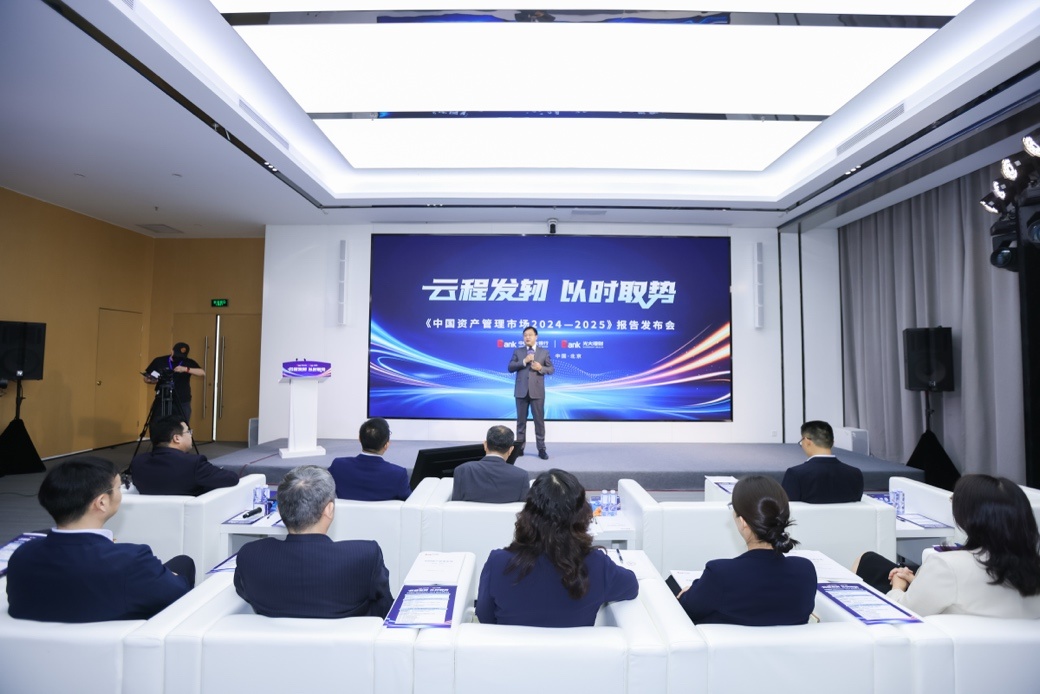
Core Viewpoint - The asset management industry in China is poised for significant growth and transformation, driven by macroeconomic recovery and evolving investor preferences, as highlighted in the recent report on the asset management market for 2024-2025 [1][8]. Group 1: Economic Context - The Chinese economy has shown a strong recovery, with a GDP growth rate of 5.4% in Q4 of the previous year and maintaining the same growth rate in Q1 of this year, surpassing both last year's performance and the government's target of around 5% for the year [4][6]. - The government is implementing proactive fiscal policies and moderate monetary policies to stimulate internal demand and address external challenges, focusing on urban renewal and structural reforms [6]. Group 2: Asset Management Industry Insights - The asset management market in China is expected to reach a scale of 154 trillion yuan by the end of 2024, marking a 10% increase from the beginning of the year, with various segments such as bank wealth management, public funds, and insurance asset management all showing significant growth [8][10]. - The report indicates that bank wealth management products are shifting towards more stable, fixed-income products, with a 73% allocation in this category, while public funds are increasingly favoring index products, which have seen a growth rate exceeding 70% [8][10]. Group 3: Strategic Recommendations for Asset Management Firms - Asset management firms should leverage their strong asset allocation capabilities and diverse investment strategies to navigate the low-interest-rate environment and market volatility [7]. - Emphasis on technological innovation is crucial, as advancements in fintech are transforming the asset management landscape, enhancing client interaction, research analysis, and risk management [7][14]. - Firms are encouraged to develop comprehensive platforms that offer diversified investment options and enhance their ability to meet the evolving wealth management needs of investors [10][11]. Group 4: Brand Development and Client Engagement - 光大理财 has introduced a new brand slogan, emphasizing its commitment to understanding and meeting client needs, while also enhancing its product offerings to cater to diverse investor preferences [16][17]. - The company has established a systematic investment architecture and a comprehensive client service system to ensure effective management of products and investor relations [16][17].

Focus科创中国·灯塔基金丨鹏华基金携手投资者共攀科创高地
Xin Lang Ji Jin· 2025-06-11 01:22
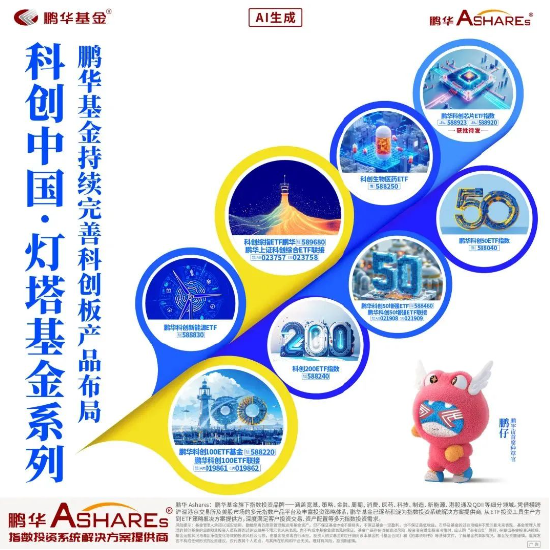
Core Viewpoint - The article emphasizes the importance of capital markets in supporting China's technological innovation strategy, highlighting the role of asset management institutions like Penghua Fund in facilitating investment opportunities for ordinary investors in the tech sector [2][41]. Group 1: Role of Penghua Fund - Penghua Fund actively responds to national strategies by providing financing channels for tech companies and enabling ordinary investors to participate in technological innovation through specialized financial products [2][6]. - The "Lighthouse Fund" series by Penghua Fund reflects a commitment to supporting the construction of a "highland" for technological innovation in China [2][14]. Group 2: Challenges for Ordinary Investors - Ordinary investors face significant challenges in participating in the tech investment landscape, primarily due to the technical understanding gap and the dynamic tracking difficulties of numerous companies [6][7]. - The high volatility and risk associated with the STAR Market (科创板) can deter traditional investors who are accustomed to conventional valuation methods [7][25]. Group 3: Investment Opportunities - Despite the challenges, the STAR Market presents substantial investment opportunities as companies in this sector are at the forefront of technological innovation and possess long-term growth potential [7][41]. - The emergence of index-based investment tools offers a solution to mitigate individual stock risks and allows ordinary investors to share in the benefits of technological advancements [7][21]. Group 4: Product Offerings and Strategies - Penghua Fund has developed a diverse range of tech-themed index products, including the STAR 50, 100, and 200 indices, catering to various investment needs and risk appetites [15][19]. - The introduction of sector-specific ETFs, such as those focused on new energy and biomedicine, aligns with national strategic directions and enhances investment options for investors [17][19]. Group 5: Investor Education and Engagement - Penghua Fund emphasizes investor education as a key strategy to help investors navigate the complexities of tech investments, utilizing innovative methods to enhance understanding of the tech sector [28][40]. - Collaborative initiatives with exchanges and industry experts aim to deepen investor insights into the technological landscape and the potential of STAR Market companies [33][35]. Group 6: Future Outlook - The article concludes that as China continues to cultivate its technological innovation landscape, there will be more opportunities for investors to engage with emerging companies that could reshape industry dynamics [41][42]. - The long-term value of tech investments is becoming increasingly clear, with historical trends indicating that technological breakthroughs often lead to widespread economic growth [41][42].
“智胜市场”AI与量化协同赋能指数增强策略——专访中信建投基金王鹏
Zheng Quan Ri Bao· 2025-06-09 16:17
Group 1 - The core viewpoint is that index investing is rapidly growing in popularity among both institutional and individual investors, with AI and quantitative models enhancing index strategies [1][2] - Index funds are attracting significant capital due to their low cost, high transparency, and risk diversification, leading to a shift in the public fund industry's product layout and competitive landscape [1][2] - The integration of AI technology and quantitative models in index-enhanced funds allows for better risk control and asset allocation, aiming to provide investors with sustainable long-term returns that exceed market performance [1][3] Group 2 - The China Securities Regulatory Commission's action plan aims to transform the public fund industry from focusing on scale to prioritizing returns, aligning with the principles of index investing [2] - The newly launched CSI A500 index is gaining attention for its balance of market capitalization representation and industry diversity, with plans for an index-enhanced fund to be issued [3] - The index-enhanced strategy utilizes AI and quantitative models for precise stock selection and dynamic weight optimization, aiming to achieve stable excess returns while controlling tracking error [3][4] Group 3 - The company has developed a comprehensive quantitative research framework that incorporates advanced technologies like large language models and graph neural networks to extract valuable signals from unstructured data [4] - Dynamic risk management and adaptive optimization mechanisms are key features of the model, ensuring effectiveness across different market conditions through high-frequency backtesting and stress testing [4] - The future of index investing looks promising, with expectations of growth driven by the maturation of China's capital markets and the diversification of investor structures [5] Group 4 - Recommendations for investors selecting index-enhanced funds include evaluating the quantitative research capabilities of fund managers, assessing historical performance, and aligning choices with personal risk preferences and investment goals [5] - Index investing is seen as a necessary trend in market development and a vital approach for the public fund industry to uphold the principle of prioritizing investor interests [5]

基金发行热度不减,新发数量连续3周超30只
Guo Ji Jin Rong Bao· 2025-06-09 14:03
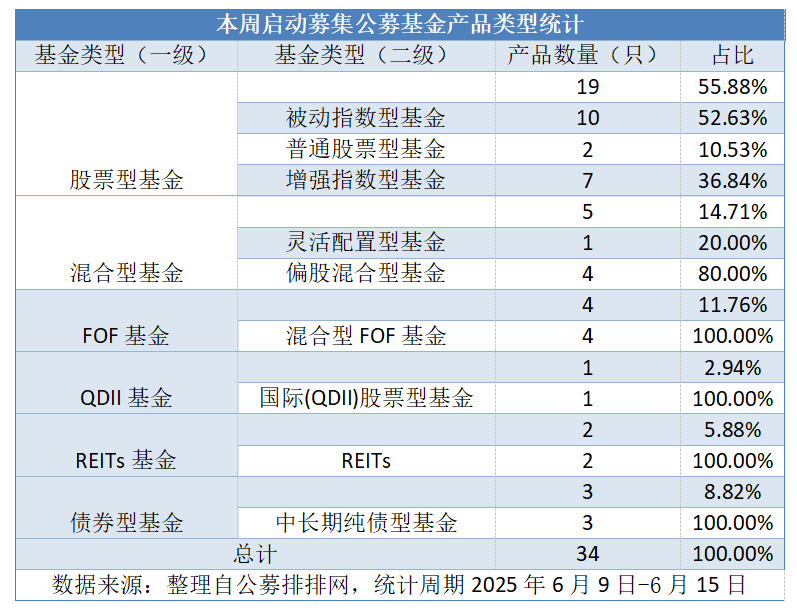
Group 1 - The public fund issuance market remains robust, with 34 new funds launched in the week from June 9 to June 15, averaging a subscription period of 24.85 days [1] - This marks the third consecutive week where the number of newly issued funds exceeds 30, indicating strong momentum in the public fund issuance market [1] - Equity funds dominate the product structure, with 23 equity funds accounting for 67.65% of the total issuance, including 19 stock funds (82.61%) and 4 equity-mixed funds (17.39%) [1][2] Group 2 - Index fund issuance continues to show strong performance, with 17 out of 19 stock funds being index products, representing 89.47% of the stock fund category [1] - FOF (Fund of Funds) issuance shows signs of recovery, with 4 FOF funds launched, making up 11.76% of the total, a significant increase from the previous week [1][2] Group 3 - 26 public fund institutions launched new funds this week, with 7 institutions having at least 2 funds in the market [2] - Yongying Fund was the most active, launching 3 new funds, all of which are index stock funds [3] - The trend towards equity funds and index investment is driven by policy support for industrial upgrades and technology innovation, which are seen as key market themes [3][4] Group 4 - Despite rising global recession expectations, domestic policies continue to mitigate external risks, providing a solid foundation for market allocation [4] - The return of funds to A-shares is facilitated by domestic equity funds, which serve as a crucial channel for overseas capital transitioning to the local market [4]
资管市场规模增长 竞争格局优化
Jin Rong Shi Bao· 2025-06-09 01:44
具体来看,2024年,公募基金行业规模达43.43万亿元,较2023年末同比增长16.56%。其中,除公募基 金公司管理的私募资管计划和养老金外,公募基金规模达32.83万亿元,同比增速高达18.93%,存量创 下历史新高,增量和增速均为3年内最高。在投资收益方面,数据显示,2024年总计1.93万只基金中约 有1.59万只公募基金实现正回报,占比达82.4%,平均收益为5.06%。 再从银行理财来看,根据报告,2024年理财产品存续规模达到29.95万亿元,较年初增长11.75%,净值 型理财产品存续规模达29.50万亿元,占比为98.50%;从投资者收益来看,2024年末,持有理财产品的 投资者数量达1.25亿,较年初增长9.88%,为投资者创造收益约7099亿元。 从资金端来看,银行理财与保险资产规模增速较快,2024年资金贡献幅度分别同比增长34%、20%。 在渠道端,银行理财代销渠道开放化、多元化趋势明显,理财公司合作代销机构数量继续稳步增长。报 告显示,2024年,理财公司积极拓展母行以外的代销渠道,已开业的31家理财公司中,只有两家理财产 品由母行代销,其余29家均实现跨行多渠道代销。 6月6日 ...
三分认怂、三分计划、三分坚持
雪球· 2025-06-07 03:48
Core Viewpoint - The article emphasizes the importance of understanding investment psychology, setting realistic expectations, and maintaining a disciplined approach to investing, encapsulated in the "three-thirds" framework: three parts humility, three parts planning, and three parts persistence [26]. Group 1: Understanding Investment Psychology - Investors often face a knowledge gap in finance, leading to impulsive decisions driven by market emotions, which can result in significant losses [5][6]. - Acknowledging one's limitations and setting modest return expectations is crucial for sustainable investing, focusing on wealth preservation and inflation-beating growth rather than quick riches [7][8]. Group 2: Setting Realistic Return Expectations - Long-term average returns for various asset classes are outlined: stocks yield 8%-10%, bonds yield 3%-5%, and commodities/gold yield around 5%-6% [8]. - A diversified portfolio can achieve a composite return of 6%-8%, while a well-informed investor might target 10%-15% returns through index investing and global perspectives [8][9]. Group 3: Risk Management and Asset Allocation - Understanding potential drawdowns is essential, with stocks facing maximum drawdowns of 70%-80%, while bonds and commodities have lower but significant risks [10]. - A diversified asset allocation strategy, including stocks, bonds, and commodities, can mitigate risks and enhance stability [11]. Group 4: Building a Robust Investment Plan - A comprehensive investment framework should consider asset classes, market distribution, and timing to manage human emotions like greed and fear [12][13]. - Diversification across asset types, markets, and time can reduce correlation and overall portfolio volatility, leading to more stable returns [15][16][17]. Group 5: Importance of Persistence - Successful investing requires not just a sound strategy but also the discipline to adhere to it over time, especially during market fluctuations [21]. - Maintaining a focus on safety margins, long-term engagement, and sticking to profit-taking goals is vital for achieving investment success [22][23][24]. Group 6: Conclusion - The "three-thirds" framework serves as a foundational guideline for investors, emphasizing humility, planning, and persistence, with a final note on the role of luck in investment success [26][27].

推出新指数上证580背后的深意
Zheng Quan Shi Bao· 2025-06-06 17:37
Core Viewpoint - The Shanghai Stock Exchange (SSE) has recently made changes to the compilation of its indices, introducing the new SSE 580 Index and modifying the existing SSE 380 Index, reflecting new regulatory approaches to market development [1][4]. Group 1: Introduction of New Indices - The SSE 580 Index has been newly created, while the compilation method of the SSE 380 Index has been optimized, attracting market attention [1]. - The SSE has a history of developing indices, starting with the SSE 30 Index, aimed at providing a stable investment portfolio of representative blue-chip stocks [1][2]. Group 2: Historical Context and Development - The SSE 50 Index was introduced in the 21st century, focusing on quality blue-chip stocks and significantly impacting market trends [2]. - Subsequent indices like the SSE 180 and SSE 380 were developed, contributing to a complete framework for ETF products in the A-share market [2]. Group 3: Focus on Small and Medium-sized Enterprises - Historically, index compilations favored blue-chip stocks, neglecting small and medium-sized enterprises (SMEs), which constitute a significant part of the economy [3]. - The emergence of the ChiNext and Sci-Tech Innovation Board has increased the number of growth-oriented SMEs, which need recognition in the capital market [3]. Group 4: Enhancements to Index Coverage - The introduction of the SSE 580 Index addresses the lack of small-cap stock indices, enhancing the overall coverage of indices and facilitating capital flow into promising SMEs [4]. - The modification of the SSE 380 Index aims to better represent mid-cap stock performance, promoting a balanced and orderly market development [4].
信用债ETF,正当时
HUAXI Securities· 2025-06-06 06:44
1. Report Industry Investment Rating No relevant content provided. 2. Core Viewpoints of the Report - In recent years, the index - type bond fund market in China has developed vigorously. In 2025, credit bond ETFs have witnessed significant expansion, and the newly issued 8 Shanghai - Shenzhen benchmark - market - making corporate bond ETFs have rapidly grown in scale. The newly listed benchmark - market - making corporate bond ETFs fill the gap in medium - long - term investment options, and credit bond ETFs are expected to continue to expand [1][11]. - Credit bond ETFs have prominent investment advantages, including policy support for expansion and innovation, "T + 0" trading in primary and secondary markets, comparable yields to medium - short - term bond funds with lower volatility, cost advantages, and transparent holdings which are friendly to bank self - operations [2]. - Shanghai - Shenzhen market - making credit bond ETFs offer considerable returns and controllable risks. They show stable long - term return capabilities and are relatively scarce products, making them reliable investment choices in the future [4][6]. 3. Summary by Relevant Catalogs 3.1 Credit Bond Index Funds are in the Initial Stage 3.1.1 Rapid Development of Index Bond Funds since 2024 - Due to factors such as the "asset shortage" in the bond market, declining interest rate centers, and the implementation of commercial bank capital regulations, index bond funds in China have entered a fast - development track since 2024. As of March 31, 2025, the management scale of index - type bond funds reached 1.2 trillion yuan, a 54.7% increase from the end of 2023, accounting for 13.5% of all bond - type funds [12][13]. - Credit bond index funds, as a new track, are in a "blue ocean" state of low stock and high growth. As of the end of March 2025, the scale of domestic credit bond index funds was 143.8 billion yuan (36 in total), accounting for 12.03% of the index - type bond fund scale. The scale has experienced multiple rounds of growth [13]. - Bond ETFs have attracted continuous capital inflows, and their proportion in index - type bond funds has been increasing. As of May 31, 2025, there were 29 bond ETFs with a total scale of about 28.92 billion yuan, nearly 2.7 times the scale at the end of 2023. In 2025, credit bond ETFs contributed significantly to the growth of bond ETFs [17][19]. 3.1.2 The Launch of the First Batch of Benchmark - Market - Making Credit Bond ETFs Fills the Gap - Interest rate bond ETFs have a complete product layout in various varieties and maturities, while credit bond ETFs are fewer in number and need to improve their tracking index varieties. The previously listed short - term financing ETF, corporate bond ETF, and urban investment bond ETF mainly provided medium - high - grade, medium - short - term allocation opportunities [22][23]. - The newly launched benchmark - market - making corporate bond ETFs offer medium - long - term investment options. The average remaining maturities of the constituent bonds of the Shanghai market - making corporate bond index and the Shenzhen market - making credit index are 4.63 years and 3.50 years respectively, and the issuing entities are mainly state - owned enterprises with mostly AAA ratings [23]. 3.2 Credit Bond ETFs Have Prominent Investment Advantages 3.2.1 Policy Supports the Expansion and Innovation of Credit Bond ETFs - In 2025, policies have been introduced to promote the development of credit bond ETFs. The China Securities Regulatory Commission proposed to steadily expand bond ETFs and introduce benchmark - market - making credit bond ETFs. The China Securities Depository and Clearing Corporation allowed credit bond ETFs to pilot margin - trading repurchase in the exchange and exempted the concentration constraints of credit bond ETF collateral [2][24][25]. - On May 29, 2025, 9 credit bond ETFs became the first batch of general pledge - style repurchase collateral, which enhances the product attractiveness of credit bond ETFs and is expected to promote product expansion and increased activity [25][26]. 3.2.2 Credit Bond ETFs Enable "T + 0" Redemption and Trading in the Secondary Market - Bond ETFs can achieve "T + 0" real - time trading in primary and secondary markets, which improves capital utilization efficiency and the liquidity of fund shares. Investors can redeem and trade on the same day, enabling efficient switching between bonds and fund shares [27]. 3.2.3 Credit Bond ETFs Have Comparable Yields to Medium - Short - Term Bond Funds - Although credit bond ETFs generally underperformed active credit bond funds in the past few years, their yields are now comparable to those of active credit bond funds. In most cases in the past 4 years, their returns were higher than those of short - term and medium - short - term bond funds, with significantly lower volatility [28][30]. - In the first quarter of 2025, the performance of the bond market was differentiated. Credit bond ETFs showed relatively weak performance, but overall, the return gap between credit bond ETFs and active credit bond funds is narrowing [30]. 3.2.4 Credit Bond ETFs Have Cost Advantages - The management cost of active credit bond funds is generally high, while credit bond ETFs have lower management and custody fees. As of the end of March 2025, the combined management and custody fees of credit bond ETFs were about 0.22%, 15bp lower than those of active credit bond funds [3][34]. 3.2.5 Credit Bond ETFs Have Transparent Holdings and are Friendly to Bank Self - Operations - Bond ETFs have relatively high transparency in holding information. They publish redemption shares daily, and the index compilation rules and constituent bonds are easily accessible. Compared with active credit bond funds with opaque holdings, credit bond ETFs help banks reduce unnecessary capital consumption under the capital regulations [3][35]. 3.3 Shanghai - Shenzhen Market - Making Credit Bond ETFs: Considerable Returns and Controllable Risks - In 2024, long - term interest rate bond ETFs performed well, while credit bond ETFs had relatively short - duration tracking indexes, with returns ranging from 2.23% to 4.27% and better - controlled drawdowns. In 2025, the bond market was weak, and credit bond ETFs outperformed due to the coupon advantages of underlying assets, with year - to - date returns ranging from 0.34% to 0.83% and controllable drawdowns [4][5]. - From the index perspective, the Shenzhen market - making credit index and the Shanghai market - making corporate bond index have good risk - return characteristics. Their return capabilities are between the 3 - 5 - year and 1 - 3 - year implied AA + credit wealth indexes, and their risk levels are similar to the Wind medium - long - term bond index [5][6]. - The rolling 3 - month investment performance of the Shenzhen market - making credit index and the Shanghai market - making corporate bond index shows that they have relatively high return ceilings compared to indexes with similar volatility [6].
多只指数迎来成分股调整
Jin Rong Shi Bao· 2025-06-06 01:40
Group 1 - The FTSE China A50 Index will include Jiangsu Bank and exclude Great Wall Motor, effective June 23, 2025, reflecting changes in market structure and industry transformation trends [1][2] - The FTSE China A50 Index consists of the 50 largest stocks by market capitalization from the Shanghai and Shenzhen stock exchanges, providing a significant reference for global investors [2] - Jiangsu Bank's recent performance includes a revenue of 80.815 billion yuan and a net profit of 31.843 billion yuan for 2024, with year-on-year growth of 8.78% and 10.76% respectively [3] Group 2 - The adjustments to major indices such as CSI 300 and CSI 500 will take effect after market close on June 13, 2023, indicating a broader trend of index rebalancing [4] - The growing scale of index funds in the A-share market has increased the importance of index adjustments, as passive investment strategies gain traction among investors [5] - Significant changes in index constituents can lead to substantial buying or selling pressure on affected stocks, impacting their short-term performance [6]

