人民币国际化

Search documents
杨长江:人民币“破七”背后,是国运与币运的共振
Xin Lang Cai Jing· 2026-01-01 06:24
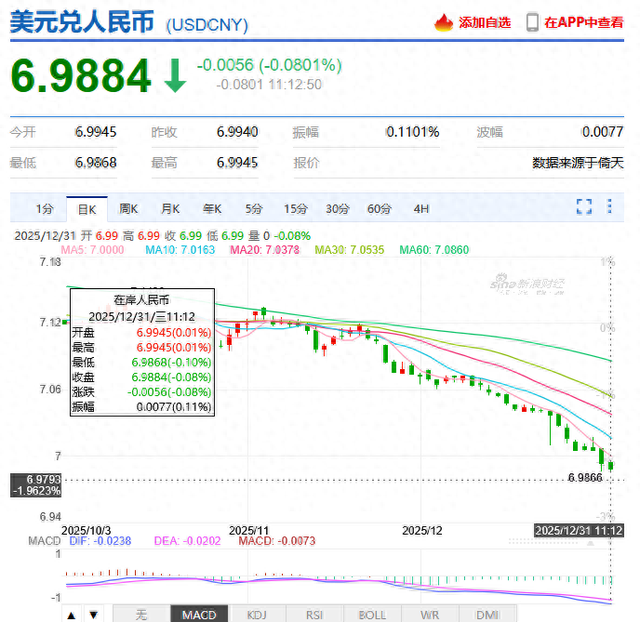
Core Viewpoint - The article discusses the implications of the recent appreciation of the Chinese yuan and its impact on the Chinese economy, particularly in the context of the ongoing internationalization of the yuan and the changing global economic landscape. Group 1: Yuan Appreciation and Economic Impact - The offshore yuan exchange rate reached a high of 7.43 in April 2025 and strengthened to break the 7.0 mark by the end of the year, marking a significant recovery since the trade war lows [1][4] - The appreciation of the yuan is seen as a reflection of China's economic resilience amidst external pressures, particularly from the US trade protectionism [1][6] - The current level of the yuan is not considered "seriously undervalued," but there are some factors contributing to its perceived undervaluation, including structural issues in the domestic economy [5][9] Group 2: Structural Factors Influencing Yuan Valuation - The dual nature of the yuan's exchange rate, reflecting both real economic conditions and financial market dynamics, complicates the assessment of its valuation [5][6] - Domestic market segmentation and competition have led to price suppression, contributing to the undervaluation of the yuan [7][9] - The overall price level in China has improved, indicating that the yuan is not as undervalued as previously thought, countering claims from Western nations [4][5] Group 3: Internationalization of the Yuan - The article emphasizes the importance of the yuan's appreciation for its internationalization, suggesting that a stable and gradually appreciating yuan could enhance its role as a global reserve currency [25][30] - The current global economic environment, characterized by a weakening dollar and rising inflation in Western countries, presents an opportunity for the yuan to gain traction as a safe asset [12][25] - The potential for the yuan to become a credible alternative to the US dollar is linked to China's ability to provide stable and reliable financial assets, particularly in the context of increasing skepticism towards US debt [27][30] Group 4: Future Outlook and Recommendations - The article suggests that while the yuan can appreciate, it should do so at a controlled pace to avoid market distortions and excessive speculation [22][23] - Internal reforms aimed at improving wage levels and price structures are recommended as a means to support the yuan's appreciation sustainably [23][24] - The need for China to enhance its soft power and narrative in the global market is highlighted as crucial for gaining pricing power and furthering the yuan's internationalization [34][35]

赞比亚中资矿企启用人民币缴税 凸显中国金融影响力扩大
Xin Lang Cai Jing· 2026-01-01 06:23
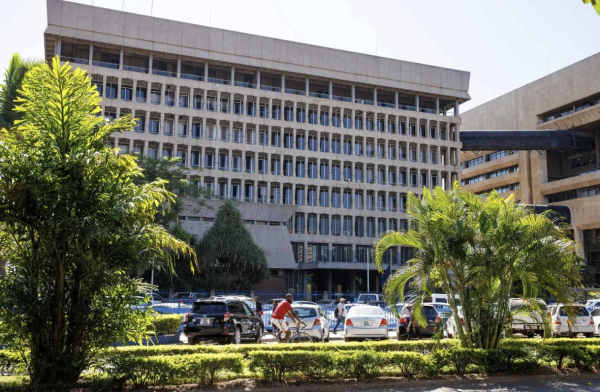
赞比亚央行12月31日在回复电邮提问时表示,使用人民币进行相关支付始于10月。赞比亚当局是非洲首 个确认接受以人民币缴纳矿业税费的政府。赞比亚是非洲第二大铜生产国。 在推动人民币国际化的进程中,非洲正日益成为关键战场,尤其是在对中国负债较重的国家。肯尼亚在 2025年将其欠中国的美元贷款置换成人民币贷款。埃塞俄比亚也开始就类似安排展开磋商,赞比亚表示 将考虑效仿。 在赞比亚的中国矿企开始以人民币支付特许权使用费和税款,这是非洲大陆对人民币接受度不断提高的 最新迹象。 "很大一部分铜出口销往中国,而中国矿业公司从对华出口中获得的付款,部分甚至全部已以人民币结 算,"赞比亚央行表示。"赞比亚央行将外汇储备多元化和增加储备作为关键目标,购入人民币有助于实 现这一目标。" ...
非洲首个!“中资矿企已用人民币缴税费”
Sou Hu Cai Jing· 2026-01-01 04:13
【文/观察者网 阮佳琪】 人民币国际化进程在非洲的推进势头正愈发凸显。据美媒彭博社12月31日报道,在非洲第二大铜矿生产 国赞比亚,中资矿山运营商已开始使用人民币缴纳矿区开采使用费及税款。赞比亚央行(BoZ)周三在 邮件回复中证实,人民币结算缴费模式已于10月正式落地。 报道指出,赞比亚由此成为非洲首个确认接受人民币支付矿业税款的国家,此为人民币在非洲大陆接受 度持续提升的最新佐证,"非洲正逐渐成为推进人民币国际化的关键阵地"。 如今政策进一步优化,矿企可自主选择向赞比亚央行出售美元或人民币,用于缴纳税款。为配合这一政 策调整,该央行已于上月开始公布人民币兑克瓦查的官方汇率。 国际律师事务所Dentons赞比亚分所的高级合伙人约瑟夫·贾拉西(Joseph Jalasi)分析认为,"人民币能 否被市场实际接纳,将取决于赞比亚央行的储备管理政策、定价机制以及对市场的操作指引。" 据新华社早前报道,2025年5月,赞比亚中国银行(简称"赞中行")在赞比亚首都卢萨卡举办人民币国 际化推介会。这家成立于1997年的银行,是中国在非洲设立的第一家商业银行,在2015年被中国人民银 行和赞比亚央行确定为赞比亚人民币清算行。 ...
新招破解美元!美财长见证7800亿美债结算变革,人民币国际化加速
Sou Hu Cai Jing· 2026-01-01 01:48
你或许没想到,世界顶级的金融对决,居然悄悄发生在咱们看不见的账本背后。 有人说,中国手里的美债能砸晕美国,但现在的玩法早就不是你想象的那种"砸场子",而是一场让美国高管都得瞪大眼睛的花式操作。 这年头,谁还按套路出牌? 专家们最近都在讨论一个现象:财经新闻天天吵得你头大,真正"大动静"反而低调得出奇。 其实,金融圈子里最狠的动作,往往都不是用喊出来的。 你看,华尔街精英们,前阵子还没回过神来,数据一翻,才发现中国已经把持有的7800亿美元美债,变着法子"流转"掉了。 这不是简单抛售,根本没人敢接盘那么大的量。 更妙的是,这一切完全在美国自己定的规则里完成,连美国财政部都挑不出毛病来。 不少朋友问我,这事儿到底有啥门道? 大家都怕踩塌地板。 但中国玩出了新花样,"三角置换"成了金融圈的热词。 其实最大的变化,就是中国用卢森堡的SPV,也就是特殊目的实体,把美债打包流转,合规合法,像走红毯一样把钱变了个身。 你能想象吗? 美国人引以为傲的金融规则,反倒成了中国拆解美元霸权的"工具箱"。 这背后的逻辑,真是让人拍案叫绝。 美国的债务账本可不乐观。 2025年,美国联邦债务突破了38万亿美元,每个美国人摊上11万美元 ...
中国金融影响力扩大,赞比亚中资矿企启用人民币缴税
Hua Er Jie Jian Wen· 2025-12-31 21:31
在赞比亚的中国矿企开始以人民币支付特许权使用费和税款,标志着人民币在非洲大陆的接受度进一步 提升,凸显中国在非洲金融领域的影响力扩大。 美东时间31日周三,据媒体报道,赞比亚央行在回复电邮提问时表示,使用人民币进行相关支付始于10 月。非洲第二大铜生产国赞比亚成为非洲首个确认接受以人民币缴纳矿业税费的政府。 这一变化反映了人民币国际化方面取得的实质性进展。新的支付机制将帮助赞比亚实现外汇储备多元 化,同时以更具成本效益的方式偿还对华债务。 赞比亚储备多元化推动政策调整 中国矿企加大投资力度 矿企现在可以选择向赞比亚央行出售美元或人民币来缴税。Dentons当地分支机构高级合伙人Joseph Jalasi表示,"人民币的实际接受程度将取决于赞比亚央行的储备管理政策、定价机制和对市场的操作指 导"。 2024年,加拿大矿企First Quantum Minerals Ltd.和Barrick Mining Corp.在赞比亚的铜产量约占该国总产 量的三分之二。而中国有色矿业集团等中国运营商正投入数十亿美元提升铜产量。中资企业扩大投资恰 逢2025年全球铜价大涨。伦铜全年涨超40%,创2009年以来最大年度涨幅。 ...
外汇即时点评:如何看待年末人民币汇率的加速升值
2025-12-31 16:02
Summary of Conference Call on RMB Exchange Rate Appreciation Industry Overview - The report discusses the recent trends in the offshore and onshore RMB exchange rates, highlighting the appreciation of the RMB against the USD, particularly as it surpassed the 7.0 mark in late December 2025. [1][2] Key Points and Arguments RMB Exchange Rate Trends - The offshore RMB exchange rate has appreciated significantly since late November 2025, reaching a new high for the year by surpassing 7.0 on December 25, 2025. The onshore RMB is also close to this threshold, marking its highest level since May 2023. [1] - The appreciation is attributed to the depreciation of the USD and seasonal factors, although the monetary authorities have moderated the pace of appreciation. [1] USD Depreciation - The USD index has weakened continuously since late November 2025, with a decline of over 2% by December 25, 2025. This is primarily driven by market expectations of a more accommodative monetary policy from the Federal Reserve. [2] Labor Market and Inflation Data - The US labor market showed signs of weakness, with the unemployment rate rising to 4.6% in November 2025, and average hourly wages declining to a low of 3.5% year-on-year. [3] - The US CPI for November 2025 was reported at 2.7%, significantly below market expectations, which supports the case for potential interest rate cuts by the Federal Reserve. [3] Correlation Between USD and RMB - Analysis indicates a historical correlation between the USD index and RMB exchange rate movements, with a ratio of approximately 3:1, meaning a 3% depreciation in the USD corresponds to a 1% appreciation in the RMB. [4] Seasonal Factors - Historically, the RMB tends to appreciate during the end of the year due to increased demand for currency conversion by exporters and a general weakening of the USD. [5] - The net settlement of foreign exchange transactions typically peaks in December, contributing to the RMB's appreciation. [5] Monetary Policy and Exchange Rate Management - The central bank's intervention has been noted, with the midpoint exchange rate appreciating at a slower pace compared to the spot rate, indicating a desire to smooth out short-term volatility. [7] - The "counter-cyclical factor" in the pricing model has turned positive, suggesting a controlled approach to managing the exchange rate. [7] Future Outlook for RMB - The RMB is expected to maintain a moderate appreciation trend, with a monthly appreciation of around 1% in December 2025, translating to an annualized rate exceeding 10%. However, this pace is deemed unsustainable in the long term. [8] - Factors supporting the RMB's strength include a weak USD, low inflation, strong exports, and a high trade surplus, with the trade surplus exceeding $1 trillion in November 2025. [9] - The report anticipates that the RMB will continue to appreciate moderately, driven by both external and internal factors, despite potential fluctuations in the exchange rate. [9] Conditions for Sustainable Appreciation - The report outlines several dimensions for assessing appropriate appreciation rates, including expected USD depreciation of around 5% in the coming year, which could lead to a 1.7% appreciation of the RMB. [10] - The analysis also considers the impact of interest rate differentials and inflation differences between China and the US on the RMB's exchange rate stability. [10] Additional Important Insights - The report emphasizes the importance of balancing the exchange rate to support cross-border capital flows and the internationalization of the RMB. [9] - The potential for a more accommodative monetary policy in the US, coupled with weak employment data, may continue to exert downward pressure on the USD, thereby supporting the RMB's appreciation. [8][9] This summary encapsulates the key insights and projections regarding the RMB exchange rate dynamics and the influencing factors as discussed in the conference call.
数字人民币变化解读
2025-12-31 16:02
Summary of Digital Renminbi Conference Call Industry Overview - The discussion revolves around the **Digital Renminbi** and its transition from version 1.0 (cash-type) to version 2.0 (deposit-type) [1][2][5] Key Points and Arguments Transition to Version 2.0 - Digital Renminbi has upgraded to version 2.0, transitioning from M0 (cash) to M1 (deposit currency), which includes interest-bearing features [1][2] - This upgrade aims to enhance the financial attributes and attractiveness of Digital Renminbi, allowing commercial banks to manage asset-liability operations and provide security equivalent to deposits [1][2] Challenges in Promotion - The promotion of Digital Renminbi faces dual challenges: insufficient user enthusiasm and lack of motivation from banks [1][3][6] - Despite 230 million personal wallets opened, the active account ratio remains low, and users do not perceive a strong necessity to adopt Digital Renminbi due to the maturity of third-party payment systems [3][6] Policy Upgrade and Core Changes - The core of the policy upgrade is to convert Digital Renminbi into an interest-bearing asset, incentivizing banks to promote it actively [1][7] - The People's Bank of China (PBOC) aims to facilitate the transition from M0 to M1 to enhance the international competitiveness of the Renminbi [7] Impact on Commercial Banks - The upgrade provides new opportunities for commercial banks, as the Digital Renminbi will now be treated as a liability, encouraging banks to promote it more vigorously [4][5][8] - The new model allows banks to earn interest spreads, enhancing their commercial momentum [8] Investment Opportunities - The transition is expected to create investment opportunities in the payment industry, particularly for IT system upgrades and hardware manufacturers [3][4][5][11] - The focus on cross-border payments is highlighted as a significant area for future development, with partnerships with countries like Singapore and those along the Belt and Road Initiative being crucial [10][15] Future Focus Areas - Future attention will be directed towards improving cross-border payment efficiency, which currently suffers from high costs and low efficiency [10][15] - The upcoming detailed action plans and specific measures will be critical for the successful implementation of the new framework [10] Additional Important Insights - The Digital Renminbi's evolution signifies a shift from a payment tool to a wealth management platform, enhancing user engagement and allowing banks to regain control over payment processes [14] - The advantages of Digital Renminbi in cross-border payments include significantly reduced transaction times and costs, improved transparency, and compliance with regulatory requirements [15]
金融资产变离岸资产?海南官员:说法明显不准确
Sou Hu Cai Jing· 2025-12-31 13:10
Core Viewpoint - The claim that financial assets in Hainan will become offshore assets post the island's closure is inaccurate, as all financial activities must comply with China's regulatory framework [1][2] Group 1: Financial System Developments - Hainan's financial system is expected to enhance cross-border financial services, supporting both domestic and foreign enterprises [1] - The growth rate of various loans in Hainan is projected to be around 11.5%, significantly higher than the national average [1] - The cumulative business volume of multi-functional free trade accounts has surpassed 300 billion RMB, with an increased coverage for benefiting enterprises [1] Group 2: Future Financial Policies - Hainan aims to build a distinctive financial system for the free trade port, focusing on the implementation of existing financial policies to support high-quality economic development by 2026 [2] - New financial opening policies are being planned to promote the internationalization of the RMB and enhance the openness of financial institutions, products, systems, management, and talent in Hainan [2] - Risk prevention remains a priority, ensuring that financial operations are both flexible and well-regulated to avoid systemic risks [2]
欧美联手贬值逼人民币升值?中国将计就计反杀:他们不得不买
Sou Hu Cai Jing· 2025-12-31 09:51
Group 1 - The core viewpoint is that the appreciation of the RMB against the USD is seen as a sign of China's strength, while its depreciation against the Euro raises questions about the motives behind the pressure from the West [1][3] - Major investment banks suggest that if the RMB does not appreciate, it could disrupt global balance, reminiscent of the Plaza Accord from 40 years ago [5][6] - The strategy of competitive devaluation by the West aims to make the USD and Euro cheaper, forcing the RMB to appreciate, which could harm China's export competitiveness [6][8] Group 2 - Despite the RMB's appreciation against the USD, it has depreciated against the Euro, leading to a dual exchange rate scenario that allows Chinese companies to pivot their exports towards Europe and ASEAN [12][14] - Data shows that from January to November 2025, China's exports to the US decreased by nearly 19%, while exports to the EU increased by 8.1%, indicating a shift in market focus [14][23] - The Chinese government has intervened to prevent price wars and encouraged companies to raise prices, allowing them to recover losses from currency fluctuations [18][19] Group 3 - The situation highlights a struggle for global pricing power, with the Chinese government taking a strong stance against price cuts [19][21] - Despite Western pressures, Chinese manufacturers are finding ways to maintain their market presence and profitability, as evidenced by a trade surplus exceeding $1 trillion [23][25] - The US and Europe are increasingly reliant on Chinese goods, as they face challenges in rebuilding their own supply chains, leading to a paradox where they need Chinese products despite imposing tariffs [21][27] Group 4 - China holds significant advantages, including a complete industrial supply chain, substantial foreign exchange reserves of $3.3 trillion, and the accelerating internationalization of the RMB [27][29][31] - The central bank emphasizes the importance of stable exchange rates that serve the real economy rather than merely showcasing national strength [31]
2025可以视为强人民币政策元年|政策与监管
清华金融评论· 2025-12-31 09:29
Core Viewpoint - The article discusses the evolution of China's currency policy, emphasizing the transition towards a strong renminbi (RMB) as a key element in establishing a financial powerhouse by 2025, aiming to reduce reliance on the US dollar and enhance the RMB's international status [1][3][9]. Group 1: Historical Context of Currency Policy - Over the past 30 years, China's exchange rate system has undergone significant changes approximately every decade, starting with the 1994 unification of exchange rates, followed by a fixed peg to the US dollar until 2005, and then a market-based adjustment approach [1]. - From 2005 to 2015, the RMB appreciated significantly against the US dollar, with a cumulative increase of 26%, while the nominal effective exchange rate (NEER) rose by 46% [8]. - Post-2015, the RMB has exhibited more two-way fluctuations, with the exchange rate generally oscillating between 6.25 and 7.35 against the dollar [8]. Group 2: Policy Directions for a Strong RMB - The 2023 Central Financial Work Conference highlighted the need to accelerate the construction of a financial powerhouse, placing "strong currency" at the forefront of its core elements [3][9]. - The government is expected to enhance policy coordination to elevate the RMB's international status, aiming to provide a viable alternative in the global monetary system [3][4]. - The "14th Five-Year Plan" emphasizes technological innovation and industrial integration to bolster the economic foundation necessary for a strong currency [3][15]. Group 3: Internationalization of the RMB - Significant progress has been made in promoting the RMB as an international currency, with measures taken from 2010 to 2015 to increase its use in international trade settlements and the establishment of offshore RMB markets [19]. - By the end of 2015, the IMF included the RMB in its Special Drawing Rights (SDR) basket, marking a milestone in the RMB's internationalization [19]. - As of 2021, the RMB accounted for 2.8% of global foreign exchange reserves, with expectations to reach a more competitive level in the coming years [21][28]. Group 4: Challenges and Future Outlook - The potential for RMB internationalization is largely constrained by the degree of openness of China's capital account, with expectations for gradual relaxation of capital flow controls while maintaining macroeconomic management [4][22]. - The government aims to balance the promotion of RMB internationalization with the management of associated risks, focusing on building a robust cross-border payment system to reduce reliance on the SWIFT network [28][29]. - The RMB's role in global trade and investment is anticipated to grow, particularly in transactions with countries along the Belt and Road Initiative, as China continues to diversify its trade and investment relationships [27].