电动化转型

Search documents
中国汽车市场一周行业信息快报——2025年6月第3期
Zhong Guo Zhi Liang Xin Wen Wang· 2025-06-23 08:04
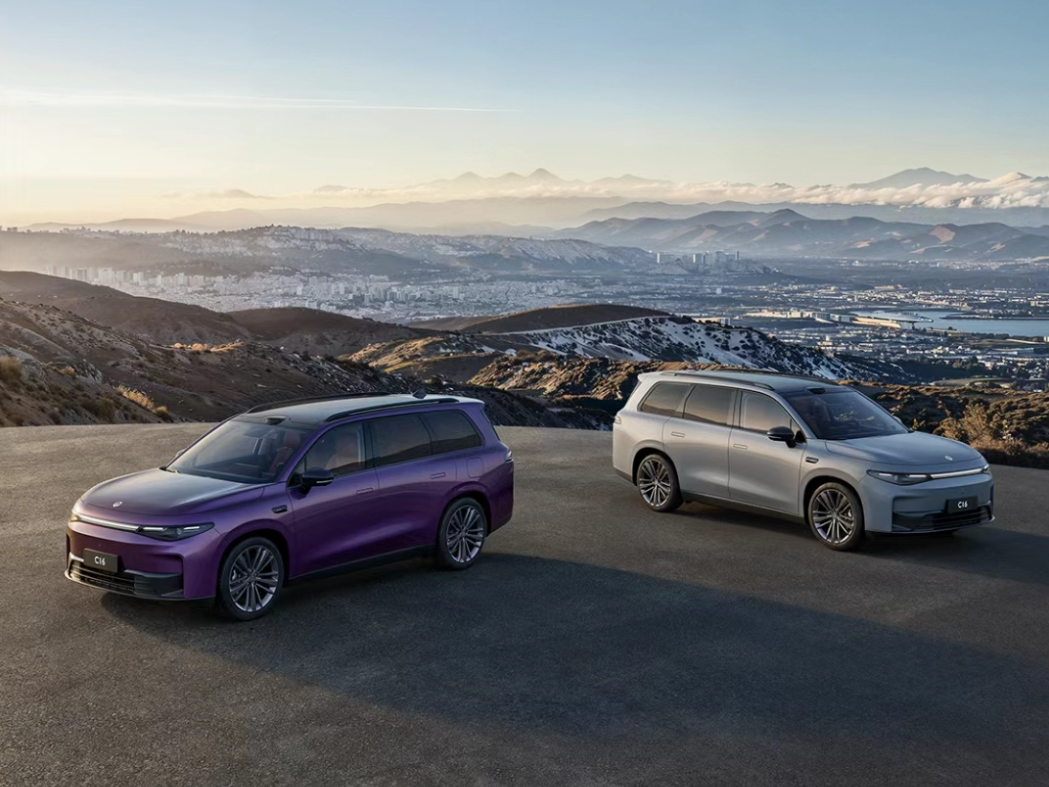
Group 1: Industry Highlights - The domestic automotive market saw significant events last week, including the milestone achievement of Leap Motor, which announced cumulative deliveries exceeding 800,000 units as of June 18, 2023 [1] - Leap Motor's May deliveries reached a new high of 45,067 units, with a total of 173,658 units delivered from January to May, including over 17,200 units exported [1][3] - The new 2026 model of Leap Motor's C16 was launched on June 18, featuring a new five-seat version designed for family users, with innovative features for outdoor camping [3] Group 2: New Vehicle Launches - The ZunJie S800, a flagship sedan developed in collaboration between JAC Motors and Huawei, commenced mass production on June 18, with over 5,000 pre-orders within 19 days of its launch [4][6] - The new Buick electric E5 was launched on June 19, with a price range of 149,900 to 169,900 yuan, featuring a maximum range of 620 km [14][16] Group 3: Charging Infrastructure - Li Auto announced the establishment of its 2,500th supercharging station in Shanghai, which is the brand's first full 5C station, equipped with advanced charging technology [11][13] - The upcoming Li Auto i8 will feature 5C fast charging capabilities, allowing for a 500 km range increase in just 10 minutes of charging [13] Group 4: Market Trends - The China Passenger Car Association estimates that retail sales of narrow passenger vehicles in June will reach approximately 2 million units, representing a year-on-year growth of 13.4% and a month-on-month increase of 3.2% [18] - The penetration rate of new energy vehicles is expected to reach around 55% in June, driven by intensified promotional efforts from manufacturers [18]


奥迪为何取消全面电动化?
Zhong Guo Qi Che Bao Wang· 2025-06-23 01:23
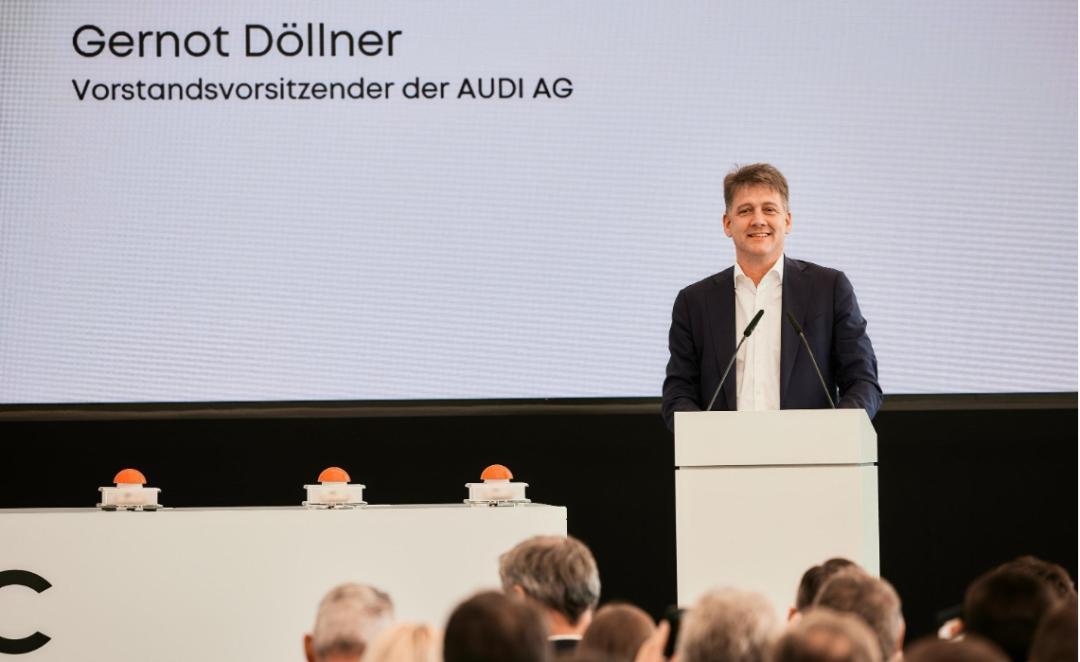
Core Viewpoint - Audi's CEO confirmed the withdrawal of previous management's plans for a strict timeline on phasing out internal combustion engine (ICE) vehicles, indicating a shift towards a more flexible approach in product offerings [2][4] Group 1: Audi's Strategy Shift - Audi has abandoned its previous plan to stop developing ICE vehicles by 2026 and to cease the sale of new fuel vehicles by 2033, opting instead for a diversified product lineup that includes BEVs, PHEVs, and ICE vehicles [4][10] - The decision reflects a broader trend among luxury brands like Mercedes-Benz, BMW, and Porsche, which have also slowed their electrification efforts in response to market conditions [3][5] Group 2: Market Dynamics - The global market for electric vehicles shows significant regional differences, with North America experiencing a delayed transition, while China has already reached a tipping point in the adoption of new energy vehicles [4][7] - In China, the market share of new energy passenger vehicles exceeded 50% for five consecutive months in the second half of 2024, while in Europe, the combined market share for BEVs and PHEVs was only about 22.7% [7][10] Group 3: Political and Economic Influences - The initial push for aggressive electrification targets was influenced by political factors, particularly in Europe, where green policies were prominent. However, changing political climates and economic pressures have led to a reassessment of these targets [8][10] - The EU's recent relaxation of emissions standards and the introduction of exemptions for synthetic fuels have provided traditional automakers with more leeway, reducing the urgency for a complete transition to electric vehicles [8][10] Group 4: Financial Pressures - Major luxury brands, including Audi, Mercedes-Benz, and BMW, faced declining sales and profitability in 2024, prompting a reevaluation of their electrification strategies [10][11] - Audi's sales dropped by 11.8% in 2024, leading to a historic low operating profit margin of 4.6%, while the parent company Volkswagen also faced significant financial challenges [10][11]

跨国车企为何对混动“真香”了?
Zhong Guo Qi Che Bao Wang· 2025-06-23 01:23
Core Viewpoint - Increasing number of multinational automakers are shifting their focus from pure electric vehicles to hybrid technology, following Toyota's lead, due to slowing growth in the electric vehicle market [2][3][6] Group 1: Company Strategies - Honda announced a shift in its electric vehicle strategy, reducing its investment from 10 trillion yen to 7 trillion yen and lowering its target for electric vehicle sales to below 30% by 2030 [3][10] - Ford plans to introduce hybrid versions of all its gasoline models by 2030 and has postponed the launch of some electric models due to ongoing losses in its electric vehicle division [4][5] - Mercedes-Benz and other automakers have also abandoned their aggressive electric-only strategies, opting for a diversified product lineup that includes hybrids [5][6] Group 2: Market Trends - In Q1 of this year, global sales of hybrid vehicles surpassed those of pure electric vehicles, with hybrids accounting for 16% of the market compared to 14.5% for pure electric [6][7] - In Europe, hybrid vehicle sales are projected to reach 4.06 million units in 2024, a 20% increase year-on-year, while sales of pure electric vehicles are expected to decline by 1.3% [7][8] - The U.S. market is also seeing a significant rise in hybrid vehicle sales, with a 36.7% increase year-on-year, contributing to overall new car sales growth [7][8] Group 3: Policy and Economic Factors - Changes in U.S. policy under the current administration have created uncertainty in the electric vehicle market, leading to a reassessment of electric vehicle strategies by automakers [8][9] - In Europe, the EU has softened its emissions targets and regulations, allowing for more flexibility in the transition to electric vehicles, which has influenced automakers' strategies [9][10] Group 4: Financial Performance - Ford's electric vehicle division reported a pre-tax loss of $5.1 billion in 2024, prompting a reevaluation of its electric vehicle strategy [11][12] - In contrast, Toyota's hybrid vehicle sales grew by 23.6% in the last fiscal year, contributing to a record net profit of 4.765 trillion yen [12][13] Group 5: Technological Developments - Hybrid technology is evolving, with companies like Toyota and Honda investing in new systems that improve fuel efficiency and reduce costs [14][15] - The rise of plug-in hybrids and range-extended vehicles is gaining traction, particularly in the Chinese market, as automakers adapt to changing consumer preferences [15][16]


观点湃|“扭扭捏捏”难成合力,“貌合神离”搞不好联盟
Xin Lang Cai Jing· 2025-06-22 09:12
Group 1: Industry Trends - The automotive industry is experiencing intense competition in 2025, characterized by consolidation, elimination, and systemic transformation [1] - The rise of electric vehicles is accelerating industry reshuffling, prompting companies to consider mergers and collaborations to enhance competitiveness [3][8] Group 2: Ford's Joint Ventures in China - Recent rumors about the merger of Jiangling Ford and Changan Ford were denied by Jiangling Motors, indicating no current plans for asset restructuring [2][4] - Both joint ventures, Jiangling Ford and Changan Ford, have faced declining sales, with Changan Ford's sales dropping by 16.43% year-on-year in the first five months of 2025, and Jiangling Ford's passenger vehicle sales falling to 35,000 units in 2024 [3] Group 3: Renault-Nissan Alliance Changes - Nissan announced plans to reduce its stake in Renault, coinciding with the resignation of Renault's CEO Luca de Meo, highlighting a shift in the traditional capital-binding alliance model [5][6] - The reduction of cross-holding from 43.4% to below 10% marks a transition to a "low-binding, high-autonomy" phase for the Renault-Nissan alliance [5][7] Group 4: Strategic Shifts and Challenges - Nissan's new CEO emphasized that funds from the stake reduction will be used for new vehicle development, aligning with its "Re: Nissan" revival plan [6] - Renault's leadership change raises concerns about the continuity of its electric vehicle strategy and the stability of the alliance with Nissan [6][7]


渠道整合几度失败,福特在华缘何又起重组之心
Jing Ji Guan Cha Wang· 2025-06-20 13:58
Core Viewpoint - The news reflects Ford's strategic confusion and survival desire in the Chinese market, highlighted by rumors of merging its joint ventures, Jiangling Ford and Changan Ford, amidst operational pressures [2][4]. Group 1: Merging Rumors and Responses - On June 18, rumors emerged that Ford China was integrating Jiangling Ford into Changan Ford, with actions already taking place at the sales and channel levels [3]. - Ford China responded to the merger rumors on June 19, emphasizing its commitment to building a sustainable sales service network as a core part of its long-term strategy in China [4]. Group 2: Historical Context and Challenges - Jiangling Ford and Changan Ford are both joint ventures of Ford in China, with Changan Ford established in 2001 and Jiangling Ford in 2021, complicating any potential restructuring due to intertwined shareholding [5]. - Previous attempts at channel integration, such as the establishment of a national distribution service agency in 2018, faced resistance from dealers and ultimately led to the cancellation of plans for a unified sales company [6]. Group 3: Current Market Dynamics - The Chinese automotive market is undergoing a brand restructuring wave, with various companies, including SAIC and BYD, integrating their operations to enhance efficiency [8]. - Ford's sales in China peaked in 2016 at 957,400 units but plummeted to 184,000 units by 2019, prompting strategic adjustments including capacity cuts and a focus on exports [9]. Group 4: Future Strategies and Adjustments - In 2024, Changan Ford's sales reached 247,000 units, a 5.97% increase, primarily driven by overseas markets, indicating ongoing challenges in the domestic market [9]. - Lincoln China is also undergoing channel reforms, including reducing the number of 4S stores to ensure efficient resource allocation [10]. - Ford's electric vehicle strategy has faced challenges, with limited model availability and mismatched sales channels, complicating its market position [10]. Group 5: Conclusion on Integration Efforts - While channel integration may not resolve fundamental issues, it could help eliminate unnecessary obstacles for Ford's future actions in the Chinese market [11].
中国车企冲击叠加美关税预期 Stellantis(STLA.US)拟剥离玛莎拉蒂
智通财经网· 2025-06-20 13:24
Core Insights - Stellantis is evaluating the potential divestiture of its luxury brand Maserati amid significant pressures from rising import tariffs in the U.S. and competition from Chinese electric vehicle brands in the global luxury car market [1][2] - Maserati's global deliveries have plummeted to 14,725 units in 2024, nearly halving from 26,689 units in 2023, indicating severe market challenges [1] - The decline in Maserati's sales is attributed to underperformance of its core model Grecale, a structural shift in demand from Chinese consumers, and a slowdown in product updates [1] Company Strategy - Stellantis has engaged McKinsey & Company to develop new strategic plans for its luxury brands, including Maserati and Alfa Romeo, during a transitional period under Chairman John Elkann [1] - Official representatives from Stellantis have denied rumors regarding the sale of Maserati, but the company has not provided further details on the strategic evaluation [1] Industry Context - The automotive industry is facing challenges related to accelerated electrification, geopolitical risks, and the need to optimize brand portfolios and improve operational efficiency [2] - The future direction of Maserati may serve as a case study for how multinational automotive companies respond to global industry changes [2]

坚持电动目标,兼顾市场差异:奥迪宣布灵活动力组合战略
Zhong Guo Jing Ying Bao· 2025-06-20 10:54
Core Viewpoint - Several multinational automotive companies are slowing down their electrification efforts and are betting on a multi-powertrain strategy to adapt to market variability and consumer preferences [1][3][5]. Group 1: Market Dynamics - The electric vehicle (EV) market is experiencing different growth rates globally, with China having surpassed a 50% penetration rate for new energy vehicles, while North America and Europe lag behind [2][5]. - Audi has acknowledged the need for a flexible product mix that includes battery electric vehicles (BEVs), plug-in hybrid electric vehicles (PHEVs), and internal combustion engine (ICE) models to cater to diverse market demands [1][3]. Group 2: Strategic Adjustments - Audi plans to maintain the appeal of its ICE models until the end of their product life cycles, with a goal to fully transition to electric vehicles by 2033 [3][4]. - Honda has revised its investment in electrification from 10 trillion yen to 7 trillion yen, anticipating that its global EV sales share will drop from 30% to around 20% by 2030 due to market expansion slowdowns [4][5]. Group 3: Consumer Preferences - Consumers are showing a preference for hybrid and fuel-efficient vehicles over fully electric options due to concerns about charging infrastructure and vehicle reliability [5][6]. - The shift in consumer logic emphasizes the importance of smart technology and user experience, prompting traditional automakers to enhance their offerings in the hybrid segment [2][5]. Group 4: Regional Strategies - Audi is focusing on strengthening its market position in China and North America by launching new models tailored to these markets, including the Q6L e-tron and other localized electric vehicles [6][7]. - The company aims to create a sustainable business model in China, emphasizing long-term growth rather than short-term gains [6]. Group 5: Financial Outlook - Audi anticipates a challenging financial year in 2025, projecting sales revenue between 67.5 billion and 72.5 billion euros, with an operating profit margin of 7% to 9% [7].
卷产品、卷价格,新别克E5“搏击”15万元级纯电市场
Zhong Guo Jing Ji Wang· 2025-06-20 06:32
Core Viewpoint - The new Buick electric E5 has been launched with a focus on product strength, competitive pricing, and a commitment to electric transformation, aiming to regain market prominence in the increasingly competitive electric vehicle sector [1][4]. Group 1: Product Strength - The new Buick electric E5 features the Aotian 2.0 multi-drive platform with 47 improvements across design, performance, smart interaction, and comfort [1]. - The vehicle dimensions are 4892mm in length, 1905mm in width, and 1683/1681mm in height, with a wheelbase of 2954mm, providing spacious seating for passengers [2]. - The E5 includes ergonomically designed wide-body seats and a rear seat backrest that can be adjusted to a comfortable 27° angle, enhancing passenger comfort [2]. Group 2: Safety Features - The Aotian 2.0 platform enhances safety with a high-integrated CTP battery pack structure, featuring multiple safety measures including real-time battery monitoring and a seven-layer battery protection system [3]. - The battery meets IP68 dust and water resistance standards and can disconnect power within 2 milliseconds in case of an accident, ensuring comprehensive safety [3]. - Over the past two years, the Buick electric E5 has accumulated over 1 billion kilometers of travel without any self-ignition incidents [3]. Group 3: Luxury and Driving Experience - The E5 is equipped with a health-maintaining temperature-controlled cabin and features Buick's library-level sound insulation technology, achieving a noise level of 22 decibels [3]. - The vehicle's driving dynamics benefit from a five-link rear suspension and VMC intelligent chassis technology, balancing comfort and sportiness [4]. - The new pricing strategy has reduced the E5's price range to 149,900 to 169,900 yuan, making it a strong competitor in the 150,000 yuan electric vehicle market [4].
都市车界|奥迪撤回全面电动化计划为哪般?
Qi Lu Wan Bao· 2025-06-20 02:55
Core Viewpoint - Audi's global CEO announced the withdrawal of the plan to stop producing internal combustion engine vehicles by 2033, indicating a shift towards new generations of internal combustion and plug-in hybrid models, reflecting the deep contradictions faced by traditional luxury car manufacturers in their electrification transition [1] Sales and Profit Pressure - Audi's global sales are projected to decline by 11.8% in 2024, the largest drop among the BBA group, with electric vehicle sales down 8% to 164,000 units, accounting for only 9.81% of total sales [2] - The brand's operating profit is expected to plummet by 45.3% in 2024, with an operating margin falling to a historical low of 4.6% [2] - In China, Audi's sales decreased by 10.9%, losing nearly 80,000 units, and profit contributions fell by 28.8% [2] Market Demand and Profitability Challenges - The strategic adjustment is driven by uneven global electric vehicle market development, with China achieving a 47.6% penetration rate in 2024, while Audi's electric vehicle sales face bottlenecks [3] - In North America, the electrification process is slower, and Europe saw a 5.9% decline in electric vehicle sales in 2024 [3][4] - The cancellation of subsidies in Germany led to a 33% drop in electric vehicle sales, with overall European electric vehicle sales plummeting by 43.9% in 2024 [4] Technical Constraints - Audi's electrification strategy relies on the PPE and SSP platforms, both facing production delays, with the Q6 e-tron delivery pushed back by 18 months due to software issues [5] - The SSP platform is not expected to be operational until 2029, while the optimization of fuel vehicle technology continues to provide a viable alternative [5] Industry Competition and Profit Balancing - Audi faces strong competition from emerging companies like Tesla, which has superior range capabilities compared to Audi's electric models [6] - The high logistics costs and low production efficiency at the Brussels plant, along with high labor costs in Europe, make maintaining traditional manufacturing increasingly uneconomical [7] - Audi's decision to pause its full electrification plan allows it to leverage profits from fuel vehicles to sustain operations and reduce R&D pressure [7] Industry-Wide Strategic Shift - Audi's strategic shift reflects a broader trend among traditional automakers moving from a "technology worship" approach to a "market-oriented" strategy [8] - Major automakers like BMW and Toyota are questioning the absolute necessity of full electrification, indicating a collective conservative shift in the industry [8][9] - This trend suggests that traditional manufacturers are adapting to regional demand differences through differentiated product offerings while maintaining fuel vehicle production as a competitive advantage [8][10]
向现实低头,奥迪撤回全面电动化目标
3 6 Ke· 2025-06-19 03:45
Core Viewpoint - Traditional automotive giants are collectively retreating from aggressive electric vehicle (EV) commitments, signaling a shift towards a more pragmatic approach in the face of market realities [1][3][14] Strategic Retreat - Audi has officially withdrawn its goal for full electrification by 2033, abandoning a clear timeline for phasing out internal combustion engines [1] - The cancellation of Audi's "odd-even naming system" in early 2025 is seen as a metaphor for the contraction of its electrification strategy [4] - The closure of Audi's Brussels factory, a historical site for EV production, highlights the challenges faced in the electric vehicle market, with Q8 e-tron sales declining significantly [4][6] Market Realities - Audi's global sales are projected to drop by 11.8% in 2024, the largest decline among major competitors, with electric vehicle sales down 8% to 164,000 units, representing only 9.81% of total sales [6] - The cancellation of EV subsidies in Germany has led to a 33% drop in Audi's domestic electric vehicle sales, reflecting broader market weaknesses in Europe [6] - The overall European EV market has seen a decline of 10.8% in July 2024 and a staggering 43.9% in August 2024, marking the lowest sales in three years [6] Dual-Track Strategy - Audi plans to introduce 10 plug-in hybrid models by 2025, allowing for a transitional approach while meeting emission regulations [8] - The SSP platform will be designed to accommodate both electric and combustion engines, providing flexibility to adjust production based on market conditions [8][10] - Other traditional automakers are also adopting a dual-track strategy, balancing electric and combustion models to mitigate risks associated with a full transition to electric vehicles [10] Technological and Economic Considerations - The transition to full electrification poses significant supply chain challenges for major manufacturers, with electric vehicle production costs being substantially higher than their combustion counterparts [7] - The reliance on software development has hindered the rollout of new electric models, as seen with Audi's Q6 e-tron delays due to issues at its software subsidiary [6][10] Market Adaptation - Audi is pursuing a more aggressive strategy in the Chinese market, collaborating with local companies to develop tailored electric vehicle offerings [11] - The shift in strategy reflects a broader industry trend where traditional automakers are reassessing their approaches to electrification, focusing on profitability and sustainability rather than solely on electric vehicle production [13][14]