情绪价值

Search documents
万辰集团蝶变:零售之王,万店起航
华尔街见闻· 2025-04-20 12:13
Core Viewpoint - The financial report of Wancheng Group for 2024 shows impressive growth, with revenue increasing by 248% to 32.33 billion yuan and net profit turning positive at 294 million yuan, exceeding market expectations [2][3]. Financial Performance - In Q4 alone, the company achieved revenue of 11.716 billion yuan, a year-on-year increase of 166%, and net profit of 209 million yuan, up 894% year-on-year [5]. - The overall net profit performance is close to the upper limit of the forecast range, indicating strong financial health [3]. - The gross profit margin remains stable around 11%, while the return on equity (ROE) in Q4 reached 20%, doubling from Q3, showcasing the company's strong earning capability [6]. Market Position and Strategy - Wancheng Group's performance comes amid intense competition and price wars in the bulk snack industry, validating its profitability and hinting at significant future cash flow releases as the industry stabilizes [9]. - The company is not solely focused on bulk snacks; it has broader strategic ambitions, aiming to combine elements of successful brands like Pop Mart and Mixue Ice City to capture both the lower-tier market and high-margin emotional value products [10][12]. Expansion and Innovation - The company has rapidly expanded its offline store count to over 13,000, demonstrating its deep understanding of market demand and operational capabilities [6]. - Wancheng's strategy includes tapping into the county economy, leveraging emotional value to create a high-margin business model, and engaging in IP collaborations to attract younger consumers [16][18]. - The recent launch of the "Lai You Pin" discount supermarket model indicates a shift towards a more diverse retail approach, enhancing customer base and average transaction value [30][32]. Future Outlook - Despite concerns about market saturation and competition, Wancheng Group's growth potential remains significant, particularly in lower-tier cities where it holds a dominant market share [27][29]. - The company is positioned to benefit from government policies aimed at boosting consumption, with a focus on quality-price ratio and new consumption trends expected to perform well in the capital market [25][26]. - Wancheng Group's ability to innovate and adapt to market changes suggests that it will continue to be a key player in the retail sector, with potential for further recognition and valuation adjustments in 2025 [35][36].

去年淘宝上衍生周边成交量超百亿元 潮玩行业可能出现下一个泡泡玛特吗?
Mei Ri Jing Ji Xin Wen· 2025-04-19 13:03
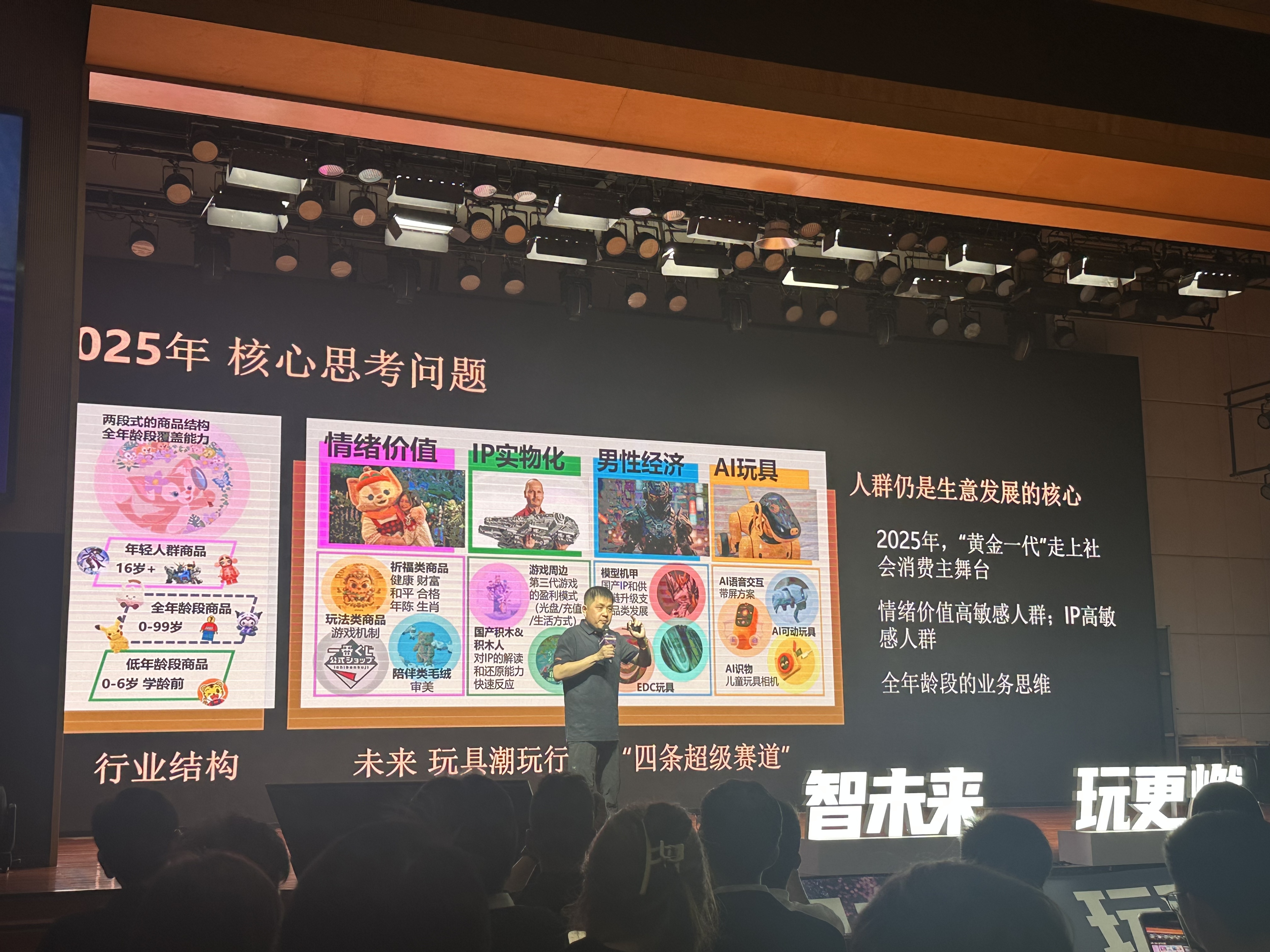
Core Insights - The toy industry is predicted to evolve towards four major trends in the next five years: emotional value, IP (Intellectual Property) materialization, male economy, and AI (Artificial Intelligence) toys [1] - The market size of China's toy and trendy toy industry is approximately 153.6 billion yuan, indicating significant growth potential [1] - The rise of derivative products related to popular IPs is creating a substantial market, with the example of "Nezha 2" generating over 300 million yuan in sales within a month [5] Group 1: Industry Trends - The toy industry is transitioning from niche to mainstream, with significant sales figures reported on platforms like Taobao, including over 1 billion yuan in derivative product sales in 2024 [1] - The focus of Taobao's toy offerings has shifted over the years, from maternal and infant toys to blind boxes, and now to plush toys, which have become the leading category [4] - The EDC (Every Day Carry) toy segment has seen a remarkable increase, with search volume up 532% and transaction volume up 345% year-on-year in 2024 [4] Group 2: Brand Development - The toy industry is moving towards brand-oriented development, with many manufacturers transitioning from OEM to brand marketing strategies [5][6] - The success of brands like Bubble Mart has demonstrated that high-value toys can be marketed effectively, influencing the industry's approach to pricing and value [10] - The concept of "brand equals category" is emphasized, suggesting that successful brands can dominate their respective markets, as seen with Lego and Bubble Mart [9] Group 3: Market Opportunities - The potential for new companies to emerge in the toy industry is significant, with the possibility of 3 to 10 new publicly listed companies in the future [13] - The industry's evolution from practicality to emotional value reflects changing consumer preferences for personalized and high-value toys [13] - The success of Bubble Mart has shown that Chinese toy companies can achieve substantial market valuations, although replicating its success may be challenging [13]

大山脚下的情绪淘金记:“陪爬”从泰山火向全国,“靠山吃山”有了新注解丨新生活·新职业·新旅人②
Mei Ri Jing Ji Xin Wen· 2025-04-12 00:01
Core Insights - The travel industry is undergoing a transformation, with a shift from traditional tourism to personalized and customized services, emphasizing "emotional value" as a new necessity [1][3][12] - The rise of "accompanying climbing" services, particularly around Mount Tai, reflects a growing market demand for emotional support and companionship during outdoor activities [3][12][18] Industry Trends - During the recent Qingming Festival, travel volume reached a historical high of 790 million trips, indicating a strong recovery and interest in travel [1] - The concept of "accompanying climbing" has gained popularity, with numerous university students and freelancers forming groups to offer these services, leading to a significant increase in orders [2][3][7] - The "accompanying climbing" market is expanding beyond Mount Tai to other famous mountains like Huangshan and Emei, indicating a nationwide trend [3][18] Market Dynamics - The demand for "accompanying climbing" services has surged, with some individuals and companies reporting hundreds of orders in a short period [2][7] - Pricing for these services varies, with basic packages starting around 399 yuan, while premium options that offer additional emotional or technical support can cost significantly more [12][13] - Despite the influx of new providers, prices have remained stable or even increased, suggesting a growing market rather than oversaturation [13][18] Consumer Behavior - Customers are increasingly seeking "emotional value" from their experiences, with a notable preference for companions who are attractive or have engaging personalities [12][13] - The demographic of customers spans a wide age range, with solo travelers and families showing particular interest in "accompanying climbing" services [13] Professionalization of Services - Some providers are pursuing formal training and certification to enhance their professionalism, indicating a move towards standardization in the industry [8][12] - The emergence of companies like "探野工作室" reflects a trend towards more organized and professional service offerings in the "accompanying climbing" sector [7][18] Regulatory Environment - The "accompanying climbing" service is currently operating in a regulatory gray area, lacking clear industry standards and legal definitions, which presents both opportunities and risks for providers [17][18]

你的座驾正在定义你的社交圈
新财富· 2025-04-11 09:05
Core Viewpoint - The automotive market in the 200,000 to 300,000 yuan range is undergoing significant changes due to the impact of electric vehicles and price wars, leading to a redefinition of consumer expectations and emotional value associated with vehicles [1][3][27] Group 1: Market Dynamics - The traditional threshold of 200,000 yuan for B-class cars is being challenged as models like Passat, Camry, and Accord are now priced around 150,000 yuan, blurring the lines of B-class car positioning [1] - The 200,000 to 300,000 yuan segment is characterized by consumers seeking higher value and emotional satisfaction rather than just basic functionality [3][4] - Emotional value is becoming a critical factor in consumer decision-making, influencing the differentiation of vehicles in this price range [4][18] Group 2: Competitive Landscape - Xiaomi's SU 7 has emerged as a strong competitor in the 200,000 to 300,000 yuan segment, achieving sales of 145,566 units within nine months of launch, showcasing the importance of design, product strength, and emotional value [8][10] - Tesla continues to dominate this market segment with significant sales figures, reflecting strong brand recognition and consumer loyalty [12][19] - Traditional luxury brands like Mercedes-Benz, BMW, and Audi are also seeing their entry-level models priced down to the 200,000 to 250,000 yuan range, maintaining a substantial market share due to established brand equity [12][19] Group 3: Brand and Emotional Value - The success of models like Li Auto's L6 and L7 is attributed to their ability to provide a "superior experience" at a lower price point, effectively tapping into the emotional value consumers seek [13][15] - The AITO M series has shown varying sales performance, indicating that a strong emotional narrative is essential for success in this competitive landscape [14][15] - The emotional value associated with brands is crucial, as many new entrants struggle to establish a compelling narrative compared to established players [18][27] Group 4: Future Trends - The automotive industry is shifting towards viewing cars as consumer products rather than mere industrial goods, emphasizing the importance of emotional value, branding, and marketing strategies [27] - Companies like Geely and BYD are adapting their strategies to enhance their presence in the 200,000 to 300,000 yuan market, indicating a trend towards more competitive pricing and product offerings [22][25]

如何愉悦自己?拉开“抽屉”,享受JOY时刻!
凤凰网财经· 2025-04-07 14:58
当"性价比"已经不足以提供情绪与体验,难以打动我们时,你会为"心价比"动心买单吗? 留心观察,我们身边总会有这样一群人——他们愿意为了一款游戏、一部电影开始一场说走就走的旅行,也会为邀请三五好友的聚会而改造自己的家,更 多时候,他们不介意为一时的开心与快乐而"豪横"一把......曾经,为情绪买单更像是一种"不太理性"的消费方式,但更多人正在发现,追求"心价比"的产 品,早早就摘掉了"智商税"的标签,成了当代人自我疗愈的"精神刚需"。而在这种趋势当中,家电悄然成为承载情绪价值的核心载体。 想象一下,当厨房从功能空间升级为融合美学、社交与悦己属性的"第三空间",品牌应如何创新回应需求?卡萨帝洗碗机与宝洁JOY的答案是:用技术重 新定义厨房的"温度"。 当你希望洗碗不再是完成"为了洗碗"的任务时,一些品牌与产品,已经开始围绕空间、美学、体验等一系列价值,赋予厨电情感温度,并满足用户的"情 绪价值"需求——让厨房生活感受更愉悦。卡萨帝与宝洁JOY洗悦深谙此道,这对清洁"好搭子"以"愉悦"为共同语言,重构至美厨房与社交体验,皆在诠 释:愉悦自己是消费者的权利。 从 "物奢"到"心奢",让厨房生活更愉悦 "奢",已不再 ...

消费端解码生产商,ADA凭什么成为“新星”酒店的“靠山”?
Sou Hu Cai Jing· 2025-03-31 02:42
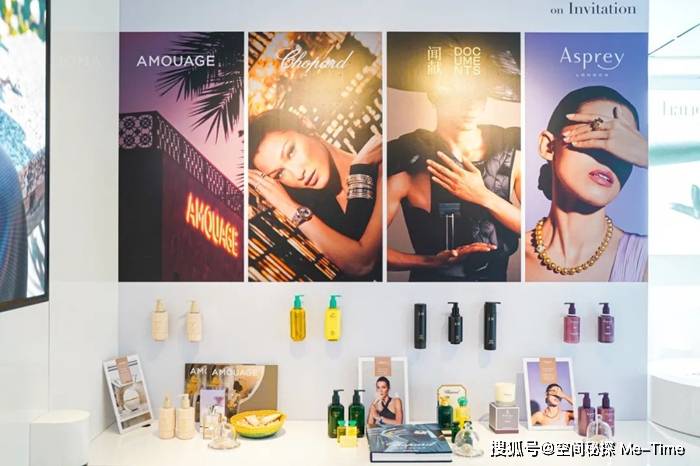
Group 1: Luxury Market Trends - The luxury goods market is experiencing a decline in customer numbers for the first time in 23 years, with an estimated loss of about 50 million customers globally from 2022 to 2024 [1] - Consumers are shifting their preferences from logo-centric brands to low-key, niche, and sustainable brands, leading to a rise in smaller brands gaining popularity [3][4] - Major luxury groups like LVMH, Kering, Richemont, and Swatch have seen fluctuating growth in China, indicating a change in consumer behavior [3] Group 2: ADA Cosmetics' Market Strategy - ADA Cosmetics, a leading manufacturer of hotel amenities, is focusing on the Chinese market due to saturation in Europe, adopting the principle of "In China, For China" [4][5] - The company is actively researching the Chinese market and has developed a five-year growth plan to enhance its presence [4] - ADA is facilitating the entry of local brands into luxury hotels, showcasing them at events like the Hotel & Shop Plus expo [7] Group 3: Product Innovation and Sustainability - ADA is introducing innovative products like the ACTIMOOD® emotional fragrance project, which aims to connect scents with emotional experiences [14][20] - The company emphasizes sustainability, with all new dispensers made from 100% recycled PET, aligning with consumer demands for safety and environmental responsibility [24][28] - ADA is the first and only hotel amenities manufacturer with a full product line certified from cradle to cradle, highlighting its commitment to sustainable practices [27] Group 4: Cultural and Emotional Branding - The rise of local brands like handhandhand and 闻献DOCUMENTS reflects a growing interest in culturally rooted and emotionally resonant products [9][11] - ADA's strategy includes linking products with emerging concepts, focusing on emotional value as a key driver for consumer engagement [18][20] - The company aims to create unique consumer experiences through scent, enhancing the overall hotel stay [23]
深度专题| 新消费,“新”在哪里?
申万宏源宏观· 2025-03-24 10:55
Group 1 - The core viewpoint of the article emphasizes the emergence of new consumption trends driven by emotional value and the integration of supply-side innovations, highlighting a shift towards personalized and diversified consumption [2][4][10] - On the demand side, there is a significant increase in consumption focused on emotional value, with "self-pleasing" consumption projected to grow by 40.6% in 2024, and social consumption, represented by sports and entertainment goods, expected to rise by 11.1% [2][10][23] - The supply side shows a notable trend of integration across different fields, with the IP industry experiencing an average growth rate of 13.1% from 2019 to 2024, and the tourism and cultural sectors also expanding significantly [2][32][39] Group 2 - The rise of new consumption is attributed to generational changes, economic characteristics, and upgrades in consumption supply, with younger consumers (ages 18-34) being the primary drivers of emotional consumption [4][49][50] - The youth demographic is increasingly focused on emotional value due to factors such as high unemployment rates and increased work pressure, leading to a greater emphasis on self-pleasing and home-based consumption [4][61][62] - Supply-side improvements, including increased R&D investments in sectors like automotive and electrical machinery, are facilitating the intelligent upgrade of consumption offerings [4][62][68] Group 3 - Future growth potential for new consumption is reinforced by economic growth, demographic shifts, and improvements in consumption supply, with service consumption expected to rise as GDP per capita increases [6][74][83] - The trend of smaller family units and declining birth rates in developed countries is likely to further enhance new consumption demand, as seen in the U.S. and Japan [7][74][75] - The importance of "consumption-related infrastructure" is being elevated, with government spending in education, healthcare, and social security expected to support the enhancement of new consumption supply [8][102][106]

这届打工人正在为“情绪价值”付费
虎嗅APP· 2025-03-21 10:32
Core Viewpoint - The article discusses the rising trend of "fidget toys," particularly the Tangle, among urban workers as a means to alleviate workplace anxiety and improve focus, reflecting a broader cultural shift towards seeking emotional value in everyday objects [1][2][3]. Summary by Sections Fidget Toys and Workplace Culture - The Tangle, a colorful plastic fidget toy, has gained popularity among workers, marketed as a tool to enhance focus and relieve anxiety, selling for around 70 yuan each [1][4][6]. - The emergence of fidget toys like Tangle is linked to the growing trend of self-improvement among workers, with products like "扭扭乐" (Tangle) entering office spaces [3][4]. Market Dynamics - The Tangle's price can reach up to 108 yuan on resale platforms, indicating a significant markup from its production cost of around 5 yuan [7][8]. - The fidget toy market has diversified, with premium versions made from materials like wood being sold for over 700 yuan, attracting a new consumer base [8][9]. Psychological and Medical Aspects - Tangle has been recognized as a therapeutic tool for ADHD (Attention Deficit Hyperactivity Disorder), with claims of improving focus and reducing anxiety, supported by its classification as a medical device by the FDA [9][10]. - The article highlights the increasing prevalence of ADHD diagnoses among adults, with many individuals self-identifying with the condition based on common symptoms [14][16]. Cultural Implications - The rise of ADHD as a trendy diagnosis reflects a societal shift, where symptoms are often trivialized or misidentified, leading to a culture of self-diagnosis [15][22]. - The Tangle and similar products serve as coping mechanisms for individuals navigating the pressures of modern work life, providing a socially acceptable outlet for anxiety [20][21]. Consumer Behavior - The popularity of fidget toys is driven by their perceived emotional value, with consumers willing to pay a premium for items that offer stress relief and a sense of control in chaotic environments [19][20]. - The article notes that while fidget toys may provide temporary relief, their effectiveness in treating ADHD remains scientifically unproven [19][20].

对话 Haivivi 李勇:用 AI 做 Jellycat,如何单月营收千万
晚点LatePost· 2025-03-13 15:37
在小众 AI 硬件 × 大众消费品的交叉口创业。 文 丨 王与桐 编辑 丨 程曼褀 2024 年 9 月,我们第一次去 Haivivi 北京办公室和 CEO 李勇见面。在交谈的两小时里,他不断被会议 室外的员工提醒看手机。几次之后,他告诉我们,当天他们给小孩挂在毛绒玩具脖子上的智能对话硬件 BubblePal(泡泡伙伴),在直播间卖爆了,他要处理一些采购、打款的事,很着急。 这时 BubblePal 刚上线不久,此时 Haivivi 创业 3 年,做了 1 年半 AI 毛绒玩具。在从教育硬件转型做 玩具前,Haivivi 获得过蓝驰的天使轮投资;转型过渡期,香港科技大学工学院原院长高秉强教授曾个人 投资 Haivivi。 BubblePal 上市后,去年底至今,Haivivi 又陆续获得红杉中国种子基金、愉悦资本、华山资本等机构的 投资,累计融资额超千万美元。现在单价 399 元一个的 Bubble Pal,已能带来单月超千万元的收入。 "我也很意外,实在没准备好。" 李勇说,刚推出产品不久,只有一个主播和一个客服,面对着直播间涌 入的几千人,根本回不过来消息。"我 2005 年硕士毕业到现在,做了二十年的硬 ...
参半创始人尹阔:不要光看到线下赚钱,实际比抖音更残酷|厚雪专访
36氪未来消费· 2025-03-13 10:58
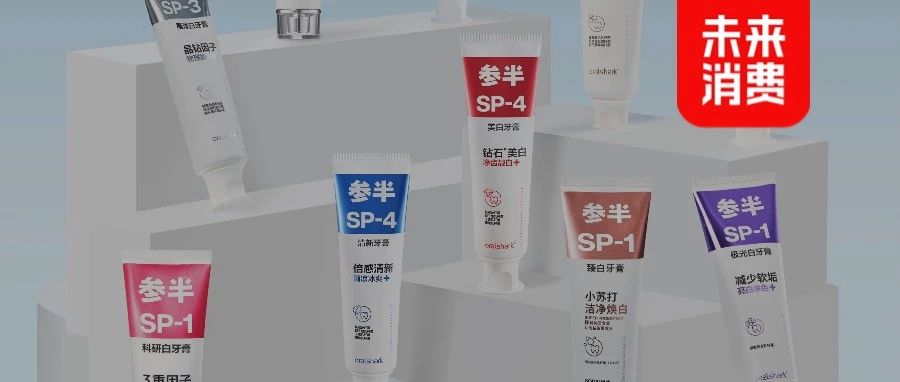
Core Viewpoint - Despite the current downturn in consumer investment, there is still optimism for emerging consumer brands, as brand establishment takes time but can lead to stable growth once achieved [2] Group 1: Company Overview - The company "参半" has evolved from a mouthwash brand to focus on toothpaste, capturing a significant market share in a competitive landscape dominated by established brands like Yunnan Baiyao and Colgate [4][5] - In 2024, "参半" is projected to surpass 2 billion in overall sales, becoming the leading brand in the online toothpaste market [4] Group 2: Market Challenges - The offline market presents significant challenges, with high entry costs and the risk of substantial losses if not managed properly [5][19] - "参半" has established over 500,000 sales terminals across more than 1,000 cities, indicating a strong offline presence that has grown to match its online sales [5][8] Group 3: Strategic Shifts - The company has shifted its target demographic from primarily urban women aged 18-30 to a more diverse customer base, including children, older adults, and rural consumers [8][9] - The strategic pivot to toothpaste was planned from 2021, aiming to create a national brand rather than serving a niche market [9][11] Group 4: Marketing and Distribution - "参半" views platforms like Douyin (TikTok) primarily as advertising channels rather than direct sales platforms, leveraging them for brand awareness and customer outreach [13][15] - The brand's ability to penetrate various demographics on Douyin has contributed to its success, as toothpaste is a universally needed product [15][17] Group 5: International Expansion - "参半" is exploring international markets, particularly in Southeast Asia and the U.S., capitalizing on the rapid adoption of online payment methods and the demand for new consumer products [22][24] - The company aims to leverage cultural output and emotional value in its marketing strategy to resonate with local consumers in these new markets [24]