企业文化

Search documents
三只松鼠回应员工改鼠名争议称非强制,律师解读花名文化合法性
3 6 Ke· 2025-11-25 04:53
Core Viewpoint - The company, Three Squirrels, has a unique internal culture where employees are encouraged to adopt names starting with "Mouse" to enhance brand identity and foster a friendly atmosphere. This practice is not mandatory and does not carry any consequences for those who choose not to participate [1]. Group 1 - Three Squirrels has a cultural practice where employees use names prefixed with "Mouse" to create a sense of closeness and brand uniqueness [1]. - The company clarified that the use of "Mouse" names is not a compulsory requirement, and employees are informed about this custom upon joining [1]. - Photos shared by netizens show name tags starting with "Mouse" at a distribution meeting, indicating the prevalence of this naming convention within the company [1]. Group 2 - Legal expert Yang Min stated that while many companies encourage fun nicknames to strengthen corporate culture, requiring employees to use names with "Mouse" is not illegal as long as it is not enforced coercively [1]. - If the practice is implemented without force and does not infringe on employees' rights, it is generally considered legal [1]. - However, if the company were to enforce this naming convention, it could potentially violate employees' dignity and personal rights [1].

入职要姓“鼠”?三只松鼠工作人员回应
第一财经· 2025-11-24 16:02
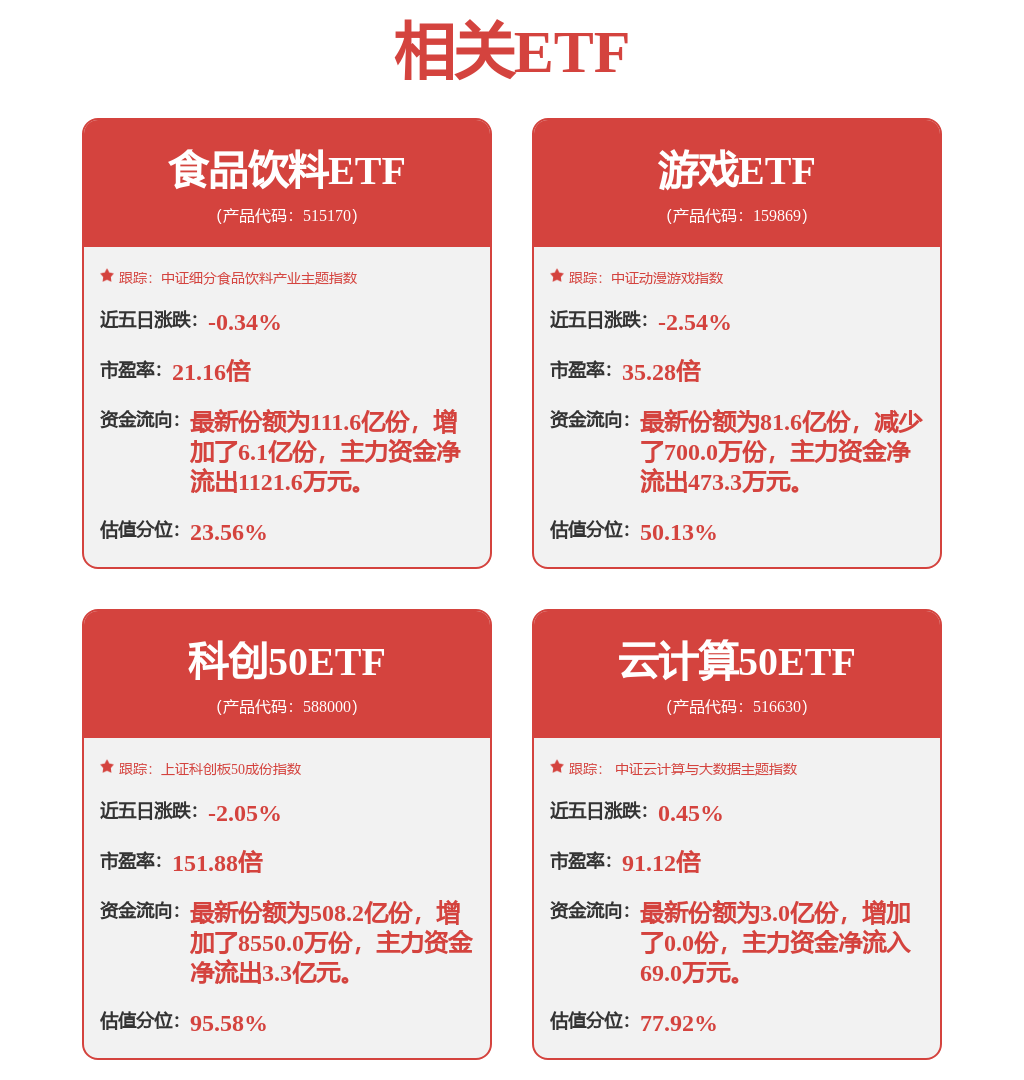
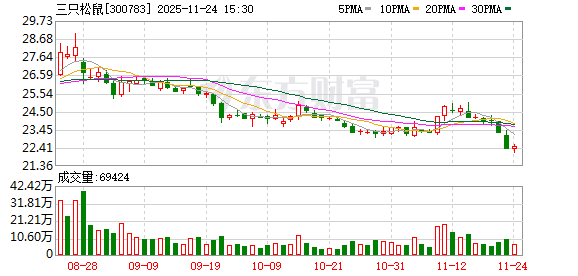
Core Viewpoint - The article discusses a unique cultural practice at Three Squirrels Co., Ltd., where employees adopt names starting with the character "鼠" (meaning "squirrel") to foster a sense of camaraderie and brand identity. This practice is not mandatory but is encouraged within the company culture [2][6]. Group 1 - Three Squirrels has a cultural practice where employees use names prefixed with "鼠" to enhance brand identity and create a friendly atmosphere [2][6]. - The company clarified that this naming convention is not enforced and employees can choose whether to adopt it without facing any consequences [6]. - Legal experts noted that while encouraging such naming practices is generally legal, mandatory enforcement could infringe on employees' personal rights [6]. Group 2 - As of November 24, Three Squirrels' stock price increased by 0.63%, reaching 22.46 yuan, with a market capitalization of approximately 9 billion yuan [7]. - The company was founded in 2012 by Zhang Liaoyuan and is headquartered in Wuhu, Anhui, primarily dealing in nuts and snacks. It went public in 2019, becoming known as the "first stock of national snacks" [6].


三只松鼠回应员工入职要改鼠名
2 1 Shi Ji Jing Ji Bao Dao· 2025-11-24 14:20
Core Viewpoint - The company, Three Squirrels, has a cultural practice where employees adopt names starting with "鼠" (Shu), but participation is not mandatory [2] Group 1: Company Culture - Employees are informed about the naming convention upon joining, and it is accepted without objection [2] - During a distribution meeting, name tags starting with "鼠" were displayed for each seat, indicating the prevalence of this practice [2] - The company’s party committee list also features names beginning with "鼠," further emphasizing this cultural aspect [2] Group 2: Legal Perspective - A lawyer from Hubei Chisheng Law Firm stated that encouraging employees to use fun nicknames is common in many companies [2] - If the company does not enforce this naming convention through coercion and respects employees' rights, it is generally considered legal [2] - However, if the practice is enforced, it could potentially violate employees' dignity and personal rights [2]
AI落地遇冷真相,根源在企业文化,不是技术不够强
Sou Hu Cai Jing· 2025-11-21 22:06
Core Insights - The article emphasizes that companies should not only focus on technology but also on corporate culture and talent as key factors for success in AI implementation [1][6][30] Technology vs. Culture - Many managers mistakenly believe that resolving technical issues like model selection and data governance will automatically unlock AI's value [3][7] - Companies that treat technology as a panacea often overlook the importance of culture, which can hinder the effective use of AI tools [6][12] - The disparity in AI tool usage among companies is largely attributed to corporate culture rather than the usability of the tools themselves [5][12] Organizational Capability and AI - The essence of AI implementation is the reconstruction of organizational capabilities rather than mere technological upgrades [11][30] - A culture that is not conducive to AI will lead employees to either avoid using the technology or use it mechanically without understanding its potential [11][30] Building an AI-Friendly Culture - To integrate AI effectively, companies must break down organizational inertia and establish a work culture that aligns with the AI era [15][30] - Key actions include reshaping perceptions of change and trial-and-error, internalizing continuous learning as an organizational habit, and creating a positive feedback loop through policies and leadership examples [17][21][23] Continuous Evolution of AI Culture - Establishing an AI culture is not a one-time effort; it requires ongoing adaptation as AI technology rapidly evolves [25][26] - The core of AI culture is not about fixed rules but about fostering an organization's ability to evolve and optimize human-machine collaboration [28][30] Dynamic Optimization - Some companies have recognized the importance of this dynamic approach by forming AI culture committees to regularly gather employee feedback and adjust cultural strategies in line with technological advancements [31]

俞敏洪毕竟不是于东来
Xin Lang Cai Jing· 2025-11-21 05:53
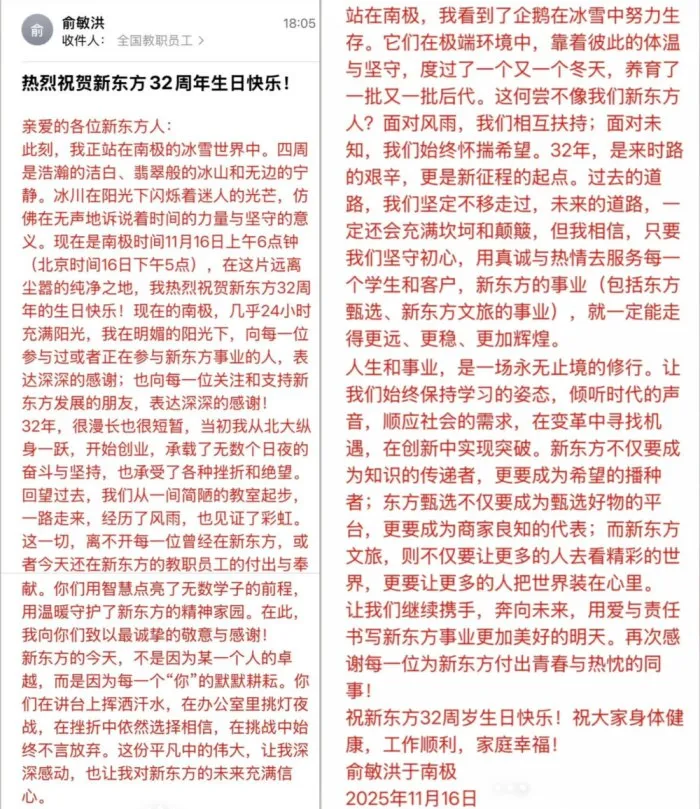
Core Viewpoint - The letter from Yu Minhong, founder of New Oriental, sent from Antarctica, has been met with criticism from employees and the public, highlighting a disconnect between leadership and staff concerns about work pressure and morale [1][5][7]. Group 1: Content of the Letter - Yu Minhong's letter emphasizes personal reflections and poetic imagery from his experience in Antarctica, focusing on themes of time and perseverance, but lacks acknowledgment of employee struggles [2][5]. - The intention behind the letter was to inspire employees by drawing parallels between the resilience of penguins in extreme conditions and the unity of New Oriental staff during challenging times [5][6]. Group 2: Employee Reactions - Employees expressed feelings of irony and sarcasm regarding the letter, with some stating that the descriptions of Antarctica felt disconnected from their daily realities [5][7]. - Public reactions included mockery, with comments highlighting the stark contrast between the CEO's experience and the employees' situations [5][7]. Group 3: Crisis Management Response - Yu Minhong's response to the backlash was prompt and included an acknowledgment of employee dissatisfaction, stating that he encourages feedback and will address issues within the company [6][7]. - He announced a plan to take 20 employees and 10 customers to Antarctica, which was seen as a way to promote company culture and address the criticism [6][15]. Group 4: Underlying Issues - The incident reveals a deeper systemic disconnect between New Oriental's leadership and its frontline employees, indicating that the company is facing challenges in maintaining employee trust and morale [7][15]. - The company's recent financial performance shows a significant decline, with a 73.7% drop in net profit to $7.1 million, primarily due to issues in its core education business and goodwill impairment [14][15]. Group 5: Comparison with Other Business Models - The letter and subsequent reactions suggest that New Oriental's management style may benefit from adopting practices similar to those of successful companies like Pang Donglai, which emphasizes employee welfare and a unified corporate culture [12][14]. - Pang Donglai's approach includes transparent communication, generous employee benefits, and a focus on service quality, contrasting with New Oriental's more traditional, authoritative management style [12][14].

基金经理请回答 | 对话姜诚:懂到什么程度,才能做投资?
中泰证券资管· 2025-11-21 05:02
Core Insights - The essence of value investing is not limited to stocks but can be applied to any asset that generates cash returns, emphasizing the importance of a mindset that values long-term ownership over short-term trading [2][3][4] - Corporate culture is crucial for long-term strategic alignment and decision-making, although it is often difficult to assess from a secondary market investor's perspective [4][5][6] - The analysis of business models and competitive advantages is fundamental to determining long-term value, while corporate culture serves as a supportive tool for this analysis [5][6][7] Group 1: Investment Philosophy - The concept of "buying a company" aligns with the idea of being willing to hold an asset indefinitely, which serves as a test for value investment [2] - A strong corporate culture can help a company correct its course over time, but assessing this culture is challenging for external investors [4][5] - The focus on business models and competitive advantages is essential, as they are the core determinants of long-term value [5][6] Group 2: Corporate Culture - Corporate culture encompasses a company's mission, vision, and core values, which guide daily operations and decision-making [6] - Identifying a company's culture is complex, as there is often a mismatch between what companies claim and their actual practices [6][7] - A clear understanding of corporate culture can enhance the evaluation of a company's long-term value, but it is often underutilized in investment analysis [5][6] Group 3: Decision-Making in Investment - The decision to invest should consider both the understanding of the asset and its price; a low price may justify investment even with limited understanding [10][11] - The investment process is a continuous decision-making journey influenced by multiple factors, rather than a binary choice of understanding or not [10][11] - Identifying "red flags" or "one-vote veto" criteria, such as dishonesty or misalignment of interests, is critical in investment decisions [13] Group 4: Market Dynamics and AI - The potential of AI as a new industrial revolution is acknowledged, but investment decisions should be based on cash flow generation capabilities rather than broad narratives [17][18] - Learning about emerging technologies like AI is valuable, even if it does not immediately translate into investment decisions [19][20] - The current investment strategy does not include AI-related assets due to a lack of suitable candidates that meet the "slow change" standard [20] Group 5: Future Outlook - The goal of investment management is to generate returns for clients, with retirement plans being secondary to the ability to continue delivering value [21]

三只松鼠创始人回应花名文化争议称以消费者为中心
Xin Lang Ke Ji· 2025-11-19 15:35
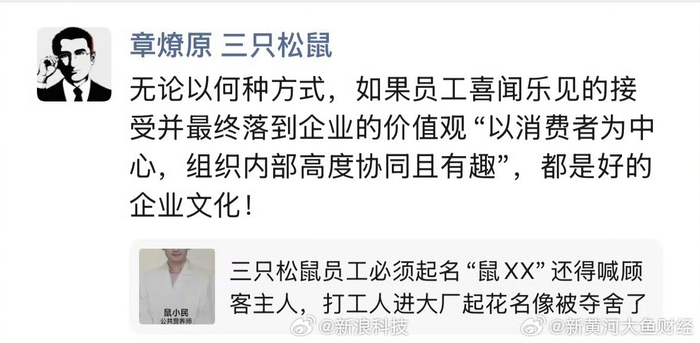
Core Viewpoint - The founder and CEO of Three Squirrels, Zhang Liaoyuan, responded to recent discussions regarding the company's culture, emphasizing that a good corporate culture is one that is accepted by employees and aligns with the company's values, focusing on consumer-centricity and internal collaboration [1] Group 1: Company Culture - The recent controversy arose from a consumer's complaint about a potentially spoiled product, where the return recipient was humorously named "Return Mouse," leading to concerns about the name's negative connotation [1] - Zhang Liaoyuan stated that regardless of the method, if employees find the culture enjoyable and it ultimately reflects the company's values, it is considered a positive corporate culture [1]
段永平最新11只美股持仓曝光
2 1 Shi Ji Jing Ji Bao Dao· 2025-11-19 00:57
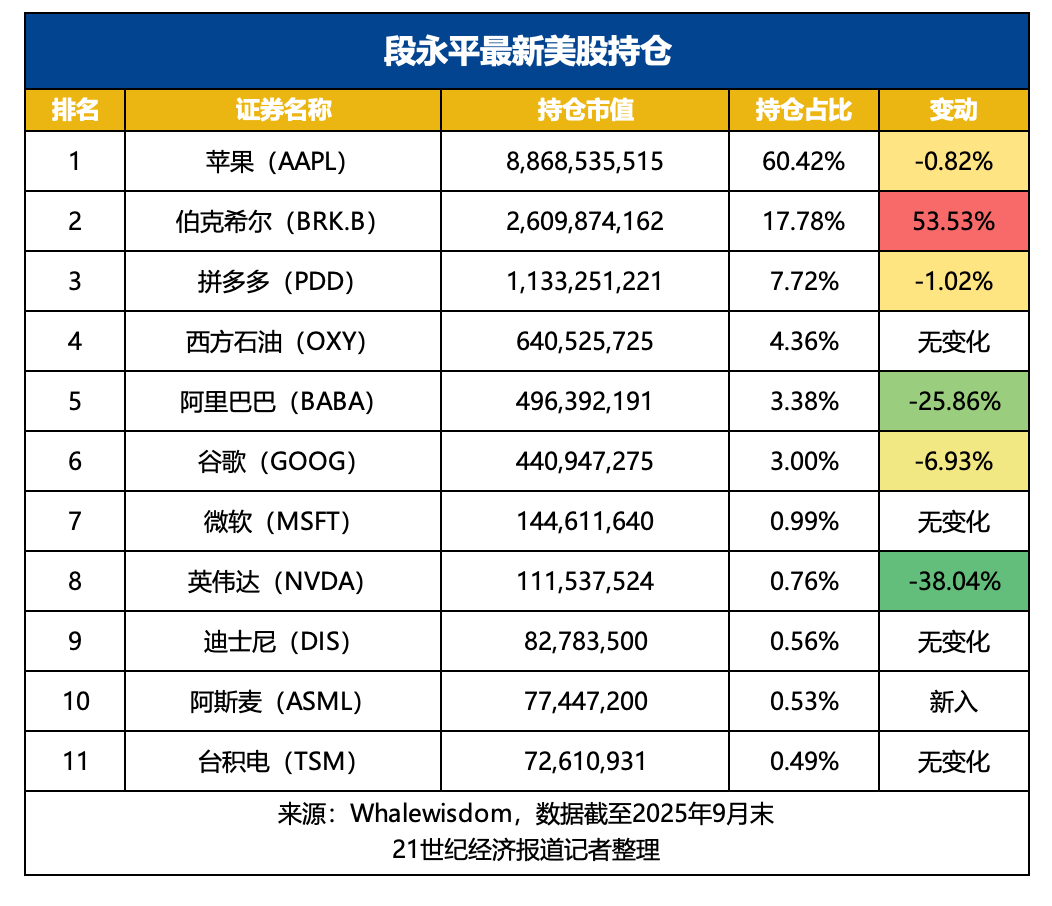
Core Insights - The core viewpoint of the articles revolves around the investment strategies and philosophies of Duan Yongping, particularly his recent stock holdings and insights shared during an interview [1][3][4]. Group 1: Investment Portfolio - Duan Yongping's investment portfolio, H&H International Investment, reported a total market value of approximately $14.679 billion as of the end of Q3, reflecting a growth of about 28% from the previous quarter [1]. - The top ten holdings in the portfolio account for a high concentration of 99.51%, with Apple Inc. being the largest holding at approximately $8.87 billion, representing 60.42% of the total portfolio [2]. - Significant changes in holdings include a 53.53% increase in Berkshire Hathaway, while there were notable reductions in Alibaba (down 25.86%) and Nvidia (down 38.04%) [2]. Group 2: Investment Philosophy - The principle of "buying stocks is buying companies" is emphasized, highlighting the importance of understanding the business before investing [4][12]. - Duan Yongping acknowledges the difficulty in fully understanding companies like General Electric and Google, suggesting that investors should refrain from investing in businesses they do not comprehend [4][12]. - He stresses the importance of corporate culture and business models, stating that a strong culture can guide a company even through mistakes [14][16]. Group 3: Market Insights - Duan Yongping expresses admiration for Nvidia's founder Jensen Huang, noting his consistent vision over the years and the company's strong ecosystem [22]. - The discussion includes concerns about the future of electric vehicles, indicating that many companies in this sector may struggle due to a lack of differentiation [29]. - The potential impact of AI on various industries is acknowledged, with a belief that while AI will bring significant changes, it will not replace the need for sound investment decisions [33].

段永平最新11只美股持仓曝光
21世纪经济报道· 2025-11-19 00:52
Core Insights - The article discusses the latest 13F holdings of H&H International Investment, revealing a total market value of approximately $14.68 billion, a 28% increase from the previous quarter, with a high concentration in the top ten holdings [1][2]. Holdings Summary - The largest holding is Apple (AAPL) with a market value of approximately $8.87 billion, accounting for 60.42% of the portfolio, showing a slight decrease of 0.82% [2]. - Berkshire Hathaway (BRK.B) is the second-largest holding at approximately $2.61 billion, with a significant increase of 53.53% [2]. - Other notable holdings include Pinduoduo (PDD) at approximately $1.13 billion, Occidental Petroleum (OXY) at approximately $640 million, and Alibaba (BABA) at approximately $496 million, with Alibaba seeing a notable decrease of 25.86% [2]. - New additions to the portfolio include ASML, while there were reductions in positions for Alibaba and Nvidia, with Nvidia seeing a decrease of 38.04% [2]. Investment Philosophy - The investment philosophy emphasizes understanding the business before investing, stating that "buying stocks is buying companies," which requires a deep understanding of the company's business model and culture [3][4][11]. - The importance of a "not-to-do list" is highlighted, suggesting that avoiding certain investments can be as crucial as making the right ones [12][15]. - The article discusses the significance of company culture and strategic focus, citing examples like Apple and its commitment to product quality and user experience [11][18]. Market Trends and Observations - The discussion includes insights on the semiconductor industry, particularly Nvidia's strong position and the challenges faced by electric vehicle companies due to lack of differentiation [13][18]. - The potential impact of AI on various industries is acknowledged, with a note that while AI will bring significant changes, it will not replace the need for sound investment decisions [18]. Recommendations for Investors - Investors are advised to focus on understanding the companies they invest in and to avoid following trends without comprehension, as this can lead to poor investment outcomes [15][18]. - The article suggests that investing in index funds, such as the S&P 500, can be a safer strategy for those who may not have the time or expertise to analyze individual stocks [15].





段永平最新11只美股持仓曝光!60句读懂段永平最新发声
2 1 Shi Ji Jing Ji Bao Dao· 2025-11-18 11:13
Group 1 - H&H International Investment's portfolio reached a total market value of approximately $14.679 billion by the end of Q3, reflecting a growth of about 28% from the previous quarter [1] - The top ten holdings in the portfolio account for a high concentration of 99.51%, with Apple Inc. being the largest holding [1] - New investments include ASML, with significant increases in Berkshire Hathaway shares, while there were notable reductions in Alibaba and NVIDIA shares, exceeding 25% [1] Group 2 - The investment philosophy of "buying stocks is buying companies" emphasizes the importance of understanding the business, which is inherently challenging [3] - The investor acknowledges limitations in understanding certain companies, such as General Electric and Google, and advises against investing in businesses that one does not comprehend [3][11] - The principle of "finding the right people and doing the right things" is highlighted as crucial for business success, along with a focus on differentiated products and user orientation [3][5] Group 3 - The investor expresses admiration for the business models of companies like Moutai, Tencent, and Apple, while reflecting on past investment mistakes, such as in General Electric [2][18] - The investor's strategy includes a significant focus on opportunity cost and the importance of holding onto investments that align with long-term value [2][35] - The investor's approach to investing in NVIDIA is driven by the recognition of its strong ecosystem and strategic vision, particularly in the context of the AI revolution [21][26] Group 4 - The investor emphasizes that investment decisions should not be solely based on price-to-earnings ratios but rather on future cash flows [17] - The importance of understanding company culture and business models is reiterated, with a specific mention of Apple's commitment to product quality and user experience [12][14] - The investor's experience with Pinduoduo is characterized as a risk investment, with uncertainty about its long-term sustainability despite trust in its culture and team [32]