
标准化

Search documents
必胜客中国餐厅突破4000家,三十五载深耕续写行业传奇
3 6 Ke· 2025-11-22 13:41
Core Insights - Pizza Hut celebrated the opening of its 4000th store in Sanya Bay, Hainan, marking its 35th anniversary in China, reinforcing its position as a "pizza expert" in the market [1][10] Expansion and Growth - The CEO of Yum China, Joey Wat, emphasized the company's commitment to expanding its footprint with advanced technology, unique brand appeal, and efficient operational systems [3] - Pizza Hut has achieved a 17% year-over-year increase in same-store sales, marking the 11th consecutive quarter of growth, with a record addition of 158 new stores in the latest quarter [11] Innovation and Technology - The new Sanya Bay store features a theme that captures the essence of the beach environment, enhancing the consumer experience [5] - The store is equipped with a comprehensive smart management system, including wearable devices and AI technology, aimed at improving operational efficiency and service quality [9] - Automation equipment such as automatic dispensers and dishwashers have been fully implemented in the new store, significantly enhancing operational efficiency and food safety [9] Product Development - Pizza Hut has introduced new product categories, including the "Pizza Hut Burger," and localized offerings like the "Spicy Crab Leg Chicken Burger," reflecting its commitment to product innovation [13] - The company continues to innovate with new pizza products, such as the 10-inch handmade thin crust pizza, which has driven sales growth and reinforced its industry leadership [13] Corporate Social Responsibility - Pizza Hut launched the "Little Red Hat Project," a youth volunteer service initiative in collaboration with the China Volunteer Service Foundation, aiming to foster social responsibility among young people [15][17] - The company emphasizes a "three-win" strategy focusing on consumer satisfaction, brand value, and industry collaboration, integrating local culture with its offerings [11][17]


从船级社到ISO9004,这些标准如何走向全球化应用
Di Yi Cai Jing· 2025-11-21 08:16
Core Points - The formation of standards is determined by a triangular relationship among engineers, the market, and the government [2] - The evolution of international standards can be divided into three main waves: the first wave focused on standards for manufacturers, the second wave on container standardization to enhance global trade, and the third wave on information technology standards for social health and environmental protection [2][3] - Historical examples of standardization include steam boilers, threaded standards, and rail tracks, which were established to address safety and efficiency in industrial production [3][4] Group 1 - The ISO9000 series of quality management standards emerged in the 1980s, emphasizing goal setting and independent third-party supervision of quality management systems [5][6] - ISO9001, a specific quality management requirement, has become widely adopted globally, with over 200 million companies certified [6][7] - The certification process for ISO9001 is particularly prevalent among manufacturers of metals, electrical equipment, and construction companies, serving as a quality benchmark for entering global markets [7][8] Group 2 - China's efforts in standardization include leading the development of 1,079 international standards during the 14th Five-Year Plan period, promoting mutual recognition of over 500 standards [7] - The internationalization of standards is a strategic choice for China to enhance its global influence and competitiveness, facilitating deeper integration with partners in technology, industry, and markets [7][8]
中国中检:聚焦主责主业 强化标准研制 彰显央企担当
Zhong Guo Jing Ji Wang· 2025-11-13 02:57
Core Viewpoint - The article emphasizes the importance of standardization as a fundamental system for high-quality development in China, highlighting the efforts of China National Inspection and Testing (China National Inspection) in enhancing standardization work to support the modernization of the industrial system and promote high-quality development [1] Group 1: Standardization Supporting Modern Industrial System - China National Inspection has published a total of 72 quality service standards in the first three quarters, including 17 national standards and 33 group standards, addressing gaps in various fields such as greenhouse gas emissions and product safety [1] - The organization has developed a full-size testing platform for 200-meter wind turbine blades, supporting the unification of measurement standards in the wind power industry [2] - In the automotive sector, China National Inspection has released 81 automotive index evaluation regulations, covering over 90% of popular models, significantly enhancing product quality [2] Group 2: Standardization Serving National Strategy - The organization has revised 63 national standards related to greenhouse gas emissions and established international cooperation agreements with eight countries to enhance China's influence in the green low-carbon sector [3] - China National Inspection has set up a center for overseas automotive standards in collaboration with the China Automobile Industry Association, providing standard support for Chinese automotive enterprises expanding abroad [3] - The organization has actively participated in revising and comparing standards in Africa, establishing China as the fourth country allowed to export used vehicles to Tanzania [3] Group 3: Standardization Promoting Green and Digital Transformation - China National Inspection has developed testing equipment for hydrogen fuel cells and established standards for hydrogen energy vehicles, ensuring a self-controlled testing industry chain [4] - The organization has led the release of the world's first ESG international standard and developed a sustainable value evaluation system for supply chain enterprises [4] - In the digitalization sector, China National Inspection has participated in formulating key technical standards for industrial robots, providing strong support for emerging digital industries in China [4]
黑龙江省绥化市市场监管局开展标准化宣传活动
Zhong Guo Zhi Liang Xin Wen Wang· 2025-11-10 04:37
Core Insights - The event organized by the Market Supervision Administration of Suihua City aimed to enhance the standardization level of Heilongjiang Tianyouwei Electronics Co., Ltd, promoting high-quality regional economic development [1][2] - The activities included standardization day promotion, policy interpretation, and hands-on guidance to help employees understand the importance of standards in global sustainable development and international cooperation [1] - The administration provided tailored standardization innovation plans for the company, clarifying goals and directions for their standardization efforts [1] Summary by Sections - **Standardization Promotion**: The event significantly improved employees' understanding of standardization work through various activities, including distributing promotional materials and conducting specialized seminars [2] - **Policy Interpretation**: Detailed explanations of policies related to innovative standard enterprises and "leading" enterprise standards were provided, encouraging the company to actively apply for these initiatives to enhance core competitiveness [1] - **Hands-on Guidance**: The administration offered professional solutions and advice to address challenges faced by the company in the standard formulation process, specifically for the "Coated Cover Plate for Vehicle Display" standard [1]
第六届中国(北京)生态食品展举行架起乡村振兴“产销桥”
Zheng Quan Ri Bao Wang· 2025-11-09 11:37
Group 1 - The sixth China (Beijing) Ecological Food Exhibition will be held from October 31 to November 10, showcasing local specialties and interactive experiences [1] - Exhibitors are emphasizing geographical indication products and organic certification to highlight standardization and branding pathways [1] - The exhibition aims to support rural revitalization by focusing on potential brand incubation for small farmers and enterprises facing challenges in funding, channels, packaging, and testing [1][2] Group 2 - Rural revitalization is a key topic at the exhibition and is also an important part of the 14th Five-Year Plan, emphasizing agricultural modernization and urban-rural integration [2] - The initiative aims to address the "three rural issues" and promote the modernization of agriculture and rural areas, ensuring food security and balanced regional development [2][3] - The economic benefits of rural revitalization include the transformation of traditional agriculture to modern agriculture, the development of rural e-commerce, and the promotion of rural tourism [2][3] Group 3 - The rural revitalization strategy is seen as a driver for domestic demand, food security, social stability, and ecological sustainability [3] - The potential for future development is significant, with opportunities in brand standardization, rural logistics, and the integration of traditional resources with modern elements [3][4] - Government policies play a crucial role in supporting rural revitalization through financial investment, tax incentives, and financial support for agricultural development [4]
进一步强化标准引领,工业和信息化部将从四方面发力
Xin Hua She· 2025-11-08 05:18
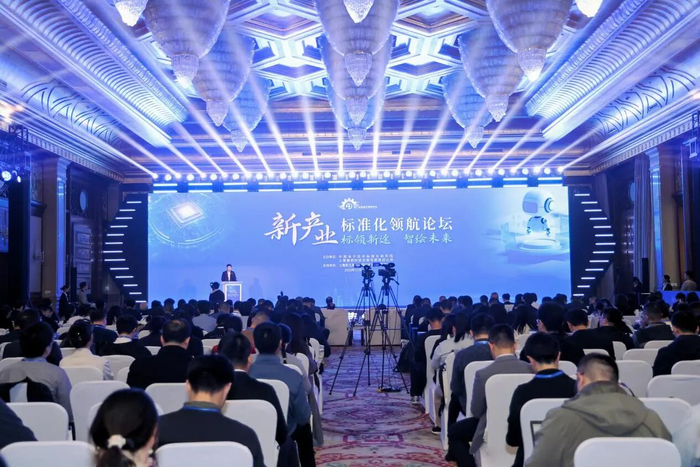
Group 1 - The core viewpoint emphasizes that standardization is crucial for promoting new industrialization and building a modern industrial system, with a focus on four key areas for future efforts [1] - The Ministry of Industry and Information Technology will coordinate standardization work, enhance the synergy between standards and development strategies, industry chains, and technology [1] - There will be a focus on industry demand to accelerate the supply of advanced applicable standards and construct a standard system that aligns with industrial development [1] Group 2 - The forum released the "Tongdao" standard model version 2.0, which has improved data resources, processing capabilities, and product applications, expanding the data types from standard texts to diverse content including scientific literature and intellectual property [3] - The lithium battery carbon footprint background database version 3.0 was also launched, utilizing artificial intelligence to provide authoritative data support for accurately quantifying the carbon footprint throughout the lithium battery lifecycle [3] - The forum was co-hosted by the China Electronics Technology Standardization Institute and other relevant parties, themed "Standards Lead New Paths, Intelligence Shapes the Future" [3]
做好产业链,走遍天下都不怕|进博会观察②
Nan Fang Nong Cun Bao· 2025-11-07 15:34
Core Viewpoint - The core message emphasizes the importance of building a robust industrial chain to achieve high-quality development in agricultural international trade, as articulated by Wang Jianhong, Vice President of Guangdong Hengxing Group [3][5][62]. Group 1: Industry Transformation - The current global landscape, characterized by supply chain restructuring and increasing trade barriers, necessitates breaking free from traditional reliance on natural conditions and low-price competition [7][8]. - Establishing advantages in product design, food safety, cost, and quality is crucial for finding viable development paths in the food industry [9][10]. - The key to overcoming challenges lies in replacing experience-dependent practices with standardized and intelligent methods, ensuring controllable and traceable production processes [16][20][25]. Group 2: Technological Empowerment - The consensus among industry leaders, including representatives from COFCO Group, highlights the need for a digital technology-driven collaborative ecosystem across the entire agricultural supply chain [26][27]. - Technologies such as artificial intelligence and the Internet of Things can integrate disparate stages of planting, processing, logistics, and sales into a transparent and reliable network, addressing issues of information opacity and risk [28][29]. Group 3: Innovative Trade Models - Agricultural international trade has evolved beyond mere buying and selling to a competition and collaboration based on comprehensive industrial chain capabilities [32]. - Hengxing Group has developed a full industrial chain system from seedling, feed, aquaculture to food processing, enhancing product research and integrating supply chains to address logistical challenges [35][36]. - The company focuses on product innovation tailored to specific consumer scenarios, leveraging the unique characteristics of fish products to create a diverse range of offerings [38][40]. Group 4: Global Perspective - Achieving high-quality development in agricultural international trade requires a global vision, moving from simple product exports to comprehensive solutions that include technology, standards, and services [46][49]. - Hengxing Group has successfully completed projects like the Egyptian National Fisheries Industrial Park and is in discussions for similar collaborations in Indonesia and Saudi Arabia, marking a shift from "going out" to "going in" [50][51]. - This comprehensive output model addresses various challenges in international agricultural operations, including standards, flavors, and cultural considerations [53][54][57]. Group 5: Sustainable Development - Building a strong industrial chain not only enables companies to thrive globally but also promotes the agricultural sector's transition towards high-quality and sustainable development, contributing to global food security [62].

标准先行、搭台唱戏,机动车拍卖走上特色快车道
Zhong Guo Qi Che Bao Wang· 2025-11-06 03:13
Core Insights - The Chinese motor vehicle auction industry has achieved record-breaking performance, with approximately 1.25 million vehicles auctioned and a transaction value nearing 50 billion yuan in 2024, marking the seventh consecutive year of historical highs [2][3] - The industry is experiencing significant growth due to policy benefits, increasing consumer demand for efficient and transparent transaction methods, and advancements in technology such as big data and artificial intelligence [2][3][5] Market Performance - The auction transaction volume increased from 478,500 vehicles in 2021 to 1,235,200 vehicles in 2024, representing a growth of 158% [3] - The transaction value rose from 23 billion yuan to 49.36 billion yuan during the same period, reflecting a growth of 115% [3] - In 2024, the auction volume and value grew by 75.83% and 55.21% respectively compared to the previous year, with both metrics maintaining over 40% growth in the first nine months of the year [3] Industry Characteristics - The auction market in China is still in its early stages compared to developed countries, with only 5%-10% of used car transactions conducted through auctions, compared to 35%-40% in the U.S. and 60%-70% in Japan [5] - The market is witnessing a shift towards the auctioning of electric vehicles, with a notable increase in the auction demand for used electric vehicles and old power batteries [5][8] - The establishment of standards and regulations is crucial for the industry's sustainable development, as highlighted by the introduction of national standards for auction terminology and electric vehicle assessment [7][8] Technological Advancements - The integration of technologies such as AI and big data into the auction process is enhancing efficiency, reducing costs, and improving competitiveness within the industry [6][8] - The introduction of a standardized assessment system for electric vehicles aims to address the challenges of information asymmetry and improve market confidence in transactions [9] Future Outlook - The industry is expected to continue its high-quality development, focusing on marketization, specialization, standardization, technological advancement, and internationalization [6][10] - A new platform for used car export auctions is being established to create a standardized service system and facilitate international trade in used vehicles [10]

德国必优集团挂牌上市,开启建材行业新篇章
Sou Hu Cai Jing· 2025-10-30 07:00
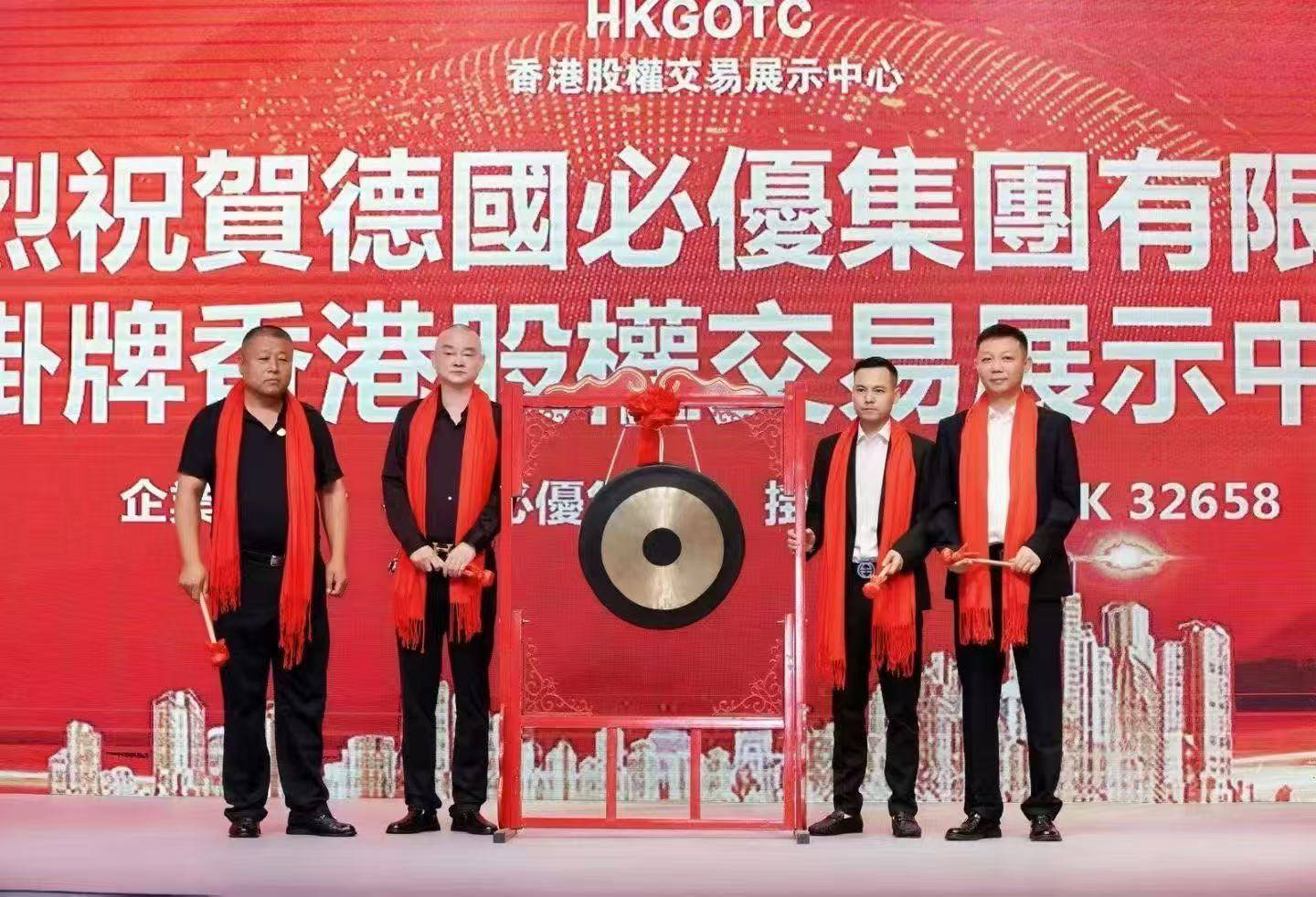
Core Insights - The listing of German Biyou Group in Shenzhen marks a significant transition from a private enterprise to a public brand, indicating a new development momentum in the Chinese building materials industry [1] - The company has maintained a "quality first" philosophy for 19 years, focusing on addressing product homogenization, construction challenges, and environmental issues in the building materials sector [3] - The listing is expected to provide capital support and inject new energy into the brand's development, facilitating technological innovation and market expansion [5] Company Overview - Founded in 2012, German Biyou Group is a comprehensive enterprise engaged in the research, production, sales, and brand licensing of building materials, with over 500 domestic and 11 overseas franchise factories [16] - The company emphasizes international standards while catering to local needs, ensuring quality, environmental protection, and construction convenience [8] - The product range includes coatings, putties, and mortars, with nearly a hundred varieties across eight major series, meeting diverse wall substrate needs [17] Market Position and Strategy - The company aims to accelerate its technological innovation and expand its national market layout, promoting green, intelligent, and standardized development in the building materials industry [5] - German Biyou Group has received multiple international certifications and has established a strong reputation in the Chinese market, providing reliable support for building enterprises and home decoration projects [8] - The company has been recognized as one of China's top 500 brands and has collaborated with prominent platforms for promotion, enhancing its brand influence [16][18]
方城名优“土特产”变身乡村振兴“金名片”
Zhong Guo Jing Ji Wang· 2025-10-30 06:35
Core Insights - The article highlights the successful development of local agricultural products in Fangcheng County, emphasizing the transformation of traditional specialties into standardized, industrialized, and branded products that contribute to rural revitalization and farmers' income growth [1][2]. Group 1: Agricultural Development - Fangcheng County has implemented agricultural development plans focusing on ten core industries, establishing a modern agricultural system that integrates various elements such as land, capital, and technology [2]. - The county has cultivated over 34 agricultural leading enterprises, benefiting nearly 100,000 people by integrating them into the industrial chain [2][5]. Group 2: Product Success Stories - The production of Fangcheng Hui Mian (a local noodle dish) has flourished, with over 2,800 businesses generating an annual output value of approximately 1 billion yuan, directly creating 20,000 jobs and indirectly supporting over 50,000 [3]. - The Hui Mian industry has adopted strict production standards and innovative freezing techniques to maintain quality, leading to a significant increase in online sales, surpassing 1 million units and generating over 30 million yuan in revenue [3][4]. Group 3: Branding and Marketing - The county has actively promoted its agricultural products through online and offline channels, leveraging e-commerce platforms and live-streaming sales to enhance visibility and sales [3][4]. - The "Bohuang Golden Pear" has gained international recognition, with sales reaching over 800 tons during the harvest season, showcasing the effectiveness of digital marketing strategies [4][5]. Group 4: Future Prospects - Fangcheng County aims to continue transforming traditional agriculture into standardized, industrialized, and branded products, enhancing the market competitiveness of its agricultural brands [5].