
零添加

Search documents
这种“擦边”,收割了多少咬牙花钱的中产
凤凰网财经· 2025-03-29 14:11
近日,#千禾0商标被指误导消费者零添加#冲上热搜,千禾味业被推上风口浪尖。 今年3月,《消费者报道》杂志对13款宣称"零添加"的酱油进行了检测,结果发现12款检出镉,7款检出总砷。其中,千禾御藏本酿380天酱油中检 测出0.0110mg/kg的镉,这款酱油瓶身上印有"千禾0"字样,但并未明确标注为"零添加"产品。 因此,不少消费者表示,看到千禾酱油瓶身上的"千禾0"字样,自然而然地认为这是"零添加"产品,结果却发现"千禾0"只是一个商标,而非真正 的"零添加"。 而为了平息消费者的"怒火",3月20日,千禾味业曾发布声明称,"千禾0"商标是其零添加产品的重要标识,不存在误导消费者的行为,但承认让消 费者产生了误会,并对此深表歉意。类似"XX0"的商标还有海天味业、简爱酸奶、壹号土猪肉。据了解,海天味业已成功注册了10个与"海天0"相关 的商标,其中包括6个"海天0"商标和4个"海天0+"商标;"简爱酸奶"将"其他没了"注册为商标,暗示无添加剂;"壹号土猪肉"等均通过拆分商标名 称,让消费者误以为是"土特产"。 有消费者吐槽道,这类操作本质是利用消费者对商标法的认知盲区,通过模糊商品描述与商标的界限,制造信息 ...

“零添加”不能用了 专家:回应行业发展刚需,具有三重作用
Mei Ri Jing Ji Xin Wen· 2025-03-29 11:13
Core Viewpoint - The new regulations issued by the National Health Commission and the State Administration for Market Regulation prohibit the use of terms like "no additives" and "zero additives" in food labeling, aiming to enhance transparency and consumer rights in the food industry [1][2][3]. Group 1: Impact of New Regulations - The new regulations are expected to have a deterrent, purifying, and guiding effect on the food industry, addressing the need for industry standards and curbing misleading marketing practices [2][3]. - The regulations will force companies to clearly label specific additives, promoting transparency and aligning with international standards, which may drive improvements in production processes [2][3]. Group 2: Case Study of Qianhe Flavor Industry - The "Qianhe 0" trademark controversy highlights the potential risks of misleading branding, as the company faced scrutiny over its claims of "zero additives" after a product was found to contain trace amounts of cadmium [3][4]. - Qianhe Flavor Industry's chairman emphasized that the "Qianhe 0" trademark is intended to distinguish zero-additive products, but there are compliance risks if the branding does not accurately reflect the product's contents [4][5]. Group 3: Industry Response and Compliance - Food companies are urged to balance brand promotion with regulatory compliance, ensuring that marketing claims do not mislead consumers [5][6]. - The industry is under increasing regulatory scrutiny, with a focus on adhering to strict standards and avoiding exaggerated claims that could lead to consumer misunderstanding [5][6].
“零添加”成调味乳品零食等营销卖点!海天、金龙鱼等回应
Nan Fang Du Shi Bao· 2025-03-29 10:42
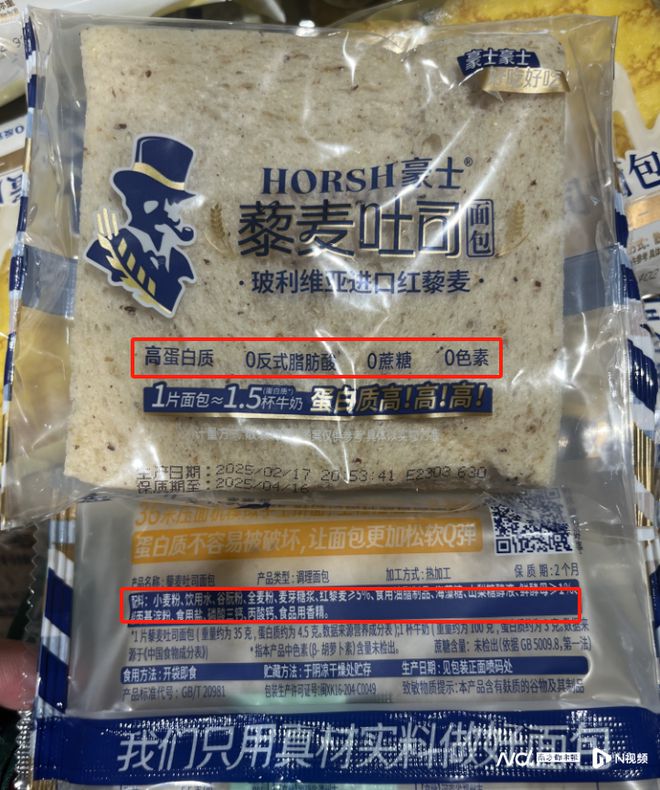
Core Viewpoint - The new food safety standards prohibit the use of terms like "zero added" and "not added" on pre-packaged foods, aiming to address misleading marketing practices in the industry. The implementation date is set for March 16, 2027, allowing companies a two-year transition period to comply [1][2][11]. Group 1: New Regulations - The newly released standards include 59 food safety national standards and amendments, specifically targeting misleading marketing language in pre-packaged food labeling [2][11]. - The revised GB 7718-2025 standard explicitly bans terms synonymous with "not added," such as "zero added" and "no added," to prevent consumer misunderstanding [2][13]. Group 2: Industry Response - Companies like Haidilao, Jinlongyu, and Qianhe have expressed support for the new regulations, indicating a commitment to comply and improve transparency in product labeling [11][12]. - The new regulations are expected to shift the industry focus from "label marketing" to "quality competition," encouraging companies to enhance product development and quality [11][12][14]. Group 3: Marketing Practices - Many brands, including Hao Shi and Wei Chuan, have been found to label products as "zero added" while containing other sugars or additives, highlighting the prevalence of misleading marketing in the industry [3][4][6]. - The dairy sector also sees widespread use of "zero added" claims, with brands like Nayuki and Mengniu promoting products as "zero sugar" or "zero fat," despite containing other forms of sugar [6][7]. Group 4: Consumer Misunderstanding - The marketing of "not added" products has created consumer misconceptions about the safety and quality of food products, leading to increased anxiety over the use of food additives [13][14]. - Experts argue that the new regulations will help consumers return to a more scientifically informed understanding of food safety, reducing the confusion caused by misleading claims [13][14].

环球市场动态:上游价格承压拖累内地工企利润增速回落
citic securities· 2025-03-28 03:22
Market Overview - A-shares experienced a slight rebound with the Shanghai Composite Index up 0.15% and trading volume around 1.19 trillion yuan[17] - U.S. stocks fell due to concerns over escalating trade tensions, with the Dow Jones down 0.37% and the S&P 500 down 0.33%[10] - European stocks closed weakly, with the Stoxx 600 index down 0.68% amid fears of increased tariffs on imported cars[10] Commodity and Currency Trends - U.S. crude oil inventories decreased by 3.3 million barrels, pushing oil prices to a one-month high, with WTI at $69.92 per barrel[28] - Gold prices reached a new high, closing at $3,061 per ounce, as investors sought safe-haven assets amid economic uncertainty[28] - The U.S. dollar index fell slightly by 0.2% to 104.34, while the euro rebounded 0.44% to 1.08 against the dollar[27] Industrial Profit Data - China's industrial enterprises reported total profits of 9,109.9 billion yuan in January-February, a year-on-year decline of 0.3%, while revenue grew by 2.8% to 20.09 trillion yuan[7] - The profit margin decline was primarily due to lower profitability in upstream mining sectors, influenced by falling coal prices[7] Sector Performance - In the Hong Kong market, the Hang Seng Index rose by 0.41%, driven by strong performances in the biopharmaceutical sector, with stocks like Innovent Biologics up 17.4%[12] - The energy sector in the A-share market showed strength, with chemical stocks benefiting from improved downstream demand[17] Economic Indicators - The U.S. GDP growth for Q4 2024 was revised up to 2.4%, indicating a slight improvement in economic performance[7] - The IMF warned of a slowdown in global economic growth for 2025 but did not foresee an imminent recession[7]
食品安全新国标来了!预包装食品不允许再使用“不添加”“零添加”等用语
Mei Ri Jing Ji Xin Wen· 2025-03-27 13:57
Core Points - The National Health Commission and the State Administration for Market Regulation have released 50 national food safety standards, including updated regulations for prepackaged food labeling [1][2] - The new standards prohibit the use of terms like "no additives" and "zero additives" to emphasize food ingredients, aiming to guide the food industry towards innovation and nutritional upgrades [1][2] - The updated labeling standards include a two-year transition period for compliance [1] Group 1: Labeling Standards - The new prepackaged food labeling standards optimize the display requirements for consumer information [1][2] - The prohibition of "zero additives" is based on the premise that approved food additives are safe when used correctly, and it aims to eliminate misleading marketing practices [2] - The standards enhance quantitative labeling requirements to address industry irregularities and promote correct consumer understanding [2][3] Group 2: Digital Labels - The introduction of digital labels allows for more accessible information regarding ingredients, storage conditions, and nutritional content [3] - Consumers can scan QR codes to access food safety and nutrition information through audio and video formats, improving the reading experience [3] - The expiration date labeling has been standardized to a year-month-day format for easier consumer comprehension [3] Group 3: Nutritional Labeling - The new nutritional labeling standards require mandatory labeling of saturated fats and sugars, emphasizing the need to reduce salt, oil, and sugar intake [4][5] - The standards allow companies to use familiar terms and graphics to explain nutritional information, making it easier for consumers to understand [5] - Specific standards for special medical use infant formula have been updated to include new product categories and nutritional requirements [5]
禁止“零添加”新规出炉,食品行业将回归“品质竞争”
Bei Ke Cai Jing· 2025-03-27 10:02
备受关注的"零添加"争议迎来终结。3月27日,新修订的《食品安全国家标准 预包装食品标签通则》(GB 7718-2025)发布,其中规定,预包装食品不允许 再使用"不添加""零添加"等用语对食品配料进行强调。这一重磅新规出台,标志着近年来风靡食品行业的"零添加"营销热潮将退出历史舞台。 新京报记者观察发现,"零添加"概念2018年前后进入爆发期,迅速蔓延至乳制品、调味品、饮料、休闲食品等领域。之后在"科技与狠活"等网络舆情的影响 下,有消费者对食品添加剂产生过度焦虑,进一步助推"零添加"市场的非理性扩张,有企业坦言陷入"被迫跟风"的窘境。 业内专家指出,预包装食品"零添加"标注的退出有望快速推进,预计酸奶行业企业3-6个月可以完成标签更新。同时,新规将推动整个食品行业迎来新一轮 洗牌与升级,企业将从概念营销回归产品本质,促进行业进入"品质竞争"阶段,实现以质取胜的良性竞争格局。 "零添加"的兴起 据业内人士回忆,食品行业"零添加"的第一波热潮始于2018年前后的低温酸奶。彼时酸奶品牌"简爱"率先引爆"零添加"系列产品。同年,乐纯、卡士、北海 牧场等新兴酸奶品牌相继进入"零糖""零添加"高端酸奶领域。 2019 ...




“零添加”食品四大乱象调查:多款产品标签暗藏“雷区”
Bei Ke Cai Jing· 2025-03-27 08:20
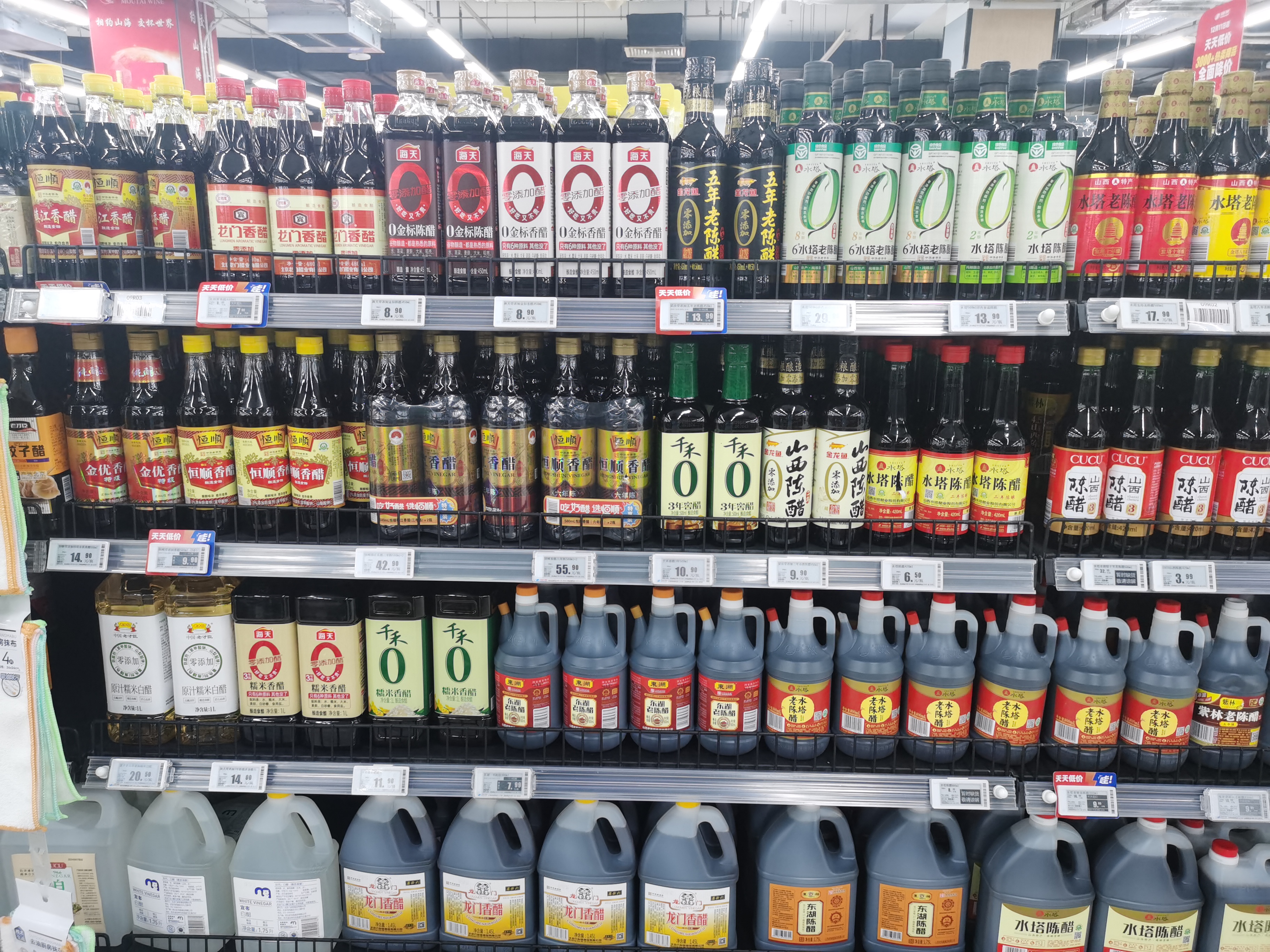
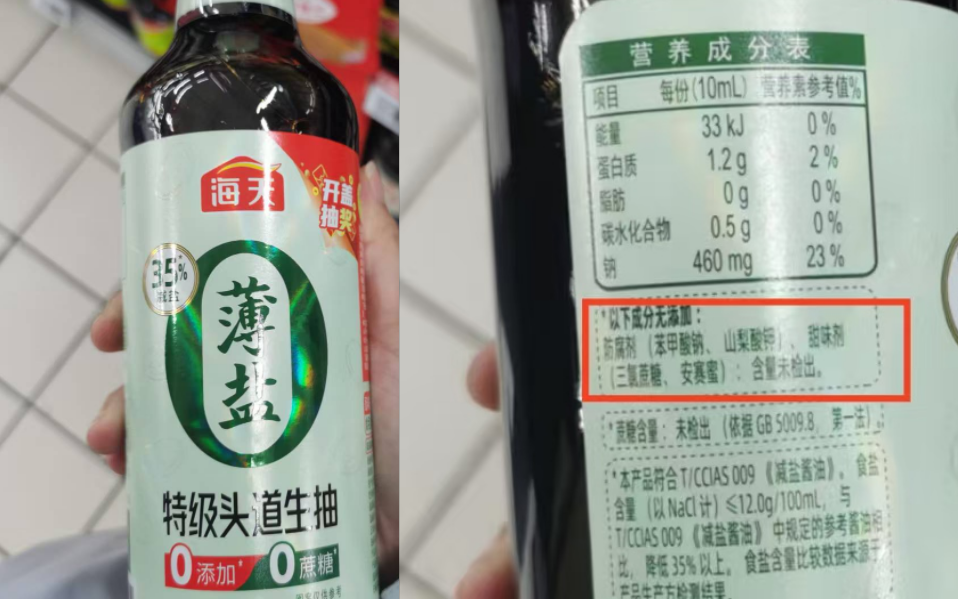
声称"零添加",实际添加了多种食品添加剂;声称"零蔗糖",但添加的麦芽糖、葡萄糖比蔗糖升糖指数还要快,这样的"零添加""不添加"食品,让很多消费 者不慎"踩雷"。 新京报记者近日走访市场发现,"零添加""零蔗糖""零防腐剂""零代糖"等宣称已渗透到各个食品细分领域,调味品、低温酸奶、饮料等产品成为此类"零添 加"标称的重灾区。记者对市面上在售的近百个食品样品统计发现,"零添加"食品宣称主要存在企业"零添加"随意标注、标称"零蔗糖"实际含有其他糖类、 突出标注不添加相关标准法规中本就不允许添加的成分,以及部分企业利用"0""其他没了"等商标打擦边球等乱象。 3月27日,最新版《食品安全国家标准 预包装食品标签通则》(GB 7718-2025)正式实施,明确预包装食品不允许再使用"不添加""零添加"等用语对食品配 料进行强调。食品"零添加"标注乱象即将走向终结。 乱象1 产品"零添加"随意标注 食品宣称"零添加""不添加",真的更健康、更优质吗?据国家卫生健康委员会解读,食品标签的核心作用是通过标签信息,使消费者明晰产品本质,了解食 品的真实属性。很多预包装食品利用消费者追求"天然"、不喜欢食品添加剂的心理,采用 ...
预包装食品标签新变化:禁标“零添加”,强制标示致敏物质信息
Bei Ke Cai Jing· 2025-03-27 08:13
Core Viewpoint The newly released "National Food Safety Standard for Prepackaged Food Labeling" (GB 7718-2025) introduces comprehensive updates to food labeling requirements, including mandatory allergen information and the promotion of digital labels, with a two-year transition period for implementation [1][11]. Group 1: Labeling Requirements - The new standard mandates the labeling of eight major allergenic substances on food packaging, enhancing consumer safety [5][6]. - Prepackaged foods are now required to display the "expiration date" clearly, and products with a shelf life of over six months are not required to show the production date [2][3]. - The use of terms like "no additives" or "zero additives" is prohibited to prevent misleading claims about food ingredients [7][8]. Group 2: Consumer Guidance - The standard allows companies to voluntarily indicate a "consumption preservation period" to help consumers understand the usability of products beyond the expiration date [3][4]. - Consumers are encouraged to store food according to the specified conditions on the label to maintain safety and quality [4]. - Understanding the ingredient list and nutritional information is crucial for consumers to make informed choices about food products [9][10]. Group 3: Digital Labeling - The introduction of digital labels, which can be accessed via QR codes, aims to enhance consumer experience by providing more detailed product information [11][12]. - Digital labels are not mandatory but are encouraged to improve accessibility and interaction between consumers and food producers [12][13]. - The implementation of digital labeling marks a significant step towards the digital transformation of food labeling in the industry [13].
拿什么平息调味瓶里的风波
Jing Ji Ri Bao· 2025-03-25 21:57
Core Viewpoint - The article discusses the controversy surrounding the labeling of soy sauce products claiming "zero additives," highlighting the need for clearer regulations on food labeling to protect consumer rights and ensure product safety [3][4]. Group 1: Industry Concerns - Recent media tests revealed heavy metals in several soy sauce products marketed as "zero additives," raising consumer concerns about misleading labeling practices [3]. - The prominent "Qianhe 0" label on Qianhe soy sauce was found to be a trademark rather than a guarantee of no additives, leading to public skepticism about the integrity of food labeling [3][4]. - The article emphasizes that deceptive trademarks can mislead consumers regarding product quality, which is a violation of trademark law [3]. Group 2: Regulatory Implications - Current laws and regulations do not clearly define how "zero additives" should be labeled, indicating a gap in consumer protection [4]. - The upcoming Food Labeling Supervision Management Measures aim to clarify regulations, prohibiting misleading terms like "not added" or "zero added" for substances not present in food products [4][5]. - The article calls for a more scientific and rational approach from consumers towards food choices, urging them not to overly glorify "zero additives" as the sole indicator of health and safety [5]. Group 3: Market Dynamics - The "zero additives" marketing concept has gained traction, with companies like Qianhe leveraging it to differentiate themselves in a competitive market [4]. - However, the article warns that relying solely on marketing gimmicks without ensuring product quality can backfire, as seen in the current controversy [4][5]. - The need for honesty and transparency in food production is emphasized, suggesting that companies should focus on genuine quality rather than marketing hype [5].
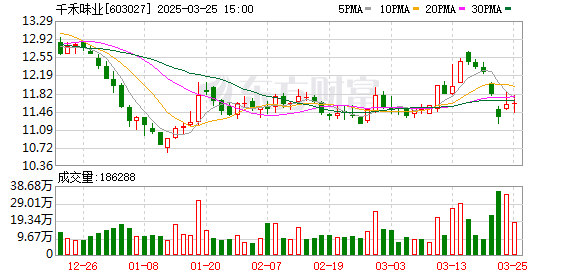
深陷争议、业绩失速,千禾味业“零添加”红利还能吃多久?
Bei Ke Cai Jing· 2025-03-25 14:10
深陷争议、业绩失速,千禾味业"零添加"红利还能 吃多久? 调味品企业千禾味业近期深陷"零添加"争议。针对媒体报道千禾味业"零添加"酱油检出镉并质疑"千禾 0"不是"零添加"产品,千禾味业近日两度作出回应,称相关产品符合国家食品安全标准,使用"千禾 0"商标的相关产品都是"零添加"产品,"千禾0"系列产品仅使用食品原料,不添加食品添加剂。 受"零添加"赛道逐渐拥挤,入局者增加影响,千禾味业2024年前三季度营收、净利双下滑。业内人士指 出,千禾味业此前披露的2024年度经营目标是营收、净利均实现增长超两成,如今看来,这一目标或难 以实现。 随着消费者健康需求上升,千禾味业凭借"零添加"概念逐步受到关注。或是受2022年"海天味业食品添 加剂双标"事件影响,千禾味业2022年、2023年均实现强势增长。2022年实现营收24.36亿元,同比增长 26.55%;实现净利润3.44亿元,同比增长55.35%。2023年营收同比增长31.62%至32.07亿元,净利润同 比增长54.22%至5.30亿元。 进入2024年,海天味业等同行发力"零添加"产品,该赛道逐渐拥挤,千禾味业业绩增长放缓。2024年前 三季度,其营 ...