预制菜

Search documents
最新!贾国龙接任西贝北京一公司法定代表人、董事、经理;此前他承认自己视频“爹味儿”很重,将回归一线,不再打造个人IP
Mei Ri Jing Ji Xin Wen· 2026-01-28 07:16
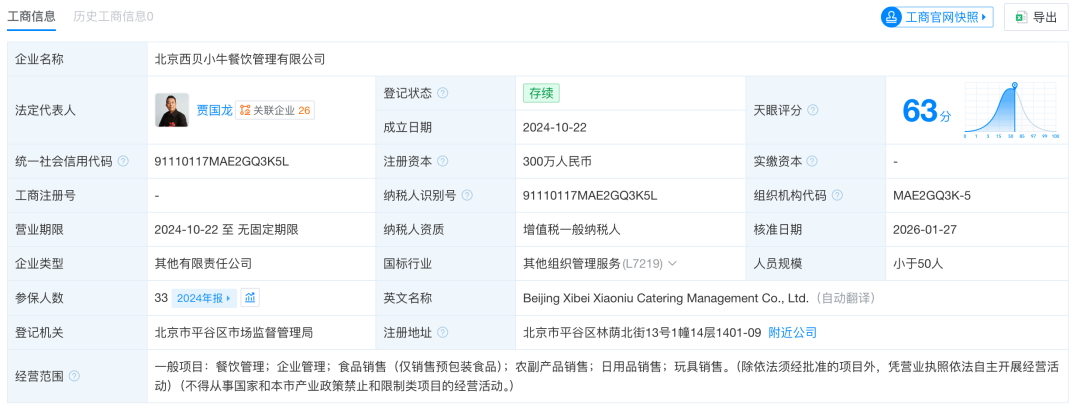
每经编辑|程鹏 天眼查App显示,1月27日,北京西贝小牛餐饮管理有限公司发生工商变更,马燕卸任法定代表人、董事、经理,由贾国龙接任,同时,张艳红卸任监 事。 | 工商信息 | 历史工商信息0 | | | | | △ 工商官网快照 | 미 음出 | | --- | --- | --- | --- | --- | --- | --- | --- | | 企业名称 | 北京西贝小牛餐饮管理有限公司 | | | | | | | | 法定代表人 | 贾国龙 猛关联企业 26 | 登记状态 2 | 存续 | 天眼评分 2 | | 63 3 | | | | | 成立日期 | 2024-10-22 | | | | | | 统一社会信用代码 2 | 91110117MAE2GQ3K5L | 注册资本 2 | 300万人民币 | 实缴资本 2 | | | | | 工商注册号 | | 纳税人识别号 ② | 91110117MAE2GQ3K5L | 组织机构代码 ⑦ | | MAE2GQ3K-5 | | | 营亦期限 | 2024-10-22 至 无固定期限 | 纳税人资质 | 增值税一般纳税人 | 核准日期 | | 2026-0 ...

通威股份跌2.05%,成交额5.82亿元,主力资金净流出3334.95万元
Xin Lang Cai Jing· 2026-01-28 03:09
Core Viewpoint - Tongwei Co., Ltd. has experienced a decline in stock price and financial performance, with significant changes in shareholder structure and market activity [1][2][3]. Group 1: Stock Performance - On January 28, Tongwei's stock price fell by 2.05% to 19.10 CNY per share, with a trading volume of 582 million CNY and a turnover rate of 0.67%, resulting in a total market capitalization of 85.99 billion CNY [1]. - Year-to-date, the stock has decreased by 6.92%, with a 3.30% increase over the last five trading days, an 11.20% decline over the last 20 days, and a 24.24% drop over the last 60 days [1]. Group 2: Financial Performance - For the period from January to September 2025, Tongwei reported a revenue of 64.6 billion CNY, a year-on-year decrease of 5.38%, and a net profit attributable to shareholders of -5.27 billion CNY, down 32.64% year-on-year [2]. Group 3: Shareholder Structure - As of December 19, the number of shareholders increased to 293,500, a rise of 16.48%, while the average circulating shares per person decreased by 14.15% to 15,337 shares [2]. - The top ten circulating shareholders include Hong Kong Central Clearing Limited as the second-largest shareholder with 136 million shares, a decrease of 27.91 million shares from the previous period [3].

中经评论:年夜饭为何不排斥快手菜
Jing Ji Ri Bao· 2026-01-28 00:04
Group 1 - The core idea of the articles revolves around the rising popularity of "quick dishes" as a convenient solution for the traditional Chinese New Year dinner, contrasting with the negative perception of "pre-made dishes" due to lack of transparency and consumer choice [1][2][3] - Consumer preferences are shifting towards convenience, high quality, and a sense of ritual during the Spring Festival, with 74% viewing it as a time for relaxation [2] - Quick dishes are seen as a way to simplify meal preparation, allowing consumers to enjoy the festive experience without the extensive time commitment typically associated with cooking [2][3] Group 2 - Trust is a prerequisite for consumer acceptance of quick dishes, with platforms focusing on food safety and quality to alleviate concerns [3] - Industry standards are evolving, with new food safety regulations being drafted to enhance transparency and consumer confidence in pre-made dishes [3] - The changing expectations of consumers indicate a desire for less time spent cooking while still enjoying a rich and authentic dining experience during the New Year celebration [3]

搜狐酒馆第52期|徐剑:餐饮越来越受顶级资本关注,上下游均具备投资价值
Sou Hu Cai Jing· 2026-01-27 09:36
Core Insights - The investment logic in the restaurant industry has shifted from a focus on scale expansion to a new phase centered on rational deepening, emphasizing single-store profitability, supply chain resilience, and long-term brand value [2] Group 1: Investment Trends - The current restaurant investment landscape is characterized by "comprehensive road" competition, with success hinging on investing in high-quality small stores under 300 square meters and building resilient supply chains [2][3] - The influx of capital into the restaurant sector is driven by the industry's inherent demand and the potential for high returns, especially with recent successful IPOs of brands like Tea Baidao and Nayuki [3][5] - The restaurant industry is becoming more transparent and standardized, enhancing investor confidence and attracting top-tier capital [5] Group 2: Impact of Internet Capital - Internet-backed investors bring significant changes to the industry, focusing on online brand promotion and leveraging digital resources for brand building, contrasting with traditional investors who prioritize long-term dividends [4] - The digital transformation allows for faster brand recognition and operational efficiency, which traditional capital struggles to match [4] Group 3: Supply Chain Importance - The efficiency and resilience of the supply chain are crucial for chain restaurants, with capital investment enabling brands to adopt advanced supply chain technologies and maintain a balance between cost, efficiency, and freshness [6] Group 4: Consumer Perception and Trends - The public's concerns about "pre-prepared dishes" are acknowledged, but it is emphasized that not all pre-prepared food is unhealthy; the focus should be on using compliant and safe processing methods [8] - Future regulations may require restaurants to disclose the use of pre-prepared ingredients, necessitating increased transparency and consumer education [8] Group 5: Future Opportunities - Investment in smaller establishments is expected to grow due to lower investment costs and higher occupancy rates, with many small stores achieving significant monthly revenues [9][10] - There is potential in niche local cuisines and the fast-casual model for traditional snacks, which can be standardized and scaled into national chains [10] Group 6: Digital and Internet Relations - The relationship between the restaurant industry and internet platforms is evolving, with a shift towards reducing reliance on sales relationships due to profit erosion from platform commissions [11] - Restaurants are likely to invest more in promotional relationships, utilizing short videos and content platforms for brand marketing, thereby enhancing customer loyalty and reducing dependence on sales channels [11]

新希望涨2.07%,成交额7.05亿元,主力资金净流出3525.39万元
Xin Lang Zheng Quan· 2026-01-26 06:02
Core Viewpoint - New Hope's stock price has experienced a decline of 3.90% since the beginning of the year, with a notable drop of 8.38% over the past 60 days, indicating potential challenges in the market [2]. Group 1: Stock Performance - On January 26, New Hope's stock rose by 2.07%, reaching a price of 8.86 CNY per share, with a trading volume of 705 million CNY and a turnover rate of 1.80% [1]. - The company has seen a net outflow of 35.25 million CNY in principal funds, with large orders accounting for 21.73% of purchases and 27.14% of sales [1]. Group 2: Financial Performance - For the period from January to September 2025, New Hope reported a revenue of 80.50 billion CNY, reflecting a year-on-year growth of 4.27%, while the net profit attributable to shareholders reached 760 million CNY, a significant increase of 395.89% [2]. - Cumulatively, New Hope has distributed 6.41 billion CNY in dividends since its A-share listing, with 109 million CNY distributed over the past three years [3]. Group 3: Shareholder Information - As of September 30, 2025, New Hope had 197,000 shareholders, with an average of 22,839 circulating shares per person, indicating stable shareholder engagement [2]. - Major shareholders include China Securities Finance Corporation, holding 126 million shares, and Hong Kong Central Clearing Limited, which increased its holdings by 8.96 million shares [3].

惠发食品跌2.01%,成交额2857.49万元,主力资金净流入21.58万元
Xin Lang Zheng Quan· 2026-01-26 02:29
Group 1 - The core viewpoint of the news is that Huifa Food's stock has experienced fluctuations, with a recent decline of 2.01% and a total market value of 2.715 billion yuan [1] - As of January 26, the stock price is reported at 11.20 yuan per share, with a trading volume of 28.57 million yuan and a turnover rate of 1.05% [1] - The company has seen a year-to-date stock price increase of 0.72%, but a decline of 1.75% over the last five trading days and 4.52% over the last twenty days [2] Group 2 - Huifa Food, established on February 2, 2005, and listed on June 13, 2017, specializes in the research, production, and sales of frozen food products, including various types of prepared dishes [2] - The company's revenue composition includes supply chain (29.40%), meatballs (23.34%), fried products (16.95%), Chinese dishes (9.92%), sausages (9.59%), skewers (6.48%), other categories (3.53%), and catering (0.78%) [2] - As of November 10, the number of shareholders is reported at 25,900, with an average of 9,277 circulating shares per person [2] Group 3 - For the period from January to September 2025, Huifa Food reported a revenue of 1.064 billion yuan, representing a year-on-year decrease of 18.31%, and a net profit attributable to shareholders of -39.217 million yuan, down 38.85% year-on-year [2] - Since its A-share listing, Huifa Food has distributed a total of 73.8826 million yuan in dividends, with 4.8928 million yuan distributed over the last three years [3]

贾国龙:将回归一线,不再打造个人IP
Sou Hu Cai Jing· 2026-01-26 02:09
Core Viewpoint - The founder of Xibei Catering Group, Jia Guolong, expressed a desire to return to frontline operations and abandon the creation of a personal brand, citing a lack of confidence in this area and a focus on improving service quality [2]. Group 1: Company Challenges - Xibei is expected to incur cumulative losses exceeding 600 million yuan between September 2025 and March 2026, leading to the closure of 102 stores, which represents 30% of its total outlets [2]. - The company has faced significant public scrutiny following a dispute with internet celebrity Luo Yonghao regarding "pre-made dishes," which intensified after the announcement of the store closures [2]. Group 2: Financial Developments - Xibei recently completed a new round of financing, with an undisclosed amount from investor Zhou Xuan Investment, which has garnered considerable attention [2]. - The company has added five new shareholders, increasing its registered capital from 89 million yuan to 102 million yuan, with Jia Guolong remaining the actual controller of the company [3]. Group 3: Future Plans - Despite current challenges, industry experts believe there is potential for Xibei to turn around, especially with new capital support [3]. - Jia Guolong indicated plans for an IPO by 2026, although he has expressed mixed feelings about the timing and feasibility of this goal [4].

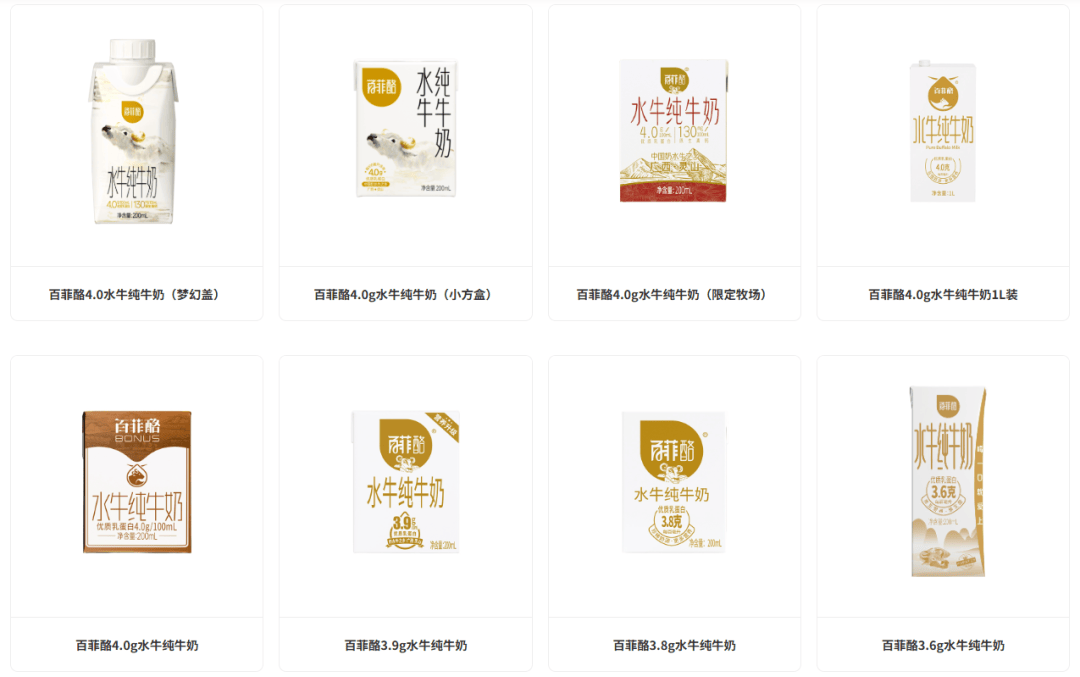
百菲乳业拟撤回上交所上市申请;方源资本收购吉香居92%股份
Sou Hu Cai Jing· 2026-01-26 01:21
Group 1: Company Developments - Baifei Dairy plans to withdraw its application for listing on the Shanghai Stock Exchange, citing strategic development considerations [1][2] - Junlebao officially submitted its listing application to the Hong Kong Stock Exchange, aiming to raise funds for factory construction, capacity expansion, and brand marketing [7][8] - Fangyuan Capital is acquiring 92% of Jixiangju, a pickled vegetable and compound seasoning company, enhancing its control over the firm [4][5] Group 2: Industry Trends - The total retail sales of consumer goods in 2025 are projected to exceed 50 trillion yuan, with restaurant revenue reaching 57.982 billion yuan, reflecting a growth of 3.2% [12] - The national standard for prepared dishes has been publicly solicited for opinions, indicating a regulatory shift in the food safety sector [14] - Uruguay will not impose additional regulations on the use of beef export quotas to China, with a quota of 324,000 tons set for 2026, indicating ample supply [15]
西贝新一轮融资获张勇胡晓明力挺 “真诚形象”待重塑千亿市值梦面临挑战
Chang Jiang Shang Bao· 2026-01-26 00:33
Core Viewpoint - The restaurant brand Xibei, currently facing public scrutiny and operational challenges, has secured new capital support, raising questions about its future and potential recovery strategies [2][4]. Group 1: Financing and Shareholder Changes - Xibei has completed a new round of financing, with significant new shareholders including Zhang Yong, founder of the renowned brand Xinrongji, and Hu Xiaoming, a former partner at Alibaba [2][3]. - The registered capital of Xibei increased from 89.90 million to 101.68 million, reflecting a growth of approximately 13.1% [3]. - Following the financing, the shareholding of founder Jia Guolong has slightly decreased, with his current stake at 26.1644% [3]. Group 2: Operational Challenges - Xibei has closed 102 stores, accounting for 30% of its total outlets, due to a significant drop in customer traffic following a controversy over its use of pre-prepared dishes [5][8]. - The company is projected to incur a loss of 600 million from September 2025 to March 2026 as a result of the ongoing crisis [8]. Group 3: Recovery Strategies - Industry observers suggest that Xibei can recover by increasing transparency regarding its menu items, clearly distinguishing between "pre-prepared" and "freshly made" dishes to regain consumer trust [2][9]. - Jia Guolong has emphasized the need for Xibei to adapt to the internet age and improve its operational management to navigate the current crisis [9][10]. Group 4: Future Aspirations - Xibei aims to achieve a high-quality IPO by 2026, with a target market valuation exceeding 100 billion [10][11]. - The company has set ambitious goals, including generating over 100 billion in revenue by 2030 and becoming a leading brand in the industry [10].
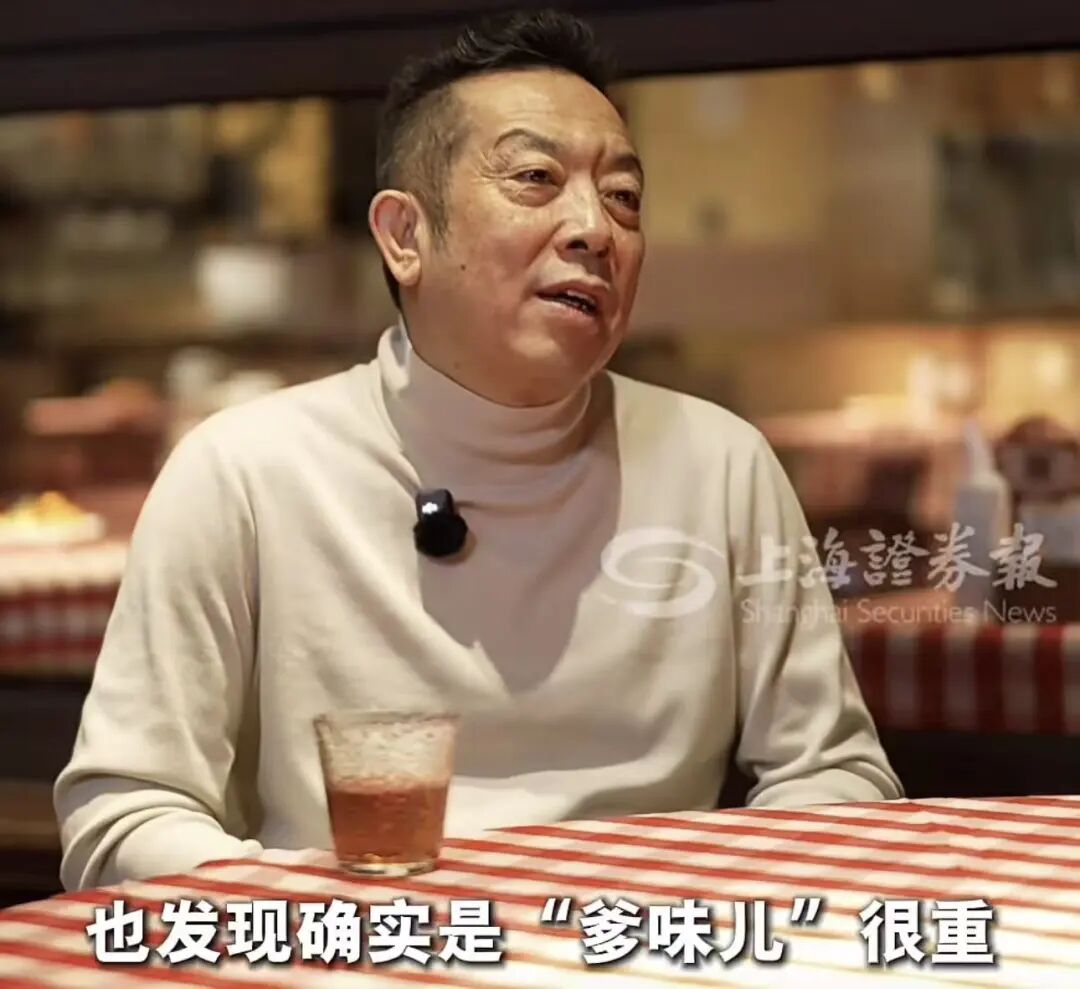
不再打造个人IP!贾国龙最新发声:自己的视频看多了,确实“爹味儿”很重,预计西贝亏损将超6亿元
Mei Ri Jing Ji Xin Wen· 2026-01-25 15:18
Core Viewpoint - The founder of Xibei Catering Group, Jia Guolong, has decided to return to frontline operations and focus on the core business, abandoning the creation of a personal brand due to a lack of confidence in that area [1][3]. Group 1: Business Strategy and Operations - Jia Guolong expressed a desire to improve service quality by personally selecting ingredients and ensuring better cost management, emphasizing his commitment to culinary excellence [3]. - Xibei plans to close 102 stores, which accounts for 30% of its total outlets, and anticipates a cumulative loss exceeding 600 million yuan from September 2025 to March 2026 [4]. - The company has issued over 300 million yuan in consumer vouchers last year to stimulate sales, but reported a 50% year-on-year decline in store business as of January 2026 [4]. Group 2: Financial Developments - Xibei recently secured a new round of financing, with investors including Taizhou Xinrongtai Investment Co., Hohhot Collective Co-Creation Management Center, Chengdu Xunda Optoelectronics Co., and Hangzhou Zhouxuan Equity Investment Management Partnership [4][5]. - The registered capital of Xibei has increased from approximately 8990.29 million yuan to 1.02 billion yuan, marking a growth of about 13% [5]. - This financing is viewed as a crucial step towards Xibei's potential IPO, which Jia Guolong has indicated could occur by 2026 [6][7]. Group 3: Market Position and Challenges - Xibei is the largest chain restaurant in Inner Mongolia, established in 1988, and has ranked first in revenue in the Chinese casual dining sector for eleven consecutive years [9]. - The company is currently facing significant challenges, including a public relations crisis stemming from a dispute with entrepreneur Luo Yonghao regarding the "pre-made dishes" controversy [4][9]. - Jia Guolong has acknowledged the need for reflection and improvement in response to public criticism, indicating a commitment to learning from the situation [9].