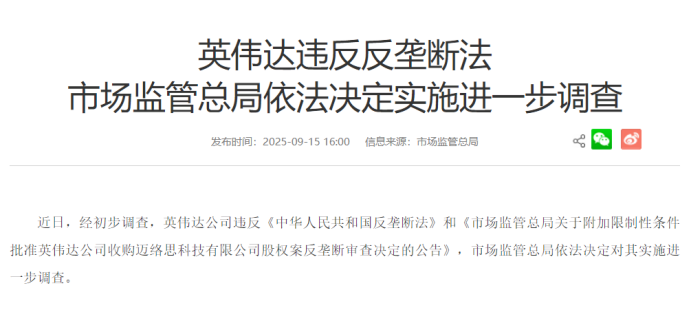
反垄断

Search documents
英伟达回应!
国芯网· 2025-09-16 14:23
Core Viewpoint - The article discusses the ongoing investigation by China's market regulatory authority into NVIDIA for potential violations of antitrust laws, highlighting the implications for the company and the semiconductor industry as a whole [2][4]. Group 1: Investigation Details - NVIDIA is under investigation by China's market regulatory authority for allegedly violating the Antitrust Law of the People's Republic of China and conditions related to its acquisition of Mellanox Technologies [4]. - The investigation dates back to December 9, 2024, when NVIDIA was accused of breaching antitrust regulations during its acquisition process [4]. Group 2: Potential Penalties - If found guilty of antitrust violations, NVIDIA could face fines of up to 10% of its previous year's sales, which could amount to approximately $17.1 billion based on its revenue [5]. - In cases deemed "particularly serious," fines could escalate to as much as $85.5 billion, reflecting a fivefold increase [5]. Group 3: Financial Performance - For the fiscal year ending January 26, 2025, NVIDIA reported revenue of $17.108 billion in mainland China and Hong Kong, representing a 66% increase from the previous year [4].



中国“苹果税”贡献会超过美国,成为全球第一吗?
Sou Hu Cai Jing· 2025-09-16 13:42
Core Viewpoint - The Chinese market is poised to become the largest contributor to Apple's "Apple Tax" as the company faces regulatory challenges globally, while other regions like the US and EU have begun to implement lower or zero commission rates for third-party payments [2][5][12]. Group 1: Apple's Financial Performance - Apple's total revenue for the third fiscal quarter of 2025 reached $94.04 billion, marking the strongest quarterly revenue growth since December 2021 [2]. - The services segment, which includes iCloud, Apple Music, and the App Store, generated $27.42 billion, a 13% year-over-year increase, significantly exceeding market expectations [2]. - Although services account for only 25.6% of total revenue, they contribute 41% to gross margin, with a gross margin of 75.5%, far surpassing the hardware business's 37% [2]. Group 2: Regulatory Challenges - Apple's "Apple Tax," a commission on digital goods and services sold through the App Store, is facing global scrutiny, with antitrust lawsuits initiated by the US Department of Justice and regulatory actions in over 15 countries [3][4]. - The company has begun to lower its commission rates in the US and EU, moving towards a model with zero or low commissions for third-party payments [4][6]. - In 2025, the EU fined Apple €500 million for restricting developers from directing users to third-party payment options, marking a significant regulatory setback [6]. Group 3: Market Dynamics in China - In 2024, China's App Store ecosystem is projected to generate $23 billion in sales of digital goods and services, making it the second-largest market globally, following the US [5][12]. - The estimated "Apple Tax" contribution from China in 2024 is $6.44 billion, second only to the US's $14.8 billion, indicating a growing financial burden on Chinese developers [14]. - The "Apple Tax" in China represents 10% of Apple's revenue in the region, compared to 8.8% in the US and 4.6% in Europe, highlighting China's relatively higher tax burden [14]. Group 4: Future Projections - By 2025, the "Apple Tax" from China is expected to reach $7.2 billion, with projections of $8.1 billion in 2026 and $9 billion in 2027, indicating a steady increase in contributions [17]. - If current trends continue, China could surpass the US and Europe in "Apple Tax" contributions by 2026, driven by a higher tax rate and significant market size [17]. Group 5: Legal Actions and Consumer Sentiment - Chinese consumers and small developers have begun to challenge Apple's practices, with ongoing antitrust lawsuits aimed at the company's App Store policies [17][18]. - A notable case involved a consumer lawsuit against Apple, which was initially dismissed but is currently under appeal, reflecting growing discontent with the "Apple Tax" [18][19].

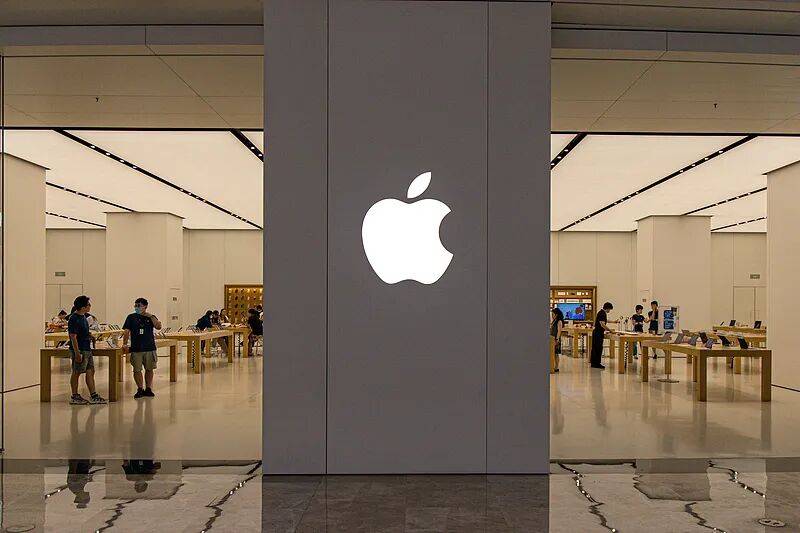
中方代表刚公布会谈结果,美财长忍不住鼓动盟友,让欧洲对华加税
Sou Hu Cai Jing· 2025-09-16 13:32
Group 1 - The core viewpoint of the talks is that they were conducted on the basis of mutual respect, leading to constructive discussions, including a basic framework consensus on TikTok and addressing investment barriers [3][5] - The Chinese side has explicitly requested the U.S. to lift sanctions on Chinese entities without delay, indicating a firm stance on maintaining its economic interests [3][16] - The U.S. Treasury Secretary mentioned the possibility of extending the tariff truce for another 90 days, reflecting the pressure on U.S. businesses and the need for market stability [5][15] Group 2 - The U.S. is attempting to pressure Europe into imposing higher tariffs on China, which could backfire on European industries that rely heavily on the Chinese market [9][11] - European countries, particularly those with significant trade ties to China, are resistant to U.S. pressure, recognizing the potential economic repercussions of such actions [11][13] - The ongoing trade tensions highlight a complex interplay where the U.S. seeks to leverage its allies while facing domestic pressures from its own businesses and consumers [15][16]
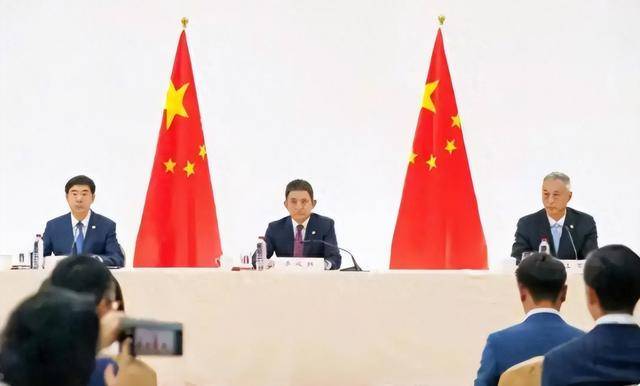
三大股指期货齐涨 “恐怖数据”公布在即
Zhi Tong Cai Jing· 2025-09-16 12:28
Market Movements - US stock index futures are all up, with Dow futures rising by 0.02%, S&P 500 futures up by 0.18%, and Nasdaq futures increasing by 0.22% [1] - European indices show declines, with Germany's DAX down by 0.54%, UK's FTSE 100 down by 0.26%, France's CAC 40 down by 0.15%, and the Euro Stoxx 50 down by 0.16% [2][3] - WTI crude oil prices increased by 0.54% to $63.64 per barrel, while Brent crude rose by 0.34% to $67.67 per barrel [3][4] Economic Insights - US retail sales for August are expected to show a month-on-month increase of 0.2%, with core retail sales projected to rise by 0.4% when excluding automobiles and gasoline [5] - The S&P 500 index, excluding technology stocks, has risen by 13% over the past year, while profits have only grown by 6.4%, indicating potential overvaluation in non-tech sectors [5] Company News - Oracle (ORCL.US) shares rose over 5% in pre-market trading as it is reportedly involved in a consortium to maintain TikTok's operations in the US [7] - Tesla (TSLA.US) is under investigation by the National Highway Traffic Safety Administration regarding potential issues with the electronic door handles of certain Model Y vehicles [8][9] - Nvidia's (NVDA.US) new RTX6000D chip for the Chinese market is facing low demand, with major tech companies showing little interest due to high pricing and perceived low value [9] - TSMC (TSM.US) saw its market share in the semiconductor foundry sector rise to 38% in Q2 2025, driven by strong AI demand and Chinese subsidies [10] - Google (GOOGL.US) faces challenges as the DOJ rejects its proposal to divest part of its advertising technology business, insisting on a complete separation of its AdX platform [10] - Corteva (CTVA.US) is reportedly considering splitting its seed and pesticide businesses, but this potential move has raised concerns among Wall Street analysts [11] - Disney (DIS.US) has acquired a 2% stake in Webtoon (WBTN.US) and will collaborate to develop a digital platform for classic comic content, leading to a pre-market surge of over 39% in Webtoon shares [11]





"中方进一步调查,英伟达真正担心的是……"
Sou Hu Cai Jing· 2025-09-16 10:41
Core Viewpoint - The Chinese government is intensifying its scrutiny of NVIDIA, potentially limiting its ability to sell networking solutions to Chinese customers, which is a multi-billion dollar business that is expected to grow with increasing data center demands [1][4][5]. Group 1: Regulatory Actions - Chinese regulators have launched an investigation into NVIDIA for alleged violations of antitrust laws, with a previous investigation initiated in December 2022 [4][10]. - The latest statement from Chinese authorities adds uncertainty to NVIDIA's operations in China, which accounted for 13% of its total sales last year [1][5]. - The National Market Supervision Administration of China has indicated a willingness to utilize regulatory tools to enhance competition and scrutinize foreign acquisitions in advanced technology sectors [2][4]. Group 2: Market Impact - Following the announcement of the investigation, NVIDIA's stock price fell by as much as 2.4% in pre-market trading [1]. - The overall networking business for NVIDIA has become increasingly important, reaching $7.3 billion in the second quarter, a 98% year-over-year increase [5]. - Analysts suggest that NVIDIA may need to sell chips in China without Mellanox technology, which could impact its competitive edge [5]. Group 3: Geopolitical Context - The ongoing geopolitical tensions between the U.S. and China have led to reciprocal actions, including the U.S. imposing export controls on Chinese entities and China responding with antitrust investigations [2][6]. - NVIDIA's CEO has made multiple visits to China, emphasizing the importance of continuing AI technology sales to maintain U.S. leadership in the sector [6][7]. Group 4: Financial Implications - NVIDIA's revenue in China for the fiscal year 2024 was reported at $10.31 billion, a 78% increase year-over-year, which could result in potential fines ranging from $10.3 million to $1.03 billion if found in violation of antitrust laws [10][11]. - If the violations are deemed particularly severe, fines could escalate to between $2.06 billion and $5.015 billion [11].
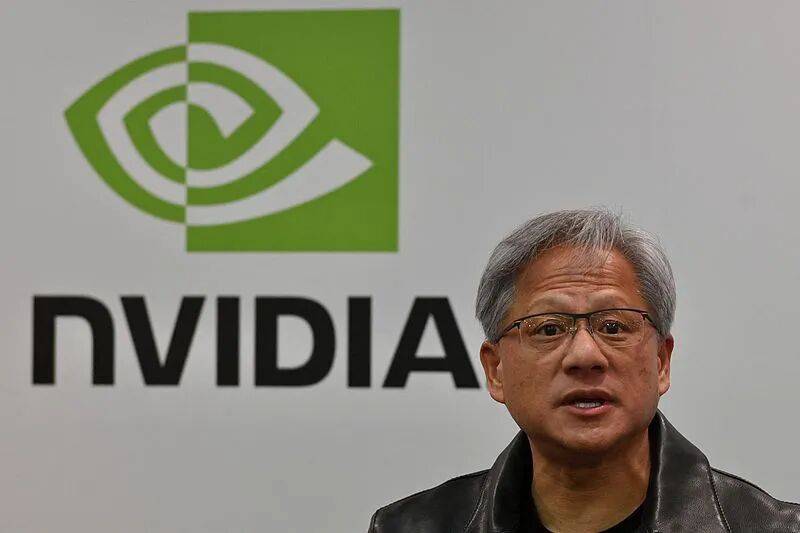
英伟达最新芯片,在华遇冷
半导体芯闻· 2025-09-16 10:33
Core Viewpoint - Nvidia's newly launched AI chip RTX6000D faces weak market demand in China, with major tech companies reportedly not placing orders due to its high price and performance issues compared to the banned RTX5090 [2][3]. Group 1: Market Demand and Performance - The RTX6000D is primarily designed for AI inference tasks but is considered expensive relative to its performance [2]. - Sample tests indicate that the RTX6000D's performance is inferior to that of the RTX5090, which is available through gray market channels at less than half the price of the RTX6000D, approximately 50,000 RMB (around 7,000 USD) [2]. - Despite the weak demand, analysts from JPMorgan and Morgan Stanley had optimistic forecasts, predicting production of 1.5 million and 2 million units of RTX6000D, respectively, in the second half of the year [3]. Group 2: Regulatory and Trade Context - The ability to obtain advanced AI chips has become a focal point in the US-China trade tensions, with China's market regulator investigating Nvidia for potential antitrust violations [5]. - Chinese regulatory authorities have also questioned companies like Tencent and ByteDance regarding their procurement of the H20 chip, expressing concerns about information risks [5]. - Nvidia emphasizes that its products do not have any "backdoor risks" that would allow remote access or control [5]. Group 3: Chip Specifications and Future Prospects - The RTX6000D is based on Nvidia's latest Blackwell architecture, featuring a bandwidth of 1398 GB/s, slightly below the 1.4 TB/s threshold set by export restrictions [6]. - The H20 chip, priced between 10,000 to 12,000 USD, utilizes an older Hopper architecture but offers a higher bandwidth of 4 TB/s; however, its shipment has not yet commenced due to regulatory issues [6]. - The upcoming B30A chip, also based on the Blackwell architecture, is expected to deliver performance up to six times that of the H20 at a price only double that of the H20, pending approval from Washington [6].
国元证券晨会纪要-20250916
Guoyuan Securities2· 2025-09-16 06:53
Core Insights - The report highlights the recent trends in the U.S. bond market, with a notable decline in the yields of 2-year, 5-year, and 10-year Treasury bonds, indicating a potential shift in investor sentiment towards lower interest rates [2][4]. Economic Data - The Baltic Dry Index increased by 0.71%, closing at 2126.00, while the Nasdaq Index rose by 0.94% to 22348.75, reflecting positive market sentiment [5]. - The CME Bitcoin futures price decreased by 1.36% to 115665.00, indicating volatility in the cryptocurrency market [5]. - The ICE Brent crude oil price rose by 0.72% to 67.47, suggesting stability in oil prices [5]. - The London gold spot price increased by 1.00% to 3678.89, which may indicate a flight to safety among investors [5]. - The U.S. dollar index fell by 0.27% to 97.36, which could impact international trade dynamics [5]. Market Trends - The report notes a decrease in housing prices in major cities in August, which may signal a cooling real estate market [3]. - The China Tungsten and Molybdenum Industry Prosperity Index rose to 33.3, marking a continuous increase for four months, indicating improving conditions in this sector [3]. - The automotive industry is seeing new initiatives, such as the China Automobile Association's proposal for supplier payment norms, which may enhance operational efficiency [3].
国家出手!英伟达违法实锤,黄仁勋或面临608亿元罚款!
是说芯语· 2025-09-16 06:17
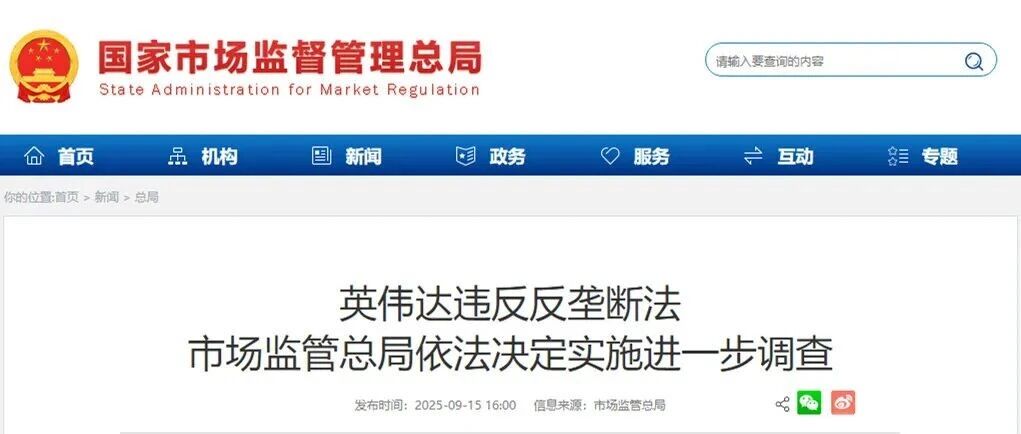
Core Viewpoint - The article discusses the investigation initiated by China's State Administration for Market Regulation (SAMR) against NVIDIA for alleged violations of the Anti-Monopoly Law and conditions set during the approval of its acquisition of Mellanox Technologies [1][3]. Group 1: Background of the Investigation - The investigation stems from NVIDIA's announcement in 2019 to acquire Mellanox for $6.9 billion, which required approval from Chinese antitrust authorities due to its significant market impact [3]. - In 2020, SAMR approved the acquisition with conditions, including prohibiting NVIDIA from bundling GPU sales with Mellanox products and ensuring fair supply to the Chinese market [3][4]. Group 2: Alleged Violations - NVIDIA is accused of two main violations: 1. Bundling sales, where customers were required to purchase Mellanox products alongside NVIDIA GPUs without alternative options [4]. 2. Discriminatory supply practices, where NVIDIA allegedly ceased supplying GPU products to the Chinese market starting in 2022, in response to U.S. export control policies [4]. Group 3: Potential Consequences - According to Article 58 of China's Anti-Monopoly Law, NVIDIA could face severe penalties, including fines based on its previous year's sales [4]. - NVIDIA's revenue in mainland China and Hong Kong for fiscal year 2025 was reported at $17.108 billion, which could result in fines up to $1.71 billion (approximately 12.175 billion RMB) [6]. - If the violations are deemed particularly severe, punitive fines could escalate to 2-5 times the initial amount, potentially reaching around $8.55 billion (approximately 60.875 billion RMB) [6].
“中方发出强烈信号,涉英伟达每年数十亿美元业务”
Guan Cha Zhe Wang· 2025-09-16 04:24
Core Viewpoint - Nvidia is facing increased regulatory scrutiny in China due to alleged antitrust violations, which adds uncertainty to its business operations in the region, where it generated 13% of its total sales last year [1][2]. Group 1: Regulatory Actions - Chinese regulatory authorities have initiated a further investigation into Nvidia for violating antitrust laws, following an initial investigation that began in December 2022 [1][4]. - The latest investigation is part of a broader effort by China to utilize regulatory tools to enhance its semiconductor capabilities and reduce reliance on foreign competitors [2][10]. Group 2: Market Impact - Following the announcement of the investigation, Nvidia's stock price fell by as much as 2.4% in pre-market trading, reflecting investor concerns about the potential impact on its business in China [1][6]. - Analysts express concern that new measures could restrict Nvidia's ability to sell network solutions to Chinese customers, a business valued at several billion dollars annually [5][10]. Group 3: Historical Context - The last significant antitrust investigation against a foreign tech company in China occurred in 2013, involving Qualcomm, which resulted in a substantial fine [8][10]. - The current situation indicates a shift in China's approach to enforcing antitrust laws against foreign companies, reflecting a growing confidence in its domestic technology sector [10]. Group 4: Financial Implications - Nvidia's revenue in China for the fiscal year 2024 was reported at $10.31 billion, representing a 78% year-over-year increase, which could lead to potential fines ranging from $10.3 million to $1.03 billion if violations are confirmed [10][11]. - If the violations are deemed particularly severe, fines could escalate to between $2.06 billion and $5.015 billion, significantly impacting Nvidia's financial standing [11].
反倾销反歧视反垄断:中国还击美国芯片战
Hu Xiu· 2025-09-16 04:05
Group 1 - China has initiated anti-dumping investigations against American-made analog chips and anti-discrimination investigations related to integrated circuits on the same day, marking a significant counteraction in the ongoing chip war with the U.S. [1][2] - The U.S. Department of Commerce recently added 32 entities to its export control "entity list," with 23 of them located in China and many involved in the chip business, which may have triggered China's response [2][3] - The ongoing trade talks between China and the U.S. in Spain may be influenced by these actions, suggesting a strategy of "fighting while negotiating" [3][4] Group 2 - Nvidia has been found in violation of antitrust laws by China's State Administration for Market Regulation (SAMR), which has decided to conduct further investigations [8][10] - The investigation relates to Nvidia's acquisition of Mellanox Technologies in 2019, which was approved under certain conditions to prevent anti-competitive practices [12][15] - Nvidia's current supply of H20 chips to China is significantly limited in performance compared to its H200 chips, raising concerns about compliance with fair trade practices [18][17] Group 3 - The anti-dumping investigation targets analog chips produced by U.S. companies, with the investigation period set from January 1, 2024, to December 31, 2024 [31][32] - The application for the investigation cites that U.S. companies have significantly increased their product imports to China while simultaneously lowering prices, adversely affecting domestic producers [36][39] - If the anti-dumping investigation is upheld, it could lead to substantial penalties for major U.S. chip companies, potentially impacting their revenues in China, which exceed $10 billion collectively [41] Group 4 - The Chinese government is also conducting an anti-discrimination investigation against U.S. measures that restrict high-end chips while allowing low-end chips to flood the market, which are seen as discriminatory trade practices [44][45] - The outcome of these investigations could lead to increased tariffs or restrictions on U.S. products if found to be unfair [45][46] - The ongoing investigations and trade tensions highlight the complex dynamics of the U.S.-China trade relationship, particularly in the semiconductor sector [46][47]