长期主义

Search documents
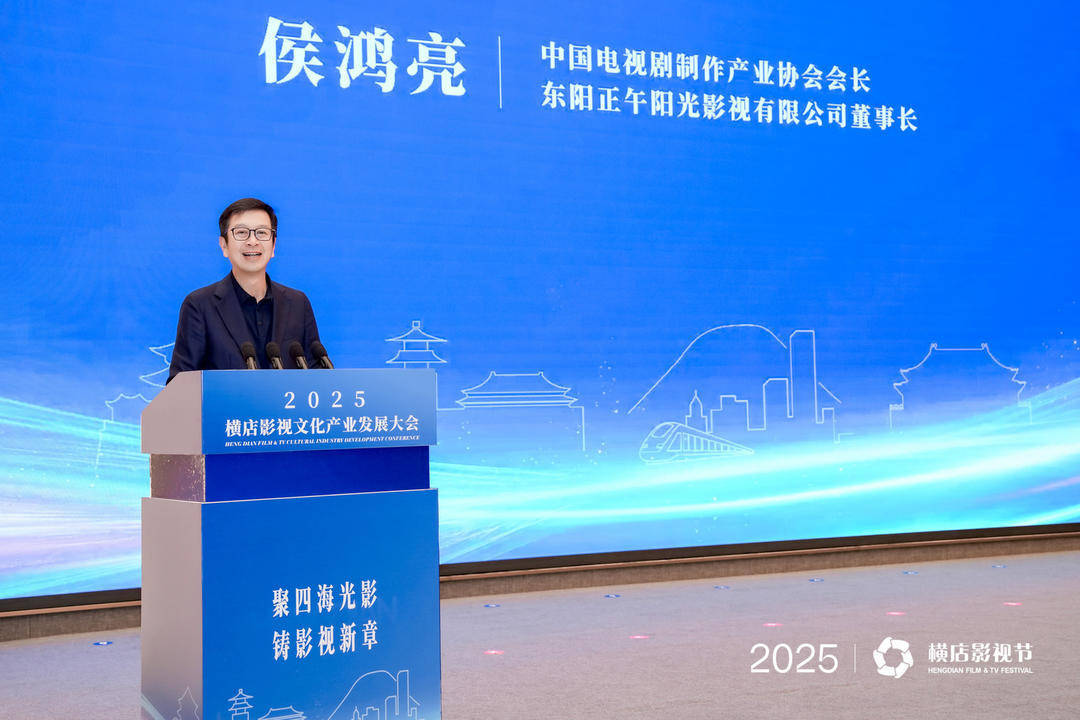
正午阳光董事长侯鸿亮:长剧破局之道唯有“好故事”
Sou Hu Cai Jing· 2025-10-31 15:39
Core Viewpoint - The Chinese television and film industry is facing significant challenges, with a call for a return to content quality and long-term strategies for sustainable development, as highlighted during the "2025 Hengdian Film and Television Festival" [1][3]. Industry Changes - The number of television and online drama releases has drastically decreased from 752 in 2019 to 281 in 2024, representing a decline of over 60% in five years [3]. - Television stations are experiencing reduced purchasing power, while online platforms have shifted from "IP grabbing" to "copyright control" [3]. - The industry is facing content dilution due to competition from short videos and micro-dramas, alongside creative stagnation caused by strict subject matter regulations and lengthy review processes [3]. Policy Insights - The "Broadcasting and Television 21 Measures" aims to rejuvenate the industry with four core principles: 1. Return to content with a focus on "script-centered" production, emphasizing the importance of solid storytelling [4]. 2. Rebuild the ecosystem by promoting diverse content forms, encouraging the creation of realistic and historical themes while reducing idol and crime dramas [4]. 3. Optimize governance by enhancing review transparency and adopting a "bottom line + profit-sharing" revenue model to reward quality works [4]. 4. Advocate for long-termism in production, emphasizing the need for thoroughness at every stage of creation [4]. Future Outlook - Hengdian is positioned as a historical landmark for Chinese television and a frontier for new ecological practices, with a call for industry professionals to shift focus from chasing short-term gains to cultivating quality content over the long term [4].

投资人,你有活在当下吗?
集思录· 2025-10-31 14:36
Core Viewpoint - The article discusses the importance of living in the present and the psychological challenges faced by investors who often focus on future wealth and financial freedom, potentially at the expense of enjoying their current lives [1]. Group 1: Living in the Present - Many individuals, especially those in investment roles, struggle to enjoy the present moment due to constant anticipation of future financial success and freedom [1][9]. - The notion of future wealth often leads to a cycle of new expectations and desires, making it difficult to appreciate current experiences [1][12]. - The article emphasizes that achieving financial goals does not necessarily equate to happiness or fulfillment in life [1][11]. Group 2: Personal Experiences and Reflections - Some individuals share their experiences of finding joy in simple activities and the freedom that comes with not being tied to a traditional job [2][14]. - There are reflections on how past financial calculations and decisions have led to a sense of freedom, even if the current financial status does not meet conventional standards of wealth [10][15]. - The importance of balancing work and personal life is highlighted, with some individuals expressing satisfaction in their current lifestyles despite not being in high-paying jobs [12][16]. Group 3: Financial Perspectives - The article suggests that setting relative financial goals based on personal circumstances can be more beneficial than fixed monetary targets [16][17]. - It discusses the idea that once financial stability is achieved, individuals should consider how to give back to society rather than solely focusing on accumulating wealth [17][18]. - The concept of enjoying life and fulfilling personal desires while managing financial responsibilities is presented as a key to a balanced life [13][21].

江阴银行三季报透视:盈利双位数增长,中期分红彰显回报诚意
Quan Jing Wang· 2025-10-31 11:56
Core Viewpoint - Jiangyin Bank has demonstrated resilience in a complex macro environment, reporting strong financial performance for the third quarter of 2025, with significant growth in both revenue and net profit [1][2]. Financial Performance - The bank achieved total operating revenue of 3.204 billion yuan, a year-on-year increase of 6.17% [1]. - Net profit attributable to shareholders reached 1.278 billion yuan, reflecting a robust year-on-year growth of 13.38% [1]. - The net profit excluding non-recurring gains and losses was 1.229 billion yuan, up 14.94% year-on-year, indicating enhanced profitability from core operations [2]. - The weighted average return on equity increased to 6.79%, up 0.23 percentage points from the previous year, showing improved efficiency in generating shareholder returns [2]. - Basic earnings per share rose to 0.5194 yuan, a year-on-year increase of 11.92% [2]. Asset Quality and Growth - Total assets surpassed 208.042 billion yuan, growing by 3.90% since the beginning of the year [2]. - Shareholders' equity reached 19.149 billion yuan, an increase of 3.01% year-to-date [2]. - The non-performing loan ratio stood at 0.85%, slightly down by 0.01 percentage points, maintaining a strong position within the industry [2]. - The provision coverage ratio was high at 371.91%, indicating robust risk mitigation capabilities [2]. Strategic Initiatives - Jiangyin Bank is focusing on strategic transformation with an emphasis on "stabilizing growth, adjusting structure, promoting transformation, preventing risks, and strengthening management" [3]. - The bank's total deposit size reached 165.073 billion yuan, an increase of 8.73% year-to-date, while total loans grew by 6.31% to 131.957 billion yuan [3]. - The net interest margin was reported at 1.56%, with a net interest spread of 1.39%, both showing a slight increase from the previous half-year [3]. Sector-Specific Developments - In the inclusive finance sector, the bank has established a comprehensive service system, resulting in a 15.07% increase in corporate clients [4]. - Green finance initiatives led to a 34.26% increase in green loan balances, significantly outpacing average loan growth [4]. - The bank has developed a unique brand in elderly finance, focusing on the needs of the aging population [4]. Shareholder Returns - Jiangyin Bank announced a cash dividend of 1.0 yuan per 10 shares, totaling approximately 246 million yuan, which represents 19.25% of the net profit attributable to the parent company for the first three quarters [5][6]. - This dividend proposal reflects the bank's commitment to shareholder returns and its stable financial policy [6]. - The bank aims to continue focusing on rural revitalization, industrial cluster development, and wealth management, reinforcing its long-term growth strategy [6].

光大证券:石油化工面临高成本弱供需格局 行业龙头有望穿越周期
智通财经网· 2025-10-31 07:56
Core Viewpoint - The chemical industry is entering a downward cycle due to high costs and weak supply-demand dynamics, despite maintaining high capital expenditure and supply growth since the peak in 2021. However, there are "long-termist" companies capable of navigating through the cycle, providing substantial returns to investors through growth and dividends [1][2]. Group 1: Industry Overview - The chemical industry has experienced high capital expenditure and significant supply growth since the peak in 2021, but demand recovery remains relatively weak, leading to a high-cost and weak supply-demand environment [1]. - Long-termist companies in the chemical sector are characterized by strong shareholder backgrounds, excellent management capabilities, reasonable industry chain layouts, continuous R&D investment, and a strong sense of social responsibility, enabling them to achieve stable growth and sustainable development [2]. Group 2: Oil and Gas Sector - The "three major oil companies" (China National Petroleum, Sinopec, and CNOOC) are expected to maintain high capital expenditure and enhance natural gas market development, aiming for long-term growth despite oil price fluctuations [3]. - The domestic oil service companies are benefiting from high upstream capital expenditure, with improved operational quality and international competitiveness, particularly in the context of the Belt and Road Initiative [3]. Group 3: Refining and Chemical Fiber Industry - The refining and chemical fiber industry is anticipated to recover, with the refining expansion nearing completion and supply-demand dynamics expected to improve, leading to high-quality development in the sector [4]. - The polyester sector is seeing limited new capacity, with structural optimization accelerating, which is expected to enhance the market share and competitiveness of leading companies [4]. Group 4: Coal Chemical Industry - The coal chemical industry is projected to improve profitability due to a gradual easing of coal supply and demand, alongside a decline in coal prices. The transition towards modern coal chemical processes is seen as essential for traditional coal enterprises [5]. - The average prices for various coal types have decreased, with main coking coal, thermal coal, and anthracite prices showing declines of -10.5%, -2.0%, and -16.0% respectively compared to the beginning of the year [5]. Group 5: Investment Recommendations - The report suggests focusing on leading companies in the upstream oil and gas sector and oil service companies, including China National Petroleum (601857.SH), Sinopec (600028.SH), CNOOC (600938.SH), and others [6]. - For the refining and chemical fiber sector, companies like Hengli Petrochemical (600346.SH) and Rongsheng Petrochemical (002493.SZ) are recommended due to their potential benefits from industry optimization and upgrades [7]. - In the coal chemical sector, companies such as Hualu Hengsheng (600426.SH) and Baofeng Energy (600989.SH) are highlighted for their expected improvement in profitability [7]. - The report also suggests monitoring cyclical leading companies like Wanhua Chemical (600309.SH) and Satellite Chemical (002648.SZ) as demand recovers and supply-demand dynamics improve [7].





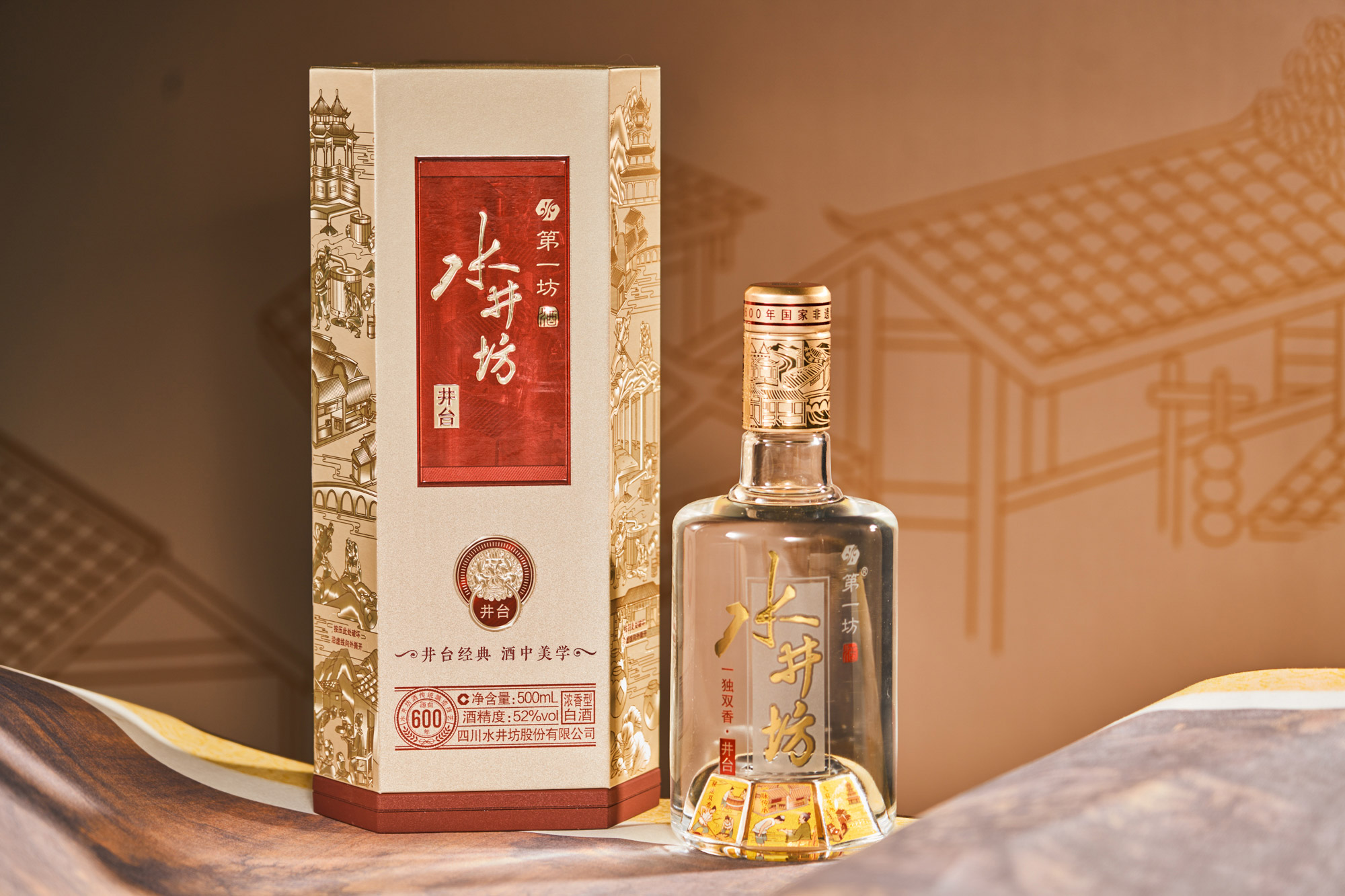
水井坊2025年前三季度逆势突围:Q3盈利回升,品牌韧性凸显行业信心
Jing Ji Guan Cha Wang· 2025-10-31 04:11
Core Viewpoint - Water Margin's performance in Q3 2025 stands out amidst a challenging environment for the liquor industry, showcasing strong recovery momentum with significant profit growth and revenue increases [1][4][7] Financial Performance - For the first three quarters of 2025, the company achieved a revenue of 2.348 billion yuan and a net profit attributable to shareholders of 326 million yuan, with a net profit of 265 million yuan after excluding non-recurring gains and losses [1] - In Q3 2025, the company's net profit reached 221 million yuan, with an overall net profit margin rebounding to 26% and a revenue increase of 12% quarter-on-quarter [1][4] Industry Context - The liquor industry is currently facing significant challenges, with a reported decrease of 100 large-scale liquor enterprises in the first half of 2025, and a mere 0.19% year-on-year increase in sales revenue, alongside a 10.93% decline in profits [1][7] - Only 6 out of 22 listed liquor companies reported both revenue and profit growth in the same period, indicating substantial downward pressure on the industry [1] Strategic Initiatives - The company is committed to a "long-termism" strategy, focusing on optimizing its distributor system, enhancing channel governance, and accelerating product innovation to build a competitive moat [4][7] - In the first three quarters, the company implemented a "one strategy for one region" approach in core markets, utilizing digital tools to improve channel efficiency and launching high-end products to fill market gaps [4] Market Outlook - Despite warnings of continued challenges in the liquor industry, there is a gradually optimistic outlook for 2026, driven by anticipated consumption stimulus measures and improved confidence among distributors [7] - The company's strategy of exchanging short-term profits for long-term value is beginning to yield results, with Q3 profit recovery reinforcing strategic stability and injecting confidence into the industry [7]

开源证券李刚:坚守长期主义 做中小企业的战略合伙人
Xin Hua Wang· 2025-10-31 03:39
Core Viewpoint - The article emphasizes the importance of securities companies, particularly Kaiyuan Securities, in becoming long-term strategic partners for small and medium-sized enterprises (SMEs) by adapting to their unique needs and challenges in the current economic environment [1][2]. Group 1: New Role of Securities Companies - Securities companies must embrace a new positioning to effectively support the long-term development of SMEs, focusing on inclusivity and adaptability in their services [1]. - The need for a comprehensive financial service system tailored to the development patterns and pain points of "specialized, refined, distinctive, and innovative" SMEs is highlighted [1]. Group 2: Long-term Strategic Commitment - The development of SMEs is characterized as a non-linear growth process, requiring a long-term commitment from financial services despite initial high risks and low returns [2]. - Companies are encouraged to resist short-term temptations and maintain strategic focus to achieve sustainable returns over time [2]. Group 3: Integrated Financial Service Model - Kaiyuan Securities is implementing a "research + investment + investment banking" integrated service model to provide comprehensive support throughout the lifecycle of SMEs [2][3]. - The establishment of the Beijing Stock Exchange Research Center in 2022 aims to enhance the understanding of SMEs and support their growth through extensive research and market engagement [2]. Group 4: Investment and Collaboration - The company leverages its alternative and private equity subsidiaries to invest early in innovative SMEs, providing post-investment support and fostering collaboration with local research institutions and universities [3]. - By investing in nearly 30 general partners (GPs), the company aims to create a robust capital market network for innovative SMEs, enhancing the overall funding landscape [3]. Group 5: Embracing Multi-tiered Capital Markets - The New Third Board serves as a preparatory platform for SMEs to enter public capital markets, helping them address historical issues related to governance and financial structure [4]. - A clear growth path is established for SMEs to transition from regional equity markets to the New Third Board and eventually to the Beijing Stock Exchange, promoting a collaborative ecosystem for their development [4]. Group 6: Contribution to National Strategy - Kaiyuan Securities positions itself as a key player in supporting the national strategy for technological self-reliance and modern financial system construction, focusing on serving specialized and innovative SMEs [4].
安克创新(300866)2025年三季报点评:业绩表现良好 着眼长期价值
Xin Lang Cai Jing· 2025-10-30 12:44
Core Viewpoint - The company reported strong financial performance for Q1-Q3 2025, with revenue and net profit showing significant year-on-year growth, although revenue growth has slowed in Q3 due to a high base effect from the previous year [1][2][3][4]. Financial Performance - For Q1-Q3 2025, the company achieved revenue of 21.02 billion yuan, a year-on-year increase of 27.8%, with Q3 revenue at 8.15 billion yuan, up 19.9% year-on-year [1][2]. - The net profit attributable to shareholders for Q1-Q3 2025 was 1.93 billion yuan, reflecting a year-on-year growth of 31.3%, with Q3 net profit at 770 million yuan, up 27.8% year-on-year [1][3]. - The company's gross margin for Q3 2025 was 44.6%, an increase of 1.6 percentage points year-on-year, attributed to prior inventory buildup [3]. Market Dynamics - Revenue growth in Q3 was influenced by new regulations from the Civil Aviation Administration of China, which increased demand for certified products in the domestic market, leading to a 25.8% year-on-year growth in domestic revenue [2]. - The company’s energy storage business faced competitive pressure, with a 5.9% year-on-year increase in revenue for portable energy storage products in Q3 [2]. Strategic Outlook - The company is focusing on long-term growth strategies to navigate external uncertainties, with expectations for improved sales during the upcoming holiday season in Q4 [4]. - The re-launch of UV printers in November is anticipated to contribute additional revenue in Q4, with projections for significant growth in this product category in 2026 [4]. Investment Recommendations - The company maintains a stable operational outlook despite external challenges, with adjusted EPS forecasts for 2025, 2026, and 2027 at 5.08, 6.13, and 7.26 yuan respectively, corresponding to PE ratios of 24, 20, and 17 times [4]. - A target price of 145 yuan is set, based on a DCF valuation method, maintaining a "strong buy" rating [4].
日本车企在危机感中欢迎比亚迪,刘学亮:品牌建设没有捷径
Guan Cha Zhe Wang· 2025-10-30 11:41
Core Insights - BYD has been expanding internationally for 20 years, with Japan being one of its earliest markets, initially entering through battery business [1] - BYD's first electric bus was launched in Japan in 2014, despite initial skepticism from Japanese consumers towards Chinese products [1] - By 2025, BYD has become the top-selling electric vehicle manufacturer globally, and its presence in Japan is now significant [1] Group 1: Market Entry and Strategy - BYD's first K-car model, the Racco, was launched in Japan, with Suzuki's president acknowledging BYD as a "huge threat" while expressing a desire for healthy competition [1] - The Japanese market is characterized by zero import tariffs on vehicles but high consumer loyalty to domestic brands, making it challenging for BYD to gain acceptance [2] - BYD focuses on product trust by customizing features to meet local consumer needs, such as redesigning the Dolphin's roof height for the Japanese market [2] Group 2: Brand Building and Long-term Vision - Unlike its aggressive domestic growth strategy, BYD adopts a more cautious approach in Japan, prioritizing brand building through technology, products, and services rather than immediate sales volume [2] - BYD has not set specific sales targets for Japan but aims to establish a network of 100 dealerships by 2025, with 80 expected to be operational this year [2] - The concept of "long-termism" is central to BYD's strategy in Japan, as local investors value long-term brand investment over immediate profitability [3]

安克创新(300866):2025年三季报点评:业绩表现良好,着眼长期价值
Huachuang Securities· 2025-10-30 11:20
Investment Rating - The report maintains a "Strong Buy" rating for Anker Innovations, with a target price of 145 CNY [2]. Core Insights - Anker Innovations reported strong performance in its Q3 2025 results, achieving a revenue of 81.5 billion CNY, a year-on-year increase of 19.9%, and a net profit of 7.7 billion CNY, up 27.8% year-on-year [2][9]. - The company has shown resilience in its operations despite external uncertainties, with expectations for improved sales during the upcoming promotional seasons [9]. Financial Performance Summary - For the first three quarters of 2025, Anker Innovations achieved a total revenue of 210.2 billion CNY, representing a 27.8% year-on-year growth, and a net profit of 19.3 billion CNY, which is a 31.3% increase year-on-year [2][9]. - The Q3 2025 gross margin was reported at 44.6%, an increase of 1.6 percentage points year-on-year, indicating effective cost management despite tariff disruptions [9]. - The company’s earnings per share (EPS) for 2025 is projected at 5.08 CNY, with a price-to-earnings (P/E) ratio of 24 times [5][9]. Revenue and Profit Forecast - Revenue projections for Anker Innovations are as follows: 2024A at 24,710 million CNY, 2025E at 31,527 million CNY, 2026E at 39,519 million CNY, and 2027E at 47,496 million CNY, with respective growth rates of 41.1%, 27.6%, 25.3%, and 20.2% [5][10]. - The forecasted net profit for the same years is 2,114 million CNY for 2024A, 2,722 million CNY for 2025E, 3,286 million CNY for 2026E, and 3,893 million CNY for 2027E, with growth rates of 30.9%, 28.7%, 20.7%, and 18.5% respectively [5][10].
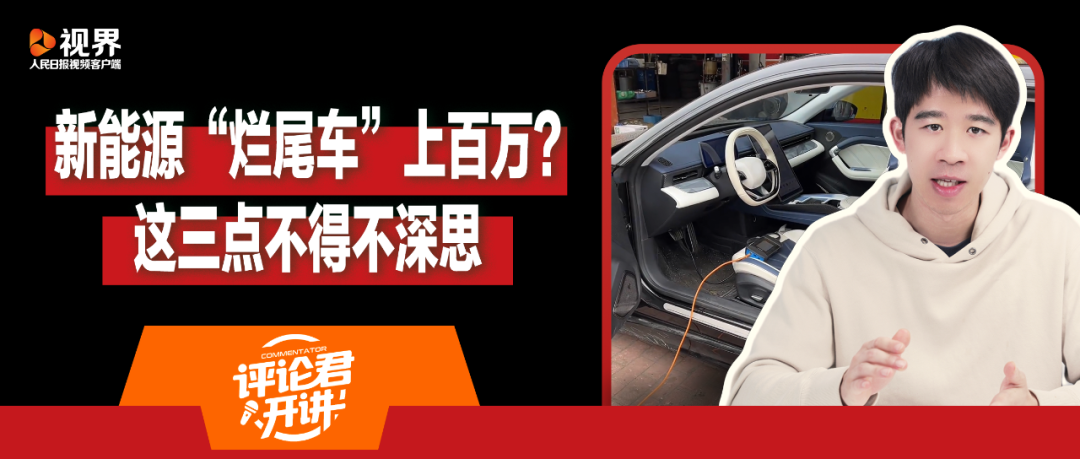
新能源“烂尾车”上百万?这三点不得不深思
Ren Min Ri Bao· 2025-10-30 02:37
Core Insights - The article highlights the issue of "orphaned vehicles" in the electric vehicle (EV) market, where consumers face challenges such as lack of warranty, unavailable parts, and difficulties in obtaining insurance due to the exit of several new energy vehicle manufacturers from the market [1][2]. Group 1: Industry Challenges - The exit of companies like WM Motor and NIO has left over a million car owners with vehicles that lack support, leading to a situation where warranties and after-sales services are no longer guaranteed [1]. - The current regulatory framework mandates that manufacturers must ensure parts and after-sales service for 10 years post-production cessation, but many companies fail to uphold this commitment, leaving consumer rights unprotected [1]. Group 2: Need for Consumer Protection - A robust consumer rights protection mechanism is essential for the healthy development of the industry, necessitating a shift in focus from sales to after-sales service among manufacturers [2]. - The article suggests that enhancing the compatibility of key EV components and fostering partnerships between defunct manufacturers and large repair shops could improve the repair landscape for consumers [2]. Group 3: Opportunities Amidst Challenges - The challenges faced by the industry can also present opportunities for growth, as seen in the fuel vehicle sector where the breaking of original parts monopolies led to more competitive pricing and vibrant after-sales markets [3]. - The establishment of a third-party certification system and an open, efficient after-market ecosystem for EVs could benefit consumers and create new growth avenues for the industry [3]. Group 4: Long-term Vision - The article emphasizes that the EV industry requires a long-term perspective, focusing on technological and management innovations to deliver high-quality, cost-effective products and services for sustainable growth [4].