
电动大巴

Search documents
比亚迪,起诉美国政府!
DT新材料· 2026-02-10 16:05
Core Viewpoint - BYD has filed a lawsuit against the U.S. government, claiming that several tariff policies are illegal and seeking a refund of taxes paid [2][5]. Group 1: Lawsuit Details - The lawsuit specifically targets the tariffs imposed on BYD's imported goods under the International Emergency Economic Powers Act (IEEPA) [5]. - BYD requests the court to declare that all IEEPA tariffs levied on them are unauthorized and that the U.S. government should refund all related payments [6]. - The company has already paid IEEPA tariffs and believes that independent litigation is necessary to ensure the return of illegally collected tariffs [7]. Group 2: Background on IEEPA Tariffs - Since the Trump administration invoked the IEEPA in 2025, over 1,000 companies, including major corporations like Costco and Toyota, have filed lawsuits against these tariffs [4]. - Previous court rulings have indicated that the IEEPA does not authorize the President to impose such tariffs [7]. Group 3: BYD's Operations in the U.S. - BYD operates a significant electric bus factory in Lancaster, North America, with an annual production capacity of approximately 1,500 units, but still relies on imported components [8]. - The company is also involved in the energy storage market in the U.S., having deployed multiple large-scale storage projects exceeding 1 GWh [8]. Group 4: Market Context - The U.S. has become the largest and most competitive energy storage market globally, with battery manufacturers shifting to produce storage batteries due to the decline in electric vehicle sales [9]. - In 2025, BYD's total sales exceeded 4.6 million units, with overseas sales surpassing 1 million units for the first time, primarily driven by markets in Europe, Asia-Pacific, and Latin America [10].



比亚迪起诉美国政府
第一财经· 2026-02-10 12:08
Core Viewpoint - BYD has filed a lawsuit against the U.S. government, claiming that multiple tariff policies are illegal and seeking a refund for tariffs paid under the International Emergency Economic Powers Act (IEEPA) [3][4]. Group 1: Lawsuit Details - The lawsuit was initiated on January 26, 2026, targeting the IEEPA tariffs imposed on BYD's imported goods, asserting that these tariffs were levied without legal authority [3][4]. - BYD requests the court to rule that the IEEPA tariffs are unlawful, that all tariffs paid by BYD are unauthorized, and that the U.S. government must refund these tariffs along with legally authorized interest [4][5]. Group 2: Implications and Context - BYD has already paid IEEPA tariffs and believes that independent litigation is necessary to ensure the return of these unlawfully collected tariffs, as they continue to pay related tariffs for ongoing imports [5]. - The company operates a factory in Lancaster, California, which requires imported components for assembly, and its main business in the U.S. includes electric buses and energy storage networks [5]. - Over 1,000 companies, including major brands like Costco and Toyota, have also filed lawsuits against IEEPA tariffs, indicating a broader challenge to these tariff policies [5].
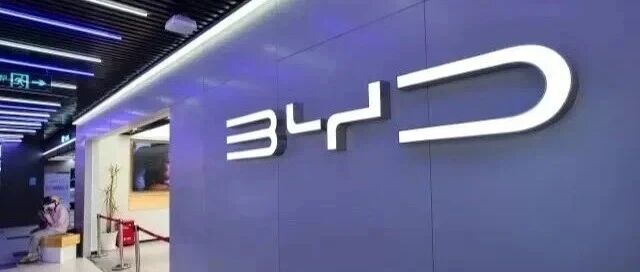
比亚迪起诉美国政府,要求其全额退还相关税款
Di Yi Cai Jing· 2026-02-10 11:55
Core Viewpoint - BYD has filed a lawsuit against the U.S. government, claiming that multiple tariff policies are illegal and seeking a refund of tariffs paid under the International Emergency Economic Powers Act (IEEPA) [1][2]. Group 1: Lawsuit Details - The lawsuit was initiated on January 26, targeting the IEEPA tariffs imposed on BYD's imported goods, with the company requesting the court to recognize these tariffs as unauthorized and to mandate a full refund of all related payments [1][2]. - BYD argues that the U.S. government lacks legal authority to impose these tariffs, violating the Administrative Procedure Act (APA), and that the actions taken were arbitrary [2]. - The company has already paid IEEPA tariffs and continues to incur these costs for ongoing imports, making the lawsuit necessary to ensure the recovery of unlawfully collected tariffs [2]. Group 2: Industry Context - Over 1,000 companies, including major firms like Costco, Goodyear, Toyota, and Kawasaki Heavy Industries, have also filed lawsuits against the IEEPA tariffs [3]. - BYD operates a factory in Lancaster, California, for electric buses but still requires the import of certain components for assembly [3]. - The company’s primary operations in the U.S. include electric buses, a North American headquarters in Los Angeles, and a forklift center in Rancho Dominguez, along with a network for energy storage [3].
欧企:中国造太香,就买
Guan Cha Zhe Wang· 2026-02-03 01:09
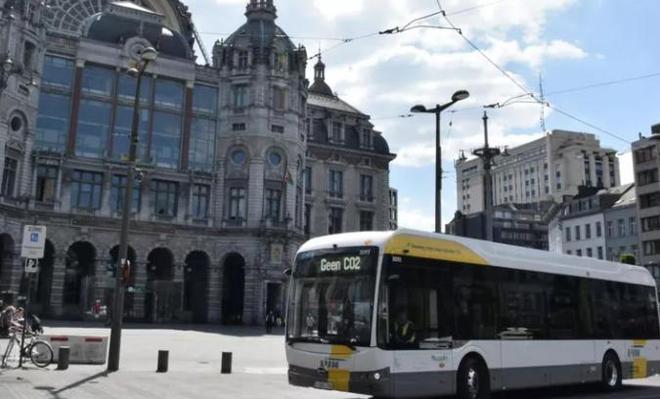
Core Viewpoint - Despite European concerns about Chinese companies controlling infrastructure, Chinese electric buses are gaining popularity in Europe due to their lower prices and higher quality compared to local brands [1][7]. Group 1: Market Trends - Chinese electric buses, particularly from BYD and Yutong, are increasingly being purchased by European countries such as Germany, Belgium, and Austria, with operators praising their cost-effectiveness and quality [1][2]. - A report by McKinsey indicates that by 2024, Chinese electric buses will hold a 21% market share in Europe, with BYD and Yutong accounting for the majority [2]. Group 2: Product Features - BYD's electric buses can operate for 8 hours on a full charge and are approximately €100,000 cheaper than similar German models, which typically cost around €600,000 [2]. - The design of BYD buses places three out of five battery packs under the floor, lowering the center of gravity and enhancing safety, especially in the event of an accident [2]. Group 3: Contracts and Collaborations - In Belgium, the public transport operator De Lijn has awarded BYD a contract for up to 500 electric buses, with an initial order of 268 buses, marking a significant step in their electrification strategy [5]. - BYD plans to assemble these buses in Hungary to meet EU local value creation requirements and is set to build a second assembly plant to increase production capacity to 1,250 electric buses and trucks annually [5]. Group 4: Political and Regulatory Environment - Some European politicians have raised concerns about Chinese companies, citing issues like data privacy and strategic dependency, particularly in relation to Yutong's contracts [7][8]. - The Chinese government has emphasized its commitment to data privacy and security, urging European countries to provide a fair and non-discriminatory business environment for all companies [8].

特朗普心心念念的东西,中方转头给了别国,美国专家直呼拿中国没辙了
Sou Hu Cai Jing· 2025-12-16 23:35
Group 1 - The article discusses the renewed trade policies under Trump's second term, focusing on aggressive tariffs and sanctions aimed at China, particularly in sectors like semiconductors and high-end manufacturing [1][11] - Trump's administration aims to leverage tariffs as a negotiation tool to gain an upper hand in trade discussions, believing that economic pressure will force China to concede on issues like intellectual property and market access [1][11] - The response from China has been measured, with a focus on diversifying its export markets and strengthening regional partnerships, indicating a shift in its economic strategy away from reliance on the U.S. [1][11] Group 2 - The article highlights the impact of tariffs on U.S. consumers, noting that prices for various goods have increased by 10% to 20%, contributing to inflation concerns [1][11] - Despite the imposition of tariffs, China's export performance remains strong, with significant growth in exports to ASEAN, the EU, and the Middle East, suggesting a reduced dependency on the U.S. market [1][11] - The article points out that the U.S. trade deficit with China has decreased, but the overall trade deficit has widened, indicating structural issues within the U.S. economy [1][11] Group 3 - The article emphasizes the long-term strategic differences between the U.S. and China, with the U.S. focusing on short-term gains through tariffs while China invests in technology and infrastructure for future growth [1][11] - It notes that the U.S. is losing its position as the sole rule-maker in global trade, as other countries are increasingly seeking multilateral cooperation over unilateral actions [1][11] - The narrative suggests that the ongoing trade tensions are not just about tariffs but reflect deeper ideological differences regarding economic governance and global trade practices [1][11]
【快讯】每日快讯(2025年12月12日)
乘联分会· 2025-12-12 08:40
Domestic News - The "National Subsidy" policy is expected to continue in 2026, with an increase in funding for consumer goods replacement programs, expanding to include digital products and home appliances [4] - Hunan's electric vehicle exports have surpassed 10.7 billion yuan, with significant growth in emerging markets like Indonesia and Mexico [5] - The second-hand car market in China shows signs of recovery, with daily transaction volumes increasing by 3.46% week-on-week [6] - Deep Blue Automotive has achieved a milestone of 700,000 vehicle deliveries [7] - Leap Motor's chairman and a major shareholder have increased their holdings by 2.15 million shares, totaling over 100 million HKD [8] - BAIC Blue Valley plans to lend up to 6 billion yuan to its subsidiary for project implementation [9] - GAC Group is set to enter the Japanese electric vehicle market in 2026, aiming for 2,000 orders by 2027 [10] - SaiKe Technology's Chongqing base has commenced production, contributing to the expansion of its manufacturing network [11] International News - The EU is considering a conditional five-year delay on the ban of fuel vehicles, allowing certain hybrid models to continue sales until 2040 [12] - Stellantis has partnered with Bolt to explore the commercial operation of L4 autonomous Robotaxis in Europe [13] - Audi has formed a strategic partnership with UST, which will acquire a majority stake in Italdesign [14] - SK On and Ford have agreed to terminate their joint venture in the U.S., with both companies operating their respective production facilities independently [16] Commercial Vehicles - The "14th Five-Year" modern comprehensive transportation system development plan has been released in Henan Province, focusing on green transformation and electric vehicle promotion [17] - The 2025 commercial vehicle extreme record has been announced, highlighting advancements in fuel and electric heavy-duty trucks [18][19] - Jiangling Group has multiple units recognized in the provincial green manufacturing list, showcasing its commitment to sustainable development [20] - BYD's electric buses have won the 2026 German Design Award, reflecting the company's design and technological prowess [21]

“比亚迪助力绿色转型迈上新台阶”——访比亚迪巴西分公司总经理李铁
Xin Hua Cai Jing· 2025-11-20 00:59
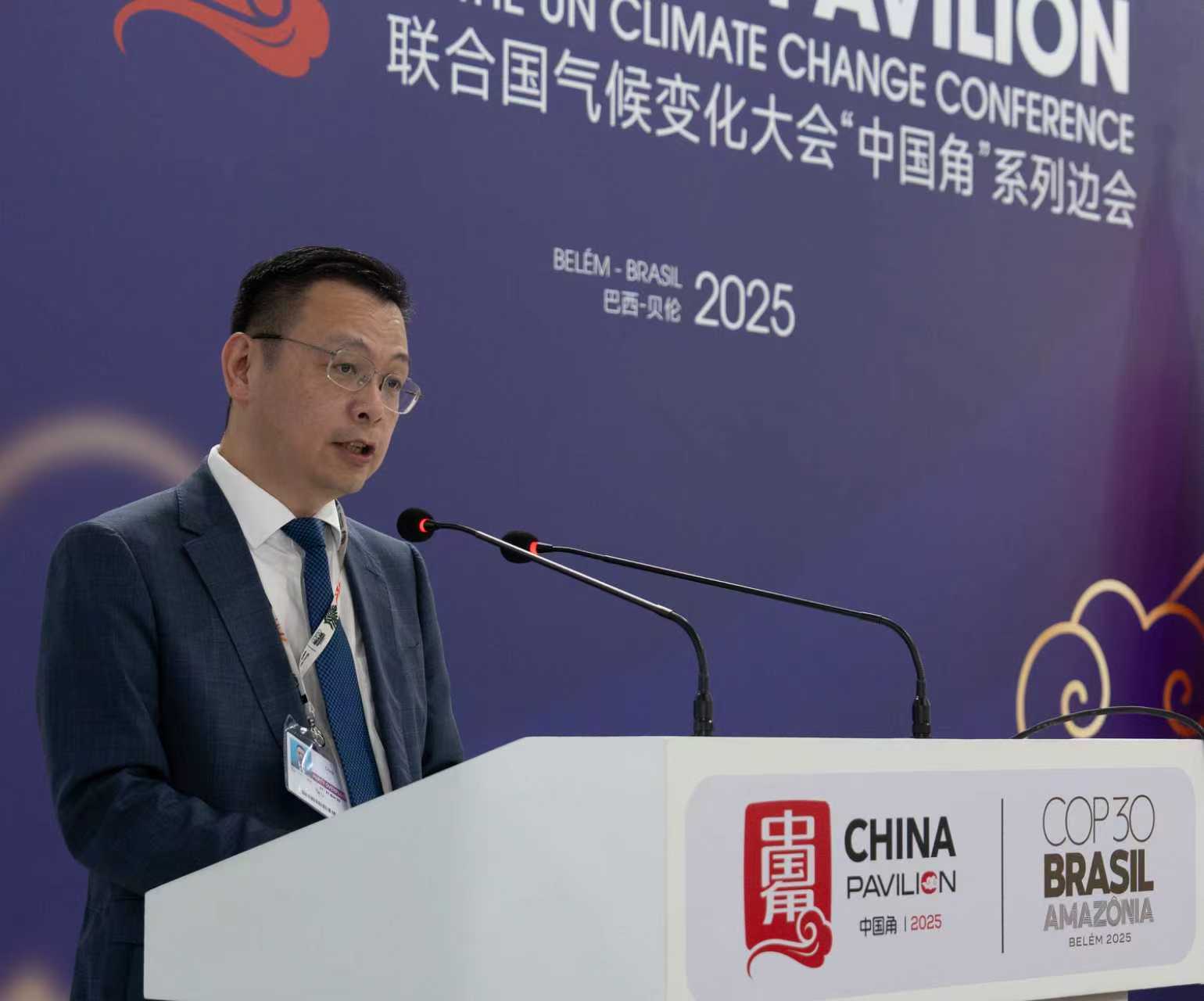
Core Viewpoint - BYD is actively participating in the global green transition by showcasing its green technologies and solutions, including electric vehicles, photovoltaics, and energy storage, during the COP30 conference in Brazil, positioning the country as a strategic hub for its global renewable energy initiatives [1][3]. Group 1: Technological Innovation and Vision - BYD's vision extends beyond electric vehicles, focusing on making advanced technologies accessible to everyone through innovation [3]. - Since 2008, BYD has aimed to create a complete green energy chain, integrating solar energy, energy storage, and electric transportation to improve urban energy structures and air quality [3][4]. - The latest fifth-generation DM technology allows vehicles to achieve fuel consumption as low as 2.6 liters per 100 kilometers, facilitating the transition from traditional fuel vehicles to cleaner alternatives [4]. Group 2: Local Operations and Market Performance - BYD has established a comprehensive local presence in Brazil, including factories for electric buses, photovoltaic components, and batteries, contributing to the local green industrial landscape [4][5]. - As of October 2023, BYD has registered over 87,000 vehicles in Brazil, with monthly registrations of passenger cars exceeding 10,000 units in September and October 2025 [4][5]. - BYD has been recognized as the highest-rated automotive brand in Brazil for consumer satisfaction and has received accolades for its reputation among users [5]. Group 3: Environmental Impact and Future Goals - BYD's electric vehicles have contributed to a reduction of 118.38 million tons of CO2 emissions, equivalent to planting approximately 1.97 billion trees [5]. - The company aims to reduce carbon intensity by 50% by 2030 compared to 2023 levels and plans to achieve carbon neutrality across its entire value chain by 2045 [5]. - BYD emphasizes the importance of collaboration with global partners to drive urban green transformation and combat climate change [6].
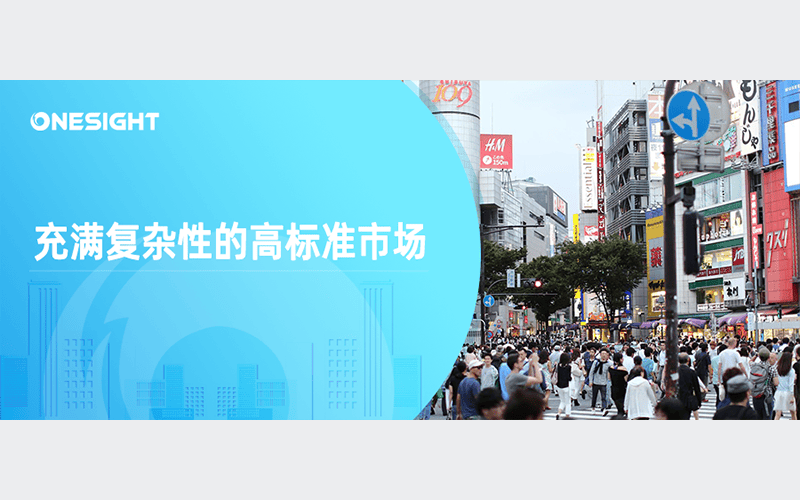
解读日本市场:品牌出海的高标准历炼场
Sou Hu Cai Jing· 2025-11-11 08:38
Group 1: Overview of the Japanese Market - Japan is a unique and significant market characterized by a mature and stable economy, with a GDP of approximately $4.4 trillion and a per capita GDP exceeding $35,000 [3] - The market is attractive for brands due to its strong consumer purchasing power and high standards for product quality and service [3][4] - Successful brands in Japan can leverage their presence to gain credibility in other international markets [4] Group 2: Business Culture and Rules - Trust is the cornerstone of Japanese business culture, requiring brands to invest time in building long-term relationships with consumers and partners [6][11] - The Japanese market is highly structured and conservative, necessitating adherence to established rules and processes for successful integration [7] - A long-term strategy is essential for brands, focusing on deep market penetration rather than short-term gains [8] Group 3: Consumer Behavior and Preferences - Japanese consumers prioritize trust and quality over price, leading to a strong brand loyalty that is crucial for sustained success [11][12] - Attention to detail and aesthetics is paramount, with consumers expecting high standards in product presentation and experience [12] - Social consensus and group identity influence purchasing decisions, making word-of-mouth and social proof vital for brand acceptance [12] Group 4: Social Media Landscape - Japan has a unique social media environment, with a high reliance on privacy and closed social circles, particularly through platforms like LINE [15] - Video content is significant, with platforms like Instagram and YouTube being essential for brand storytelling and product demonstrations [16] - Authentic user-generated content and real reviews are critical for influencing consumer decisions, as traditional advertising is less effective [16][17] Group 5: Conclusion - Japan offers stable and high-value returns for brands that prioritize quality, service, and long-term commitment [27] - Chinese companies are increasingly entering the Japanese market, achieving notable success and establishing their presence [27]
日本车企在危机感中欢迎比亚迪,刘学亮:品牌建设没有捷径
Guan Cha Zhe Wang· 2025-10-30 11:41
Core Insights - BYD has been expanding internationally for 20 years, with Japan being one of its earliest markets, initially entering through battery business [1] - BYD's first electric bus was launched in Japan in 2014, despite initial skepticism from Japanese consumers towards Chinese products [1] - By 2025, BYD has become the top-selling electric vehicle manufacturer globally, and its presence in Japan is now significant [1] Group 1: Market Entry and Strategy - BYD's first K-car model, the Racco, was launched in Japan, with Suzuki's president acknowledging BYD as a "huge threat" while expressing a desire for healthy competition [1] - The Japanese market is characterized by zero import tariffs on vehicles but high consumer loyalty to domestic brands, making it challenging for BYD to gain acceptance [2] - BYD focuses on product trust by customizing features to meet local consumer needs, such as redesigning the Dolphin's roof height for the Japanese market [2] Group 2: Brand Building and Long-term Vision - Unlike its aggressive domestic growth strategy, BYD adopts a more cautious approach in Japan, prioritizing brand building through technology, products, and services rather than immediate sales volume [2] - BYD has not set specific sales targets for Japan but aims to establish a network of 100 dealerships by 2025, with 80 expected to be operational this year [2] - The concept of "long-termism" is central to BYD's strategy in Japan, as local investors value long-term brand investment over immediate profitability [3]
中国标准与海外需求精准对接 中国制造助力全球绿色出行变革
Ren Min Ri Bao· 2025-10-27 22:05
Core Insights - The article highlights the global trend of green transportation, emphasizing the significant role of Chinese manufacturing in promoting electric vehicles and public transport solutions [1] Group 1: Regional Impact - In Southeast Asia, lightweight electric motorcycles are effectively alleviating urban commuting pressures [1] - In Europe, Chinese electric vehicles are praised for their excellent range and smart driving experiences [1] - In Latin America, electric buses are becoming a new urban landscape, enhancing public transport [1] Group 2: Economic and Employment Benefits - The shift towards green transportation not only provides more travel options for local populations but also profoundly changes transportation dynamics in various countries [1] - Chinese new energy companies are establishing factories in different countries, creating numerous direct and indirect job opportunities [1] - Local populations benefit from industrial upgrades due to the presence of Chinese manufacturing [1] Group 3: Global Collaboration - Chinese manufacturing is contributing to the global supply of affordable, high-quality green products [1] - The article emphasizes the technological support provided for global energy efficiency improvements [1] - Through localized production and operations, there is a realization of win-win cooperation with various countries [1]