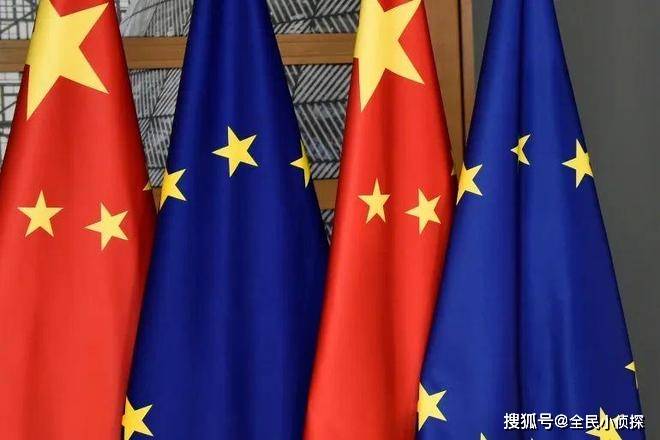
贸易保护主义

Search documents
特朗普:对不在美国生产家具的国家征收高额关税
Jin Shi Shu Ju· 2025-09-29 13:19
Core Viewpoint - President Trump announced plans to impose high tariffs on countries that do not produce furniture in the United States, aiming to revive the furniture industry in North Carolina [1] Industry Summary - The furniture business in North Carolina has been significantly impacted by international competition, leading to a decline in local production [1] - The proposed tariffs are intended to protect domestic manufacturers and encourage local production, potentially reshaping the competitive landscape of the furniture industry [1]


墨西哥对华加征关税,不只因特朗普施压
Hu Xiu· 2025-09-29 12:28
Core Viewpoint - The Chinese Ministry of Commerce announced an investigation into Mexico's trade and investment barriers against China, particularly in response to Mexico's proposed increase in import tariffs on products from non-free trade partners, including China [1][2][3]. Summary by Sections Trade Measures - Mexico's government proposed to raise import tariffs by up to 50% on products from China and other countries without free trade agreements, affecting a wide range of goods including automobiles, steel, textiles, and consumer products [3][5]. - The proposed tariffs could impact approximately $52 billion worth of imports, accounting for 8.6% of Mexico's total imports, and are expected to generate an additional $3.76 billion in tariff revenue annually [5][20]. Economic Implications - The new tariffs are seen as a way to protect local manufacturing and respond to pressures from the U.S. government regarding imports from China [7][21]. - The tariffs could lead to increased costs for consumers and businesses in Mexico, potentially exacerbating inflation [20][21]. Industry Reactions - The Mexican Chinese Technology Chamber expressed concerns that the tariffs could hinder Mexico's ability to absorb and develop advanced technologies in key industries such as automotive and electronics [10][12]. - Some Chinese companies have already paused investment plans in Mexico due to the uncertainty created by the proposed tariffs [12][20]. Bilateral Relations - The Chinese ambassador to Mexico emphasized the importance of avoiding protectionism and maintaining cooperative relations between China and Mexico [16]. - Despite the proposed tariffs, Mexican officials stated that the measures are not aimed at any specific country and that they wish to maintain good relations with China [8][10]. Broader Context - The timing of the tariff proposal coincides with the upcoming review of the USMCA agreement, which may influence Mexico's trade strategy and negotiations with the U.S. [6][21]. - Mexico's reliance on exports to the U.S. (over 90% of its total exports) makes it crucial for the country to navigate these trade tensions carefully [22][29].

太双标!特朗普加税100%,却降日本车关税,中国欧盟联手反杀
Sou Hu Cai Jing· 2025-09-29 11:48
Core Viewpoint - The recent announcement by the U.S. government regarding a new round of tariffs, particularly targeting imports from China and the EU, while reducing tariffs on Japanese automobiles, highlights a selective enforcement strategy that intertwines economic measures with political considerations [1][5][21]. Group 1: Tariff Policy Details - The U.S. has imposed tariffs as high as 100% on various imported goods, including heavy trucks, home goods, and pharmaceuticals [1]. - Key targets for these tariffs include electric vehicles, heavy machinery, and electronic components from China, with tax rates doubling or even exceeding previous levels [3]. - The tariff on Japanese automobiles has been reduced from 25% to 15%, reflecting political motivations rather than economic logic [5]. Group 2: Global Trade Reactions - The new tariff measures have escalated tensions in global trade, prompting countries to reassess their economic relationships with the U.S. [3]. - China has responded with countermeasures, increasing import tariffs on U.S. goods and implementing restrictions on key resource exports [10]. - The EU has initiated a counter-response against U.S. products worth billions of euros and resumed negotiations on liquefied natural gas procurement [12]. Group 3: Political Implications - The selective nature of the tariff policy has drawn criticism domestically and internationally, with concerns that it undermines the global competitiveness of U.S. companies [7]. - The tariffs are seen as a political strategy aimed at swing states in the Midwest, where manufacturing jobs are concentrated [7]. - Japan's government has distanced itself from U.S. policies, emphasizing the importance of avoiding trade friction due to its reliance on Asian supply chains [16]. Group 4: Broader Economic Trends - The current trade tensions reflect a shift in global economic dynamics, with non-U.S. economies seeking to strengthen cooperation and reduce dependence on the U.S. market [18][21]. - Countries are exploring new trade networks outside of U.S. influence, with China and the EU moving towards trade agreements with Southeast Asia, South America, and India [17]. - The trend of de-dollarization is gaining traction, as countries pursue mechanisms to reduce reliance on the U.S. dollar for trade [19].
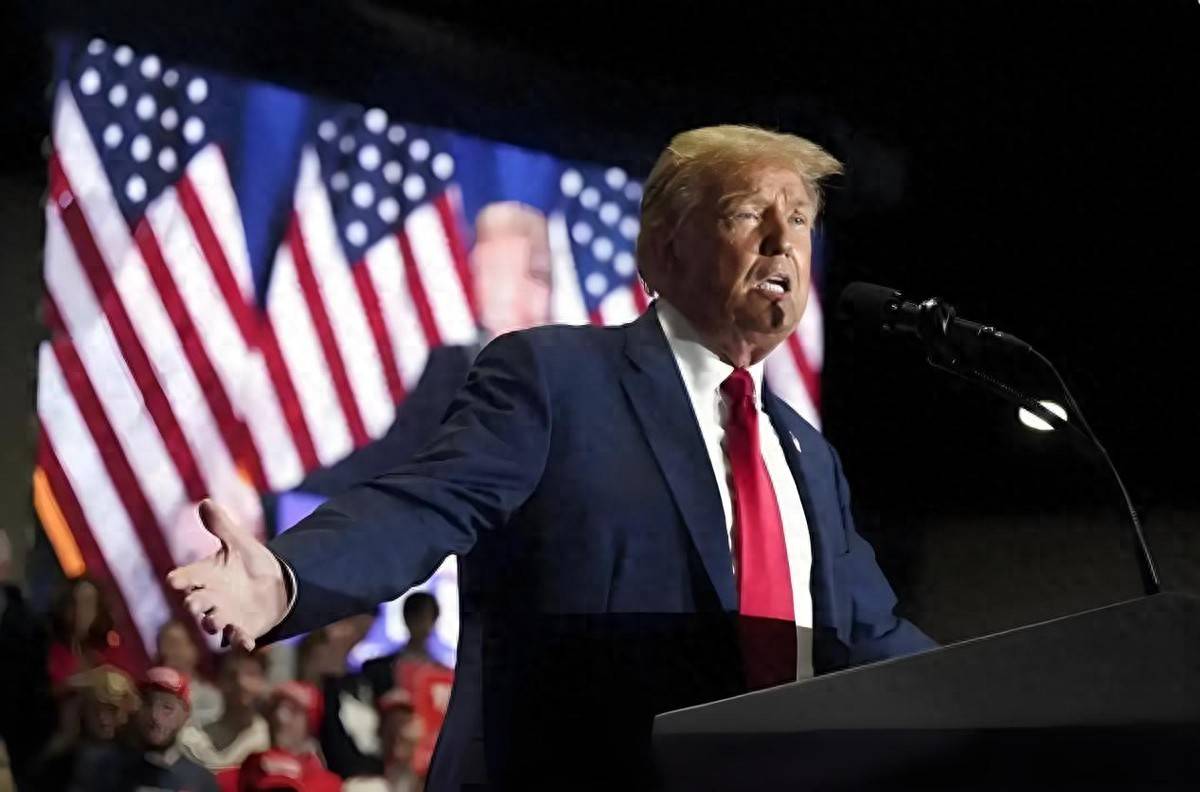
墨西哥突然对中国商品加税,中方果断亮剑,连出两记重拳警告全球:背刺中国绝无好下场
Sou Hu Cai Jing· 2025-09-29 11:48
Core Viewpoint - China has taken a firm stance against Mexico's proposed tariffs on Chinese products, indicating that it will not tolerate actions that harm its economic interests, especially when influenced by external pressures from the United States [1][3][5]. Trade Relations - The Chinese Ministry of Commerce has initiated an investigation into trade barriers against Mexico and launched an anti-dumping investigation on pecans imported from Mexico, directly responding to Mexico's tariff increases on Chinese goods [1][7]. - Mexico's proposed tariffs, which could reach up to 50% on Chinese automobiles, are seen as an attempt to align with U.S. interests rather than addressing its own economic needs [3][9]. Economic Impact - The Chinese government has emphasized that Mexico's actions could severely damage the trade and investment interests of Chinese enterprises, potentially undermining Mexico's own business environment and foreign investment confidence [5][7]. - The share of Mexican pecans in China's total pecan imports is relatively small, accounting for only about 10%, yet the investigation signals a broader warning against aligning with U.S. pressures [7][9]. Diplomatic Responses - In response to China's actions, the Mexican president has attempted to clarify that the tariffs are not intended to provoke conflict with other nations and are part of a domestic plan discussed prior to the U.S. elections [9][11]. - The Chinese Ministry of Commerce's announcement serves as a warning to Mexico, indicating that there is a possibility for policy adjustments within a nine-month investigation period [11][13]. Future Considerations - The ongoing trade relationship between China and Mexico has been growing, but Mexico's decisions in the face of external pressures could significantly impact future trade volumes and foreign investment [13][15]. - If Mexico sacrifices its economic interests to secure a trade agreement with the U.S., it may find itself in a precarious position if U.S. tariffs are reintroduced [15].
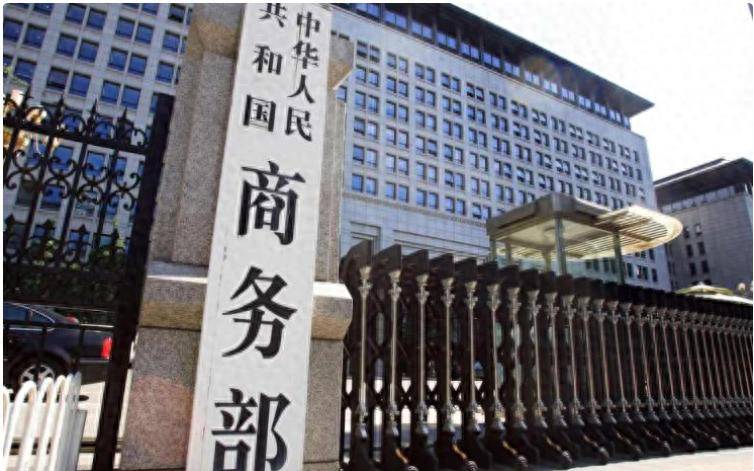
到2035年新能源汽车将成主流
Dong Zheng Qi Huo· 2025-09-29 11:14
1. Report Industry Investment Rating - Not provided in the given content 2. Core Viewpoints of the Report - By 2035, new energy vehicles will become the mainstream of newly sold vehicles in China, with the net greenhouse gas emissions in the entire economic scope decreasing by 7%-10% from the peak, non-fossil energy consumption accounting for over 30% of the total energy consumption, and other goals to be achieved [1][109][118]. - The penetration rate of the Chinese new energy vehicle market exceeded 30% in 2023 and 50% in 2024. In 2025, high - competitiveness new car products are continuously launched, and price wars are gradually stopped. Overseas markets face trade protectionism in Europe and the United States, so attention should be paid to new growth points such as countries along the Belt and Road and the Middle East. The market share of independent brands continues to expand [3][120]. 3. Summary According to Relevant Catalogs 3.1 Financial Market Tracking - The one - week price changes of related sectors and listed companies are presented in charts. For example, BYD's one - week price decline was 1.65%, while Seres' was 9.48% [12][15]. 3.2产业链数据跟踪 3.2.1 China New Energy Vehicle Market Tracking - **Sales and Exports**: Data on China's new energy vehicle sales, penetration rate, domestic sales, exports, and sales of EV and PHV are presented in charts [16][21][23]. - **Inventory Changes**: Charts show the monthly new additions to new energy passenger vehicle channel inventory and manufacturer inventory [24][25]. - **Delivery Volumes of Chinese New Energy Vehicle Enterprises**: Monthly delivery volumes of enterprises such as Leapmotor, Li Auto, XPeng, NIO, etc., are presented in charts [27][28][32]. 3.2.2 Global and Overseas New Energy Vehicle Market Tracking - **Global Market**: From January to July, global new energy vehicle sales reached 9.233 million, a year - on - year increase of 25.9%. Except for China, Europe and other regions also had significant growth, with year - on - year increases of 29.5% and 53.4% respectively [2]. - **European Market**: Data on European new energy vehicle sales, penetration rate, and sales of EV and PHV in countries like the UK, Germany, and France are presented in charts [44][50][55]. - **North American Market**: In August, US new energy vehicle sales and penetration rate reached record highs. Due to the expiration of the federal electric vehicle tax credit on September 30, high market enthusiasm is expected to continue in September, followed by a sharp decline. Data on North American new energy vehicle sales, penetration rate, and sales of EV and PHV are presented in charts [2][119]. - **Other Regions**: Data on new energy vehicle sales, penetration rate, and sales of EV and PHV in regions such as Japan, South Korea, and Thailand are presented in charts [62][70][72]. 3.2.3 Power Battery Industry Chain - Data on power battery installation volume, export volume, weekly average price of battery cells, material costs, and the operating rates and prices of various battery materials are presented in charts [79][81][85]. 3.2.4 Other Upstream Raw Materials - Data on the daily prices of rubber, glass, steel, and aluminum are presented in charts [102][103][104]. 3.3 Hot News Summaries 3.3.1 China: Policy Dynamics - By 2035, new energy vehicles will become the mainstream of newly sold vehicles in China. From 2026, export license management will be implemented for pure - electric passenger vehicles [109]. 3.3.2 China: Industry Dynamics - From September 1 - 21, new energy vehicle retail sales increased by 10% year - on - year, and cumulative retail sales since the beginning of the year increased by 24%. In the 38th week (September 15 - 21), new energy passenger vehicle retail sales were 299,000, a year - on - year increase of 5.9%, and cumulative retail sales since the beginning of the year were 8.214 million, a year - on - year increase of 23.0% [111][112][113]. 3.3.3 China: Enterprise Dynamics - Chery Automobile was listed on the Hong Kong Stock Exchange, raising HK$9.14 billion. Li Auto and Sunwoda Power jointly established a battery company [114]. 3.3.4 Overseas: Policy Dynamics - Australia announced a 2035 emission reduction target, aiming to reduce emissions by 62 - 70% compared to 2005. The US lowered the import tariff on EU cars to 15%, and Turkey imposed new tariffs on imported passenger cars [114][116][119]. 3.3.5 Overseas: Enterprise Dynamics - BYD's Brazilian factory obtained an international green certificate. Porsche adjusted its product strategy, slowing down electrification and lowering its 2025 performance expectations [117][118]. 3.4 Investment Advice - Pay attention to new growth points such as countries along the Belt and Road and the Middle East. Focus on enterprises with strong product capabilities, smooth overseas expansion, and stable supply [3][120].





【高端访谈】保持战略定力 应对国际市场变化——访中国钢铁工业协会副秘书长张龙强
Xin Hua Cai Jing· 2025-09-29 03:32
Core Viewpoint - The U.S. steel industry is central to Trump's vision for a new industrial economy, with tariffs imposed to strengthen domestic production and reduce reliance on imports [1] Group 1: Impact on U.S. Steel Industry - The U.S. has increased tariffs on steel and aluminum to 50%, affecting 407 product categories, including steel derivatives [1] - U.S. crude steel production showed a slight increase of 1.5% year-on-year in the first seven months of 2025, but the growth is modest compared to a 2.3% decline the previous year [3] - The average capacity utilization rate for U.S. crude steel reached 76.6%, indicating limited improvement [3] Group 2: Effects on China's Steel Industry - China's steel exports to the U.S. are minimal, with only 89,000 tons expected in 2024, representing 0.8% of China's total steel exports [2] - The potential for steel re-export through countries like Vietnam, South Korea, and Brazil is limited, accounting for only 4.5% of China's total steel exports if all were sourced from China [2] Group 3: Strategic Responses - The domestic steel industry should maintain a strategic approach, resisting panic and focusing on practical responses to tariffs [5] - Encouraging high-end steel and green steel exports through measures like export tax rebates is recommended [5] - The industry should align with national policies to accelerate the transition towards high-end, intelligent, and green steel production [5]
为了安抚美国,世界第三大经济体要对中国加税,最高加征50%
Sou Hu Cai Jing· 2025-09-28 21:40
Core Viewpoint - The European Union's recent decision to impose tariffs of up to 50% on Chinese steel and related products appears to be a response to U.S. pressure, raising questions about whether this move is genuinely protective or merely a strategic alignment with U.S. interests [3][5][9] Group 1: Tariff Implications - The EU's tariffs are justified by claims of "unfair competition" and concerns over Chinese overcapacity and dumping, but this may reflect deeper anxieties about the EU's own economic stability [3][5] - The imposition of tariffs is seen as a way for the EU to demonstrate solidarity with the U.S. and to avoid being sidelined in the global economic landscape [5][7] - Analysts suggest that these tariffs could lead to increased costs for consumers and industries reliant on steel, ultimately harming the EU's own market ecosystem [7][9] Group 2: Structural Challenges - The EU's steel industry is critical not only for economic reasons but also for labor and industrial transition, indicating that the stakes are high for maintaining competitiveness [5][9] - The underlying issues facing the EU, such as inadequate industrial structure and innovation capacity, are not addressed by merely raising tariffs, which may lead to further market isolation [9][11] - The EU's reliance on Chinese steel is significant, and the tariffs could exacerbate existing vulnerabilities rather than resolve them, potentially leading to a cycle of economic decline [7][9]
美国50%关税生效!大批订单连夜被撤印度钻石130万工人何去何从?
Sou Hu Cai Jing· 2025-09-28 16:02
Core Viewpoint - The increase of tariffs on Indian diamond imports to 50% by the U.S. has severely impacted India's diamond industry, leading to significant job losses and a decline in exports [2][3]. Group 1: Impact on the Diamond Industry - The U.S. is India's largest buyer of diamonds, accounting for one-third of India's jewelry export revenue, approximately $9 billion annually [2]. - The tariff increase from 25% to 50% has drastically reduced the competitiveness of Indian diamonds in the U.S. market, resulting in order cancellations and factory shutdowns [2][3]. - The Indian diamond export is projected to decline by 17-20% in the fiscal year 2025-2026, potentially dropping to $11 billion [2]. Group 2: Employment Consequences - The diamond industry in Surat employs over 800,000 workers, many of whom are skilled artisans [3]. - The implementation of tariffs has led to layoffs, with estimates of unemployment reaching between 100,000 to 200,000 workers [3]. - Many affected workers are struggling to find alternative employment due to their specialized skills, leading to increased social instability in the region [3]. Group 3: Market Diversification Challenges - Efforts to shift exports to other markets, such as China, face challenges due to competitive pricing from local synthetic diamond producers [5]. - The Middle East and Europe present some potential, but Indian exporters need to adjust their marketing strategies to penetrate these markets effectively [5]. - The overall outlook for the diamond industry remains bleak, with significant inventory buildup and reduced demand from U.S. buyers [5]. Group 4: Future Strategies and Adaptations - The industry is encouraged to diversify and reduce reliance on a single market, with suggestions for government support in simplifying export regulations [7]. - There is a push for skill training programs to help workers transition to new roles within the jewelry sector or synthetic diamond processing [7]. - The rise of the Chinese diamond industry, with significant growth in local brands and sales, poses a competitive threat to Indian exports [7].
全乱套了!欧盟被美国和中国逼到没活路,跪求全球最大组织出手!
Sou Hu Cai Jing· 2025-09-28 08:32
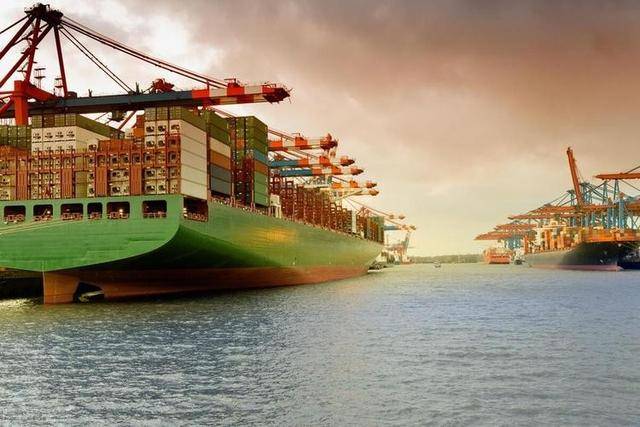
全球贸易格局风云变幻,美国特朗普政府重拾贸易保护主义大棒,让欧盟钢铁产业陷入前所未有的困境。面对美中两国的双重压力,欧盟钢铁企业不得不向 世贸组织寻求帮助,这场贸易争端正在引发连锁反应。 欧盟钢铁业遭遇冰火两重天 作为全球重要的钢铁出口地区,欧盟钢铁业正面临严峻挑战。2025年2月 11日,特朗普签署行政令,将钢铁进口关税从25%提升至50%,铝制品关税也从10%上调至25%,新规于3月12日正式生效。这一决定犹如一记重拳,导致欧 盟对美钢铁出口量腰斩,工厂产能利用率骤降至60%以下。德国工业巨头蒂森克虏伯不得不宣布万人裁员计划,意大利、法国等国的钢铁企业也纷纷缩减产 能。 雪上加霜的是,5月31日美国再次加码,将钢铝关税统一上调至50%,彻底堵死了欧盟钢铁的出口通道。欧盟委员会贸易专员直言这一做法严重破坏国际贸 易秩序,但美方坚称这是防范中国产能过剩的必要措施。欧洲工业联盟数据显示,关税战已造成欧盟钢铁行业直接损失超50亿欧元,并波及汽车制造、建筑 等下游产业。 中国因素加剧欧盟困境 与此同时,中国为保障资源安全实施的稀土出口管制措施,意外影响了欧盟新能源产业发展。稀土是生产电动车电池 和风力发电机的重要原 ...
为了安抚美国,世界第三大经济体要对中国加税,最高加征50%!
Sou Hu Cai Jing· 2025-09-27 13:00
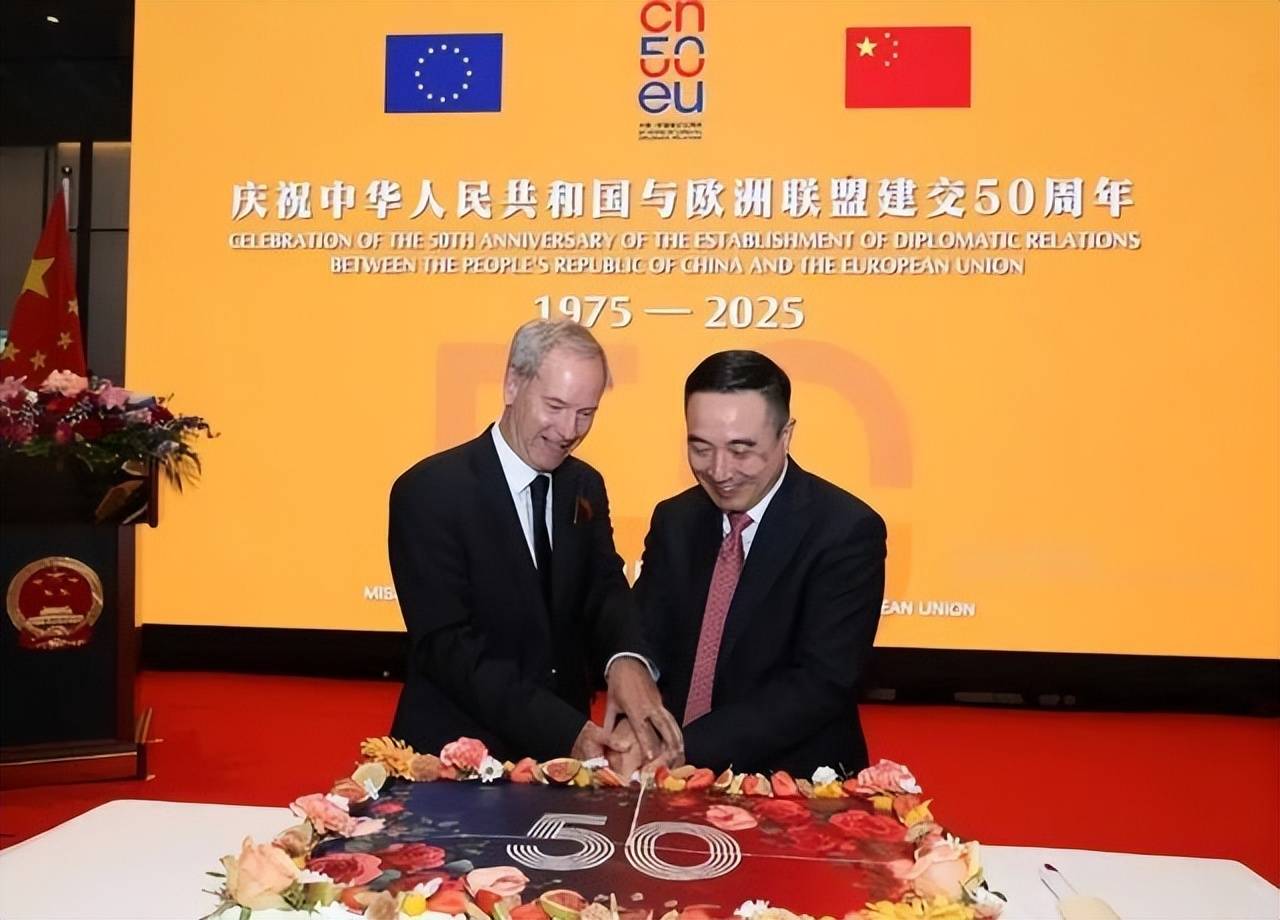
Core Points - The EU plans to impose high tariffs on steel and related products originating from China, with rates expected to be between 25% and 50% [1] - The EU will initiate over 20 anti-dumping investigations against Chinese goods, citing "unfair competition" and the need for punitive measures to address "overcapacity" issues [1][2] - The EU's actions are seen as a response to the isolation of a "partner" (implicitly the US), aiming to protect its own market and restore balance with the US [2][3] Group 1 - The EU's proposed tariffs are a reaction to perceived unfair competition from China, indicating a shift towards protectionist measures [1][2] - The EU acknowledges that these protective measures may not fully resolve underlying issues, suggesting a recognition of the limitations of trade protectionism [5] - The EU's alignment with US pressures may ultimately harm its own interests, as it risks protecting outdated industries rather than fostering future growth [5]