情绪消费

Search documents
京东618喜人增长背后:我国内需增长强劲,多元消费蓬勃发展
Sou Hu Cai Jing· 2025-06-19 09:54
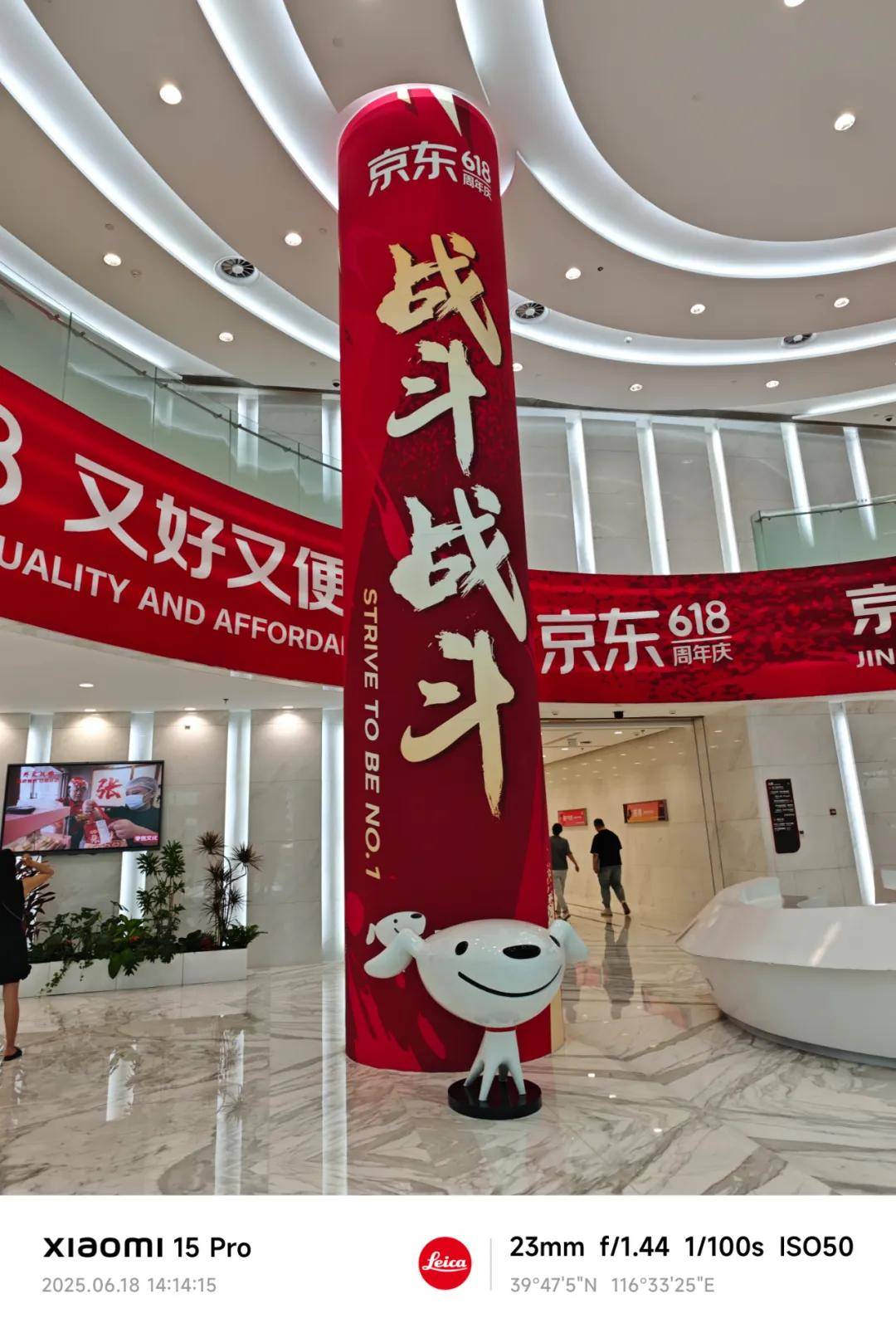
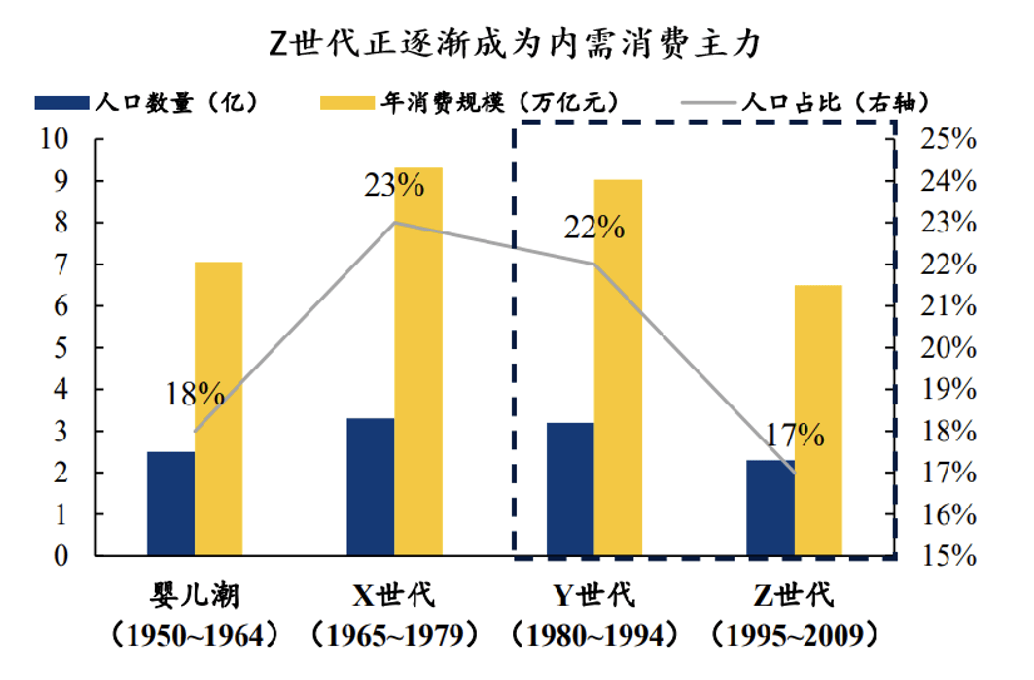
Core Insights - The data released by JD during the 618 shopping festival indicates a resilient consumer market despite economic pressures, with significant growth in various product categories, showcasing consumer willingness to spend on quality products [4][6][19] - The rise of the Z generation as a new consumer force is evident, with a notable shift towards emotional consumption, where 61.7% of their spending is aimed at self-satisfaction, and 43.3% are willing to pay a premium for their passions [7][11] - The integration of AI technology and traditional culture is creating new opportunities for domestic brands, with AI-related product searches increasing by over 120% and significant sales growth in AI notebooks and other tech products [12][15] Consumer Trends - The 618 festival saw a 50% increase in sales of 4K-6K smartphones, a 151% increase in AI notebook sales, and a 120% increase in air conditioner sales, indicating strong consumer demand for innovative products [4][6] - Rural areas showed impressive growth, with order volume and shopping user numbers increasing by over 130% and 140% respectively, highlighting the diverse consumption vitality in these regions [6] - Emotional consumption is reshaping market dynamics, with Z generation consumers driving demand for unique and personalized products, leading to over 100% growth in categories like smart wearables and gaming equipment [8][11] Cultural and Technological Integration - The 618 festival highlighted a blend of technology and culture, with over 70% of the top 100 brands being domestic, and a 270% increase in searches for products featuring intangible cultural heritage [12][15] - Sales of cultural products, such as tea pet ornaments and beauty gift boxes, saw explosive growth, with some categories experiencing increases of up to 939% [16] - The successful fusion of AI technology with traditional cultural elements is transforming domestic brands, allowing them to appeal to modern consumers while preserving cultural heritage [16][19] Supply Chain and Market Dynamics - JD's "treasure products" initiative has successfully connected agricultural products to consumers, with significant sales increases for local specialties, demonstrating the effectiveness of digital supply chains [17] - The "factory direct premium products" strategy has led to substantial sales in everyday items, with over 1 million T-shirts and 800,000 pairs of slippers sold, showcasing the advantages of direct supply chain connections [17] - The shift from export to domestic sales is opening new avenues for previously overseas-only products, enhancing consumer access to high-quality goods [17] Service Experience Enhancement - The competition in e-commerce is evolving from price wars to service experience, with JD's service offerings showing significant growth, particularly in home services and health-related services [18] - The "enjoy first, pay later" model in home services attracted nearly 40 million workers, leading to substantial transaction volumes [18] - The focus on service quality and consumer experience is redefining market standards, with increased demand for comprehensive service solutions across various sectors [18]


LABUBU热潮之后,谁能俘获消费者的心
Zhong Guo Qing Nian Bao· 2025-06-19 09:36
Core Insights - LABUBU has gained global popularity, particularly among the younger generation, driven by emotional value needs such as surprise, community recognition, and unique collectible satisfaction [1] - The rise of LABUBU has significantly boosted the surrounding market, particularly in custom doll clothing, reflecting a shift in consumer behavior towards emotional resonance and spiritual comfort rather than mere functionality [1] Market Dynamics - A Beijing-based doll clothing tailor reported that LABUBU styles account for 95% of their orders, indicating a peak in production during new releases [2] - Independent tailors are producing over 100 LABUBU outfits monthly, with a waiting period of up to two months for customers [2] - The trend has extended to the nail art industry, with high-end salons offering LABUBU-themed beauty packages, showcasing the economic potential of this emotional consumption wave [2] Employment Trends - The LABUBU craze has led to the emergence of new job roles, such as doll outfit designers and modification specialists, creating flexible employment opportunities for individuals, including retired women [2] - These new roles are not only generating income but also injecting vitality into the economy by providing new avenues for monetizing personal passions [2] Risks and Challenges - The current doll clothing market is heavily reliant on the single popular IP of LABUBU, posing a risk of a sharp decline in the derivative market if the IP's popularity wanes [3] - The low entry barriers in the emotional consumption sector may lead to an influx of competitors, resulting in price wars and potential degradation of quality and design [3] - The sustainability of new entrants in the market may be challenged if they lack unique skills or aesthetic appeal, especially during a downturn [3]
年轻人抢购labubu,中老年人也在为情绪价值买单
第一财经· 2025-06-19 07:41
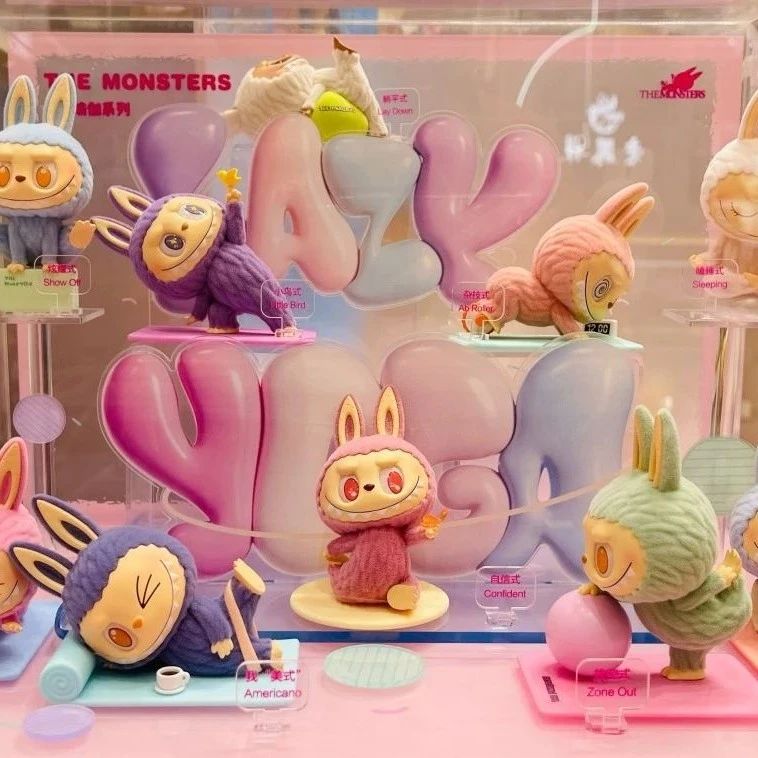
Core Viewpoint - The article discusses the explosive popularity of Labubu, driven by emotional consumption trends among younger generations, particularly Generation Z, who prioritize personal expression and self-pleasure in their purchasing decisions [1][2]. Group 1: Emotional Consumption - Emotional consumption has surged, with Labubu becoming a symbol of self-expression for young people, reflecting their desire to resist conformity and define their identities [1][2]. - A significant portion of young consumers, 46.60%, prioritize self-pleasure in their spending habits, indicating a shift towards emotional and experiential purchases [2]. Group 2: Market Dynamics - The rise of Labubu has created a substantial consumer market, as individuals seek to fulfill complex emotional needs amid increasing life pressures [3]. - The emotional consumption trend is not limited to younger demographics; middle-aged and older consumers also engage in emotional spending, such as attending concerts for nostalgia and emotional connection [4][5]. Group 3: Demographic Insights - The audience for concerts has shifted, with 44.5% of attendees at certain events being aged 50 and above, highlighting a growing trend of older generations seeking emotional experiences through live performances [4]. - By the end of 2024, the elderly population in China is projected to exceed 310 million, indicating a significant market for emotional consumption among older adults who have experienced substantial socio-economic changes [5].

情绪消费崛起!年轻人抢购labubu,中老年人也在为情绪价值买单
Di Yi Cai Jing· 2025-06-19 06:50
Core Insights - The rise of emotional consumption is a significant trend across various age groups, not just among the youth, indicating a widespread demand for different emotional value consumption models [1][3] Group 1: Emotional Consumption Trends - Labubu has gained immense popularity, with its original price of 99 yuan being inflated to 2600 yuan, showcasing the phenomenon of emotional consumption [1] - The emotional consumption trend is particularly driven by Generation Z, who prioritize personal feelings and are willing to spend on self-pleasure and hobbies [1][2] - The emotional consumption model is not limited to younger individuals; many middle-aged and older adults also engage in emotional consumption, such as attending concerts [3][4] Group 2: Market Dynamics - The emotional consumption market is expanding due to rising living standards and increased competition, leading individuals to seek ways to relieve stress and anxiety [3] - The audience for concerts is increasingly skewing older, with significant percentages of attendees aged 50 and above, indicating a shift in the demographic landscape of live entertainment [3][4] - The emotional resonance and nostalgia associated with concerts are driving demand, as older audiences seek to relive their youth through performances by veteran artists [4] Group 3: Demographic Insights - By the end of 2024, the elderly population in China is projected to exceed 300 million, representing 22% of the total population, which will further influence emotional consumption patterns [5] - The new generation of elderly individuals, having experienced significant socio-economic changes, demonstrates a higher propensity for emotional value consumption [5]
当二次元照进现实:Cos委托成年轻人的“情感寄存柜”
Nan Fang Du Shi Bao· 2025-06-19 04:03
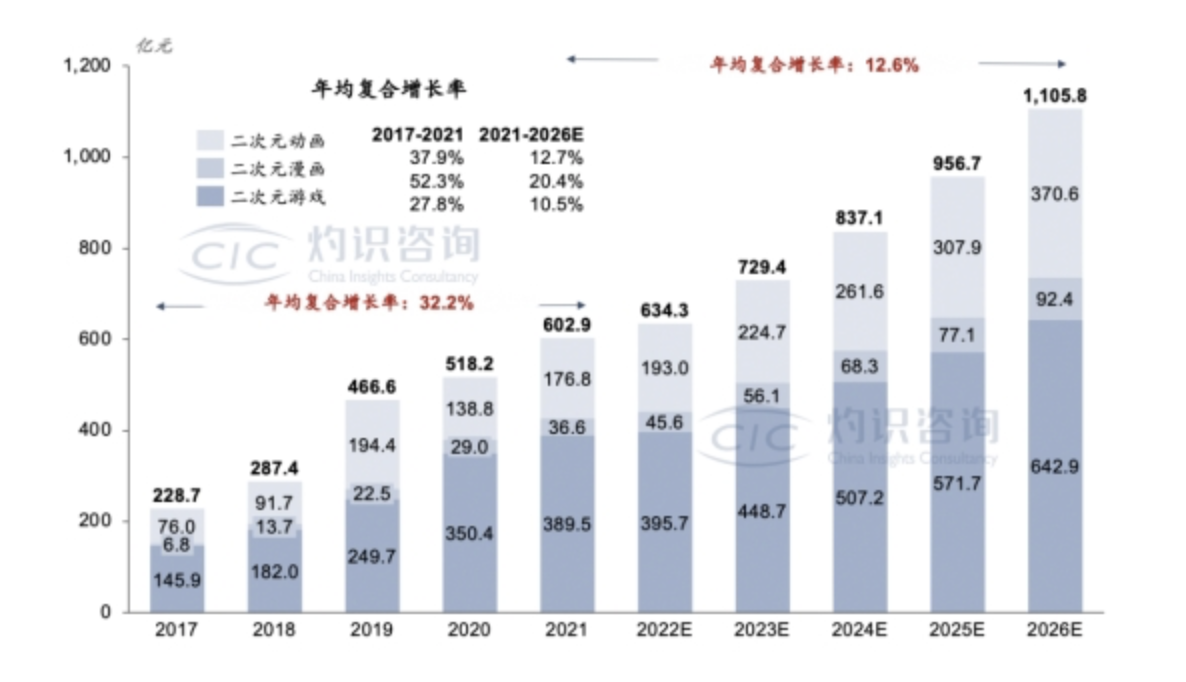
Core Insights - The rise of emotional consumption, particularly through services like Cosplay commissions, reflects a growing trend among young consumers seeking emotional and social fulfillment [1][2][20] - The domestic otome game industry has seen significant growth, with over 300 million female gamers in China, creating a core user base for Cosplay commission services [1][12] Group 1: Emotional Consumption Trends - Emotional consumption is becoming a new growth driver in the economy, with services like Cosplay commissions transforming virtual emotions into real-life experiences [1][2] - The phenomenon of "compensatory psychological satisfaction" drives demand for these services, allowing consumers to pay for idealized companionship [2][20] Group 2: Market Dynamics - The Chinese two-dimensional industry has experienced explosive growth, expanding from 18.9 billion yuan in 2016 to 221.9 billion yuan in 2023, with a compound annual growth rate of 42% [10] - The surrounding derivative industries, including Cosplay commissions, are expected to continue growing, with projections indicating the two-dimensional content market could reach 110.58 billion yuan by 2026 [10][12] Group 3: User Experience and Challenges - Users report mixed experiences with Cosplay commissions, with about one-third of experiences being unsatisfactory due to issues like lack of professionalism and quality [4][5] - The industry faces challenges such as the "killing familiarity" phenomenon, where service quality declines after initial positive experiences [4][5] Group 4: Safety and Regulation Concerns - The lack of industry standards and regulations raises safety concerns for consumers engaging in these services, particularly regarding personal safety and emotional well-being [20][22] - Experts emphasize the need for early legislative and regulatory attention to establish service standards and protect consumer rights [22][23] Group 5: Industry Perspectives - Service providers express concerns about the commercialization of Cosplay commissions, fearing it may lead to a decline in service quality and emotional value [19][21] - The industry is characterized by a significant disparity in service quality and pricing, with some providers charging excessively high fees without corresponding service quality [7][9]
盲盒、古法黄金和平价奶茶暗含何种消费趋势?
Sou Hu Cai Jing· 2025-06-19 01:42
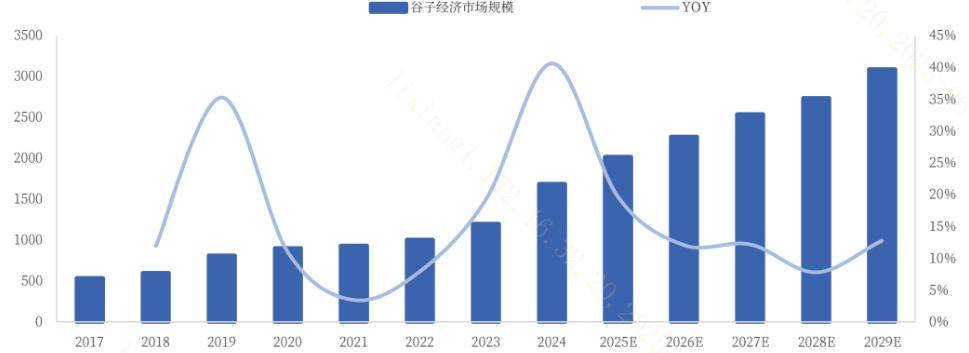
Group 1: New Consumption Trends - The Hong Kong stock market is experiencing a new consumption wave since 2025, with products like LABUBU, national trend gold jewelry, and various milk teas gaining popularity among young consumers, indicating a structural upgrade in China's large consumption industry [1][9] - The rise of emotional consumption is exemplified by blind box toys, where young consumers are not just buying physical items but are investing in the stories and experiences associated with them, filling emotional voids in a digital age [2][4] - The cultural consumption trend is highlighted by the revival of traditional gold jewelry, which is now appreciated for its cultural significance and craftsmanship, allowing consumers to pay a premium for products that reflect cultural identity and heritage [5] Group 2: Pricing and Market Strategies - The trend of affordable milk tea reflects a selective consumption downgrade among modern youth, with companies adopting cost-effective supply chain management strategies to maintain quality while keeping prices low [6][9] - The use of live-streaming e-commerce is enhancing consumer engagement and transparency, allowing brands to convert traffic into sales effectively, particularly in lower-tier markets [8][9] - Overall, the new consumption leaders that can quickly adapt to market trends are expected to inject stronger long-term growth momentum into China's large consumption sector [9]
左手黄金右手奶茶,年轻人的“茅台”不来一口?
Sou Hu Cai Jing· 2025-06-18 23:16
Group 1: Market Overview - The Hong Kong stock market is experiencing a surge in consumer stocks, with notable companies reaching historical highs and significant market valuations, reflecting the unique appeal of the Hong Kong consumer sector characterized by high growth, strong brand power, and valuation opportunities [1] - The influx of southbound capital into Hong Kong stocks is driven by the narrative of asset revaluation in China, improving market liquidity, and a favorable policy environment, positioning the Hong Kong consumer sector as a new battleground for global capital [1] Group 2: Consumer Recovery - The consumer market is witnessing a revival, with increased foot traffic in shopping areas, packed cinemas, and a surge in online shopping, indicating a robust recovery in consumer spending [2] - During the recent Dragon Boat Festival holiday, domestic travel reached 119 million trips, a year-on-year increase of 5.7%, with total spending of 42.73 billion yuan, up 5.9%, showcasing the recovery across various sectors including hospitality and transportation [2] Group 3: Policy Support - The Chinese government has prioritized boosting consumption and expanding domestic demand in its economic agenda, with comprehensive measures outlined in the "Special Action Plan for Boosting Consumption" to enhance consumer confidence and spending [3][4] Group 4: Emerging Consumer Trends - The rise of "self-care consumption" reflects a shift in consumer behavior, particularly among the Z generation, who prioritize emotional satisfaction and personal well-being in their purchasing decisions [5][6] - Emotional consumption, driven by the need for emotional fulfillment rather than just practical utility, is becoming increasingly popular, with key demands including self-care, value realization, personal expression, and emotional satisfaction [9][10] Group 5: Investment Opportunities in Hong Kong - The Hong Kong stock market is becoming a preferred destination for new consumer companies due to its more lenient listing requirements and the government's supportive measures for domestic companies seeking to list abroad [11] - The National Index for Hong Kong Stock Connect Consumer Theme has shown a cumulative increase of 32.3% in 2024, outperforming other consumer indices, indicating strong growth potential in the sector [15]
为情绪价值买单,值不值?
Sou Hu Cai Jing· 2025-06-18 12:59
Core Insights - The rise of "emotional consumption" is becoming a significant trend in China, with the market expected to exceed 20 trillion yuan by 2025, transitioning from a niche to a mainstream economic force [1] Group 1: Emotional Consumption Trends - Emotional consumption is characterized by the purchase of items that provide immediate emotional satisfaction, such as stress-relief toys, flowers, and nostalgic items like CCD cameras [1][9] - Young consumers are increasingly engaging in trends like blind box purchases, figurine collections, and claw machines, which offer a sense of joy and satisfaction [4][6] - The emotional value attached to products is reshaping consumer perceptions, with items like CCD cameras gaining popularity due to their unique nostalgic appeal [9][11] Group 2: Experiences and Emotional Value - Live experiences, such as concerts and sports events, are highly valued for their ability to provide emotional release and joy, with consumers willing to invest significant time and money for these experiences [8][16] - The emotional satisfaction derived from activities like claw machines is linked to the thrill of chance and achievement, enhancing the overall consumer experience [6][16] - AI applications are emerging as tools for emotional support, providing companionship and understanding, thus fulfilling unmet emotional needs in modern society [14][15] Group 3: Consumer Behavior and Market Implications - The trend of "paying for emotional value" reflects a shift in consumer behavior towards seeking fulfillment and meaning in purchases, especially in a fast-paced and complex emotional landscape [16] - Consumers are encouraged to maintain discernment in their spending, particularly regarding virtual goods, while also recognizing the importance of emotional satisfaction in their purchases [16]
谁在泡泡玛特赚了钱?张坤割肉离场,农冰立“精准抄底”、一年收益40%
Sou Hu Cai Jing· 2025-06-18 10:34
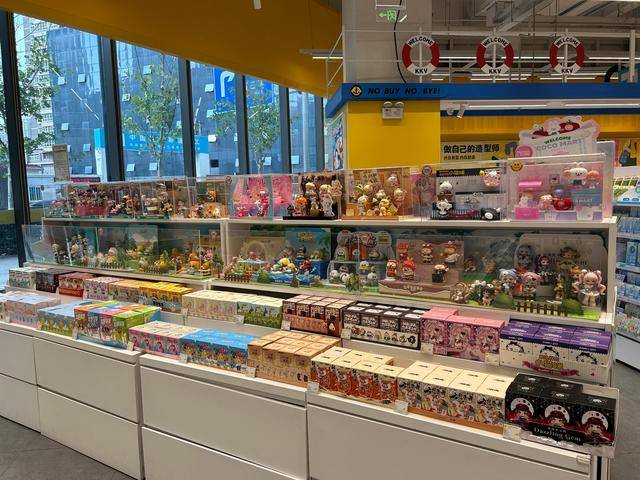
Core Viewpoint - The article discusses the rapid rise of Pop Mart's stock price and its implications for the consumer market, questioning whether it represents a genuine growth opportunity or a speculative bubble [2][12]. Group 1: Stock Performance and Market Trends - Pop Mart's stock price has surged nearly 200% since 2025, with a current market capitalization exceeding 350 billion HKD [2]. - As of the first quarter of 2025, 207 mutual funds are invested in Pop Mart, an increase of 171 funds from the previous year [2][7]. - The stock has experienced a continuous rise for six consecutive quarters, climbing from 15 HKD at the beginning of 2024 to a peak of 283 HKD, representing a growth of over 1780% [6]. Group 2: Fund Manager Strategies - Notable fund managers have shifted their focus from traditional brands like Kweichow Moutai to Pop Mart, indicating a trend towards new consumer brands [2][9]. - Fund manager Xie Zhiyu's fund, Xingquan He Yi, became the largest holder of Pop Mart shares, acquiring 14.37 million shares valued at 370 million CNY [3]. - Other prominent fund managers, such as Zhang Kun and Xiao Nan, have exited their positions in Pop Mart after significant losses, while some newer managers have capitalized on the stock's rise [4][5]. Group 3: Valuation Concerns - Pop Mart's dynamic price-to-earnings ratio exceeds 104, significantly higher than Kweichow Moutai's 20, raising questions about its valuation sustainability [11]. - Analysts suggest that while Pop Mart has strong brand influence and market share, its high valuation may expose it to potential corrections [12]. - The market perceives Pop Mart as a high-growth asset, but differing views on its future trajectory indicate uncertainty among investors [13][14].
贸易风波再起,茅台和Labubu你选谁?
Sou Hu Cai Jing· 2025-06-17 15:47
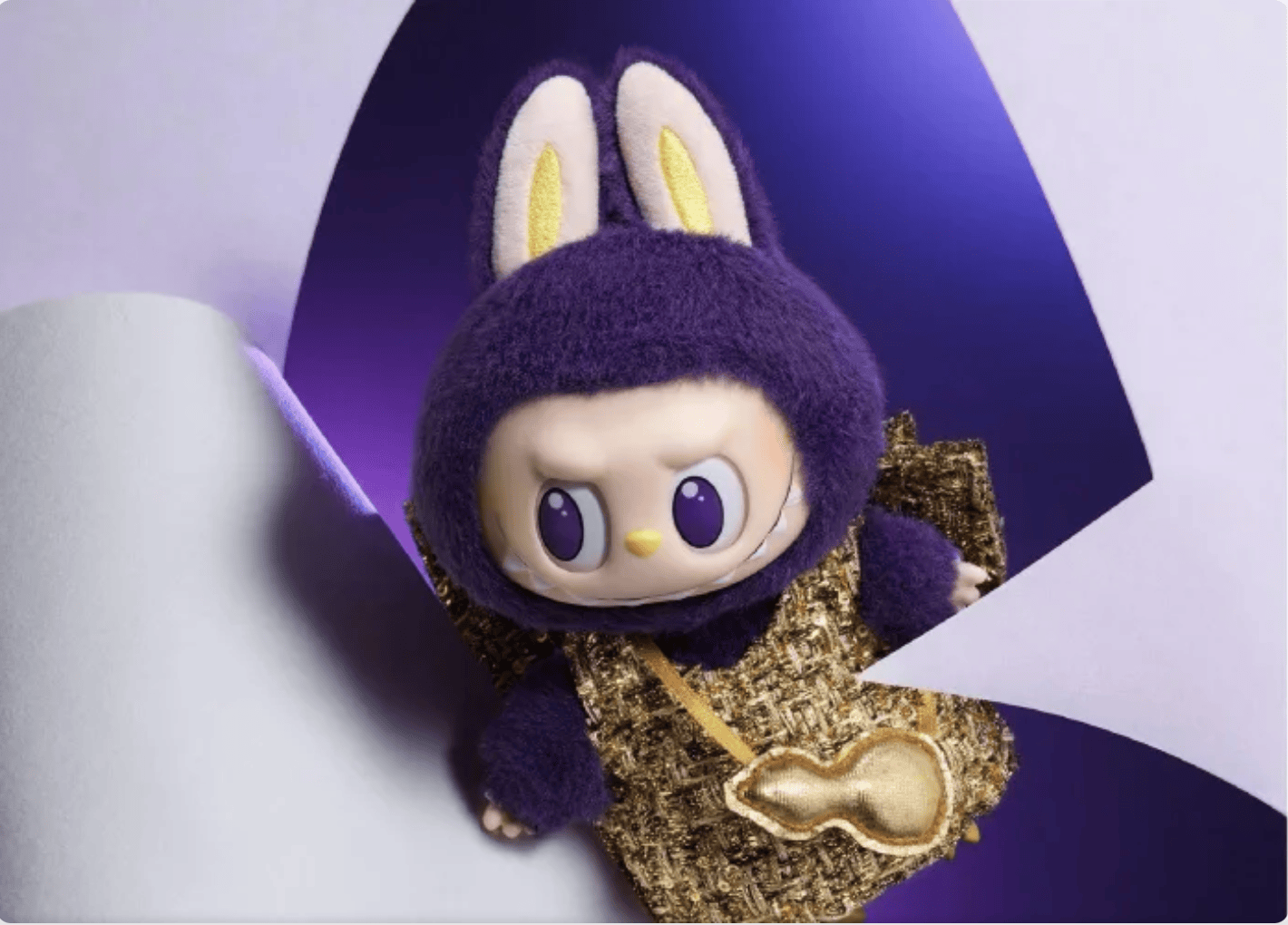
Group 1 - The EU has canceled high-level economic dialogues with China due to a lack of progress on trade issues, leading to a negative sentiment in the A-share market [1] - The technology sector in A-shares experienced a significant adjustment, with the computer sector seeing a maximum decline of 25% before a weak rebound, indicating that valuations have not been adequately digested [3][6] - The current price-to-earnings ratio (TTM) of the computer sector remains high at 80 times, suggesting potential downside risk [6] Group 2 - The Hong Kong stock market is experiencing a slight decline, but there is still a bullish outlook due to key level breakthroughs and liquidity benefits from anticipated interest rate cuts by the Federal Reserve [6] - The Hong Kong innovative drug sector saw a nearly 5% drop, but the investment strategy remains to increase positions during significant declines [6] - The price-to-earnings ratio (TTM) of the Hong Kong technology index has decreased to 22.8 times, which is only higher than 18.8% of the time in the past three years, indicating a more favorable valuation [6] Group 3 - The consumer sector in Hong Kong is being highlighted, particularly through the E Fund Hong Kong Consumer ETF, which tracks the National Index and includes major companies benefiting from domestic economic growth [11] - The new consumption trend is characterized by the "self-indulgence economy," where young consumers are willing to spend for emotional value, as evidenced by the 50% repurchase rate of collectibles like Pop Mart [11][12] - Changing consumption scenarios show a shift from traditional activities to experiences like park visits and CityWalk, which are among the fastest-growing leisure activities [12][13] Group 4 - The resurgence of traditional domestic products is noted, with high-end gold products gaining popularity through cultural and technological integration, redefining the luxury market [14]