
政府债务

Search documents
如何理解货币政策的“灵活把握”?——2025年一季度货币政策执行报告解读
赵伟宏观探索· 2025-05-10 14:58
Core Viewpoint - The central theme of the article is the analysis of the People's Bank of China's (PBOC) monetary policy execution report for Q1 2025, emphasizing the need for flexible policy implementation in response to external economic pressures and the importance of maintaining economic stability and growth [3][10][11]. Economic Situation Analysis - The report highlights increasing external shocks affecting China's economy, with concerns over insufficient global economic growth, rising trade protectionism, and ongoing geopolitical conflicts [4][11]. - The PBOC acknowledges the positive performance of the economy in Q1 2025 but stresses the need to solidify the foundation for continued recovery [4][31]. - The report indicates that while there are challenges such as insufficient domestic demand and various risk factors, the long-term positive trend of the economy remains unchanged [4][31]. Policy Framework - The PBOC's policy stance is characterized by a flexible approach to the implementation of monetary policy, focusing on dynamic responses to economic data [5][32]. - The report emphasizes the relationship between supporting the real economy and maintaining the health of the banking system, suggesting a reduction in banks' funding costs [5][32]. - The PBOC plans to utilize a combination of monetary policy tools, including reserve requirements and open market operations, to ensure ample liquidity in the financial system [6][33]. Key Topics - The evolution of the Medium-term Lending Facility (MLF) over the past decade is discussed, noting its transition from a liquidity support tool to a primary monetary policy instrument [7][13]. - A comparative analysis of government debt among China, the US, and Japan reveals that China's government debt is supported by substantial assets, with a net asset ratio of approximately 91% of GDP as of 2022, contrasting with the net liability ratios of 119% for both the US and Japan [8][22][34]. - The report addresses the supply-demand dynamics in the real economy, indicating a shift in price control strategies from managing high prices to managing low prices, reflecting a focus on high-quality development [8][23][34].


如何理解货币政策的“灵活把握”?——2025年一季度货币政策执行报告解读
申万宏源宏观· 2025-05-10 14:29
Economic Analysis - The central bank acknowledges the increasing external shocks and emphasizes the need to solidify the foundation for economic recovery, highlighting concerns over insufficient global economic growth and rising trade protectionism [1][7] - The report indicates that while the economy shows signs of recovery, it still requires further stabilization, contrasting with previous assessments that noted more significant challenges such as insufficient domestic demand [1][27] Policy Orientation - The report advocates for a flexible approach to policy implementation, focusing on dynamic responses to economic data, and aims to lower the cost of bank liabilities [2][28] - It suggests that the central bank will continue to support the real economy while maintaining the health of the banking system, indicating a potential for further adjustments in deposit rates to ensure the effectiveness of monetary policy [2][28] Monetary Policy Tools - The report emphasizes the use of quantity-based tools while omitting previous references to preventing fund idling, indicating a shift in focus towards maintaining liquidity [3][29] - It outlines a comprehensive approach utilizing various monetary policy tools, including reserve requirements and market operations, to ensure ample liquidity in the financial system [3][29] Key Issues - The evolution of the Medium-term Lending Facility (MLF) is discussed, noting its transition from a liquidity support tool to a primary monetary policy instrument, with a focus on providing long-term liquidity to financial institutions [4][9] - The comparison of government debt across China, the US, and Japan reveals that China's government debt is supported by substantial assets, with a net asset ratio of approximately 91% of GDP, suggesting sustainable debt expansion [5][30] - The analysis of supply and demand dynamics in the real economy indicates a shift in price control strategies from managing high prices to managing low prices, reflecting the need for high-quality development amidst competitive pressures [5][19]

一季度货币政策执行报告折射中国经济运行亮点 释放“向上向优”积极信号
Yang Shi Wang· 2025-05-10 10:24
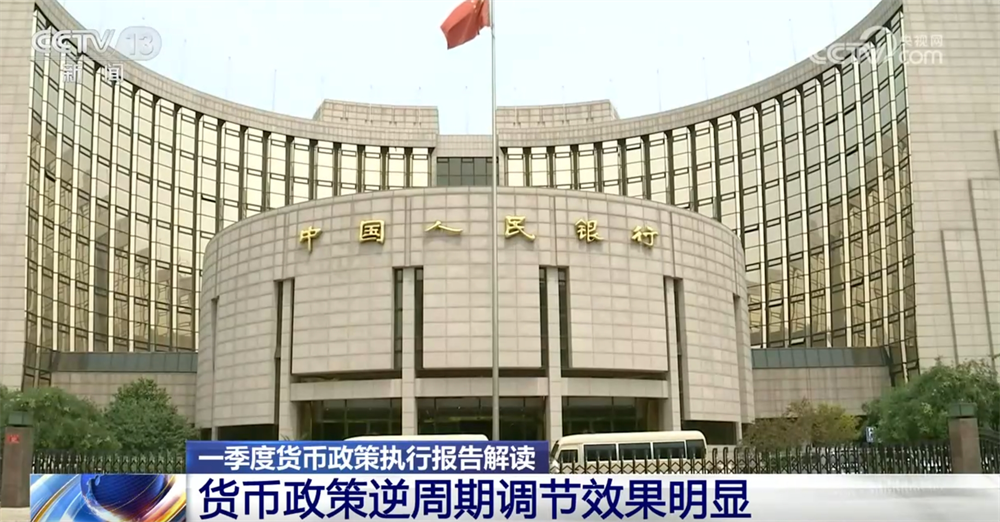
央视网消息:5月9日,中国人民银行发布2025年一季度中国货币政策执行报告。报告显示,一季度货币政策逆周期调节效果明显,人民币 汇率在合理均衡水平上保持基本稳定。 专家表示,从一季度货币政策报告可以看出具体政策操作进一步优化,比如调整中期借贷便利(MLF)中标方式、优化两项资本市场支 持工具,将支农再贷款和支小再贷款合并为支农支小再贷款等。 招联首席研究员董希淼表示,在各项货币政策支持下,货币信贷合理增长,社会综合融资成本稳步下行,信贷结构进一步优化,持续多 年、多次降准降息的累积效应不断显现,社会融资环境总体处于较为宽松状态。 一季度货币政策执行报告解读:加大支持实体经济力度 支持扩大消费 专家表示,一季度货币政策执行报告中,新的政策信号不断释放,包括进一步加大支持实体经济力度、支持扩大消费等。 在进一步加大支持实体经济力度方面,报告释放出积极的信号,货币政策持续保持适度宽松力度。在支持扩大消费方面,报告对此进行了 专题论述,5000亿元服务消费与养老再贷款也于9日正式推出。市场预计,未来服务领域的消费潜力有望进一步激发释放。 我国广义政府总资产相当于GDP的166%,总负债相当于GDP的75%,净资产约占 ...
日本政府债务连续九年刷新历史纪录
证券时报· 2025-05-09 13:25
Core Viewpoint - Japan's national debt is projected to reach a record high of 1,323.7155 trillion yen by the end of the fiscal year 2024, reflecting a significant increase due to rising government expenditures amid inflation and insufficient tax revenue [1][2]. Group 1: National Debt and Budget - The total national debt, consisting of government bonds, loans, and short-term securities, has increased by 26.554 trillion yen compared to the end of the fiscal year 2023, marking the ninth consecutive year of record highs [1]. - The Japanese Diet approved a budget of 115.1978 trillion yen for the fiscal year 2025, which is the highest in history [2]. Group 2: Defense Spending - The defense budget has risen to approximately 8.7 trillion yen, surpassing the previous year's record of 7.9496 trillion yen [3]. - Criticism has emerged regarding the prioritization of military spending over addressing the impact of rising living costs on citizens [3]. Group 3: Economic Growth Data - The Cabinet Office has revised down the actual GDP growth for the fourth quarter of the previous year from 0.7% to 0.6% quarter-on-quarter, and from 2.8% to 2.2% year-on-year [4]. - There are indications that Japan's economy may experience negative growth in the first quarter of this year, according to economic analysts [4].

全球债务余额324万亿美元,创新高
日经中文网· 2025-05-09 08:07
Group 1 - The core viewpoint of the articles highlights a significant increase in government debt in China, with the debt-to-GDP ratio expected to reach 100% by the end of 2025, up from less than 60% in 2019 before the COVID-19 pandemic [1] - As of March 2025, global debt has surged to a record high of $324 trillion, marking a 4% increase from $313 trillion in March 2024, indicating a broader trend of rising debt levels worldwide [1] - The International Institute of Finance (IIF) anticipates that government debt will continue to rise, driven by supportive economic policies from central banks, including the Federal Reserve, European Central Bank, and the People's Bank of China [1] Group 2 - The IIF has expressed concerns regarding the increasing U.S. government debt, noting that tariff measures and spending cuts by the Department of Efficiency (DOGE) will not sufficiently fund large-scale tax cuts, leading to a sharp increase in U.S. Treasury issuance [2] - Additionally, the IIF warns of heightened volatility risks in financial markets as a consequence of these debt increases [2]

政府债务周度观察:第二批消费品以旧换新资金下达-20250430
Guoxin Securities· 2025-04-30 12:35
证券研究报告 | 2025年04月30日 政府债务周度观察 第二批消费品以旧换新资金下达 国债净融资+新增地方债发行第 17 周(4/21-4/27)-1068 亿,第 18 周 (4/28-5/4)600 亿。截至第 17 周(4/21-4/27)广义赤字累计 3.2 万 亿,进度 26.7%。 政府债净融资第 17 周(4/21-4/27)-193 亿,第 18 周(4/28-5/4)927 亿。截至第 17 周(4/21-4/27)累计 4.8 万亿。日前发改委会同财政部 已向地方追加下达今年第二批 810 亿超长期特别国债资金,用于消费品 以旧换新。今年前两批消费品以旧换新资金一共下达超过 1600 亿元。 国债第 17 周(4/21-4/27)净融资-1818 亿,第 18 周(4/28-5/4)0 亿。 截至第 17 周(4/21-4/27)累计 1.7 万亿,进度 26.0%。 地方债净融资第 17 周(4/21-4/27)1625 亿,第 18 周(4/28-5/4)927 亿。截至第 17 周(4/21-4/27)累计 3.1 万亿,超出去年同期 2.1 万亿。 新增一般债第 17 周(4/ ...
特朗普,困兽之斗---北京君城永和教育
Sou Hu Cai Jing· 2025-04-24 07:24
北京君城永和教育咨询有限公司 经济困境宛如一座难以翻越的大山,横亘在特朗普面前。美国政府债务规模犹如滚雪球般越来越大,2025年,需要偿还的到期国债高达9.2万亿美元,仅6月 份就要偿还6万亿美元 ,这还没算上利息。为了缓解财政压力,特朗普可谓绞尽脑汁。他先是委托马斯克进行改革,期望精简政府机构,降低运行开支,结 果改革遭遇层层阻力,仅仅搞掉了几个与民主党利益相关的部门,距离2万亿美元的目标遥不可及,马斯克还得罪了众多政界大佬,特斯拉在西方遭受抵 制,最终被特朗普"扫地出门"。讹诈乌克兰用矿产抵债的计划,也因泽连斯基的强硬态度和欧洲的持续援助而泡汤。关税战更是把特朗普架在火上烤,他本 想借此捞钱还债、逼迫他国与中国脱钩并缩小"贸易逆差",结果美国进口商成本激增,供应链断裂风险加剧,企业怨声载道,国内反对声此起彼伏,中国强 硬反制,欧盟准备反制,盟友英国和日本也不配合,特朗普不仅没捞到好处,还让自己陷入孤立无援的境地。他向美联储施压要求降息,可美联储主席鲍威 尔不为所动,气得特朗普在社交平台上频繁"开炮",却也无济于事。 法律危机也如阴云般笼罩着特朗普。"密件风波"让他焦头烂额,2022年8月,美国联邦调查局搜 ...

盛松成:如何通过再分配提振消费、促进经济增长 | 宏观经济
清华金融评论· 2025-04-23 10:30
文/ 中欧国际工商学院经济学与金融学教授、中欧陆家嘴国际金融研究院高级学 术顾问 盛松成 稳增长政策应重视收入分配结构与促消费、稳增长的关系。在已有研究的基础 上,分析宏观收入分配结构对经济增长的影响,并针对我国居民可支配收入占 比低、再分配调节不够合理、民生领域支出有待增加等实际情况,从增加居民 部门可支配收入、提高边际消费倾向、引导需求结构向消费倾斜等方面,提出 一系列政策建议。 2024年我国顺利实现经济社会发展预期目标,全年GDP同比增长5.0%,其中四季度增长5.4%,为年内最高增速,成绩来之不易。但也要看到,很多积极 变化只是初步的,仍须夯实经济回升向好的基础。随着外部环境不确定性加大,内需重要性将更加突出,尤其是消费将在今年经济增长中扮演更重要的角 色。从2024年底召开的中央经济工作会议看,政策着力点也将更多转向惠民生、促消费。 由于居民和政府两大部门在收入分配中的份额及其消费支出在很大程度上直接决定了一个经济体的消费发展水平,完善再分配机制,可能是激发消费内生 动力、促进经济增长的一把"钥匙"。"再分配"是指政府或公共部门通过税收、社会保障、财政转移支付等政策工具,对初次分配(往往是由市场机 ...
好书推荐·赠书|《金钱的力量》
清华金融评论· 2025-04-11 10:30
Core Viewpoint - The article discusses the influence of money on the economy, exploring various aspects such as government debt, central banking, quantitative easing, and the implications of cryptocurrencies on the global financial system [2]. Group 1: Money Creation - The article outlines how money is created by governments and banks, emphasizing the role of budget deficits and central banks in generating deposits and liquidity [5]. - It explains the concept of "money begetting money" and identifies the two main sources of money creation [5]. Group 2: Government Debt - The article argues that government debt does not need to be repaid in the traditional sense, challenging the notion that governments operate like households [6]. - It discusses the purpose of bonds and the implications of foreign-held debt, as well as the limitations of the debt-to-GDP ratio as an economic indicator [6]. Group 3: Inflation Targeting - The rationale behind setting a 2% inflation target is examined, including how central banks control inflation through interest rate adjustments [6]. - The article critiques traditional economic models and their misleading nature regarding monetary policy [6]. Group 4: Quantitative Easing - Quantitative easing is described as a necessary measure when traditional monetary policy tools are exhausted, highlighting its role in refinancing government debt [7]. - The article also addresses the relationship between quantitative easing and economic inequality [7]. Group 5: Wealth and Inequality - The article discusses how money creation can lead to wealth inequality, emphasizing the inherent disparities in market dynamics and executive compensation [7]. - It highlights the challenges of taxing the wealthy and the importance of supporting the less fortunate [7]. Group 6: Destructive Forces of Money - The article explores the destructive potential of money, particularly in the context of financial crises and liquidity mismatches [7]. - It discusses the role of central banks as lenders of last resort and the associated risks [7]. Group 7: The Eurozone - The article critiques the incomplete construction of the Eurozone, arguing against the separation of monetary and fiscal sovereignty [8]. - It highlights the unique characteristics of the European Central Bank's quantitative easing measures [8]. Group 8: The Dollar as a World Currency - The article explains how the U.S. dollar became the world's primary currency, discussing the dynamics of currency flow and the role of the Federal Reserve [8]. - It addresses the concept of the "impossible trinity" in international finance [8]. Group 9: Future of Cryptocurrencies - The article evaluates the potential future of cryptocurrencies, discussing their foundational concepts and the challenges they present [8]. - It also considers the implications of central bank digital currencies [8].

政府债务周度观察:二季度政府债净融资4.1万亿-2025-04-03
Guoxin Securities· 2025-04-03 06:45
证券研究报告 | 2025年04月03日 政府债务周度观察 一季度政府债净融资 4.1 万亿 国债净融资+新增地方债发行第 13 周(3/24-3/30)4068 亿,第 14 周 (3/31-4/6)4758 亿。截至第 13 周(3/24-3/30)广义赤字累计 2.6 万 亿,进度 21.7%,超去年同期。 政府债净融资第 13 周(3/24-3/30)5615 亿,第 14 周(3/31-4/6)5063 亿。一季度累计 4.1 万亿,超出去年同期 2.7 万亿,主要是置换隐债专 项债和国债发行较快。 国债第 13 周(3/24-3/30)净融资 2450 亿,第 14 周(3/31-4/6)3401 亿。截至第 13 周(3/24-3/30)累计 1.5 万亿,进度 22.0%。 地方债净融资第 13 周(3/24-3/30)3165 亿,第 14 周(3/31-4/6)1663 亿。一季度累计 2.6 万亿。 新增一般债第 13 周(3/24-3/30)290 亿,第 14 周(3/31-4/6)35 亿。 截至第 13 周(3/24-3/30)累计 2756 亿,进度 34.5%,超过去年同期。 ...