贸易保护

Search documents
GrafTech International(EAF) - 2025 Q3 - Earnings Call Transcript
2025-10-24 15:02
Financial Data and Key Metrics Changes - GrafTech achieved a 9% year-over-year increase in sales volume, reaching nearly 29,000 metric tons in Q3 2025 [4][14] - The company generated positive adjusted EBITDA of $13 million for the quarter, compared to a negative $6 million in the prior year [24] - Net cash from operating activities was $25 million, with adjusted free cash flow of $18 million, strengthening liquidity to $384 million as of the end of September [6][26] Business Line Data and Key Metrics Changes - Sales volume in the U.S. grew by 53% year-over-year in Q3, contributing to a total year-to-date increase of 39% [5][15] - The average selling price for the third quarter was approximately $4,200 per metric ton, representing a 7% decline compared to the prior year [16][24] - Cash costs per metric ton were $3,795, reflecting a 10% year-over-year decline [18][20] Market Data and Key Metrics Changes - Global steel production outside of China was approximately 206 million tons in Q3 2025, up nearly 2% year-over-year [7][8] - In the U.S., steel production grew by 2% year-to-date compared to 2024, while EU steel output decreased by 4% year-to-date [8][9] - World Steel projects a 1.8% growth in U.S. steel demand for 2026 and a 3.2% growth in Europe [9][10] Company Strategy and Development Direction - GrafTech aims to increase sales volume and market share while improving average pricing by shifting geographic sales mix to higher price regions [29][30] - The company is focused on disciplined, value-focused growth rather than volume for volume's sake, especially in light of challenging pricing dynamics [15][16] - Long-term, GrafTech is bullish on the shift towards electric arc furnace steelmaking, which is expected to drive demand for graphite electrodes [30][31] Management's Comments on Operating Environment and Future Outlook - Management expressed optimism about early signs of recovery in the steel market, driven by infrastructure spending and trade actions [42][43] - The company remains committed to maintaining a culture of safety and achieving zero injuries [12][13] - Management highlighted the importance of trade protection measures and their potential positive impact on the steel industry and graphite electrode demand [10][32] Other Important Information - GrafTech's liquidity position includes $178 million in cash and $107 million available under its revolving credit facility [26][27] - The company is on track for a cumulative reduction of over 30% in cash costs per metric ton since the end of 2023 [6][21] Q&A Session Summary Question: Should we expect any other kind of deferred revenue benefits? - Management indicated that the recent deferred revenue recognition was a one-time event and no further benefits are expected [39] Question: What are the current demand and price environment dynamics? - Management noted that the market is oversupplied, making it challenging to push pricing, but there are signs of positive momentum in steel demand [41][42] Question: What is the status of GrafTech's engagement in the battery-related materials market? - Management stated that while there is excess capacity, the market is still developing, and they are positioned to support raw material supply for battery production [46][47] Question: Have the tariffs on Indian material had any impact on imports? - Management expressed confidence that the tariffs would support their market position and negotiations moving forward [54] Question: Any updates on public-private partnerships? - Management highlighted the importance of a healthy electrode industry to support steelmaking and expressed confidence in GrafTech's role in the domestic supply chain [58][60] Question: Has U.S. pricing improved sequentially from the prior quarter? - Management indicated that U.S. pricing is flat to slightly up compared to the prior quarter, with annual contracts limiting price movement [64]

GrafTech International(EAF) - 2025 Q3 - Earnings Call Transcript
2025-10-24 15:00
Financial Data and Key Metrics Changes - GrafTech International achieved a 9% year-over-year increase in sales volume, reaching nearly 29,000 metric tons in Q3 2025 [4][14] - The company generated positive adjusted EBITDA of $13 million for the quarter, compared to a negative $6 million in the prior year [24] - Net cash from operating activities was $25 million, with adjusted free cash flow of $18 million, strengthening liquidity to $384 million as of the end of September [6][26] Business Line Data and Key Metrics Changes - Sales volume in the U.S. grew by 53% year-over-year in Q3, contributing to a cumulative sales volume growth of over 20% since the end of 2023 [5][15] - The average selling price for the third quarter was approximately $4,200 per metric ton, representing a 7% decline compared to the prior year [16][24] - Cash costs per metric ton were $3,795, reflecting a 10% year-over-year decline, with expectations for a full-year decline of approximately 10% in cash COGS per metric ton for 2025 [19][24] Market Data and Key Metrics Changes - Global steel production outside of China was approximately 206 million tons in Q3 2025, up nearly 2% year-over-year [7] - In the U.S., steel production grew 2% year-to-date compared to 2024, while EU steel output decreased by 4% year-to-date [8][9] - World Steel projects a 1.8% growth in U.S. steel demand for 2026 and a 3.2% growth in Europe, driven by infrastructure investment and defense spending [9][10] Company Strategy and Development Direction - The company is focused on increasing sales volume and market share, improving average pricing by shifting geographic sales mix to higher price regions, and reducing costs [29][30] - GrafTech is committed to serving customers with excellence and building long-term partnerships based on performance and reliability [11][30] - The company is well-positioned to capitalize on the expected growth in electric arc furnace (EAF) steel production, particularly in the U.S. and EU [30][31] Management's Comments on Operating Environment and Future Outlook - Management expressed optimism about the potential recovery in the steel market, citing early signs of rebound and positive momentum in steel production and demand [7][29] - The company remains bullish on the structural tailwinds supporting the shift towards EAF steelmaking, with significant new capacity planned in the U.S. [30][31] - Management highlighted the importance of trade protection measures and their potential positive impact on the steel industry and graphite electrode demand [10][32] Other Important Information - The company reported a net loss of $28 million for the third quarter, an improvement from a net loss of $36 million in the prior year [24] - GrafTech's liquidity position includes $178 million in cash and $107 million available under its revolving credit facility, with no borrowings outstanding [26][27] - The company is committed to maintaining a culture of safety, aiming for zero injuries and strong safety performance [12] Q&A Session Summary Question: Should we expect any other kind of deferred revenue benefits? - Management indicated that no further deferred revenue is expected, as the recent recognition was a one-time event related to a long-standing receivable [39] Question: What are the current demand and price environment dynamics? - Management noted that the market is oversupplied, making it challenging to push pricing, but expressed optimism for future pricing improvements due to positive momentum in the steel industry [41][42] Question: What is the status of GrafTech's engagement in the battery-related materials market? - Management stated that while there is excess capacity, the market is still developing, and they are positioned to support partners in the battery supply chain [44][45] Question: Have the tariffs on Indian material impacted imports into the U.S.? - Management believes the tariffs present an opportunity for GrafTech, as they expect to continue gaining market share in the U.S. [47][48] Question: Any updates on public-private partnerships? - Management emphasized the importance of a healthy electrode industry to support the steel sector and expressed confidence in GrafTech's role in the domestic supply chain [51][54]
欧洲双线施压中国!电信限制,钢铁加税,中国反制下却遭更大冲击
Sou Hu Cai Jing· 2025-10-24 08:36
Group 1 - China is tightening the use of Nokia and Ericsson equipment in its telecom networks, requiring stricter security reviews for foreign telecom equipment bids from state-owned procurement entities [2][5] - This procurement review aligns with global practices, as many major economies have similar security assessment mechanisms for foreign equipment [4] - The review process for Nokia and Ericsson could take up to three months, and companies will not receive written standards or detailed feedback on the review results, which complicates bidding for European firms [7][9] Group 2 - The market share of Ericsson and Nokia in China has dropped from 12% in 2020 to 4% last year, with Nokia's revenue in China experiencing a double-digit decline [11] - The shift in market dynamics is attributed to the extended review process and the technological advancements of domestic manufacturers, who are better suited to meet local needs [11][13] - The European Chamber of Commerce has expressed concerns that local procurement requirements pose a survival threat to European tech companies, with three-quarters of them losing business in China due to policy changes [13][15] Group 3 - The actions taken by China are not merely retaliatory but a strategic response to unilateral restrictions imposed by Europe on Chinese companies, particularly Huawei [9][19] - The adjustments in China's review mechanisms signal a shift towards higher security redundancy for foreign equipment as domestic manufacturers can meet infrastructure needs [20] - The European Union's recent plans to impose high tariffs on Chinese steel reflect a broader trend of protectionism, which may lead to long-term economic consequences for both Europe and its trading partners [24][25][27]



美国只能依赖关税政策吗?美国经济学家:条条大路通罗马
Sou Hu Cai Jing· 2025-10-24 02:48
Core Viewpoint - Jeffrey Schott, a senior researcher at the Peterson Institute for International Economics, expressed that tariffs may not be the best policy for enhancing U.S. manufacturing productivity and achieving economic security and supply chain resilience [3]. Group 1: Tariff Policy Insights - Schott suggested that there are potentially better policy combinations than tariffs to boost U.S. manufacturing productivity [3]. - He emphasized the importance of considering the impact of tariffs on U.S. trade partners, including potential retaliatory actions that could arise from such measures [3]. - Schott noted that few countries currently retaliate against U.S. tariffs, as such actions can increase costs and distort markets for both parties involved [3]. Group 2: National Security and Trade - Schott criticized the broad interpretation of "national security" in the context of trade policies, arguing that it encompasses a wider range of economic activities than necessary [3]. - He mentioned ongoing discussions in the U.S. about narrowing the scope of "non-normal trade investment measures" to focus only on areas that genuinely concern national core security interests [3]. - The current tariff policy's extensive coverage needs to be re-evaluated according to Schott [3]. Group 3: Jeffrey Schott's Background - Jeffrey Schott has been with the Peterson Institute since 1983, focusing on international trade policy and economic sanctions [4]. - He has held academic positions at Princeton University and Georgetown University, and previously worked at the U.S. Treasury Department [4]. - Schott has authored numerous books and articles on trade, including works on the Trans-Pacific Partnership and the North American Free Trade Agreement [4].

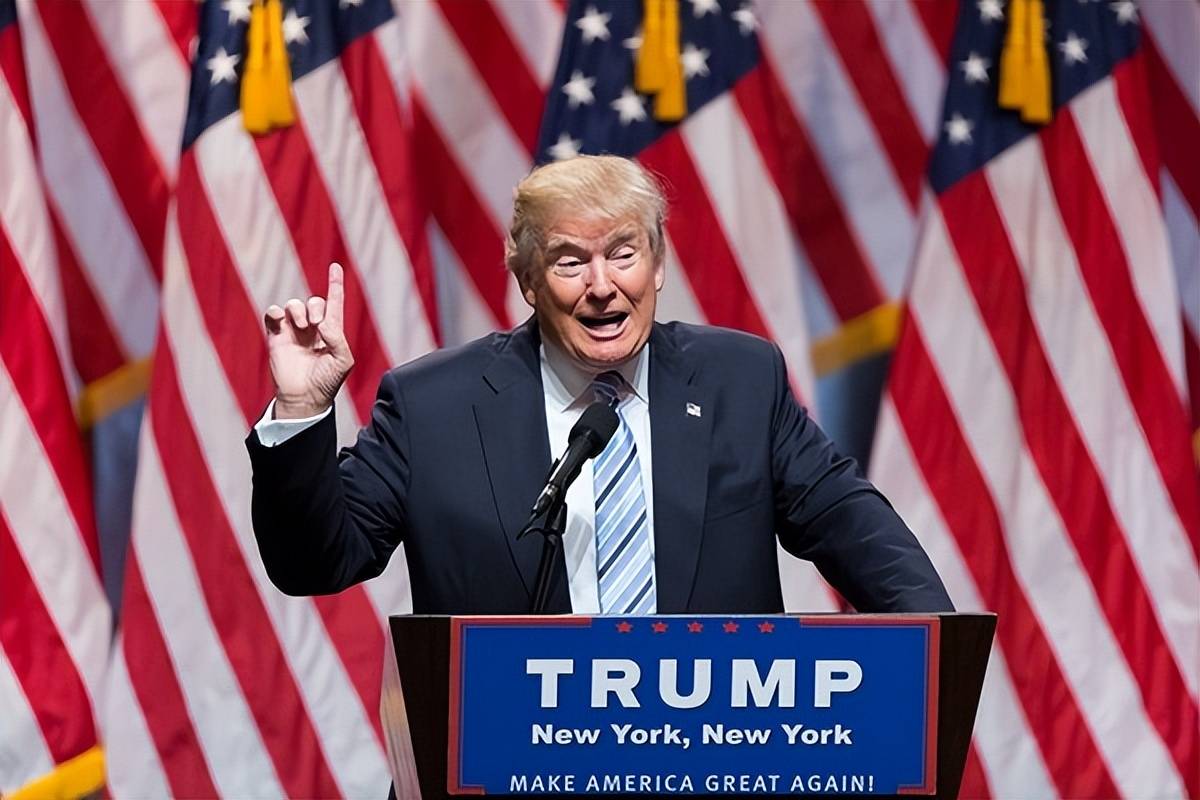
特朗普已然是鸡飞蛋打了,美国犯下的错误,也给中国提了个醒
Sou Hu Cai Jing· 2025-10-10 05:43
Group 1: Trade Policy - Trump's administration prioritized trade protectionism, imposing high tariffs on countries like Canada, Mexico, and China, with steel and aluminum tariffs set at 25% and 10% respectively [3] - The stock market reacted negatively, with the Dow Jones index dropping over a thousand points in a single day, leading to economic turmoil [3] - Economists warned of inflation, predicting a 2.9% increase in the Consumer Price Index (CPI) for 2025 due to rising consumer prices [3] Group 2: Middle East Policy - Trump's attempts to pressure Iran regarding its nuclear program backfired, as a joint statement from China, Russia, and Iran emphasized dialogue, undermining U.S. efforts [5] - Military actions in Yemen failed to achieve intended goals, revealing weaknesses in U.S. military capabilities and leading to ineffective sanctions against Iranian leaders [5] - Iran's continued advancement of its nuclear program demonstrated the ineffectiveness of Trump's deterrent strategies [5] Group 3: Russia-Ukraine Conflict - Trump's mediation efforts in the Russia-Ukraine conflict were unsuccessful, with Ukraine refusing to compromise during a meeting [7] - The situation worsened as Germany announced new agreements with Ukraine, while Russia mobilized troops, isolating the U.S. position [7] - The lack of resolution in the conflict highlighted the challenges faced by the U.S. in influencing international relations [7] Group 4: Domestic Policy Challenges - Domestic policy faced turmoil, exemplified by Elon Musk's resignation from a government position due to Trump's disregard for advice on tariffs affecting U.S. chip companies [9] - Bipartisan criticism of the tariff policies emerged, with some Republican members openly opposing Trump's approach [9] - By mid-2025, Trump's policies were in disarray, leading to economic issues and a significant drop in public support [9] Group 5: Lessons for China - The decline of U.S. influence revealed vulnerabilities of superpowers, as Trump's trade policies inadvertently accelerated China's technological advancements [10] - China's progress in domestic chip technology and control over rare earth resources positioned it favorably against U.S. sanctions [10] - Strengthening economic ties with regions like Africa, Southeast Asia, and Latin America provided China with alternative trade routes, enhancing its global trade strategy [10]

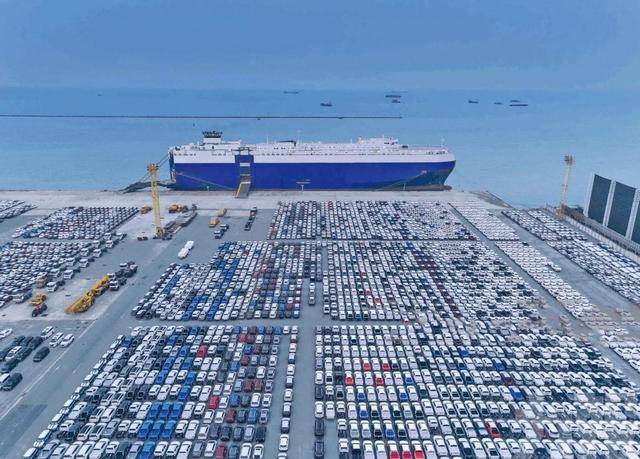
特朗普围堵中国造船产业,中美300倍差距动摇美国海权
Sou Hu Cai Jing· 2025-10-09 23:20
Core Viewpoint - The U.S. is targeting China's shipbuilding industry with new tariffs, reflecting concerns over China's growing maritime capabilities and its implications for U.S. dominance in global shipping [1][5][15]. Group 1: U.S. Tariff Actions - On October 4, the U.S. Customs announced new tariffs on Chinese ships, effective October 14, marking a shift in focus from land-based trade to maritime trade [1][3]. - The tariffs specifically target ships manufactured and operated in China that transport bulk automotive goods, indicating a broad attack on the entire Chinese shipbuilding industry rather than individual companies [3][5]. - This move is seen as a response to the perceived threat posed by China's rapidly expanding shipbuilding capabilities, which have outpaced U.S. manufacturing [5][8]. Group 2: Implications for China - The U.S. aims to create economic pressure on China by increasing operational costs for Chinese-built ships, potentially forcing them to reroute or reconsider their shipping strategies [5][10]. - Despite the tariffs, China's shipbuilding industry is well-established with a complete supply chain, making it resilient to such economic pressures [10][12]. - China can mitigate the impact of these tariffs through strategies like technology upgrades, market diversification, and optimizing registration processes [12][19]. Group 3: Broader Context of Maritime Power - The U.S. concerns are rooted in the belief that maritime power is essential for global influence, as most international trade relies on shipping [15][17]. - The U.S. is attempting to re-establish control over maritime trade routes, signaling to China that it cannot dominate the market while profiting from global trade [17][22]. - The competition in the maritime sector is evolving into a systemic confrontation, where the ability to adapt and maintain a robust supply chain will be crucial for future success [21][22].
特朗普,100亿美元救市!美农民正受劳动力、关税以及价格冲击!
Sou Hu Cai Jing· 2025-10-08 13:19
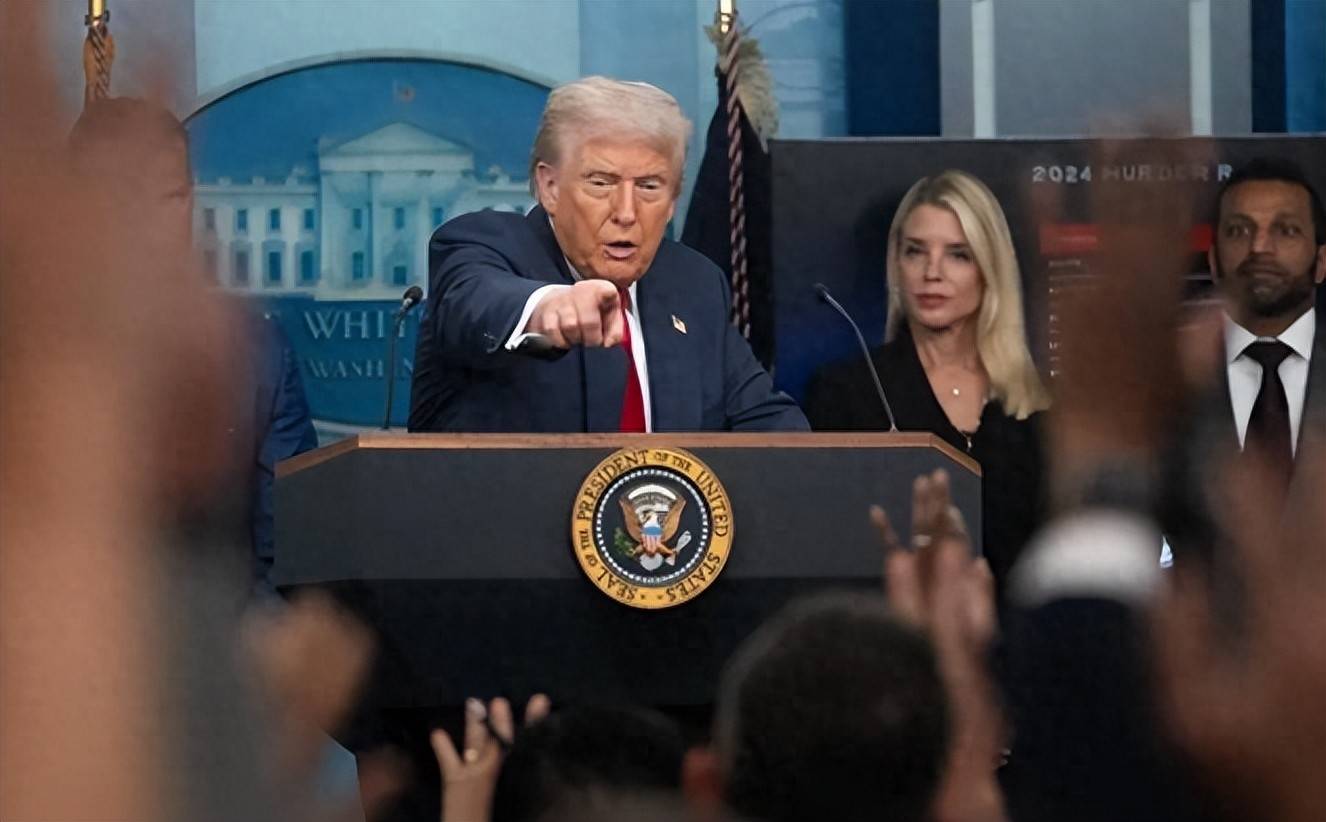
Core Viewpoint - The U.S. agricultural sector is facing severe challenges due to labor shortages, tariffs, and falling prices, leading to a crisis described as an "epic winter" for farmers [3][5][10]. Group 1: Economic Impact on Agriculture - Farm production expenses are projected to reach $467.4 billion in 2025, an increase of $12 billion from the previous year [3][10]. - The number of farm bankruptcies in the first half of this year is the highest since 2021 [3]. - Soybean prices have dropped to $9.5 per bushel, resulting in losses of approximately $100 per acre for farmers [8][10]. Group 2: Trade and Tariff Effects - The trade war initiated by the Trump administration has led to retaliatory tariffs, with China imposing a 34% tariff on U.S. soybeans, drastically reducing U.S. exports [6][21]. - From January to August 2025, U.S. soybean exports to China have plummeted, while Brazil's exports to China have surged to over 2 billion bushels [6][21]. Group 3: Labor Market Challenges - The strict immigration policies have resulted in a labor shortage, leaving many crops unharvested during peak seasons [8][10]. - The cost of agricultural inputs, such as fertilizers and machinery, has risen significantly due to tariffs and supply chain disruptions [8][10]. Group 4: Government Response and Controversy - The Trump administration is proposing a $10 to $14 billion aid package for farmers, funded by tariff revenues and emergency assistance programs [5][11]. - There are concerns about the sustainability of this funding, as much of the tariff revenue has already been allocated to address federal budget deficits [13]. - Previous aid efforts have favored larger agricultural enterprises over small farmers, raising questions about the distribution of the new aid [11][13]. Group 5: Broader Economic Context - The U.S. government is facing a shutdown, which could exacerbate economic conditions, with estimates suggesting a loss of $15 billion in GDP for each week of shutdown [16][18]. - The agricultural sector is particularly vulnerable, with potential disruptions in food safety inspections and export certifications due to government inaction [18]. Group 6: Global Market Dynamics - The global agricultural market is shifting, with China increasing investments in Brazil and Argentina, leading to a significant reduction in U.S. market share for soybeans [19][21]. - By 2025, Brazil is expected to supply 71% of China's soybean imports, effectively displacing the U.S. as the largest supplier [21]. Group 7: Political Implications - The agricultural crisis is impacting Trump's political support in farming states, with approval ratings dropping from 68% in 2020 to 52% [22][24]. - The reliance on tariff revenues for farmer support is criticized as it ultimately burdens American consumers and businesses, undermining the competitiveness of U.S. agriculture [24].
英国钢铁行业哀叹:欧盟这波比特朗普更狠
Guan Cha Zhe Wang· 2025-10-07 10:06
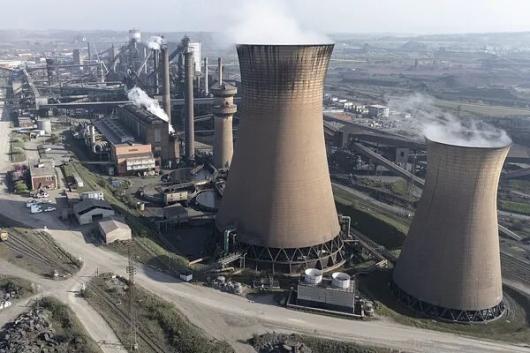
Core Viewpoint - The European Union's plan to cut steel import quotas and raise tariffs could severely impact the UK steel industry, potentially worse than the tariffs imposed by the Trump administration [1][2]. Group 1: EU Measures and Impact - The EU is reportedly preparing to reduce foreign steel import quotas by nearly half and impose tariffs as high as 50% on imports exceeding these quotas [1]. - The EU is the largest export market for UK steel, with approximately 1.9 million tons of the 4 million tons produced annually in the UK being exported to the EU, compared to only 0.2 million tons to the US [1]. - The new EU measures may not only directly affect UK steel exports but could also lead to trade diversion, with steel originally destined for the EU being redirected to the UK market, exacerbating the challenges faced by the UK steel industry [1]. Group 2: Industry Reactions - UK Steel's Chief Commercial Officer, Lisa Coulson, expressed deep concern over the potential measures, indicating that they could exclude UK producers from their largest export market, especially as the industry is already struggling with a 25% tariff from the US [1]. - Carmen Suarez, CEO of the UK Trade Remedies Authority, emphasized the significance of the EU's actions for the UK steel industry and the Department for Business and Trade [1][2]. - Industry insiders described the EU's planned measures as potentially one of the "greatest disasters" in the history of the UK steel industry, equating it to cutting off half of their largest market [5]. Group 3: Broader Context and Relations - The EU's actions may undermine recent efforts to repair relations between London and Brussels, as there has been no prior communication from the EU to the UK government regarding these measures [4]. - The proposed measures align with a previous proposal from France, which received support from the European Steel Industry Association and 11 EU countries [4][5]. - The EU's trade commissioner has indicated that strong protective measures are necessary in light of the current US tariffs, reflecting a broader push to safeguard the European steel industry [5]. Group 4: UK Government's Position - The UK government has not yet released its steel strategy for the year but has committed to investing up to £2.5 billion to revitalize the steel industry and explore stronger trade measures to protect UK producers from unfair practices [6].
欧盟拟将钢铁进口关税大幅提高至50%!以保护本土钢铁行业
Zhi Tong Cai Jing· 2025-10-02 11:18
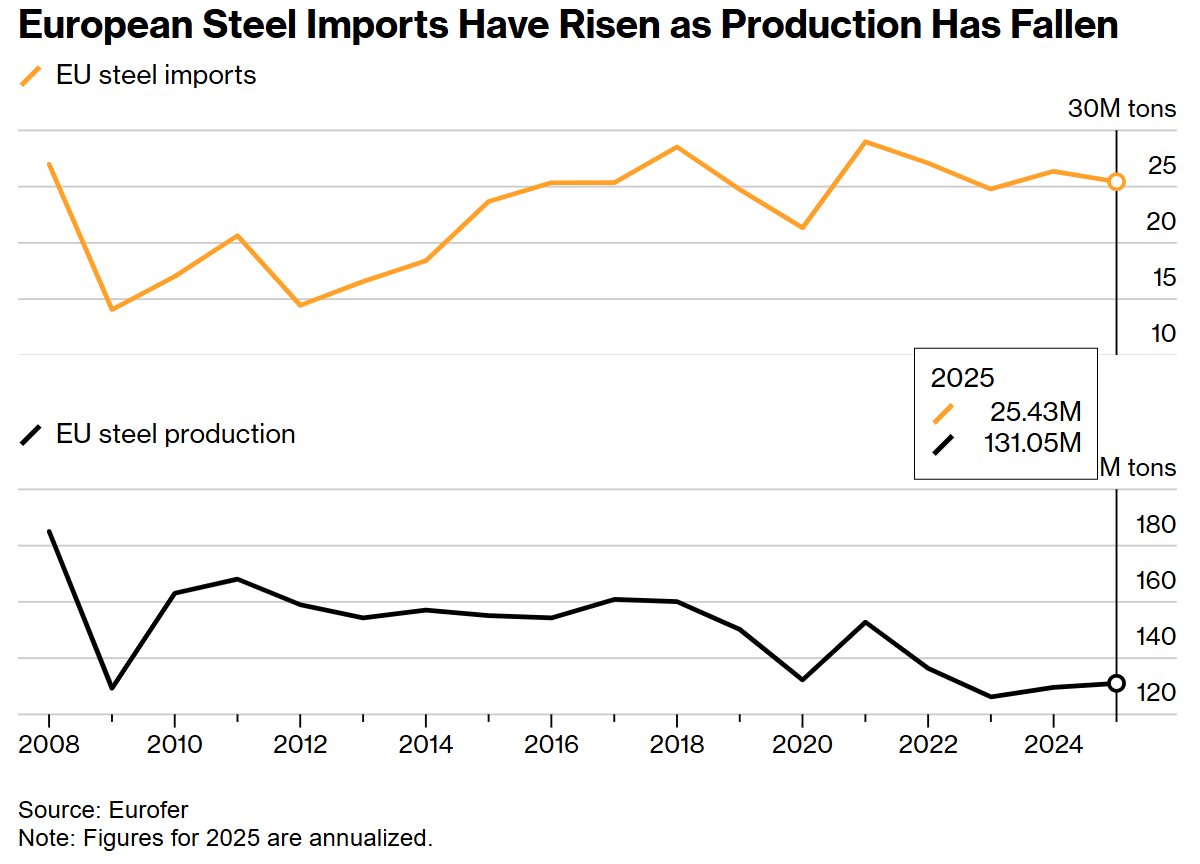
Group 1 - The EU plans to increase steel import tariffs to 50% to align with the US and address overcapacity issues from Asia [1][4] - Currently, the EU has a temporary mechanism imposing a 25% tariff on most steel imports after quotas are exhausted, set to expire in June [1][4] - The proposal includes specific quotas based on historical averages for different product types and aims to establish country-specific quotas [4] Group 2 - The measures will be reviewed every five years starting from July 2031 to assess overcapacity trends and their impact on the steel market [4] - The European steel industry faces significant challenges from cheap imports, particularly from Asian economies [4] - The European Steel Association (Eurofer) advocates for stricter measures to address the global steel overcapacity and its negative effects on the EU market [4]
美欧局势突变,美国50%关税清单暴增407项,3200亿美元商品受困!
Sou Hu Cai Jing· 2025-10-01 12:42
Core Viewpoint - The recent expansion of tariffs on steel and aluminum products by the U.S. is causing significant disruption in global supply chains, with a 50% tariff affecting a wide range of products, leading to increased manufacturing costs and economic strain on various industries [1][3][5]. Group 1: Impact on Industries - The expanded tariff list now includes 407 product categories, affecting items from wind turbines to construction machinery and everyday furniture, as long as they contain steel or aluminum [3][5]. - The European steel industry is particularly hard-hit, with many companies already losing orders and facing production cuts due to previous tariffs, and the new measures are exacerbating these challenges [6][8]. - The automotive sector in the U.S. is also facing rising costs, as companies like Tesla have requested exemptions for specific materials that are not produced domestically, but these requests have been denied, leading to potential price increases or reduced product quality [12][13][15]. Group 2: Trade Relations and Responses - The European Union has retaliated by imposing 25% tariffs on $21 billion worth of U.S. products, but this tit-for-tat approach does not address the underlying issues of trade tensions [10]. - The expansion of tariffs has created uncertainty in trade relations between the U.S. and Europe, with concerns about job losses and economic stability in both regions [8][15]. - The situation highlights the interconnectedness of global supply chains, where unilateral tariff actions can have widespread repercussions, affecting not just the targeted industries but also consumers and other sectors [17]. Group 3: Economic Consequences - The U.S. economy is facing a burden from these tariffs, with estimates suggesting that $320 billion worth of goods will be impacted, contributing to rising producer price indices and potential inflation [12][15]. - The broad application of tariffs is seen as a "blunt attack" that could harm not only European industries but also American importers and consumers, leading to higher prices for everyday goods [15][17]. - The reliance on high tariffs as a protective measure is viewed as a disruptive force that could hinder economic growth and stability, emphasizing the need for diplomatic solutions to trade disputes [17].