
绿色转型

Search documents
“机器人同事”、eVTOL,新赛道解码新兴产业的跃升动力
Xin Hua She· 2025-12-25 08:21
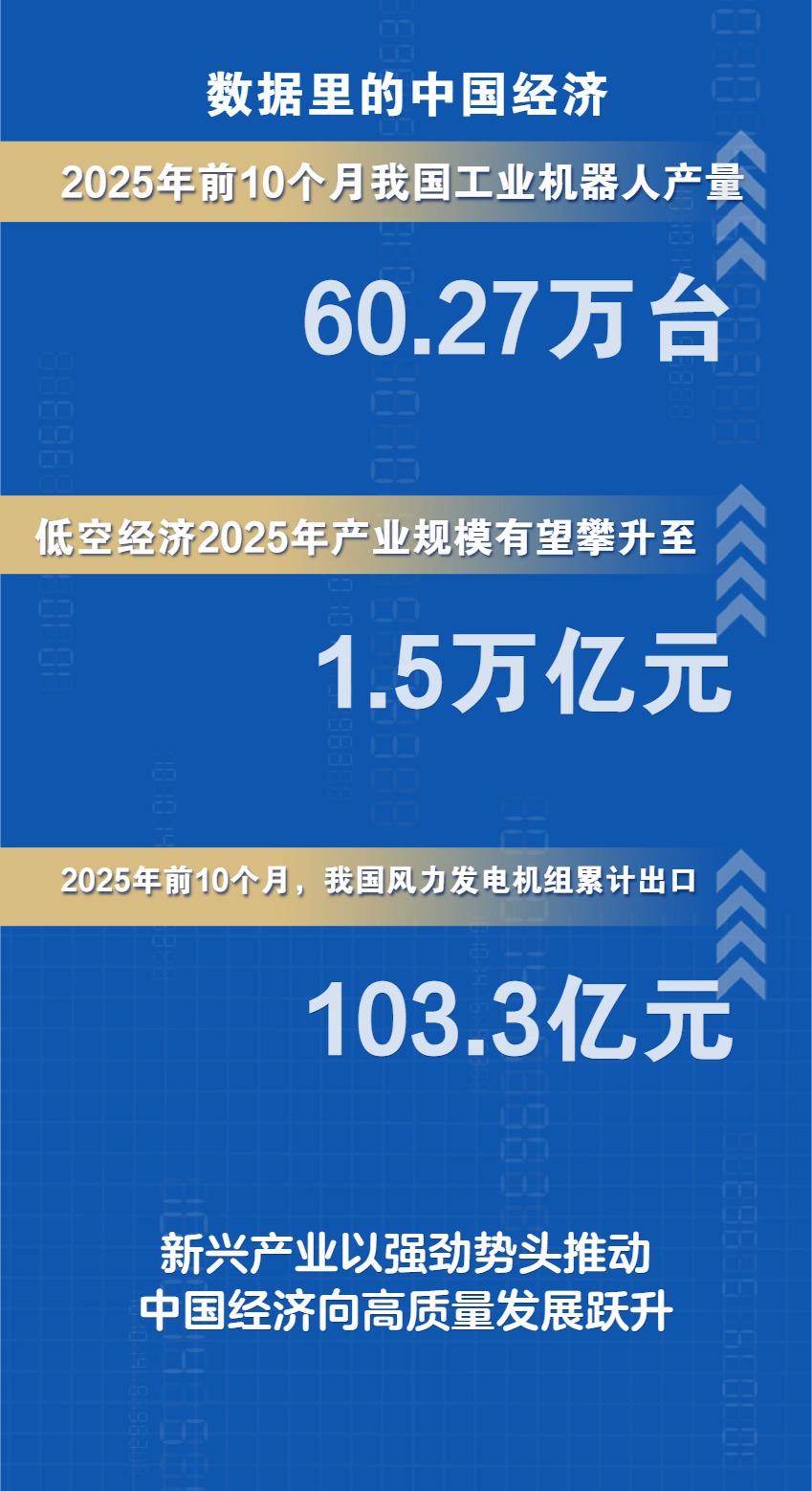
Group 1: Robotics in Manufacturing - The integration of "robotic colleagues" in manufacturing is becoming standard, enhancing efficiency and productivity in factories [5][7] - In Shanghai's Xinshi Da Robotics Co., the production line achieves a rate of one industrial robot every 12 minutes, indicating high output [5] - By 2025, industrial robots are expected to penetrate various sectors of the real economy, supported by national policies promoting the integration of robotics with industries like automotive and electronics [7] Group 2: eVTOL and Low-altitude Economy - eVTOL (electric vertical takeoff and landing aircraft) is emerging as a viable transportation option, with ticket prices as low as 109 yuan for short flights, making it competitive with ground transportation [9] - The low-altitude economy is projected to grow significantly, with an expected annual growth rate of over 25%, potentially reaching a market size of 1.5 trillion yuan by 2025 [9] Group 3: Clean Energy Equipment - China's clean energy equipment sector is experiencing rapid growth, with a complete industrial chain from R&D to export, driven by increasing global demand for clean energy [11] - In the first ten months of 2025, exports of wind power equipment reached 10.33 billion yuan, a 44.9% increase, while solar cell exports totaled 10.56 billion units, up 69.7% [11] - Companies are investing in R&D to enhance the competitiveness of clean energy products, contributing to both global energy transition and high-quality foreign trade development [11]


世界贸易组织报告指出:全球价值链经历再全球化重塑
Jing Ji Ri Bao· 2025-12-25 02:19
Core Insights - The World Trade Organization's report indicates a transformation in global value chains towards "re-globalization," driven by technological advancements, green transitions, and geopolitical changes [1][2] Group 1: Trade Structure and Dynamics - "De-globalization" is not occurring; instead, "re-globalization" is forming, with global value chain trade still accounting for approximately 46% of global trade, down from a peak of 48% in 2022 but still at a high level [2] - Future trade volumes are not expected to decline systematically, but trade structures, routes, and rules will continue to evolve, leading to a growth model characterized by restructuring rather than rapid expansion [2] - The importance of services and digital trade is expected to rise significantly, with digitalization reshaping value creation methods and increasing the share of services in global value chains [2] Group 2: Policy and Governance Influences - Trade is increasingly driven by policy rather than solely by costs, with industrial policies, green regulations, and security reviews deeply influencing trade flows [2] - The report highlights over 180 "targeted trade agreements" focused on digital trade, critical minerals, and green sectors, indicating a shift from comprehensive agreements to problem-oriented cooperation in trade governance [2] Group 3: Environmental and Technological Shifts - Carbon emissions responsibilities are now integrated into value chain decisions, with green policies directly affecting corporate site selection, trade structures, and intermediate goods division [3] - The green industry is undergoing restructuring, with value chains moving towards "green, circular, and traceable" models, emphasizing recycling, reuse, and local processing [3] - Digital technology is lowering the barriers for participation in global value chains, enabling small and medium-sized enterprises to integrate more deeply into multinational value chains [3]
深圳市鸿发顺达模具有限公司:向“创新”前行 向“智能”发力
Zhong Guo Jing Ji Wang· 2025-12-25 02:14
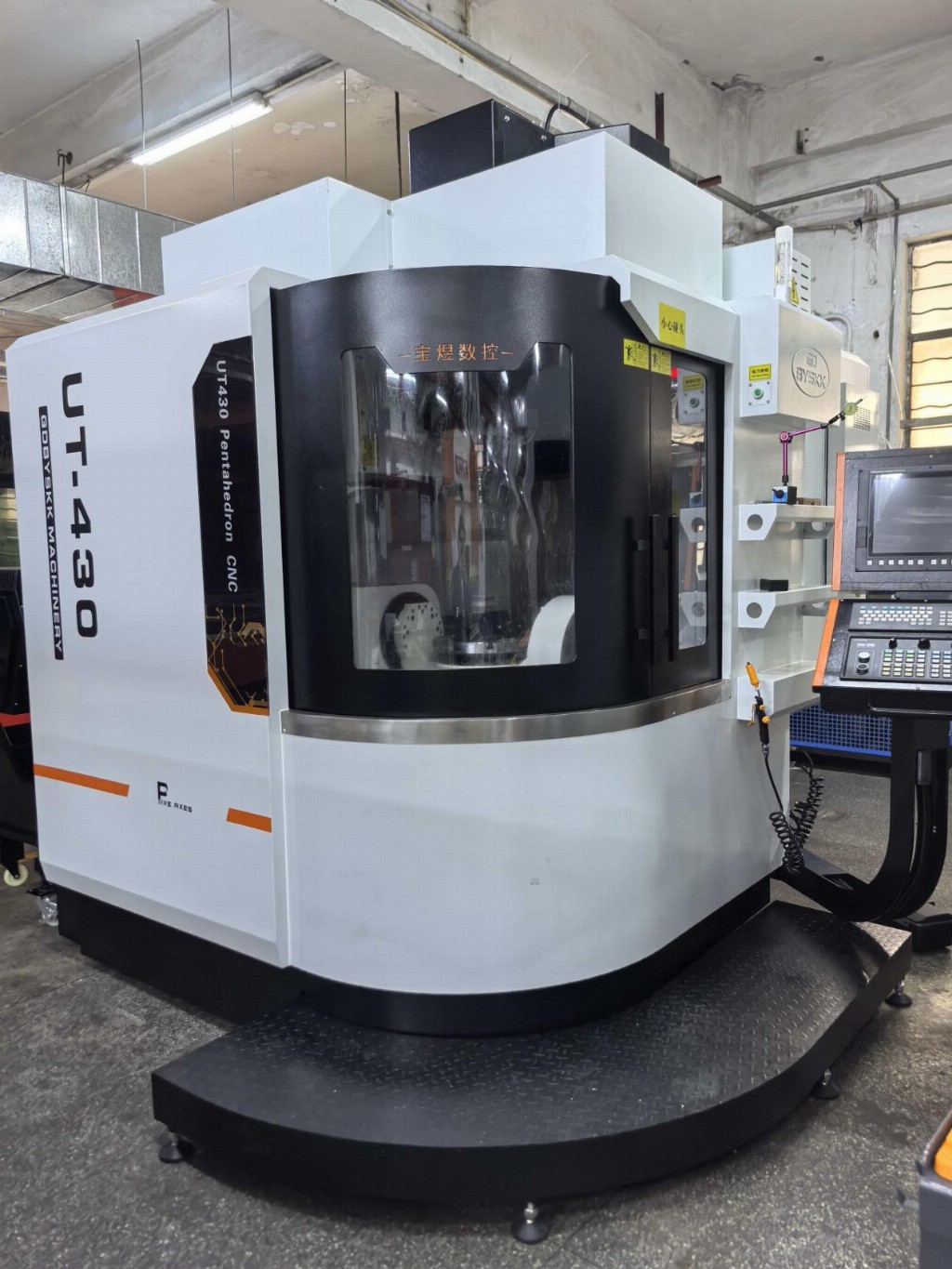
Core Viewpoint - Shenzhen Hongfa Shunda Mould Co., Ltd. is committed to high-quality development through innovation and intelligence, significantly investing in advanced technology and equipment to enhance product quality and precision [1][4][10]. Company Overview - Established in 1997, Shenzhen Hongfa Shunda Mould Co., Ltd. specializes in the design, manufacturing, and sales of instrument and meter casing, with a product range that includes over 30 series and nearly 3000 varieties [1][2]. - The company has a factory area of over 5000 square meters and employs more than 200 staff, with departments dedicated to product research, engineering, and sales [2]. Technological Advancements - The company has invested heavily in upgrading its machinery, including the purchase of advanced large gantry milling machines and five-axis CNC machines, to improve production efficiency and product precision [1][7][8]. - The five-axis CNC machines allow for high-precision processing of complex geometries, significantly enhancing product quality and reducing production time [8]. Industry Context - The electronic product casing industry in China is expected to maintain a robust growth rate of 7.1% annually from 2026 to 2030, with market size projected to increase from 185 billion yuan in 2025 to over 260 billion yuan by 2030 [4]. - The industry is currently facing challenges of internal competition, necessitating innovation and technological upgrades to meet national development goals [4]. Future Outlook - The company aims to continue its trajectory of growth and innovation, supported by local government initiatives that provide resources and incentives for industry development [10].
靖远县“以旧换新”政策成效亮眼 撬动消费9400余万元
Sou Hu Cai Jing· 2025-12-24 23:05
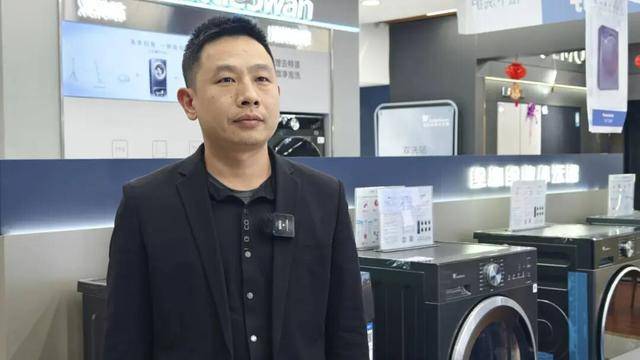
Core Insights - The "old-for-new" policy during the 14th Five-Year Plan period is a significant initiative for expanding domestic demand and promoting green transformation in China [1] - The implementation of this policy in Jingyuan County has stimulated consumer spending across various sectors, enhancing market vitality [1] Group 1: Policy Implementation and Impact - Jingyuan County has fully promoted the "old-for-new" policy this year, covering essential household appliances, automobiles, and digital products, leading to increased consumer satisfaction and market activity [1] - The introduction of the "old-for-new" policy has resulted in a notable increase in store foot traffic and a significant rise in sales for home appliances, particularly in air conditioners, televisions, refrigerators, and washing machines [3] - The county has adopted a "policy synergy" approach by combining the "old-for-new" initiative with promotional events, effectively amplifying the impact of the 14th Five-Year Plan policies [5] Group 2: Financial Metrics and Consumer Engagement - As of now, Jingyuan County has provided subsidies for 18,575 transactions under the "old-for-new" policy, distributing over 16.7 million yuan in subsidies and generating sales exceeding 94 million yuan [7] - The county's financial allocation of 2 million yuan for special consumption activities during key festivals aims to further incentivize consumer spending through promotional offers [7] - The ongoing implementation of the "old-for-new" policy has effectively released consumer potential and fostered new economic growth points, contributing to high-quality development in the county [9]
世界经济的韧性与底气(2025年终特别报道)
Ren Min Ri Bao Hai Wai Ban· 2025-12-24 22:46
Core Insights - The global economy in 2025 demonstrated impressive resilience amidst multiple shocks, characterized by enhanced risk prevention capabilities and self-correcting abilities [14][15][16] - Emerging markets and developing economies are expected to be the main contributors to global growth in 2025, with a projected global economic growth rate of 3.2% for 2025 and 2.9% for 2026 [14][17] - China is positioned as a "stabilizing anchor" for the global economy, showcasing strong resilience and vitality despite external challenges [11][21] Economic Performance - The OECD forecasts global economic growth rates of 3.2% for 2025 and 2.9% for 2026, driven by expansionary macro policies and positive expectations for new technologies [14] - The IMF noted a resilient start to 2025, but indicated signs of a gradual slowdown as supportive factors diminish [14][15] - The global economy is expected to maintain a growth rate between 3.1% and 3.2% in 2025, influenced by geopolitical tensions and trade policy uncertainties [17] Challenges and Opportunities - The world economy is anticipated to face challenges in 2026, including uncertainties from U.S. tariff policies and the impact of technological advancements on employment and productivity [20][18] - The transition to a more stable economic environment in 2026 will rely on technological progress and free trade [17][20] - The rise of artificial intelligence presents both opportunities and risks, with its potential to drive economic growth while also posing challenges to labor markets [19][18] China's Role - China is expected to play a crucial role in global economic stability, with its economic policies reflecting a commitment to high-level openness and reform [21][23] - The Chinese economy is projected to grow by around 5% in 2025, providing significant support to the global economy [22][23] - China's focus on high-tech manufacturing, green development, and artificial intelligence is set to dominate its export landscape, contributing to global supply chains [24][23]
全球价值链经历再全球化重塑
Sou Hu Cai Jing· 2025-12-24 22:46
Core Insights - The World Trade Organization's report indicates a transformation in global value chains towards "re-globalization," driven by technological advancements, green transitions, and geopolitical changes [1][2] Group 1: Trade Structure and Dynamics - Global value chain trade remains significant, accounting for approximately 46% of global trade, despite a decrease from the 48% peak in 2022 [2] - Future trade growth is expected to be characterized by structural adjustments, technological upgrades, and deepened regional cooperation rather than rapid expansion [2] - The importance of services and digital trade is rising, with digitalization reshaping value creation and increasing the share of digitally deliverable services in global value chains [2] Group 2: Policy and Governance Influences - Trade is increasingly influenced by policy rather than solely cost factors, with industrial policies, green regulations, and security reviews significantly affecting trade flows [2] - The report highlights over 180 "targeted trade agreements" focusing on digital trade, critical minerals, and green sectors, indicating a shift from comprehensive agreements to issue-oriented cooperation [2] Group 3: Environmental and Technological Shifts - Carbon emissions responsibilities are now integrated into value chain decisions, with green policies directly impacting corporate site selection and trade structures [3] - The green industry is undergoing restructuring, with a focus on electric vehicles and critical minerals, leading to a reorganization towards "green, circular, and traceable" value chains [3] - Digital technology is lowering barriers for participation in global value chains, enabling small and medium enterprises to engage more deeply in cross-border value chains [3]
世界贸易组织报告指出——全球价值链经历再全球化重塑
Jing Ji Ri Bao· 2025-12-24 22:38
Core Insights - The World Trade Organization's report indicates a transformation in global value chains towards "re-globalization," driven by technological advancements, green transitions, and geopolitical changes [1][2] Group 1: Trade Structure and Dynamics - "De-globalization" is not occurring; instead, "re-globalization" is forming, with global value chain trade still accounting for approximately 46% of global trade, down from a peak of 48% in 2022 but still at a high level [2] - Future trade volumes are not expected to decline systematically, but trade structures, routes, and rules will continue to evolve, leading to a growth model characterized by restructuring rather than rapid expansion [2] - The importance of services and digital trade is expected to rise significantly, with digitalization reshaping value creation methods and increasing the share of services in global value chains [2] Group 2: Policy and Governance Influences - Trade is increasingly driven by policy rather than solely by costs, with industrial policies, green regulations, and security reviews deeply influencing trade flows [2] - The report highlights over 180 "targeted trade agreements" focused on digital trade, critical minerals, and green sectors, indicating a shift from comprehensive agreements to problem-oriented cooperation in trade governance [2] Group 3: Environmental and Technological Shifts - Carbon emissions responsibilities are now integrated into value chain decisions, with green policies directly affecting corporate site selection, trade structures, and intermediate goods division [3] - The green industry is undergoing restructuring, with value chains moving towards "green, circular, and traceable" models, emphasizing recycling, reuse, and local processing [3] - Digital technology is lowering the barriers for participation in global value chains, enabling small and medium-sized enterprises to integrate more deeply into cross-border value chains [3]
中东欧经济稳中有别
Jing Ji Ri Bao· 2025-12-24 22:37
Group 1: Economic Overview - In 2025, major Central and Eastern European (CEE) economies like Poland, Romania, Czech Republic, Hungary, Greece, and Bulgaria are experiencing a general decline in inflation and a stabilization of monetary conditions, with macroeconomic uncertainty significantly reduced compared to previous years [1] - The economic paths of CEE countries are increasingly differentiated, with domestic demand recovery becoming the core support for most nations, while external demand remains under pressure due to weak growth in the Eurozone and geopolitical uncertainties [1] Group 2: Country-Specific Insights - Poland, as the largest economy in CEE, is expected to maintain an average growth rate of around 3%, but faces significant fiscal pressure with a projected government deficit nearing 7% of GDP in 2025, which is substantially higher than pre-pandemic levels [2] - Romania is experiencing a challenging economic environment characterized by "low growth and high inflation," with fiscal tightening measures impacting domestic demand and ongoing high fiscal deficits [3] - The Czech Republic's economy is stable, with significant inflation decline and improved consumer spending, although external risks from weak growth in key trading partners like Germany pose challenges [3] - Hungary's economy remains weak, with low investment and external demand, while inflation is still above the regional average, leading to high financing costs that suppress corporate investment [4] - Bulgaria shows strong economic growth supported by rising wages and public investment driven by EU funds, with expectations of joining the Eurozone in early 2026 enhancing market confidence [4] - Greece's economy continues to grow above the Eurozone average, supported by improved employment and consumption, with fiscal improvements enhancing debt sustainability [5] Group 3: Challenges and Opportunities - CEE countries are facing multiple challenges, including the spillover effects of the Ukraine crisis, global trade tensions, and demographic issues like aging populations, which limit their long-term convergence with core EU member states [5][6] - Despite challenges, CEE countries have sustainable development advantages, such as proximity to the European market and ongoing EU support for digital and green transitions, which are crucial for enhancing infrastructure and industrial capabilities [6]
万喆:全球南方,造就世界经济的新引擎
Sou Hu Cai Jing· 2025-12-24 15:07
2025年,地缘冲突的硝烟还未散去,世界变乱交织的形势依旧,保护主义与"逆全球化"的寒流时而加 剧,世界经济大船行进在风高浪急之中。然而,正是在这片晦明交织的图景中,一股源自历史深处、勃 兴于时代潮头的磅礴力量成为这一年最显著的印记。在前所未有的群体性崛起中,全球南方成长为世界 经济稳定增长的"新引擎",中国则是全球南方当之无愧的"稳定器"。 大道不孤,众行致远。回顾2025年,全球南方并非被动应对困境,而是以团结铸就力量。中国作为全球 南方的天然一员,不仅提供了物质支撑,更传递了新发展理念,推动全球南方从"跟随者"转向"引领 者"。展望2026年,全球南方经济将在逆势、向新与团结的交汇中,书写崭新篇章。我们共同期待,一 个更加均衡、包容的世界经济格局,就此徐徐展开。 全球挑战中的南方韧性 2025年的世界经济笼罩在多重阴影之下。地缘政治博弈白热化,乌克兰危机延宕、其他地区冲突热点不 断,与气候变化、粮食能源安全危机相互叠加,制造了罕见的复合型压力。世界银行数据显示,全球仍 有8.17亿人处于极端贫困,其中60%集中在撒哈拉以南非洲。与此同时,全球治理的"西方支柱"出现动 摇。特朗普再次上台后,关闭了主导战后 ...
渝三峡A锚定“双碳”赛道 携手广州工控建发布局新型涂料业务
Zhong Guo Zheng Quan Bao· 2025-12-24 13:53
Core Viewpoint - The announcement highlights a strategic partnership between Yuzhong Sanxia A and Guangzhou Gongkong Construction Development Co., focusing on emerging fields such as radiation cooling and graphene coatings, marking the company's shift towards "green transformation and technological upgrade" [1][2] Group 1: Strategic Cooperation - The partnership aims to leverage complementary resources, with Yuzhong Sanxia A providing core products like transmission films, reflective films, transparent coatings, photovoltaic coatings, and graphene coatings, while Gongkong Construction Development offers full-cycle support in application scenario matching and resource integration [1][2] - A strategic cooperation leadership group and joint working group will be established to refine the cooperation model, with specific cooperation matters to be formalized through project contracts [2] Group 2: Economic and Social Goals - The core objective of the cooperation is to enhance economic, social, and brand benefits while promoting energy conservation and green low-carbon development in response to the national "dual carbon" strategy [2] - The framework agreement does not specify transaction amounts and is expected to have no significant impact on the company's operating performance for the current year [2] Group 3: Company Fundamentals - Yuzhong Sanxia A is currently in a phase of stable operation and strategic transformation, reporting revenue of 287 million yuan and a net profit of 16.49 million yuan for the first three quarters of 2025, with total assets of 1.648 billion yuan and a debt-to-asset ratio of only 22.51% [2]
