
关税战

Search documents
上海交大胡捷:中国企业出海“所到之处寸草不生”,既是优势也是劣势
凤凰网财经· 2025-06-30 14:22
Core Viewpoint - The forum aims to provide a high-end platform for Chinese enterprises to tackle challenges in going global amidst the restructuring of global industrial chains, focusing on collaborative and sustainable transformation paths [1]. Group 1: Globalization and Industry Trends - The current global landscape is characterized by a shift from extensive manufacturing in China to a "China + 1" and "China + N" model, indicating a transition from offshore outsourcing to nearshore and friendshoring [3]. - The trend of Chinese enterprises going global is driven by both the need for business development and changes in the international landscape [3]. Group 2: Challenges Faced by Chinese Enterprises - Chinese enterprises possess strong competitive advantages but also face challenges, particularly from other Chinese competitors in international markets, which can lead to significant profit erosion despite high production capacity [4]. - The need for high-quality globalization is emphasized, requiring enterprises to enhance their soft power and strategic planning capabilities [3][4]. Group 3: Strategic Recommendations - Enterprises should focus on comprehensive strategic planning, moving from product export to overall corporate globalization, and strengthen cross-cultural management to better understand global perspectives [3]. - Sustainable development is crucial, with a focus on avoiding political risks and understanding the political dynamics of host countries [3]. - Brand development is highlighted as a key factor for successful international expansion, with an emphasis on creating world-class brands that respect local cultures and values [4].

美元资产修复之后
Tebon Securities· 2025-06-30 11:30
Market Performance - Global stock markets showed a mixed performance in June, with the US indices collectively rising, led by the Nasdaq[4] - The S&P 500 and Nasdaq reached new historical highs, while the Dow Jones approached its historical peak[4] Economic Indicators - The US May PCE price index rose by 2.3% year-on-year, aligning with expectations, while the core PCE index hit 2.7%, the highest since February 2025[4] - Consumer confidence in the US declined, with the Conference Board's index dropping to 100.4 in June, slightly above the market expectation of 100[4] Currency and Bond Market - The US dollar index weakened significantly, falling from above 110 at the beginning of the year to around 97 currently[4] - The 10-year US Treasury yield, which peaked near 4.9% earlier in the year, has shown a trend of stabilization and decline[4] Federal Reserve Outlook - The probability of the Federal Reserve cutting interest rates three times in the second half of the year has risen to nearly 60%[4] - The anticipated rate cuts are expected in September, October, and December, following recent comments from Fed officials[4] Investment Strategy - Investors are advised to focus on undervalued large-cap stocks in manufacturing, consumption, and technology sectors, as small-cap stocks have seen significant gains recently[4] - The strong performance of established companies, such as Nike post-earnings, suggests potential for recovery in the sector[4] Risk Factors - Risks include potential unexpected rebounds in overseas inflation, weaker-than-expected global economic conditions, and geopolitical tensions escalating beyond expectations[4]
华鑫期货有色周报-20250630
Hua Xin Qi Huo· 2025-06-30 05:52
Group 1: Industry Investment Rating - There is no information about the industry investment rating in the provided content. Group 2: Core Viewpoints - Last week, there was a divergence in the non - ferrous metals market. Shanghai copper and zinc rose slightly after surging and then falling back, while alumina and tin fell by over 6% and 5% respectively, and aluminum, lead, and nickel fell by 0.4 - 1.4%. The domestic market was closed on Monday this week due to the Dragon Boat Festival, and in the overseas market, the COMEX copper price soared as the market expected higher costs for US copper imports due to the repeated tariff war [9]. - For copper, short - term attention should be paid to the follow - up development of US tariff policies, and the mid - term upward space of Shanghai copper depends on the position - increasing strength above 78,000 [10]. - For aluminum, the decline in alumina restricts the rebound of aluminum prices, while the continuous decline in SHFE and LME aluminum inventories supports the price, and Shanghai aluminum is currently oscillating between 19,700 - 20,400 [21]. - For zinc and lead, after the holiday, attention should be paid to the positive impact of the deep BACK structure and spot premium on the zinc market during continuous inventory reduction, and the lead market should note the lead - zinc linkage despite its continued weakness [26]. - For nickel and tin, nickel fell last week, driving stainless steel down, and the tin market tumbled by over 5% due to the expected resumption of production in Myanmar and Africa. News of the Indonesian government's crackdown on illegal mining on Monday had a certain positive impact on the LME tin price [35]. Group 3: Summary by Directory 1. Non - Ferrous Futures Price Weekly Statistics - **Domestic Non - Ferrous Futures Prices**: Shanghai copper rose 0.31% to 77,600 yuan/ton, Shanghai aluminum fell 0.42% to 20,070 yuan/ton, alumina dropped 6.53% to 2,962 yuan/ton, Shanghai zinc increased 0.05% to 22,225 yuan/ton, Shanghai lead decreased 1.42% to 16,620 yuan/ton, Shanghai nickel fell 1.30% to 121,100 yuan/ton, stainless steel dropped 1.48% to 12,685 yuan/ton, and Shanghai tin decreased 5.45% to 250,300 yuan/ton [2]. - **LME and COMEX Non - Ferrous Futures Prices**: LME copper fell 1.17% to 9,498 dollars/ton, COMEX copper dropped 3.35% to 4.7020 dollars/pound, LME aluminum decreased 0.79% to 2,444 dollars/ton, LME zinc fell 3.02% to 2,620 dollars/ton, LME lead decreased 1.66% to 1,958 dollars/ton, LME nickel dropped 2.29% to 15,237 dollars/ton, and LME tin decreased 7.21% to 30,328 dollars/ton [2]. - **Shanghai Futures Exchange Non - Ferrous Inventories**: SHFE copper inventory increased 7.22% to 105,791 tons, SHFE aluminum inventory decreased 11.93% to 124,433 tons, SHFE zinc inventory decreased 4.00% to 42,310 tons, SHFE lead inventory decreased 3.98% to 46,500 tons, SHFE nickel inventory increased 0.45% to 27,075 tons, and SHFE tin inventory decreased 4.00% to 8,107 tons [2]. - **LME and COMEX Non - Ferrous Inventories**: LME copper inventory decreased 10.00% to 149,875 tons, COMEX copper inventory increased 3.45% to 180,629 short tons, LME aluminum inventory decreased 3.72% to 372,525 tons, LME zinc inventory decreased 10.93% to 139,150 tons, LME lead inventory decreased 3.26% to 286,175 tons, LME nickel inventory decreased 0.76% to 199,380 tons, and LME tin inventory increased 0.56% to 2,680 tons [3]. - **Domestic Spot Premiums**: The Shanghai copper spot premium decreased by 10 yuan/ton to 125 yuan/ton, the Shanghai aluminum spot premium increased by 30 yuan/ton to 110 yuan/ton, the Shanghai zinc spot premium remained unchanged at 165 yuan/ton, the Shanghai lead spot premium decreased by 50 yuan/ton to - 180 yuan/ton, the Shanghai nickel spot premium increased by 20 yuan/ton to - 1500 yuan/ton, and the Shanghai tin spot premium increased by 100 yuan/ton to 500 yuan/ton [6]. - **Foreign Spot Premiums**: The LME copper (0 - 3) spot premium increased by 18.94 dollars/ton to 50.08 dollars/ton, the LME aluminum (0 - 3) spot premium increased by 0.85 dollars/ton to - 5.75 dollars/ton, the LME zinc (0 - 3) spot premium decreased by 1.88 dollars/ton to - 23.43 dollars/ton, the LME lead (0 - 3) spot premium decreased by 6.61 dollars/ton to - 24.26 dollars/ton, the LME nickel (0 - 3) spot premium decreased by 7.28 dollars/ton to - 195.62 dollars/ton, and the LME tin (0 - 3) spot premium increased by 57 dollars/ton to - 78 dollars/ton [7]. - **COMEX Copper Fund Net Positions**: The COMEX copper fund net position increased by 7.33% to 22,581 [8]. 2. Exchange Rates and Interest Rates - The offshore RMB exchange rate increased by 0.0343 to 7.2065, the US dollar index increased by 0.3162 to 99.4393, the US dollar against the Japanese yen increased by 1.4920 to 144.0615, and the yield of the US 10 - year Treasury bond decreased by 0.1000 to 4.4100 [9]. 3. Analysis and Outlook - **Copper**: Last week, Shanghai copper surged and then fell back. Buying enthusiasm was insufficient above 78,000. The SHFE inventory increased slightly, and the LME inventory continued to decline. The LME three - month forward price premium over the spot price rose from 30 dollars to over 50 dollars. The COMEX copper price soared due to expectations of higher US copper import costs. Short - term attention should be paid to US tariff policies, and the mid - term upward space of Shanghai copper depends on the position - increasing strength above 78,000 [9][10]. - **Aluminum**: This week, alumina prices dropped significantly as market speculation cooled. The domestic bauxite port inventory reached a new high. The decline in alumina restricted the rebound of aluminum prices, while the continuous decline in SHFE and LME aluminum inventories supported the price. Shanghai aluminum is oscillating between 19,700 - 20,400 [21]. - **Zinc and Lead**: Last Tuesday, Shanghai zinc rebounded rapidly but the rebound was not sustainable. It is currently oscillating between 22,000 - 22,700. Shanghai lead oscillated downward, hitting a new closing low since April 10. After the holiday, attention should be paid to the positive impact on zinc during continuous inventory reduction, and the lead market should note the lead - zinc linkage [26]. - **Nickel and Tin**: Last week, nickel fell, driving stainless steel down. The tin market tumbled by over 5% due to expected resumptions of production. News of the Indonesian government's crackdown on illegal mining had a positive impact on the LME tin price [35].
高志凯:不可避免的和平,才是当今世界的正道
Feng Huang Wang Cai Jing· 2025-06-30 01:26
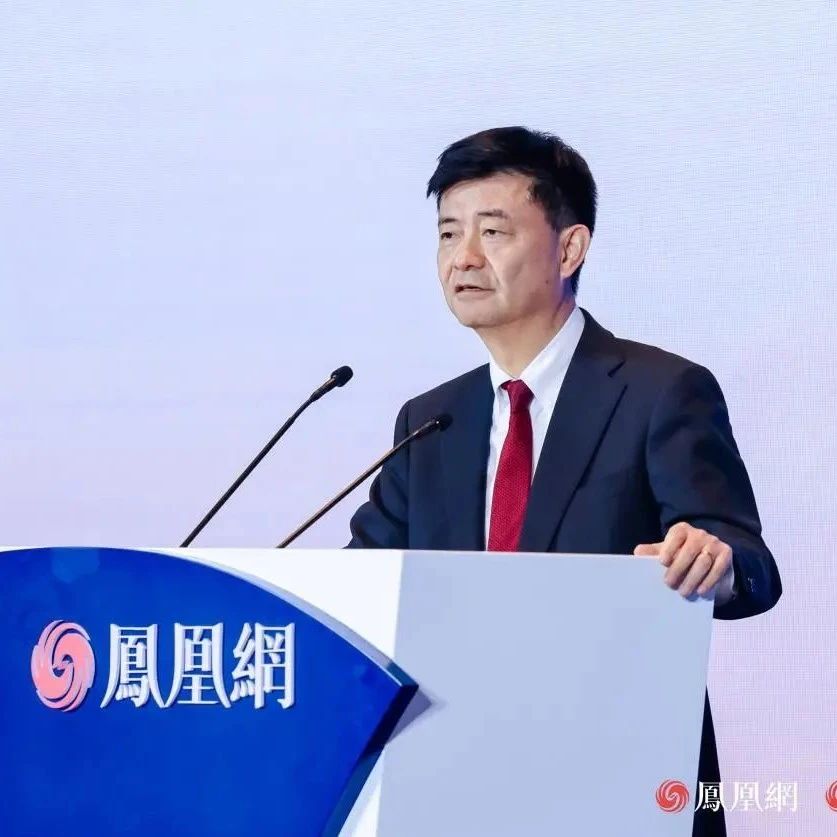
Group 1 - The "2025 China Enterprises Going Global Summit" was held in Shenzhen, focusing on creating a high-end platform for Chinese companies to address challenges in globalization and explore win-win transformation paths [1] - The summit was co-hosted by the Globalization Think Tank (CCG) and aimed to facilitate resource connections and dialogue on rules amidst the deep restructuring of global industrial chains [1] Group 2 - Gao Zhikai, Deputy Director of CCG, emphasized the importance of defending free trade and the inevitability of peace between China and the U.S. despite current tensions [3] - He highlighted that the U.S. is concerned about China potentially surpassing it and is determined to maintain its position as the world's leading power, indicating a reluctance to allow China to set global standards [3] - Gao urged for clear communication with the U.S. to alleviate its fears, asserting that China does not seek to dominate and that both nations should coexist peacefully without conflict [3]

关税风暴,谁成最大牺牲者?草根求生秘籍
Sou Hu Cai Jing· 2025-06-30 01:13
Group 1 - The global trade environment is significantly impacted by tariff wars, leading to increased import costs and reduced export profits for companies, particularly in manufacturing [3][10] - In 2023, global trade growth dropped to 1.7%, a significant decline compared to previous years, indicating a broader economic slowdown [3] - Chinese exporters faced a 15% profit reduction due to tariffs, while the average price of imported consumer goods rose by 8% [3] Group 2 - The manufacturing sector is particularly hard-hit, with a reported 5% job loss in the industry and over 30,000 small businesses shutting down [3][6] - Consumer prices have increased, with the consumer price index rising by 2.5% in 2023, affecting low-income households the most [6] - The job market is tightening, with a reported 5.8% layoff rate and a significant decrease in new job creation, impacting various sectors including IT and automotive [6][10] Group 3 - Companies are encouraged to adapt by investing in employee training and skill development to remain competitive in a changing economic landscape [8][10] - Financial strategies should focus on long-term stability, with recommendations for low-risk investments such as government bonds and fixed deposits [8] - The government is promoting local consumption and innovation, providing support for small and micro enterprises, which could present new opportunities for growth [8][10]

上海交大胡捷:美国通过关税追求的四大目标将在不同程度上有所改善
Feng Huang Wang Cai Jing· 2025-06-29 11:17
Group 1 - The "2025 China Enterprises Going Global Summit" was held in Shenzhen, focusing on creating a high-end platform for Chinese companies to address challenges in going global amidst the restructuring of global industrial chains [1] - The theme of the summit was "For an Open World," aiming to facilitate resource connections, rule dialogues, and intellectual exchanges among Chinese enterprises [1] Group 2 - Professor Hu Jie from Shanghai Jiao Tong University discussed the impact of the "century change" and the transition to Globalization 2.0, emphasizing that national security has become the primary concern, followed by value recognition and economic interests [2] - Hu Jie highlighted that the essence of the current tariff war is the reconstruction of international trade order, with the Trump administration pursuing four main goals: reducing trade deficits, promoting industrial return, increasing blue-collar employment, and enhancing fiscal revenue [2][3] - The discussion pointed out that the tariff strategies employed by the U.S. include not only traditional tariffs but also non-tariff barriers such as subsidies, licensing quotas, intellectual property protection, and environmental regulations [2]
高志凯:中美之间是不可避免的和平,美国不可能战胜中国
Feng Huang Wang Cai Jing· 2025-06-29 02:04
Group 1 - The "2025 China Enterprises Going Global Summit" was held in Shenzhen, focusing on creating a high-end platform for Chinese companies to address challenges in globalization and explore win-win transformation paths [1] - The summit was co-hosted by the Globalization Think Tank (CCG) and aimed to facilitate resource connections and dialogue on rules amidst the deep restructuring of global industrial chains [1] Group 2 - Gao Zhikai, Deputy Director of CCG, emphasized the importance of defending free trade and expressed confidence in the inevitability of peace between China and the United States, countering the notion of an unavoidable conflict as suggested in Graham Allison's book "Destined for War" [3] - Gao argued that applying the Thucydides Trap theory to Sino-U.S. relations is a fallacy, as a potential conflict would result in catastrophic consequences for both nations and humanity [3] - Regarding the trade war, Gao asserted that China would ultimately prevail, urging unity among Chinese businesses, especially small and medium-sized enterprises, to navigate challenges and emerge stronger [3]
高志凯:我并不认为美国想“放弃世界第一”,是不想让中国成为世界第一
Feng Huang Wang Cai Jing· 2025-06-29 02:04
凤凰网财经讯 6月28-29日,"2025中国企业出海高峰论坛"在深圳举行,本次论坛由凤凰网主办,雪花超高端系列品牌-醴首席赞助合作,中国企业出海全球 化理事会联合主办,以"为开放的世界"为主题,旨在全球产业链深度重构之际,为中国企业搭建思想碰撞、资源对接、规则对话的高端平台,系统性破解出 海难题,共探生态共赢转型路径。 高志凯认为,目前美国并没到"我不想变成世界第一了"的阶段,它纠结的不是要不要放弃世界第一,而是不允许中国成为世界第一。 有这种纠结在前,美国就染上了两个噩梦,第一个噩梦是总担心中国会超过它。事实上,从钢铁产量、汽车产量等200多项客观数据来看,中国不仅超过了 美国,甚至占到了全球产量的一半以上。 第二个噩梦则是,美国担心中国超过它之后称霸世界,将意识形态、政治制度、行为准则等强加给美国,把它从世界舞台的中央给挤走。 对此,高志凯表示,中国过去弱小,但现在已经比较强大了。但即便将来更加强大,中国也不会争霸。中国想做的是"仁义之君",对世界200多个国家,无 论是大国还是小国都一视同仁。 全球化智库(CCG)副主任、苏州大学讲席教授高志凯 全球化智库(CCG)副主任、苏州大学讲席教授高志凯出席本 ...
伊以突然停火,特朗普危机解除,美联储或将降息
Sou Hu Cai Jing· 2025-06-27 16:01
Group 1 - The Israel-Iran conflict has been declared to be at a standstill, with both parties agreeing to cease hostilities under the mediation of President Trump [1][3] - The conflict lasted for 12 days, with a level of intensity that exceeded expectations, leading to a realization that a prolonged war was unlikely [3][6] - The U.S. involvement is seen as a strategic move to facilitate a resolution, allowing both Israel and Iran to save face while benefiting the U.S. the most [6] Group 2 - Iran's nuclear capabilities are a significant bargaining chip in negotiations with the U.S., and Israel's actions have been aimed at undermining any potential agreements [5] - The U.S. Federal Reserve's potential interest rate cut is linked to the current economic situation and may be a preparatory move for upcoming trade tensions with China [8][10] - The ongoing trade war with China is complicated by the U.S.'s internal economic challenges, and the recent geopolitical events may influence the U.S. strategy moving forward [10]
关税战走势及全球大类资产展望 - 2025年宏观中期策略
2025-06-26 15:51
Summary of Key Points from Conference Call Records Industry or Company Involved - The records primarily discuss the macroeconomic outlook, U.S. debt issues, and the impact of the U.S.-China trade war on various asset classes, including U.S. stocks, bonds, and currencies. Core Points and Arguments 1. **U.S. Debt Challenges**: The U.S. government faces significant debt challenges, with total debt nearing $37 trillion, accounting for 122% of GDP. Interest payments are high, averaging 3.2%, leading to annual expenditures of approximately $1.1 trillion, which constitutes 22% of fiscal spending [4][5][6]. 2. **Economic Slowdown**: A potential economic slowdown in the U.S. is anticipated due to preemptive economic activities. This may lead to inflation and economic decline, prompting the Federal Reserve to consider interest rate cuts between July and September [6][7]. 3. **Divergent Performance of U.S. Assets**: In 2025, U.S. stocks, bonds, and the dollar have shown divergent performance, influenced by different pricing dimensions and substitutability. The trend of global investment diversification is evident, with capital flowing towards Asia, Europe, and commodities like gold [7][8]. 4. **Shift in Correlation**: The relationship between U.S. bonds and the dollar has shifted from negative to positive correlation, indicating rising risk premiums. The correlation between U.S. stocks and gold has also become more negative, while gold and Bitcoin have developed a positive correlation, both acting as safe-haven assets [8][9][10]. 5. **Renminbi Asset Revaluation**: The revaluation of renminbi assets is driven by the internationalization of the renminbi and the strengthening of China's technological and military foundations. Despite tariffs, China's export share of goods subject to tariffs has increased [11][12]. 6. **Global Central Bank Strategies**: Central banks and sovereign funds are increasingly diversifying their asset allocations, with a primary focus on gold. The dollar's share in global reserves has been declining, reflecting a trend towards de-dollarization [13]. 7. **U.S.-China Trade War Dynamics**: The trade war has not diminished China's manufacturing and export advantages. Instead, it has strengthened them, with a significant portion of tariffed goods seeing an increase in global export share [12][16]. 8. **Future of the Real Estate Market**: The real estate market in China is expected to stabilize by the end of 2026 after a prolonged adjustment period. The market is maturing, with a rising proportion of second-hand transactions [18][19]. 9. **Investment Opportunities**: The bond market is expected to benefit from a combination of factors, including the real estate market's adjustment and global liquidity conditions. The stock market may see opportunities in growth and technology sectors, particularly if trade tensions ease [20][21]. Other Important but Possibly Overlooked Content 1. **Impact of Stablecoins**: Stablecoins are expected to play a limited role in addressing U.S. fiscal issues, primarily providing short-term relief without fundamentally resolving long-term debt risks [5]. 2. **Potential for Economic Recession**: There is a risk of recession in the U.S. economy due to tightening fiscal policies and the potential for a bubble burst in the second half of the year [14][15]. 3. **Long-term Policy Shifts in China**: China's focus is shifting towards long-term reforms and transformation, with an emphasis on improving public services and consumer demand mechanisms [17]. This summary encapsulates the critical insights from the conference call records, highlighting the macroeconomic landscape, the implications of the U.S.-China trade war, and the evolving dynamics of global asset allocation.