未来产业

Search documents
成都千亿基金集群首发 5亿元投资锁定15家未来企业
Sou Hu Cai Jing· 2025-10-27 07:21
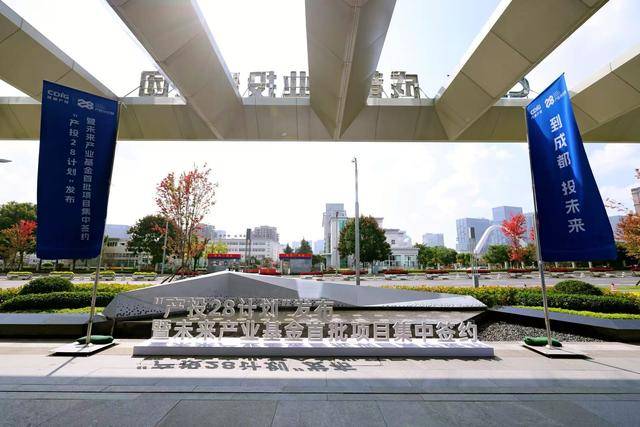
Core Insights - The 20th Central Committee of the Communist Party emphasizes the need to optimize traditional industries and cultivate emerging and future industries, with a focus on future industry development [1] - Chengdu has launched a billion-level future industry fund, with the first batch of projects signed totaling nearly 500 million yuan, covering key sectors such as artificial intelligence, semiconductors, and humanoid robots [1][3] Group 1: Future Industry Fund - The future industry venture capital fund, part of the billion-level future industry fund, officially started on October 17, with an initial scale exceeding 10 billion yuan [3] - The fund is managed by Chengdu Chuangtou Group, responsible for due diligence, investment decisions, and post-investment management, ensuring professional and market-oriented operations [3] Group 2: "Chengdu Investment 28 Plan" - The "Chengdu Investment 28 Plan" is designed to focus on future industries, aiming to cultivate a robust entrepreneurial ecosystem [5] - The plan encompasses a full lifecycle cultivation system from seed stage to IPO, utilizing a dual approach of direct investment and sub-funds to maximize investment opportunities [6] Group 3: Industry Ecosystem and Collaboration - The "Investment Chengdu" future industry investment alliance has been established to connect various resources, including government, research institutions, and financial capital, to enhance collaboration across the industry chain [7] - The next "Chengdu Investment 28 Plan" open day is scheduled for November 28, with project collection channels now open, encouraging entrepreneurs to participate [7]

“十五五”科技板块蓝图:加快高水平科技自立自强
Haitong Securities International· 2025-10-27 06:06
Investment Rating - The report emphasizes a long-term investment theme of "technological self-reliance" in China's tech industry, particularly in the context of AI-led transformation and ongoing US-China trade tensions [4]. Core Insights - The report outlines the strategic importance of enhancing technological self-reliance and achieving breakthroughs in key technologies during the "Fifteenth Five-Year Plan" period, which is expected to significantly improve the national innovation system and foster new productivity [3][4]. - It identifies four key areas for development: strengthening original innovation and key technology breakthroughs, deepening the integration of technological and industrial innovation, advancing education and talent development, and promoting digital integration [3][4]. - The report highlights the potential for creating trillion-level markets through the development of strategic emerging industries such as new energy, aerospace, and quantum technology, which could lead to substantial economic growth over the next decade [3][4]. Summary by Sections - **Investment Highlights**: The report stresses the importance of "technological self-reliance" as a central theme for China's tech industry, suggesting a focus on areas like information innovation, intelligent computing, AI applications, and industrial software [4]. - **Strategic Recommendations**: It recommends prioritizing investments in sectors such as AI, embodied intelligence, low-altitude economy, and smart driving, which are expected to drive significant growth [3][4]. - **Future Industry Layout**: The report discusses the forward-looking layout of future industries, including quantum technology and brain-machine interfaces, which are anticipated to become new economic growth points [3][4].
有色金属行业周报(2025.10.20-2025.10.26):宏观及政策预期向好,大宗普涨、铜价强势运行-20251027
Western Securities· 2025-10-27 05:58
Investment Rating - The report does not explicitly state an investment rating for the industry Core Insights - China's GDP grew by 5.2% year-on-year, with industrial value-added increasing by 6.2% [1][15] - The US core CPI rose by 0.2% month-on-month, leading to increased expectations for interest rate cuts by the Federal Reserve [2][17] - Copper prices are experiencing strong performance, nearing $11,000 per ton due to supply concerns and optimistic trade outlooks [3][20] - The Chinese Nonferrous Metals Industry Association emphasizes the need to prevent "involution" and ensure supply chain security [4][21] Summary by Sections Market Review - The Shanghai Composite Index rose by 2.88%, while the nonferrous metals sector increased by 1.13%, underperforming the index [9] Key Focus Areas & Metal Prices - Industrial metals are expected to see price increases, particularly copper, which is projected to continue rising due to supply disruptions [22] - LME copper price was $10,947 per ton, up 3.21% week-on-week, while SHFE copper price was 87,720 yuan per ton, up 3.95% [22][28] Strategic Metals - New policies on rare earth exports are expected to benefit the heavy rare earth sector in the short term [46] Company Recommendations - For industrial metals, companies like Zijin Mining, Luoyang Molybdenum, and Western Mining are recommended for investment [53] - In the strategic metals sector, companies such as Huayou Cobalt and Xiamen Tungsten are highlighted for potential growth [54]
“投资于人”是经济高质量发展的强支撑
Zheng Quan Ri Bao· 2025-10-26 16:20
Core Viewpoint - The Fourth Plenary Session of the 20th Central Committee of the Communist Party of China emphasizes the importance of expanding domestic demand as a strategic foundation, integrating investment in material resources and human capital to stimulate economic growth and enhance the internal circulation of the economy [1][2]. Group 1: Investment in Material and Human Capital - Investment in material resources directly enhances production conditions and efficiency, while investment in human capital focuses on optimizing resource allocation to transform human resources into sustainable value [1]. - The integration of investment in material and human capital is crucial for aligning the service efficiency of material resources with the developmental needs of individuals, thereby releasing significant economic potential [1][2]. Group 2: High-Quality Development - The shift from high-speed growth to high-quality development necessitates a focus on human capital development and welfare enhancement as sustainable drivers of economic growth [2]. - The traditional resource-driven development model is no longer viable, and innovation, primarily driven by talent, must take precedence [2]. Group 3: Addressing Consumer Demand - As the world's second-largest economy, China has both the space and potential to expand domestic demand, but it faces challenges in ensuring consumers have the financial means to spend [3]. - The combination of investment in material and human capital can create numerous job opportunities and enhance the employment capabilities of workers, thereby increasing household income and consumption capacity [3]. Group 4: Promoting Technological Innovation - The integration of investments will encourage stakeholders to increase capital investments in strategic emerging industries and future sectors, promoting R&D and technological breakthroughs [3]. - This approach aims to expand the effective labor force and unlock new demographic dividends, contributing to a virtuous cycle of economic development and improved living standards [3].
国家发展改革委:抓好“十五五”时期经济社会发展重大战略任务的落实
Zheng Quan Ri Bao· 2025-10-26 16:13
Group 1 - The National Development and Reform Commission (NDRC) emphasizes the importance of implementing major strategic tasks for economic and social development during the 14th Five-Year Plan period, focusing on building a modern industrial system and promoting high-level technological self-reliance [1] - The NDRC aims to take immediate action on key tasks, ensuring that the strategic deployments of the Central Committee are translated into actions and results [1] - The goal of becoming a technological powerhouse by 2035 has been highlighted, with a focus on accelerating high-level technological self-reliance as a national strategy [1] Group 2 - In 2024, the value added by the "three new" economies is expected to exceed 18% of GDP, indicating significant growth in emerging industries [2] - The 15th Five-Year Plan suggests the development of strategic emerging industries such as new energy, new materials, and aerospace, which could create several trillion-level markets [2] - The plan also emphasizes the need to lay out future industries, including quantum technology and hydrogen energy, which are anticipated to become new economic growth points [2] Group 3 - The goal of significantly improving technological self-reliance during the 14th Five-Year Plan period includes rapid breakthroughs in key core technologies and deep integration of technological and industrial innovation [3] - The next decade aims to recreate a high-tech industry in China, positioning emerging and future industries as core engines for the next growth cycle [3] - The future five years are expected to see a qualitative leap in technological strength, supported by robust policy guidance and research investment, enhancing China's international competitiveness [3]
多部门详解“十五五”规划建议,国资将向新兴产业集中
Di Yi Cai Jing· 2025-10-26 13:30
Core Viewpoint - The article emphasizes the importance of building a modern industrial system and strengthening the foundation of the real economy as a primary task in China's 14th Five-Year Plan, with a focus on high-quality development and innovation-driven growth [2][3]. Group 1: Modern Industrial System - The construction of a modern industrial system is prioritized in the 14th Five-Year Plan, with a focus on solidifying and expanding the real economy [2][3]. - Key tasks include upgrading traditional industries, fostering new and future industries, and enhancing the quality and efficiency of the manufacturing sector [3][5]. - The manufacturing sector is projected to contribute significantly to global manufacturing growth, with an expected increase in value added from 26.6 trillion yuan to 33.6 trillion yuan during the 14th Five-Year Plan [4]. Group 2: Traditional Industries - Traditional industries account for approximately 80% of the manufacturing sector's value added, serving as the foundation of China's industrial system [5]. - The government aims to enhance the competitiveness of key traditional industries such as chemicals, machinery, and shipbuilding, with an estimated market space increase of around 10 trillion yuan over the next five years [5]. Group 3: Emerging Industries - The plan includes the development of strategic emerging industries such as new energy, new materials, and aerospace, which are expected to create several trillion-yuan markets [7]. - The focus on innovation and reform is crucial for the growth of emerging industries, which currently represent only about 13.4% of GDP compared to traditional industries [8]. Group 4: State-Owned Enterprises - Central enterprises have invested approximately 8.6 trillion yuan in strategic emerging industries since the beginning of the 14th Five-Year Plan, with a projected revenue of over 11 trillion yuan in 2024 [9]. - The government encourages state-owned enterprises to concentrate capital in emerging industries to enhance competitiveness and ensure strategic security in critical areas [10][11].
A股策略周报:关注“十五五”产业指引和三季报景气信号-20251026
Ping An Securities· 2025-10-26 11:23
Core Viewpoints - The A-share market experienced a rebound, with the technology sector regaining momentum, driven by improved risk appetite due to easing geopolitical tensions and favorable U.S. inflation data [2][16] - The "14th Five-Year Plan" development goals were clarified during the Fourth Plenary Session, emphasizing technological self-reliance and the cultivation of emerging industries [2][6] - The report suggests focusing on three main investment themes: technology growth sectors, industries benefiting from policy support, and consumer sectors with low valuations [2][16] Recent Economic Data - The GDP growth rate for Q3 was reported at 4.8%, a decrease from 5.4% in Q1 and 5.2% in Q2, indicating a marginal slowdown in economic growth [3][4] - Industrial production showed a year-on-year increase of 6.5% in September, with high-tech industries growing at 10.3% [3][4] - Retail sales growth slowed to 3.0% in September, reflecting the diminishing effects of the "trade-in" policy [3][4] Policy Tracking - The Fourth Plenary Session outlined major goals for the "14th Five-Year Plan," including significant improvements in high-quality development and technological self-reliance [6][7] - The session emphasized the importance of addressing rural issues and promoting urban-rural integration, with an estimated market space of around 10 trillion yuan over the next five years [6][7] - Financial policies will focus on maintaining stability in capital markets and enhancing the resilience of the financial system [6][7] Market Performance - The A-share market saw significant gains, with the Shanghai Composite Index rising by 2.9% and the ChiNext Index increasing by 8.0% [2][16] - Among 31 sectors, 28 reported positive returns, with telecommunications, electronics, and power equipment sectors leading the gains [2][16] - The average daily trading volume in the A-share market decreased to 1.8 trillion yuan, a drop of 18.04% from the previous week [2][16] Investment Recommendations - The report recommends focusing on sectors that are expected to benefit from both domestic and external demand, particularly in technology and traditional cyclical industries [2][16] - It also highlights the potential for improvement in sectors driven by policy support and those currently undervalued in the consumer space [2][16] - The report notes the importance of monitoring the upcoming "14th Five-Year Plan" guidelines and quarterly earnings reports for further investment insights [20]
“十五五”字里行间藏着发展机会 看懂就能搭上政策“顺风车”!
Yang Shi Wang· 2025-10-26 03:58
Group 1 - The primary goal of the "15th Five-Year Plan" is to achieve significant results in high-quality development, which is aligned with the modernization of China [5][7] - The plan emphasizes the importance of maintaining a reasonable proportion of the manufacturing industry and building a modern industrial system centered on advanced manufacturing [10][12] - The focus is on economic construction, with key areas including strengthening the domestic market, accelerating agricultural modernization, and enhancing the quality of life [13][15] Group 2 - The plan outlines a significant market opportunity in advanced manufacturing, estimating a potential market scale of 10 trillion yuan over the next five years [20] - There is a growing demand for skilled professionals across various sectors, from upstream components to downstream services, creating numerous job opportunities [21] - Strategic emerging industries such as new energy, new materials, and aerospace are expected to generate trillion-level markets, with additional opportunities in quantum technology and biomanufacturing [23] Group 3 - The health and welfare sectors are highlighted as areas of growth, with an expected increase in life expectancy to 80 years, leading to a substantial market for elderly care services [27] - The service industry is set to expand and improve, integrating with manufacturing and agriculture, thus creating new opportunities for traditional service providers [25][29] - Overall, the economic landscape presents various entry points for individuals and businesses to align with national policies and capitalize on emerging trends [29]
聚焦产融协同,2025金融街论坛年会投融资对接专场即将启幕!
Sou Hu Cai Jing· 2025-10-26 03:47
Core Insights - The event "产融共生向新而行" will take place from October 28 to 30, 2025, focusing on the integration of innovation chains, industry chains, and capital chains to promote high-quality financial development and support technological self-reliance [2] - The event aims to build a bridge for cooperation between innovative enterprises and financial institutions, specifically targeting the construction of the Beijing Stock Exchange ecosystem and serving specialized, sophisticated, and innovative small and medium-sized enterprises (SMEs) [2] Summary by Sections Event Overview - The event is a key part of the Financial Street Forum Annual Meeting, featuring three main components: thematic activities, exhibitions, and industry-finance matchmaking [2] - It will focus on four cutting-edge sectors: artificial intelligence, digital transformation, green energy, and future industries, selecting high-growth and core innovative SMEs for roadshows [2] Roadshow Details - Roadshows will be conducted in specialized sessions by field, providing a platform for enterprises to showcase their core strengths and commercial value directly to leading investment institutions [2] Additional Activities - The event will include authoritative releases, policy interpretations, and keynote speeches, inviting industry leaders and policy experts to share insights, helping enterprises align with policy directions and enabling investors to identify quality opportunities [2] Strategic Importance - This gathering of industrial strength and financial resources is seen as a critical opportunity to help SMEs overcome growth bottlenecks and achieve deep integration of industry and finance [2]

中央定调六大未来产业,这些城市已抢先布局
第一财经· 2025-10-26 02:45
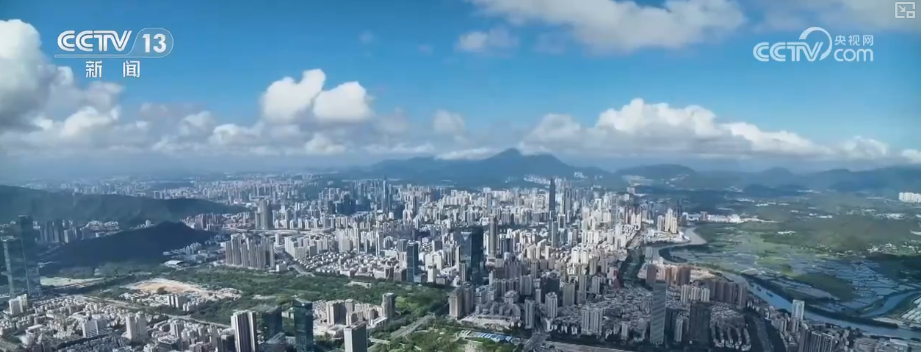
Core Viewpoint - The article emphasizes the importance of emerging industries such as quantum technology, biomanufacturing, hydrogen energy, nuclear fusion energy, brain-computer interfaces, and embodied intelligence as new economic growth points in China's future development strategy [3][4]. Quantum Technology - Quantum technology is identified as a core area of the new technological revolution, with Hefei, Beijing, and Shanghai forming the "first tier" in terms of enterprise and patent applications [6][7]. - Hefei leads the domestic quantum industry, ranking second globally after San Francisco, with 93 quantum enterprises and over 2000 related patents [7]. - Beijing focuses on foundational technology breakthroughs, leveraging its dense research resources, and aims to build a trillion-yuan industry cluster by 2030 [7][8]. - Shanghai is concentrating on neutral atom quantum computing and has established key laboratories to drive innovation [8]. Biomanufacturing - Shanghai, Beijing, Shenzhen, and Tianjin are the top four cities in biomanufacturing competitiveness, with Shanghai's industry scale expected to exceed 1 trillion yuan by 2025 [10][11]. - Shenzhen has established a national biomanufacturing innovation center and is a hub for new enterprises in synthetic biology [11]. - Tianjin is leveraging its chemical industry base to develop biomanufacturing projects, attracting multinational companies [11]. Hydrogen and Nuclear Fusion Energy - Hydrogen and nuclear fusion energy are highlighted as clean energy "dual engines," with Beijing and Shanghai leading in technology and infrastructure development [12][13]. - Beijing plans to have 1,200 hydrogen fuel cell buses and 35 hydrogen stations by 2025, while Shanghai aims for its hydrogen industry to reach international leading levels by 2035 [13]. - Hefei is making significant advancements in nuclear fusion technology, participating in key international projects [14]. Brain-Computer Interfaces - The brain-computer interface (BCI) market in China is projected to grow from 3.2 billion yuan in 2024 to 5.58 billion yuan by 2027, with Shanghai, Beijing, and Shenzhen as the leading cities [15][16]. - Shanghai is developing a comprehensive BCI ecosystem and has launched the first BCI industrial cluster [16]. - Beijing is focusing on non-invasive BCI technologies, while Shenzhen is applying BCI in various fields, including education and gaming [17]. Embodied Intelligence - Embodied intelligence, represented by humanoid robots, sees Beijing, Shenzhen, Shanghai, and Hangzhou as the leading cities in technology and industry [18][19]. - Beijing aims to achieve significant technological breakthroughs and establish a robust industrial cluster by 2027 [19]. - Shenzhen is the manufacturing hub for humanoid robots, with a goal to support over 1,200 related enterprises by 2027 [19][20]. - Shanghai is working on a complete ecosystem for robotics, targeting a core industry scale of over 50 billion yuan by 2027 [20]. 6G Technology - 6G technology is being developed with Beijing as a core hub for standard-setting and innovation, aiming to create a testing environment by 2026 [21][22]. - Shenzhen is integrating 6G with AI and plans to establish a low-altitude economy demonstration zone [21][22]. - Nanjing is focusing on terahertz communication breakthroughs and aims for a 300 billion yuan industry value within five years [22][23].