
消费升级

Search documents
从生活用纸看促消费与反浪费
Ren Min Wang· 2025-12-19 04:15
Core Viewpoint - The article discusses the relationship between the upgrade of paper product consumption and the opposition to waste, emphasizing that consumption upgrades do not necessarily lead to increased waste but can enhance quality and efficiency in usage [1][3]. Group 1: Consumption Upgrade - The shift from "just enough" to "specific use" in paper products reflects an improvement in living standards and consumption upgrades, which focus on quality rather than quantity [1][2]. - Higher quality paper products, such as kitchen paper and cream paper, reduce the amount used while improving user experience, demonstrating that consumption upgrades can lead to resource savings and reduced waste [1][3]. Group 2: Supply and Demand Adaptation - Achieving a precise match between supply and demand is crucial for unifying consumption upgrades with waste reduction, as seen in products designed for specific scenarios [2][5]. - The introduction of high-quality, specialized paper products can enhance their utility and effectiveness, thereby minimizing unnecessary consumption [3][4]. Group 3: Trends in Paper Consumption - The current trends in paper consumption include scenario refinement, prioritization of quality, and increased emphasis on green and eco-friendly products, such as biodegradable paper [4][5]. - The popularity of bamboo pulp paper illustrates how environmentally friendly products can attract consumers while also reducing waste and promoting sustainable practices [4][5].
二〇二六年 “国补”将继续
Ren Min Ri Bao Hai Wai Ban· 2025-12-19 01:40
Core Viewpoint - The continuation of the "national subsidy" policy for large-scale equipment updates and consumer goods trade-in programs is confirmed for 2026, aimed at stimulating consumption and investment growth in the economy [2][3]. Group 1: Policy Implementation - The central economic work conference emphasized the optimization of the "two new" policies, which include large-scale equipment updates and consumer goods trade-in programs [2][5]. - The Ministry of Finance plans to utilize various government bond funds and issue ultra-long-term special bonds to support these initiatives [2][3]. - The scale of funding for the "two new" policies will increase to 500 billion yuan in 2025, with 300 billion yuan allocated for consumer goods trade-in, marking a 150 billion yuan increase from the previous year [3]. Group 2: Economic Impact - The "two new" policies have significantly contributed to consumption, investment, and economic stability, promoting high-quality development [3][4]. - In the first three quarters, investment in equipment and tools increased by 14% year-on-year, contributing 2 percentage points to overall investment growth [4]. - The consumer goods trade-in program has driven sales exceeding 2.5 trillion yuan, benefiting over 360 million people, with notable increases in the trade-in of automobiles and home appliances [6]. Group 3: Future Directions - The "national subsidy" policy will continue to evolve, with new categories of products added to the trade-in program, including digital devices and various home appliances [8]. - The implementation of personal consumption loans and service industry loans will be supported to enhance consumer demand and service supply [8]. - Future optimization of the "two new" policies may include expanding subsidies to the service consumption sector to further stimulate economic growth [8].
做优进博“金融服务引擎”,中国银行上海市分行护航进博优品交易会
第一财经网· 2025-12-19 01:09
Group 1 - The 2025 Import Expo Quality Products Trade Fair has opened at the National Exhibition and Convention Center (Shanghai), with the Bank of China deeply involved in this event, referred to as "Mini Import Expo," injecting financial momentum to help quality products reach households [1] - The Bank of China has leveraged its eight years of experience in supporting over a hundred overseas exhibition activities, forming two major exhibition groups: the "Bank of China Consumer Goods Exhibition Group" and the "Bank of China Automotive Exhibition Group" [2] - The Bank of China Shanghai Branch has created a 500 square meter quality lifestyle consumer goods exhibition area featuring ten well-known consumer brands, offering a one-stop quality lifestyle experience that includes smart home appliances, trendy clothing, and gourmet food [2] Group 2 - The Import Expo Quality Products Trade Fair showcases global premium goods, new product launches, and intangible cultural heritage brands, with the Bank of China actively connecting with exhibitors as a purchaser, enhancing the concept of bringing "Import Expo quality products into thousands of households" [3] - The Bank of China provides comprehensive financial services for the fair, including a dedicated payment service called "Bank of China Smart Payment," integrating various payment methods and ensuring quick fund turnover for merchants [4] - The Bank of China is committed to enhancing the consumer experience through promotional activities, such as discounts for credit and debit card payments and digital currency consumption red envelopes, aiming to create a vibrant marketplace [4]

“小进博”明日启幕 6万平方米展馆呈上环球消费新场景
Sou Hu Cai Jing· 2025-12-18 15:32
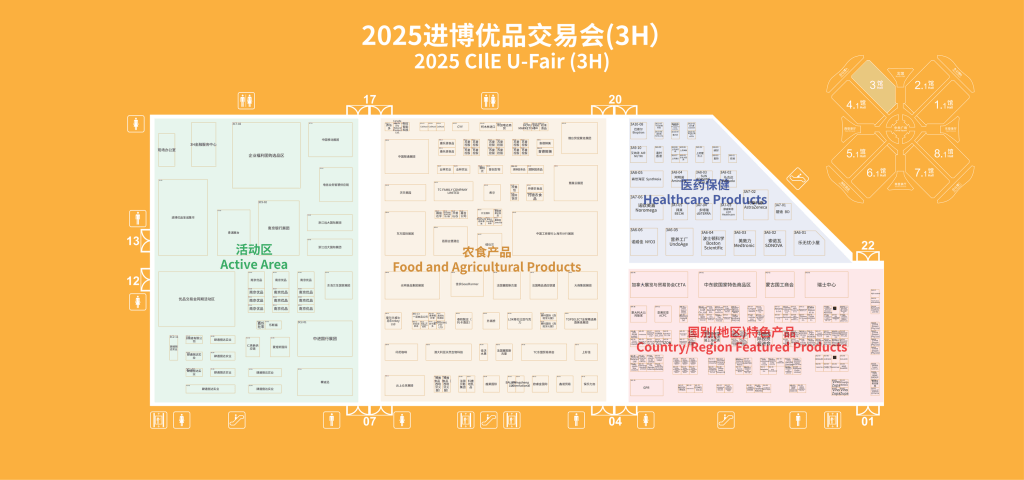
Core Viewpoint - The 2025 Import Expo Quality Goods Trade Fair ("Small Import Expo") will debut from December 19 to 21 at the National Exhibition and Convention Center in Shanghai, serving as a consumer-oriented extension of the China International Import Expo, aiming to enhance import expansion and consumer upgrade [1] Group 1: Event Overview - The exhibition area for this year's "Small Import Expo" is 60,000 square meters, expecting around 3,000 buyers and over 80,000 professional visitors and individual consumers [1] - Unlike previous expos that focused on B2B trade, this event targets the consumer end with a "retail-first, ordering-second" model, allowing for immediate purchases and online ordering for home delivery [1] Group 2: Exhibition Layout - The exhibition is divided into two main areas: Hall 3H focuses on agricultural food products and healthcare, while Hall 4.1H centers on consumer goods and automobiles [5] - Hall 3H features a medical science popularization area and showcases products from countries like Canada, Australia, and Italy, while Hall 4.1H includes a 5,000 square meter area for automobiles and a section for traditional crafts and quality domestic products [5] Group 3: Innovation and Experience - A special "New Product Launch Area" will present high-quality goods debuting at the expo, highlighting trends in global industry innovation and lifestyle aesthetics [6] - The event will include interactive activities such as tasting stations for global cuisine, beauty workshops, and cultural performances, enhancing visitor engagement and showcasing cutting-edge industry elements like low-altitude economy [6]

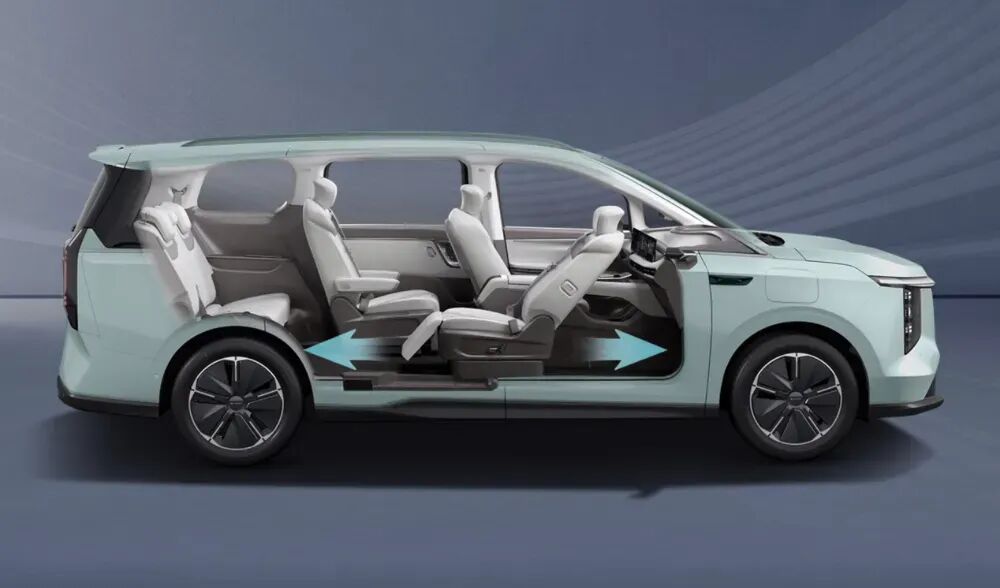
中国燃油车30年没搞定MPV,这次看新能源了
3 6 Ke· 2025-12-18 07:45
Core Insights - The new energy vehicle (NEV) sector has captured nearly half of the Chinese automotive market this year, posing a significant threat to established giants like Germany's BBA and Japan's Toyota [1] - The MPV (Multi-Purpose Vehicle) segment has seen intense competition, with a notable decline in overall market share, while high-end NEV MPVs are rapidly gaining traction [5][7] Market Overview - In 2016, the Chinese MPV market reached a peak with annual sales of 2.55 million units, holding a market share of 10.5%. However, sales have declined for four consecutive years, dropping to 960,000 units and a market share of 4.1% by 2022 [3] - In 2023, MPV sales slightly rebounded to 1.093 million units, but are projected to fall again to 952,000 units in 2024, lower than 2022 levels [3][4] High-End MPV Market - Despite the overall decline in the MPV market, the high-end segment is expanding rapidly, with models like the Denza D9, Lantu Dreamer, and Wey Mountain quickly capturing market share [5][7] - The high-end MPV market is characterized by luxury features and a focus on quality travel experiences, which contrasts with the declining demand for lower-end models [7] Consumer Behavior and Market Dynamics - The perception of MPVs as symbols of wealth and power persists, particularly in the business context, where models like the Toyota Alphard and Buick GL8 serve as status symbols [10][12] - The Chinese MPV market has been influenced by historical factors, including the one-child policy, which has limited the demand for larger family vehicles compared to other markets [18][19] Future Outlook - The MPV segment in China is at a crossroads, requiring manufacturers to innovate and adapt to changing consumer preferences, particularly in the context of family-oriented features and personal space [28][29] - The demand for MPVs in regions like Hong Kong and Southeast Asia remains strong, highlighting the need for a tailored approach to meet diverse market needs [24][27]
资本赋能生态饮品,共启品质饮水新篇——财帮基金联合并购基金战略注资天竺山泉
Zhi Tong Cai Jing· 2025-12-18 07:09
Group 1 - Financial institution Caibang Fund and a specialized M&A fund have announced a strategic investment in Tianzhushan Spring, focusing on capacity upgrade, channel expansion, and brand enhancement [1][2] - The investment reflects strong market confidence in high-quality companies within the natural drinking water sector and aims to support Tianzhushan Spring's growth in the high-end ecological beverage market [1][2] - Tianzhushan Spring has established a solid market foundation and user reputation due to its premium water source and strict production standards, necessitating capital and resource support for scaling production and optimizing the supply chain [1][2][5] Group 2 - Caibang Fund specializes in consumer upgrades and technology innovation, managing over 10 billion yuan, and focuses on value investment and empowering growth for quality enterprises [3] - The M&A fund targets investment opportunities in consumer upgrades and industry integration, particularly in high-growth sectors like food and beverage, leveraging industry resources and expertise [4] - Tianzhushan Spring has been dedicated to the natural drinking water sector, with products including natural mineral water and spring water, adhering to principles of direct sourcing and ecological bottling [5]
车票手慢无!这个元旦有些忙→
Jin Rong Shi Bao· 2025-12-18 06:54
Group 1: Travel and Ticket Sales - The sale of train tickets for the New Year's holiday began on December 17, with tickets for popular routes selling out rapidly, indicating strong consumer demand for travel during the holiday season [1] - Data from Tongcheng Travel shows a 303% increase in search interest for train and flight tickets compared to the same period last year, driven by the extended holiday in 2026 [4] - The most popular departure cities for the New Year's holiday include Beijing, Shanghai, Chengdu, and Guangzhou, with short-distance travel being particularly favored [4][5] Group 2: Food and Dining - Various regions are preparing festive meals that blend traditional flavors with modern twists, enhancing the holiday dining experience [2] - The Chinese Culinary Association has called for restaurants and delivery platforms to ensure food safety and fair pricing during the holiday season [3] - In Beijing, special dining initiatives will be launched, including traditional restaurants offering New Year's packages and food parties in popular dining districts [2] Group 3: Accommodation Trends - There is a notable shift towards booking unique accommodations like villas and homestays, particularly among younger consumers, with a 140% increase in villa bookings during the New Year's holiday [6] - The popularity of homestays is driven by their personalized experiences and social atmosphere, making them a preferred choice for young travelers [6][7] - The rise of "Instagrammable" homestays, such as those in Xinjiang, reflects a growing trend where the experience of staying is as important as the accommodation itself [7] Group 4: Overall Market Dynamics - The New Year's holiday consumption landscape showcases a blend of traditional festive elements and modern consumer preferences, indicating a trend towards consumption upgrades [7] - A well-regulated market environment and innovative product offerings are expected to enhance the vibrancy of the holiday consumption market [7]
新消费派 | 从“物质型”转向“服务型”“体验型” 投资机构掘金消费“焕新”
Xin Hua Cai Jing· 2025-12-18 05:34
Group 1 - The core viewpoint of the news is that the 2025 Central Economic Work Conference emphasizes the importance of domestic demand and consumer spending as a key strategy for economic growth, with a focus on enhancing consumption through various policy measures [1][2] - The conference outlines eight key tasks for 2026, prioritizing the implementation of actions to boost consumption, expand the supply of quality goods and services, and optimize the implementation of new policies [1][2] - The government is actively promoting a series of consumption-boosting policies, with a recent joint notice from the Ministry of Commerce, the People's Bank of China, and financial regulators detailing 11 policy measures across various consumption sectors [2] Group 2 - The consumption market in China is rapidly transitioning from material-based consumption to service and experience-oriented consumption, with service retail sales growing by 5.4% year-on-year from January to November, outpacing goods retail sales [3] - The rise of the silver economy is highlighted, with 15.6% of the population aged 65 and above, creating significant market demand, particularly in the healthcare and elderly care sectors [4] - The integration of industries, such as the ice and snow economy, is providing new pathways for expanding consumption scenarios, with the ice and snow industry reaching a scale of over 1 trillion yuan [4][5] Group 3 - The growth of new consumption scenarios is clarifying pathways for high-quality development in the consumption industry, with optimistic expectations for the market in 2026 driven by policies aimed at increasing residents' income and stabilizing employment [7] - Institutions expect that the continuation of subsidy policies for upgrading old products will stimulate demand in various sectors, including real estate, automotive, and key service areas [7] - Experts emphasize the need for ongoing efforts to improve supply quality, enhance digital transformation, and foster deep industry integration to fully unleash consumption potential [8]
「二次创业」大戏拉开帷幕
3 6 Ke· 2025-12-18 03:31
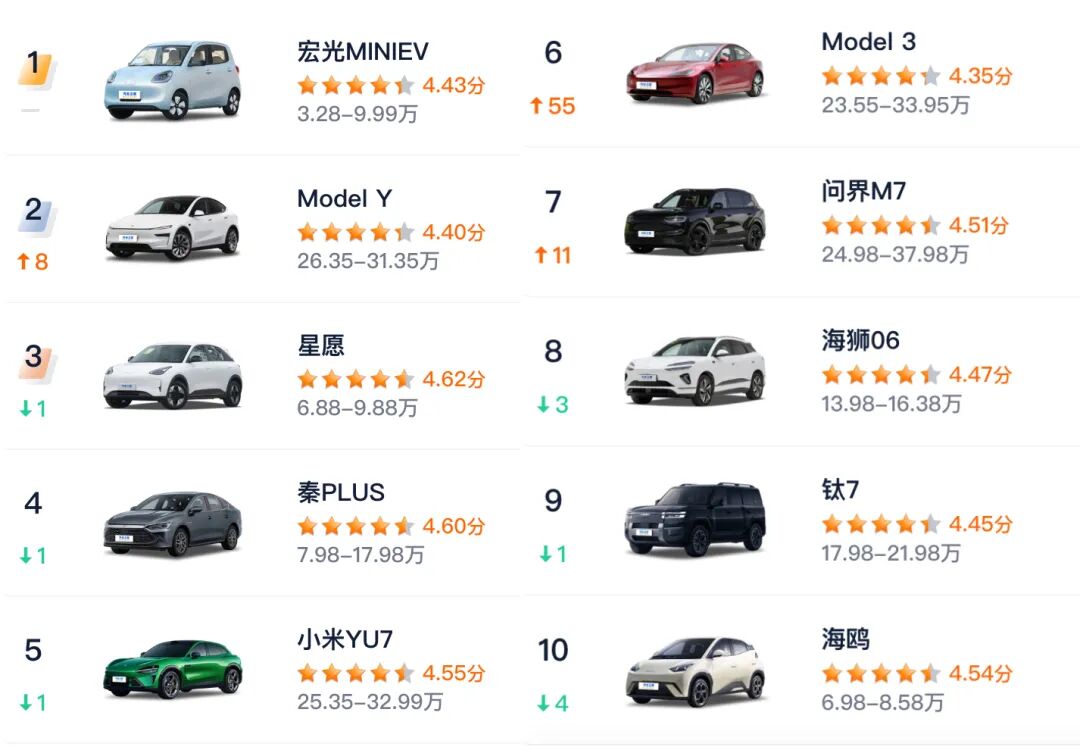
Core Insights - The rapid growth of the new energy vehicle market in China has led to a significant division in the automotive market, with distinct trends emerging in the price segments below and above 200,000 yuan [1][2][5] Market Trends - In November, vehicles priced above 200,000 yuan occupied four spots in the sales rankings, with the Model Y selling over 47,000 units and the AITO M7 selling over 25,000 units [1] - Conversely, vehicles priced below 100,000 yuan also claimed four spots, with the Hongguang MINIEV selling over 56,000 units and the BYD Seagull selling over 21,000 units [2] - The market has bifurcated into segments below 100,000 yuan and above 200,000 yuan, leaving the 100,000-200,000 yuan segment relatively quiet [2][5] Sales Performance - The top-selling models in the overall automotive market for November included the Hongguang MINIEV, Model Y, and others, with significant sales figures indicating a preference for lower-priced vehicles [4] - The sales figures for electric vehicles showed a notable increase, with pure electric vehicles selling 7,155 units and plug-in hybrids 28,213 units [4] Consumer Behavior - The shift in consumer behavior reflects a change from purchasing vehicles out of necessity to buying based on emotional appeal, particularly in the above 200,000 yuan market [7] - The lower-priced market is seeing a mix of consumption downgrade and upgrade, with traditional brands like Geely and BYD dominating this segment, while new entrants struggle to penetrate [7][8] Competitive Landscape - New energy vehicle brands such as Xiaomi and Hongmeng Zhixing are gaining traction, with Xiaomi achieving over 40,000 units sold in November, marking its entry into the top three for the first time [9][10] - Traditional automakers are facing challenges in the above 200,000 yuan market, where they need to enhance their overall offerings to regain competitive advantage [19][20] Industry Evolution - The automotive industry is undergoing a "second entrepreneurship," with traditional manufacturers transitioning from fuel vehicles to smart new energy vehicles, while new entrants are establishing themselves in the market [20]





声音经济奏响“新乐章”
Jing Ji Ri Bao· 2025-12-18 00:08
Group 1 - The core viewpoint of the articles highlights the rise of the "audio economy," driven by consumer demand for professional sound quality, cultural depth, and emotional experiences, leading to significant growth in related product sales [1][2] - There is a notable increase in demand for professional audio equipment, with external sound cards for recording and live streaming seeing a year-on-year sales increase of 285%, reflecting a trend towards high-quality audio experiences among consumers [1] - The resurgence of cultural consumption is evident, with sales of vinyl record players and records experiencing multiple-fold growth, particularly among younger consumers who value the tactile and collectible aspects of physical media [1] Group 2 - The willingness to pay for emotional experiences and self-satisfaction is increasing, with rapid growth in music album sales in provinces like Zhejiang, Yunnan, and Fujian, indicating a nationwide demand for high-quality spiritual and cultural consumption [2] - The characteristics of the audio economy reflect a typical path of current consumption upgrades, shifting from ownership of goods to enjoyment of experiences, from standardization to individual expression, and from functional satisfaction to spiritual nourishment [2] - Companies are encouraged to pay attention to new demands driven by technology, culture, and emotions to seize growth opportunities presented by the audio economy [2]