
保供稳价

Search documents
再谈钾肥预期差
2025-07-19 14:02
Summary of Conference Call on Potash Market Industry Overview - The potash market is experiencing upward price trends due to domestic production declines and maintenance impacts, despite government policies aimed at stabilizing supply and prices [2][4] - The global potash market is dominated by a few major suppliers, with stable overseas supply and high pricing central tendency, limiting downward pressure in the short term [2][6] - Domestic potash supply is heavily reliant on imports, with approximately 60% dependence, indicating weaker domestic supply stability compared to nitrogen and phosphorus [2][7] Key Points and Arguments - **Price Trends**: Since June 2023, potash prices have rebounded after an initial decline, primarily due to reduced domestic production and maintenance activities leading to supply shortages [4][5] - **Government Policies**: The government's supply stabilization policies have significantly impacted the potash market by accelerating production post-maintenance and encouraging major traders to stabilize prices [5][9] - **Global Supply Dynamics**: Major global suppliers include Russia, Belarus, Canada, and China, with a stable supply situation since Q4 2022. New supply from Southeast Asia and Canada is expected but will take time to materialize [6][8] - **Future Supply Outlook**: New supply from Southeast Asia and Canada is anticipated over the next two years, but the release cycle is long, limiting immediate market impact [8][9] - **Price Pressure**: The price pressure in the potash market is expected to remain manageable, with global pricing conditions favorable and no significant downward trends anticipated [9][10] Additional Important Insights - **Domestic Supply Challenges**: Domestic potash supply has decreased by approximately 500,000 tons this year, with port inventories at low levels, restricting the ability to smooth market supply through inventory [10][11] - **Performance of Major Suppliers**: Salt Lake Co., a key domestic supplier, is expected to increase supply post-maintenance, while other suppliers like Yamei and Dongfang Tieta are showing stable performance and cost control, indicating a positive outlook for the potash industry [3][12][13] - **Market Demand**: The demand for potash remains strong, particularly for autumn fertilization, supported by the essential role of potash in fruit growth and yield enhancement [5][11]


云天化: 云天化关于2024年度暨2025年第一季度业绩说明会召开情况的公告
Zheng Quan Zhi Xing· 2025-05-22 10:21
Core Viewpoint - The company held a performance briefing for the fiscal year 2024 and the first quarter of 2025, discussing operational results and financial metrics with investors, while addressing key concerns regarding fertilizer export policies, resource supply, and market conditions [1][2]. Group 1: Fertilizer Export Policies and Market Conditions - The company actively supports national fertilizer supply and price stabilization policies, ensuring domestic demand is met while maintaining stable phosphate prices, with over 2.3 million tons of diammonium phosphate supplied domestically for the winter-spring season, accounting for approximately 30% of domestic agricultural needs [2][3]. - The international phosphate market remains favorable, with higher prices compared to domestic levels, and the company is balancing domestic and international market demands to enhance overall profitability [2][3]. Group 2: Phosphate Resource Supply and Production Capacity - The company has sufficient phosphate mining resources to meet its production needs, reducing external sales while investing in flotation processing technology to enhance resource utilization [3][4]. - New projects, including a 2 million tons/year mining project and a 4.5 million tons/year flotation project, are underway to strengthen the phosphate supply chain and improve production efficiency [3][4]. Group 3: Sulfur Price Impact and Response - Sulfur prices have significantly increased compared to the previous year, impacting production costs for phosphate fertilizers; however, the company has implemented strategic inventory management and long-term contracts to mitigate these effects [5][6]. - The company maintains a competitive advantage in sulfur procurement, with current inventory costs significantly lower than market prices [5][6]. Group 4: Financial Structure and Performance - The company has optimized its financial structure, reducing interest-bearing liabilities to approximately 16 billion yuan, a decrease of over 3.8 billion yuan from the beginning of the year, with an asset-liability ratio of 52.26% [10]. - The projected revenue for 2025 is expected to decline compared to 2024 due to a strategic reduction in soybean trading activities, aimed at improving overall financial metrics [10]. Group 5: Dividend Policy and Market Value Management - The company has committed to a cash dividend ratio of no less than 45% of net profit for the years 2024 to 2026, with a proposed dividend of 1.4 yuan per share for 2024, totaling 2.552 billion yuan [10]. - A new market value management system has been established, incorporating market performance into managerial evaluations to enhance investor communication and maintain high dividend levels [11]. Group 6: Product Sales and Future Growth - In the first quarter, the company reported significant sales growth across its main products, with ammonium phosphate up 7.6%, compound fertilizers up 23.8%, and urea up 22.9%, attributed to effective market management and production strategies [12][14]. - Future growth will be driven by maintaining high production efficiency, optimizing procurement, and expanding into high-value fertilizers and fine phosphate chemicals [14][16]. Group 7: Industry Outlook - The phosphate fertilizer market is expected to remain in a tight balance, with increasing demand driven by global population growth and domestic food security strategies [16]. - The industry is characterized by limited new capacity additions and stringent environmental regulations, which are likely to sustain high market prices and profitability for established producers [16].

日度策略参考-20250515
Guo Mao Qi Huo· 2025-05-15 06:48
1. Report Industry Investment Ratings - **Bullish**: Alumina, Aluminium, Tin, PTA, Short - fiber [1] - **Bearish**: Zinc, Manganese Ore, Coke, Coking Coal, Natural Rubber Latex From New Zealand, Crude Oil [1] - **Oscillating**: Equity Index, Gold, Copper, Nickel, Stainless Steel, Silicon Iron, Rebar, Hot - Rolled Coil, Iron Ore, Printing, Soda Ash, Palm Oil, Soybean Oil, Cotton, Bean Meal, Pulp, Fuel Oil, Bitumen, BR Rubber, Methanol, PE, PP, PVC, Caustic Soda [1] 2. Core Views of the Report - The results of the Sino - US trade talks exceeded market expectations, which improved market risk appetite and had a positive impact on multiple varieties, but short - term operations still need to be cautious [1]. - The weak economy and asset shortage are beneficial to bond futures, but the central bank's short - term interest rate risk warning restricts the upward space [1]. - The long - term upward logic of gold remains unchanged, while silver may be more resilient in the short term due to potential tariff impacts [1]. 3. Summary by Industry Macro - finance - **Equity Index**: Yesterday, large - cap stocks led the rise. Observe whether small and medium - cap stocks can achieve resonance and make up for the rise. In a structural market, long - position investors should be cautious [1]. - **Treasury Bonds**: Asset shortage and weak economy are beneficial to bond futures, but the central bank's short - term interest rate risk warning restricts the upward space [1]. - **Gold**: The short - term gold price may enter a consolidation phase, but the long - term upward logic remains unchanged [1]. - **Silver**: Generally follows gold. Unexpected tariff results will benefit the commodity attribute of silver, so the short - term silver price may be more resilient than gold [1]. Non - ferrous Metals - **Copper**: The joint statement of the Sino - US trade negotiations exceeded market expectations, which is positive for copper prices. However, the copper price has rebounded significantly recently, so be cautious about chasing high in the short term [1]. - **Aluminium and Alumina**: Aluminium prices continue to rebound. Alumina supply has increased, the supply - demand pattern has improved, and the short - term price may further rebound [1]. - **Zinc**: Terminal demand has weakened significantly in the off - season, and the inflow of imported goods has weakened the fundamentals. Pay attention to short - selling opportunities [1]. - **Nickel and Stainless Steel**: The US inflation cooled more than expected, and the Sino - US talks results exceeded expectations. The Indonesian resource tax policy has been implemented, and there are rumors of a mining ban in the Philippines. Nickel prices will oscillate in the short term, and there is still pressure from long - term excess of primary nickel. Stainless steel futures will oscillate and rebound in the short term, but there is still supply pressure in the long term [1]. - **Tin**: With the improvement of macro - sentiment, tin prices are expected to rebound. Continuously pay attention to the resumption of production in low - grade mines [1]. - **Industrial Silicon**: Supply is strengthening, demand is weakening, it has entered a low - valuation range, and the demand and inventory pressure have not been alleviated [1]. - **Polycrystalline Silicon**: The number of registered warehouse receipts is extremely small, and the willingness to register warehouse receipts is low due to the futures discounting the spot [1]. - **Lithium Carbonate**: Supply has not further shrunk, inventory has continued to accumulate, and downstream buyers still maintain rigid demand purchases [1]. Ferrous Metals - **Rebar and Hot - Rolled Coil**: They are in the window period of switching from the peak season to the off - season. The cost is loose, the supply - demand pattern is loose, and the driving force for price rebound is insufficient [1]. - **Iron Ore**: There is an expectation that pig iron production will peak, and pay attention to the pressure on steel products [1]. - **Manganese Ore**: There is still an expectation of decline due to the expected excess of manganese ore, and the pressure of warehouse receipts is heavy [1]. - **Silicon Iron**: The cost is dragged down by thermal coal, but the production reduction in the production area is large, and the supply - demand has become tight [1]. - **Printing**: The supply - demand is weak, and with the arrival of the rainy season, there are concerns about weakening demand, and the price will continue to be weak [1]. - **Soda Ash**: There are many maintenance operations in May, and the direct demand is okay, but there is excess supply in the medium term, and the price is under pressure [1]. - **Coking Coal and Coke**: The supply - demand is relatively excessive, and they are short - allocated in the sector. Consider participating in the JM9 - 1 positive spread [1]. Agricultural Products - **Palm Oil and Soybean Oil**: The rise of crude oil and US biodiesel news drove the rise of palm oil. The Sino - US talks may drag down the soybean - palm oil price spread. After the crude oil price falls, consider short - selling palm oil. The Sino - US talks are expected to be negative for soybean oil in terms of sentiment, and it is recommended to wait and see for single - side operations [1]. - **Rapeseed Oil**: The northern rapeseed - producing areas in Europe are still dry, which is not conducive to the formation of rapeseed yield per unit. The Sino - Canadian relationship is still uncertain. If Canada cancels the additional tariffs on China, it may lead to a large decline. Consider buying volatility [1]. - **Cotton**: In the short term, there are disturbances such as trade negotiations and weather premiums for US cotton. In the long term, macro - uncertainty is still strong. The domestic cotton textile industry has entered the off - season, and downstream inventories are starting to accumulate. It is expected that the domestic cotton price will maintain a weak oscillating trend [1]. - **Sugar**: Brazil's 2025/26 sugar production is expected to reach a record high. If crude oil continues to be weak, it may affect the sugar - making ratio and lead to higher - than - expected sugar production [1]. - **Corn**: The spot price increase has slowed down, and the import corn auction has a negative impact on sentiment. The port inventory has decreased but is still at a high level. It is recommended to buy on dips and pay attention to the CO7 - C01 positive spread [1]. - **Bean Meal**: There is no driving force for speculation in US soybean planting. The domestic market is still digesting the pressure of spot and Brazilian selling, and the futures price is expected to oscillate [1]. - **Pulp**: After the positive impact of the Sino - US trade negotiations on pulp futures is realized, the fundamentals still lack upward momentum, and it is expected to oscillate [1]. - **Natural Rubber Latex From New Zealand**: The shipping volume from New Zealand has decreased, the terminal demand is still weak, and the overall bearish pattern remains unchanged. It is recommended to short after a rebound [1]. - **Live Pigs**: The pig inventory is continuously recovering, the slaughter weight is increasing, and the breeding profit is generally good. The futures price is at a large discount to the spot price. Pay attention to the pace of future production capacity release and wait for spot price guidance [1]. Energy and Chemicals - **Crude Oil, Fuel Oil**: The results of the Sino - US trade negotiations exceeded market expectations, reducing concerns about weakening demand. There is a demand for rebound and repair after the previous sharp decline [1]. - **Bitumen**: The cost is dragging down, the inventory accumulation slope has decreased, and the demand is slowly recovering [1]. - **BR Rubber**: The tariff negotiation is beneficial, and the cost is strongly supported. It will be strong in the short term, but there is a risk of price decline in the long term due to loose fundamentals and weak demand [1]. - **PTA**: The PX device is under intensive maintenance, the procurement demand for PX has increased, and the high load of polyester has supported the demand for PTA [1]. - **Ethylene Glycol**: The ethylene glycol device is under maintenance, large - scale devices in Jiangsu and Zhejiang have reduced their loads, the basis has dropped rapidly, and market sentiment has subsided [1]. - **Short - fiber**: The slightly tight situation of PTA strengthens the cost support for short - fiber, and short - fiber performs strongly under the high - basis situation [1]. - **Styrene**: The improvement of Sino - US tariff policies has stimulated market speculative demand, the pure benzene price has gradually strengthened, and the downstream demand for styrene is expected to pick up [1]. - **Urea**: There are still positive expectations in the market, the downstream follow - up is okay, and the market negotiation focus has risen. However, due to price stability policies, the upward price space is limited [1]. - **Methanol**: The basis is strengthening, and the short - term price will oscillate strongly. The medium - long - term spot market may change from strong to weak oscillation [1]. - **PE, PP, PVC**: Macro - factors are positive, and they will oscillate strongly. PVC has a weak fundamental but may rebound in the short term [1]. - **Caustic Soda**: The spot demand is weak, and the driving force for price increase is insufficient, but the macro - positive factors support the futures price, which will oscillate [1]. - **Propane and Butane**: The CP has decreased, the MB has increased, and the regional price difference of propane has narrowed. Butane is in the seasonal off - season [1].
日度策略参考-20250514
Guo Mao Qi Huo· 2025-05-14 12:06
Group 1: Investment Ratings and General Market Outlook - No explicit report industry investment rating provided [1] - The core view is that various commodities show different trends based on factors such as national policies, trade negotiation results, and supply - demand fundamentals. Market sentiment has been affected by factors like China - US trade talks and inflation data [1] Group 2: Macro - Financial Sector - **Stock Index**: Since April, with the support of national policies and Central Huijin's funds, the stock index has recovered the technical gap formed by the tariff shock on April 2. The current risk - return ratio of chasing the rise is not high. Holders of long positions can consider reducing positions on rallies [1] - **Treasury Bonds**: Asset shortage and weak economy are favorable for bond futures, but the central bank's short - term reminder of interest - rate risks suppresses the upward space [1] - **Gold**: Short - term market risk appetite has recovered, and the gold price may enter a consolidation phase, but the medium - to - long - term upward logic remains unchanged [1] - **Silver**: Overall, it follows gold, but an unexpected tariff result will benefit the commodity attribute of silver, so the short - term resilience of the silver price may be stronger than that of gold [1] Group 3: Non - Ferrous Metals Sector - **Copper**: The result of China - US trade negotiations exceeded expectations, and short - term market sentiment has improved. However, the copper price has significantly rebounded and may fluctuate [1] - **Aluminum and Alumina**: The aluminum electrolysis industry has no obvious contradictions. With the unexpected result of China - US trade negotiations, the aluminum price continues to rebound. Supply disturbances of bauxite and alumina have increased, and the supply - demand pattern of alumina has improved. The short - term price may further rebound [1] - **Zinc**: Although the macro sentiment has improved, the terminal demand has weakened significantly in the off - season, and with the inflow of imported goods, the zinc price remains weak [1] - **Nickel and Stainless Steel**: US inflation has cooled more than expected, and the result of China - US talks has exceeded market expectations. The export order expectation of terminals has improved, and market risk appetite is expected to recover. The Indonesian resource tax policy has been implemented, and the premium of nickel ore is high. There are rumors of a mining ban in the Philippines, but the implementation is difficult. The nickel price fluctuates in the short term, and there is still pressure from the surplus of primary nickel in the medium - to - long term. The short - term stainless steel futures fluctuate and rebound, but there is still supply pressure in the medium - to - long term [1] - **Tin**: With the unexpected result of China - US talks and improved macro sentiment, the tin price is expected to rebound. The resumption of production in Wa State needs to be continuously monitored [1] - **Industrial Silicon**: Supply is strong, demand is weak, it has entered the low - valuation range, demand has not improved, inventory pressure has not been relieved, and the China - US tariff negotiation result is unexpected [1] - **Polycrystalline Silicon**: The number of registered warehouse receipts is extremely small, the first delivery is approaching, the futures price is at a discount to the spot price, and the willingness to register warehouse receipts is low, and the China - US tariff negotiation result is unexpected [1] - **Lithium Carbonate**: Supply has not further shrunk, the visible inventory has continued to accumulate, the downstream raw material inventory is at a high level, downstream still maintains rigid - demand purchases at low prices, and the China - US tariff negotiation result is unexpected [1] Group 4: Ferrous Metals Sector - **Steel Products (Rebar, Hot - Rolled Coil)**: The trade turmoil has intensified the pressure on the export chain. The short - term risk appetite is slightly poor, and the opening price dives downward [1] - **Iron Ore**: The tariff policy affects market sentiment, and the iron ore with strong financial attributes is under short - term pressure [1] - **Manganese Silicon**: There is still an expectation of decline under the expectation of manganese ore surplus, and the variety has heavy warehouse - receipt pressure [1] - **Silicon Iron**: The cost is dragged down by thermal coal, but the production reduction in the production area is large, and the supply - demand situation has become tight [1] - **Glass**: The situation of weak supply and demand continues. With the arrival of the rainy season, there are concerns about weakening demand, and the price continues to be weak [1] - **Soda Ash**: There are many overhauls in May, and the direct demand is okay, but there is medium - term supply surplus, and the price is under pressure [1] - **Coking Coal and Coke**: The supply and demand of coking coal and coke are relatively surplus and are short - positioned in the sector. It is recommended that industrial customers actively seize the opportunities of cash - and - carry arbitrage and selling hedging when the market rebounds to a premium. Consider participating in the JM9 - 1 calendar spread arbitrage [1] Group 5: Agricultural Products Sector - **Palm Oil**: The rise in crude oil will drive the rebound of palm oil, and the China - US talks will drag down the soybean - palm oil price spread. It is recommended to short after the crude oil price falls [1] - **Soybean Oil**: China - US talks are expected to have a negative impact on soybean oil sentiment in the short term, dragging down the soybean - palm oil price spread. It is recommended to wait and see [1] - **Rapeseed Oil**: The northern rapeseed - producing areas in Europe are still dry, which is not conducive to the formation of rapeseed yield per unit in the bolting stage. The China - Canada relationship is still uncertain. If Canada cancels the additional tariffs on China, it is expected to cause a large decline. Consider long - volatility strategies [1] - **Cotton**: In the short term, there are disturbances such as trade negotiations and weather premiums for US cotton. In the long term, macro uncertainties are still strong. The domestic cotton - spinning industry has entered the consumption off - season, and there are signs of inventory accumulation in downstream finished products. It is expected that the domestic cotton price will maintain a weak and fluctuating trend [1] - **Sugar**: According to the latest forecast of the Brazilian National Supply Company, Brazil's sugarcane production in the 2025/26 season is expected to be 663.4 million tons, a 2% decline from the previous year. The sugar production is expected to reach a record 4.59 million tons, a 4% increase from the previous year. If the crude oil price continues to be weak, it may affect the sugar - making ratio in Brazil's new crushing season and lead to an unexpected increase in sugar production [1] - **Corn**: The overall situation of deep - processing in the Northeast has stabilized, the decline in Shandong's deep - processing has slowed down. The import corn auction policy and China - US economic and trade talks have a negative impact on sentiment. The market回调 in the short term. It is recommended to buy on dips and pay attention to the C07 - C01 calendar spread arbitrage [1] - **Soybean Meal**: There is no driving force for speculation in US soybean planting. The domestic market continues to digest the negative factors of spot pressure and Brazilian selling pressure, and the market is expected to fluctuate [1] - **Pulp**: After the positive impact of the unexpected China - US trade negotiation on pulp futures is realized, the fundamentals still lack upward momentum, and it is expected to fluctuate [1] - **Logs**: The arrival volume of logs remains high, the overall inventory is high, and the price of terminal products has declined. There is no short - term positive factor, and it is expected to fluctuate at a low level [1] - **Pigs**: With the continuous repair of the pig inventory, the slaughter weight continues to increase. The market expectation is obvious, the futures price is at a large discount to the spot price, and there are no bright spots in the downstream [1] Group 6: Energy and Chemical Sector - **Crude Oil - Related (Fuel Oil, Palm Oil)**: The result of China - US trade negotiations far exceeds market expectations, reducing concerns about weakening demand. After a sharp decline, there is a demand for rebound and repair [1] - **BR Rubber**: The result of China - US trade negotiations is unexpected. In the short term, the raw material cost support is strengthened due to rainfall in the production area. In the medium - to - long term, the fundamentals are loose, and demand is weak, and the price is expected to decline [1] - **PTA, Short - Fiber, and Related Products**: The upstream PX device is under intensive maintenance, and the internal - external price difference of PX has been significantly repaired. The demand for PTA is supported by the high load of polyester. The PTA shortage strengthens the cost support for short - fiber, and short - fiber performs strongly under the high basis [1] - **Ethylene Glycol**: Ethylene glycol devices are under maintenance, large - scale devices in Jiangsu and Zhejiang have reduced their loads, and coal - based devices have started to be overhauled [1] - **Pure Benzene and Styrene**: The improvement of China - US tariff policies stimulates market speculative demand, the pure benzene price gradually strengthens, the profit of the reforming device declines, and the downstream demand for styrene is expected to pick up [1] - **Methanol**: The basis strengthens, the trading volume is average. In the short term, the methanol price fluctuates in a range and is slightly strong. In the medium - to - long term, the methanol spot market may change from strong to weak and fluctuate [1] - **PE, PP, PVC, and Caustic Soda**: For PE, the basis strengthens, and the trading volume is general. It fluctuates slightly strongly in the short term and may change from strong to weak in the medium - to - long term. For PP, some previously overhauled devices have resumed operation, demand is stable, and it fluctuates slightly strongly with macro - positive factors. For PVC, the fundamentals are weak, and it rebounds in the short term with macro - positive factors. For caustic soda, the spot demand is weak, and the driving force for price increase is insufficient, and the price fluctuates weakly [1]
保供稳价基调,盘面高位震荡
Guan Tong Qi Huo· 2025-05-13 10:20
1. Report Industry Investment Rating No relevant content provided. 2. Core View of the Report - The urea market is affected by the domestic supply - guarantee and price - stabilization policy, with limited price increase space. The summer fertilizer demand window and export news have improved market sentiment, but the summer fertilizer is in the final stage, the downstream compound fertilizer plant's operating rate may decrease in the second half of the month, and the export policy is not fully clear. The futures price shows a mainly oscillatory and slightly bullish trend, and the upward space is restricted by policies [1]. 3. Summary by Related Catalogs Strategy Analysis - Urea opened higher and was relatively strong during the day. The upward trend of upstream factories slowed down, and they still had the intention to hold back sales and limited orders. Due to the domestic supply - guarantee and price - stabilization policy for exports and the unclear policy, the price increase space was limited. The supply side had a stable operating rate, with no planned shutdowns this week and two enterprises resuming production. The demand side showed cautious agricultural fertilizer preparation. Compound fertilizer factories reduced inventory by offering discounts due to rising raw material costs, with squeezed profits and a declining operating rate as summer fertilizer production neared completion. The urea inventory in Northeast China increased this week, but the fertilizer demand increase was expected to be short - lived. The inventory turned to be depleted this week, and the improved demand supported the futures price [1]. Futures and Spot Market Quotes - Futures: The urea main 2509 contract opened at 1895 yuan/ton, went down during the day, and finally closed at 1897 yuan/ton, up 0.32%. The position was 275,098 lots (+8,127 lots). Among the top twenty main position seats, long positions increased by 7,146 lots and short positions increased by 1,017 lots. On May 13, 2025, the number of urea warehouse receipts was 7,049, a net increase of 2,149 from the previous trading day [2]. - Spot: The upward trend of upstream factories slowed down, and they still had the intention to hold back sales and limited orders. The ex - factory quotes of urea factories in Shandong, Henan, and Hebei were still in the range of 1830 - 1850 yuan/ton [4]. Fundamental Tracking - Basis: The mainstream spot market quotation was stable today, and the futures closing price increased. Based on Shandong, the basis was flat compared with the previous trading day, and the basis of the September contract was 33 yuan/ton [7]. - Supply data: On May 13, 2025, the national daily urea output was 202,200 tons, unchanged from the previous day, and the operating rate was 86.68% [9].
尿素周报:尿素出口基本得以确认保供稳价依旧是国内市场重点-20250512
Zhong Tai Qi Huo· 2025-05-12 08:14
1. Report Industry Investment Rating There is no information provided regarding the report industry investment rating in the given content. 2. Core Viewpoint of the Report The report indicates that urea exports are basically confirmed, and ensuring supply and stabilizing prices remain the focus of the domestic market. The urea futures market is mainly driven by export expectations. The domestic policy aims to maintain supply and price stability, and if there are price fluctuations, the government will intervene. This is unfavorable for urea futures bulls, and it is expected that urea futures will reflect the policy intention [1][5]. 3. Summary According to Relevant Catalogs 3.1 Urea and Related Product Prices - **Domestic Urea Spot Prices**: The report presents historical price trends of urea in different regions of China, including Henan, Shanxi (small and large particles), and Sichuan from 2021 to 2025 [8][9]. - **International Urea Prices and Spreads**: It shows historical price trends of small - particle urea FOB prices in China and the Middle East, as well as the profit of Shandong factories for port collection and the spread between the Middle East and Shandong factory port collection costs from 2021 to 2025 [11][12]. - **Unit Nitrogen Element Prices and Spreads**: The report provides historical price trends of synthetic ammonia in Hubei, ammonium chloride in Henan, and the spreads between liquid ammonia - urea and urea - ammonium chloride from 2021 to 2025 [14][15]. - **Phosphate and Potassium Fertilizer Prices**: It shows historical price trends of monoammonium phosphate, diammonium phosphate, 60% potassium fertilizer, and 62% port potassium fertilizer in Hubei from 2021 to 2025 [17][18]. - **Urea Futures Basis and Inter - month Spreads**: The report presents historical price trends of the urea futures 09 contract, its basis, and the 9 - 1 spread from 2021 to 2025 [20][21]. 3.2 Urea Supply - **Domestic Urea Production**: The weekly average daily production of urea has been increasing, reaching 20.43 tons in the week of May 22 - 28, 2025. There were changes in the number of parking and resuming enterprises, and 5 enterprises were planned to be under maintenance and 1 was expected to resume production in the current week. The report also shows historical data on the weekly average daily production, cumulative production, and production by raw material (natural gas and coal) from 2021 to 2025 [5][25][26]. - **Coal Prices and Urea Profits**: The price of anthracite is stable, and the fixed - bed process production cost in Shanxi is 1480 yuan/ton. The profit of the fixed - bed process in Shanxi is 410 yuan/ton, and it is expected that prices will remain stable [5][28][29]. - **Urea Factory Inventory and Apparent Consumption**: The total inventory of Chinese urea enterprises was 106.56 tons, a decrease of 12.61 tons (- 10.58%) compared to the previous period. The report also shows historical data on enterprise inventory, apparent consumption, order volume, and domestic apparent consumption from 2021 to 2025 [5][31][32]. 3.3 Urea Demand - **Compound Fertilizer**: The compound fertilizer capacity utilization rate was 37.90%, a decrease of 2.7% compared to the previous period, and it is expected to increase steadily. The report also shows historical data on the compound fertilizer enterprise's start - up rate, inventory, import, export, and net export from 2021 to 2025 [5][36][37]. - **Compound Fertilizer Upstream**: For phosphate fertilizers, it shows historical data on the weekly production, domestic supply volume, and cumulative domestic supply volume of monoammonium phosphate and diammonium phosphate from 2021 to 2025. For potassium fertilizers, it shows historical data on the domestic start - up rate, port inventory, domestic supply volume, and cumulative domestic supply volume from 2021 to 2025 [38][39][42]. - **Melamine**: The report shows historical data on the weekly production, price, ratio to urea, and domestic net retention volume of melamine from 2021 to 2025 [44][45]. - **Urea Export**: The report shows historical data on the monthly and cumulative export volume of urea from 2021 to 2025 [47][48]. 3.4 Urea Inventory The report shows historical data on urea enterprise inventory, port inventory, the sum of enterprise and port inventory, and urea warehouse receipts from 2021 to 2025 [49][50].
能源化工尿素周度报告-20250511
Guo Tai Jun An Qi Huo· 2025-05-11 08:02
Report Industry Investment Rating - The report does not explicitly mention an overall industry investment rating, but it indicates that the short - term outlook for urea is bullish, with suggestions for short - term speculative trading and positive spreads between the 9 - 1 and other contracts [2][3] Core Viewpoints - The urea market is expected to run strongly in the short term. The release of fertilizer demand in Northeast and Central China, along with increased speculative behavior of traders due to export information, has led to a significant rise in urea futures prices, and the market remains strong. The 9 - 1 spread is in a positive arbitrage pattern [2][3] - The domestic urea factory ex - factory price is stable under policy control, while the trader's quotation shows a slight upward trend. The international and domestic markets are gradually aligning in terms of trading logic [2] - The production profit of urea is at the break - even line, and the daily output remains high. The raw material price is relatively stable, and the cash - flow cost of the factory is around 1364 yuan/ton, with the corresponding profit in a profitable state [29][32][33] - The "Inspection Law" policy remains strict, and urea exports are extremely low, but the theoretical export profit is high [39][41] - Agricultural demand for urea is seasonally strengthening, while industrial demand shows mixed trends, with high - level operation of compound fertilizer production and a year - on - year decline in melamine production. The demand for panels from the real estate industry has limited support, but panel exports are resilient [47][54][55] - Urea inventory shows an upstream accumulation pattern, with factory inventory decreasing in most provinces and port inventory increasing slightly [62][64][65] Summary by Directory Valuation: Price and Spread - The report presents multiple charts showing the basis of different urea producers (Zhengyuan, Boda, Jinkai, Dongping), the spreads between different months (5 - 9, 9 - 1, 1 - 5), and the number of warehouse receipts. These data help in understanding the price relationships and market expectations [6][10][11] - It also shows the domestic and international spot prices of urea over multiple years, providing a historical perspective on price trends [16][20] Domestic Supply - **Capacity**: The expansion pattern of urea production capacity continues in 2025. In 2024, the total new production capacity was 4270000 tons, and in 2025, it is expected to be 3460000 tons, with several new projects planned or in the process of adjustment [24] - **Production**: The production profit is at the break - even line, and the daily output of urea remains high. The capacity utilization rate and production volume of different production methods (coal - based, gas - based) are also presented [29][30] - **Cost**: The raw material price is relatively stable, and the factory cash - flow cost line is around 1364 yuan/ton. The report also provides cost calculations for different production processes (fixed - bed, fluid - bed, natural gas) [32] - **Profit**: The profit corresponding to the cash - flow cost of urea is currently in a profitable state, as shown by the cash - flow profit charts of different production devices [33][34] - **Net Import (Export)**: The "Inspection Law" policy remains strict, and urea exports are extremely low. However, the current large price difference between domestic and international markets results in high theoretical export profits [39][41] Domestic Demand - **Agricultural Demand**: Agricultural demand for urea is seasonally strengthening, with different regions having different fertilizer demand patterns based on their main crops. The construction of high - standard farmland is expected to increase the demand for urea [47][48][49] - **Industrial Demand**: The compound fertilizer industry maintains a high - level operation, while the production of melamine has decreased year - on - year. The demand for panels from the real estate industry has limited support, but panel exports are resilient [54][55][59] Inventory - **Factory Inventory**: As of May 7, 2025, the total inventory of Chinese urea enterprises was 1.0656 million tons, a decrease of 126100 tons from the previous week, a 10.58% decrease. Inventory increased in some provinces (Henan, Hubei, Qinghai, Sichuan) and decreased in others [65] - **Port Inventory**: As of May 8, 2025 (week 19), the sample inventory of Chinese urea ports was 133000 tons, an increase of 15000 tons from the previous week, a 12.71% increase [65] International Urea - **International Urea Price**: The report shows the FOB prices of large - granular urea in different regions (China, Baltic, Middle East) and the CFR price in Brazil over multiple years, reflecting the international price trends [69][70][72] - **India's Urea Market**: It provides information on India's urea production, import, inventory, and demand from fiscal years 2018 - 2025, as well as details of India's urea tenders [74][80][81]
冠通研究:消息刺激情绪,盘面小幅上扬
Guan Tong Qi Huo· 2025-05-09 11:31
1. Report Industry Investment Rating - Not provided 2. Core View of the Report - Affected by export news, the price of urea remains high and firm. However, to meet the domestic tone of ensuring supply and stabilizing prices, the market price is strictly prohibited from speculation, and an intervention mechanism will be implemented if necessary. It is expected that the market price of urea will show a small upward trend on a stable basis. The export news boosts market sentiment to some extent, but under the tone of ensuring supply and stabilizing prices, it is difficult for urea prices to rise significantly. It is expected that the market will fluctuate at a high level [1][5] 3. Summary According to Relevant Catalogs Strategy Analysis - Urea opened higher and closed up today. The fundamentals are relatively stable. On the supply side, the operating rate is stable, with some upstream factories having minor maintenance and production cuts after the holiday. On the demand side, it is relatively sluggish. Agricultural fertilizer preparation is cautious, and industrial demand is not yet a rigid need. The inventory has turned to destocking this week, providing support to the market [1] Futures and Spot Market Quotes - **Futures**: The main 2509 contract of urea opened at 1898 yuan/ton, moved lower during the session, and finally closed at 1893 yuan/ton, up 1.01%. The trading volume was 273,877 lots (+7,308 lots). Among the top twenty main positions, long positions increased by 3,955 lots, and short positions increased by 5,538 lots [2] - **Spot**: Affected by export news, the price of urea remains high and firm. It is expected that the market price of urea will show a small upward trend on a stable basis. The ex - factory quotation range of urea factories in Shandong, Henan, and Hebei is still 1830 - 1850 yuan/ton, with slight differences in individual transaction prices [5] Fundamental Tracking - **Basis**: Today, the mainstream spot market quotation is stable, and the futures closing price has increased. Based on Shandong region, the basis has weakened compared with the previous trading day, and the basis of the September contract is 17 yuan/ton (-1 yuan/ton) [8] - **Supply Data**: On May 9, 2025, the national daily output of urea was 199,900 tons, the same as yesterday, and the operating rate was 85.7% [11] Warehouse Receipt Data - On May 9, 2025, the number of urea warehouse receipts was 4,970, the same as the previous trading day [3]
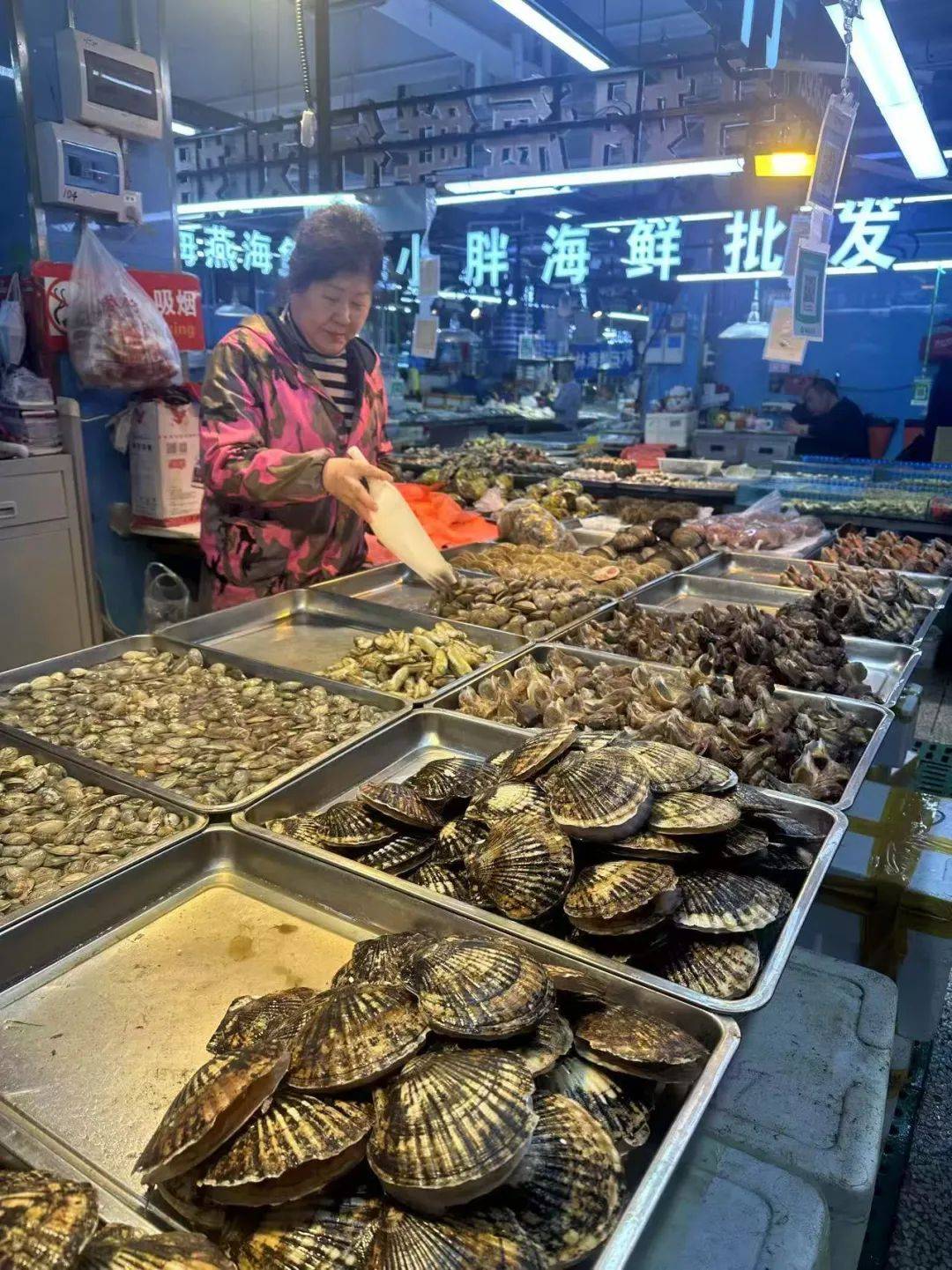
百元尝鲜正当时|哈尔滨“五一”农贸市场备货忙,小海鲜唱主角
Sou Hu Cai Jing· 2025-05-02 06:45
Group 1 - The seafood market in Harbin is experiencing a surge in sales and a decrease in prices, with small seafood sales increasing by over 30% during the "May Day" holiday compared to regular days [3][6] - Prices for small seafood items like clams and oysters are approximately 10-20% lower than last year, with clams priced at 6-8 yuan per pound and oysters at 8-10 yuan per pound [2][3] - The overall supply of essential goods is stable, with significant inventory levels in major wholesale markets and supermarkets, ensuring quick replenishment in case of sudden demand [6][7] Group 2 - The vegetable market is also seeing a price decrease, with the average price of 30 types of vegetables dropping by 5.7% compared to the previous week [4][6] - The local government is actively monitoring supply and prices, with a focus on maintaining stability during the holiday period [6][9] - Consumers are feeling confident in their purchasing power, as evidenced by their ability to buy multiple seafood items for a reasonable total cost [7][9]

赤天化(600227) - 贵州赤天化股份有限公司2024年年度主要经营数据的公告
2025-04-28 12:01
报告期内:公司全资子公司贵州安佳矿业有限公司(以下简称:安佳矿业) 于2023年12月承接花秋二矿煤矿采矿权及附属资产,2024年为置入运营管理的第 一年,花秋二矿设计产能60万吨/年,受瓦斯超限整改频繁、团队磨合不足、设 备运营故障频发、政策性停产等影响,2024年煤炭开采不及预期,2024年度产煤 78,457.92吨,销售原煤77,266.42吨。 二、化工业务 1、主要产品的产量、销量及收入实现情况 | 主要产品 | 2024 | 年度生产量(万 | 2024 | 年度销售量(万 | 2024 | 年度营业收入(万 | | --- | --- | --- | --- | --- | --- | --- | | | | 吨) | | 吨) | | 元) | | 尿素 | | 68.96 | | 66.11 | | 131,051.28 | 证券代码:600227 证券简称:赤 天 化 公告编号:2025-030 贵州赤天化股份有限公司 2024 年年度主要经营数据的公告 本公司董事会及全体董事保证本公告内容不存在任何虚假记载、误导性陈述或者重 大遗漏,并对其内容的真实性、准确性和完整性承担法律责任。 根 ...
