电动化转型

Search documents
中国经济样本观察·企业样本篇丨“V”字形业绩曲线的背后——“独角兽”三一重卡的转型路
Xin Hua She· 2026-02-04 10:30
Core Insights - SANY Heavy Truck has experienced a remarkable "V" shaped revenue curve, with annual revenue dropping from 6 billion yuan to over 1 billion yuan, and then surpassing 10 billion yuan, largely due to proactive strategic decisions [1][2][3] Group 1: Transformation Strategy - In 2021, SANY Heavy Truck made a decisive shift to fully transition to electric vehicle production, ceasing the production and sale of fuel trucks despite achieving 6 billion yuan in revenue from the latter [2][3] - The company faced significant challenges during the transition, with revenues plummeting to over 3 billion yuan in 2021 and over 1 billion yuan in 2022, leading to the departure of several executives and technical staff [3][4] - By 2023, SANY Heavy Truck's valuation reached 14 billion yuan, and it was included in the "Hurun Global Unicorn List" for the first time, with market share in the new energy heavy truck sector leading the industry [3][4] Group 2: Technological Innovation - SANY Heavy Truck has focused on technological advancements, with over 50% of its 400 R&D personnel dedicated to key electric vehicle technologies, including battery, electric drive, and thermal management [6][7] - The company has achieved significant milestones, such as a world record for the longest range of a semi-trailer electric truck at 817.5 kilometers on a single charge, and the sale of over 5,000 units of its Jiangshan 425 model in 2024 [6][7] - SANY Heavy Truck emphasizes the importance of both technological innovation and service quality, leading to a competitive edge in the market [5][6] Group 3: Service Excellence - The company has adopted a direct sales and service model, deploying over 600 service engineers to provide customized solutions and ensure rapid response times to customer needs [7][8] - SANY Heavy Truck's commitment to service excellence has resulted in 80% of new vehicle sales coming from repeat customers, highlighting the effectiveness of its customer relationship strategies [8][9] - The company aims to expand its sales and service network globally, with plans to achieve annual revenue of 50 billion yuan within five years [9]
为了纯电动Cayenne的强悍性能,保时捷建造了一座智能电池工厂
Xin Lang Cai Jing· 2026-02-04 04:03
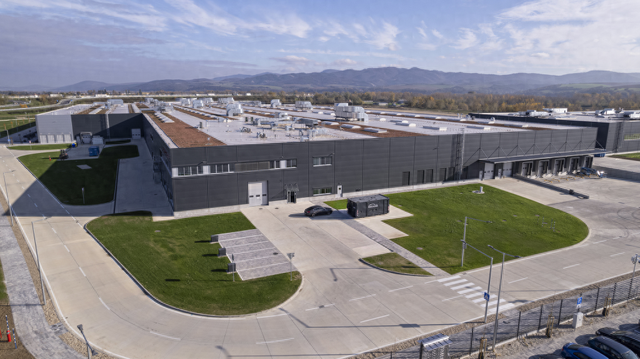
当全球车企还在纷纷外采电池时,保时捷选择了一条更为艰难的自主道路——为旗下首款纯电动 Cayenne,在斯洛伐克的上斯特雷达(Horná Streda)小镇亲自建造一座智能电池工厂。 这座占地面积约4万平方米的工厂,即新一代电池模块的现代化生产基地,不仅是保时捷首次实现电池 模块全流程自主研发生产的标志,更是其将"电动化基因"牢牢掌握在自己手中的战略宣言。 保时捷智能电池工厂 自研自产电池,捍卫性能标杆 这座电池工厂由保时捷携手旗下全资子公司保时捷设备制造有限公司建造,选址经过深思熟虑,与 Cayenne的制造工厂同样位于斯洛伐克。工厂建设速度堪称惊人:2023年1月破土动工,9月安装设备, 2024年5月首块模块开始下线。 保时捷对全新Cayenne的电池模块进行了重新研发,令其具有创新的电芯化学特性与智能热管理。据 悉,自主研发电池的决策使得研发过程变得精简且高效。最重要的是,这样能够确保保时捷特有的产品 标准和特性不打折扣。这一电池专长,被保时捷视为战略利器。毕竟,保时捷认为,高压电池远不止是 储能装置,它决定了整车的性能、效率和日常实用性。 大胆的技术参数早早便凸显了保时捷特质:纯电动Cayenne的 ...

豪华市场变天,宝马换帅“救火”
Guo Ji Jin Rong Bao· 2026-02-03 15:51
宝马在中国又有新动作。 回顾近些年宝马在中国市场的销量变化,已经从曾经的稳步增长逐步陷入连续下滑的困境。 2022年,宝马在华交付79.2万辆,同比减少6.4%,结束了此前的增长态势;2023年,宝马借助终端大幅优惠稳住销量,全年交付82.5万辆,同比增长 4.2%,但当年新车折扣率高达17.66%,远超行业平均水平,为后续价格体系崩塌埋下隐患;2024年,宝马曾尝试退出价格战、稳定售价,却未能扭转销 量下滑趋势,全年交付71.45万辆,同比减少13.4%,占全球销量比例从2023年的32.3%降至29.2%;2025年,宝马下滑态势进一步加剧,全年售出62.55万 辆,同比下滑12.5%,短短两年时间便损失了约20万辆的市场份额,其中进口车销量下滑最为严重,全年仅6.4万辆,较上年的17.1万辆同比大跌62%,成 为销量下滑的重灾区。 吴迪/摄 售价降、经销商亏 孙婉秋/摄 大中华区换"帅" 1月30日,宝马集团宣布,自2026年4月1日起,54岁的柯睿辰(Christian Ach)将接替高翔(Sean Green),出任宝马集团大中华区总裁兼首席执行 官。宝马集团在公告中称,高翔结束了在华超过十年的任期 ...
宝马中国换帅,两年销量少了20万辆
21世纪经济报道· 2026-02-01 09:09
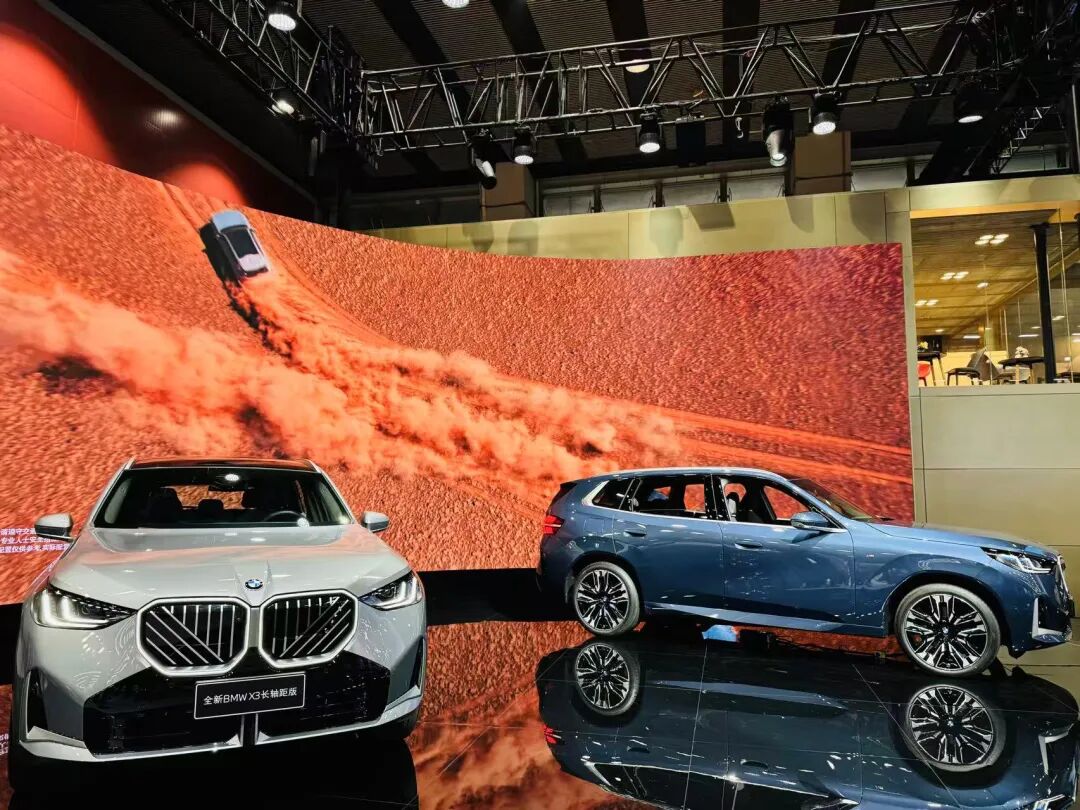
Core Viewpoint - BMW Group is undergoing a significant leadership change in its Greater China region, with Christian Ach set to take over as President and CEO from Sean Green, who has served for over a decade. This transition comes as BMW aims to revitalize its sales and brand presence in the competitive Chinese electric vehicle market [1][4]. Group 1: Leadership Transition - Christian Ach, a long-time BMW veteran, will assume his new role on April 1, 2026, bringing extensive experience from various markets, including Germany and Northern Europe, where he successfully increased electric vehicle sales [1][4]. - Sean Green's tenure saw BMW become the largest single market for the brand globally since 2013, but he acknowledged the changing market dynamics that challenge traditional brand pricing strategies [4][5]. Group 2: Market Challenges - BMW's sales in China have been declining, with a drop from 825,000 units in 2023 to 714,500 units in 2024, and further down to 625,500 units in 2025, marking a loss of approximately 200,000 units in just two years [5]. - The imported vehicle segment has been particularly hard hit, with sales plummeting by 62% from 171,000 units to 64,000 units in 2025 [5]. Group 3: Strategic Initiatives - In response to market pressures, BMW has initiated a price reduction across 31 models to remain competitive and plans to launch around 20 new products in 2026, including a long-wheelbase version of the BMW iX3 tailored for the Chinese market [5][6]. - The new iX3 model is designed to meet local consumer preferences, featuring a longer wheelbase and a localized operating system, indicating BMW's commitment to adapting to the Chinese market [6]. Group 4: Financial Performance - BMW Group's pre-tax profit for the first three quarters of 2025 was €8.056 billion, a decline of 9.1% year-on-year, leading to a downward revision of the annual profit forecast [9][10]. - The profit decline is attributed to increased tariffs in the U.S. and financial support to dealers in China, which has eroded profit margins [10]. Group 5: Global Context - Despite the challenges in China, BMW remains the leader in global sales among the German luxury trio (BBA), with a slight increase in global sales to 2.4637 million units in 2025, while competitors Mercedes and Audi experienced declines [11]. - The contrast between slight sales growth and declining profits highlights BMW's struggle with the "price for volume" strategy, emphasizing the need for effective leadership to navigate these challenges [11].

宝马中国换帅:“德国先生”能否打赢电动反击战?
2 1 Shi Ji Jing Ji Bao Dao· 2026-02-01 08:25
Core Viewpoint - BMW Group is undergoing a significant leadership change in its Greater China region, with Christian Ach set to replace Sean Green as President and CEO starting April 1, 2026, amid challenges in the electric vehicle market and declining sales in China [1][3]. Group 1: Leadership Transition - Christian Ach, a veteran of BMW since 1998, has extensive experience in sales and has previously led operations in Germany and the Nordic markets, making him well-suited for the challenges in China [1][3]. - Sean Green's tenure saw BMW become the largest single market for the brand globally since 2013, but he acknowledged the changing market dynamics that have made maintaining brand premium more difficult [3][4]. Group 2: Sales Challenges - BMW's sales in China have been declining, with figures dropping from 825,000 units in 2023 to 714,500 in 2024, and further down to 625,500 in 2025, representing a loss of approximately 200,000 units over two years [4]. - The decline in sales is part of a broader trend affecting the German luxury car segment, with the combined sales of BMW, Mercedes-Benz, and Audi decreasing by about 260,000 units in 2025 [3][4]. Group 3: Market Strategy - In response to declining sales, BMW has initiated a price reduction across 31 models to remain competitive in the market [4]. - The company plans to launch around 20 new products in 2026, including a long-wheelbase version of the BMW iX3, which is tailored to meet the preferences of Chinese consumers [4][5]. Group 4: Global Performance - BMW's global performance reflects similar pressures, with a reported pre-tax profit of €8.056 billion for the first three quarters of 2025, down 9.1% year-on-year, leading to a downward revision of profit expectations for the year [7][9]. - The company is facing challenges from increased tariffs in the U.S. and the need to support dealers financially in China, which is impacting profit margins [7][9]. Group 5: Future Outlook - The upcoming leadership changes at both the China and global levels are seen as critical for BMW to navigate the current market challenges and improve efficiency [8][9]. - The new leadership is expected to focus on production efficiency and cost control, which are essential for BMW's electric vehicle strategy moving forward [8].
宝马集团人事调整:柯睿辰将接替高翔出任大中华区总裁兼首席执行官
Xin Lang Cai Jing· 2026-01-31 02:01
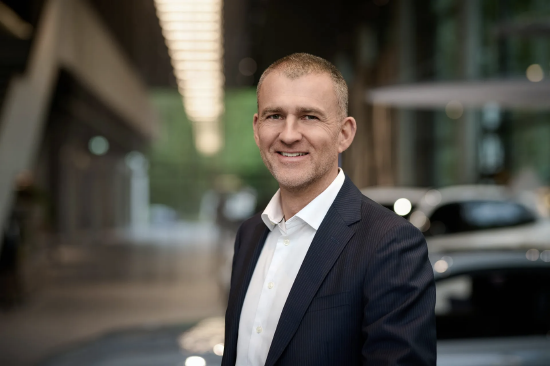
柯睿辰接任后,将全面负责宝马集团大中华区的业务,包括协调在中国的合资企业相关事务。他自1998 年加入宝马集团,历任集团销售体系多项重要管理职务。2010年至2018年,他负责宝马集团MINI品牌 在德国市场的业务。2018年至2021年,他出任宝马集团在德国市场的销售负责人。自2021年起,负责宝 马集团在北欧市场的销售业务,涵盖瑞典、挪威、丹麦和芬兰等市场。自2024年3月1日起,他开始领导 宝马集团在德国市场的整体业务运营。 新浪科技讯 1月31日上午消息,宝马集团宣布大中华区高层人事调整,自2026年4月1日起,柯睿辰将接 替高翔出任宝马集团大中华区总裁兼首席执行官。 高翔在宝马集团拥有超过三十年的销售和营销领域管理经验。在中国任职的12年间,他在推动宝马集团 电动化和数字化转型中发挥了关键作用。高翔将在完成其在中国的任期后,继续在宝马集团担任重要职 务。 "我们衷心感谢高翔多年来的倾力付出,以及在推动中国市场业务发展过程中做出的重要贡献。同时, 我们热烈欢迎柯睿辰履新。" 宝马集团负责客户、品牌及销售业务的董事高乐表示:"在市场环境复杂 多变、竞争日益加剧的背景下,将区域管理经验有效运用于各核心市场 ...
营收销量双创新高背后:长城汽车“长期主义”战略进入收获期
证券时报· 2026-01-30 13:54
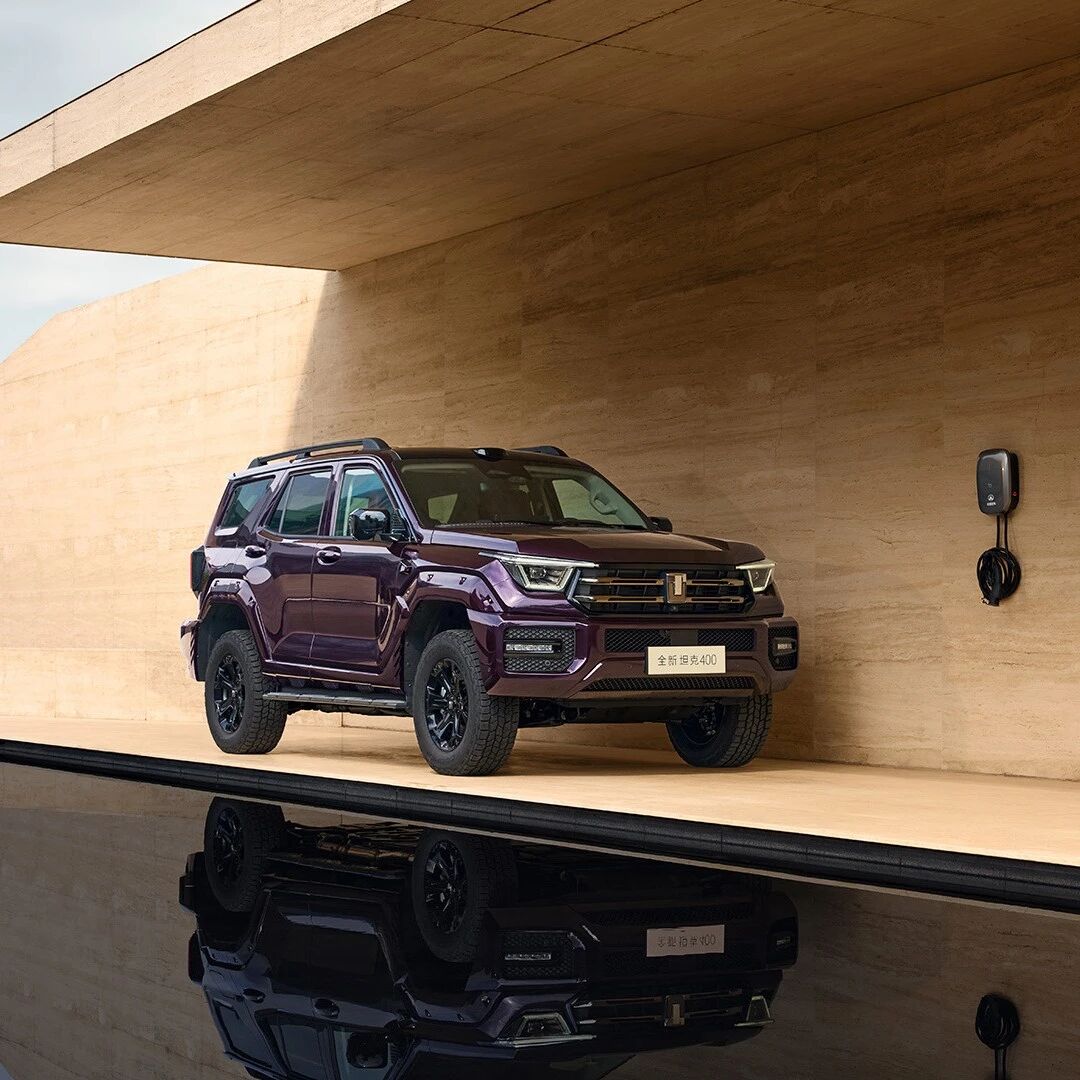
Core Viewpoint - Great Wall Motors (601633) is set to achieve a record revenue of 222.79 billion yuan in 2025, reflecting a year-on-year growth of 10.19%, showcasing strong operational resilience and growth potential in a complex industry environment [1]. Revenue and Sales Performance - In 2025, Great Wall Motors is expected to sell approximately 1.3237 million new vehicles, marking a year-on-year increase of 7.33% and setting a new historical high [2]. - The average revenue per vehicle is projected to reach 168,300 yuan, an increase of about 4,500 yuan compared to the previous year, representing the best performance in history [1]. High-Quality Development Strategy - The company emphasizes high-quality development over short-term gains, leveraging deep technical reserves, continuous brand enhancement, and a firm global expansion strategy to accumulate core momentum for long-term value [6]. - The average selling price of vehicles has risen to 201,300 yuan, up 11,700 yuan from 2024, indicating a significant improvement in product value [8]. Brand and Product Performance - The premium brand matrix has become a key growth driver, with the WEY brand selling 102,000 vehicles in 2025, a remarkable increase of 86.29% [8]. - The TANK brand achieved sales of 232,700 vehicles, leading the segment, with 38.5% of sales coming from models priced above 300,000 yuan, and over 54% from new energy vehicles [8]. - The sales of new energy vehicles reached 403,700 units, a year-on-year growth of 25.44%, significantly outpacing overall sales growth [10]. Technological Advancements - Great Wall Motors is committed to long-term technological investment, with a research and development team of 23,000 people and nearly 10 billion yuan invested in building a leading laboratory system [13]. - The Hi4 intelligent four-wheel drive hybrid technology has become a hallmark of the company, winning the Special Prize at the China Automotive Engineering Society Science and Technology Award in 2025 [13]. - The company plans to launch the "Guiyuan" platform in early 2026, which will support five power types and cover seven vehicle categories, aiming to introduce over 50 global models [15]. Global Expansion - In 2025, Great Wall Motors achieved overseas sales of 506,100 vehicles, a year-on-year increase of 11.68%, marking a new high [16]. - The company is transitioning from simple product trade to systematic output, with the completion of its factory in Brazil, which is crucial for local production and operations [16]. - The value of exported products is increasing, with models like the Haval H6 reaching luxury car price ranges in Brazil, and the TANK brand entering over 30 global markets [16]. Long-Term Strategic Vision - The chairman of Great Wall Motors emphasized that internationalization is about brand and industry chain output rather than just product export, allowing the company to avoid irrational competition in the domestic market [17]. - The 2025 performance and sales figures reflect the success of the company's long-term strategy, focusing on technology investment, brand enhancement, and systematic global market layout [17].

丰田第一,烧油的车还是主流
远川研究所· 2026-01-30 13:14
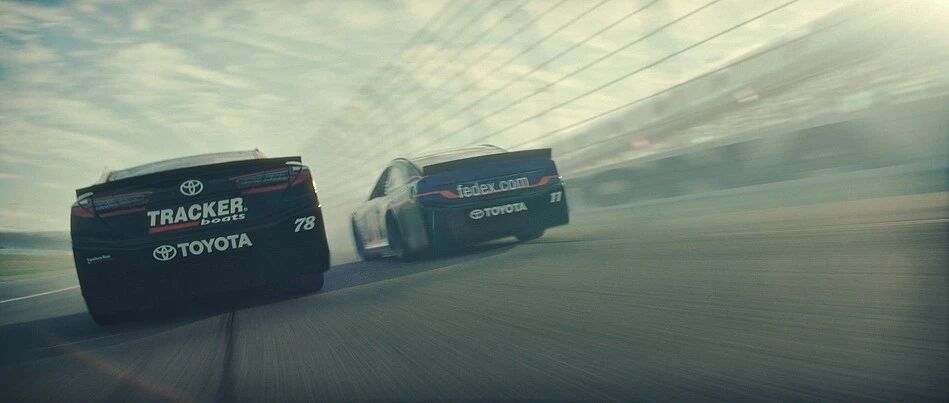
Core Viewpoint - Toyota has managed to achieve a slight increase in sales in China and globally despite challenges in the electric vehicle (EV) transition, primarily due to its strong performance in hybrid electric vehicles (HEVs) [5][9][22]. Group 1: Sales Performance - In 2025, Toyota's sales in China increased by 0.23% to 1.78 million units, marking a turnaround from three years of decline and making it the only survivor among Japanese automakers [5]. - Globally, Toyota sold 11.32 million vehicles in the previous year, maintaining its position as the annual sales champion, which is approximately double that of BYD and over 200,000 units more than Volkswagen [7]. - HEVs accounted for over 40% of Toyota's sales structure, with traditional fuel vehicles still dominating at 97% as of March 2025 [9][19]. Group 2: Hybrid Electric Vehicles (HEVs) - Toyota is a pioneer in HEVs, with its hybrid technology, the Toyota Hybrid System (THS), being a significant contributor to its sales, especially in markets like the U.S. where HEVs captured 17% of the market share [15][19]. - The HEV market is thriving, with a notable increase in U.S. consumers transitioning from traditional fuel vehicles to HEVs, doubling from 6% to 13% between 2022 and 2025 [19]. - In China, HEVs contributed significantly to Toyota's sales, with the Camry hybrid version seeing a 62% year-on-year increase [21]. Group 3: Electric Vehicle Strategy - Despite the global push for electrification, Toyota's conservative approach to EVs has allowed it to avoid significant financial losses associated with aggressive investments in this area [22][30]. - The company has acknowledged its shortcomings in the pure electric vehicle segment, with its bZ4X model failing to make a significant impact in the market [35]. - Toyota is now focusing on leveraging local supply chains in China to enhance its EV offerings, integrating local suppliers for components in new models [38][39]. Group 4: Market Dynamics - The global automotive market is experiencing a divergence, with China rapidly increasing its EV penetration rate to over 50% by 2025, while the U.S. and European markets lag behind [23][26]. - Traditional automakers face the challenge of balancing investments in both EVs and traditional fuel vehicles, leading to increased financial burdens [26]. - Toyota's strong profitability, with net profits exceeding 4.5 trillion yen in the past two fiscal years, contrasts sharply with the financial struggles of its competitors [30].

大众ID.4改款后更名 ID.5将停产
Xi Niu Cai Jing· 2026-01-30 08:28
Group 1 - Volkswagen announced a significant adjustment to its electric vehicle strategy, with the revamped ID.4 produced at the Emden plant being renamed ID. Tiguan starting November 2026, and the production cycle will last until the end of 2031 [2] - The ID.5 will be discontinued within this year due to poor sales performance, while the renaming of the B-segment electric hatchback from ID.2 to ID. Polo and the ID.s2 X SUV concept to ID. Cross reflects a strategy to leverage brand recognition of traditional combustion models to enhance the competitiveness of electric models [2] - The ID. Tiguan will be built on an upgraded MEB+ platform, featuring a new entry-level drive motor and is expected to use lithium iron phosphate (LFP) batteries in its base version, with design changes to align more closely with the traditional Tiguan [2] Group 2 - Dataforce reported that ID.4 sales in Europe are projected to reach 80,123 units in 2025, marking a 23.8% year-on-year increase, but still lagging behind competitors like Tesla Model Y, which sold 151,331 units [2] - The Zwickau plant will gradually cease ID.4 production to focus on Audi Q4 e-tron, Cupra Born, and some ID.3 models, while also partially transforming into a vehicle recycling center [2] - Volkswagen is restructuring its mainstream brand organization by establishing a unified brand group board to integrate finance, procurement, production, and R&D functions, aiming to save €1 billion in production costs by 2030 [3] - These initiatives indicate that Volkswagen is actively responding to the rapid changes in the electric vehicle market through more competitive products, efficient operations, and stronger brand influence, with the launch of ID. Tiguan marking a significant milestone in its electrification journey [3]

大众安徽2026年4车齐发 “背水一战”能否扭转在华颓势?
Xi Niu Cai Jing· 2026-01-30 08:28
Group 1 - Volkswagen Anhui is facing declining sales in China and is launching a product offensive with a strategic plan to introduce four new models by 2026, targeting multiple mainstream market segments [2] - The first model, a large pure electric SUV named "Yuzhong 08," will be launched in Q1 2026, marking the first vehicle to carry the "Golden Label Volkswagen" branding and developed in collaboration with XPeng Motors [2] - The "Yuzhong 08" features an 800V high-voltage fast charging platform, L2++ advanced driving assistance system, and a CLTC range of up to 700 kilometers, with dimensions of 5000mm in length and a wheelbase of 3030mm [2] Group 2 - Volkswagen Anhui's first model, "Yuzhong 06," launched in April 2025, has only achieved annual sales of around 10,000 units, falling short of expectations [3] - The company plans to expand its sales network to cover 60 cities and have over 100 stores by the end of 2025, with further expansion to 200 stores in 2026 [3] - Volkswagen Anhui is projected to incur losses of approximately 5.4 billion yuan in 2024 and about 4.32 billion yuan in 2025, primarily due to underwhelming sales and high unit costs from low production capacity utilization [3]