自有品牌

Search documents
德弘资本执掌高鑫零售首份半年成绩单:收入降12%、亏损超1亿元 大润发的考验才刚刚开始
Mei Ri Jing Ji Xin Wen· 2025-11-12 14:41
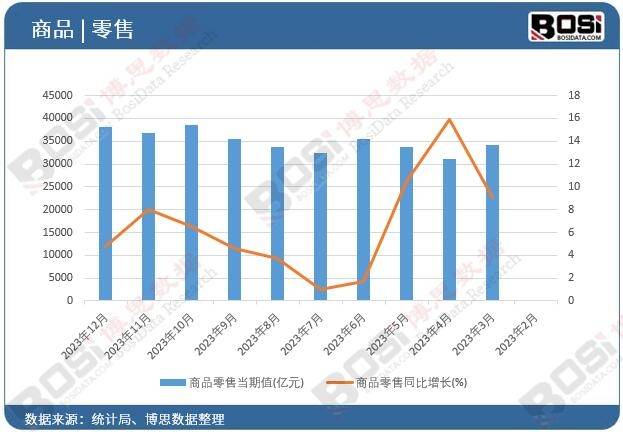
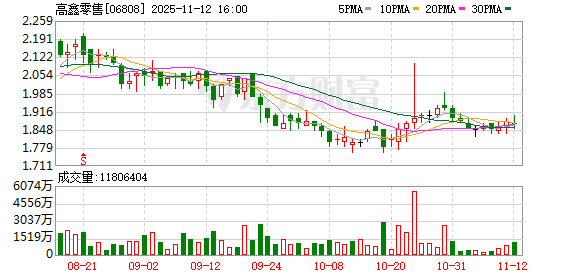
Core Viewpoint - Gao Xin Retail, under the management of Dehong Capital for over six months, reported disappointing mid-term results, indicating challenges in revenue and profitability amidst market competition and consumer fatigue [2][5]. Financial Performance - Gao Xin Retail achieved revenue of 30.502 billion RMB, a decrease of 12.1% year-on-year [4][5]. - Gross profit was 7.719 billion RMB, down 9.5% compared to the previous year [4][5]. - The company reported a net loss of 127 million RMB [2]. - Same-store sales growth was -11.7%, reflecting a decline in average transaction size and product prices [5]. Revenue Breakdown - Revenue from merchandise sales was 29.081 billion RMB, a decrease of 12.4% from 33.186 billion RMB in the previous year [5]. - Rental income was 1.403 billion RMB, down 7.0% from 1.508 billion RMB [6]. - Membership fee income increased by 28.6% to 18 million RMB from 14 million RMB [7]. Operational Adjustments - The company has 462 hypermarkets, 32 medium-sized supermarkets, and 7 membership stores as of the reporting period [8]. - Despite revenue decline, the gross margin improved to 25.3%, up from 24.6% year-on-year [9]. - Administrative expenses were reduced by 17.2% to 711 million RMB, primarily due to a decrease in personnel costs [10]. Strategic Initiatives - Gao Xin Retail is undergoing significant organizational restructuring, consolidating five operational regions into four [11]. - The company has initiated a front warehouse project, with five locations established by September 2025, each averaging 500 square meters [12]. - The focus on private label products is increasing, with the launch of "Super Savings" and "Runfa Selection" series aimed at enhancing price competitiveness and health trends [12]. Future Direction - The company aims to enhance customer experience and operational efficiency over the next three years, targeting family and young consumer needs [14]. - A special transformation team has been established to oversee the execution of the three-year strategy [14].

科蒂的“隐忧”藏不住了
Bei Jing Shang Bao· 2025-11-12 12:15
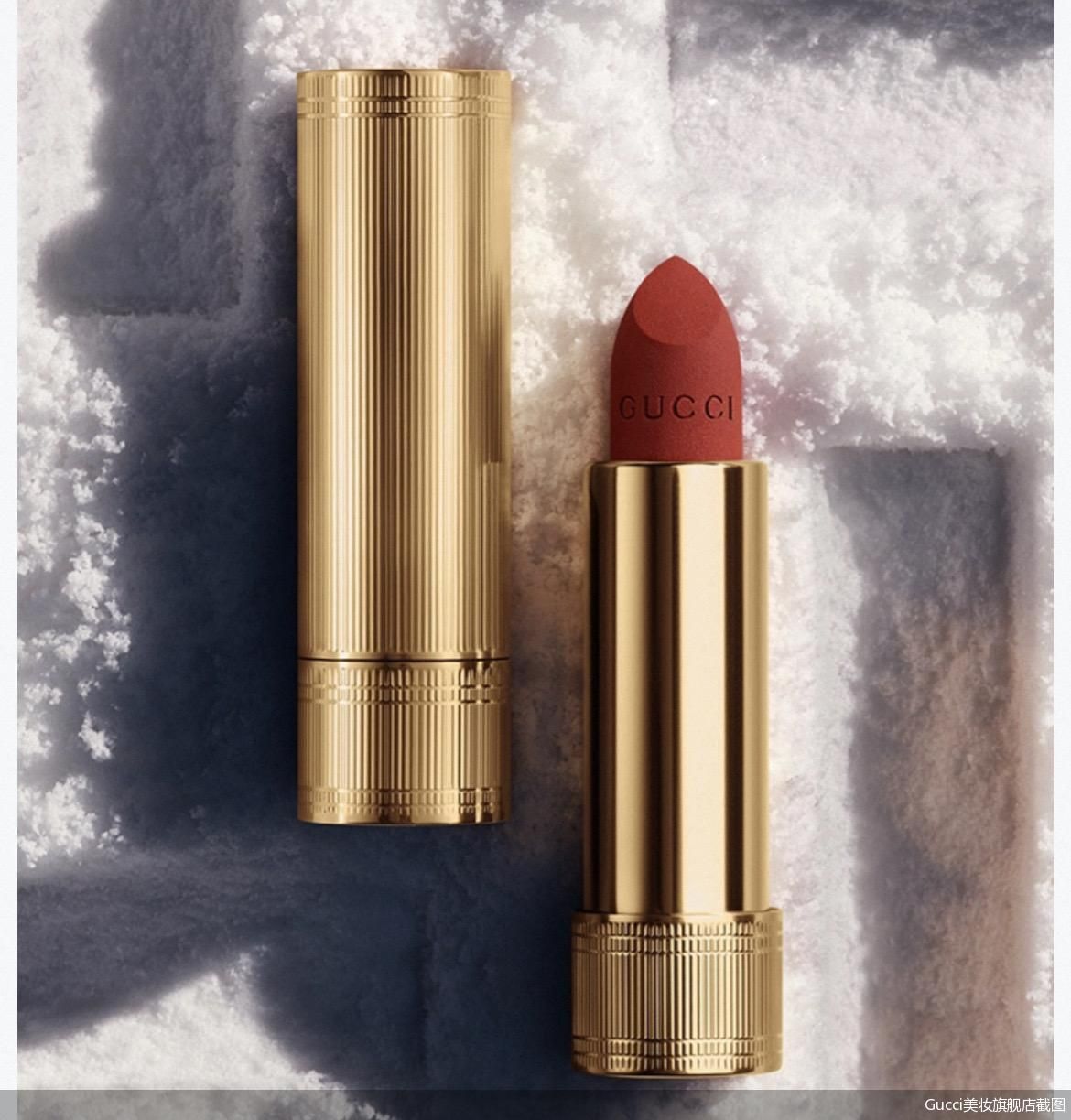
Core Viewpoint - Coty is facing significant challenges as it is set to lose its beauty licensing rights for Gucci, which is expected to have a substantial impact on its business and brand strategy [1][3][4]. Group 1: Legal Action and Licensing Issues - Coty has filed a lawsuit against Kering Group and Gucci over the beauty licensing agreement, claiming a breach of its right to renew the contract [1][3]. - The agreement between Kering and L'Oréal for Gucci's beauty licensing is set for a 50-year term, effectively barring Coty from any future collaboration with Gucci after 2028 [3][4]. - Coty's CEO, Sue Nabi, has stated the company will defend its rights until the contract's expiration [3]. Group 2: Financial Impact - The loss of Gucci is projected to result in a revenue loss of approximately $500 million for Coty within the year [4]. - Gucci's beauty division has been a crucial part of Coty's revenue, contributing over 60% to its high-end beauty segment [4]. - Coty reported a net revenue of $5.893 billion for the fiscal year 2025, a decline of 3.68%, and incurred a loss of $381 million, indicating ongoing financial struggles [7]. Group 3: Market Position and Strategy - The beauty market is experiencing polarization, and losing Gucci will significantly impact Coty's high-end strategy and brand competitiveness [5]. - Coty has a history of relying on licensed brands, which poses risks as contracts expire, with other brands like Miu Miu already moving to L'Oréal [7][8]. - To mitigate risks, Coty is focusing on developing its own brands, such as the newly launched Infiniment Coty Paris, aiming to establish a strong presence in the fragrance market [8].

高鑫零售2026财年上半年收入305.02亿元,预计下财年之前完成逾200家门店调改
Cai Jing Wang· 2025-11-11 14:10
Core Insights - Gao Xin Retail reported a revenue of 30.502 billion yuan for the six months ending September 30, 2025, with a gross margin of 25.3%, an increase of 0.7 percentage points year-on-year, and a net cash position of 11.958 billion yuan [1] - The company's online B2C business showed robust performance, with same-store order volume growing approximately 7.4%, leading to a same-store sales increase of about 2.1% [1] - The group initiated a front warehouse project to achieve efficient local delivery and acquire online incremental users, establishing front warehouses in five locations by September 2025 [1] Business Developments - The "Chao Sheng" private label series aims to connect directly with factories, eliminating intermediaries and brand premiums, while "Run Fa Zhen Xuan" promotes healthy eating from conceptualization to practical application [1] - The company plans to accelerate store renovations, with over 30 stores targeted for complete or regional renovations in the current fiscal year, and over 200 stores expected to be renovated before the next fiscal year [2] - New stores in Jiangsu and Anhui have adopted a comprehensive store renovation approach, with fresh and processed goods sales accounting for over 30% of total sales [2]
对话盒马:从采买到定制,中国消费正调改全球口味
Guan Cha Zhe Wang· 2025-11-11 12:32
Core Insights - The China International Import Expo (CIIE) serves as a platform for redefining business rules, with Hema transitioning from a "global buyer" to a "product manager" in the new retail landscape [1] Group 1: Strategic Partnerships - Hema has established strategic partnerships with top brands, including a collaboration with Spanish olive oil brand, Baron, for targeted product development [1] - A significant partnership with New Zealand's Silver Fern Farms was formed, involving an 80 million yuan order for premium beef and lamb, alongside the establishment of a direct sourcing base in New Zealand [1][2] - The collaboration with Silver Fern Farms signifies a shift in the market dynamics of imported fresh meat, moving from a seller's market to a more balanced partnership [2] Group 2: Product Development and Customization - Hema's new self-owned brand, Bello Vitahouse, debuted at the CIIE, offering a range of imported products including olive oil, gelato, pasta, and chocolates [4][5] - The brand aims to cater to Chinese consumer preferences, with products being adjusted for lower sugar content and higher temperature cooking suitability [5][6] - The introduction of a high smoke point olive oil, developed in response to local cooking habits, exemplifies Hema's commitment to product customization [2] Group 3: Supply Chain Efficiency - Hema has improved the supply chain for imported king crab, reducing the time from catch to store by approximately 20 days through multiple entry ports in China [3] - The company is actively involved in restructuring the global supply chain, enhancing the efficiency of product distribution and processing [2][3] Group 4: Market Insights - Hema's approach emphasizes understanding local consumer needs, aiming to create high-quality, cost-effective imported products tailored to the Chinese market [6] - The success of new products, such as gelato ice cream, which saw over 100% month-on-month sales growth, reflects the effectiveness of Hema's market strategy [5]

Assaí Atacadista(ASAI) - 2025 Q3 - Earnings Call Transcript
2025-11-07 15:00
Financial Data and Key Metrics Changes - The company has achieved a reduction in net debt by BRL 500 million, starting from an operational cash generation of BRL 4.2 billion, which is higher than the previous quarter [15][16][20] - EBITDA increased from 5.5% to 5.7%, reaching a margin of 7.6% [13][20] - Net income for the quarter was BRL 195 million, slightly down from BRL 198 million, reflecting the impact of financial results and tax credits [20][22] Business Line Data and Key Metrics Changes - The company has seen a performance difference between sectors, with classes A and B gaining volume while classes C, D, and E experienced a retraction in volumes [7][9] - B2B sales, which represent about 40-45% of total sales, showed a significant drop in volume, particularly in cash and carry formats [6][9] Market Data and Key Metrics Changes - Brazil's interest rates reached an all-time high of 15%, impacting consumer debt levels and spending behavior [7][9] - Retail formats serving classes A and B saw a volume increase of 2.7%, while cash and carry formats experienced an 8.3% drop in volume [8][9] Company Strategy and Development Direction - The company is focused on deleveraging and maintaining a strong cash generation strategy, with plans to continue opening new stores selectively [15][22] - There is an emphasis on expanding private label offerings and enhancing digital channels, particularly through partnerships for last-mile delivery [27][28] Management's Comments on Operating Environment and Future Outlook - Management acknowledged the challenging economic environment but expressed confidence in the company's ability to maintain stability and continue deleveraging [4][20] - The company anticipates a potential recovery in the bar sector and expects strong sales initiatives during the end-of-year period [49] Other Important Information - The company has set a public goal to achieve zero landfill by 2035 and is actively working on sustainability initiatives [23][24] - The app has registered 21 million customers, with 16 million being contactable, indicating strong customer engagement [55] Q&A Session Summary Question: Financial services dynamic and core business expenses - Management discussed ongoing initiatives to control expenses and the potential for further efficiency improvements without compromising customer service [30][31][32] Question: Profitability and CapEx guidance - The company reinforced its guidance for margin improvement while managing working capital and maintaining discipline in supplier relationships [35][36] Question: Update on private label and cash and carry trends - Management highlighted the importance of the cash and carry model and its exposure to lower-income consumers, while also discussing the potential for private label growth [39][40][41] Question: CapEx and store expansion strategy - The company confirmed plans to open new stores with high return potential while being cautious about overall investment levels due to rising interest rates [42][43][46] Question: October sales performance and competition in hygiene and beauty categories - Management expressed optimism about October's strong sales and acknowledged competitive pressures in the beauty market, particularly from higher-income segments [47][48] Question: Self-checkout impact and labor challenges - The company noted that self-checkout has improved customer experience and efficiency, despite challenges in hiring and maintaining staff levels [50][51][52] Question: Updates on app and Black Friday initiatives - Management shared plans for Black Friday promotions and highlighted the app's strong customer base as a key growth avenue [54][55]

华米科技(NYSE:ZEPP)--被低估的中国科技出海明日之星
Ge Long Hui· 2025-11-07 09:03
Core Viewpoint - Huami Technology (NYSE: ZEPP) is identified as an undervalued emerging star in the Chinese tech sector, having undergone a turnaround from a significant decline in market value to a strong recovery, with a notable increase in revenue and stock price in 2025 [1]. Group 1: Company Transformation - The transformation of Huami Technology is primarily attributed to its focus on its own brand, Amazfit, which has become the sole revenue source since Q3 2025 [2]. - The company has successfully implemented a tiered product strategy, which has been crucial for its performance turnaround [2]. Group 2: Product Performance - The outdoor adventure product line has seen significant sales growth, aligning with the company's high-end strategy and meeting the increasing demand for reliable outdoor gear [3]. - The professional sports product line, exemplified by the newly launched Balance2, offers advanced tracking for various sports and features that cater to athletes' needs, enhancing its market appeal [4]. Group 3: Competitive Advantages - Huami Technology leverages its manufacturing capabilities and supply chain management, allowing it to offer high-quality products at lower prices compared to international competitors [7]. - The integration of advanced AI algorithms and personalized training suggestions through its software enhances user experience and product value [8]. Group 4: Brand Development - The company is actively working to strengthen its brand recognition by collaborating with professional athletes and engaging with emerging sports communities [9]. - Huami Technology has seen significant sales growth in the U.S. and EMEA regions, indicating a successful brand penetration strategy [10]. Group 5: Market Potential - Despite the challenges in competing with industry leaders like Garmin, Huami Technology has substantial growth potential, with a market cap of $400 million and the possibility of reaching a valuation ten times its current size [11].

白菜猪肉经典款到海鲜爆品,京东七鲜自有品牌水饺11.11销售增长80%
Zhong Jin Zai Xian· 2025-11-07 01:45
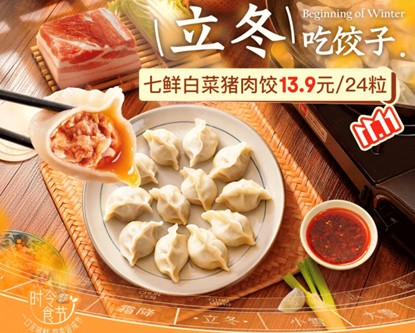
Core Insights - The article highlights the increasing popularity of JD's Seven Fresh dumplings, with sales revenue rising by 80% year-on-year during the 11.11 Global Shopping Festival, indicating strong consumer trust in the brand's quality [3] - Seven Fresh offers a diverse range of dumpling products, from classic flavors to innovative options, catering to various consumer preferences and enhancing the winter dining experience [13] Product Offerings - Classic flavors such as cabbage and pork, chive and egg, and corn and vegetable dumplings dominate sales, priced affordably at 13.9 yuan for a pack of 24, making them a popular choice for families [3] - New products like lamb and scallion dumplings and shrimp dumplings have quickly gained popularity, featuring high-quality ingredients and unique flavor profiles [5][6] - The introduction of innovative flavors, such as the locust flower pork dumplings, showcases Seven Fresh's commitment to product differentiation and seasonal relevance [8] Consumer Engagement - Seven Fresh provides a complete set of ingredients for consumers who prefer to make dumplings at home, including organic flour and various fillings, enhancing the DIY experience [11] - The brand emphasizes quality control and freshness, with products made from carefully sourced ingredients, ensuring a high standard for consumer safety and satisfaction [6][11] Market Positioning - By combining convenience with quality, Seven Fresh aims to create a "dumpling lifestyle" that resonates with consumers looking for warmth and comfort during the winter season [13] - The brand's strategic focus on seasonal eating and culinary traditions positions it well within the competitive landscape of frozen food and home cooking [13]
线上仅占1.4%,却实现三连增,日本超市为何坚守线下?
3 6 Ke· 2025-11-06 10:58
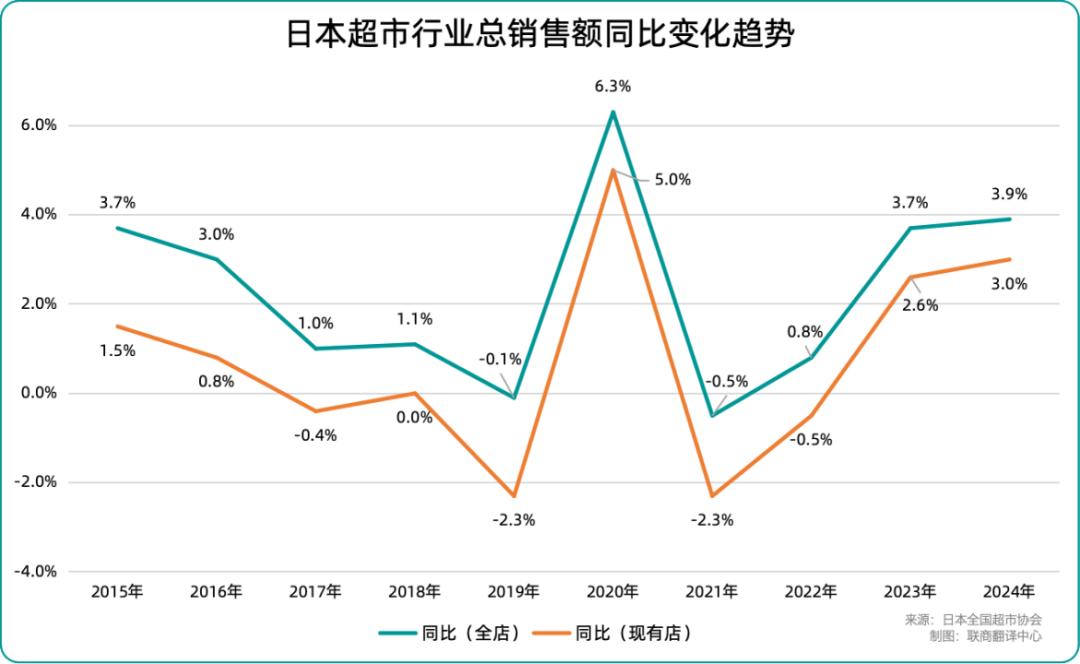
Core Insights - The Japanese supermarket industry is experiencing a transformation with a focus on efficiency and customer experience, despite the low online sales penetration of only 1.4% [1][7][8] Group 1: Sales Performance - The total sales of the Japanese supermarket industry reached approximately 1.2 trillion RMB by the end of 2024, marking a year-on-year growth of 3.9% and achieving three consecutive years of growth [2] - The number of supermarkets in Japan stands at 23,039, with a net decrease of 35 stores compared to the previous year [4] Group 2: Workforce and Labor Trends - The workforce in the supermarket sector has shown stability, with an increase in the proportion of female employees from 24.4% to 26.2% over the past four years [6] - The average salary for full-time employees has seen a moderate increase, with starting salaries for university graduates rising by 896 RMB over five years [6] Group 3: Digitalization and Service Trends - The adoption of digital services is accelerating, with self-checkout usage rising from 15.8% to 37.9% [6] - Non-core service functions in stores are being reduced, indicating a shift towards a more efficient and digital-focused supermarket model [6] Group 4: Consumer Behavior and Product Trends - There is a noticeable shift in consumer preferences towards ready-to-eat and prepared food items, with the share of prepared foods increasing from 10.0% to 10.9% [8] - The penetration of private label (PB) products has increased significantly, with the introduction rate rising from 70.6% to 81.9% [9][10] Group 5: Financial Challenges for Small and Medium Enterprises - Approximately 54.5% of surveyed companies reported increased revenue and profit, while 21.7% of medium-sized enterprises faced a "revenue increase but profit decrease" situation [14] - Rising operational costs, particularly in labor, rent, and utilities, are impacting profitability, leading to a "high-cost elimination race" in the industry [14] Group 6: Strategic Adjustments and Market Dynamics - Consumer shopping behavior is evolving, with weekday shopping focusing on convenience and efficiency, while weekends are more family-oriented and purpose-driven [15][17] - The emergence of food-focused drugstores is creating new competition for supermarkets, emphasizing the need for supermarkets to leverage their strengths in quality and trust [15][17] Group 7: Future Directions - Supermarkets must adapt to changing consumer needs and preferences, focusing on enhancing the in-store experience and building customer relationships [18] - The key to survival in the face of demographic changes and diverse consumer demands lies in understanding consumer behavior and innovating business models accordingly [18]
鸣鸣很忙二次递表:半年卖出411亿,零食大王用“蜜雪冰城”模式,走山姆的路?
Sou Hu Cai Jing· 2025-11-04 10:11
Core Insights - Wancheng Group is the only listed company in the snack wholesale sector in A-shares, with its stock price rising from under 40 yuan at the beginning of 2024 to nearly 175 yuan, marking a tenfold increase from historical lows [1] - Mingming Hen Mang has released an updated IPO prospectus, providing data up to June 30, 2025, and is recognized as the largest chain retailer of leisure food and beverages in China by GMV [3] Financial Performance - Mingming Hen Mang's revenue surged from 4.286 billion yuan in 2022 to 39.344 billion yuan in 2024, achieving a compound annual growth rate of 203% [3] - For the first half of 2025, the company reported retail sales of 41.1 billion yuan and revenue of 28.124 billion yuan, with a net profit of 1.034 billion yuan [3] - The total number of stores increased from 14,394 at the end of 2024 to 16,783 by mid-2025 [3] Market Dynamics - The number of snack wholesale stores in China is projected to grow from approximately 2,500 at the end of 2021 to 45,000 by 2025, indicating significant market potential for Mingming Hen Mang [3] - The merger between Mingming Hen Mang and Zhao Yiming Snacks in November 2023 created a new entity with 6,500 stores, positioning it as a leading player in the snack market [9][10] Competitive Landscape - The competition in the snack wholesale market is intensifying, with Wancheng Group also expanding aggressively, having merged multiple brands under the "Haoxianglai" name [9] - The market concentration is increasing, with the top two brands, Mingming Hen Mang and Wancheng Group, engaged in a close contest for market leadership [22] Business Model and Strategy - Mingming Hen Mang's business model relies heavily on a franchise system, with a significant portion of its revenue coming from sales to franchisees rather than direct sales [15][16] - The company has established partnerships with over 2,300 suppliers, enhancing its supply chain efficiency and cost management [12] - The average gross margin for Mingming Hen Mang is around 7.6%, which is lower than other retail formats, indicating challenges in profitability despite high revenue [21] Future Outlook - The company is exploring new business avenues, including the introduction of private label products and diversification into other categories, which may enhance profitability and customer retention [28][30] - The upcoming IPO is seen as a critical step for Mingming Hen Mang to solidify its market position and attract more franchise partners [31]
告别“大而全”,拥抱“小而美”:社区超市的生存法则正在改变!
Sou Hu Cai Jing· 2025-11-04 03:11
Industry Overview - Community supermarkets serve as a modern retail format, typically ranging from several hundred to one thousand square meters, focusing on fresh produce and daily necessities for residents within a 500-meter to 1.5-kilometer radius [1] Market Characteristics - Community supermarkets fill the gap between large supermarkets and convenience stores, addressing consumer needs for shopping convenience and product variety [1] Current Industry Analysis Market Size and Structure - The community supermarket market in China is substantial, remaining robust despite e-commerce challenges, due to its advantage in immediacy [7] - The competitive landscape features three main players: national giants like Yonghui Supermarket and Wumart leveraging supply chain advantages, regional leaders like Jianfu and Xiangjiang Department Store with localized expertise, and internet entrants like Hema and Qixian reshaping industry standards through digital innovation [7] Operational Model Evolution - Key competitive factors include: - High frequency and strong customer loyalty driven by fresh produce and daily necessities [6] - Dependence on geographic location, with success tied to community density and consumer spending power [6] - Limited service radius, primarily catering to residents within walking distance, leading to a fragmented market [6] - High integration of digital platforms, with increasing online order proportions through partnerships with platforms like Meituan and JD Daojia [6] Future Trends - The industry is expected to evolve towards: - Refined and differentiated operations targeting specific consumer groups [10] - Deep integration of supply chains and the rise of private label brands [10] - Enhanced offline experiences combined with online efficiencies [10] - Development of private traffic channels through mini-programs and community operations [10] - Emphasis on green and sustainable practices [10] Challenges and Opportunities Challenges - Profit margin pressures due to high perishability of fresh goods, rising rent and labor costs, and commission fees from online platforms [10] - Intense competition leading to price wars due to minimal differentiation in basic products and services [10] - Shortage of talent skilled in both traditional retail and digital operations [10] Opportunities - Supportive policies promoting community supermarket development [10] - Technological advancements enabling better inventory management and reduced waste [10] - Growing demand for products catering to the elderly and children due to demographic shifts [10] - Potential for expansion in lower-tier cities as consumer spending continues to rise [10] Investment Recommendations - Focus on companies with strong supply chain capabilities, particularly in fresh produce [10] - Identify firms successfully undergoing digital transformation and integrating online and offline operations [10] - Look for market leaders in specific regions or niches [10] - Consider startups specializing in retail technology solutions [10]