
贸易冲突

Search documents
新加坡金管局:全球和本地经济迄今表现稳健;贸易冲突、金融或地缘政治冲击的再度爆发,将加剧全球放缓带来的拖累。
news flash· 2025-07-30 00:08
Core Insights - The Monetary Authority of Singapore (MAS) indicates that both global and local economies have shown resilience thus far [1] - However, the potential resurgence of trade conflicts, financial crises, or geopolitical shocks could exacerbate the slowdown caused by global economic deceleration [1] Economic Performance - The MAS highlights the current robust performance of the global economy, suggesting stability in economic indicators [1] - Local economic conditions are also reported to be steady, reflecting a positive outlook in Singapore's economic landscape [1] Risks and Challenges - The MAS warns that renewed trade tensions and geopolitical uncertainties pose significant risks to the ongoing economic stability [1] - The potential for these factors to contribute to a more pronounced global economic slowdown is emphasized [1]
黄金,震荡何时了?
Sou Hu Cai Jing· 2025-07-29 08:08
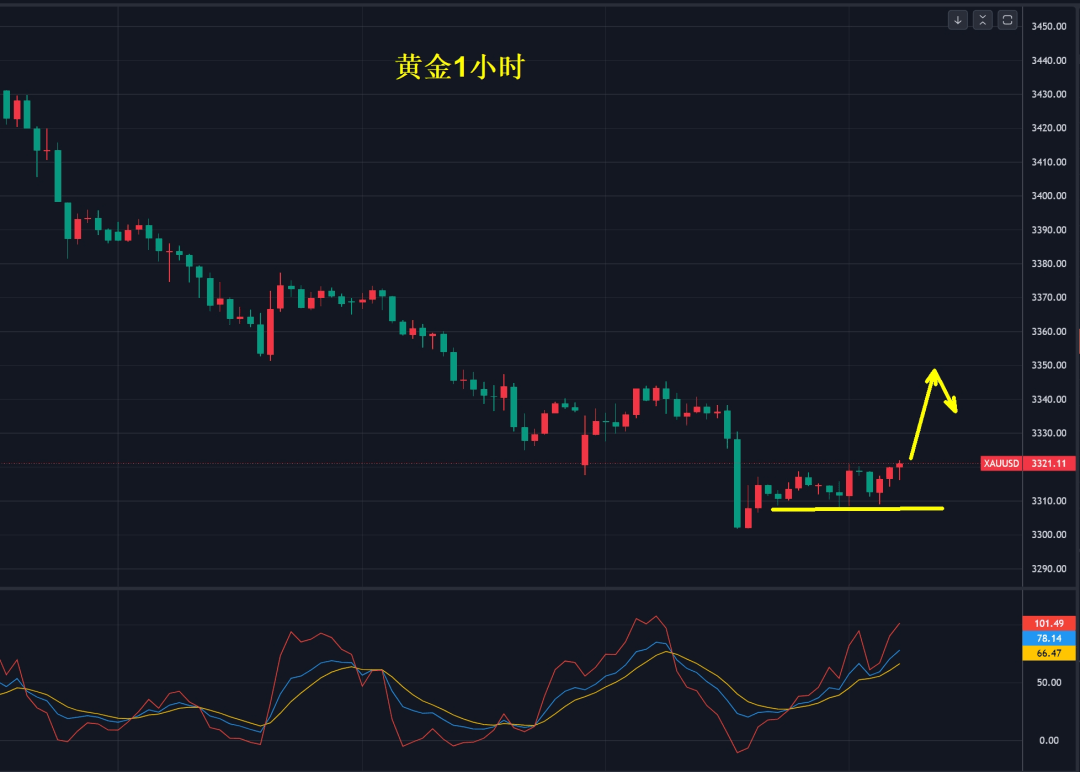
Group 1 - The current gold market resembles that of ten years ago, characterized by low volatility and minimal trading activity, with traders feeling increasingly apathetic [1] - Geopolitical risks, trade conflicts, and monetary policy have all been put on hold, leading to a stagnant market environment [1] - Attention is focused on the upcoming U.S. non-farm payroll data and potential retaliatory tariffs from the Trump administration, which could significantly impact market sentiment [1] Group 2 - The market remains unclear, with the key support level at $3,300 acting as a pivot point for potential price movements, indicating ongoing bullish and bearish battles [2] - Current trading activity shows limited fluctuations, with a critical focus on the $3,305 level as a dividing line for long and short positions [4] - The strategy suggests observing the market without taking significant risks until a clear breakout occurs, particularly below $3,305 [4]

欧洲人怎么看欧美贸易协议?德国业界担忧,欧盟领导人捍卫
Hua Er Jie Jian Wen· 2025-07-28 20:50
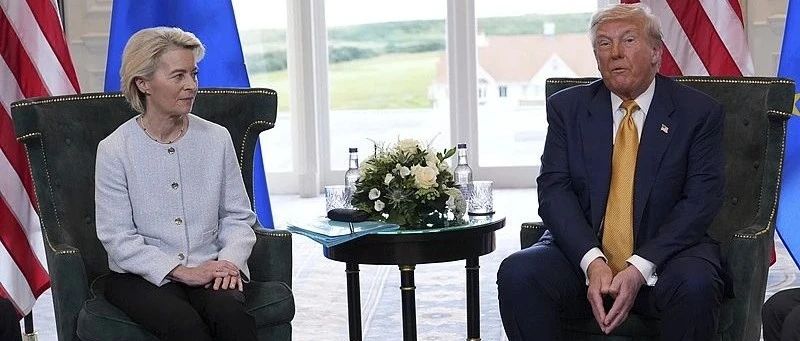
Core Viewpoint - The recent trade agreement between the US and the EU involves a 15% tariff on most EU exports to the US, which has sparked mixed reactions among European governments, particularly concerning the competitiveness of the automotive industry in Germany [1][4]. Group 1: Agreement Details - The agreement was announced by US President Trump, who stated that the EU would face a 15% tariff on goods exported to the US, which is seen as a compromise to avoid higher tariffs previously threatened by Trump [1][5]. - The EU has committed to purchasing $750 billion worth of US energy products and increasing investments by $60 billion, which are key components of the agreement [1][10]. - The average effective tariff rate for the US is expected to rise from 13.5% to 16% as a result of this agreement, which is lower than the previously anticipated 18% [5]. Group 2: Reactions from European Leaders - German Chancellor Merz expressed that the agreement successfully avoided a trade conflict that could have severely impacted Germany's export-driven economy, although he hopes for further relaxation of transatlantic trade [5][6]. - The Slovak Prime Minister acknowledged the 15% tariff as a reasonable outcome, highlighting the importance of the automotive industry to Slovakia's GDP [6]. - However, there is significant criticism from the German industrial sector, with leaders arguing that the agreement sends a disastrous signal and could have severe negative impacts on Germany's export-oriented industries [8]. Group 3: Concerns and Future Implications - The lack of detailed written agreements raises concerns about the execution and interpretation of the deal, leading to uncertainties for investors and markets [10][11]. - The agreement is viewed as a pragmatic compromise aimed at maintaining economic stability in Europe, but it has also been criticized for potentially undermining European competitiveness [4][7]. - French officials have expressed dissatisfaction with the agreement, suggesting that it reflects a power imbalance between the EU and the US, and have called for measures to counteract perceived US dominance [8].
欧盟输美产品关税“定档”15%
Bei Jing Shang Bao· 2025-07-28 15:02
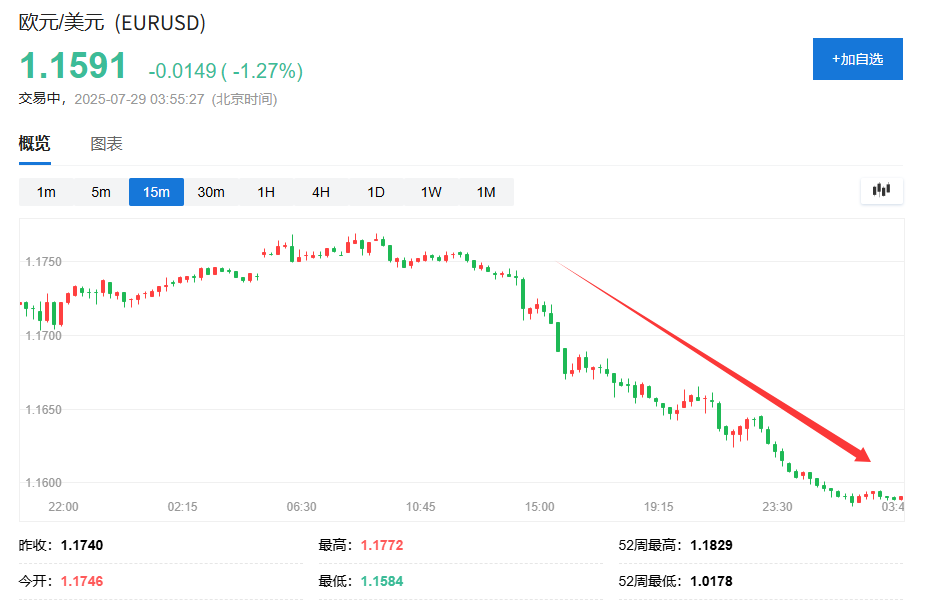
Group 1 - The core point of the news is the recent trade agreement between the US and the EU, which has been viewed internally within the EU as a "bad deal" despite temporarily stabilizing the global economy [1][5] - The agreement includes a 15% tariff on most EU products exported to the US, which is higher than the EU's initial target of 10% but lower than Trump's initial proposal of 20% [3][5] - The EU is expected to increase its investment in the US by $600 billion and purchase $750 billion worth of US energy products, although the specifics of these investments remain unclear [3][6] Group 2 - There are significant discrepancies in the statements made by US and EU leaders regarding the agreement, particularly concerning pharmaceutical products and steel and aluminum tariffs [3][4] - The financial markets reacted positively to the announcement, with the euro appreciating against the dollar and stock indices rising, indicating a temporary relief from trade conflict uncertainties [4][5] - Analysts express caution, noting that the details of the agreement, such as the specific products affected by tariffs and the implications of the $600 billion investment, could lead to further complications [4][6] Group 3 - The agreement has been criticized within the EU, with leaders expressing dissatisfaction over the concessions made, particularly the 15% tariff which is significantly higher than previous rates [5][6] - The potential economic impact of the tariffs on the EU's GDP is under scrutiny, with estimates suggesting a 0.4% impact from a 10% tariff, and the new agreement may lead to a reassessment of these figures [6][7] - The trade dynamics may shift as the US could use the 15% tariff as a template for negotiations with other countries, potentially leading to a broader trade strategy that favors the US [7][8]
美欧达成15%关税协议,“严重损害欧洲利益”
第一财经· 2025-07-27 23:56
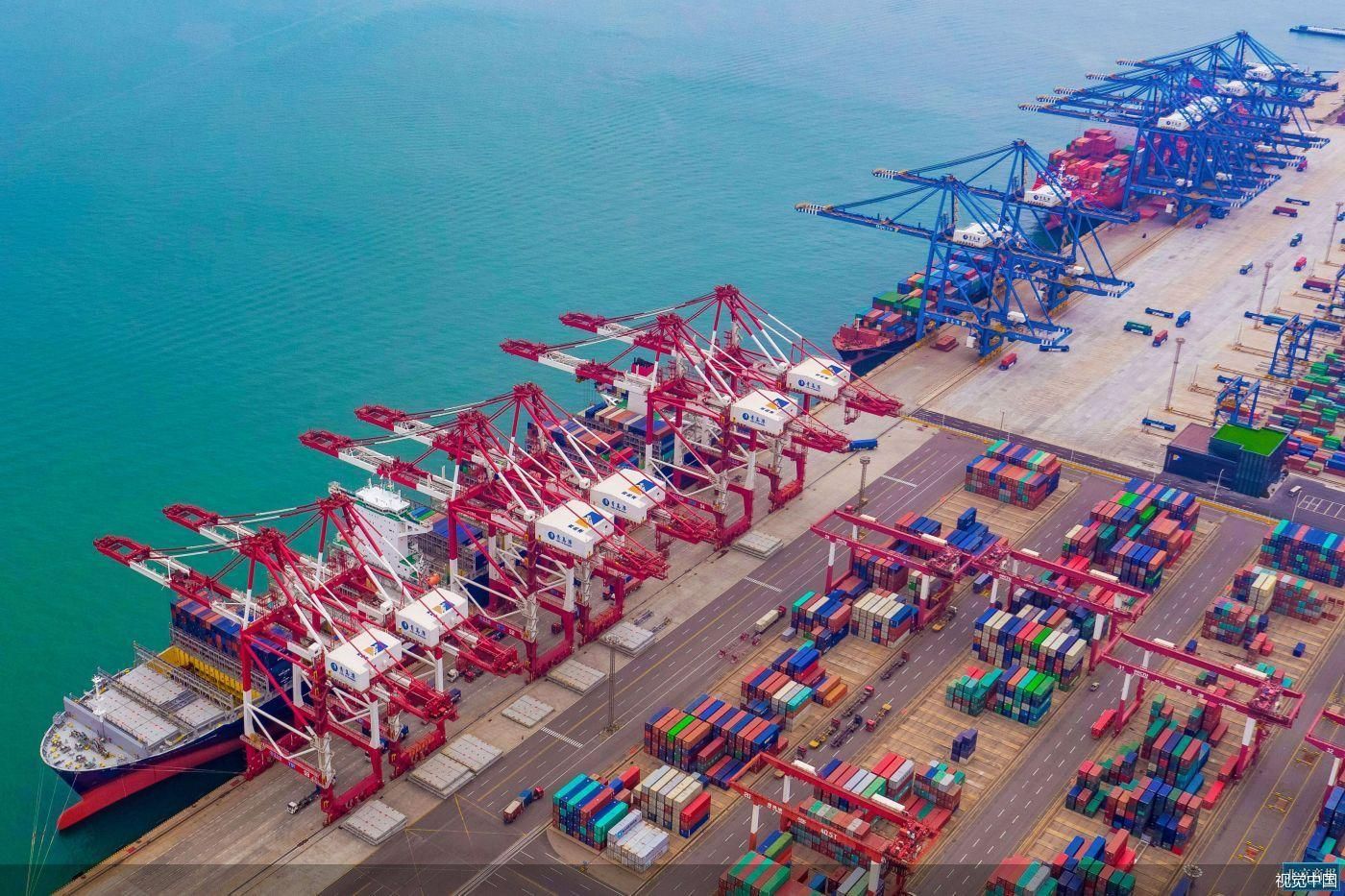
Core Viewpoint - The article discusses the recent trade agreement between the United States and the European Union, highlighting the key terms and implications for both economies [2][4]. Summary by Sections Trade Agreement Details - The U.S. will impose a 15% tariff on most EU exports, including automobiles, semiconductors, and pharmaceuticals, which is significantly lower than the previously threatened 30% tariff [5][6]. - The EU has agreed to invest an additional $600 billion in the U.S. and purchase $750 billion worth of U.S. energy products [2][4]. Market Reactions - Following the announcement, the euro appreciated against the dollar, indicating a positive market response and reduced uncertainty regarding trade conflicts [9][10]. - Investors view the agreement as a stabilizing factor for business operations and market sentiment [10]. Impact on Trade - The 15% tariff is expected to increase costs for EU exports to the U.S., potentially reducing the competitiveness of European products, particularly in the automotive sector [12][13]. - The agreement aims to reduce the U.S. trade deficit with the EU, which was $235.6 billion in 2024, by increasing U.S. exports and capital inflow from Europe [14][15]. Economic Implications - The agreement may lead to higher import costs for U.S. consumers and businesses, contributing to upward pressure on domestic prices and inflation [16]. - The U.S. defense industry is expected to benefit from increased sales of military equipment to Europe, potentially boosting employment and investment in related sectors [15]. Reactions from Stakeholders - German Chancellor Merz expressed relief that the agreement avoided a trade conflict that could have severely impacted Germany's export-driven economy [18]. - However, some European officials criticized the agreement as unbalanced and detrimental to EU interests, suggesting a need for diversification away from reliance on the U.S. market [20][21].
如果欧美谈崩了,会发生什么?
Hua Er Jie Jian Wen· 2025-07-25 05:57
Core Viewpoint - The EU is preparing a robust countermeasure strategy as the deadline for trade negotiations with the US approaches, which could escalate transatlantic trade disputes and significantly impact both economies [1][2]. Group 1: Economic Impact of Tariffs - Current US tariffs of approximately 10% on EU goods have resulted in about a 0.4% GDP loss for the EU [2]. - If a 15% tariff agreement is reached, this loss is expected to rise slightly to 0.5% [2]. - In the worst-case scenario, if the US imposes a 30% punitive tariff, the effective average tax rate would increase to about 21%, leading to a GDP decline of 0.7% for the EU [2]. Group 2: EU's Two-Step Retaliation Plan - The EU's retaliation strategy consists of two phases: the first involves imposing tariffs on a total of €930 billion worth of US imports, potentially at rates as high as 30% [3]. - The second phase includes the potential activation of the Anti-Coercion Instrument (ACI), targeting US financial and digital services [3]. Group 3: Anti-Coercion Instrument (ACI) - The ACI, established in November 2023, serves as a trade "defensive weapon" aimed at deterring third countries from exerting economic pressure on the EU [4][5]. - Unlike traditional trade dispute tools, the ACI allows for broader measures, including restrictions on foreign direct investment and access to financial markets [4]. Group 4: Risks of ACI Activation - Utilizing the ACI against US financial and digital services could lead to "significant self-harm" for the EU, given its reliance on US technology service imports [6]. - Any US countermeasures in response to ACI activation could severely disrupt European business activities [6].

金价再涨8元!2025年7月23日各大金店黄金价格多少钱一克?
Jin Tou Wang· 2025-07-23 07:40
7月23日国内黄金市场动态:国内品牌金店金价继续上涨,整体涨幅超8元/克。其中,周生生的黄金价 格上涨8元/克,报价1029元/克,为最高价金店。上海中国黄金上涨12元/克,报价981元/克,还是最低 价金店。今日最高与最低金店间价差扩大至52元/克。 具体各大品牌金店最新价格见下表格: | 今日金店黄金价格一览(2025年7月23日) | | | | | | --- | --- | --- | --- | --- | | 金店报价 | 今日金价 | 单位 | 变动幅度 | 涨跌 | | 老庙黄金价格 | 1024 | 元/克 | 10 | 涨 | | 六福黄金价格 | 1023 | 元/克 | 8 | 涨 | | 周大福黄金价格 | 1023 | 元/克 | 8 | 涨 | | 周六福黄金价格 | 1003 | 元/克 | 8 | 涨 | | 金至尊黄金价格 | 1023 | 元/克 | 8 | 涨 | | 老凤祥黄金价格 | 1024 | 元/克 | 8 | 涨 | | 潮宏基黄金价格 | 1023 | 元/克 | 8 | 涨 | | 周生生黄金价格 | 1029 | 元/克 | 8 | 涨 | | 菜百 ...

黄金,你解套了?
Sou Hu Cai Jing· 2025-07-23 04:30
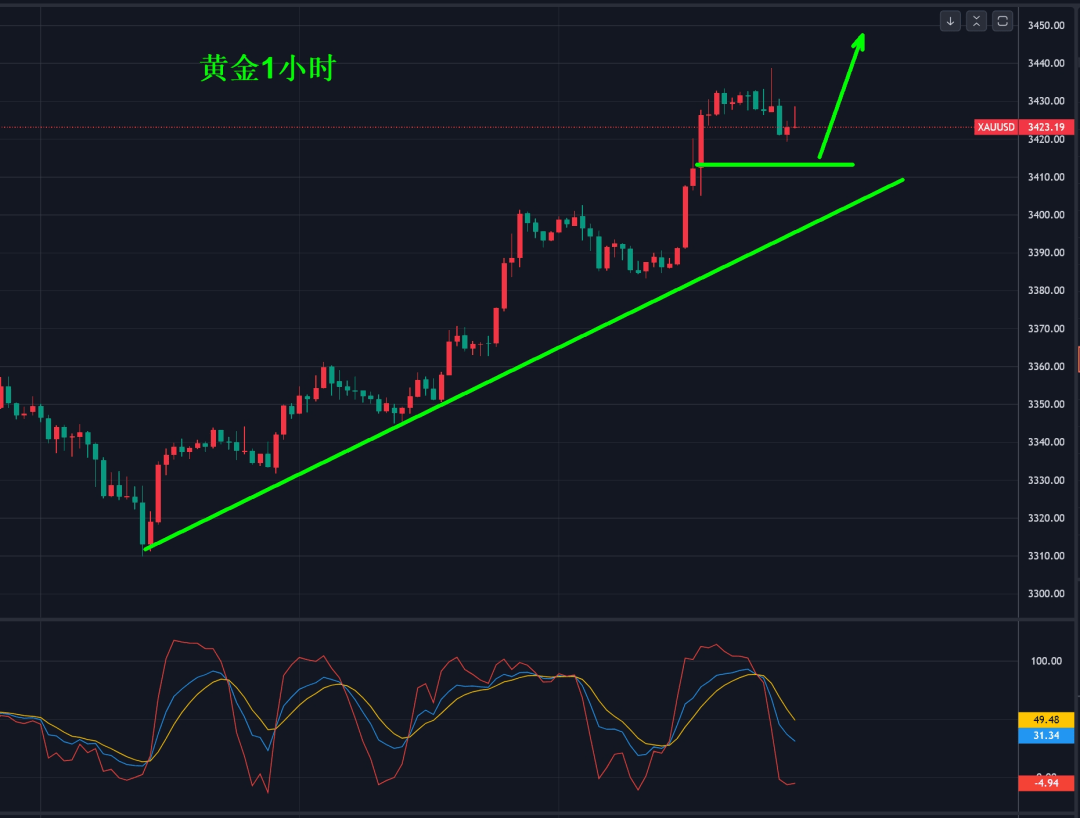
Group 1 - Gold prices have risen back to $3,400, a level not seen since June 16, indicating a recovery for bullish investors [1] - The upcoming tariffs from Trump's administration are expected to create volatility, with speculation in the options market suggesting that gold will benefit from retaliatory tariffs [1] - The Federal Reserve's interest rate policies, particularly the anticipated rate cuts, are influencing market dynamics, with a strong bullish sentiment emerging in the gold market [2] Group 2 - The recent price movements show a clear upward trend, with support levels rising from $3,310, indicating a bullish market sentiment [4] - Trading strategies are focused on buying on dips, with key price levels identified for potential entry points and profit-taking [4] - The market is closely watching for a breakout above $3,438, which could signal further upward momentum [4]
早盘直击 | 今日行情关注
申万宏源证券上海北京西路营业部· 2025-07-23 02:39
Core Viewpoint - The A-share market is experiencing a short-term upward trend despite some fluctuations, with a positive outlook for the upcoming months as various industry catalysts emerge [1][2]. Market Overview - The A-share market showed initial volatility but began to rise after 10:30 AM, with most major indices closing in the green, indicating a strong buying force [1]. - The Shanghai Composite Index has officially broken through the high point of November 8, 2024, suggesting the end of the sideways movement since Q4 2024 [1]. - Concerns regarding trade conflicts have eased, and with the policy window approaching in July, the market is expected to maintain a slow upward trend [1]. Future Outlook - There are multiple industry catalysts that could positively influence the market, such as the launch of the Yarlung Tsangpo River downstream power station and potential recovery in H20 chip exports [2]. - After the index surpasses 3500 points, two potential paths are identified: continuing the upward trend or consolidating before challenging the previous high of 3674 points [2]. - For the market to challenge the previous high, three conditions must be met: implementation of fiscal stimulus policies, continued global easing, and sustained increase in trading volume [2]. Sector Highlights - The A-share market in July is expected to be driven by events, with a likelihood of sector rotation between high and low-performing areas [3]. - Key sectors to watch include: 1. Consumer expansion and domestic demand, with a focus on dairy products, IP consumption, leisure tourism, and medical aesthetics [3]. 2. The trend of robot localization and integration into daily life, with opportunities in sensors, controllers, and functional robots [3]. 3. The ongoing trend of semiconductor localization, focusing on semiconductor equipment, wafer manufacturing, materials, and IC design [3]. 4. The military industry is expected to see a rebound in orders, with signs of recovery in various sub-sectors [3]. 5. The innovative drug sector is anticipated to reach a turning point in fundamentals after a prolonged adjustment period [3]. Market Performance Review - The A-share market experienced fluctuations but maintained an upward trend, with strong buying support observed [4]. - Leading sectors included coal, building materials, construction, steel, and non-ferrous metals, while banking, computing, telecommunications, electronics, and textiles lagged [4].

广发期货日评-20250722
Guang Fa Qi Huo· 2025-07-22 04:00
Industry Investment Ratings No specific industry investment ratings are provided in the report. Core Views - The overall market shows a complex situation with different trends in various sectors. Some sectors are influenced by macro - economic factors, policy changes, and supply - demand relationships [2]. - Different commodities have different price trends and investment opportunities, and corresponding trading strategies are proposed for each commodity. Summary by Categories Financial - **Equity Index**: There is an obvious high - low switching phenomenon between sectors. It is recommended to gradually take profits on long positions in IM futures and replace them with a small amount of short positions in MO put options with a strike price of 6000 in the 08 contract. Unilateral strategies suggest short - term waiting and paying attention to the capital side and incremental policies [2]. - **Treasury Bonds**: After the tax period this week, funds may gradually return to a loose state. In the short - term, the bond market is significantly affected by the stock - bond seesaw effect and is in a box - shock stage. Curve strategies can continue to bet on steepening [2]. - **Precious Metals**: Gold fluctuates more due to short - term trade conflicts and a weaker dollar, maintaining a shock - upward trend above $3300. Silver has further upward space above $38 and long positions can be held [2]. Shipping - **Container Shipping Index (European Line)**: The EC main contract fluctuates. It is expected that the near - month will be weakly volatile. It is advisable to short the 08 contract or lightly short the 10 contract on rallies [2]. Black Metals - **Steel and Iron Ore**: The sentiment in the black metal market has improved, pig iron production has rebounded, and steel mills' restocking provides support. It is recommended to go long on dips for steel, iron ore, coking coal, and coke [2]. Non - Ferrous Metals - **Copper**: With the advancement of anti - involution policies, copper prices fluctuate strongly, with the main contract referring to 78,500 - 81,000 [2]. - **Aluminum and Related Products**: Alumina is strong due to capacity elimination expectations and squeezing risks. Aluminum prices have a slight recovery, but the off - season inventory accumulation expectation is still strong. Zinc has weak demand expectations with inventory accumulation. Tin, nickel, and stainless steel have different trends affected by macro and industrial factors [2]. Energy and Chemicals - **Crude Oil**: The macro and fundamental aspects are in a multi - empty stalemate, and short - term oil prices fluctuate mainly. It is recommended to have a bullish mindset in the short - term [2]. - **Chemicals**: Different chemical products have different trends. For example, PX is supported in the short - term, PTA is also supported, and some products like caustic soda and PVC are affected by macro and policy factors [2]. Agricultural Products - Different agricultural products have different price trends. For example, soybeans have strong bottom support, palm oil is weak due to slow exports, and cotton has a short - term strong trend and a medium - term bearish trend [2]. Special Commodities - Glass, rubber, and industrial silicon are affected by macro factors. Their prices have risen, and it is recommended to wait and see [2]. New Energy - Polysilicon and lithium carbonate are affected by macro - sentiment. Their prices have upward trends, and it is recommended to wait and see while paying attention to risk management [2].