
新零售

Search documents
盒马X会员店全国关停,阿里新零售战略遇挫
Sou Hu Cai Jing· 2025-08-15 11:48
Core Viewpoint - Hema X membership stores, once seen as a significant growth opportunity for Alibaba, are closing down due to strategic shifts and intensified competition in the membership store sector [5][17]. Group 1: Store Closures - Hema X membership stores in Beijing, Suzhou, and Nanjing will cease operations on July 31, leaving only the Shanghai Senlan store, which is also set to close on August 31, resulting in a complete shutdown of Hema X stores nationwide [2][5]. - The closure of Hema X membership stores reflects a broader strategic retreat by Alibaba, focusing resources on core businesses like Hema Fresh and Hema NB [5][17]. Group 2: Strategic Shifts - Hema X was initially positioned to compete with Sam's Club and Costco, but after Alibaba's divestment from other retail entities, the expansion of Hema X has significantly slowed [5][17]. - The closure of Hema X membership stores is part of Alibaba's strategy to consolidate its membership offerings and enhance the overall customer experience across its platforms [17]. Group 3: Financial Impact - Following the announcement of Hema X store closures, Alibaba's stock price experienced fluctuations, opening at $122.49 on July 29 and closing at $117.04 on August 5, marking a 16.4% decline from its peak earlier in the year [5][17]. - Despite the closures, Hema's main business, Hema Fresh, reportedly achieved profitability, indicating a potential shift in focus towards more sustainable business models [14][15]. Group 4: Leadership Changes - The departure of key figures from Hema's founding team, including co-founder Hou Yi and public affairs head Shen Li, marks a significant transition in leadership as the company moves towards a new management structure [11][14]. - The new CEO, Yan Xiaolei, who has a financial background but lacks retail experience, is expected to implement a flatter management structure, which may influence Hema's operational strategies moving forward [11][14]. Group 5: IPO Prospects - Hema's plans for an initial public offering (IPO) have been postponed, with the company's valuation dropping from $10 billion to under $4 billion, reflecting a cautious market environment for consumer-focused businesses [13][15]. - The company faces challenges in proving the sustainability of its high-cost business model, which has led to skepticism regarding its long-term competitiveness and potential for future growth [15].



大连友谊新旧控股股东终止六年诉讼拉锯战 连续十年亏损倒逼双方握手言和 武汉国资入主能否迎来曙光?
Xin Lang Zheng Quan· 2025-08-15 06:29
Core Viewpoint - The recent announcement by Dalian Friendship indicates the resolution of a six-year legal dispute between its former and current controlling shareholders, paving the way for strategic cooperation aimed at enhancing operational performance and achieving high-quality development [1][3]. Group 1: Legal Dispute Background - The core of the dispute stemmed from a 2016 equity transfer agreement, where Friendship Group claimed that Wuxin Holdings needed to pay a transaction price of 2.8 billion yuan (including 600 million yuan in cash, 700 million yuan in debt assumption, and 1.5 billion yuan in asset transfer payments), but only received 1.664 billion yuan by 2019, leading to a lawsuit for breach of contract [2]. - Wuxin Holdings argued that the 2016 share transfer agreement should prevail, denying the validity of the cooperation agreement, which resulted in the judicial freeze of 100 million shares held by Wuxin, blocking a planned acquisition by Wuhan State-owned Assets [2]. Group 2: Resolution of Dispute - The parties agreed to "terminate the old agreement and complete the performance," effectively clearing the legal disputes by confirming the cancellation of the 2016 cooperation agreement and recognizing the 2016 share transfer agreement as the sole basis for the transaction, leading to the withdrawal of the lawsuit and the lifting of the share freeze [3]. - The unfreezing of shares facilitates the resumption of the acquisition plan by Wuhan Kaicheng, which had been stalled for five years due to the freeze [3]. Group 3: Strategic Cooperation Framework - The new agreement restructures the shareholder relationship, with all parties committing to allocate their advantageous resources to support Dalian Friendship's operational improvement, focusing on "high-quality development" [4]. - Wuxin Holdings will support Friendship Group in increasing its shareholding and promote deep cooperation in retail and new retail sectors, potentially integrating original commercial assets [4]. Group 4: Performance Challenges - Dalian Friendship has faced continuous losses, with a projected loss of 30 to 38 million yuan in the first half of 2025, exacerbated by a decline in department store revenue, rising financial costs, and the impact of real estate penalties [5]. - The prolonged litigation has drained management resources, stalled asset restructuring, and left the regional retail business vulnerable to e-commerce competition [5]. Group 5: Future Signals - The expectation of state-owned capital entering the company is strengthened, with the acquisition plan by Wuhan Kaicheng likely to accelerate, potentially leading to the divestment of inefficient real estate and hotel assets while injecting resources for retail upgrades [7]. - The balance of interests between the new and old shareholders is being recalibrated, with Friendship Group regaining influence through cooperation and Wuxin Holdings seeking to resolve capital issues by stepping back [7]. - The focus on new retail collaboration is critical for reversing the decline in physical department stores, and the effectiveness of this cooperation will determine whether the company can break a decade-long cycle of losses [7]. Group 6: Challenges Ahead - While the resolution of the six-year lawsuit marks a rational compromise, the real challenge for Dalian Friendship begins post-settlement, as the efficiency of the state-owned capital's entry and the realization of resource synergy commitments will be crucial for the survival of this traditional retail enterprise [8].

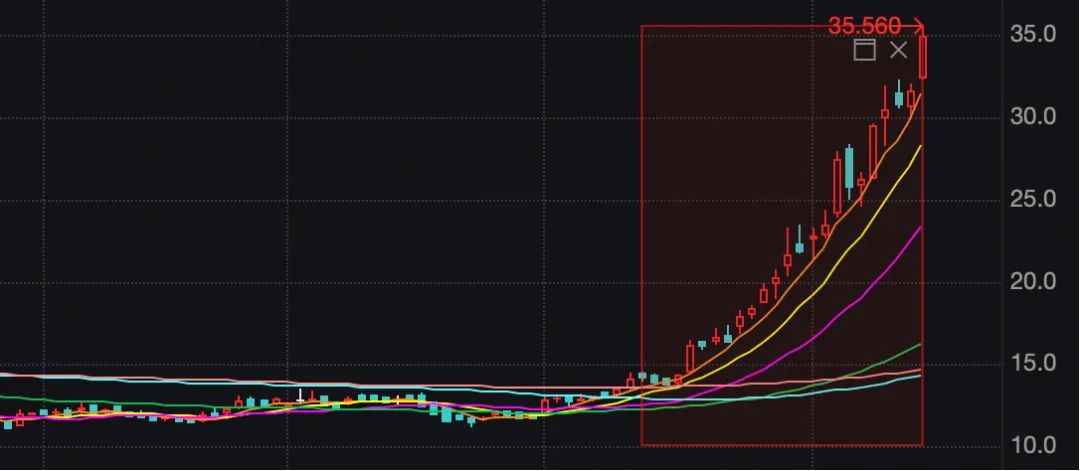
东方甄选还是被低估了
3 6 Ke· 2025-08-15 00:01
Core Viewpoint - The stock price of Dongfang Zhenxuan has surged over 100% in the past month, indicating a significant recovery and transformation within the company [2][5]. Financial Performance - In the second half of FY2025 (December 2024 to May 2025), Dongfang Zhenxuan's revenue is projected to be approximately $299 million (around 2.16 billion RMB), with an operating profit of about $6.2 million (around 44.71 million RMB) [5]. - In the first half of FY2025 (June to November 2024), the company experienced an operating loss of $15.7 million (around 11 million RMB) [5]. - By FY2025 Q4 (March to May 2025), the operating profit is expected to recover to about $7.2 million (around 51.67 million RMB), with a Non-GAAP operating profit of approximately 79 million RMB [5]. - The operating profit margins for FY25 Q1 to Q4 show significant improvement, moving from -8% to 7% [5]. Strategic Transformation - The recent surge in stock price is attributed to the company's shift in strategy following the departure of key figure Dong Yuhui, allowing the company to refocus on its original vision of becoming a product technology enterprise with supply chain management capabilities [6][12]. - Dongfang Zhenxuan has made notable progress in its self-operated business, increasing its SKU count from under 300 to 600 within a year, with further growth expected [8]. - The launch of self-operated products, such as sanitary napkins, has seen impressive sales, with 180,000 orders and an estimated sales revenue of 20 million RMB within two days on Douyin [9][10]. Market Context - The Chinese retail market is undergoing significant changes, with traditional supermarkets struggling and new retail models gaining traction, exemplified by the rapid growth of Sam's Club in China [13][14]. - Dongfang Zhenxuan's strategy of leveraging online traffic and avoiding physical stores allows for cost-effective operations and a quicker path to profitability [16]. - The company aims to build a sustainable business model focused on self-operated products, benefiting from its brand influence and supply chain advantages [17].
马云站台张勇孵化的盒马,为何会员店全军覆没?
Sou Hu Cai Jing· 2025-08-14 23:17
Core Viewpoint - Hema X membership stores, once seen as a significant growth opportunity for Alibaba, are closing down, indicating a strategic shift and challenges in the retail sector [2][5][18] Group 1: Store Closures - Hema X membership stores in Beijing, Suzhou, and Nanjing will cease operations by July 31, leaving only the Shanghai Senlan store, which is also set to close by August 31, resulting in a complete shutdown of Hema X stores nationwide [2][5] - The closure of Hema X membership stores reflects a broader trend of Alibaba consolidating its retail strategy and focusing on core businesses like Hema Fresh and Hema NB [5][18] Group 2: Strategic Shifts - Hema X was initially positioned to compete with Sam's Club and Costco, but increased competition and a slowdown in expansion have led to its decline [5][11] - Alibaba's decision to close Hema X stores is part of a larger strategy to integrate resources across its platforms, such as Taobao and Ele.me, and to streamline its membership offerings [18] Group 3: Financial Performance - Following the announcement of Hema X store closures, Alibaba's stock experienced fluctuations, opening at $122.49 and closing at $117.04 on August 5, reflecting a 16.4% decline from its peak earlier in the year [5] - Despite the closures, Hema Fresh has reportedly achieved profitability, with annual sales reaching 61 billion yuan, indicating that the core business remains strong even as Hema X falters [9][15] Group 4: Leadership Changes - The departure of Hema's founding team, including CEO Hou Yi, marks a significant transition for the company, with new leadership under financial expert Yan Xiaolei, who lacks retail experience [10][12] - The management shift coincides with the closure of Hema X stores, suggesting a potential reevaluation of Hema's business model and operational strategies [12][18] Group 5: IPO Prospects - Hema's plans for an IPO have been put on hold, with its valuation dropping from $10 billion to under $4 billion, reflecting market skepticism about its business model and growth potential [14][16] - The overall market sentiment towards consumer-facing businesses has become cautious, impacting Hema's ability to attract investment and achieve its ambitious sales targets [14][16]

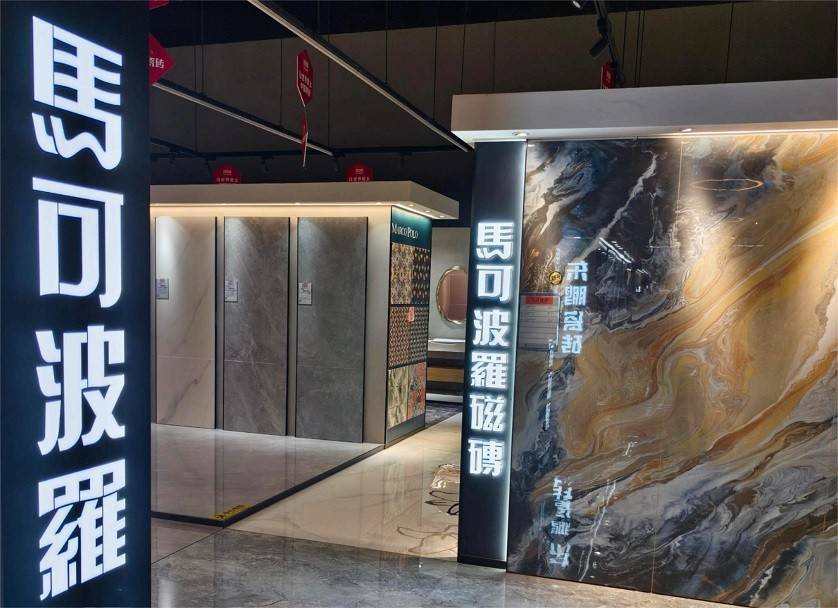
“缺钱”的马可波罗,上市救急
Sou Hu Cai Jing· 2025-08-14 22:30
Core Viewpoint - The IPO journey of Marco Polo, a leading player in the ceramic tile industry, has faced significant challenges despite its strong market position, raising concerns among investors about its future performance and the overall market conditions [1][2][4]. Group 1: IPO Progress and Challenges - Marco Polo submitted its IPO application to the China Securities Regulatory Commission in May 2022, but faced delays due to regulatory changes and market conditions, eventually moving to the Shenzhen Stock Exchange for review in March 2023 [2][4]. - The company was initially approved for listing but faced a suspension of its IPO review in May 2024, leading to a request for a review halt in July 2024, reflecting the unfavorable market environment for traditional consumer goods companies [4][5]. - The company has been criticized for its cash dividends totaling 823 million yuan before going public, raising suspicions about its intentions and financial health [5][6]. Group 2: Financial Performance and Market Conditions - Marco Polo reported a revenue of 8.925 billion yuan in 2023, a slight increase of 3.05% year-on-year, but projected a decline in revenue for 2024 by 16.75% to 18.99% due to intensified market competition [6][8]. - The company's net profit has also been declining, with figures of 1.514 billion yuan, 1.353 billion yuan, and 1.327 billion yuan from 2022 to 2024, indicating a downward trend in profitability [8][9]. - The ceramic tile industry is facing significant challenges due to a cooling real estate market, with actual production expected to drop by 12.18% in 2024 compared to 2023, further impacting demand for ceramic products [8][9]. Group 3: Strategic Adjustments and Market Position - Marco Polo is attempting to adapt to market changes by exploring new retail strategies and enhancing its product offerings, including a focus on smart home solutions and partnerships with other companies [10][12]. - The company has shifted its sales strategy to focus on retail and engineering channels, reducing reliance on real estate clients, which have historically posed risks [9][10]. - Despite these efforts, the competitive landscape remains intense, with price competition leading to a decline in gross margins from 47.11% in 2019 to 38.46% in 2024, raising concerns about long-term sustainability [12][13].
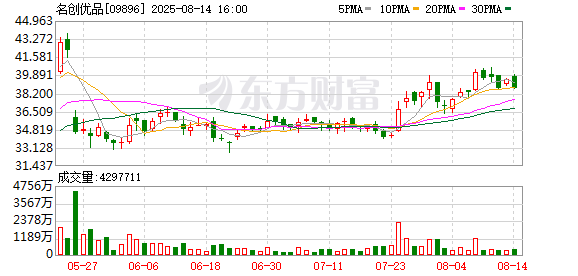
美妆巨头纠纷再起!KK集团诉名创优品不正当竞争案9月开庭
Nan Fang Du Shi Bao· 2025-08-14 14:40
Core Viewpoint - The KK Group is suing Miniso and its affiliates for trademark infringement and unfair competition regarding its brand "THE COLORIST," with the trial set for September 1, which could significantly impact intellectual property protection in the beauty retail industry [2][3]. Company Dynamics - KK Group, established in 2015, operates multiple brands including "THE COLORIST," "KKV," and X11, and has expanded to over 1,000 stores across more than 200 cities globally, including locations in Singapore, Thailand, and Malaysia [7]. - The company has been actively pursuing legal actions against trademark infringement since 2019, achieving partial victories in previous cases [3][6]. - KK Group has submitted its IPO application to the Hong Kong Stock Exchange four times since November 2021, with the latest application now expired, but the company states that the IPO process is progressing as planned [7]. Industry Overview - The beauty retail sector in China has seen explosive growth, with the market size reaching 130 billion yuan in 2021 and projected to exceed 400 billion yuan by 2025 [5]. - The rapid expansion has led to increased competition and a rise in trademark disputes due to the high degree of similarity among brands, making it difficult for consumers to distinguish between them [5][6]. - The industry has experienced a slowdown in growth, with many brands closing stores or exiting the market, including the closure of 18 stores by Sa Sa International in mainland China by June 2025 [6].
增收不增利 中国利郎阵痛前行
Bei Jing Shang Bao· 2025-08-13 16:24
Core Viewpoint - China Lilang's transformation efforts have not yet resulted in significant performance improvements, as evidenced by its recent financial results showing a decline in net profit despite revenue growth [1][2]. Financial Performance - In the first half of 2025, China Lilang reported revenue of 1.727 billion yuan, a year-on-year increase of 7.9%, while net profit was 243 million yuan, a decrease of 13.4% [1]. - The operating profit for the same period fell by 17.1%, attributed to reduced government subsidies and increased costs related to self-operated stores and e-commerce [1]. - The main product line "LILANZ" saw revenue of 1.191 billion yuan, a slight decline of 0.2% year-on-year, primarily due to channel transformation impacting distribution sales and inventory buyback costs [1]. Transformation Efforts - China Lilang has been undergoing a transformation since 2020, focusing on appealing to younger consumers by changing brand ambassadors and sponsoring popular variety shows [2]. - The brand has introduced a virtual character "LI" to promote its products and has upgraded its visual identity to align with a "minimalist menswear" positioning [2]. - In 2024, the company continued its transformation by launching new product categories and acquiring the brand rights for high-end golf apparel "MUNSINGWEAR" in China [3]. Market Strategy - China Lilang is shifting towards a direct-to-consumer (DTC) model, particularly in Northeast China and Jiangsu Province, replacing the previous distribution model [3]. - The company aims to innovate its business model from selling products to providing services, leveraging localized service advantages for customer engagement [3]. Performance of New Initiatives - The "LESS IS MORE" light business series, targeting younger consumers, achieved a revenue increase of 31.8% in the first half of 2025, supported by a fully direct-operated model and effective new retail marketing strategies [4].
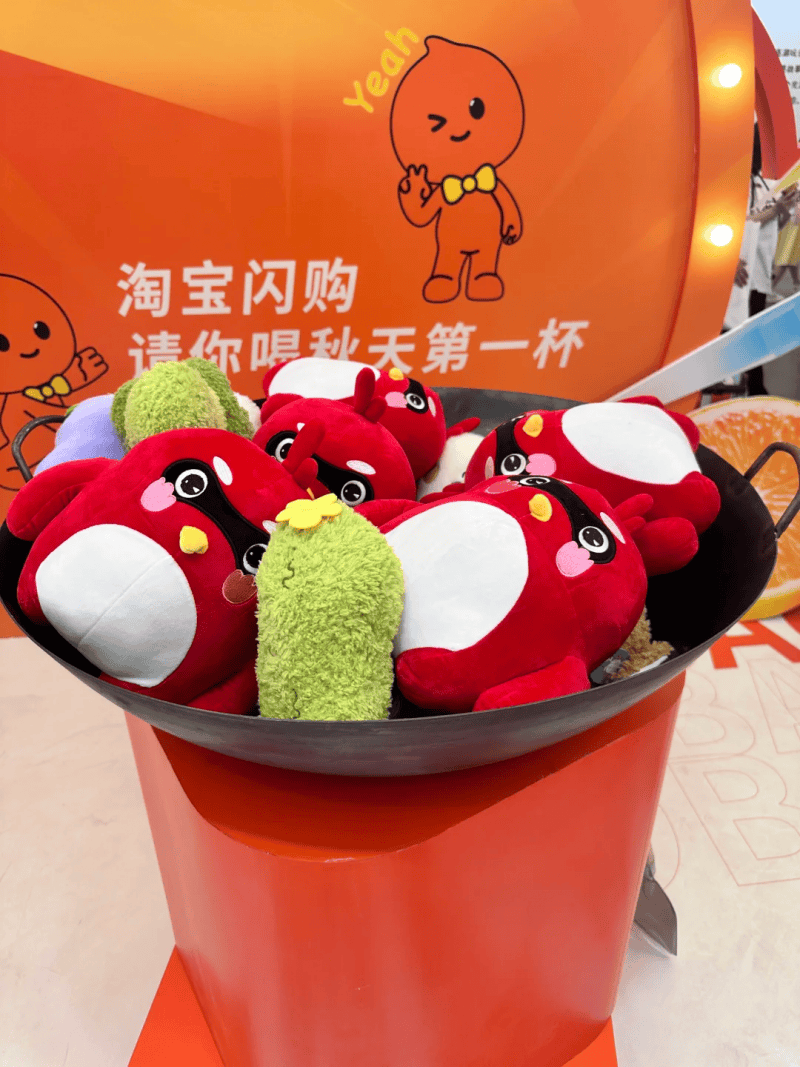
紫燕百味鸡携手淘宝闪购亮相ChinaJoy,持续深化年轻市场渗透
Sou Hu Cai Jing· 2025-08-13 01:25
Core Insights - Ziyan Baiwei Chicken collaborates with Taobao Flash Sale to enhance its influence among young consumers by integrating traditional flavors into the digital entertainment space [1][3][4] - The partnership marks a significant step in Ziyan's strategy to engage with the new retail landscape and connect with the younger generation [1][6] Marketing and Channel Strategy - The participation in ChinaJoy allows Ziyan Baiwei Chicken to reach a large audience of Gen Z consumers who are highly engaged with digital culture [3][4] - The brand employs interactive marketing strategies, such as themed tasks and giveaways, to appeal to younger consumers and break down barriers between traditional food culture and modern youth trends [4][6] Sales Performance and Digital Marketing - Ziyan Baiwei Chicken's collaboration with Taobao Flash Sale has led to a significant increase in online orders, with over 4 million orders on Ele.me in July, showcasing the effectiveness of its new retail strategy [6][8] - The use of digital marketing tools and resources from Taobao Flash Sale has enabled Ziyan to effectively convert brand exposure into sales, demonstrating a successful integration of online presence and sales performance [6][9] Youth Market Engagement - The company is focusing on the "University Town Strategy" to penetrate the college market by opening stores in key areas frequented by students, thus capturing a significant share of the youth consumer market [8] - Ziyan Baiwei Chicken is continuously innovating its product offerings to meet the preferences of young consumers, including high-value meal options and enhanced delivery services [8][9] Innovative Marketing Approaches - The brand is exploring new digital marketing methods, such as live streaming on platforms like Douyin, to better understand consumer needs and enhance sales collaboration [8][9] - Ziyan Baiwei Chicken has implemented a comprehensive marketing ecosystem that combines online and offline strategies, significantly improving marketing conversion efficiency [8][9]

红棉股份股价微跌0.60%,食品饮料板块表现受关注
Jin Rong Jie· 2025-08-12 18:32
Group 1 - The stock price of Hongmian Co. closed at 3.32 yuan on August 12, 2025, down 0.60% from the previous trading day [1] - The trading volume on that day was 150,000 hands, with a transaction amount of 50 million yuan, resulting in a turnover rate of 1.13% [1] - Hongmian Co. operates in the food and beverage industry, with business activities including beer production and new retail [1] Group 2 - The total market capitalization of Hongmian Co. is 6.094 billion yuan, with a circulating market value of 4.4 billion yuan and a price-to-earnings ratio of 130.06 [1] - There has been an increase in market attention towards the food and beverage sector recently, but Hongmian Co. has experienced a net outflow of main funds [1] - On August 12, the net outflow of main funds was 11.464 million yuan, with a cumulative net outflow of 28.4462 million yuan over the past five days [1]

国芳集团股价震荡下行 盘中一度快速反弹超2%
Jin Rong Jie· 2025-08-12 16:31
Group 1 - The stock price of Guofang Group as of August 12, 2025, is 11.10 yuan, down 0.36% from the previous trading day, with a trading range of 10.90 to 11.50 yuan, resulting in a volatility of 5.39% [1] - The trading volume on that day was 388,400 hands, with a total transaction amount of 431 million yuan [1] - Guofang Group's main business is commercial retail, covering department stores, supermarkets, and electronics, primarily concentrated in Gansu Province [1] Group 2 - At 13:53 on August 12, Guofang Group's stock rebounded over 2% within 5 minutes, reaching a high of 11.26 yuan, with a transaction amount of 345 million yuan during that period and a turnover rate of 4.67% [1] - On August 12, the net outflow of main funds was 29.81 million yuan, accounting for 0.4% of the circulating market value, while the cumulative net inflow over the past five trading days was 49.32 million yuan, representing 0.67% of the circulating market value [1]
