关税战

Search documents
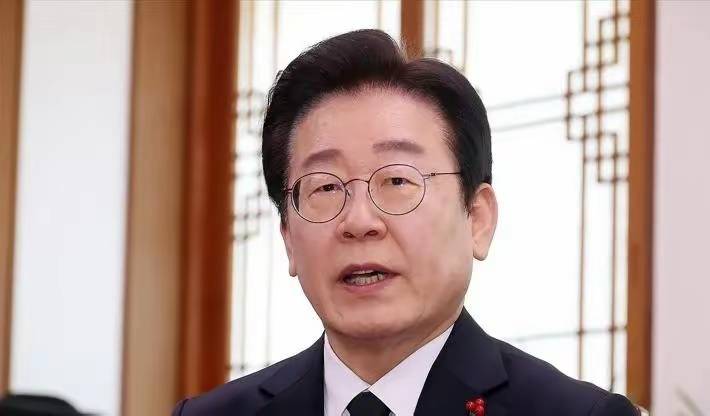
美高官沮丧承认一事实,特朗普不是中国对手?美国该死心了
Sou Hu Cai Jing· 2025-05-31 11:17
Core Viewpoint - The recent statement by U.S. Secretary of State Rubio highlights the limited influence the U.S. has over China's internal affairs, acknowledging the failure of past U.S. interference policies towards China [1][4]. Group 1: U.S.-China Relations - Rubio's comments reflect a recognition of the ineffectiveness of U.S. attempts to influence China's development through various means, including political criticism, trade wars, and cultural interventions [1][3]. - The trade war initiated during Trump's administration serves as a prime example of U.S. failure, as it quickly led to negotiations rather than the intended concessions from China [3][6]. - U.S. technology restrictions aimed at hindering China's tech development have not deterred Chinese companies, which have instead increased their investment in R&D and achieved significant advancements [3][6]. Group 2: Domestic Political Reactions - Rubio's statement has sparked significant backlash within U.S. domestic politics, particularly from Democrats who question his capabilities as Secretary of State [4][6]. - The division between the two major political parties in the U.S. regarding China policy reveals a lack of coherent strategy in addressing China's growing influence [6][9]. Group 3: Economic Context - China's robust domestic market and manufacturing capabilities position it as a critical player in global supply chains, contrasting with the U.S. challenges of industrial hollowing and debt crises [9]. - The U.S. is urged to abandon its confrontational economic policies towards China, as continued opposition may harm its own economic interests [9].

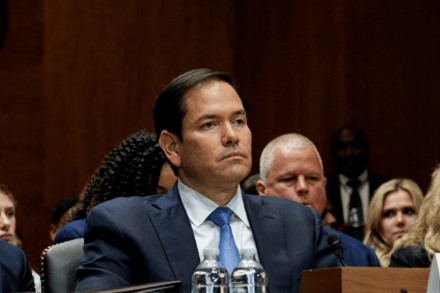
日本教授坦言:这场关税战让日本发现,与中国合作多么重要!
Sou Hu Cai Jing· 2025-05-31 09:49
Group 1 - The ongoing tariff negotiations between Japan and the United States have not reached an agreement, indicating significant contradictions and differences between the two parties [1] - Japan's economy is still struggling, with GDP growth nearly stagnant last year, highlighting the urgency for Japan to defend its economic interests amid the tariff war [10] - Japanese decision-makers recognize that relying solely on the U.S. is not a sustainable strategy, prompting a need for diversified development paths and stronger ties with China [15] Group 2 - Japanese professor Shiratori Hiro emphasizes the importance of a strong stance against U.S. tariff threats, suggesting that Japan should adopt a proactive approach similar to China's [3][12] - The U.S. has imposed high tariffs on Japanese automobiles, which could severely impact Japan's economy, leading to a firm opposition from Japanese Prime Minister Shigeru Ishiba [10] - Japan's response to U.S. demands includes a commitment to maintain trade relations with China, as the latter is a crucial trading partner for Japan [12]
敬酒不吃吃罚酒? 欧洲突然对华发难,紧随美国派人赴台窜访
Sou Hu Cai Jing· 2025-05-31 06:09
Group 1 - The return of Trump to the White House has led to increased pressure on European allies regarding defense spending, with demands for Europe to take on more defense costs [1] - Trump has criticized the EU for insufficient defense budgets and has threatened to impose a 50% tariff on EU imports starting June 1, citing stalled trade negotiations [1] - The U.S. has previously imposed a 25% tariff on EU steel and aluminum products and maintains a 10% baseline tariff on nearly all other goods [1] Group 2 - European politicians express a strong stance against U.S. tariffs, yet their dependence on the U.S. for security and trade limits their ability to effectively counter [2] - China's response to U.S. tariffs has provided the EU with some breathing room, as it has raised tariffs on U.S. goods and implemented export controls on rare earth materials [2] - China has adopted a differentiated approach to rare earth exports, easing restrictions for South Korea and gradually relaxing them for Europe [2] Group 3 - The European Parliament's recent actions regarding Taiwan reflect a complex interplay of political motivations, including attempts to align with U.S. strategic interests [4] - Some European politicians are using the Taiwan issue to enhance their political influence while deflecting attention from their inability to address U.S. tariff pressures [5] - Europe's engagement in the Taiwan issue risks damaging its international image and undermining long-standing cooperative relations with China [5]

突发!美国、欧洲,重大变局!
券商中国· 2025-05-31 03:43
美国与欧盟的贸易谈判传来最新消息。 当地时间5月30日,欧盟委员会负责贸易和经济安全等事务的委员谢夫乔维奇与美国商务部长卢特尼克通话, 强调持续合作推动前瞻性解决方案,试图就双方贸易谈判进行沟通。据美媒报道,欧盟希望美国取消对钢铁和 汽车征收的25%关税,并希望美国总统特朗普放弃所谓的"对等关税"。 与此同时,欧盟委员会贸易委员东布罗夫斯基斯当天表示,近期美国法院对特朗普政府"对等关税"合法性的裁 决,给本已复杂的贸易环境再添一层不确定性。当前贸易谈判环境已充满变数,形势瞬息万变。 目前围绕关税的"司法大战"正面临较大的变数,包括美国企业在内的全球企业因"关税战"造成的损失也在持续 增加。据最新报道,因特朗普政府关税政策导致的成本上升和销售减少,全球主要大型企业的损失已经达到了 340亿美元。 关税的变数 据央视新闻客户端,当地时间30日,欧盟委员会负责贸易和经济安全等事务的委员塞夫科维奇与美国商务部长 卢特尼克通话,强调持续合作推动前瞻性解决方案,试图就双方贸易谈判进行沟通。 另据路透社报道,塞夫科维奇在社交平台上发帖称:"我们投入了充足的时间和精力,因为提供前瞻性的解决 方案仍然是欧盟的首要任务。我们将保 ...
美承认对中国无能为力,美国12州结盟,要求特朗普撤回全部对华关税
Sou Hu Cai Jing· 2025-05-31 02:11
Group 1 - The Trump administration acknowledges its inability to effectively counter China, as evidenced by the increasing negative impacts of the tariff war on the U.S. economy, with 12 states calling for the removal of all tariffs on China [1][3][6] - U.S. Secretary of State Rubio admits that the Trump administration's efforts to pressure China have failed, highlighting the strength of the Chinese government and the ineffectiveness of the "maximum pressure" strategy [3][6] - The tariff war has led to significant consequences for American companies, exemplified by Wolfspeed, a semiconductor firm facing bankruptcy due to the inability to collaborate with Chinese companies under the "Chip Act" [6][8] Group 2 - The lawsuit initiated by 12 states against the Trump administration claims that the global tariff war violates U.S. law, as it was implemented without Congressional approval, indicating a potential shift in political support for Trump [6][8] - Elon Musk, distancing himself from Trump, emphasizes China's rapid growth in electricity generation, suggesting that the U.S. is lagging behind not only in manufacturing but also in high-tech fields like AI [8]
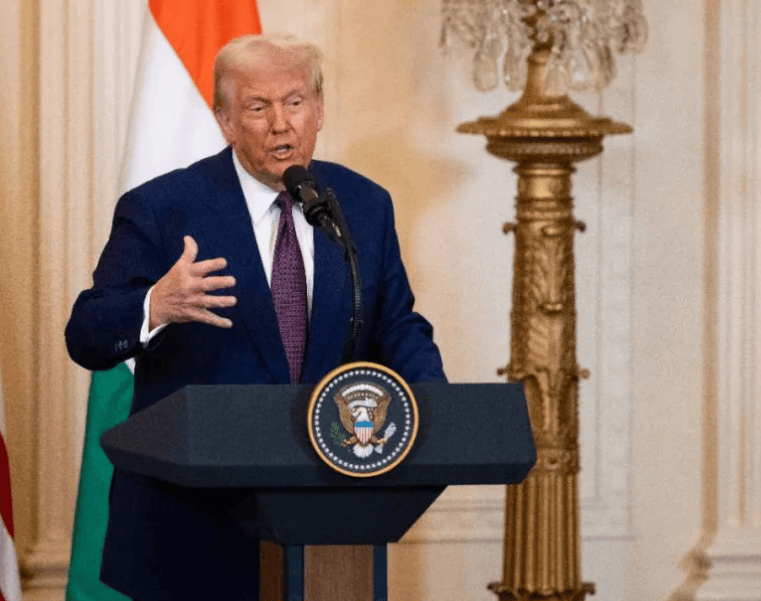
美国发动关税战,欧盟要跪,以中国为榜样?法国反对10%对等关税
Sou Hu Cai Jing· 2025-05-31 02:11
Group 1 - The core viewpoint of the articles highlights the ongoing trade tensions between the US and its global partners, particularly focusing on the imposition of tariffs and the negotiation dynamics between the US and the EU [1][3][8] - The US has threatened to impose a 50% tariff on all EU products, which prompted immediate communication between the EU Commission and the US President, indicating the US's strategic advantage in negotiations [1][3] - The EU is preparing to concede on the issue of the 10% basic "reciprocal tariff" due to the fear of the US imposing the higher 50% tariff, showcasing the pressure the US is exerting on its trade partners [3][8] Group 2 - France stands out as the only EU member opposing the 10% "reciprocal tariff," reflecting internal divisions within the EU regarding how to respond to US trade policies [3][5] - The ongoing tensions have led to a perception that the EU is increasingly aligning with US strategic interests, which has caused dissatisfaction in France and highlighted the differing positions between France and Germany [5][6] - China's previous successful countermeasures against US tariffs have inspired France's strong stance against US demands, indicating a shift in how countries perceive their negotiating power in the face of US trade aggression [8][9]
新华财经早报:5月31日
Xin Hua Cai Jing· 2025-05-31 00:30
·多家国际投行上调中国经济增速预期 ·坚持多劳者多得、体现技高者多得三部门:加大国企技能人才薪酬分配激励 ·破除"内卷式"竞争剑指无序"价格战" 中国汽车工业协会呼吁行业健康发展 ·特朗普称将把美国进口钢材关税从目前的25%上调至50% ·美国务院要求对哈佛大学相关签证申请人进行额外审查 ·欧元区货币供应量增长加速 4月广义货币供应量年增长率上升至3.9% ·高盛、摩根大通等多家国际投行近日表示,随着中国宏观政策落地显效,中美经贸会谈取得实质性进展,决定上调对2025年中国经济增速预测。其中,高 盛上调0.6个百分点,摩根大通上调0.7个百分点,摩根士丹利上调0.3个百分点,野村上调0.5个百分点。(新华社) ·日前,人力资源社会保障部、财政部、国务院国资委联合印发《关于加大国有企业技能人才薪酬分配激励的通知》。《通知》强调,优化技能岗位薪酬分 配,坚持多劳者多得,实行岗位薪酬与岗位价值、技能等级双挂钩办法,合理确定技能岗位的起点薪酬,提出按照一般不低于相应职级管理岗位的薪酬标准 科学确定技能岗位薪级档次。强调设立技能人才专项津贴,实行与技能等级挂钩的能级津贴制度,明确相应的津贴标准,体现技高者多得。(新华财 ...

光大期货金融期货日报-20250530
Guang Da Qi Huo· 2025-05-30 07:14
Report Overview - Date: May 30, 2025 - Report Type: Financial Futures Daily Report - Issuer: Everbright Futures 1. Investment Ratings - **Equity Index Futures**: Oscillating [1] - **Treasury Bond Futures**: Oscillating [3] 2. Core Views - **Equity Index Futures**: On May 29, the A - share market rebounded significantly, with the Wind All - A index rising 1.17% and trading volume reaching 1.21 trillion yuan. The CSI 1000, CSI 500, SSE 50, and SSE 300 indices also showed varying degrees of increase. The TMT and pharmaceutical biological sectors led the rebound. Although the economic data in April declined compared to March, it remained resilient. The social retail sales year - on - year rate was 5.1%, supported by the "trade - in" policy. The social credit demand in April was weak, with the cumulative new RMB loans reaching 10.06 trillion yuan, a year - on - year increase of 2.86%, and M2 year - on - year growth of 8%. The Sino - US joint statement and recent policy announcements, such as the central bank's reserve requirement ratio and interest rate cuts, and measures to encourage long - term funds to enter the market, are conducive to the repair of corporate balance sheets and the stable rise of stock market valuations. The internal policy drive is the main line for the equity index in 2025 [1]. - **Treasury Bond Futures**: On May 29, the 30 - year, 10 - year, 5 - year, and 2 - year treasury bond futures contracts all declined. The central bank conducted 266 billion yuan of 7 - day reverse repurchase operations, with a net investment of 11.15 billion yuan after 154.5 billion yuan of reverse repurchase maturities. In the short term, the bond market is difficult to have a trend - based market and will follow the changes in the capital and economic fundamentals. The bond market is in a sideways oscillation pattern after adjustment. Short - term attention should be paid to the May PMI data and whether the central bank restarts treasury bond trading operations [3]. 3. Daily Price Changes 3.1 Equity Index Futures and Stock Indices | Variety | May 29, 2025 | May 28, 2025 | Change | Change Rate | | --- | --- | --- | --- | --- | | IH | 2,673.6 | 2,665.4 | 8.2 | 0.31% | | IF | 3,832.8 | 3,805.0 | 27.8 | 0.73% | | IC | 5,668.6 | 5,568.0 | 100.6 | 1.81% | | IM | 6,031.0 | 5,899.0 | 132.0 | 2.24% | | SSE 50 | 2,690.9 | 2,683.1 | 7.8 | 0.29% | | SSE 300 | 3,858.7 | 3,836.2 | 22.5 | 0.59% | | CSI 500 | 5,719.9 | 5,637.2 | 82.7 | 1.47% | | CSI 1000 | 6,089.6 | 5,984.5 | 105.1 | 1.76% | [4] 3.2 Treasury Bond Futures | Variety | May 29, 2025 | May 28, 2025 | Change | Change Rate | | --- | --- | --- | --- | --- | | TS | 102.35 | 102.40 | - 0.054 | - 0.05% | | TF | 105.87 | 106.02 | - 0.15 | - 0.14% | | T | 108.48 | 108.73 | - 0.255 | - 0.23% | | TL | 118.69 | 119.40 | - 0.71 | - 0.59% | [4] 4. Market News - On May 29, the spokesperson of the Ministry of Foreign Affairs, Mao Ning, stated in response to a question from AFP that in the tariff issue, China has repeatedly clarified its stance that tariff wars and trade wars have no winners, and protectionism harms the interests of all parties [5]. 5. Chart Analysis 5.1 Equity Index Futures - The report presents the trends of IH, IF, IM, and IC main contracts, as well as the basis trends of each index futures contract [7][8][9][10][11] 5.2 Treasury Bond Futures - The report shows the trends of treasury bond futures main contracts, treasury bond spot yields, basis, inter - period spreads, cross - variety spreads, and capital interest rates [14][17][18][19] 5.3 Exchange Rates - The report displays the central parity rates of the US dollar, euro against the RMB, forward exchange rates, and exchange rates among major currencies such as the US dollar, euro, pound, and yen [22][23][24][26][27] 6. Team Members - Zhu Jintao, Master of Economics from Jilin University, is the director of the macro - financial research at Everbright Futures Research Institute [29] - Wang Dongying, an equity index analyst with a master's degree from Columbia University, focuses on equity index futures, macro - fundamental quantification, key industry research, index earnings report analysis, and market capital tracking [29]
专家指出,美联储想继续降息但却不敢降
Sou Hu Cai Jing· 2025-05-30 06:56
Core Viewpoint - The Federal Reserve's decision to maintain the federal funds rate target range at 4.25%-4.5% reflects the complexities and uncertainties in the current U.S. economic landscape, particularly influenced by the ongoing trade war and its impact on inflation and economic growth [1][3][4] Group 1: Economic Uncertainty - The U.S. economic outlook is increasingly uncertain, with rising unemployment and inflation risks [3] - The Federal Reserve faces a challenging dilemma between controlling inflation and stimulating economic growth due to the conflicting pressures from the trade war [3][4] Group 2: Impact of Trade War - The trade war has led to increased prices for imported goods, contributing to domestic inflationary pressures [3][4] - The trade war negatively impacts U.S. exports and manufacturing, resulting in slowed economic growth [3][4] Group 3: Need for Data-Driven Decisions - The Federal Reserve requires more data to find a balance between controlling inflation and stimulating economic growth [4] - The decision-making process reflects the broader complexities of global economic conditions and the far-reaching effects of trade policy changes [4]
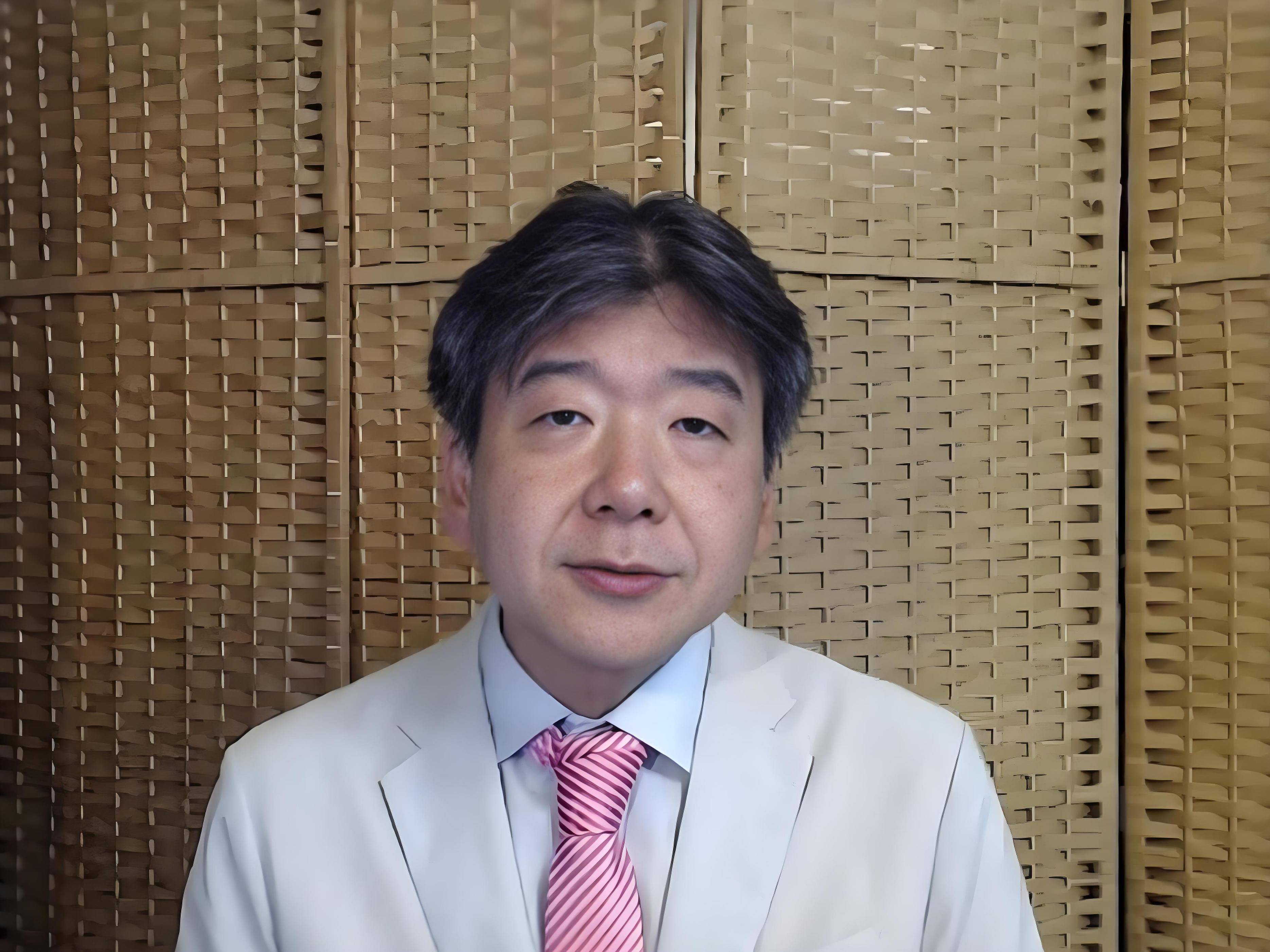
日本教授公开发声:这场关税战让日本发现,未来必须选择与东亚的大国合作!
Sou Hu Cai Jing· 2025-05-30 04:58
Group 1 - The U.S.-Japan trade relationship is under strain due to the U.S. imposing a 24% tariff on Japanese automobiles and parts, which has led to a 37% drop in Japan's monthly exports of cars to the U.S. and a direct economic loss exceeding $12 billion [1][3] - Japan's trade surplus with the U.S. reached $68 billion in 2023, while its trade deficit with other countries was $82 billion, highlighting a structural imbalance that necessitates a reevaluation of Japan's economic dependencies [1][3] - Japanese companies are responding to the tariff impacts by increasing foreign investments, such as Toyota's $5 billion investment in foreign markets over the next three years, focusing on the electric vehicle supply chain [3] Group 2 - The Japanese government is considering joining the Comprehensive and Progressive Agreement for Trans-Pacific Partnership (CPTPP) as an alternative strategy, indicating a shift towards regional economic cooperation [3] - There is a growing concern within Japan's political and business circles about the sustainability of relying heavily on the U.S. for security while facing economic challenges, suggesting a potential pivot towards more pragmatic foreign relations [3] - The ongoing tariff conflict may serve as a turning point for Japan to adopt a more realistic diplomatic approach, moving away from the traditional "security first" mindset [3]