价值回归

Search documents
越来越觉得,“月饼”是一种形状的形容......
东京烘焙职业人· 2025-09-26 08:33
Core Viewpoint - The concept of "mooncake" has evolved beyond traditional flavors, becoming a versatile canvas for creative culinary expressions, reflecting modern consumer preferences and cultural significance [1][3][123]. Group 1: Industry Trends - The mooncake market in 2025 showcases a shift towards innovative products that blend traditional shapes with contemporary flavors, emphasizing creativity and cultural storytelling [1][3][44]. - Traditional players are moving away from outdated practices, focusing on deeper culinary understanding and quality [5][6]. - The trend of "value return" is evident as brands upgrade fillings with high-quality ingredients, moving away from traditional recipes [11][12]. Group 2: Product Innovations - Brands like Trueat and 麦熺BAKERY are introducing unique mooncake varieties, such as high-quality nut fillings and locally sourced ingredients, enhancing the perceived value [8][11][12]. - The introduction of regional flavors and ingredients, such as Sichuan pepper and local delicacies, is becoming a key strategy for brands to create a cultural connection [20][89]. - New formats like mini mooncakes and ice cream mooncakes are emerging, catering to health-conscious consumers and offering a modern twist on traditional products [37][76][92]. Group 3: Consumer Preferences - There is a growing demand for low-sugar and clean-label products, reflecting consumer health consciousness and preference for transparency in ingredients [123]. - Emotional connections are becoming crucial, with brands focusing on the sentimental value of mooncakes as symbols of reunion and cultural heritage [123]. - The market is seeing a rise in "social media-friendly" products that prioritize visual appeal and unique experiences over traditional flavors [73][74]. Group 4: Market Dynamics - Chain bakeries are adopting a different strategy, focusing on "micro-innovation" within a safe zone, enhancing classic flavors while ensuring broad appeal [79][107]. - The integration of international ingredients with local flavors is a growing trend, allowing brands to cater to diverse consumer tastes while maintaining familiarity [115][119]. - The mooncake market is characterized by a blend of traditional and modern elements, ensuring its relevance and vitality in contemporary society [123].


券商四季度策略报告出炉 多数机构看好科技和周期股
Shen Zhen Shang Bao· 2025-09-25 23:18
Group 1 - The overall performance of A-shares is strong, with the Shanghai Composite Index reaching 3800 points, and most institutions are optimistic about the market outlook for Q4 [1][2] - Analysts expect a structural recovery in A-share earnings, driven by resilient export growth, manufacturing investment improvements, and seasonal consumption increases [2][3] - The market is anticipated to experience a "slow bull" trend, with a balanced style shift between growth and value stocks [2][4] Group 2 - The technology sector, particularly in optical communication and semiconductors, has shown strong performance, while cyclical and consumer stocks have lagged [4] - Historical data suggests a style rotation in Q4, with cyclical stocks likely to rebound and technology stocks diversifying beyond just hardware [4][5] - Key sectors to focus on in Q4 include TMT (Technology, Media, Telecommunications), machinery, pharmaceuticals, military, non-ferrous metals, chemicals, and non-bank financials [4][5] Group 3 - Financial analysts predict increased allocation to equity assets by residents in a low-interest-rate environment, with a current equity and fund allocation of 15% among Chinese residents, indicating room for growth [3] - Suggested investment themes for Q4 include precious and industrial metals, renewable energy, AI hardware and applications, and consumer sectors such as pet economy and beauty products [5]
顾家家居发起“全皮沙发普及风暴”,引领行业价值升维
Xin Lang Cai Jing· 2025-09-25 05:04
Core Viewpoint - The company Kuka Home has launched a "Full Leather Sofa Popularization Storm," offering a significant benefit of upgrading to a full leather sofa for 899 yuan, aiming to break the price barrier and make high-quality full leather sofas accessible to ordinary consumers [1][3]. Group 1: Market Trends and Consumer Behavior - The trend in home furnishing consumption is shifting from "having" to "quality," with over 84.81 million users interested in leather furniture and a 30% increase in related search volume over the past year [1]. - Full leather sofas are gaining popularity due to their superior texture and durability, but consumers face challenges such as high costs and a lack of standardized quality assessment for leather [1][3]. Group 2: Company Strategy and Innovations - Kuka Home has updated over ten core processes required for upgrading from genuine leather to full leather sofas, demonstrating internal mechanism innovation to meet consumer demand for high-quality living [3]. - The company has optimized production costs through strong supply chain integration and lean production management, leveraging large-scale procurement of cowhide [3][4]. Group 3: Consumer Experience and Market Positioning - The "Full Leather Sofa Popularization Storm" enhances home aesthetics and significantly improves user experience, shifting the perception of full leather sofas from luxury items to practical household goods [4]. - Kuka Home's initiative represents a "value return" revolution, focusing on quality-to-price ratio and transparent consumption, thereby gaining market leadership and accelerating the popularization of full leather sofas [4]. Group 4: Industry Impact and Future Outlook - The full leather upgrade strategy positions Kuka Home as a leader in the transformation of the Chinese home furnishing industry towards higher quality and sustainability [4]. - This industry change, driven by "full leather quality," is reshaping product value standards and shifting competition from price to value, marking a new chapter in the quality upgrade of the home furnishing sector [4].


774只,翻倍!
Zhong Guo Ji Jin Bao· 2025-09-24 02:15
Group 1 - The A-share market has entered a bull market since September 24, 2024, with major indices significantly rising, such as the North Exchange 50 Index increasing by 158.01% [1] - The average daily trading volume in the market surged from less than 500 billion to over 2 trillion [1] - 13 mutual funds have seen a net value growth rate exceeding 200%, while 774 funds have surpassed 100% [1][2] Group 2 - The performance of equity mixed funds has rebounded, with the index rising by 57.88% since September 24, 2024 [2] - Notable funds include Debon Xinxing Value Mixed Fund, which achieved a net value growth of 280.31% [2] - The strong performance is attributed to the robust market rally and the significant returns from technology stocks [2] Group 3 - Key factors driving the market's rise include ongoing stock market reforms, improved policy expectations, and breakthroughs in various sectors such as innovative drugs and robotics [3] - The market's risk appetite has notably increased, with more retail investors entering the market since June [6][7] Group 4 - The A-share market has shown significant improvement in valuation, liquidity, and investor structure, with the overall valuation rising from 15.63 times to 22.16 times [6] - The market is expected to maintain a "slow bull" trend, supported by continuous policy backing and structural upgrades in industries [7] Group 5 - Investment opportunities are seen in sectors like AI, innovative drugs, and electric new energy, driven by supportive industrial policies and technological breakthroughs [8][9] - The focus on sectors such as AI computing, electric new energy, and innovative pharmaceuticals is expected to yield significant returns [9][10]

一大批奶茶店,正陷入倒闭风波
Hu Xiu· 2025-09-19 07:29
Core Viewpoint - The recent wave of closures among both established and emerging bubble tea brands indicates a significant market reshaping, transitioning from quantity-driven expansion to a focus on quality and operational efficiency [1][18][31]. Group 1: Brand Closures - Numerous bubble tea brands, including the newly popular PinkShake and the long-standing 813 Baishan, have recently closed stores, with PinkShake shutting down all locations just over a year after opening [2][3][4]. - Seven Bus, once a leading brand in Xiamen, has seen its store count plummet from over 400 to fewer than 20, highlighting the rapid decline of even previously successful brands [9]. - OONE CCUP also announced the closure of its Ningbo store just a year after opening, reflecting a broader trend of closures across the industry [10]. Group 2: Market Trends - The bubble tea industry is experiencing a significant contraction, with 15.7 million stores disappearing in the past year, marking the highest closure rate in the sector [17]. - As of mid-2025, the total number of bubble tea stores across 26 major brands has only increased by 858, indicating a stagnation in growth [16]. - The market is shifting from a growth phase to a consolidation phase, with many mid-tier brands facing closure while top brands continue to expand [11][15]. Group 3: Financial Performance - Nayuki Tea reported a revenue of 2.178 billion yuan in the first half of 2025, a 14.4% decrease year-on-year, primarily due to the closure of underperforming stores [13]. - The company closed 160 stores in the first half of 2025, including 132 direct-operated and 28 franchise locations, as part of its restructuring efforts [14]. Group 4: Competitive Landscape - The competitive landscape is increasingly defined by quality and operational efficiency rather than mere expansion, with brands needing to focus on supply chain management and product differentiation to survive [31][32]. - The market is witnessing a shift towards "survival of the fittest," where only brands that can adapt to changing consumer preferences and maintain quality will thrive [18][21].

贵州酱酒行业分化加速 长远发展前景广阔
Zheng Quan Ri Bao· 2025-09-18 06:43
Core Insights - The sauce liquor industry is experiencing a significant adjustment period, with major players like Kweichow Moutai Co., Ltd. showing a decline in revenue growth despite maintaining a leading position [2] - The industry is witnessing a deepening divide, with larger companies benefiting from brand, capital, and channel advantages, while smaller firms face increased survival pressures [3] - The adjustment phase is expected to last longer than anticipated, potentially extending into 2026 or beyond, as the industry works through inventory digestion, price system restructuring, and consumer confidence recovery [2][3] Company Performance - Kweichow Moutai Co., Ltd. remains dominant in the sauce liquor market, but its revenue growth rate has slowed compared to previous periods [2] - Guizhou Xijiu Investment Holding Group Co., Ltd. is focused on maintaining stability and strategic consistency during this adjustment phase [2] - Guizhou Guotai Digital Liquor Industry Group Co., Ltd. reported approximately 2 billion yuan in revenue, demonstrating resilience amid industry challenges [2] Industry Trends - The sauce liquor industry is shifting from speculative practices to rational consumption, emphasizing brand value, product quality, and consumer experience as key competitive factors [3] - Innovation across product, marketing, and operational models is recognized as essential for companies to navigate the current industry challenges and achieve growth [3] - The industry is undergoing a transformation from quantity-driven growth to quality-focused operations, marking a significant change in competitive strategies [3]

2025上半年贵州酱酒格局初显:茅台领航,行业分化与变革并行
Sou Hu Cai Jing· 2025-09-17 23:10
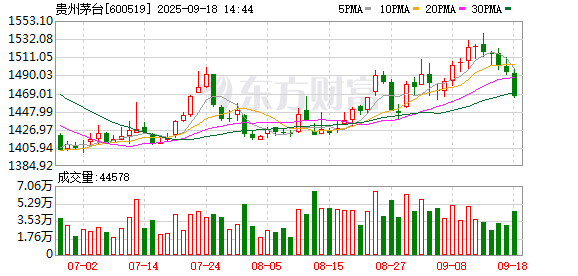
Core Insights - The development trend of the sauce liquor industry in the first half of 2025 has attracted industry attention, particularly focusing on the performance data of Guizhou sauce liquor companies as a key indicator of the industry's direction [1] - The revenue distribution among Guizhou sauce liquor companies shows a clear tiered structure, with Kweichow Moutai leading at 91.1 billion yuan, followed by Xijiu at approximately 12.5 billion yuan, and other companies like Guotai Liquor and Guizhou Zhenjiu at 2 billion and 1.5 billion yuan respectively [3] - Kweichow Moutai's revenue growth has significantly slowed to below 10% in the first half of the year, marking a shift in the industry away from reliance on high growth from leading companies towards a focus on quality improvement [3] - Xijiu has maintained a stable operational strategy during the industry adjustment period, reflecting a cautious approach to innovation while preserving market share [3] - Guotai Liquor's revenue of 2 billion yuan highlights the trend of industry differentiation, with some smaller companies facing growth pressures [3] - Zhenjiu Li Du has adopted a multi-faceted approach to respond to industry adjustments, including product optimization and innovative channel strategies, serving as a model for peers [4] - The adjustment cycle in the sauce liquor industry may exceed market expectations, with recovery potentially extending to after 2026, leading to increased market share for leading companies while smaller firms face survival challenges [5] - The core logic of the industry adjustment is value return, with a shift from speculative trading to competition based on brand value, product quality, and consumer experience [5] - The current transformation in the industry represents a qualitative change in development methods, providing strategic opportunities for companies with a long-term vision [5]

16.46万套!北京二手房挂牌量激增,日均成交仅395套!业主:降价都难卖
Sou Hu Cai Jing· 2025-09-11 16:19
Group 1 - The core data reveals a significant imbalance in the Beijing real estate market, with a record high of 164,600 second-hand homes listed, while only 4,344 transactions were recorded in the first 11 days of September, averaging just 395 per day [2] - The average listing price has dropped to 55,261 yuan per square meter, indicating a continuous decline and diminishing confidence among sellers [2] - The current market is characterized by a "high listings, low transactions" phenomenon, giving buyers unprecedented negotiating power [2] Group 2 - The "recognizing house, not loan" policy initially boosted market activity but quickly lost momentum, leading to an increase in listings without a corresponding rise in sales, resulting in higher inventory levels [4] - The market is now marked by regional disparities, with most areas, especially older neighborhoods and suburban regions, engaging in price wars as sellers struggle to attract buyers [6] - The prevailing sentiment among agents is that the only way to sell is to offer significantly lower prices, as hesitation in price reductions leads to properties becoming overlooked [6] Group 3 - The Beijing real estate market is undergoing a profound "value return," moving away from the previous era of universal price increases towards a phase of differentiation and consolidation [8] - For buyers, this period presents a rare opportunity to negotiate and select properties that are genuinely priced to sell, while avoiding properties lacking in industry, education, or quality [8] - Sellers are advised to adjust their expectations and set competitive prices based on recent actual transactions rather than outdated listings, as the current market dynamics favor buyers [8] Group 4 - The trend of "high listings, low transactions" is expected to persist in the coming months, with continued downward pressure on prices as the market adjusts through buyer-seller negotiations [8]

吵起来了!有人预测中际旭创2027年净利250亿元?投资公司董事长泼冷水,却被卖方回怼“买你的白酒去吧”
Mei Ri Jing Ji Xin Wen· 2025-09-07 15:58
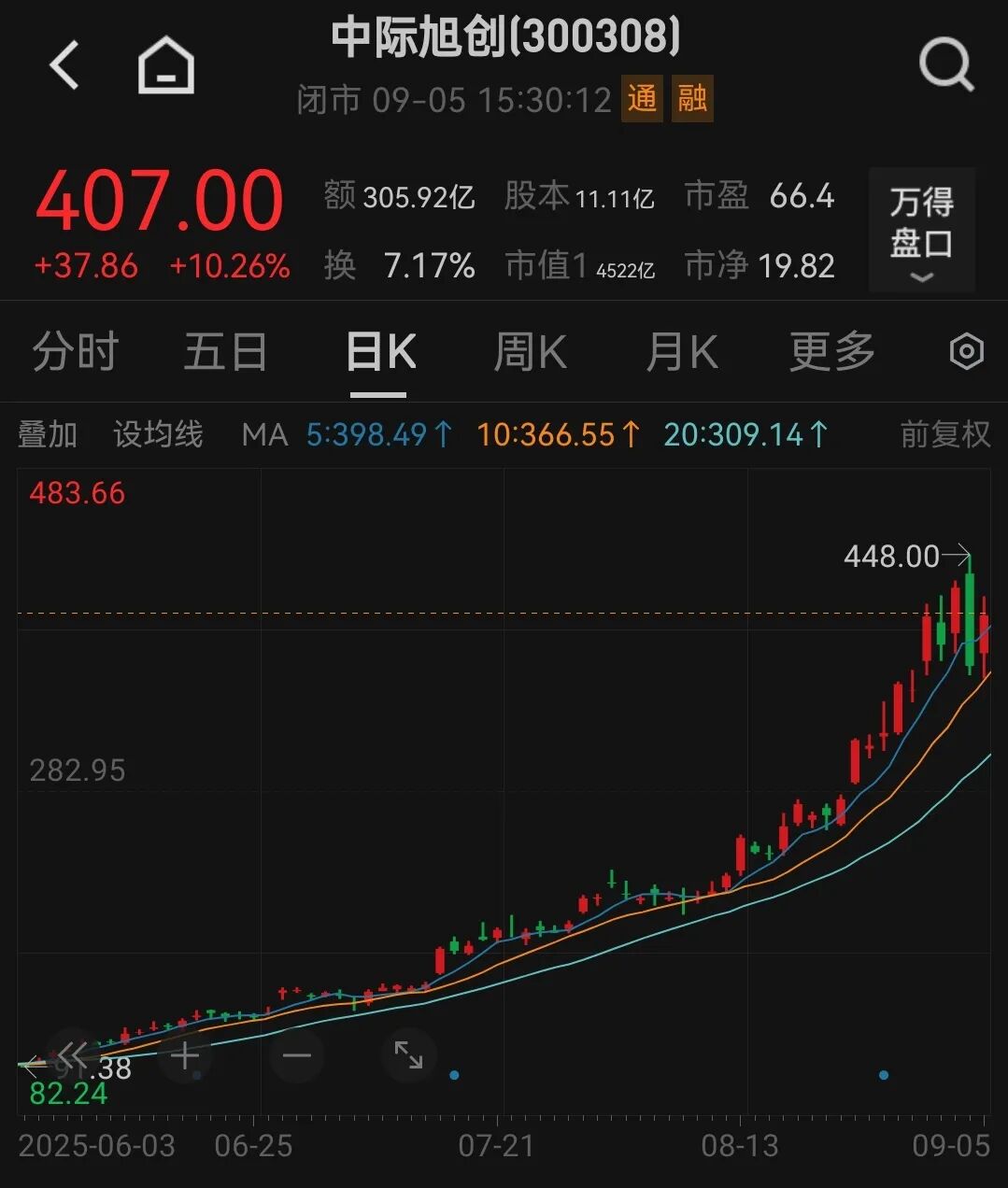
Core Viewpoint - The forecast of Zhongji Xuchuang's net profit reaching 25 billion yuan by 2027 has sparked significant debate in the market, with differing opinions from buy-side and sell-side analysts regarding its feasibility [1][3]. Group 1: Profit Forecasts and Analyst Opinions - Buy-side representative Ling Peng publicly questioned the reasonableness of the 250 billion yuan net profit forecast for 2027, citing manufacturing cycle risks and the logic of value return [3]. - Following the release of the company's 2025 semi-annual report, most brokerage analysts raised their profit expectations for Zhongji Xuchuang, although none provided a forecast of 250 billion yuan for 2027 [1][3]. - National Securities' analyst team has adjusted their profit forecasts for Zhongji Xuchuang, predicting net profits of 95.1 billion yuan, 154.9 billion yuan, and 198.2 billion yuan for 2025, 2026, and 2027 respectively [6]. Group 2: Recent Financial Performance - Zhongji Xuchuang reported a revenue of 14.789 billion yuan for the first half of 2025, a year-on-year increase of 37.0%, and a net profit of 3.995 billion yuan, up 69.4% year-on-year [7]. - Northeast Securities is particularly optimistic, forecasting revenues of 37.439 billion yuan, 62.653 billion yuan, and 80.069 billion yuan for 2025, 2026, and 2027, with net profits of 10.742 billion yuan, 18.090 billion yuan, and 23.604 billion yuan respectively [7][8]. Group 3: Market Sentiment and Concerns - Ling Peng raised concerns about the sustainability of high profit margins in the semiconductor industry, questioning how companies can expand production without anticipating price declines [3][9]. - Some analysts believe the current optimistic sentiment among sell-side analysts may be overly enthusiastic, warning that market trends often revert to fundamental values over time [9].

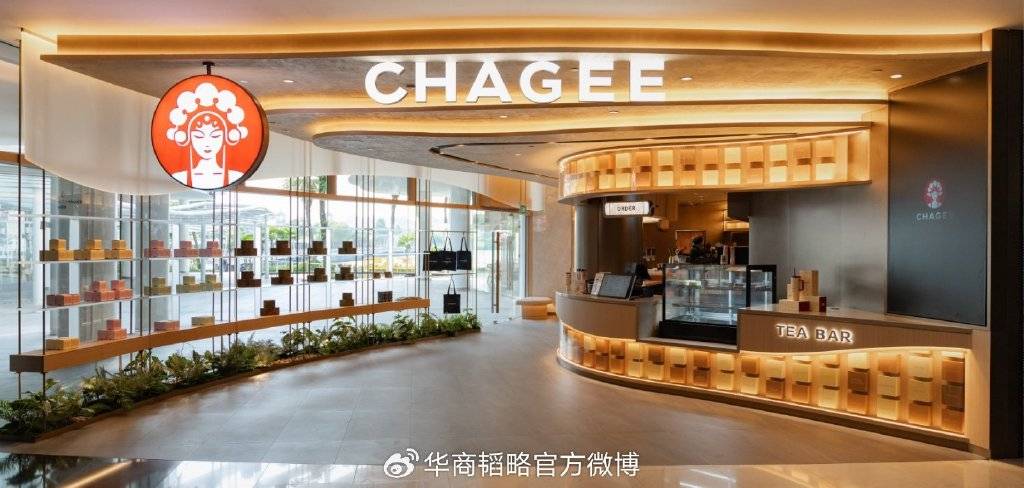
霸王茶姬的故事,才刚刚开始
Sou Hu Cai Jing· 2025-09-06 05:37
Core Insights - The article emphasizes that the end of new consumption in China is a return to value, highlighting the importance of sustainable growth over mere scale expansion [2][66]. Group 1: Company Performance - In August, many new tea beverage companies reported strong revenue growth for the first half of the year, driven by a fierce delivery subsidy war [5][6]. - Bawang Chaji, however, chose not to participate in this subsidy battle, maintaining stable performance with 7,038 global stores and continued double-digit GMV growth [8][9]. - The overseas market for Bawang Chaji saw a remarkable GMV increase of 77.4% year-on-year, with significant consumer interest in locations like Kuala Lumpur and Los Angeles [9][10]. Group 2: Differentiation Strategy - Bawang Chaji has established a unique brand positioning by focusing on high-value offerings rather than engaging in price wars, which is a common trend among competitors [12][17]. - The brand's founder, Zhang Junjie, has publicly stated the company's commitment to avoiding the delivery subsidy war, believing it to be unsustainable in the long term [14][15]. - Bawang Chaji's product innovation, such as the "Boyar Absolute String" milk tea, emphasizes health and quality, catering to consumer demand for healthier options [26][27]. Group 3: Domestic Growth Logic - Bawang Chaji, the youngest among six listed tea beverage companies, has rapidly established itself since its founding in 2017, reaching the NASDAQ market in just eight years [18][19]. - The company has focused on a differentiated approach from the outset, leveraging its location in Yunnan, China's top tea-producing province, to create unique products [22][23]. - The brand's commitment to transparency in product ingredients and nutritional information has helped build long-term consumer trust and loyalty [26][30]. Group 4: Global Expansion - Bawang Chaji's successful overseas expansion is a continuation of its value-first strategy, adapting its offerings to local tastes while maintaining its core brand identity [47][48]. - The brand has introduced localized products, such as the "Grain Fragrance Roasted Tea" series, which resonates with Southeast Asian consumers [50][51]. - Bawang Chaji's global strategy includes hiring local talent from international brands to enhance its market presence and operational efficiency [56][57]. Group 5: Conclusion - The article concludes that Bawang Chaji's success illustrates a new growth paradigm in the Chinese consumption market, where quality and value can drive sustainable growth without relying on low prices or rapid scale [66][69]. - This case demonstrates that Chinese brands can enter global markets through product quality, cultural resonance, and organizational strength rather than through price competition [69][70].