
本土化运营

Search documents
山姆品质滤镜破碎,国民超市永辉乘势崛起
Sou Hu Cai Jing· 2025-07-25 13:56
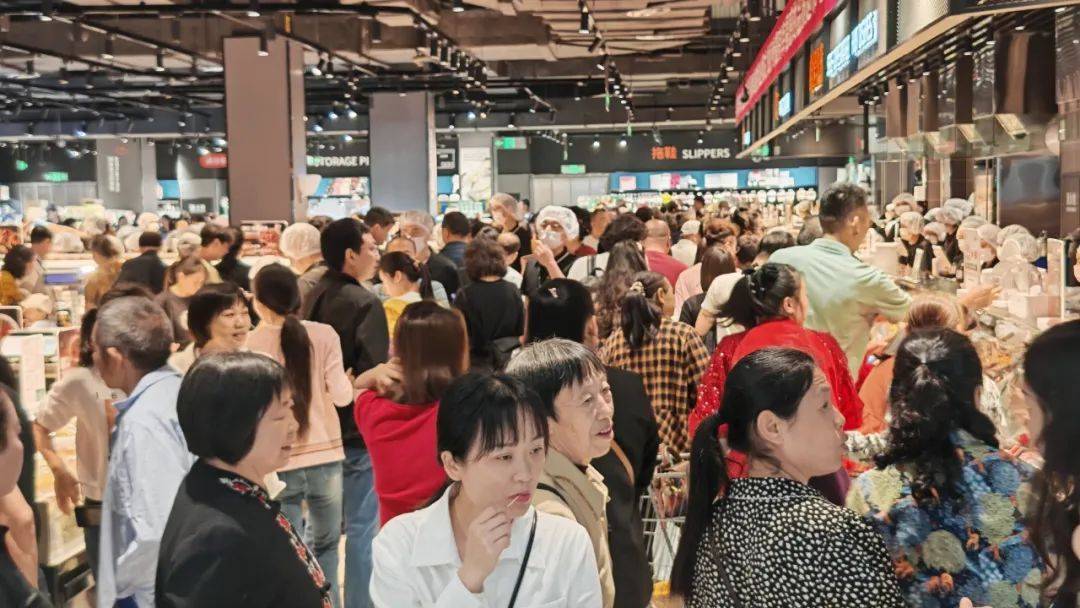
Core Insights - Recent changes in Chinese consumers' attitudes towards the international retail brand Sam's Club are not due to direct declines in product quality or service experience, but rather a profound awakening in consumer perception [1] - The crisis faced by Sam's Club reflects a shift in consumer behavior, moving away from blind admiration for foreign brands towards a more rational evaluation of brand differences [4] Group 1: Sam's Club Challenges - Sam's Club's reputation for high-quality products has been tarnished by controversies, including the introduction of the criticized Orion products, leading to widespread consumer dissatisfaction [1] - Issues such as product freshness, unclear production dates, and non-transparent ingredient lists have further exacerbated the trust crisis among consumers [1] - The reduction in membership benefits has also caused discontent, with consumers feeling that the value of the membership has diminished significantly over time [4] Group 2: Competitor Advantages - Domestic supermarkets like Pang Donglai and Yonghui are perceived as more relatable and consumer-friendly, emphasizing strict quality control and superior service experiences [2] - These local supermarkets have implemented commitments such as "no overnight meat sales" to cater to Chinese consumers' preferences for fresh ingredients [2] - By focusing on localized operations and consumer needs, these competitors have successfully built strong relationships with consumers, contrasting with Sam's Club's struggles [4]

中国供应链“横扫”非洲:低价之外,还能靠什么站稳脚跟?
3 6 Ke· 2025-07-23 00:35
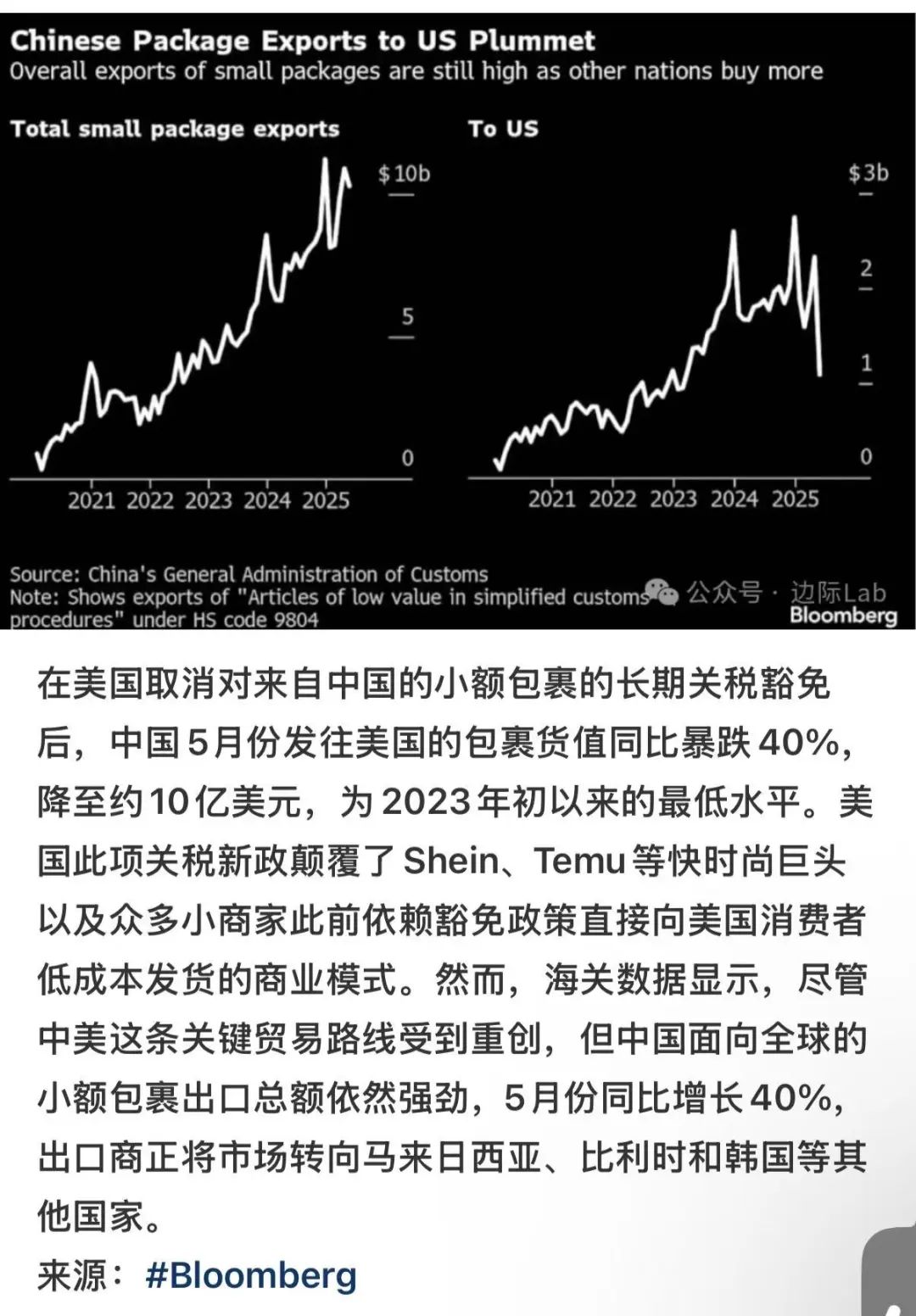
Core Insights - China's exports of low-value small packages to the U.S. saw a significant decline of 39% year-on-year and 53% month-on-month, dropping to 7.84 billion yuan, the lowest level since the beginning of 2023 [1] - In contrast, China's small package exports globally increased by 42%, with the African market playing a crucial role in this growth [4] Group 1: Market Dynamics - Over 80% of the 12,000 international sellers on Africa's largest e-commerce platform, Jumia, are from China, contributing one-third of the platform's GMV with a remarkable annual growth rate of 60% [4] - The African e-commerce market is experiencing an annual growth rate of 14.4%, driven by a young population where 60% are under 25 years old, making them highly price-sensitive [5] - Chinese manufacturers benefit from a mature production system that allows for the mass production of affordable yet reasonably quality light goods, which are rapidly penetrating the market through cross-border direct mail [6] Group 2: Challenges and Local Adaptation - Local e-commerce platforms in Africa are evolving beyond simple cross-border models, with Jumia and Takealot requiring sellers to send products to overseas warehouses, increasing storage costs for Chinese sellers [8] - Payment and logistics systems in Africa face significant challenges, including low electronic payment adoption and outdated warehousing facilities, which complicate operations for cross-border sellers [10][12] - High return rates in the African market, sometimes reaching 20%-30%, combined with rising logistics costs and fluctuating tariff policies, create a challenging environment for low-ticket items [12] Group 3: Strategic Shifts - Chinese sellers are shifting from merely selling products to building localized capabilities, focusing on logistics restructuring and establishing overseas warehouses in key markets like South Africa and Nigeria [13][15] - The "golden triangle" of e-commerce in Africa, comprising South Africa, Kenya, and Nigeria, accounts for over 60% of the regional market share, with a growing demand for home goods and electronics [15][18] - Local partnerships and compliance with regional regulations are becoming essential for Chinese sellers to navigate the complex market landscape and reduce entry barriers [19] Group 4: Long-term Vision - The future of Chinese supply chains in Africa lies in transitioning from "finished product exports" to "localized production," emphasizing deeper integration into the African market [20][27] - Successful companies like SHEIN and Transsion are demonstrating the value of deep localization through tailored products and marketing strategies that resonate with local consumers [22][24] - Building a reliable brand image in Africa requires a dual approach of physical supply chain integration and cultural respect, ensuring that Chinese brands are perceived as trustworthy partners rather than just low-cost providers [26][29]

瑞幸大股东真买下星巴克中国股权会怎样?
Xin Lang Cai Jing· 2025-07-11 11:53
Core Viewpoint - Starbucks is considering selling its Chinese business, with multiple potential buyers emerging, including Dazhong Capital, which has become a significant contender in the bidding process [1][2]. Group 1: Acquisition Proposals - Starbucks has received several acquisition proposals for its Chinese operations, with most investors aiming for a controlling stake, while Starbucks may retain 30% of the equity [1]. - Dazhong Capital, the largest shareholder of Luckin Coffee, has joined the bidding group, which includes over 30 competitors [2]. Group 2: Market Dynamics - Starbucks and Luckin Coffee are the two main players in the Chinese coffee market, with Dazhong Capital having previously acquired a 32% stake in Luckin Coffee [4]. - The competitive landscape is shifting, as Luckin Coffee has opened stores in the U.S., marking its entry into Starbucks' home market [4]. Group 3: Strategic Implications - If Dazhong Capital becomes a shareholder, it could influence Starbucks China's strategy through board representation, despite Starbucks retaining core strategic control [5][8]. - The potential acquisition raises questions about the future operational dynamics of Starbucks China, particularly in terms of local market responsiveness and operational efficiency [9][11]. Group 4: Market Positioning - Luckin Coffee has a significant advantage in the lower-tier cities, with over 8,000 stores compared to Starbucks' 1,251 in similar markets [10]. - The operational models differ, with Luckin focusing on quick-service and digital engagement, while Starbucks emphasizes the third space experience [10][11]. Group 5: Consumer Perception - The acquisition by a competitor's major shareholder could impact Starbucks' brand perception among consumers, potentially diluting its brand value [14]. - Despite operational changes, consumers may not notice significant differences in store formats or offerings if Dazhong Capital takes a stake in Starbucks China [9][14].



中国企业加速出海步伐,尼尔森IQ研讨会揭示欧洲及亚太市场新机遇
Jin Tou Wang· 2025-07-10 08:29
Group 1: Event Overview - The "Breaking Waves: Eurasia - Consumer and Market Insights Seminar" hosted by NielsenIQ (NIQ) focused on market trends in Europe and the Asia-Pacific region, discussing consumer behavior insights, market entry strategies, and brand internationalization strategies to aid companies in overseas expansion [1] - The seminar attracted nearly 100 senior executives from Chinese enterprises and included representatives from the Ministry of Commerce, the China Chamber of Commerce for Import and Export of Foodstuffs, and the Investment Promotion Service Center of Chaoyang District, Beijing [1] Group 2: Market Insights - NIQ's data indicated a 2.9% growth in global fast-moving consumer goods (FMCG) sales as of March 2025, with Europe accounting for 36% and Asia-Pacific for 17% of the global market [2] - The European market is characterized by increased price sensitivity among consumers and a growing demand for sustainable and health-oriented products, with significant growth potential in Eastern Europe and expansion opportunities in Western Europe [2][3] Group 3: Brand Strategies - Chinese brands are gaining a foothold in the technology and durable goods sectors by offering competitively priced and high-performance products, particularly in smart home ecosystems [3] - NIQ emphasized the need for brands to adapt to local cultures and innovate to capture consumer mindshare when entering international markets, particularly targeting the X generation through omnichannel marketing and personalized experiences [4] Group 4: Internationalization of Chinese Brands - Successful case studies of Chinese brands include Huaxizi, which achieved premium positioning through cultural elements, and Bawang Tea, which met European consumer needs through functional innovation [5] - NIQ highlighted the importance of transitioning from product advantages to model advantages for Chinese brands, focusing on supply chain optimization and localized operations for rapid market expansion [5] Group 5: Future Trends and Opportunities - NIQ's latest market monitoring data revealed that emerging consumer trends and digital transformation are driving the global FMCG market's expansion, with cross-border e-commerce channels growing at an annual rate of 28% [6] - NIQ aims to support Chinese brands in accurately understanding different market dynamics and building global competitiveness, facilitating the transition from "Made in China" to "Global Brand" [6]
“风雨飘摇”星巴克
3 6 Ke· 2025-07-10 04:05
Core Insights - Starbucks is considering selling its China business, with a valuation estimated between $5 billion and $6 billion, amid increasing competition from local brands and changing consumer preferences [3][11][12] - The company acknowledges the significant growth potential in the Chinese market but faces pressure from local competitors and a shift in consumer behavior [3][4][8] - The potential sale is seen as a strategic move to enhance operational efficiency and scale expansion through local partnerships [11][12] Market Dynamics - The Chinese consumer market, with over 400 million middle-income individuals, presents substantial growth opportunities for foreign brands [1][2] - Local brands like Luckin Coffee are rapidly innovating and capturing market share, with Luckin launching 119 new products in 2024 alone, compared to Starbucks' 78 [8][10] - The coffee market in China is experiencing intense competition, with brands needing to adapt quickly to consumer demands for efficiency and variety [8][10] Strategic Considerations - Starbucks' management has indicated a commitment to finding the best growth strategy for its China operations, despite the consideration of a sale [3][4] - The company has struggled with its pricing strategy, oscillating between maintaining a premium brand image and competing on price [9][10] - The potential involvement of local capital, such as Hillhouse Capital, could facilitate Starbucks' expansion and adaptation to the local market [11][12] Competitive Landscape - The rise of local competitors, particularly in lower-tier cities, poses a challenge for Starbucks, which has traditionally focused on first and second-tier markets [11][12] - The operational model of local brands, which emphasizes cost efficiency and rapid product iteration, contrasts with Starbucks' global quality control and premium positioning [10][12] - The potential for collaboration with local players like Luckin Coffee could reshape the competitive dynamics in the coffee market [12][13] Future Outlook - The outcome of Starbucks' strategic review and potential sale will significantly impact its ability to navigate the evolving Chinese market [11][15] - The company must balance its high-end positioning with the need to appeal to cost-conscious consumers while enhancing digital and supply chain efficiencies [14][15] - The ongoing changes in consumer preferences and market conditions will require Starbucks to adapt its strategies to maintain its competitive edge in China [14][15]
品牌出海|鸿茂元智Enbon:布局中东构建服务全球化的战略布局
Sou Hu Cai Jing· 2025-07-07 15:29
Core Insights - Enbon, a Shenzhen-based company established in 2014, focuses on exporting LED display screens and aims to become a leading global manufacturer in the sector [2] - The company has adopted a "Middle East First" globalization strategy, recognizing the stability of the region's trade policies and the growing demand for LED technology in smart city and infrastructure projects [3][4] - Enbon's success in the Middle East is attributed to its dual strategy of technological innovation and localized service, which has built trust and facilitated market entry [6] Market Strategy - Enbon's choice of the Middle East as its initial international market is based on favorable trade conditions and high demand for high-end LED displays in large events and commercial showcases [4] - The company has developed products specifically for the Middle Eastern environment, such as outdoor high-brightness LED displays with brightness exceeding 6000 nits [6] - Enbon has established a regional headquarters in Riyadh, Saudi Arabia, and formed a local team to engage deeply in major regional projects, enhancing its local presence [6] Performance and Expansion - In 2024, Enbon's Middle East division achieved the highest sales performance globally, marking it as a key driver of the company's market strategy [8] - The establishment of a service center in Saudi Arabia aims to improve after-sales support and customer satisfaction, further solidifying Enbon's operational foundation in the region [8] - Enbon plans to capture over 15% market share in the Middle East within three years, while also targeting emerging markets in Southeast Asia and Latin America for future growth [10] Long-term Vision - Enbon's long-term strategy includes transitioning from price competition to value creation, with a focus on penetrating high-end markets in Europe and the U.S. [10] - The company aims to leverage its experience in the Middle East to adapt its market strategies for new regions, ensuring a tailored approach to different market dynamics [10] - Enbon's narrative illustrates the importance of integrating technological innovation with localized operations to gain a competitive edge in the global value chain [12]
比亚迪商用车欧洲市场有大动作!
第一商用车网· 2025-06-28 13:29
Core Viewpoint - BYD is advancing its localization strategy in Europe through the expansion of its commercial vehicle factory in Komárom, Hungary, which will enhance production capacity for electric buses and trucks, marking a significant step in its European operations [1][3]. Group 1: Expansion and Capacity - The expansion project includes the construction of a 29,000 square meter intelligent production facility, which will increase the annual production capacity to over a thousand units [1]. - The expansion is expected to create hundreds of high-quality jobs in the local area, injecting economic vitality and technical talent into the region [6]. Group 2: Technological Innovation and Sustainability - BYD's Executive Vice President, Li Ke, emphasized that the expansion represents not only an upgrade in capacity but also a commitment to technological innovation and green missions, contributing to Hungary's economic development and supporting Europe's transition to sustainable transportation [2]. - The new facility will integrate digital, intelligent, and green manufacturing technologies to meet the growing demand for zero-emission public transport solutions in Europe [3]. Group 3: Market Presence and Future Strategy - Since entering the Hungarian market in 2005, BYD has established a strong presence in Europe, with its electric buses serving over 160 cities across 26 countries and accumulating over 590 million kilometers in operation, which has led to a reduction of 630,000 tons of CO2 emissions [7]. - Looking ahead, BYD plans to deepen its localization strategy in Europe, providing customized electric solutions for the commercial vehicle sector and contributing more "Chinese wisdom" and "Chinese solutions" to global green transportation development [8].

四大维度解码“跨境”增长引擎,湾区跨境新生力峰会在深举办
Nan Fang Du Shi Bao· 2025-06-26 11:01
Group 1 - The 2025 Bay Area Cross-Border New Forces Brand Summit was held in Shenzhen, focusing on the transformation challenges faced by the cross-border e-commerce industry, including declining traffic dividends and increasing compliance costs [1][2] - The summit emphasized the importance of cross-border e-commerce as a key driver of China's foreign trade growth, with a projected import and export volume of 2.63 trillion yuan in 2024, representing a year-on-year growth of 10.8% [2] - The establishment of the "Bay Enterprises Going Global Research Institute" aims to empower high-quality development in the cross-border industry by addressing industry pain points and fostering collaboration among various stakeholders [3] Group 2 - The summit highlighted the need for cross-border e-commerce to evolve from "Chinese manufacturing" to "global branding," focusing on cultural recognition and value creation rather than just price competition [5][6] - The event featured discussions on the importance of supply chain efficiency, brand building, and localized marketing strategies to succeed in overseas markets [10][12] - The roundtable forum discussed the shift from price competition to value creation, emphasizing the need for long-term strategies and trust-building in brand development [14][16] Group 3 - Keynote speakers shared insights on the transformation of supply chains and the importance of leveraging data and content to drive growth in the cross-border e-commerce sector [7][8] - The summit underscored the role of youth entrepreneurs in breaking traditional trade boundaries and utilizing innovative marketing strategies to connect with global consumers [5][6] - Financial institutions like Ningbo Bank are providing digital solutions to support cross-border e-commerce, enhancing the financial backbone for enterprises [13]
TCL李东生:企业全球化发展,一定要扎根当地
凤凰网财经· 2025-06-26 10:22
Core Viewpoint - The globalization strategy of Chinese enterprises is essential despite the challenges posed by de-globalization, emphasizing the need for local integration and collaboration with local partners to drive economic development [1][3][5]. Group 1: Globalization Strategy - Chinese enterprises must adapt to local markets by establishing production bases abroad, transitioning from "global sales" to "global operations" [1][6]. - TCL's approach includes building local supply chains and fostering local industrial capabilities, which is seen as a model for successful globalization [4][5][6]. Group 2: Local Integration - The establishment of factories in countries like Mexico, Poland, and Vietnam allows for deeper integration into local economies, creating jobs and tax revenue while developing local industrial capabilities [5][6]. - Local partnerships are crucial for enhancing competitiveness and creating value within the local context [6][9]. Group 3: Innovation and Creativity - The success of companies like Pop Mart in international markets demonstrates the creative potential of Chinese enterprises in the fashion and innovation sectors [1][5]. - There is an expectation for more Chinese companies to emerge in the global market with innovative and fashionable products [1][5]. Group 4: Economic Balance - The need for a balanced approach to globalization is highlighted, where efficiency and fairness in resource allocation are considered [7][9]. - The historical context of globalization and its impact on economic growth is acknowledged, with a call for more equitable development across different regions [8][9].


哈根达斯中国门店拟分拆 高端冰淇淋神话终结?
Xin Lang Zheng Quan· 2025-06-19 05:55
Core Viewpoint - General Mills is considering selling its Haagen-Dazs store business in China, with potential transaction value reaching hundreds of millions of dollars, driven by declining store traffic and a significant reduction in the number of stores over the past four years [1][2]. Group 1: Business Restructuring - General Mills has engaged consultants to evaluate the sale of its Haagen-Dazs stores in China, with formal sale processes expected to start in 2025 [2]. - The company has been undergoing a restructuring process, incurring approximately $70 million in restructuring costs for the current quarter, with total restructuring expenses projected at $130 million by the end of fiscal year 2028 [2]. - Haagen-Dazs has faced criticism for declining store traffic in China for three consecutive quarters, with CEO Jeff Harmening acknowledging the challenges in the Chinese market [2][3]. Group 2: Market Performance - In the second quarter of fiscal year 2025, General Mills' international organic net sales decreased by 3%, primarily due to declines in the Chinese and Brazilian markets [3]. - The ice cream market in China is contracting, with major players like Yili and Mengniu reporting significant revenue declines of 18.4% and 14.1%, respectively, in 2024 [3]. - Haagen-Dazs has seen a rapid reduction in its store network, with only 263 stores remaining in China as of June 12, 2025, down from over 400 in September 2021, marking a nearly 20% decrease [3]. Group 3: Channel Transformation - Haagen-Dazs is shifting its business model to focus on retail channels, with plans to enhance penetration and improve product display in convenience stores and supermarkets [4]. - The brand is also expanding its presence in e-commerce, moving towards interest-based platforms like Douyin and Xiaohongshu [4]. - The B2B segment of Haagen-Dazs is growing rapidly, encompassing high-end dining services and partnerships with premium hotels and restaurants [5]. Group 4: Potential for Revitalization - The potential sale of the store business could provide an opportunity for Haagen-Dazs to rejuvenate its operations in China, similar to the successful localization seen with McDonald's China [6]. - The ice cream market is shifting towards a "quality-price ratio" era, with more affordable products gaining traction, which may pressure traditional high-end store formats [6]. - Despite challenges, Haagen-Dazs maintains a strong brand presence, holding over 15% market share in the Chinese ice cream chain sector as of 2023, ranking second only to DQ [6].
