消费分级

Search documents
“新消费”彻底火了!最新解读
Zhong Guo Ji Jin Bao· 2025-06-15 12:58
Core Viewpoint - The new consumption sector in China, particularly in the潮玩 (trendy toys) and IP industries, is experiencing significant growth driven by the "Z generation" consumer power, reshaping the industry landscape [1][8]. Group 1: Market Performance and Trends - The new consumption index in the capital market has shown strong performance, with the Hong Kong Stock Connect consumption theme index rising over 23% this year, and the Shanghai-Shenzhen-Hong Kong new consumption index increasing by over 13% [1]. - Individual stocks like泡泡玛特 (Pop Mart) have seen their prices rise over 200% this year, reaching historical highs [1]. - The current consumption market is shifting from export-driven to domestic demand-driven due to external uncertainties [5]. Group 2: Investment Opportunities - The潮玩 industry is expected to continue its growth trajectory, supported by strong product cycles and IP management capabilities of leading companies [2][8]. - New consumption companies are currently valued reasonably, with significant room for growth in market penetration and leading market share [3][7]. - The investment logic emphasizes identifying companies with high growth potential that are less affected by macroeconomic pressures [5][8]. Group 3: Consumer Behavior and Demographics - The "Z generation" is becoming the main consumer force, leading to a shift from material consumption to cultural and spiritual consumption [8][12]. - There is a growing preference for personalized and customized products, driven by advancements in technology such as AI and VR [13][14]. Group 4: Industry Characteristics and Risks - The潮玩 and IP industries exhibit cyclical characteristics, with growth heavily reliant on IP operation and consumer loyalty [10][11]. - The investment return cycle in these sectors is relatively short, but there are inherent uncertainties due to market demand fluctuations [11][18]. - Companies must enhance their product quality, design, and brand influence to maintain consumer interest and market relevance [8][10]. Group 5: Future Development Trends - Future trends in the new consumption sector will include increased intelligence and personalization, with a focus on green and health-conscious consumption [13][14]. - The潮玩 market is seen as being at the beginning of a growth trend, with opportunities for investment in various segments such as cultural entertainment and niche tourism [12][14].
中金研究 | 本周精选:宏观、策略、房地产
中金点睛· 2025-06-14 00:27
Real Estate Industry - The real estate market is expected to stabilize gradually, divided into three phases: housing transaction volume, housing prices, and real estate investment [2] - The core point for entering a positive cycle is the upward shift in housing price expectations due to changes in supply and demand structure, which should be a key signal for market patience [2] - Policy measures need to be more decisive to facilitate stabilization, focusing on adjusting supply and demand structures and mitigating risks from enterprises [2] - The probability of a "medium policy" scenario for 2025 is high, with housing sales potentially performing better than expected due to the prolonged effects of the 926 policy [2] - A recovery in total housing sales to historical reasonable levels could lead to significant upward potential, with new housing transaction volumes likely to see greater recovery [2] Strategy - The A-share market is expected to show resilience and growth, with a potential bottom having formed in early April 2025 [7] - The market's upward potential will depend on a comprehensive policy package, particularly fiscal policies, to support the recovery trend [7] - Key investment themes include mergers and acquisitions, artificial intelligence, undervalued quality leaders, refined consumption, and counter-cyclical policy support [7] Macroeconomy - The Chinese economy is experiencing a "quasi-balance" recovery, with GDP growth improving while prices remain weak [15] - The real estate sector's drag on the economy is expected to continue narrowing, contributing to the quasi-balance recovery [15] - Consumer behavior is shifting towards quality and rational consumption, with the Z generation becoming a driving force in the new consumption wave [19]


每日投行/机构观点梳理(2025-06-11)
Jin Shi Shu Ju· 2025-06-12 01:33
Group 1 - Deutsche Bank analysts predict that the softening labor market in the UK will lead the Bank of England to reverse its restrictive monetary policy, with unemployment expected to rise above the central bank's modal forecast [1] - The latest data shows a decrease of 109,000 jobs in May, marking the most significant decline since May 2020, indicating a concerning trend in the labor market [1] - Deutsche Bank forecasts that the Bank of England's interest rate will drop from the current 4.25% to 3.5% by the end of this year, and further to 3.25% in the first quarter of 2026 [1] Group 2 - Nomura Oriental International Securities expects Chinese equity assets to outperform overseas markets in the second half of the year due to strong domestic policy expectations and better liquidity conditions in the Asia-Pacific emerging markets [2] - The firm highlights that the second half of 2025 will be a crucial period for market direction, with increased volatility anticipated [2] - Stable dividend stocks and specific technology growth sectors are expected to be more suitable for the market environment in the latter half of the year, alongside significant potential in domestic consumption and technology sectors [2] Group 3 - A Reuters survey indicates that over 60% of economists predict the Federal Reserve will cut interest rates at least twice this year, with many expecting a rate cut as early as September [3] - Economists forecast U.S. economic growth of 1.4% in 2025 and 1.5% in 2026, consistent with previous predictions [3] Group 4 - Morgan Stanley reports that the net long position in U.S. Treasury bonds has reached its highest level since May 5, with a 2 percentage point decrease in short positions [4] Group 5 - Fitch Ratings states that the depreciation of the U.S. dollar has provided some emerging market central banks with the space to accelerate interest rate cuts, alleviating the burden of dollar-denominated debt [5] Group 6 - Fitch also notes that global public finances will continue to face pressure in 2025, particularly in developed markets, due to rising defense spending, interest costs, and demographic trends [6] - The median government debt-to-GDP ratio is expected to rise slightly from 54.1% at the end of 2024 to 54.5% by the end of 2025 [6] Group 7 - Morgan Stanley has raised the target price for Pop Mart to HKD 302, citing the company's IP diversity and operational capabilities as drivers of sustainable growth, suggesting that its long-term scaling potential has not yet been fully priced in [7] Group 8 - Morgan Stanley believes that long-term Japanese government bonds are attractive to foreign investors, although the timing of any adjustments to the bond issuance scale by the Japanese government remains uncertain [8] Group 9 - Goldman Sachs economists predict that tariffs may raise U.S. commodity prices and overall inflation in the coming months, with core CPI inflation expected to reach 3.5% by the end of the year, up from 2.8% in April [9] Group 10 - CITIC Securities anticipates that investor sentiment will remain stable in June, although there may be a cautious outlook among investors following the extreme performance of small-cap and thematic stocks in April and May [10] - Huaxi Securities suggests that the main market theme remains unclear, advocating for a rotational approach to trading in the technology sector [10] Group 11 - CICC reports that the Chinese consumption market is exhibiting characteristics of "consumption stratification" rather than simple "consumption downgrade," with consumers willing to pay for quality at lower prices and justified premiums [11] - The report emphasizes the importance of a stable macroeconomic foundation for structural highlights in the consumption market [11] Group 12 - China Galaxy Securities recommends focusing on stablecoin concept stocks with good growth prospects and reasonable valuations, as regulatory developments are expected to boost investor confidence in the stablecoin market [12] - Haitong Securities highlights the importance of flexibility in asset operations amid increased volatility and suggests looking for structural opportunities in sectors like AI technology and military industry [12]
“618”大促等带动起新一轮消费热潮,港股消费ETF(159735)盘中涨超1%,比亚迪股份涨超4%
2 1 Shi Ji Jing Ji Bao Dao· 2025-06-11 02:29
Group 1 - The Hong Kong Hang Seng Index and Hang Seng Tech Index showed strong fluctuations on June 11, with the Hong Kong Consumer ETF (159735) rising over 1.4% during the day and closing up 0.96%, with trading volume exceeding 21 million yuan [1] - Among the constituent stocks, BYD Co. Ltd. rose over 4%, while other notable gainers included Zhongsheng Holdings, Yueda Group, Geely Automobile, Bilibili-W, Xpeng Motors-W, and Tongcheng Travel [1] - The Hong Kong Consumer ETF tracks the CSI Hong Kong Stock Connect Consumer Theme Index, which consists of 50 large-cap, liquid consumer-related stocks within the Stock Connect range, reflecting the overall performance of consumer stocks in the Hong Kong market [1] Group 2 - The ongoing "618" shopping festival is driving a new wave of consumer enthusiasm, supported by the "trade-in" policy for consumer goods and promotions from major e-commerce platforms, creating a synergistic effect [1] - The Ministry of Commerce reported that as of May 31, the five major categories of consumer goods under the trade-in policy have generated sales of 1.1 trillion yuan, with approximately 175 million subsidies issued directly to consumers [1] - According to a report from China International Capital Corporation, the Chinese consumer market is currently characterized by "consumption stratification," with consumers willing to pay for "quality low prices" and "justifiable premiums" [2]

A股指数集体高开,创业板指涨0.34%,深圳国资等板块涨幅居前
Feng Huang Wang Cai Jing· 2025-06-11 01:35
Market Overview - The three major indices opened higher on June 11, with the Shanghai Composite Index up 0.02%, the Shenzhen Component Index up 0.14%, and the ChiNext Index up 0.34% [1] - The Shanghai Composite Index closed at 3,385.46 points, the Shenzhen Component Index at 10,176.50 points, and the ChiNext Index at 2,044.28 points [2] External Market - U.S. stock indices collectively rose, reaching new highs not seen in at least three months, with the Dow Jones up 0.25% to 42,866.87 points, the S&P 500 up 0.55% to 6,038.81 points, and the Nasdaq up 0.63% to 19,714.99 points [3] Institutional Insights - CITIC Securities expects investor sentiment in June to remain stable, with a balanced outlook despite concerns over domestic demand and price signals [4] - Huaxi Securities suggests a rotational strategy to capitalize on the technology sector's rebound, while remaining cautious of potential market volatility [5] - CICC highlights a trend of "consumption stratification" in China, indicating a shift towards quality and value-driven purchases rather than a simple downgrade in consumption [6] Strategic Recommendations - Huatai Securities emphasizes the importance of flexibility in asset operations, focusing on high-odds, low-correlation investments amid a changing global landscape [8] - China Galaxy Securities recommends focusing on stablecoin concept stocks with good growth prospects and reasonable valuations, as regulatory developments boost investor confidence [9] - Guosheng Securities advises two main lines for investment in the beverage sector: quality leaders and high safety margin improvement targets [10]


中金:中国消费市场更多呈现“消费分级”的特征,并非简单的“消费降级”
news flash· 2025-06-11 00:00
Core Viewpoint - The current Chinese consumer market is characterized by "consumption stratification" rather than a simple "consumption downgrade," with consumers willing to pay for "quality low prices" and "justifiable premiums" [1] Group 1: Market Trends - Overall consumption remains insufficient, but new consumption trends are emerging as hotspots [1] - The transition from mass consumption to personalized and rational consumption is underway in China [1] Group 2: Structural Highlights - Structural highlights in the consumption market must be built on a stable macroeconomic foundation [1] - The consumption willingness and ability of Generation Z, along with their focus on value-for-money and quality-price ratios, are driving the new consumption wave [1] Group 3: Regional Insights - The negative impact of real estate on lower-tier cities is gradually diminishing, which is helping to release consumption potential [1]
中金:“新消费热潮”背后的宏观线索
中金点睛· 2025-06-10 23:48
Core Viewpoint - The article emphasizes that despite overall consumption being insufficient, new consumption trends are emerging, characterized by "consumption upgrading" rather than simple "consumption downgrading" [1][4]. Group 1: Current Consumption Landscape - The Chinese consumption market is transitioning from mass consumption to personalized and rational consumption, driven by the Z generation's willingness to pay for quality and emotional value [1][11]. - Overall consumption remains subdued, with per capita consumer spending and CPI below pre-2020 trends, yet new consumption hotspots are emerging, with certain sectors like tea drinks and light luxury goods experiencing significant growth [1][4]. - New consumption enterprises achieved an average revenue growth of 65% in 2024, significantly outpacing the overall resident consumption growth of 5.3% and the revenue growth of the consumer sector at 2.4% [1][4]. Group 2: Characteristics of New Consumption - The Chinese consumption market reflects a trend of "consumption upgrading," where consumers prioritize quality-price ratio and emotional value over merely seeking low prices [4][11]. - New consumption representatives have an average gross margin of 50.9%, which is substantially higher than the 23.9% of the consumer sector and 7.8% of the overall manufacturing sector [4][8]. - Key factors influencing consumer purchasing decisions include product quality, emotional value, and cost-effectiveness, with Z generation consumers particularly valuing emotional and quality aspects [7][23]. Group 3: Demographic Insights - The Z generation (ages 16-30) is becoming a driving force in the new consumption wave, showing the highest optimism about consumption prospects among all age groups [23]. - Z generation consumers exhibit a strong preference for emotional value and quality, with 40.1% prioritizing emotional value in their purchasing decisions [23][24]. - In lower-tier cities, the negative impact of real estate on consumption is diminishing, leading to a release of consumption potential, with retail growth rates in these cities surpassing those in higher-tier cities [24][25].

从“吃饱穿暖”到“精致生活”:消费升级如何重塑中国家庭账本
Sou Hu Cai Jing· 2025-06-06 15:10
Core Insights - The article discusses the transformation of consumer behavior in China, highlighting a shift from basic survival needs to a focus on quality of life and self-investment, indicating a significant consumption upgrade [2][4][9]. Group 1: Consumer Behavior Changes - The concept of "consumption hierarchy" is emerging, where consumers are increasingly valuing emotional and experiential aspects of products, such as premium coffee and unique experiences, over mere functionality [2][6]. - The elderly demographic is experiencing a notable shift in spending habits, with a 300% increase in VR device purchases among users over 60, reflecting a broader trend of the "silver economy" moving beyond basic needs to enhancing happiness [4][12]. - The rise of niche markets is evident, with small-scale demands leading to the creation of billion-dollar markets, as seen in the popularity of lifestyle products and services tailored to specific consumer interests [6][9]. Group 2: Market Dynamics - The consumption upgrade is driving a transformation in supply chains, with a shift from traditional B2C models to C2M (Customer to Manufacturer), emphasizing the importance of flexible supply chains and real-time consumer feedback [8][14]. - The retail sector is witnessing a significant increase in the value-added per transaction, with the average price of electric vehicles being 30% higher than traditional fuel vehicles, reflecting the added value of associated services and infrastructure [12][15]. - The service sector is becoming increasingly dominant, with service industry value added surpassing 55% of GDP, indicating a shift towards a service-oriented economy [12][14]. Group 3: Innovation and Economic Impact - Consumer expectations are evolving, with a demand for products that exceed basic functionality, pushing companies to innovate and adapt quickly to market feedback [14][17]. - The article emphasizes that consumption upgrade is not merely about increased spending but is a systemic change that influences the overall economic landscape, promoting fairness and accessibility in the market [17][20]. - The ultimate goal of consumption upgrade is to enable all individuals to live their desired lives, reflecting a deeper societal progress beyond mere economic growth [17][20].

93亿套现始祖鸟股份,方源资本“高位离场”
Nan Fang Du Shi Bao· 2025-06-06 11:38
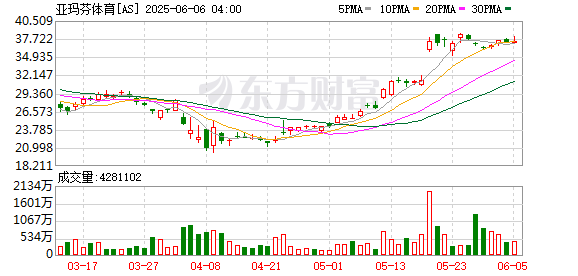
Core Viewpoint - The major shareholder of Amer Sports, FountainVest Partners, is planning to sell half of its stake in the company, raising concerns about the sustainability of growth for the high-end outdoor brand Arc'teryx, especially after the company's stock price has reached new highs [2][6]. Company Overview - Amer Sports, known for its high-end brands like Arc'teryx, Salomon, and Wilson, has seen significant growth in the Chinese outdoor sports market, although it remains less known in China compared to other brands [3]. - The acquisition of Amer Sports in 2018 by a consortium led by Anta Sports and FountainVest Partners was a landmark case of Chinese capital globalization, with a total purchase price of €4.6 billion [4][5]. Financial Performance - Amer Sports reported a revenue of $5.183 billion in 2024, a year-on-year increase of 18%, with outdoor functional apparel, particularly Arc'teryx, contributing significantly to this growth [5][11]. - The company's market capitalization has surged from approximately €4.6 billion at the time of acquisition to over $20 billion by June 2025, reflecting nearly a fourfold increase [6]. Market Dynamics - The high-end consumer market is undergoing structural changes post-pandemic, with consumers becoming more critical of product quality and value for money, leading to increased scrutiny of premium brands like Arc'teryx [7][10]. - Complaints regarding product quality have risen, with numerous reports of durability issues, which could impact brand reputation and consumer trust [9]. Competitive Landscape - The competitive environment in the high-end outdoor apparel sector is intensifying, with brands like Lululemon and Descente ramping up marketing efforts to capture market share [12]. - Amer Sports is initiating a multi-faceted transformation, including the launch of a footwear division and targeting the female market to drive future growth [13][14].
“黄金界爱马仕”的崛起与隐忧:老铺黄金的顶奢叙事能走多远?
Sou Hu Cai Jing· 2025-06-03 06:40
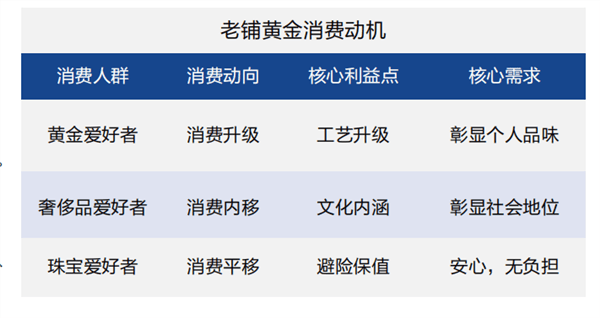
Core Viewpoint - The article highlights the remarkable growth and innovative business model of Laopu Gold, which has achieved significant market success and high profitability in the gold jewelry industry, while also facing potential challenges and market competition. Group 1: Company Performance - Laopu Gold's market capitalization has surged to over 160 billion HKD, surpassing Chow Tai Fook [1] - In 2024, Laopu Gold reported a revenue of 8.506 billion CNY, a year-on-year increase of 167.5%, with a gross profit of 3.501 billion CNY, up 162.9%, and a net profit of 1.473 billion CNY, reflecting a 253.9% growth [1] - The company's gross margin reached 41.2% in 2024, significantly higher than the industry average of 10%-30% [2] Group 2: Business Model Innovation - Laopu Gold has revolutionized the pricing strategy in the gold jewelry market by adopting a "one-price" model, moving away from the traditional "weight × gold price + processing fee" method [2] - This pricing strategy has effectively reduced consumer sensitivity to short-term gold price fluctuations and positioned Laopu Gold as a luxury brand [2] - The brand has successfully created a narrative around its products, associating them with cultural significance and craftsmanship, which enhances their perceived value [4] Group 3: Consumer Insights - The target consumer groups include gold enthusiasts, luxury goods consumers, and jewelry lovers, each with distinct motivations and core needs [3] - The brand's appeal lies in its ability to cater to the desire for personal taste, social status, and investment security among its consumers [3] Group 4: Competitive Advantages - Laopu Gold's competitive edge is derived from its unique cultural narrative and the establishment of channel barriers through strategic store placements in high-end shopping centers [4][6] - The brand's marketing strategies leverage social media to create a sense of exclusivity and community among consumers, enhancing brand loyalty [9] Group 5: Market Challenges - Despite its innovative model, Laopu Gold faces challenges such as increasing competition in the "ancient method gold" segment from established brands [12][13] - The brand's high valuation, with a PE ratio nearing 100, raises concerns about sustainability and market pressures [12] - The potential dilution of shares due to a significant number of stocks becoming tradable poses a risk to the stock price [15] Group 6: Future Outlook - Laopu Gold aims to balance its luxury positioning with potential market expansion, including plans for international growth [17] - The brand's success will depend on its ability to maintain its cultural narrative while innovating in product offerings and market strategies [18]