能源革命

Search documents
能源革命,大国博弈 - 2026金属年度策略
2025-12-08 15:36
Summary of Key Points from the Conference Call Industry Overview - The conference call focuses on the non-ferrous metals industry, particularly in the context of the energy revolution and geopolitical dynamics affecting investment strategies for 2026 [1][6][8]. Core Insights and Arguments 1. **Investment Themes for 2026**: - The main investment themes are the energy revolution and geopolitical competition, with a focus on energy metals like nickel, cobalt, lithium, copper, aluminum, and natural uranium, as well as precious metals like gold and silver [1][6]. 2. **Price Projections**: - Lithium carbonate prices are projected to reach 150,000 CNY/ton, potentially doubling the valuations of related stocks [1]. - Gold profits are expected to surge as gold prices exceed $3,000/oz, with net profits per ton of gold anticipated to reach 400-500 million CNY in 2026 [1][15]. - The copper market is expected to face supply constraints, leading to strong price increase expectations [1][20]. - The aluminum industry is projected to maintain high capacity utilization and low inventory, resulting in increased profitability per ton of electrolytic aluminum [1][22]. 3. **Strategic Metals**: - Strategic metals such as natural uranium, rare earth magnets, tungsten, tin, and antimony are linked to new production capabilities and are expected to benefit from valuation logic related to strategic metals [1][8]. - The investment outlook for these metals is cautious, with a need to monitor for "black swan" events that could create investment opportunities [1][8]. 4. **Market Dynamics**: - The super commodity cycle that began in 2020 is not yet over, with key factors influencing its end being U.S. credit recovery, supply chain reconstruction, and strategic stockpiling progress [3]. - The supply of copper is expected to remain tight due to minimal growth in major mines and increasing operational challenges [19][20]. 5. **Sector Performance**: - The energy metals sector, particularly lithium and cobalt, has seen significant price increases due to supply constraints and strong demand from downstream applications [10][11]. - The aluminum sector is entering a strong demand release phase, with low inventory levels and high production capacity utilization [22]. Additional Important Insights 1. **Geopolitical Factors**: - The geopolitical landscape is influencing the supply chain and investment strategies, particularly in the context of U.S.-China relations and regulatory environments affecting strategic metals [23]. 2. **Future Projections**: - The natural uranium market is expected to see steady demand growth driven by nuclear power investments in China and the U.S., with prices likely to rise due to supply constraints [27][28][29]. - The tungsten market is anticipated to remain tight due to regulatory pressures and low inventory levels, with significant implications for its pricing and availability [23][24][26]. 3. **Investment Recommendations**: - Investors are advised to maintain positions in electrolytic aluminum and energy metals while beginning to position for copper and gold in the fourth quarter of 2025 [9]. - Specific companies such as Huayou Cobalt and Luoyang Molybdenum are highlighted as undervalued investment opportunities in the cobalt sector [11][14]. This summary encapsulates the key points discussed in the conference call, providing a comprehensive overview of the non-ferrous metals industry and its investment outlook for 2026.
2025年中国清洁电力转换设备行业产业链、市场规模、竞争格局及发展趋势分析研判:行业正处于能源革命浪潮的核心,行业发展前景广阔[图]
Chan Ye Xin Xi Wang· 2025-12-08 01:11
二、清洁电力转换设备行业发展现状 内容概要:清洁电力转换设备是连接和优化清洁能源与传统电网或负载之间的"智能桥梁"和"交通枢 纽"。各国政策强力推动风电、光伏等新能源装机量持续增长,直接拉动了上游转换设备的需求。2024 年全球清洁电力转换设备市场规模724亿美元,其中,储能系统284亿美元,占38.02%;光伏逆变器220 亿美元,占29.45%;风电变流器19亿美元,占2.54%;氢能电解槽17亿美元,占2.28%;新能源汽车电 控及电源系统与充电设备158亿美元,占21.15%;AIDC电源49亿美元,占6.56%。预计2025年全球清洁 电力转换设备市场规模将达到916亿美元,其中,储能系统约365亿美元,约占39.93%;光伏逆变器约 249亿美元,约占27.24%;风电变流器约24亿美元,约占2.63%;氢能电解槽约48亿美元,约占5.25%; 新能源汽车电控及电源系统与充电设备约157亿美元,约占17.18%;AIDC电源约71亿美元,约占 7.77%。 上市企业:固德威[688390]、阳光电源[300274]、锦浪科技[300763]、首航新能[301658]、科华数据 [002335]、上 ...




铜、白银新高,周期怎么看?
2025-12-08 00:41
Summary of Key Points from Conference Call Records Industry Overview Aviation Industry - The adjustment of the China-Japan route impacts airlines and ticket prices, with the route accounting for 3% of the total market share. The removal of flights has led to a shift in capacity to domestic flights, causing ticket prices to stabilize or slightly decline from previous growth of 2-3% [2] - Airlines have extended the free ticket refund period for the China-Japan route until March 31, 2026, resulting in short-term disruptions but overall limited impact due to the small number of flights removed [2] - The recommendation for airline stocks includes China Southern Airlines, China Eastern Airlines, and Air China, followed by Huaxia Airlines, Juneyao Airlines, and Spring Airlines [2] Retail and Duty-Free Market - The Shanghai Airport duty-free store bidding process has sparked discussions, with potential new operators being introduced as existing shareholders oppose the bid. This could lead to increased revenue for Shanghai Airport [4] - The bidding process may benefit Shanghai Airport regardless of the outcome, as the expected revenue from the bidding exceeds investment returns [4] Shipping and Bulk Freight - The Baltic Dry Index (BDI) reached a two-year high of 2,854 points, driven by the upcoming production of the West Manganese Mine and concentrated shipments from Australian mines [5] - The outlook for the bulk shipping market remains positive, with recommendations for stocks such as Haitong Development, Pacific Shipping, and China Merchants Energy [5] Express Delivery Industry - Jitu's volume growth in Southeast Asia reached 78% during the Double Eleven shopping festival, with new market growth at 83%, indicating strong performance [6] - The express delivery sector is experiencing a shift, with leading companies increasing market share while lower-tier companies see declines. Zhongtong has returned to double-digit growth in October and November, making it an attractive investment opportunity [7] Commodity Market Insights Metal Market - The commodity cycle since 2020 is not yet halfway through, with expectations for a bull market in 2026 driven by a weakening dollar and supply chain disruptions [8] - The investment strategy for 2026 focuses on energy metals, nickel, cobalt, gold, copper, aluminum, and strategic metals, influenced by energy revolutions and geopolitical tensions [11] - Specific insights include: - Nickel and cobalt prices are expected to remain high due to quota systems and unexpected demand for energy storage [8] - Copper's supply issues are critical, with both financial and commodity attributes driving its value [8] - Aluminum is anticipated to break out of a three-year range due to low inventory and increased demand from industrial and energy sectors [8] Coal Market - The coal market is currently under pressure, with prices for Shanxi coal dropping by 27 yuan, and overall coal inventory rising but still below last year's levels [13][14] - Electricity consumption has decreased year-on-year, but there is a seasonal uptick in demand [15] - The national coal market conference indicated a balanced supply-demand outlook for 2026, with a focus on long-term contracts and import controls to stabilize prices [16] Future Projections - The overall sentiment for the metal sector in 2026 is optimistic, emphasizing the importance of energy revolutions and geopolitical factors for long-term investment opportunities [9]
破解马六甲、甩掉石油依赖,中国砸6250亿,铺出沙漠里的光伏基地
Sou Hu Cai Jing· 2025-12-06 15:22
Core Insights - The article discusses China's energy strategy, emphasizing the shift towards renewable energy sources to reduce dependence on imported oil and enhance energy security [1][3][5]. Group 1: Renewable Energy Development - China's desert photovoltaic base has expanded significantly, now larger than two Manhattans, generating enough electricity for a small country [3][9]. - In the past two years, solar and wind energy have rapidly developed, with solar power generation surpassing the combined output of France and the UK [9][10]. - By early 2025, clean energy is projected to account for nearly 40% of China's total electricity generation, indicating a strong growth trajectory [10]. Group 2: Energy Independence - The shift towards electrification is evident, with electric and hybrid vehicles making up over half of new car sales, reducing reliance on oil prices [12]. - The transition to electric power for trains, buses, and home heating ensures energy independence, mitigating risks associated with potential disruptions in oil supply routes [14][15]. - The "Malacca Dilemma," which previously posed a significant risk due to reliance on Middle Eastern oil, is being addressed through domestic energy production [15]. Group 3: Investment in Clean Energy - Since 2021, China has prioritized renewable energy, investing over $625 billion to stimulate growth in the sector, leading to reduced costs for solar and wind energy [17]. - The construction of massive solar power stations in the western deserts and offshore wind farms in the eastern coastal areas showcases China's commitment to clean energy [19]. - In 2024, China's new renewable energy generation is expected to exceed 500 terawatt-hours, surpassing Germany's annual consumption and outpacing other countries combined [21]. Group 4: Global Supply Chain Control - China's advancements in clean energy technology position it to dominate the global supply chain for critical minerals and renewable energy equipment [23]. - The Belt and Road Initiative is being leveraged to export China's renewable energy technology and standards, establishing a leading role in global energy transition [25]. - The U.S. response to China's energy strategy has been inconsistent, with fluctuating policies that hinder long-term investment in clean energy [27][29]. Group 5: Strategic Vision - China's approach to energy transformation emphasizes a complete overhaul rather than temporary fixes, allowing it to lead in global energy innovation [31].
周末证券丨高位波动明显加剧 券商谨慎看多12月行情
Sou Hu Cai Jing· 2025-12-05 11:17
Market Overview - The A-share market is currently in a volatile phase, characterized by a "pressure from above and support from below" dynamic, with cautious optimism for a potential "winter sowing" market trend [1] - The overall market sentiment remains cautious but slightly bullish, with many institutions believing that the current consolidation phase is beneficial for future market performance [2] Investment Strategies - Focus on sectors such as artificial intelligence applications, including domestic computing power, optical modules, and cloud computing infrastructure, as well as robotics, consumer electronics, intelligent driving, and software applications [3] - The non-ferrous metals sector is expected to benefit from global monetary order restructuring and demand improvement [3] - Export performance is currently stronger than domestic demand, with companies in sectors like power grid equipment, engineering machinery, white goods, and commercial vehicles showing promising prospects [3] - Long-term investment trends favor high-quality cash flow, low volatility, and dividend certainty, particularly in consumer and cyclical sectors [3] Economic Indicators - The manufacturing PMI for November was reported at 49.2%, indicating a continued contraction, while the non-manufacturing PMI was at 49.5%, reflecting a decline [10] - The overall economic environment is stabilizing, with policies aimed at boosting domestic demand and stabilizing employment and market expectations [13] Policy Outlook - December is a critical month for policy observation, with significant meetings expected to outline economic policies for 2026, focusing on fiscal and monetary strategies, promoting consumption, and stabilizing the real estate market [11] - The anticipated Federal Reserve meeting in December is expected to result in a 25 basis point rate cut, which could positively influence foreign investment in Chinese assets [10][11] Sector Focus - Emphasis on technology and advanced manufacturing sectors, particularly in AI, semiconductor industries, and other high-growth areas [18] - Attention to policy-driven sectors such as electric power equipment and basic chemicals, which are expected to see improved fundamentals and reasonable valuations [19] - Consumer sectors, including machinery, home appliances, and automotive, are also highlighted as beneficiaries of domestic demand policies [19] Market Sentiment - The market is expected to experience a gradual increase in risk appetite, with a potential cross-year rally on the horizon [10] - The overall sentiment is optimistic, with expectations for further upward momentum as policies take effect and fundamentals improve [14]
焦煤焦炭周度报告-20251205
Zhong Hang Qi Huo· 2025-12-05 09:24
目录 焦煤焦炭周度报告 衡飞池 从业资格号:F03122956 投资咨询号:Z0022861 中航期货 2025-12-05 01 报告摘要 02 多空焦点 03 数据分析 04 后市研判 报告摘要 PART 01 1. 据百年建筑调研,截至12月2日,样本建筑工地资金到位率为59.49%,周环比下降0.07个百分点。其中,非房建项目资金到 位率为60.59%,周环比下降0.09个百分点;房建项目资金到位率为54.02%,周环比上升0.03个百分点。本期资金到位率下降, 主要拖累项目依旧为非房建项目,降幅较上周略微收窄,房建项目资金到位率环比增加,增速收窄。 本周双焦盘面维持横盘震荡,趋势性不明显。进入12月,焦煤主力完成换月,主力合约由2601切换至2605。从焦煤基本面看,本 周国内炼焦煤供应窄幅波动,但下游观望情绪浓厚,上游企业累库幅度较前期有所放大,短时间盘面交易现实压力。目前现货市 场较为僵持,整体成交表现一般,但由于今年春节时间较晚,补库时间有望后移,近月01合约博弈空间有限。受冬储预期影响, 远月05合约存阶段性反弹机会但空间力度有限,主要受制于钢材产业链利润承压。关注寒冬天气以及12月会议带来 ...
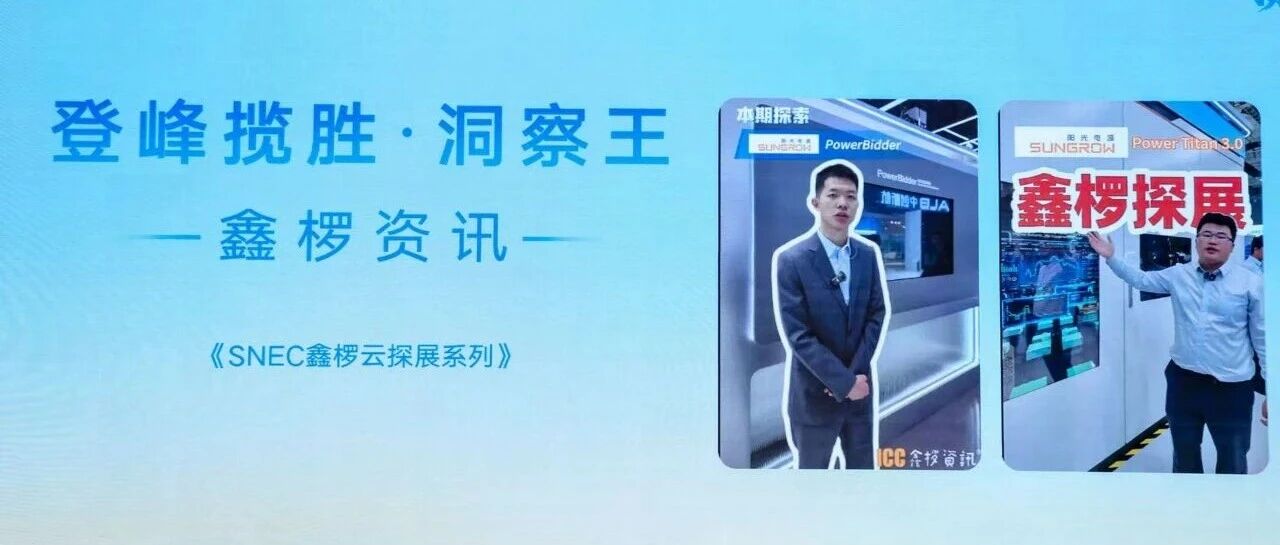
鑫椤资讯《鑫椤探展》斩获阳光电源“洞察王”奖项
鑫椤储能· 2025-12-05 06:51
Core Viewpoint - The article highlights the recognition of Xinluo Insights as a leading research institution in the renewable energy sector, awarded the "Insight King" by Sungrow for its contributions in technology innovation and market analysis through its video series "Xinluo Exploration" [2][4]. Group 1: Award Background - The "Insight King" award by Sungrow acknowledges significant contributions in technology innovation, market insights, and industry analysis within the renewable energy sector [2]. - Xinluo Insights is recognized for its deep exploration of industry pain points, technological breakthroughs, and future trends through its video series [2]. Group 2: Company Overview - Established in 2010, Xinluo Insights focuses on carbon, lithium battery, and electric furnace steel industries, providing services such as databases, industry forecasts, strategic consulting, and media promotion [10]. - The company operates under the core philosophy of "data-driven industry decision-making," building a comprehensive database and forward-looking prediction system covering lithium batteries and energy storage [4]. Group 3: Future Outlook - The renewable energy industry is transitioning from "scale expansion" to "quality enhancement," with Xinluo Insights' award marking a shift from "data recording" to "value creation" in industry research [5]. - Future collaborations with leading companies like Sungrow will focus on cutting-edge areas such as solid-state batteries, grid-type energy storage, and AI-driven energy management, aiming to provide deeper insights and actionable solutions for the global renewable energy sector [5].
能源革命的中国答案: 技术创新赋能全球能源可持续发展
Zhong Guo Zheng Quan Bao· 2025-12-03 01:54
Core Insights - The global energy revolution is at a historic turning point, with renewable energy capacity expected to reach approximately 700 GW in 2024, marking the 22nd consecutive year of record growth [1] - Renewable energy and nuclear power will account for 80% of the new electricity generation in 2024, indicating a significant structural transformation in the global energy system [1] Group 1: Characteristics of the Energy Transition - Renewable energy costs continue to decline, with 91% of new renewable energy projects in 2024 being cheaper than the lowest-cost fossil fuel projects [1] - The acceleration of energy system intelligence is driven by AI and digital twin technologies, enhancing power generation forecasting, grid management, and energy storage [1] - A mature multi-energy complementary system is emerging, characterized by the integration of wind, solar, hydrogen, and storage [1] Group 2: China's Role in the Energy Transition - China is transitioning from a follower to a leader in the energy revolution, with its solar and wind capacity additions in the first half of 2025 surpassing the total of other regions [1][3] - By mid-2025, China's renewable energy capacity is expected to reach nearly 60%, with renewable energy generation accounting for 39.7% of the national total [3][4] - China's electrification level has reached 32%, increasing at a rate of approximately 1 percentage point per year, outpacing major economies in Europe and the U.S. [4] Group 3: Investment and Technological Advancements - Global clean energy investment is projected to exceed $2 trillion in 2024, double that of fossil fuel investments, with China contributing one-third of the total [2] - China leads in clean energy technology patents, holding over 75% of global patents in clean energy technology as of now [6] - Significant breakthroughs in various energy sectors, including nuclear, grid technology, and energy storage, have positioned China as a global benchmark [5][6] Group 4: Global Energy Cooperation and Impact - Different development models are enriching global energy transition practices, with collaborations such as China-Saudi Arabia in green hydrogen and U.S.-China in carbon capture technology [3] - China's technology exports have significantly reduced the costs of wind and solar energy globally, contributing to a reduction of approximately 810 million tons of CO2 emissions [7] - Through initiatives like the Belt and Road, China is fostering sustainable development in partner countries, enhancing their access to clean energy [7] Group 5: Future Outlook - The global renewable energy capacity is expected to increase by 4,600 GW by 2030, equivalent to the current total generation capacity of China, the EU, and Japan combined [2] - China's strategic focus on emerging industries, including hydrogen and quantum technology, is anticipated to create a trillion-dollar market in new energy [8] - The ongoing energy transformation is expected to foster a sustainable global energy governance system, with China playing a pivotal role [9]
能源革命的中国答案:技术创新赋能全球能源可持续发展
Zhong Guo Zheng Quan Bao· 2025-12-02 14:23
Core Insights - The global energy revolution is at a historic turning point, with renewable energy capacity expected to reach approximately 700 GW in 2024, marking the 22nd consecutive year of record growth [1] - Renewable energy and nuclear power will account for 80% of the new electricity generation in 2024, indicating a significant structural transformation in the global energy system [1] Group 1: Characteristics of the Energy Transition - Renewable energy costs continue to decline, with 91% of new renewable energy projects in 2024 being cheaper than the lowest-cost fossil fuel projects [1] - The acceleration of energy system intelligence is driven by AI and digital twin technologies, enhancing power generation forecasting, grid management, and energy storage [1] - A mature multi-energy complementary system is emerging, characterized by the integration of wind, solar, hydrogen, and storage [1] Group 2: China's Role in the Energy Transition - China is transitioning from a follower to a leader in the energy revolution, with its solar and wind capacity expected to exceed the total of other regions by mid-2025 [1][3] - By mid-2025, China's renewable energy capacity will account for nearly 60%, with renewable energy generation reaching 1.8 trillion kWh, representing 39.7% of the national total [3] - China's electrification level has reached 32%, increasing at a rate of approximately 1 percentage point per year, outpacing major economies in Europe and the U.S. [4] Group 3: Investment and Technological Advancements - Global clean energy investment is projected to exceed $2 trillion in 2024, double that of fossil fuel investments, with China contributing one-third of the total [2] - China leads in clean energy technology patents, holding over 75% of global patents, and has established a complete industrial chain for renewable energy [6] - Significant breakthroughs in nuclear power, grid technology, and energy storage have positioned China at the forefront of global energy innovation [5][6] Group 4: Global Energy Cooperation and Impact - Different development models are enriching global energy transition practices, with collaborations such as China-Saudi Arabia in green hydrogen and U.S.-China in carbon capture technology [3] - China's technology exports have significantly reduced the costs of wind and solar energy, contributing to a reduction of approximately 810 million tons of CO2 emissions globally [7] - Through initiatives like the Belt and Road, China is fostering sustainable development in partner countries, enhancing their access to clean energy [7] Group 5: Future Outlook - The global energy structure is expected to undergo fundamental reconstruction, with renewable energy capacity projected to increase by 4,600 GW by 2030, equivalent to the current total generation of China, the EU, and Japan combined [2] - China's strategic initiatives in emerging industries, including hydrogen and quantum technology, are anticipated to create new trillion-dollar markets in renewable energy [8] - The ongoing energy transformation is expected to significantly contribute to building a sustainable global energy governance system [8][9]
超3700只个股下跌
Di Yi Cai Jing· 2025-12-02 08:11
Market Overview - The A-share market experienced fluctuations with the Shanghai Composite Index down by 0.42%, the Shenzhen Component Index down by 0.68%, and the ChiNext Index down by 0.69% [2][3] - The total trading volume in the Shanghai and Shenzhen markets was 1.59 trillion yuan, a decrease of 280.5 billion yuan compared to the previous trading day [6] Sector Performance - The lithium battery industry chain led the decline, with significant drops in sectors such as innovative drugs, GPUs, robotics, photovoltaics, AI applications, semiconductors, and new energy vehicles [2][3] - Conversely, the pharmaceutical commerce and consumer electronics sectors showed resilience, with several local stocks in Fujian province experiencing notable gains [2][3] Notable Stocks - Stocks such as Jiarong Technology (+20.01%), Zhaobiao Co. (+20.00%), and Fujian Expressway (+10.10%) were among the top gainers [5][6] - The aerospace sector was active, with Aerospace Development achieving 9 limit-up days in 13 trading sessions [5][6] Capital Flow - Main capital inflows were observed in the consumer electronics, shipbuilding, and automotive sectors, while outflows were noted in the computer, securities, and non-ferrous metals sectors [9] - Specific stocks like Industrial Fulian, New Yi Sheng, and Shenghong Technology saw net inflows of 1.114 billion yuan, 1.077 billion yuan, and 993 million yuan respectively [9] Institutional Insights - Huaxi Securities anticipates that the A-share market will enter a critical policy observation window in December, potentially increasing market risk appetite and setting the stage for a year-end rally [10] - CICC suggests that the current valuation of the A-share market is relatively reasonable, supported by the AI technology revolution and energy transition, which are expected to enhance corporate performance [10] - According to GF Securities, December to January is historically a prime time for positioning in the year-end market, particularly for sectors with positive earnings forecasts [10]