
全球化

Search documents
Z Event|9.19/20湾区线下AI饭局,OpenAI/Anthropic/xAI/Google的同学下班吃饭
Z Potentials· 2025-09-16 04:08
Core Insights - The article emphasizes the importance of focusing on AI products and talents, particularly in the context of global technological advancements and market opportunities [12][13]. Group 1: Industry Focus - The industry is increasingly centered around AI, smart hardware, and globalization, indicating a shift towards cutting-edge technologies [12]. - There is a notable interest in the overseas expansion of technology sectors, particularly in AI and robotics [12]. Group 2: Talent Recruitment - The company is actively recruiting new interns, highlighting a commitment to nurturing fresh talent in the tech industry [4]. - The recruitment efforts are aimed at individuals with creativity and entrepreneurial spirit, particularly from the post-2000 generation [6].


2025中国企业500强!这3家惠企上榜!
Sou Hu Cai Jing· 2025-09-16 03:28
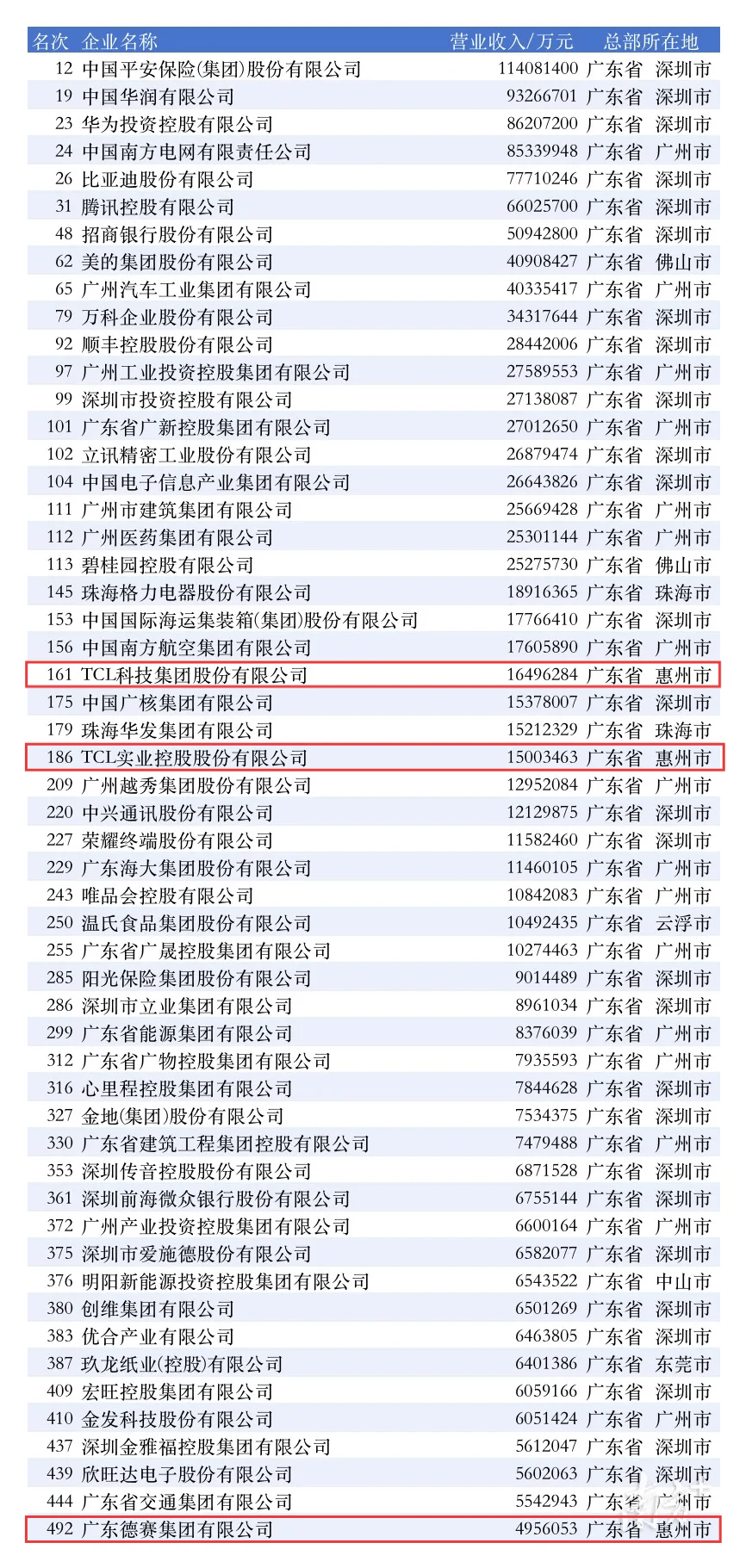
Core Insights - The "2025 China Top 500 Enterprises" list was released, showcasing the strength of Huizhou's electronic information industry with three local companies making the list [1][4]. Group 1: Company Rankings - TCL Technology Group ranked 161st with a revenue of 164.96 billion yuan [5]. - TCL Industrial Holdings ranked 186th with a revenue of 150.03 billion yuan [5]. - Guangdong Desay Group ranked 492nd with a revenue of 49.56 billion yuan [8]. Group 2: Industry Performance - The total revenue of the top 500 enterprises reached 110.15 trillion yuan, with the entry threshold rising to 47.96 billion yuan, an increase of 579 million yuan [4]. - The net profit attributable to shareholders totaled 4.71 trillion yuan, reflecting a growth of 4.39% [4]. - The number of enterprises with revenues exceeding 100 billion yuan increased to 267, accounting for 53.4% of the list, with 15 companies surpassing 1 trillion yuan [4]. Group 3: Huizhou's Economic Impact - The inclusion of three Huizhou companies highlights the city's significant role in the national industrial landscape, particularly in the electronic information sector [4][8]. - TCL Technology is recognized as a leader in the global semiconductor display industry, focusing on advanced display technologies [5]. - Guangdong Desay Group specializes in core components and solutions for electric vehicles and smart wearables, contributing to Huizhou's competitive edge in the new energy and electronic information sectors [8].

腾讯汤道生:每天向腾讯元宝的提问量,已达到年初一个月的总量
Xin Lang Ke Ji· 2025-09-16 02:49
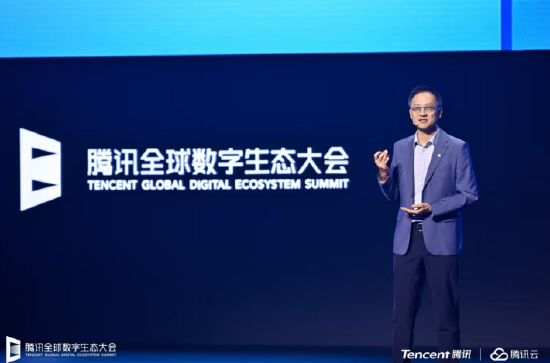
Core Viewpoint - The core viewpoint of the news is that Tencent aims to enhance industrial efficiency through intelligence and expand revenue scale through globalization, positioning these as the two main drivers for enterprise growth [5]. Group 1: Intelligentization - Tencent Cloud has launched a comprehensive AI strategy, focusing on open AI capabilities and enhancing both C-end and B-end scenarios to stimulate innovation potential in enterprises [3][4]. - AI has become a new business gene for Tencent, with the Tencent Yuanbao application ranking among the top three AI native applications in China, and user inquiries reaching the total volume of the previous month within a year [6][7]. - The IMA knowledge base has surpassed 100 million documents, and the monthly active users of QQ Browser's AI feature have increased by 17.8 times since April [6][7]. - AI has significantly contributed to double-digit growth in Tencent's advertising and gaming sectors, with marketing service revenue growing by 20% in Q2 [7]. Group 2: Globalization - Tencent Cloud is enhancing its international strategy by focusing on infrastructure, technology products, and service capabilities to help enterprises establish a local presence and expand globally [4][15]. - The speed of overseas infrastructure development is among the fastest among domestic cloud providers, with international business experiencing high double-digit growth over the past three years [4][16]. - Over 90% of Chinese internet companies and 95% of leading gaming companies have chosen Tencent Cloud for their international expansion [4][15]. Group 3: AI Application and Development - Tencent is committed to continuously upgrading its intelligent agent solutions, which are seen as the main application carrier in the AI era, and has released the ADP 3.0 version to enhance enterprise efficiency [8][9]. - The company has established a complete suite for intelligent agent development, providing capabilities such as security sandbox environments and long-term memory management [9]. - A recent collaboration with Juewei Food demonstrated that AI marketing efficiency can reach 2-3 times that of manual operations, with significant improvements in content click-through rates and transaction amounts [10]. Group 4: Infrastructure and Service Enhancement - Tencent Cloud is building a "global network" to support globalization, with significant investments in infrastructure, including a $150 million investment in Saudi Arabia [16][17]. - The company emphasizes the importance of a deep understanding of industry needs and long-term partnerships with clients, providing localized technical support and services [18][19]. - Tencent Cloud's products, such as CodeBuddy and ADP, have been successfully internationalized, showcasing strong competitiveness in the global market [17].

腾讯:打造“智能化”与“全球化”两大效率引擎
Xin Lang Ke Ji· 2025-09-16 02:28
Core Insights - Tencent aims to establish "intelligent" and "global" efficiency engines to support sustainable growth for enterprises [1] Group 1: Intelligent Strategy - Tencent Cloud has officially launched its intelligent strategy, which includes the opening of AI capabilities and advantages in both consumer and business scenarios [1] Group 2: Global Strategy - Tencent Cloud will assist enterprises in local establishment and global market expansion through infrastructure, technology products, and service capabilities [1] Group 3: Growth Drivers - The two core drivers for enterprise growth are identified as enhancing industrial efficiency through intelligence and increasing revenue scale through globalization [1]
港股IPO破局,2900亿医疗器械龙头迈瑞,预计三季度业绩回正
3 6 Ke· 2025-09-16 02:10
Core Viewpoint - The innovative pharmaceutical industry is experiencing a "BD moment," while the medical device sector, particularly represented by Mindray Medical, is facing significant challenges due to valuation corrections and market dynamics [1][5]. Group 1: Company Performance - Mindray Medical's revenue grew from 9.032 billion yuan in 2016 to 34.932 billion yuan in 2023, maintaining a double-digit annual growth rate [1]. - The company's net profit also saw substantial growth, increasing from 1.6 billion yuan to 11.582 billion yuan during the same period, with a consistent growth rate above 20% [1]. - However, starting in 2024, Mindray's revenue growth has dropped to less than 1%, with net profit showing nearly zero growth [3]. - In Q1 2025, Mindray reported a revenue of 8.237 billion yuan, a year-on-year decline of 12.12%, and a net profit of 2.629 billion yuan, down 16.81% [5]. - By Q2 2025, revenue further declined to 8.506 billion yuan, a drop of 23.77%, and net profit fell to 2.440 billion yuan, down 44.55% [5]. Group 2: Market Reaction and Valuation - Following the release of disappointing financial results, Mindray's stock price did not experience a significant drop, indicating that the market had already adjusted to the negative expectations [8]. - Despite the challenges, Mindray's stock has shown resilience compared to peers, although it has nearly halved from its peak [3]. Group 3: Industry Context - The difficulties faced by Mindray reflect broader challenges in the medical device industry, exacerbated by centralized procurement policies affecting revenue growth [5]. - The medical device market in China is expected to recover, with projections indicating a 20.9% year-on-year growth in the bidding market by Q4 2024 [8]. Group 4: Strategic Direction - Mindray aims to increase its international revenue share to over 70%, recognizing the overseas market's potential, which is five times larger than the domestic market [12]. - The company is considering a Hong Kong IPO to raise at least $1 billion, which would facilitate its global expansion strategy [12]. - Mindray's revenue from in vitro diagnostics (IVD) has reached 6.424 billion yuan, making it the largest revenue segment, and the company plans to focus on this area for future growth [14][15]. Group 5: Leadership and Future Outlook - Mindray's founder, Li Xiting, is 74 years old, and succession planning has become a point of interest for investors [10]. - Li has expressed optimism about the company's future, aiming to position Mindray among the top 10 global medical device companies by 2030 [10]. - The company has made significant investments in R&D, with 1.78 billion yuan allocated in H1 2025, representing 10.6% of revenue, to enhance its product offerings and market position [17].

本轮牛市的逻辑
2025-09-15 14:57
Summary of Key Points from the Conference Call Industry or Company Involved - The discussion primarily revolves around the **Chinese economy** and its **capital market** dynamics, with a focus on the implications of globalization, industrial capacity, and real estate market trends. Core Points and Arguments 1. **External Challenges to the Chinese Economy** The Chinese economy faces significant external challenges, including overcapacity in industrial production, necessitating deeper integration into globalization to address these issues rather than relying solely on domestic demand stimulation [2][4][5] 2. **Real Estate Market Constraints** Urbanization is slowing down, and population decline is limiting growth in real estate demand. Stabilizing the real estate market requires attracting global demand and aligning with the industrialization needs of developing countries [2][7][9] 3. **Stimulating Consumption** Enhancing the consumption capacity of the middle and lower-income groups is essential for stimulating demand. The automotive industry, despite having high efficiency, faces barriers due to de-globalization, which, if removed, could enhance brand value and income for workers [2][11] 4. **Globalization as a Solution** China’s push for globalization and aiding developing countries in industrialization could reshape international political and economic orders, addressing overcapacity issues and enhancing China's global economic standing [2][12] 5. **Market Confidence and Financial Reform** Current capital market trends are driven by a recovery in confidence in the Chinese economy, benefits from financial reforms, and adjustments in the Sino-American strategic landscape. Investor confidence in the Chinese economy and competition with the U.S. is on the rise [2][15][29] 6. **Valuation and Market Dynamics** A-shares are currently valued at historical median levels, with no signs of bubble risk. The market capitalization of A-shares is disproportionately low compared to China's GDP, indicating potential for growth [2][22] 7. **Investment Opportunities** The capital market is expected to evolve through two phases: valuation-driven and fundamental-driven. Key sectors to watch include defense-related industries, technology sectors, and companies with global competitiveness in the new energy vehicle space [2][17][18] 8. **Investor Sentiment** Despite market fluctuations, investor sentiment remains stable, with no systemic risk perceived. The shift in bond market strategies indicates a potential influx of capital into the stock market [2][23][25] 9. **Impact of External Funds on Currency and Markets** The depreciation of the U.S. dollar and the undervaluation of the Chinese yuan present opportunities for foreign investors to enter the Chinese capital market, potentially leading to increased capital inflows [2][27][28] Other Important but Possibly Overlooked Content 1. **Long-term Market Trends** The current financial market is in a positive development phase, with no significant changes expected in the supportive macroeconomic and policy environment [2][16][29] 2. **Strategic Adjustments in Sino-American Relations** The proactive approach in Sino-American relations, particularly in military and economic strategies, is influencing overall market risk preferences and investor behavior [2][14][15] 3. **Potential for Manufacturing Expansion** Chinese manufacturing leaders are exploring opportunities to expand globally, leveraging their advanced production capabilities to form partnerships with international firms [2][21][20]
阿里云、美团、蚂蚁等50余家企业提供1500个岗位,外滩大会招聘会吸引1万科技人才
Huan Qiu Wang· 2025-09-15 13:10
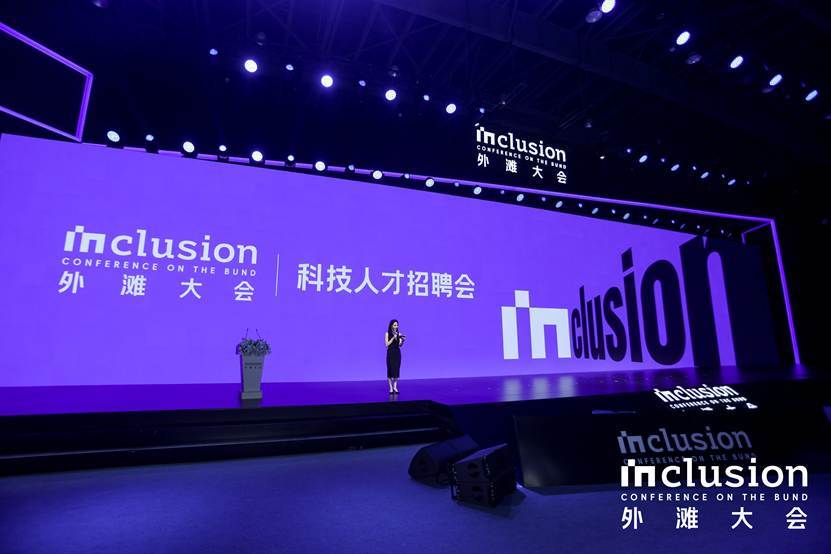
Core Insights - The 2025 Inclusion Bund Conference Technology Talent Recruitment Fair was held in Shanghai, featuring over 50 companies offering more than 1,500 job positions focused on AI, internet, and finance sectors [1][3] - This year's recruitment positions increased by 50% compared to last year, with over 60% of companies posting AI job demands, marking a continuous growth in recruitment positions for three consecutive years [3] Group 1: Event Overview - The recruitment fair was guided by the Shanghai Human Resources and Social Security Bureau and organized by the Bund Conference Organizing Committee, with Ant Group co-hosting [3] - More than 10,000 job seekers attended the event, engaging directly with employers and submitting over 6,500 resumes [1] Group 2: Industry Trends - The fair included discussions on "Employment and Job Trends in the AI Era," providing insights to help job seekers understand industry trends and seize employment opportunities [7] - The demand for positions such as data scientists, robotics engineers, and algorithm engineers has seen a year-on-year increase of over 50% in the first half of this year due to the impact of AI [8] Group 3: Globalization and Talent Acquisition - The CEO of Intelliprop Group emphasized the need for Chinese companies to adopt a global mindset, highlighting that the essence of global competition is a deep contest for talent acquisition [10] - The average recruitment salary for overseas positions has been steadily increasing in recent years [10] Group 4: Collaboration and Talent Development - Ant Group and Chuan Zhi Education announced a partnership at the fair to enhance the cultivation of digital talent and support the development of the AI industry [14] - The recruitment fair offered AI interview experiences, career assessments, and development services, providing a comprehensive suite of intelligent services for job seekers [15] Group 5: Company Participation - Ant Group, as a co-host and participating company, provided over 500 technical job openings, with 84.7% of new graduate recruits in 2024 being technical talents [15] - Ant Group's research and development investment reached 23.45 billion yuan, consistently accounting for over 10% of total revenue for three consecutive years [15]

全球硬件大爆款,生于中国|深氪
36氪· 2025-09-15 11:05
Core Viewpoint - The article highlights the emergence of a new generation of hardware entrepreneurs in China, inspired by successful companies like DJI, who are now aiming for global markets and high-value products, showcasing a shift from low-cost manufacturing to innovation and brand recognition [5][12][39]. Group 1: Globalization and Market Strategy - Plaud AI, a Shenzhen-based company, has rapidly gained traction in the global market with its AI recording pen, selling over one million units since its launch [4][5]. - The current entrepreneurial mindset emphasizes the necessity for hardware companies to target global markets and create high-margin brands, reflecting a significant shift in the industry [5][6]. - The success of DJI has set a precedent, demonstrating that Chinese companies can command high prices and achieve substantial market share in global markets [12][39]. Group 2: Evolution of Hardware Companies - The article traces the evolution of Chinese hardware companies over the past decade, noting that many have transitioned from low-cost, imitation products to innovative, high-quality offerings [12][18]. - Companies like影石 (Insta360) and正浩 (EcoFlow) have emerged as leaders in their respective markets, showcasing the potential for Chinese brands to achieve global recognition and success [13][14][39]. - The new generation of entrepreneurs is characterized by a global perspective and a desire to create products that resonate with international consumers, moving away from the traditional reliance on low-cost manufacturing [17][46]. Group 3: Supply Chain and Innovation - The strength of China's supply chain has been pivotal in enabling hardware startups to innovate and scale rapidly, with access to a vast network of suppliers and manufacturers [68][69]. - The article emphasizes that the evolution of the smartphone industry has significantly enhanced the capabilities of the Chinese supply chain, allowing for the development of advanced hardware products at competitive prices [78][79]. - The success stories of companies like拓竹 (Bambu Lab) and影石 (Insta360) illustrate how effective supply chain management and innovation can lead to rapid growth and market leadership [35][38][90]. Group 4: Investment Landscape - The investment landscape for hardware startups has shifted dramatically, with increased interest from investors as successful companies demonstrate the potential for high returns [106][110]. - Notable investors like李泽湘 and高秉强 have played crucial roles in supporting emerging hardware companies, providing not just capital but also mentorship and strategic guidance [102][106]. - The article notes a growing trend where investors are now actively seeking opportunities in the hardware sector, reflecting a broader recognition of its potential for growth and innovation [111][112].

姜海荣跨界出任深蓝汽车CEO 邓承浩:狼性文化让我们双向奔赴
Zhong Guo Jing Ji Wang· 2025-09-15 09:35
Core Insights - The appointment of Jiang Hairong as CEO of Deep Blue Automotive is seen as a significant step for the company, merging automotive and ICT thinking for future growth [1][2] - Jiang Hairong brings extensive experience from Huawei and Honor, which is expected to complement the existing leadership and enhance market competitiveness [2][3] Leadership Transition - Jiang Hairong officially joined Deep Blue Automotive as CEO on September 8, marking a new chapter for the company [1] - His background includes over 20 years in the technology sector, with roles in product development and marketing, making him a valuable asset for Deep Blue [2] - The leadership believes that Jiang's experience in both domestic and international markets will provide a strategic advantage [2][3] Strategic Vision - Deep Blue aims to leverage Jiang's expertise to enhance its product experience and market presence, both in China and globally [1][6] - The company has set ambitious sales targets, aiming for over 300,000 units this year and 2 million units by 2030 as part of the broader Changan Group goal of 5 million units [6][7] Cultural Alignment - The leadership emphasizes a shared "wolf culture" between Deep Blue and Huawei, which is characterized by competitiveness and a strong drive for success [3][4] - Trust and collaboration are highlighted as essential components for achieving the company's goals, with a focus on mutual support within the team [3][4] Brand Development - Deep Blue aims to establish itself as a trusted brand, moving from initial market recognition to a more substantial presence [7][8] - The company plans to adopt a systematic approach to global expansion, leveraging Jiang's previous experience in international marketing [7][8] - The focus will be on delivering differentiated products that resonate with consumers, ensuring that the brand is perceived positively in the market [8]
78岁的克林顿,已料到美国结局,希望中方胜利后,能答应他一件事
Sou Hu Cai Jing· 2025-09-15 09:13
Core Insights - The article discusses former U.S. President Bill Clinton's concerns about the current state of U.S.-China relations and the implications of the ongoing trade war initiated during Donald Trump's presidency [1][3] - Clinton predicts that China will eventually surpass the U.S. to become the world's largest economy, drawing parallels to the historical shift from British to American dominance [1][3] Group 1: U.S.-China Relations - Clinton expresses deep concern over the current U.S. government's handling of globalization, which he believes has damaged America's leadership on the global stage [1][3] - He emphasizes the need for China to adopt a generous approach towards the U.S. once it achieves victory in the economic competition, contrasting this with the prevailing hardline stance in U.S. politics [3] Group 2: Historical Context - During Clinton's presidency, significant efforts were made to integrate China into the global economy, including pushing for China's entry into the World Trade Organization (WTO) [5] - Clinton's administration had high expectations for economic integration, predicting a 300% increase in U.S. exports to China by 2010 and the creation of millions of jobs [5] Group 3: Current Economic Landscape - Despite initial optimism, Clinton acknowledges that the anticipated economic benefits did not materialize as expected, with a significant trade deficit of $382.9 billion in 2022 [7] - He notes that China has successfully upgraded its industries and made advancements in high-tech fields, which were not anticipated by U.S. policymakers [7] Group 4: Political Reflections - Clinton expresses disappointment in the current U.S. political landscape, criticizing the short-sightedness of both major parties and their failure to address the social divisions exacerbated by globalization [9] - He advocates for a cooperative approach between the U.S. and China, suggesting that the stability of the 21st century depends on finding a new way for the two superpowers to coexist [9]
