
贸易战

Search documents
中美谈判翻脸告终!贝森特放话全世界孤立中国,美国通报全球
Sou Hu Cai Jing· 2025-08-04 14:41
Economic Overview - The U.S. GDP fell by 0.3% in Q2, with a staggering fiscal deficit of $1.8 trillion, indicating significant pressure on the real economy [2] - In contrast, China's total import and export value reached 21.79 trillion yuan, growing by 5.3% year-on-year, with a stable GDP growth rate of 5.3% in Q2 [2] - China's economic structure is undergoing a positive transformation, with the contribution of real estate to GDP decreasing from 17% to 7%, indicating new growth engines driving economic development [2] Trade Relations - Following the latest round of U.S.-China trade negotiations, U.S. Treasury Secretary Yellen dramatically shifted her stance, claiming that "China's economy is facing collapse," contrasting sharply with previous discussions of "mutual respect" [2][4] - The U.S. has imposed punitive tariffs on steel and aluminum products from dozens of countries, with Mexico receiving a 90-day grace period while European allies face significant tariff increases [3] - The U.S. maintains a 10% baseline tariff and has suspended additional 24% punitive tariffs, creating uncertainty in U.S.-China trade relations [6] Market Dynamics - Despite claims that "the world is unwilling to buy Chinese goods," data shows that seven out of the top ten e-commerce sales in Southeast Asia in July were Chinese electronic products, and the EU recently finalized a procurement order for 8 GW of Chinese solar panels [6] - The trade war has entered a new phase, with the U.S. attempting to leverage issues beyond economic frameworks, such as the Russia-Ukraine conflict, which was met with strong resistance from China [8] - The resilience of supply chains has been tested, with German automakers shifting production to Mexico and Samsung increasing investments in Chinese chip factories, highlighting the limitations of U.S. strategies to isolate China [8] Conclusion - The ongoing trade war has reached a midpoint where traditional tactics of using tariffs to coerce compliance are proving ineffective, as countries have adapted to navigate around these barriers [8] - The market's response to shifting narratives and the underlying economic resilience of nations will play a crucial role in the future dynamics of international trade [8]

特朗普对欧洲不客气,华尔街银行丢生意!
Hua Er Jie Jian Wen· 2025-08-04 13:28
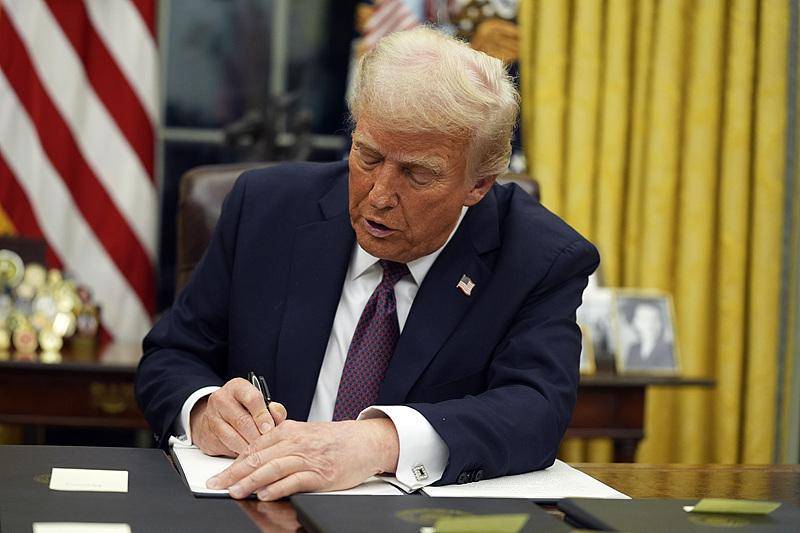
Group 1 - The core viewpoint is that European companies are increasingly shifting their business from large American banks to local European banks due to rising trade pressures from the Trump administration [1] - Approximately half of the euro-denominated bond issuance cases by non-US companies no longer involve the top five American investment banks, indicating a significant reduction in reliance on US financial institutions [1] - In the UK bond market, the exclusion rate of American banks has surged from 47% last year to 64% this year, reflecting a broader trend of European companies decreasing dependence on US banks [1] Group 2 - Local European banks, such as Deutsche Bank and BNP Paribas, are actively capturing market share from American banks, receiving an increasing number of new project inquiries and business mandates [2] - Zurich Insurance's issuance of a renminbi offshore bond was underwritten by Standard Chartered, highlighting a preference for regional banks over global giants [2] - UBS's CEO noted that some European banks now possess the capability to offer competitive services and advice, encouraging clients to consider switching their banking partnerships [2]
白宫描绘的“美国繁荣”为何持续被泼冷水?
Sou Hu Cai Jing· 2025-08-04 13:17
Core Viewpoint - The current U.S. government's trade policies, particularly high tariffs, are undermining the economy's competitiveness and could lead to a significant economic downturn [2][5][12]. Group 1: Economic Impact of Tariffs - The average effective tariff rate in the U.S. has surged from 2% to approximately 16%, the highest level since the 1930s, which is expected to increase production costs and reduce global competitiveness [5]. - High tariffs have resulted in increased customs revenue for the U.S., but they also threaten to decrease exports and squeeze the incomes of American workers [5][8]. - The potential positive impact of tariffs on GDP is minimal, estimated at only 0.7%, especially when considering retaliatory measures from trade partners [8]. Group 2: Confidence in the Dollar - There is a growing risk of diminishing confidence in the U.S. dollar, which has been the cornerstone of the U.S. economic dominance, as major credit rating agencies have downgraded the U.S. sovereign credit rating since 2011 [5][6]. - The unpredictability of the White House's policies is causing increasing tension in financial markets, which could lead to a historic decline in investor confidence in U.S. assets [6]. Group 3: Labor Market and Economic Growth - Recent employment data indicates a significant downturn, with the unemployment rate at 4.2% and non-farm payrolls adding only 73,000 jobs in July, below market expectations [12]. - The labor market is showing signs of weakness, with a stagnation in labor force growth and a decrease in labor participation rates, contributing to economic slowdown [13]. - Tariffs are eroding corporate profits and household purchasing power, while a reduction in immigration limits overall economic growth potential [13].

中国不肯妥协,美债爆雷危机逼近,特朗普决定对另一个大债主下手
Sou Hu Cai Jing· 2025-08-04 12:21
Group 1 - The article discusses the failure of the U.S. strategy under Trump to resolve the $36 trillion national debt through a trade war with China, highlighting that China is not yielding to U.S. pressure [1][9][16] - In response to U.S. tariffs, China has become more assertive, imposing tariffs on U.S. agricultural and industrial products, and shifting parts of its supply chain to Southeast Asia to reduce reliance on the U.S. market [3][5][11] - China is also focusing on technological advancements, increasing investments in core technologies like chips and artificial intelligence to achieve self-sufficiency and mitigate risks from U.S. actions [7][11] Group 2 - Trump's approach to reduce trade deficits through tariffs has backfired, leading to increased pressure on U.S. exporters and farmers, resulting in inventory buildup and domestic unrest [13][16] - Despite attempts to negotiate and cancel some tariffs, the trade deficit remains unchanged, and the global supply chain has been disrupted, leading to a stalemate in the trade war [16][19] - Trump has also targeted the Federal Reserve, blaming it for the economic slowdown due to high interest rates, and has attempted to exert political pressure on the Fed, which operates independently [19][21] Group 3 - The article emphasizes that the root cause of the U.S. debt issue is not merely excessive spending but a structural imbalance in the economy, with military and welfare expenditures being politically untouchable [27][29] - Trump's tax cuts and deregulation may provide short-term economic boosts but exacerbate long-term debt issues, with projections indicating that debt will continue to rise significantly [29][31] - The increasing U.S. debt could undermine global confidence in the dollar, leading to higher borrowing costs and a potential economic crisis, as countries seek alternatives to U.S. debt [31][33]
《数据周报80》:国债恢复增收增值税有什么影响?
Sou Hu Cai Jing· 2025-08-04 11:56
数据周报80(2025年7月28日-8月3日) 1.美国6月关税收入同比上涨320% 2.如何看待美国非农数据的大幅修正? 3.国债恢复增收增值税有什么影响? 4.中国离结比将上升至历史最高水平 5.下半年通胀会出现大幅反弹吗? 6.宏观债务杠杆率首次突破300% 7.如何看待美国最新的"对等关税"? 从数据层面观察,特朗普本轮贸易战可以说是已 "初见成效"。据智本社数据中心统计,2025 年 6 月美国商品贸易逆差显著收窄至 868 亿美元,较上月减 少 67 亿美元,较 2024 年同期减少 53 亿美元,这一表现明显超市场预期,展现出贸易失衡状况有所改善。 与此同时,美国进口商 6 月支付的关税收入持续攀升,单月已突破 266 亿美元,较上月增加 45 亿美元,较 2024 年同期更是激增 203 亿美元。 以当前数据趋势推算,未来关税每年将为美国带来超过 2000 亿美元的巨额财政收入。特朗普政府的政策是对外征税,对内减税。结合美国当前的财政状 况来看,这一重要收入来源对政府财政的支撑作用显著,未来无论哪一届政府,恐怕都难以轻易放弃。 2.如何看待美国非农数据的大幅修正? 正文 1.美国6月关税收入同 ...

莫迪弃俄油,特朗普“极限施压”能否撼动亚洲利益链?
Sou Hu Cai Jing· 2025-08-04 11:03
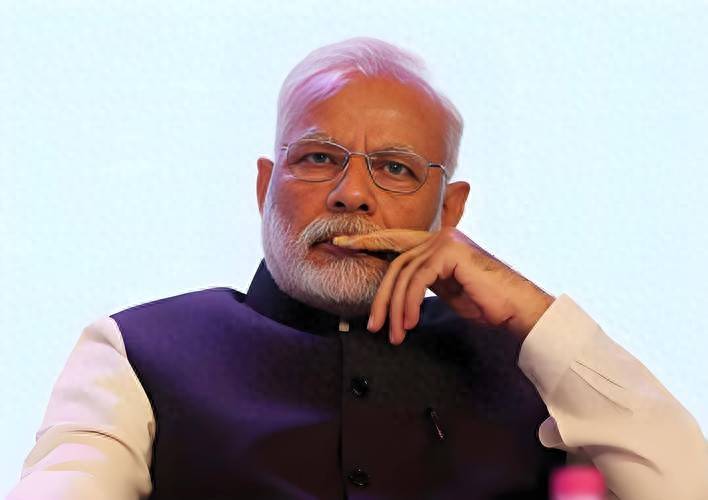
Group 1 - The International Energy Agency (IEA) reported a 36% drop in Russian crude oil exports to India in the first half of 2025, marking the largest decline in two years [1] - Indian state-owned refiners have collectively suspended new purchases of Russian crude oil, coinciding with the U.S. imposing a 25% tariff on all Indian goods starting August 1 [1][3] - The geopolitical landscape is shifting rapidly, with India pivoting away from Russian oil, the U.S. exerting pressure, and Europe observing the developments closely [1] Group 2 - Indian Prime Minister Modi convened an emergency energy security meeting, directing state-owned refiners to halt new orders from Russia and expedite negotiations for alternative supplies from the Middle East and the U.S. [3] - The discount on Russian oil has significantly decreased from $14-16 per barrel to $2.5-4 per barrel, eroding the profit margins for Indian refiners [3][5] - The end of India's "arbitrage" business model, which involved buying cheap Russian oil and selling refined products to Europe, is under threat due to U.S. pressure and new European regulations [5] Group 3 - The U.S. has explicitly targeted India, threatening to impose a 100% tariff on all Indian goods if it continues to purchase Russian oil, leading to public outcry in India [5][11] - The IEA noted that India's imports of Russian crude oil surged by 111% from 2022 to 2024, with Russian oil accounting for 40% of India's total imports by 2024 [5] - The shift in India's energy sourcing is causing a ripple effect in Europe, where the supply chain for refined products is becoming strained again [7] Group 4 - Middle Eastern oil producers, particularly Saudi Arabia and the UAE, are poised to benefit from India's shift away from Russian oil, with Saudi Aramco increasing exports to India by 24% in July [9] - The geopolitical dynamics are complex, with U.S.-India relations under strain while Pakistan unexpectedly benefits from the situation, as discussions about U.S. involvement in Pakistani oil resources emerge [11] - The ongoing energy crisis is intertwined with trade wars and geopolitical maneuvering, indicating a significant transformation in global energy and trade relationships [13][14]
中美博弈临近终局?美国敲定两路援军,中国已在台湾周边部署利器
Sou Hu Cai Jing· 2025-08-04 09:49
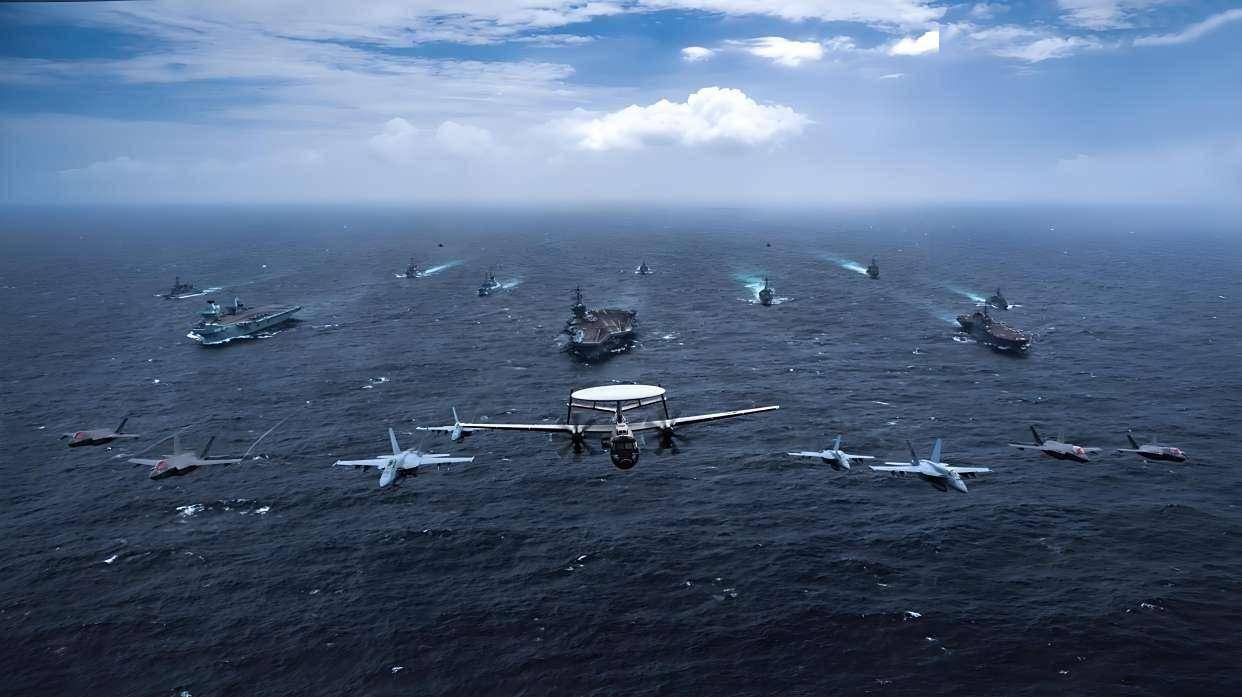
Group 1 - The trade war between the US and China has escalated dramatically, with tariffs increasing from 10% to 104%, causing significant disruptions in global supply chains and impacting consumer prices [3][5][19] - The US military budget has surged to $1 trillion, indicating a clear focus on countering China's influence in the Pacific region, with extensive military exercises planned [5][11][19] - The global military expenditure has reached a record $2.46 trillion, driven largely by the US's military strategies and alliances in the Asia-Pacific region [11][21] Group 2 - The US has strategically allied with countries like the Philippines and Japan to strengthen its military presence against China, emphasizing the importance of these nations in regional security [7][9][11] - China's military responses have intensified, with significant exercises demonstrating its capabilities and asserting its stance on Taiwan, indicating a shift towards a more aggressive defense posture [11][15][19] - The ongoing military and economic tensions are leading to a potential arms race in the Asia-Pacific region, with countries like Japan and South Korea increasing their defense budgets [21][24] Group 3 - The geopolitical landscape is becoming increasingly polarized, with countries either aligning with the US or attempting to maintain neutrality, reflecting a trend towards multipolarity [24][26] - Analysts suggest that the likelihood of military conflict may peak between 2025 and 2027, highlighting the critical nature of this period in US-China relations [26][28] - The outcome of this strategic competition will not only affect the two nations but also have significant implications for global stability and economic development [28]
把货“藏”在加拿大,商家赌特朗普对华关税认怂,网友:很明智!
Sou Hu Cai Jing· 2025-08-04 08:57
Group 1 - The core issue is the impact of the U.S. imposing tariffs as high as 245% on Chinese goods, which significantly affects retail businesses reliant on Chinese supply chains [1][4][6] - Retailers are increasingly using Canadian warehouses to store goods temporarily, taking advantage of tax exemptions and the ability to reclaim tariffs if goods are exported within four years [4][6][8] - The volume of containers shipped from China to Canada has surged by 50%, as retailers find this strategy more cost-effective compared to paying high tariffs in the U.S. [6][8][11] Group 2 - The high tariffs are causing increased prices for everyday goods, which are ultimately passed on to consumers, leading to a rise in living costs for ordinary Americans [11][19][32] - Major retailers like Walmart, Target, and Home Depot are feeling the pressure and have even approached the White House to discuss tariff issues, although the outcomes remain uncertain [15][17][19] - Concerns are growing about the long-term sustainability of small and medium-sized businesses that rely on Chinese suppliers, with fears of a significant shake-up in the retail industry [15][19][29] Group 3 - The ongoing tariff situation is creating a challenging environment for retailers as they prepare for the holiday season, with uncertainty about future tariff policies [17][19][32] - The trade war is causing broader economic concerns, with warnings from hedge fund managers about potential negative impacts on the U.S. economy if tariffs are not lifted [19][20][29] - The global economic repercussions are evident, with significant declines in stock markets across Asia and concerns about the feasibility of shifting supply chains to other countries [22][25][29]


39%高关税,“中立国”瑞士缘何成特朗普贸易战痛击对象?
Feng Huang Wang· 2025-08-04 08:04
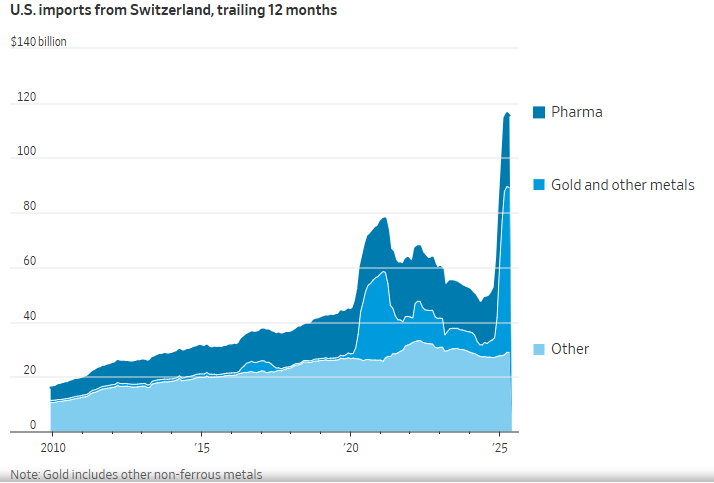
Group 1 - The U.S. will impose a 39% tariff on goods imported from Switzerland starting August 7, making Switzerland one of the few countries facing such high tariffs, second only to Brazil, Laos, Myanmar, and Syria [1][2] - The announcement coincided with Switzerland's National Day on August 1, which has been described as a significant humiliation for the country [2] - The trade deficit between the U.S. and Switzerland has surged, reaching nearly $50 billion in the first five months of the year, ranking Switzerland as the fifth largest trade deficit partner of the U.S. [5] Group 2 - Swiss officials were caught off guard by the high tariffs, as they believed negotiations with U.S. representatives were progressing well, with Switzerland expressing confidence in reaching a trade agreement [3][9] - The Swiss economy is heavily reliant on foreign trade, with approximately 19% of its exports going to the U.S., making it the largest export market for Switzerland [9] - The Swiss pharmaceutical industry, which exports about 60% of its products to the U.S., is under scrutiny, as it has been suggested that it may have hindered negotiations with the U.S. [12] Group 3 - The Swiss stock market is expected to open lower following the tariff announcement, with major companies like Novartis, Roche, and Nestlé listed on the Swiss exchange [12] - Analysts predict that if the tariffs remain unchanged, Switzerland's GDP could decline by approximately 0.6 percentage points, with more severe impacts if pharmaceuticals are excluded from tariff exemptions [13]



从关税到控制,美国强推三大产品
Hu Xiu· 2025-08-04 06:51
Core Viewpoint - The United States is aggressively promoting three major products globally: agricultural products, energy, and military arms, indicating a strategic focus on these sectors amid ongoing trade tensions [1] Group 1: Agricultural Products - The U.S. aims to expand its agricultural exports to strengthen its position in global markets and support domestic farmers [1] - Increased demand for U.S. agricultural products is seen as a way to counterbalance trade deficits with other countries [1] Group 2: Energy - The U.S. is pushing for greater energy exports, particularly liquefied natural gas (LNG), to enhance energy security and reduce reliance on foreign energy sources [1] - The promotion of energy products is also linked to geopolitical strategies, aiming to influence global energy markets [1] Group 3: Military Arms - The U.S. is focusing on military arms exports as a means to bolster alliances and enhance defense cooperation with other nations [1] - This strategy not only supports the defense industry but also serves to project U.S. power and influence globally [1]