
智能化

Search documents
马斯克称传统燃油车将逐渐消亡
Sou Hu Cai Jing· 2025-12-19 09:20
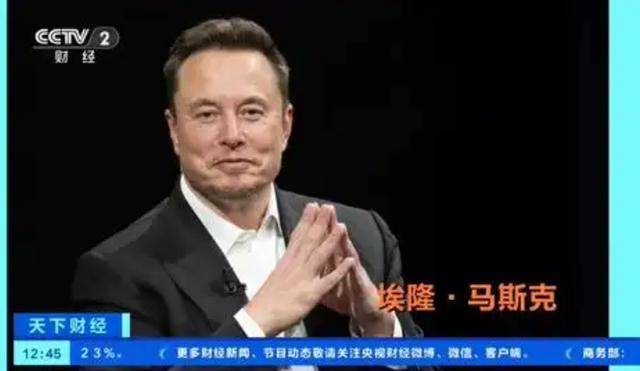
马斯克在社交媒体上称,驾驶非自动驾驶的燃油车,就像"骑马时使用翻盖手机"一样过时。他认为传统 燃油车只会逐渐消亡,最终汽车的竞争力将来源于智能化。分析认为,这一表态与马斯克本人的长期观 点一致,他近期重申这一点可能与传统汽车行业战略回调有关。近期,马斯克旗下特斯拉公司的股价不 断走强。 当地时间18日,特斯拉股价收于483.37美元,日内涨幅超过3%。自4月8日跌至220美元左右的低点之 后,特斯拉股价已累计大涨约120%。 据福布斯数据,截至17日,马斯克仍稳坐福布斯亿万富翁排行榜榜首,个人财富维持在6840亿美元左 右,遥遥领先排名第二的谷歌联合创始人拉里·佩奇。 来源:央视财经 ...


城市制造业高质量发展研究报告(2025年)
中国信通院· 2025-12-19 08:43
Group 1: Manufacturing Industry Development Overview - The manufacturing industry in China is transitioning to a high-quality development phase, emphasizing innovation and efficiency over mere expansion[8] - Major cities are identified as key innovation hubs, contributing significantly to technological advancements and industrial upgrades[9] - The average labor productivity of industrial enterprises in strong manufacturing cities increased by 21.7% compared to the previous year, with total profits accounting for 47.3% of the national total[10] Group 2: Regional Distribution and Characteristics - The distribution of strong manufacturing cities remains stable, with 36 in the eastern region, 10 in the central region, and only 2 each in the northeastern and western regions[26] - Strong manufacturing cities collectively completed an export total of 14.3 trillion yuan, representing 59.6% of the national total[11] - The number of national-level manufacturing innovation centers in strong manufacturing cities accounts for 69.7% of the national total, indicating a concentration of innovation resources[10] Group 3: Challenges and Opportunities - Despite achievements, challenges include widening development gaps, low efficiency in technology transfer, and structural contradictions in foreign trade[11] - The shift towards smart, green, and integrated manufacturing is seen as a new direction for industrial upgrades, expanding growth opportunities in urban areas[18] - The report highlights the need for cities to enhance their manufacturing capabilities and foster a collaborative ecosystem among enterprises, academia, and research institutions[11]
研判2025!中国开放吻合器行业分类、产业链、发展现状、竞争格局及未来趋势分析:开放吻合器市场空间被压缩,行业竞争焦点将转向产品升级与成本控制[图]
Chan Ye Xin Xi Wang· 2025-12-19 01:49
Core Insights - The open stapler market in China is experiencing a declining trend, with the market size expected to reach 1.41 billion yuan in 2024, a year-on-year decrease of 2.1% [1][10] - The decline is primarily attributed to the shift towards minimally invasive surgical techniques, with laparoscopic staplers becoming the mainstream choice due to their advantages in reducing trauma and improving recovery times [1][10] - Despite the decline, open staplers still hold irreplaceable value in grassroots medical settings and complex surgeries, indicating potential stabilization in market size [1][10] Industry Overview - Open staplers are primarily used in traditional open surgeries, offering advantages such as quick suturing, ease of use, and reduced risk of cross-infection [3] - The types of open staplers include linear staplers, circular digestive tract staplers, and others, with a growing trend towards laparoscopic staplers due to their enhanced safety and efficiency [4][5] Market Dynamics - The open stapler market in China saw a decline from 1.53 billion yuan in 2020 due to the pandemic, with a recovery in 2021 followed by a projected decline from 2022 to 2024 [10][11] - The global open stapler market is expected to reach 3.34 billion USD by 2024, reflecting a slow growth rate influenced by the expansion of laparoscopic staplers [10] Competitive Landscape - The market remains competitive, with foreign giants like Johnson & Johnson and Medtronic dominating the high-end segment due to their technological advantages [12] - Domestic companies are leveraging local production to control costs and meet the needs of hospitals, with some products nearing the performance of foreign brands [12] Key Players - Notable companies in the open stapler industry include Dongxing Medical, Lepu Medical, and David Medical, which are focusing on product innovation and cost-effective solutions [2][12][13] Development Trends - Continuous optimization of technology in open staplers is expected, focusing on safety, efficiency, and precision [14] - The integration of automation and standardization features is anticipated, aiming to reduce reliance on surgeon experience and enhance surgical quality [15] - Future demand will likely concentrate on specific fields, particularly in grassroots healthcare and complex surgical scenarios, emphasizing differentiated competition [16]


一台央视“盖章”的全球好车 长安马自达EZ-60究竟隐藏了多少黑科技?
Yang Zi Wan Bao Wang· 2025-12-19 00:46
Core Viewpoint - The MAZDA EZ-60 has been recognized as a "global good car" by CCTV, highlighting its exceptional performance in handling, safety, and intelligence, which are the core focuses of the vehicle's design and engineering [1][2] Group 1: Handling - The EZ-60 embodies Mazda's "Jinba Ittai" philosophy, emphasizing the joy of driving rather than just technical specifications [1] - It has undergone 9 million kilometers of global road testing across various challenging terrains, including German highways and Swedish icy roads [1] - The vehicle features a continuously variable damping suspension system that adapts to driving conditions, enhancing comfort and stability [1] Group 2: Safety - The EZ-60 sets a new industry benchmark with an 86.5% high-strength steel composition and a robust safety structure, achieving dual five-star safety ratings from C-NCAP (2024 version) and European E-NCAP [1] - It includes a comprehensive safety system with 9 airbags and an advanced battery system designed to meet stringent safety standards ahead of 2026 regulations [1] Group 3: Intelligence - The vehicle is equipped with a 4nm automotive-grade smart cabin chip that operates reliably in extreme temperatures, with a lifespan exceeding 15 years [2] - It features a 100-inch naked-eye 3D HUD that integrates navigation with real-world visuals through eye-tracking technology, enhancing user experience [2] - Collaboration with top-tier partners like Baosteel and iFLYTEK signifies a collective effort in creating a globally competitive product [2] Group 4: Industry Positioning - The launch of the EZ-60 marks a significant step for Changan Mazda in the global electric vehicle market, leveraging its Nanjing factory to engage with the global supply chain [2] - The recognition by CCTV reflects the vehicle's alignment with industry trends and its role in shaping the future of automotive innovation [2]
深圳市兆威机电股份有限公司(H0228) - 申请版本(第一次呈交)
2025-12-18 16:00
香港聯合交易所有限公司及證券及期貨事務監察委員會對本申請版本的內容概不負責,對其準確性或完整 性亦不發表任何聲明,並明確表示概不就因本申請版本全部或任何部分內容而產生或因依賴該等內容而引 致的任何損失承擔任何責任。 Shenzhen Zhaowei Machinery & Electronics Co., Ltd. 深圳市兆威機電股份有限公司 (於中華人民共和國註冊成立的股份有限公司) 本申請版本不會向於美國的人士刊發或分發,當中所述證券並無亦不會根據1933年《美國證券法》登記,且在根 據1933年《美國證券法》辦理登記手續或取得豁免前不得於美國發售或出售。不會於美國公開發售證券。 本申請版本及當中所載資料均非於美國或任何其他禁止進行有關要約或銷售的司法管轄區出售或招攬購買任何 證券的要約。本申請版本並非於禁止其分發或發送的司法管轄區編製,亦不會於該地分發或發送。 於本公司招股章程根據香港法例第32章《公司(清盤及雜項條文)條例》送呈香港公司註冊處處長登記前,不會向 香港公眾人士提出要約或邀請。倘在適當時候向香港公眾人士提出要約或邀請,有意投資者務請僅依據於香港 公司註冊處處長註冊的本公司招股章程作出投資決 ...
驭智而行!中国重汽以全栈智能 驱动物流运输再进阶
Zheng Quan Ri Bao Wang· 2025-12-18 11:49
Core Insights - The launch of "Xiao Zhong 1.0" marks a significant advancement in intelligent services by China National Heavy Duty Truck Group, showcasing its capabilities in real-time response and proactive service in complex transportation scenarios [1][3] - "Xiao Zhong" integrates cutting-edge AI model technology, creating a smart ecosystem that covers the entire vehicle lifecycle, enhancing service value through intelligent diagnostics, operational efficiency, and customer engagement [3][5] - The comprehensive digital transformation of China National Heavy Duty Truck Group is evident in its smart logistics and manufacturing systems, which aim to break down subsystem barriers and achieve automation and intelligent operations [5][7] Intelligent Driving Technology - The L2+ intelligent driving technology demonstrates the company's ability to handle complex driving environments, utilizing advanced sensors for real-time environmental awareness and response [7][8] - The "dual driver to single driver" model supported by the L2+ system can reduce annual labor costs by 20%-50% per vehicle, while also improving vehicle utilization rates by 20%, significantly enhancing operational efficiency for logistics companies [8][11] Strategic Positioning - China National Heavy Duty Truck Group has established a comprehensive intelligent layout that integrates service, internal collaboration, and advanced driving technology, enabling it to deliver over 10,000 units globally across more than 100 countries [11] - The company's focus on intelligent technology is not merely about adding features but aims to redefine product value and user experience, transforming trucks from mere transportation tools into intelligent logistics units [11]


携手合作启新程 新华网与东风股份签署深化战略合作框架协议
Xin Hua Wang· 2025-12-18 10:39
Group 1 - The core viewpoint of the news is the signing of a strategic cooperation framework agreement between Xinhua Net and Dongfeng Motor Corporation, focusing on the automotive industry's trends of "greening, intelligence, high-end, service, and internationalization" [1][4] - The partnership aims to explore innovative paths for deep integration between media and enterprises, actively serving national strategies and contributing to the construction of a strong automotive nation [1][4] - Xinhua Net will leverage its platform, content, communication channels, and technological innovation to support the development of the Chinese automotive industry and enhance brand building for companies like Dongfeng [3] Group 2 - Dongfeng Motor Corporation is a large state-owned enterprise responsible for the development of light commercial vehicles, offering a comprehensive range of products including light trucks, vans, buses, and specialized vehicles [4] - The company aims to become a leading green technology enterprise in light commercial vehicles, targeting to achieve the top sales in the new energy sector and rank second in total sales in the domestic market [4] - The cooperation will involve nine key areas, including the establishment of a media innovation center and automotive live streaming, to promote high-quality development in the automotive industry [4]


航民股份:公司聚焦纺织印染和黄金饰品两大主业升级
Zheng Quan Ri Bao Wang· 2025-12-18 09:43
Core Viewpoint - The company is focusing on upgrading its two main businesses, textile printing and dyeing, and gold jewelry, by moving towards "high-end, intelligent, green, and integrated" directions, leveraging technological innovation as a key driver [1] Group 1: Business Strategy - The company aims to enhance its operations through technological innovation [1] - The focus is on two primary sectors: textile printing and dyeing, and gold jewelry [1] Group 2: Industry Coordination - The company is coordinating industries such as thermal power and wastewater treatment to promote quality improvement and efficiency [1]

智能装备+绿色工艺全覆盖!2026济南国际化工展,3万专业观众共赴智能制造盛宴
Sou Hu Cai Jing· 2025-12-18 09:08
Core Viewpoint - The Chinese chemical industry is undergoing a profound transformation centered on "intelligent, green, and clustered" development, with the 2026 China (Jinan) International Chemical Equipment and Intelligent Manufacturing Exhibition (CIEIM 2026) set to take place from March 9 to 11, 2026, in Jinan, aiming to showcase the industry's shift towards high-end, intelligent, and green practices [1][3]. Group 1: Exhibition Overview - The exhibition will feature over 500 top global companies and attract more than 30,000 professional visitors, marking a significant milestone in the chemical industry's transition [1]. - The event will cover an exhibition area of 100,000 square meters and will integrate with the BIO CHINA exhibition, showcasing a full spectrum of "chemical + biological manufacturing" [3]. Group 2: Product Coverage - The exhibition will comprehensively cover two main areas: chemical equipment and intelligent manufacturing, emphasizing the dual themes of "intelligent + green" [4]. - The chemical technology equipment section will include a full range of devices from raw material processing to finished product delivery, highlighting key technologies for emission reduction and energy efficiency [4]. Group 3: Intelligent Manufacturing and Digitalization - The intelligent manufacturing and digitalization section will focus on cutting-edge technologies such as smart factories, industrial internet, artificial intelligence, and big data analytics, demonstrating how the chemical industry can optimize production and enhance safety through digital transformation [5]. Group 4: Forums and Industry Insights - The exhibition will host the 2026 Chemical Equipment Innovation Development Conference, featuring three major forums that will discuss topics such as digital transformation, green processes, and fluid technology applications [7]. - These forums aim to provide actionable solutions for enterprises by interpreting national policies and industry trends through real case studies [7]. Group 5: Participation Benefits - Participating in CEM CHINA 2026 offers opportunities to gain insights into policy and market trends, especially during the critical early phase of the "14th Five-Year Plan" [8]. - The exhibition serves as a platform for companies to enhance brand influence and connect with high-quality global customers [8]. Group 6: Target Audience - The audience will include users from various end industries such as petrochemicals, pharmaceuticals, food, and environmental sectors, ensuring efficient and precise business matching for exhibitors [10]. - CIEIM 2026 is positioned not only as a product and technology showcase but also as a platform for industry collaboration and innovation [10].
张兴海:问界用“五高”标准打造高端汽车
Zhong Guo Zheng Quan Bao· 2025-12-18 08:41
Core Viewpoint - The discussion highlights the growth journey of the AITO brand, emphasizing high standards in safety, reliability, performance, quality, and value as key pillars of the brand's philosophy [1] Group 1: Company Achievements - AITO has achieved cumulative deliveries exceeding 900,000 units, with over 50,000 units delivered in November alone, setting a new monthly delivery record [2] - The average transaction price for the entire AITO lineup is 400,000 yuan, with the AITO M9 model alone surpassing 260,000 cumulative deliveries and being recognized as the sales champion in the 500,000-unit category for 20 consecutive months [2] - AITO is the first and only domestic brand to exceed traditional luxury brands in both monthly sales and average transaction price [2] Group 2: Customer Engagement and Innovation - AITO has introduced a unique delivery model called "user approval before vehicle delivery," allowing customers to participate in the testing and acceptance of new vehicles [2] - The company emphasizes a customer-centric approach, gathering user feedback to enhance research and development, ensuring that vehicles meet customer expectations [2] - The founder has actively engaged with users across multiple cities to listen to their suggestions, reinforcing the brand's commitment to customer satisfaction and trust [2] Group 3: Industry Context - By 2025, it is projected that the sales share of new energy vehicles in China will exceed 50%, marking a significant turning point in the automotive industry [1] - The transformation towards digitalization, electrification, and green initiatives is reshaping the automotive landscape, with AITO positioning itself as a leader in this evolution [1] - The company aims to build a globally influential high-end brand, contributing to China's goal of becoming a strong automotive nation [1]
