
扩大内需

Search documents
食品饮料行业周报:政策催化,消费转变可期-20251221
GUOTAI HAITONG SECURITIES· 2025-12-21 07:57
Investment Rating - The report rates the food and beverage industry as "Overweight" [1] Core Insights - The expansion of domestic demand is being elevated to a strategic level, and the consumption sector is expected to rebound from the bottom. The liquor sector, particularly Wuliangye, is set to focus on high-quality sales and market share enhancement for 2026. The dairy product sector is anticipated to experience a cyclical reversal [3][9] Summary by Sections Investment Recommendations - The report emphasizes growth as the main line of investment, highlighting opportunities at turning points under supply and demand clearing. Recommended stocks include: 1. Liquor: Shanxi Fenjiu, Gujing Gongjiu, Yingjia Gongjiu, Jiuziyuan, Zhenjiu Lidu, Shede Liquor, and Jinhuijiu for growth; Guizhou Moutai, Wuliangye, and Luzhou Laojiao as stable picks [8] 2. Beverages: Eastroc Beverage and Nongfu Spring (Hong Kong stock) for structural high growth; China Foods, Master Kong Holdings, Uni-President China, and China Wangwang (all Hong Kong stocks) for low valuation and high dividends [8] 3. Snacks and food raw materials: Recommended stocks include Bailong Chuangyuan, Yanjinpuzi, Weilong Delicious (Hong Kong stock), Three Squirrels, and Ximai Foods [8] 4. Beer: Recommendations include Yanjing Beer, Qingdao Beer, Zhujiang Beer, and China Resources Beer (Hong Kong stock) [8] 5. Seasonings and livestock: Recommended stocks include Qianhe Flavor Industry, Baoli Foods, Babi Foods, Anjui Foods, Haitian Flavoring, Angel Yeast, Yili, New Dairy, Youran Livestock (Hong Kong stock), and Modern Animal Husbandry (Hong Kong stock) [8] Liquor Sector - Wuliangye has set its 2026 target as a "Year of Marketing Integrity and Innovation," focusing on enhancing market share and product matrix restructuring. The company aims to ensure channel collaboration and protect merchant rights, with a focus on maintaining high-end liquor market share while restructuring the pricing system [10][11][13] Consumer Goods - The dairy product sector is expected to see a cyclical reversal, driven by new fertility policies and domestic demand expansion. The Eastroc Beverage is expanding its product categories and is expected to exceed market expectations [14][16]




京东集团-SW(09618):国补高基数或制约短期业绩释放
HTSC· 2025-12-21 07:02
Investment Rating - The report maintains a "Buy" rating for the company [6] Core Views - The high base effect from national subsidies is expected to constrain short-term performance in the home appliance category, impacting revenue and profit growth for the company [1] - The company is projected to face revenue growth pressure in Q4 2025, with total revenue expected to increase by only 0.4% year-on-year to 348.4 billion yuan, compared to a 14.9% increase in Q3 2025 [1] - The report emphasizes the importance of monitoring the efficiency of the company's takeaway business and the effectiveness of cross-selling new users to its e-commerce platform [1] - Anticipated policies to stimulate consumption in the home appliance sector in 2026 may provide support for the company's performance [1][3] Summary by Sections Revenue and Profit Forecast - The company’s total revenue for 2025 is adjusted to 1,305.2 billion yuan, reflecting a decrease of 1.9% from previous estimates [11] - Non-GAAP net profit forecasts for 2025, 2026, and 2027 are adjusted to 27.1 billion yuan, 23.1 billion yuan, and 41.9 billion yuan respectively, indicating significant declines due to the tapering effect of national subsidies [4][11] - The adjusted net profit margin is expected to decline to 2.1% in 2025, down from previous estimates [11] Valuation - The target price based on SOTP valuation is set at 38.70 USD per ADS and 150.58 HKD per ordinary share, reflecting a decrease from previous values [14] - The valuation for the retail business is set at 23.77 USD per ADS, based on a non-GAAP PE of 8.0 times the 2026 forecast, which is below the comparable company average [14][15] Market Trends - The retail sector is experiencing a slowdown, with online retail sales growth decelerating to 5.7% year-on-year for the first 11 months of 2025, influenced by high base effects from previous national subsidy programs [2] - The company’s performance in the home appliance category saw a significant decline, with retail sales dropping by 19.4% year-on-year in November 2025 [2] Future Outlook - The central economic work conference highlighted the importance of expanding domestic demand and optimizing policies, which could support the company’s performance in the consumer goods sector [3] - The report suggests that the company’s performance may improve if the domestic demand policies are effectively implemented [3]

金观平:在质的有效提升上取得更大突破
Jing Ji Ri Bao· 2025-12-21 06:38
2025年,在外部压力加大、内部困难较多的复杂局面下,中国经济顶压前行、向新向优发展,经济社会 发展主要目标将顺利完成,展现出强大韧性与活力。"十五五"时期是基本实现社会主义现代化夯实基 础、全面发力的关键时期,中央经济工作会议在部署明年经济工作时明确指出,要"在质的有效提升上 取得更大突破",为"十五五"开好局、起好步提供了重要指引。 当今世界动荡变革加剧,新一轮科技革命和产业变革加速突破,外部环境变化影响加深,同时,国内供 强需弱矛盾仍然突出。要在激烈国际竞争中赢得战略主动,要解决好发展中、转型中的问题,就必须在 转变发展方式、优化经济结构、转换增长动力方面下更大功夫,全力推动经济发展实现质的有效提升, 以高质量发展的确定性应对各种不确定性。我国经济基础稳、优势多、韧性强、潜能大,长期向好的支 撑条件和基本趋势没有变,中国特色社会主义制度优势、超大规模市场优势、完整产业体系优势、丰富 人才资源优势更加彰显,完全有条件、有能力在质的提升上取得更大突破。 推动高质量发展,要加快高水平科技自立自强,积极发展新质生产力,在推动科技创新、加快培育新动 能、促进经济结构优化升级上取得实质性、突破性进展。产业是经济发展 ...
理响中国丨怎样健全扩大内需的长效机制?
Xin Lang Cai Jing· 2025-12-21 05:42
Core Viewpoint - The article emphasizes the importance of expanding domestic demand as a strategic initiative, requiring both proactive macro policies and the establishment of long-term mechanisms to effectively guide consumption, savings, and investment [1] Group 1: Macroeconomic Policies - The need for more proactive macroeconomic policies is highlighted, aligning with the directives from the Central Economic Work Conference [1] - The article calls for reforms to eliminate institutional barriers that restrict the expansion of domestic demand, aiming to cultivate a complete domestic demand system [1] Group 2: Income Distribution System - The article stresses the importance of improving the income distribution system, noting that consumption is a function of income, which is the key factor influencing consumption [1] - It suggests a collaborative approach across initial, redistributive, and third distribution areas to form an olive-shaped distribution pattern dominated by the middle-income group [1] - Specific measures include addressing structural employment issues, optimizing labor market conditions, and enhancing wage determination mechanisms to increase labor compensation's share in initial distribution [1] Group 3: Market Mechanisms - The article advocates for a robust market mechanism that aligns with the construction of a strong domestic market, emphasizing the decisive role of the market in resource allocation [1] - It identifies existing institutional shortcomings such as local protectionism and market fragmentation that hinder consumption choices and distort investment signals [1] - Recommendations include formulating national regulations for a unified market, eliminating barriers in resource acquisition, and promoting smooth flow of goods and factors across broader regions [1] Group 4: Consumption Promotion - The article points out the prominent institutional barriers that currently restrict the expansion and upgrading of consumption [1] - It calls for the removal of unreasonable restrictions in the consumption sector and the expansion of high-quality goods and services supply [1] - The need for reforms in consumption tax collection to better align local fiscal revenues with local consumption market prosperity is also emphasized [1] Group 5: Economic Potential - The article concludes that China's market has significant potential, resilience, and vitality, with long-term supportive conditions for economic growth remaining unchanged [1] - It asserts that implementing comprehensive policies to expand domestic demand will continuously unleash greater potential for consumption and investment, thereby stabilizing the economy and promoting high-quality development [1]
基建投资增速连续下滑,水利投资降幅扩大
Changjiang Securities· 2025-12-21 05:39
丨证券研究报告丨 行业研究丨点评报告丨建筑与工程 [Table_Title] 基建投资增速连续下滑,水利投资降幅扩大 报告要点 [Table_Summary] 统计局发布经济数据,11 月,狭义基建投资单月下滑 9.7%,降幅环比扩大 1.1pct,广义基建 投资单月下滑 8.3%,降幅环比扩大 0.2pct。 分析师及联系人 [Table_Author] 请阅读最后评级说明和重要声明 %% %% %% %% research.95579.com 1 SAC:S0490520080022 SAC:S0490522060005 SAC:S0490525070008 SAC:S0490525080003 SFC:BUT917 张弛 张智杰 袁志芃 龚子逸 建筑与工程 cjzqdt11111 1、项目转化不及预期; 2、实物工作量推进不及预期。 请阅读最后评级说明和重要声明 丨证券研究报告丨 2025-12-21 行业研究丨点评报告 [Table_Title2] 基建投资增速连续下滑,水利投资降幅扩大 [Table_Summary2] 事件描述 统计局发布经济数据,11 月,狭义基建投资单月下滑 9.7%,降幅环比 ...
消费券后下轮“补贴”该补哪?消费提振如何实现投资于人?专家:收入分配改革是关键
Sou Hu Cai Jing· 2025-12-21 04:32
Core Viewpoint - Improving income distribution is crucial for breaking the current constraints on consumer demand and driving economic growth [1][9] Group 1: Economic Context - The current economic situation in China is characterized by a "strong supply and weak demand" dynamic, with insufficient domestic demand being a significant barrier to high-quality development [5] - The Consumer Price Index (CPI) is hovering around zero, and the Producer Price Index (PPI) has experienced negative growth for 27 consecutive quarters, leading to structural deflationary pressures [5] - The gap between actual economic growth (approximately 5%) and nominal growth indicates a persistent issue that requires targeted measures across various sectors [5][9] Group 2: Income Distribution Issues - Experts identify the slowdown in income growth and the need for optimization in income distribution as the core issues behind weak domestic demand [9][10] - The current Gini coefficient is approximately 0.465, indicating a need for improvement in income distribution fairness, with a target of reducing it to around 0.4 by 2030 [10] - The urban-rural income ratio stands between 2.3 and 2.4, which is still considered high compared to international standards, with a goal to reduce it below 2 during the 14th Five-Year Plan [10] Group 3: Recommendations for Income Growth - Implementing proactive employment and human capital investment policies is essential, including extending compulsory education and reallocating educational resources for lifelong training [13][14] - Strengthening redistributive measures through progressive taxation and increasing government spending on social welfare is crucial for improving income distribution [14] - Stabilizing and enhancing residents' property income is vital, with a focus on maintaining stability in the real estate and capital markets [15] Group 4: Consumer Demand Enhancement - Experts suggest moving beyond traditional short-term stimulus measures to enhance consumer demand, advocating for investment in service consumption and areas that promote human development [17][18] - Expanding consumption scenarios and optimizing the consumption environment are key, including promoting the silver economy and reducing unreasonable consumption restrictions [18] Group 5: Long-term Support for Domestic Demand - Expanding domestic demand requires effective investment coordination and deep institutional reforms [20] - Addressing local government investment capacity and promoting long-term sustainable fiscal development through tax reform and the reallocation of fiscal powers are necessary [20] - Fostering technological innovation and industrial upgrading is fundamental for increasing income and creating high-quality employment, ultimately supporting long-term consumption growth [20]

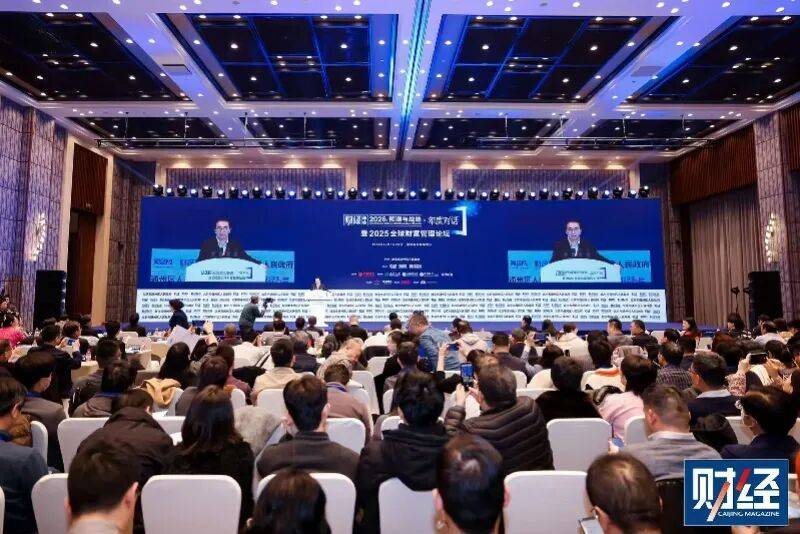
怎样健全扩大内需的长效机制?
Xin Lang Cai Jing· 2025-12-21 03:17
Group 1 - The core viewpoint emphasizes the need for macro policies and long-term mechanisms to expand domestic demand, as highlighted in Xi Jinping's article in "Qiushi" magazine [1] - The article stresses the importance of improving the income distribution system to enhance consumption, advocating for a balanced distribution structure with a focus on the middle-income group [1] - It calls for coordinated efforts in initial, redistributive, and third distribution to increase labor compensation and provide better public services [1] Group 2 - The construction of a robust domestic market requires a unified and competitive market system, addressing existing institutional shortcomings such as local protectionism and market segmentation [2] - The article suggests the establishment of national regulations for a unified market to facilitate the smooth flow of goods and resources, promoting a more open and competitive environment [2] - It highlights the need for improved logistics and reduced costs to enhance market connectivity and efficiency [2] Group 3 - The article identifies significant barriers to consumption expansion and upgrading, advocating for the removal of unreasonable restrictions and the enhancement of quality standards and credit systems [3] - It points out the historical focus on production over consumption by local governments, linking this to the distribution of value-added tax and suggesting reforms to shift consumption tax collection [3] - The potential for domestic demand to drive economic growth is emphasized, with a call for comprehensive policies to stimulate consumption and investment [3]
消费会成为2026年的主线吗?
私募排排网· 2025-12-21 03:03
Core Viewpoint - The article discusses the potential recovery of the A-share consumer sector and subjective long-only funds as macroeconomic policies shift towards supporting consumption, raising the question of whether 2026 will mark a transition from a downturn to an upturn for these investments [2]. Historical Review: Performance of Consumer Funds in "Good Years" - The consumer sector, primarily consisting of food and beverage, discretionary consumption, and service consumption, does not yield excess returns every year but shows concentrated returns under specific macroeconomic conditions [4]. - In favorable years (e.g., 2009-2010, 2016-2017, 2019-2020), consumer funds typically thrive when the economy transitions from a downturn to a recovery phase, with policies shifting from "stabilizing growth" to "expanding demand" and inflation rising from low levels [4][6]. Policy Logic: Why This Round of "Consumption" is Not Short-Term Stimulus - The article emphasizes that expanding domestic demand is a long-term strategy for China's modernization, indicating a shift from investment-driven growth to a balanced approach of consumption and investment [8]. - The central economic work conference has set three key directions for consumption: moving from "subsidizing consumption" to "restoring consumption capacity," focusing on service consumption, and avoiding deflation while aiming for a stable inflation target [8]. 2026 Consumer Sector and Fund Dynamics - Based on historical experience, policy environment, and inflation signals, the consumer sector is expected to enter a phase of "moderate recovery rather than full-scale attack" in 2026, with a focus on restoring income expectations and expanding service consumption [11]. - The November CPI showed a year-on-year increase of 0.7%, signaling marginal improvement in demand and alleviating deflation risks, which supports profit margin recovery and valuation stability for consumer companies [11][14]. - The investment opportunities in consumer funds for 2026 are likely to focus on "structural selection and long-term allocation" rather than short-term thematic plays, with an emphasis on service consumption and leading companies with brand and channel advantages [14].

“两新”加力促内需
Xin Lang Cai Jing· 2025-12-21 02:13
Core Viewpoint - The Central Economic Work Conference has outlined eight key tasks for 2026, with a focus on "domestic demand as the main driver, building a strong domestic market" as the top priority [1] Group 1: Policy Implementation - The conference emphasizes enhancing consumption capacity, willingness, and optimizing the consumption environment through systematic deployment [1] - A significant decision was made to "promote a new round of large-scale equipment updates and the replacement of consumer goods" at the fourth meeting of the Central Financial Committee in early 2024 [1] - The State Council issued an action plan to promote large-scale equipment updates and consumer goods replacement, providing comprehensive deployment for the "two new" policies [1] Group 2: Financial Support - Multiple ministries jointly issued measures to support large-scale equipment updates and consumer goods replacement, specifying the allocation of 300 billion yuan in ultra-long-term special government bond funds to support the full implementation of the "two new" policies [1] Group 3: Consumer Policy - The "14th Five-Year Plan" further suggests increasing the intensity of inclusive policies directly reaching consumers, providing institutional guarantees for boosting consumption [1] - The support for the "two new" policies is gradually increasing, with a widening coverage and continuous enhancement of leverage effects [1]
熊征宇调研长江新区、硚口区、汉阳区:激发消费潜能,扩大有效投资,更大力度拓展内需增长新空间
Chang Jiang Ri Bao· 2025-12-21 00:46
Group 1 - The city government emphasizes the need to implement strategies for expanding domestic demand, stimulating consumption potential, and increasing effective investment to promote high-quality urban development [1] - In the Yangtze River New Area, the focus is on building a modernized hub that integrates transportation, industry, and urban quality, aiming to enhance the region's economic capabilities [1] - The government aims to foster the development of key industries such as new energy, new materials, life health, and green shipping within the Yangtze River New Area [1] Group 2 - In Qiaokou District, the government is prioritizing urban renewal projects to enhance the quality of traditional commercial areas and medical resource clusters, thereby expanding new spaces for domestic demand growth [2] - The district is encouraged to innovate project management and construction models to ensure high-quality housing and services [2] - In Hanyang District, the focus is on accelerating the construction of key functional areas and enhancing regional collaboration to drive urban quality improvements [2] Group 3 - The government is committed to strengthening technological innovation and promoting the transformation of traditional manufacturing industries while fostering emerging sectors such as life health and digital economy [2] - There is an emphasis on deepening the integration of culture and tourism to enhance the competitiveness of the cultural tourism industry [2]