
新零售

Search documents
放弃电商,他们重新做回实体店:流量可能今天好,明天瞬间就没了
Sou Hu Cai Jing· 2025-05-30 00:50
Core Viewpoint - The e-commerce landscape is shifting as many merchants are closing their online stores and opting for physical retail locations, indicating a potential resurgence of the offline retail sector [1][2][3]. E-commerce Sales Trends - During the 2024 618 shopping festival, total online sales reached 742.8 billion yuan, marking a 7% decline compared to the previous year, which is the first drop in sales performance in a decade [2]. Shift to Offline Retail - Various brands, including popular influencers and small businesses, are increasingly investing in offline stores. For instance, Three Squirrels, facing declining sales, reported a 90.83% year-on-year increase in revenue to 3.646 billion yuan by Q3 2024 after expanding into a multi-channel strategy [4]. Consumer Behavior Changes - Many small business owners are finding success in offline retail, with some reporting improved work-life balance and increased sales after transitioning from online to physical stores [9]. Market Competition Dynamics - The competition in the e-commerce space has intensified, leading to a decline in consumer purchasing motivation due to market saturation with similar products. This has prompted brands to explore offline channels to attract consumers [11][13]. Cost and Profitability Challenges - The cost of attracting online customers has risen significantly, with some merchants noting that it now costs over 100 yuan to acquire a customer, making profitability challenging [13]. Trust and Experience in Retail - The decline in online trust and the rising importance of customer experience are driving consumers back to physical stores, where they can engage directly with products and services [17][18]. New Retail Models - The integration of online and offline sales channels is emerging as a new retail model, allowing for better inventory management and enhanced customer trust through direct interaction with products [23]. Economic Recovery and Consumer Engagement - The recovery of the physical economy relies on managing rental costs and fostering a "trust economy" that emphasizes customer experience and engagement [27].



地方商务丨小小便利店燃旺“烟火气”,贵阳1600余家便利店跑出消费新活力
Sou Hu Cai Jing· 2025-05-29 04:42
Core Insights - Guiyang has the highest growth rate of convenience stores in China at 4.9% according to the 2024 China Urban Convenience Store Development Index [1] - The convenience store industry in Guiyang has evolved from traditional small shops to vibrant consumer spaces, catering to a younger demographic and enhancing consumer experience [3][8] Industry Overview - As of the end of 2024, there are over 1,600 convenience stores in Guiyang and Gui'an, with a brandization rate of 70%, serving over 500,000 customers daily and generating consumption exceeding 3 billion yuan [3] - The convenience store model in Guiyang is characterized by high density, all-time service, and multiple business formats, contributing to urban livelihood and stimulating new retail industry growth [3] Consumer Behavior - Consumers increasingly prefer convenience stores for their diverse offerings, including snacks, meals, and local specialties, which align with their fast-paced lifestyles [5][8] - The convenience store format meets the demand for quick, easy access to food and daily necessities, especially for working individuals and families [13][17] Technological Integration - The adoption of smart payment systems and self-service kiosks has improved operational efficiency and consumer experience in convenience stores [22] - Younger generations, particularly Gen Z and Millennials, favor fragmented and digital shopping experiences, driving the trend towards smaller, ready-to-eat, and health-conscious product offerings [22][23] Market Trends - The development of "night economy" in Guiyang has led to increased foot traffic in convenience stores during late hours, with some stores reporting daily sales exceeding 10,000 yuan [11][15] - Convenience stores are evolving into multifunctional service providers, breaking traditional retail boundaries and adapting to the "15-minute living circle" initiative [20]
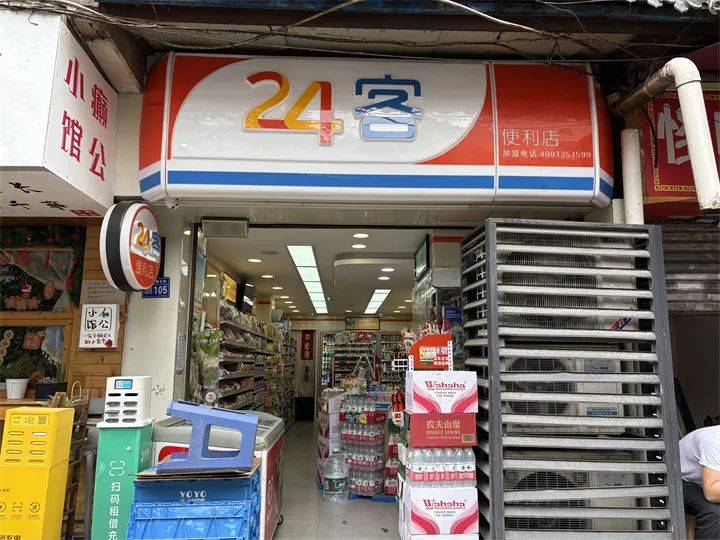
青岛零售巨头创始人之女正式接班,80后“创二代”,能否拯救这家日渐衰退的零售帝国?
3 6 Ke· 2025-05-28 05:25
徐恭藻等元老的退出,标志着一个时代的落幕。徐瑞泽治下的 "新利群" 管理团队正式宣告成型。 值得注意的是,新任总裁王本朋的加入,标志着利群首次引入职业经理人参与核心管理,这种 "家族传承 + 专业治理" 的新模式,在零售行业代际更迭案 例中极具研究价值。 这绝非一次仓促的交接,早在 2017 年利群股份上市之时,徐瑞泽便以副董事长的身份参与到公司的核心决策之中。 此后,她更是主导了供应链与物流体系的数字化改革,因其卓越的领导能力和专业素养,被内部尊称为 "物流女王"。 这场酝酿八年之久的权力过渡,不仅关乎利群这个青岛零售龙头企业的未来,更折射出传统零售企业在数字化浪潮中的突围困境与转型决心。 新任管理团队名单透露出强烈的革新信号:从董事层面来看,徐恭藻、戴国强、王文、姜省路、孙建强、丁琳退出董事会,而姜晖、李勇、高伟、李卫 红、王竹泉进入董事会 。 利群二代接班:徐瑞泽出任利群股份董事长 当盒马、山姆等新零售势力加速跑马圈地时,青岛零售传奇利群也迎来标志性时刻 ——43 岁的徐瑞泽正式接过父亲徐恭藻手中的接力棒,出任利群股份 董事长。 此次人事变动,不仅是对徐瑞泽过往成绩的高度认可,更是利群股份对未来战略方向 ...


小米集团20250527
2025-05-27 15:28
小米集团 20250527 摘要 小米 2025 年第一季度总收入达 1,006 亿元,同比增长 27%,净利润 89 亿元,同比增长 63.7%。毛利率为 22.8%,同比增长 0.5 个百分点。 智能手机业务收入 506 亿元,同比增长 9%,全球出货量 4,180 万台, 市场份额 14.1%,稳居全球前三。 小米在中国大陆智能手机市场重返第一,市场份额达 18.8%,同比增长 4.7 个百分点。高端手机出货量占比提升至 25%。IoT 及生活消费产品 收入 323 亿元,同比增长 59%,大家电业务收入同比翻倍增长,空调、 冰箱、洗衣机等产品出货量均实现 65%以上的高速增长。 小米汽车业务一季度交付 796 万台,其中 SU7 系列累计交付超 25.8 万 台,4 月交付超 2.8 万台,是 20 万元以上价格段销量冠军。小米 17 定 位豪华高性能 SUV,将于 7 月上市。汽车业务毛利率超过 23%,得益 于产品力、规模经济和高效渠道。 小米计划在 2026 年至 2030 年投入 2000 亿元用于研发,重点发展 AI 和芯片等底层核心技术。过去四年已累计投入 135 亿人民币用于芯片研 发, ...

小米高管解读Q1财报:不担心SU7销量会受YU7影响
Xin Lang Ke Ji· 2025-05-27 13:49
Financial Performance - Xiaomi Group reported total revenue of 111.3 billion yuan for Q1 2025, representing a year-on-year increase of 47.4% [1] - The net profit for the quarter was 10.9 billion yuan, compared to 4.2 billion yuan in the same period last year [1] - Adjusted net profit was 10.7 billion yuan, up from 6.5 billion yuan year-on-year [1] IoT Business Growth - The IoT business segment experienced rapid growth, significantly outpacing the industry average [1] - Competitors have begun to launch competing products in response to Xiaomi's success in the IoT sector [1][2] - Xiaomi's strategy to address increased competition in the AIoT industry was discussed, with a focus on maintaining growth despite market challenges [1] Automotive Strategy - Concerns were raised about the potential impact of the Xiaomi YU7 on the sales of the Xiaomi SU7, with discussions on pricing strategies [1] - The company does not anticipate a negative impact on SU7 sales, citing strong demand and production capacity constraints [4] - Both YU7 and SU7 share the same platform, which allows for efficient resource utilization [4] Market Position and Competition - Xiaomi aims to be a value creator and a driver of industry progress, viewing increased competition as a positive development for the sector [2] - The company acknowledges the slow pace of innovation in the home appliance industry and seeks to improve user experience and product automation [2] - Xiaomi's approach to overseas markets is similar to its domestic strategy, although the competitive landscape may differ [3]
对话刘畊宏夫妇:首店开业!明年有这些目标→
第一财经· 2025-05-27 08:27
Core Viewpoint - Liu Genghong and his wife Wang Wanfei have launched a light sports lifestyle brand, VIVICYCLE, which opened its first flagship store in Hangzhou and plans to expand to 100 stores nationwide by the end of 2026 [2][9]. Group 1: Brand Development - VIVICYCLE focuses on light sports lifestyle needs, targeting Generation Z and women over 25, with a product line that includes yoga wear, dance workout clothes, and outdoor sports outfits [9]. - The core price range for VIVICYCLE products is set between 99 to 399 yuan, emphasizing high cost-performance [9]. - The brand's flagship store in Hangzhou is a direct store, and the company has already signed agreements for locations in cities such as Beijing, Xi'an, Harbin, and others [9]. Group 2: Market Strategy - The brand aims to enhance customer experience through physical stores, allowing for product try-ons and hosting interactive events with Liu Genghong and his wife [9]. - VIVICYCLE's online sales have surpassed 10 million yuan monthly, indicating a strong digital presence alongside its physical expansion [9]. - The entry into physical retail by internet influencers like Liu Genghong is seen as a new retail business model, although the competition in the sportswear market is intense with established brands like Anta, Li Ning, and Lululemon [9]. Group 3: Background and Transition - Liu Genghong previously ventured into the fashion industry with a hip-hop clothing brand but faced challenges that led to its closure, which shaped his perspective on the clothing business [5]. - The couple's rise to fame as fitness influencers has significantly increased their social media following, with Liu Genghong's Douyin account gaining over 60 million followers [5][6].

对话刘畊宏夫妇:重返服饰赛道,打造VIVICYCLE拟开百店
Di Yi Cai Jing· 2025-05-27 05:42
Core Insights - Liu Genghong and his wife Wang Wanfei have launched a light sports lifestyle brand, VIVICYCLE, with the first flagship store opening in Hangzhou and plans to expand to 100 stores nationwide by the end of 2026 [1][6] Company Overview - VIVICYCLE is co-managed by Zhejiang Ruxing Brand Management Co., Ltd., which also develops other celebrity IP brands [6] - The brand focuses on light sports lifestyle needs, targeting Generation Z and women over 25, with product lines including yoga wear, dance workout clothes, and outdoor sports outfits [6] Market Strategy - The core price range for VIVICYCLE products is set between 99 to 399 yuan, emphasizing high cost-performance [6] - The flagship store in Hangzhou is a direct store, with plans for additional locations already signed in cities like Beijing, Xi'an, and Wuhan [6] Sales Performance - The Hangzhou store has generated approximately 500,000 yuan in sales within its first month of operation, while online sales have exceeded 10 million yuan monthly [6] Competitive Landscape - The sportswear market is highly competitive, with established brands like Anta, Li Ning, and Lululemon actively expanding their offerings [6] - The establishment of physical stores by internet influencers like Liu Genghong represents a new retail model, although the sustainability of new brands in a crowded market remains uncertain [6]

小米集团-W(01810.HK):发布YU7及玄戒芯片等新品 继续看好“人车家”全生态齐头并进
Ge Long Hui· 2025-05-26 17:44
Group 1 - The company held a strategic product launch event celebrating its 15th anniversary, introducing multiple new products including the YU7 SUV, 15S Pro smartphone, and 7 Ultra tablet [1] - The YU7 SUV is positioned as a mid-to-large luxury high-performance electric vehicle, expected to launch in May 2025, featuring impressive specifications such as a maximum power of 690PS and a range of 835km [1] - The company has achieved significant sales milestones with its SU7 model, delivering over 258,000 units by May 2025, indicating strong demand in the over 200,000 price segment [1] Group 2 - The company has developed its own mobile SoC, the玄戒O1, which will debut in the 15S Pro smartphone and 7 Ultra tablet, making it the fourth global company to design a 3nm process mobile SoC [2] - The玄戒O1 chip integrates 19 billion transistors and has a main frequency of 3.9GHz, while the玄戒T1 chip includes a self-developed 4G baseband [2] - The company has invested over 13.5 billion yuan in chip research and development, with plans to invest over 60 billion yuan by 2025 and 200 billion yuan from 2026 to 2030 [2] Group 3 - The company experienced a 15.7% year-on-year increase in total smartphone shipments in 2024, reaching 168.5 million units, with improved market share in various regions [3] - The high-end smartphone segment has seen growth, with the domestic high-end smart device shipment proportion increasing by 3.0 percentage points to 23.3% in 2024 [3] - The company plans to expand its retail presence internationally, aiming to open approximately 10,000 new Xiaomi stores overseas in the next five years [3]

永辉还没“变胖”,名创却快“挤不出奶”了
凤凰网财经· 2025-05-26 14:16
Core Viewpoint - Miniso's financial performance in Q1 2025 shows revenue growth but declining profits, indicating challenges in maintaining profitability amid expansion efforts [1][5][9]. Financial Performance - Miniso's revenue increased by 18.9% year-on-year to 4.427 billion yuan, while adjusted net profit decreased by 4.8% to 587 million yuan, resulting in a net profit margin drop from 16.6% to 13.3% [1][5]. - The increase in costs is attributed to significant spending on IP licensing, which rose by 39.6%, and overseas direct store expenses, which surged by 71.4% [1][5][10]. - Same-store sales experienced a slight decline, indicating that revenue growth is heavily reliant on new store openings rather than improved operational efficiency [1][7]. Expansion Strategy - Miniso's overseas direct store count reached 608, up from 327 a year earlier, with overseas revenue growing by 30% to 1.59 billion yuan [5][10]. - The company is facing high operational costs in overseas markets due to a focus on direct and agency models, which increases expenses significantly [10][11]. Challenges in Domestic Market - The domestic market is nearing saturation, with a penetration rate of nearly 50% in first-tier cities, making further growth through new store openings increasingly difficult [7][9]. - Miniso's reliance on new store openings to drive growth is unsustainable, as same-store sales have not shown significant improvement [7][9]. IP Strategy and Market Position - Miniso has partnered with over 150 global IPs, boosting its gross margin from 26.7% in 2019 to 44.9% in 2024, but this reliance on IP licensing has led to increased sales expenses and potential market saturation [9][10][19]. - The company is perceived as a channel operator rather than an IP brand developer, which affects its market valuation compared to competitors like Pop Mart [19][20]. Acquisition and Reform Efforts - The acquisition of Yonghui Supermarket is seen as a strategic move to seek new growth avenues, but it has faced challenges, including internal power struggles and ongoing losses [11][12][21]. - Yonghui's reform efforts include upgrading the supply chain and closing underperforming stores, but these actions require significant capital and have not yet yielded positive results [13][16][21]. Future Plans and Market Positioning - There are plans to spin off the TOP TOY brand for a potential IPO to raise approximately $300 million, which could alleviate cash flow pressures on Miniso [17][19]. - The competitive landscape in the toy market is intense, and TOP TOY must establish a unique positioning to attract investor interest [20][21].

财经观察丨利群集团换帅!徐恭藻卸任董事长,其女儿接任
Sou Hu Cai Jing· 2025-05-26 13:21
Core Viewpoint - The recent leadership change at Lihua Group marks a significant transition as Xu Ruize succeeds her father Xu Gongzao as the chairman and legal representative, indicating a family succession and the establishment of a new management team [1][3][11] Company Overview - Lihua Group was founded in January 1998 and was previously known as Qingdao Changjiang Commercial Co., Ltd. It went public in 2017, with Lihua Group being the major shareholder holding 18.72% [5] - Xu Gongzao, the outgoing chairman, has a long history in retail, starting as a sales clerk in 1975 and eventually leading Lihua to become a retail leader in Qingdao [5][7] Leadership Transition - Xu Ruize, born in 1982, has been with Lihua Group since 2008, holding various positions including vice chairman and president before her recent appointment as chairman [6][11] - The new management team includes Wang Benpeng as president and several new board members, indicating a shift towards a younger leadership with 67% of the new executives being from the post-80s generation [11][13] Strategic Direction - Under Xu Ruize's leadership, Lihua Group is focusing on supply chain integration and digital transformation, positioning itself to adapt to the challenges posed by e-commerce and changing consumer behaviors [9][10] - The company has developed a B2B procurement platform and an O2O e-commerce platform, achieving a 42% year-on-year increase in online sales during the pandemic [10] Social Responsibility - Lihua Group has maintained its commitment to social responsibility, distributing over 100,000 tons of essential goods during the pandemic and supporting rural education initiatives [10][11]
