
制度型开放

Search documents
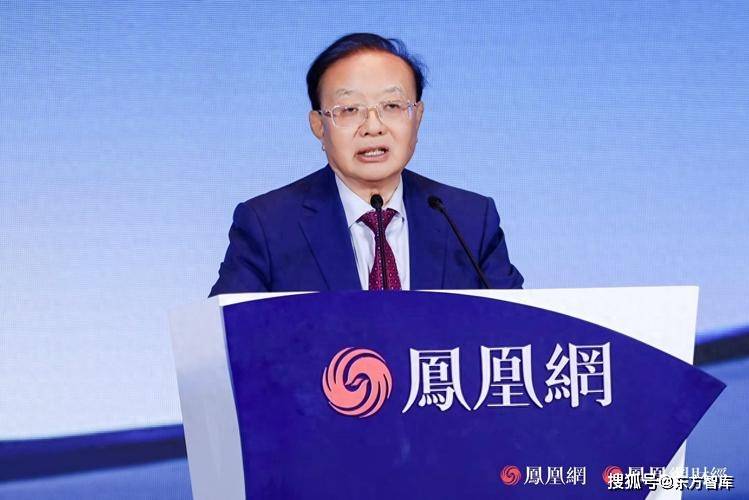
全球战略视野|魏建国:破局关税挑战的四大核心方略
Sou Hu Cai Jing· 2025-08-27 00:25
Core Viewpoint - The article presents a systematic response framework to the current US-China tariff conflict, emphasizing strategic adjustments in trade, domestic consumption, and the role of private enterprises in global markets. Group 1: Precise Countermeasures and Resilience Building - The "less loss is a win" countermeasure logic suggests a targeted response to US unilateral tariff policies, focusing on key areas that threaten national core interests through tiered tariffs and industry countermeasures [3] - China's trade structure has strategically adjusted, with exports to the US decreasing from 19.2% in 2018 to 14.7% in 2024, while exports to Belt and Road countries increased from 38.7% to 47.8%, and ASEAN market share rose to 16.4% [4] Group 2: Domestic Demand Revitalization and Consumption Upgrade - The strategy aims to leverage the consumption potential of 1.4 billion people, making domestic demand a cornerstone of the economy by optimizing income distribution and establishing a unified national market [5] - New consumption scenarios are being developed, promoting the integration of online and offline ecosystems, with online retail expected to exceed 35% by 2024, serving as a key buffer against foreign trade fluctuations [6] Group 3: Support for Private Enterprises and Globalization Breakthrough - The share of private enterprises in foreign trade is increasing from 55% to 60%, focusing on market diversification by shifting production capacity to Southeast Asia and Central and Eastern Europe, thereby reducing reliance on single markets [7] - Innovative models for going global are exemplified by the collaboration between Great Wall Motors and FF, which utilized technology licensing and localization to overcome a 147.5% tariff barrier, launching the "Chinese-American hybrid" model FX Super One with over 10,000 orders on the first day [8] Group 4: Release of Institutional Opening Dividends - The gradual reduction of the negative list for foreign investment and pilot testing in free trade zones are part of a strategy to balance openness and stability [9] - Efforts to enhance global governance and dialogue include aligning with high-standard agreements like CPTPP and DEPA, and establishing a new trade rule system through the Belt and Road Initiative to strengthen international rule-making authority [10][11]

苏州市领导在省政府新闻发布会上回答媒体记者提问
Su Zhou Ri Bao· 2025-08-26 23:05
Core Viewpoint - Suzhou is actively taking on the responsibility of being a major economic province, demonstrating significant growth and reform initiatives in the first half of the year [1] Economic Performance - In the first half of the year, Suzhou achieved a GDP of 1.3 trillion yuan, with a growth rate of 5.7%, ranking among the top ten cities in China for GDP growth [1] - The city's foreign trade performance was strong, with total imports and exports reaching 1.2959 trillion yuan, also growing by 5.7% [1] Foreign Investment and Open Policies - Suzhou attracted foreign investment amounting to 4.58 billion USD in the first half of the year [1] - The Suzhou Industrial Park has maintained its status as a national-level economic development zone, achieving a comprehensive evaluation "nine consecutive championships" [1] Innovation and Reform Initiatives - The city is committed to advancing technological innovation reforms, implementing eight major projects, with 85.2% of industrial enterprises having established R&D institutions [1] - Suzhou has pioneered the "four-loan linkage" mechanism for market-oriented reforms, contributing to the addition of 11 new listed companies [1] - The cumulative transaction volume of digital renminbi has surpassed 9 trillion yuan [1]
深圳:一座定义未来的闯关之城
Xin Lang Cai Jing· 2025-08-26 03:59
Economic Growth - Shenzhen's GDP reached 3.68 trillion yuan in 2024, with 1.83 trillion yuan in the first half of 2025 [1] - The city has transformed from a small town with a GDP of only 2.7 million yuan in 1980 to a major economic hub [1] Innovation and Technology - Shenzhen has an average of 663 patent authorizations per day and 12.5 high-tech enterprises per square kilometer [2] - The city aims to become a global leader in low-altitude economy by establishing over 1,200 takeoff and landing points and 1,000 low-altitude commercial flight routes by the end of 2026 [6] - Shenzhen's R&D investment accounts for 6.46% of its GDP, with corporate R&D investment at 208.67 billion yuan, representing 93.3% of total R&D investment [10] Cultural Development - Shenzhen has evolved from being labeled a "cultural desert" to a vibrant cultural hub, hosting various cultural events and institutions [15] - The city has over 1,800 cultural facilities, contributing to a cultural industry revenue of 1.29 trillion yuan in 2024, accounting for 51.5% of Guangdong's total [18] Regional Collaboration - Shenzhen is enhancing its role in the Guangdong-Hong Kong-Macau Greater Bay Area, facilitating efficient flow of talent, technology, and capital [11] - The establishment of the Qianhai Cooperation Zone has attracted over 9,900 Hong Kong-funded enterprises, promoting cross-border collaboration [14] Future Outlook - Shenzhen is positioned to continue defining possibilities rather than merely proving miracles, focusing on sustainable and high-quality growth [4][20] - The city is actively exploring new areas such as synthetic biology and aerospace technology, aiming for breakthroughs in these "unmanned zones" [6]

新华全媒头条|勇立潮头再出发——写在深圳经济特区建立45周年之际
Xin Hua She· 2025-08-25 15:41
Core Viewpoint - Shenzhen has achieved significant economic growth and innovation over the past five years, positioning itself as a leading example of modernization and reform in China, particularly as it celebrates the 45th anniversary of its establishment as an economic special zone [1][3]. Economic Performance - From 2020 to 2024, Shenzhen's GDP is projected to grow at an average rate of 5.5%, reaching 3.68 trillion yuan, with a remarkable output of 18.4 million yuan per square kilometer [3]. - In the first half of this year, Shenzhen's GDP reached 1.832 trillion yuan, marking a year-on-year growth of 5.1%, outperforming other first-tier cities [3]. Innovation and Reform - Shenzhen has implemented numerous innovative regulations targeting emerging industries, such as artificial intelligence and biotechnology, to foster rapid industrial development [4]. - The city has seen a rise in strategic emerging industries, with their added value increasing from 1.01 trillion yuan in 2019 to 1.56 trillion yuan in 2024, accounting for 42.3% of the GDP [6]. Open Economy - Shenzhen has established a robust open economy, with over 3.3 million new foreign-invested enterprises set up in the past five years, representing 14.6% of the national total [15]. - The city has actively engaged in international economic cooperation, with cross-border RMB payments reaching 27.63 trillion yuan, a year-on-year increase of 24.3% [14]. Social Development - Shenzhen has prioritized public welfare, with 67.2% of its fiscal expenditure directed towards social services, including education, healthcare, and housing [16]. - The city has constructed over 600,000 units of affordable housing in the past five years, addressing the housing needs of its residents [17]. Environmental Sustainability - By the end of 2024, Shenzhen aims to reduce PM2.5 concentration to 17.3 micrograms per cubic meter, with over 80% of its rivers meeting quality standards [19].
【新思想引领新征程】坚定不移推进高水平开放 与世界共享新机遇
Yang Shi Wang· 2025-08-25 11:50
Group 1 - China's goods trade reached 25.7 trillion yuan in the first seven months of the year, with import and export values exceeding 10 trillion yuan for nine consecutive quarters [1] - An average of 5,500 new foreign-funded enterprises were established monthly in the first half of the year, with actual foreign investment exceeding 700 billion USD during the "14th Five-Year Plan" period, achieving the investment target six months ahead of schedule [1] - In Shanghai, 33 foreign investment projects were signed recently, including 30 regional headquarters and 15 foreign R&D centers [2] Group 2 - The export of mechanical and electrical products accounted for 60% of total exports from January to July, with a 14.9% increase in the export of "new three samples" products representing green and low-carbon technologies [3] - The implementation of 80 pilot measures in the Shanghai Free Trade Zone has largely been completed, with 43 measures replicated nationwide [3] - The Hainan Free Trade Port has completed all soft and hardware conditions for closure, with a significant increase in the proportion of zero-tariff goods from 21% to 74% after the port's operation begins [3] Group 3 - The China-Europe Railway Express has surpassed 110,000 trips, reaching 229 cities in Europe, while the "Air Silk Road" has expanded to cover over 100 cities globally [4] - The Qianhai Port, a key project in the China-Latin America Belt and Road Initiative, achieved stable operations for three main and three branch shipping routes, with a container throughput of 117,000 TEUs in the first half of the year [4] - China aims to continuously expand high-level opening-up, unleashing the benefits of its vast market and providing new opportunities for global economic growth [4]
中国经济微观察 从“破除”到“开放” 全国统一大市场建设迈入新阶段
Ren Min Wang· 2025-08-25 06:23
Core Viewpoint - The recent changes in the central government's approach to building a unified national market reflect a deeper upgrade in top-level design, marking a new phase in market construction in China [1] Group 1: Internal Opening - The core of internal opening is to treat all types of business entities equally, emphasizing a negative list system for market access [1] - The number of items in the negative list for market access has decreased from 117 in 2022 to 106 in 2025, indicating a release of market vitality [1][2] - Efforts are being made to eliminate local protectionism and market segmentation, promoting the rational flow of various factors across regions [2] Group 2: Regional Cooperation - Significant progress has been made in regional cooperation, with initiatives in the Yangtze River Delta promoting data security, resource cooperation, and integrated services [2] - The collaboration aims to facilitate resource sharing and contribute to the construction of a unified national data market [2] Group 3: External Opening - The focus of external opening is on steadily expanding institutional openness, which differs from traditional methods that emphasize tariffs and trade facilitation [3] - The establishment of the Hainan Free Trade Port, set to begin operations on December 18, is a significant step towards implementing institutional openness [3] - By aligning with international high-standard trade rules, China aims to create a transparent and stable business environment, enhancing its ability to allocate resources globally [3]
上海发展新质生产力的七大任务
Guo Ji Jin Rong Bao· 2025-08-25 02:54
Core Viewpoint - The article emphasizes the development of new productive forces in Shanghai, driven by technological innovation, innovative allocation of production factors, and deep industrial transformation, aiming for high-quality economic growth and enhanced productivity [1][2]. Group 1: New Productive Forces - New productive forces are characterized by technological breakthroughs, innovative resource allocation, and deep industrial upgrades, focusing on technological innovation as the core driver [1]. - Shanghai is tasked with enhancing institutional openness during the 14th Five-Year Plan period, adapting to local conditions to develop new productive forces [2]. Group 2: Technological Innovation - Shanghai has made significant progress in technological innovation, with PCT international patent applications increasing from 1,038 in 2014 to 7,012 in 2024, indicating a substantial improvement in intellectual property innovation and management [5]. - The number of publications in top journals has risen from 31 to 158, with the share of national publications increasing from 17.51% to 29.6%, reflecting enhanced research capabilities [5]. - Basic research funding has grown from 5.487 billion yuan in 2013 to 22.035 billion yuan in 2023, with its share of total R&D investment rising from 7.06% to 9.6% [5]. Group 3: Modern Industrial System - Shanghai is accelerating the construction of a modern industrial system, targeting a scale of 18 trillion yuan for its three leading industries (integrated circuits, biomedicine, artificial intelligence) by 2024 [8]. - The city is developing trillion-level and five-hundred-billion-level industrial clusters in key sectors such as electronic information and high-end equipment, achieving significant milestones [8]. - Challenges include the need for digitalization and green transformation of traditional industries, as well as the establishment of a future industrial growth mechanism [9]. Group 4: Technology-Industry-Finance Cycle - Shanghai aims to promote a high-level cycle of technology, industry, and finance, addressing the low success rate of technology transfer and the lack of top-level design in financial capital investment [10]. - Specific measures include guiding long-term capital investments in hard technology and developing carbon finance and markets to support green transformation [10]. Group 5: Talent Development - Shanghai is integrating education, technology, and talent systems to build a competitive talent ecosystem, focusing on attracting high-level talent and enhancing the evaluation system [13]. - Challenges include improving the global competitiveness of top scientists and increasing the concentration of innovative resources [13]. Group 6: Resilient City Development - Shanghai has made notable progress in building a livable, smart, and resilient city, with significant advancements in digital governance and emergency response systems [15]. - However, challenges remain in upgrading old infrastructure and ensuring balanced application of smart governance technologies across the city [16]. Group 7: Yangtze River Delta Collaboration - Shanghai is advancing collaborative development in the Yangtze River Delta, with significant reforms and innovation initiatives underway [18]. - Key issues include industrial project homogeneity and resource dispersion, necessitating coordinated efforts in technology and industrial innovation [19].
广东服务业增加值连续40年全国第一
Nan Fang Du Shi Bao· 2025-08-22 23:09
Core Insights - Guangdong's service industry has reached a value of 8.14 trillion yuan in 2024, maintaining its position as the largest in the country for 40 consecutive years, contributing 57.5% to the GDP and accounting for 10.6% of the national total [4][6] - The modern service industry is identified as a key driver for economic growth, with a contribution rate of 47.9% to the overall economic increase [4] - The integration of modern service and advanced manufacturing sectors is highlighted, with the digital economy in Guangdong reaching 6.9 trillion yuan, leading the nation for eight years [5] Industry Performance - The modern service sector in Guangdong is characterized by significant breakthroughs in both quantity and quality, with productive services dominating the landscape [4] - The retail sales of consumer goods in Guangdong reached 4.79 trillion yuan in 2024, marking 42 consecutive years at the top nationally [4] - The financial sector, information transmission, software, and IT services are identified as core engines of growth within the modern service industry [4] Challenges and Shortcomings - The report indicates that the productive service sector faces challenges such as low technology conversion rates and a lack of key core technologies [6] - There is a noted shortage of high-end talent in finance and cross-border services, as well as a lack of skilled personnel in the life service sector [7] - The life service industry is experiencing a mismatch between supply and demand, particularly in high-end care and smart elderly services [6] Strategic Recommendations - The report suggests accelerating the domestic replacement of high-end software and enhancing the digital capabilities of productive services [9] - It emphasizes the importance of leveraging strategic platforms like Hengqin, Qianhai, Nansha, and He Tao to enhance cooperation with Hong Kong and Macau [9] - The development of new consumption scenarios through "AI + consumption" and the promotion of low-altitude economy applications are recommended to stimulate new service consumption [9][10] Talent Development - The report advocates for collaboration between universities and leading service enterprises to establish specialized colleges, aiming to cultivate innovative and skilled talent [10] - A comprehensive talent system that includes training, certification, and employment is proposed to address the skills gap in the service industry [10]

从主引擎到新引擎,广东现代服务业如何开启“破茧”之旅?
Nan Fang Du Shi Bao· 2025-08-22 13:25
Core Insights - Guangdong's service industry achieved a value-added of 8.14 trillion yuan in 2024, maintaining its position as the largest in the country for 40 consecutive years, contributing 57.5% to the GDP and accounting for 10.6% of the national total [2][3] - The modern service industry is identified as a key driver for economic growth, with a contribution rate of 47.9% to the overall economic growth [3] - The integration of modern service and advanced manufacturing industries is highlighted, with the digital economy in Guangdong reaching 6.9 trillion yuan, leading the nation for eight years [4] Economic Contribution - In 2024, Guangdong's retail sales of consumer goods totaled 4.79 trillion yuan, marking 42 years at the top nationally, supported by a population of over 150 million [3] - The financial sector, information transmission, software, and IT services are recognized as core engines of the service industry [3] Structural Challenges - The service industry faces structural weaknesses, particularly in the supply capabilities of productive services, with low technology conversion rates and a lack of key core technologies [5] - The life service sector is experiencing a mismatch between supply and demand, particularly in high-end care and smart elderly services [8] Talent and Capital Development - There is a significant talent shortage in high-end services such as finance and cross-border services, as well as in the life service sector [8] - Recommendations include building a talent system that integrates education and industry, and fostering innovation through collaboration between universities and leading service enterprises [17] Pathways for Improvement - The report suggests accelerating the domestic replacement of high-end software and enhancing the digital empowerment of productive services [11] - Emphasis is placed on leveraging strategic platforms like Hengqin, Qianhai, Nansha, and He Tao to enhance cooperation with Hong Kong and Macau [11] - The development of new consumption scenarios through AI and digital services is proposed to stimulate economic growth [14]

省政协就高标准实施自贸试验区提升战略重点提案进行督办调研
Xin Hua Ri Bao· 2025-08-21 23:56
Core Viewpoint - The article discusses the inspection and research conducted by Yang Yue, Vice Chairman of the Provincial Political Consultative Conference, regarding the implementation of high-standard strategies for the Jiangsu Free Trade Zone, aimed at enhancing Jiangsu's integration and service within the Yangtze River Delta development [1] Group 1 - Yang Yue visited the Nanjing Free Trade Zone to oversee the proposal from the Jiangsu Provincial Committee of the Chinese Nationalist Party regarding the strategic enhancement of the Free Trade Zone [1] - The inspection included visits to the Nanjing Jiangbei New Area Planning Exhibition Hall and the Cross-Border E-Commerce Industrial Park to understand the current work situation [1] - During the meeting, various departments including the Provincial Commerce Department and the People's Bank of China Jiangsu Branch presented updates on the proposal's implementation [1] Group 2 - Yang Yue emphasized the need to implement the important speeches of General Secretary Xi Jinping and align with central and provincial requirements [1] - The focus areas include enhancing the level of institutional openness, improving the effectiveness of systemic reforms, creating high-quality industrial clusters, and promoting integrated collaborative development [1] - The aim is to contribute to the high-quality development of the Free Trade Zone and support China's modernization efforts [1]